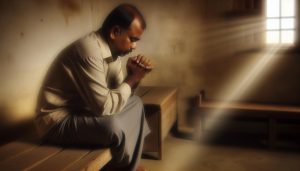
In a world filled with distractions and noise, the power of prayer remains a timeless refuge for countless believers. “Eastern Orthodox Prayers: Ancient Traditions for Modern Faith” invites you to explore the depth and richness of a spiritual heritage that has guided faithful hearts for centuries. These prayers serve not only as a means of communication with God but also as a source of solace and strength amid life’s challenges. By delving into these ancient traditions, you can help cultivate a more profound relationship with the divine, connecting your modern faith journey to the wisdom and practices of the past. Discover how these prayers can nurture your spiritual life, offering comfort and guidance as you navigate the complexities of daily existence. Your journey towards a more fulfilling prayer life begins here, as you uncover the transformative potential of Eastern Orthodox traditions that resonate deeply, even today.
Contents
- 1 Western Christian Approaches to Prayer vs. Eastern Orthodoxy
- 2 Understanding the Roots of Eastern Orthodox Prayer
- 3 Key Components of Eastern Orthodox Prayer Practices
- 4 The Role of Iconography in Eastern Orthodox Worship
- 5 Daily Prayer Routines: A Guide for Modern Believers
- 6 Liturgical Seasons and Their Prayers Explained
- 7 The Significance of the Jesus Prayer in Everyday Life
- 8 Fasting and Prayer: A Deep Spiritual Connection
- 9 How to Incorporate Eastern Orthodox Prayers into Daily Life
- 10 Modern Applications of Ancient Prayers for Today’s Christians
- 11 Resources for Learning and Engaging with Eastern Orthodoxy
- 12 Q&A
- 13 Insights and Conclusions
Western Christian Approaches to Prayer vs. Eastern Orthodoxy
In the rich tapestry of Christian traditions, the contrasts between Western Christian approaches to prayer and those of Eastern Orthodoxy are both profound and illuminating. At the heart of these differences lies not just a variety of practices, but a unique understanding of communion with God. While Western Christianity often emphasizes personal prayer and individual reflection, Eastern Orthodoxy promotes a communal rhythm grounded in ancient liturgies and sacramental life. The prayers of the Eastern Church are steeped in centuries of theological insight and mystical experience, inviting participants into a shared journey that transcends mere expression and enters into an encounter with the Divine.
Central to Eastern Orthodox prayer is the concept of theosis, the transformative process of becoming one with God’s nature. This belief shapes their prayer life, focusing on both the public and private dimensions of worship. Liturgical prayers often include embedded hymns and chants which are not only performed but also meditated upon, allowing worshippers to engage with the hymns on a deeper spiritual level. In contrast, Western prayers might prioritize personal supplication or reflection, emphasizing the believer’s direct conversation with God. This shift reflects differing theological emphases: Western traditions often highlight the personal relationship with Jesus, whereas Eastern prayer practices celebrate the mystery of God’s presence through communal rituals.
Within the structure of Eastern Orthodox services, the use of iconography serves as a vital component, providing a visual narrative that complements the spoken prayers. Icons are considered windows to the divine, reflecting the spiritual reality that prayer aims to achieve. In this context, prayer becomes an interactive experience, where believers not only speak but also see and contemplate, encouraging a holistic approach to worship that engages the heart, mind, and soul. For many within the Orthodox tradition, these visual elements cultivate an atmosphere of reverence, deepening the practice of prayer as a pathway to encounter God.
As believers navigate their spiritual journeys, integrating elements from both Western and Eastern practices can enrich one’s prayer life. Experimentation with varied prayer forms-whether silent meditation typically found in Western contexts or the repetitive chanting of the Jesus Prayer in Eastern Orthodoxy-can provide new dimensions to understanding God’s presence. By immersing ourselves in diverse practices, we can foster a richer, more resilient faith that draws on the strengths of both traditions. Embrace this journey with openness to learn and grow, remembering that prayer is ultimately a sacred dialogue with our Creator, a space where we are invited to listen and be transformed.
Understanding the Roots of Eastern Orthodox Prayer

In the heart of Eastern Orthodox Christianity lies a profound and rich tapestry of prayer that deeply connects believers to their faith and tradition. Understanding this unique approach requires delving into the historical and theological roots that shape how Orthodox Christians engage in communion with God. Unlike many Western traditions that often emphasize informal, individual prayer, Eastern Orthodox prayer is intrinsically communal and sacramental, inviting the faithful into a shared experience that transcends personal devotion.
Central to Eastern Orthodox prayer is the understanding of the theosis, a process by which believers become united with the divine nature of God. This belief is not merely abstract; it is lived out in the practice of prayer through structured liturgies and meditative chants. Worshippers immerse themselves in a lexicon of prayers that include ancient hymns and scriptural recitations, engaging body, mind, and soul in every moment of prayer. This holistic approach encourages a deeper awareness of God’s presence, inviting believers to ponder the mysteries of faith and the divine life that is accessible to them.
Moreover, the rhythm of Orthodox liturgical life is marked by the cyclic nature of prayer, which varies by the season and feast. Each period-from Great Lent to the joyful celebrations of Pascha (Easter)-offers specific prayers that reflect the themes of humility, resurrection, and thanksgiving, guiding believers in their spiritual journey throughout the church year. This structured yet profound connection to time serves to ground the Orthodox faithful in their daily lives, reminding them of their communion with the broader body of Christ that spans generations.
In practicing Eastern Orthodox prayer, modern believers are encouraged to explore daily rituals that can enhance their spiritual lives. Setting aside specific times for prayer, embracing the repetition of phrases like the Jesus Prayer, and using prayer ropes to help focus and meditate can transform personal prayer life into a more intentional practice. Incorporating these rich traditions into contemporary life not only deepens one’s relationship with God but also fosters a sense of community with fellow believers, past and present. As you delve into this ancient tradition, may you find your prayer life enriched and your faith strengthened in profound ways.
Key Components of Eastern Orthodox Prayer Practices

In the rich tapestry of Eastern Orthodox prayer life, several key elements come together to create a holistic and transformative spiritual practice. At the heart of these practices lies liturgical worship, where believers gather in community to participate in the Divine Liturgy, a central element of worship that encapsulates the communal aspect of Orthodox spirituality. During the Divine Liturgy, the faithful engage collectively in prayers, hymns, and sacraments, reinforcing their connection to both God and each other. This shared experience emphasizes that prayer is not merely an individual activity but a communal journey of faith.
Another fundamental component is the use of structured prayers and psalms that serve to guide the faithful through various aspects of their daily lives. Orthodox Christians often recite the Hours, a series of prayers offered at specific times throughout the day, allowing them to weave spiritual reflection into the fabric of daily activities. Notably, the Jesus Prayer-“Lord Jesus Christ, Son of God, have mercy on me, a sinner”-stands out as a powerful contemplative practice that encourages believers to focus their hearts and minds on God throughout their daily routines. This simple yet profound prayer illustrates the emphasis on personal connection with the divine, even amidst the structured, community-oriented nature of Orthodox worship.
The significance of iconography in Orthodox prayer cannot be understated. Icons serve not merely as artistic representations but as windows into the divine, inviting believers to enter into a sacred space where they can engage in prayer and contemplation. Many Orthodox homes and churches feature icons prominently, creating an atmosphere conducive to prayer and reflection. This practice helps to cultivate a deep sense of reverence and connection to the stories of faith, the saints, and the mysteries of God’s love.
As modern believers seek to incorporate these ancient traditions into their lives, they may find great benefit in establishing personal prayer routines that resonate with their unique circumstances. Setting aside dedicated time for prayer and utilizing physical tools like prayer ropes or icon corner setups can enhance focus and bring a sense of sacredness to everyday life. By fostering a meaningful dialogue with God through structured prayers, engaging with the community in worship, and embracing the visual richness of icons, believers can deepen their connection to their faith and to the divine in transformative ways.
The Role of Iconography in Eastern Orthodox Worship

In the vibrant world of Eastern Orthodox worship, iconography plays a pivotal role that transcends mere decoration, offering a profound means of spiritual connection and contemplation. Icons are much more than visual representations; they are regarded as windows to the divine, designed to foster an atmosphere of reflection and prayer. By depicting Christ, the Virgin Mary, and the saints, these sacred images invite believers into a deeper understanding of their faith and a closer communion with God. The careful attention given to creating an icon-its colors, symbols, and forms-carries significant theological meaning, embodying the beliefs and traditions of the Orthodox Church.
The presence of icons in homes and churches encourages a contemplative environment that enhances daily prayer life. Believers often create a personal space for prayer, known as an “icon corner,” where they can focus their thoughts and intentions. This sacred setup may include a small table adorned with icons, candles, and prayer ropes, serving as a dedicated area for worship and reflection. Setting aside time at this space not only enriches personal faith but also anchors one’s life in the sacred, reminding individuals of their connection to the broader community of saints and their shared journey toward God.
Additionally, during liturgical services, icons serve crucial roles, guiding the prayers of the faithful and enhancing communal worship. Icons are often processed through the church, drawing attention and reverence. The act of venerating icons-kissing or bowing before them-symbolizes respect and love for what they represent rather than worship of the icon itself. This practice reinforces the belief in the communion of saints and the presence of the divine in the worship experience.
To engage fully with the tradition of iconography, modern believers can consider integrating this practice into their daily lives. Fostering a habit of prayer before an icon can enhance awareness of God’s presence. Reading the lives of the saints depicted in icons can provide inspiration and guidance, while choosing icons that resonate personally or spiritually can enrich one’s prayer life. Through these actions, believers can create a vibrant and meaningful connection to their faith that resonates through time.
Daily Prayer Routines: A Guide for Modern Believers

Incorporating daily prayer into your life can transform your spiritual journey, providing a consistent source of strength, guidance, and peace. For modern believers in the Eastern Orthodox tradition, establishing a routine that honors ancient practices while fitting into contemporary life can be both rewarding and enriching. The Orthodox faith emphasizes the importance of intentional, regular prayer, which can serve as a foundation for building a deeper relationship with God.
A simple yet profound daily prayer routine can combine personal reflection, communal prayers, and traditional prayers from the Orthodox Church. Start your day with the Morning Prayers, which may include the Prayer of the Publican and The Morning Offering. These prayers set a tone of humility and gratitude, inviting God’s presence into the day ahead. You can enhance this time by reading passages from the Bible, allowing the Scriptures to guide your thoughts and intentions.
As you progress through your day, consider incorporating short prayer moments. These could include the Jesus Prayer or other one-sentence prayers that resonate with your heart and spirit. When faced with challenges or moments of stress, repeating a simple phrase like, “Lord Jesus Christ, Son of God, have mercy on me, a sinner,” can center your thoughts and remind you of God’s constant presence.
In the evening, returning to prayer can bring closure to your day. The Evening Prayers may involve thanking God for the day’s blessings, reflecting on your actions, and seeking forgiveness. This practice encourages a spirit of repentance and prepares you for rest while deepening your connection to your faith. OrganiChallenge yourself to keep a prayer journal, where you reflect upon your prayers and note any insights God provides, making your prayer life more interactive and personal.
Connecting with community is also vital; consider participating in Vespers or other communal prayers when possible. It can reinforce your faith and deepen your spiritual bonds with fellow believers. By establishing a daily rhythm of prayer grounded in Orthodox traditions, modern believers can cultivate an enriching spiritual life that not only draws them closer to God but also allows them to share His love with those around them.
Liturgical Seasons and Their Prayers Explained

The rich tapestry of the Eastern Orthodox liturgical calendar provides a profound structure for the spiritual lives of believers, guiding them through the seasons of the church year with specific prayers, themes, and reflections. Each season-Advent, Lent, Pascha (Easter), Pentecost, and the various feast days-carries unique prayers that resonate deeply with both tradition and personal faith journeys.
During Advent, which precedes the celebration of the Nativity, Orthodox Christians engage in a spirit of anticipation and preparation. The prayers of this season emphasize the longing for Christ’s coming, with special emphasis on humility and repentance. The well-known “O Come, O Come, Emmanuel” echoes the sentiments of this time, inviting believers to open their hearts to the coming joy of Christmas.
As Lent unfolds, the focus shifts to repentance and introspection, marked by the Great Canon and the Prayer of St. Ephraim. These prayers cultivate a spirit of humility, reminding believers of their need for God’s mercy. The call to fasting is integral during this season, as it is seen as a means to purify the soul and draw closer to God. Engaging in daily readings and reflections on repentance-quality texts, such as the lives of the saints, can enhance this penitential journey.
The joyous celebration of Pascha brings an entirely different tone, centered around the Resurrection of Christ. The prayers of this season reflect triumph over death and the gift of eternal life. The Paschal Canon, sung during the midnight service, radiates joy and hope, transforming the solemnity of Lent into a celebration of light and life. Believers are encouraged to engage actively in these prayers as they herald the central belief of the Christian faith.
Pentecost, marking the descent of the Holy Spirit, invites believers to pray for the empowerment and guidance of the Spirit in their daily lives. The prayers of this season underline the importance of the Holy Spirit in sustaining and nurturing the faith community. It’s a time for reflection on the gifts of the Spirit, making it an ideal season for spiritual renewal and commitment to service.
Through the recognition of these liturgical seasons, Orthodox Christians can shape their prayer life to align with the rhythms of the church. Engaging with the specific prayers and themes of each season not only deepens one’s personal relationship with God but also fosters a communal identity within the broader church. By incorporating these traditions into their daily routines, believers can cultivate a richer spiritual life that honors both the ancient practices and the dynamic experience of modern faith.
The Significance of the Jesus Prayer in Everyday Life

In the fast-paced world we inhabit, where distractions abound and peace seems elusive, the Jesus Prayer emerges as a beacon of hope and grounding for many believers. This simple yet profound prayer-“Lord Jesus Christ, Son of God, have mercy on me, a sinner”-offers a way to connect with God intimately and continuously throughout the day. The Jesus Prayer is not merely a ritual; it serves as a lifeline, inviting believers to center their thoughts and draw nearer to Christ amid life’s chaos.
The Power of Repetition
Repetition in prayer can be immensely beneficial, as it allows the words to sink deeply into the heart and mind. Engaging with the Jesus Prayer repeatedly transforms it from a simple recitation into a heartfelt mantra. This practice draws from Eastern Orthodox traditions, where believers use the prayer as a form of hesychasm-a disciplined approach to achieving inner stillness and communion with God. For example, during quiet moments throughout the day, such as commuting or while performing household chores, believers can quietly repeat the Jesus Prayer. This can foster a sense of peace, encouraging reflection on God’s mercy and love.
Daily Incorporation
Integrating the Jesus Prayer into daily life can be a transformative experience for believers. Here are some practical ways to include it in your spiritual routine:
- Morning Intention: Begin your day with a few moments of silence, focusing on your breathing, and softly repeat the prayer to set a tone of humility and reliance on God.
- Quiet Reflection: Maintain a dedicated time each day for reflection or meditation, where the Jesus Prayer can be your anchor. Establish this as a sacred space to unwind and reconnect with God.
- Guided Prayer Sessions: Utilize apps or prayer books that facilitate structured prayer times using the Jesus Prayer, encouraging both personal and communal experiences.
- During Challenges: When faced with difficulties or emotional turmoil, invoking the Jesus Prayer can help redirect thoughts from despair to faith, reminding one of Christ’s presence and mercy.
Spiritual Warfare
The Jesus Prayer serves as a powerful tool for spiritual warfare, enabling believers to combat negativity and temptation that hinder their walk with Christ. When anxiety or doubt creeps in, quietly repeating this prayer can remind you of your identity as a beloved child of God. This intentional practice not only strengthens your resolve but also cultivates a deeper dependence on God’s ever-present grace in fragile moments.
By intertwining the Jesus Prayer into your everyday life, you embrace an ancient tradition that resonates with modern needs. It becomes a faithful companion on your journey, nurturing your spirit, aligning your intentions with God’s will, and empowering you to live out your faith authentically in the world. Let this sacred invocation breathe life into your prayer practice, serving as both a refuge and a reminder of the boundless love that Jesus embodies.
Fasting and Prayer: A Deep Spiritual Connection
The relationship between fasting and prayer in Eastern Orthodoxy is profound, serving as a spiritual discipline that deepens one’s communion with God. Fasting is not merely about abstaining from food; it is an intentional act that aligns the body, mind, and spirit towards the sacred. This ancient practice cultivates self-discipline and opens the heart to a heightened awareness of God’s presence, transforming the believer’s daily existence into an offering of love and gratitude.
Within the Eastern Orthodox tradition, fasting periods are integral to the liturgical calendar, preparing the faithful for significant feast days. For example, Great Lent, a time of fasting and prayer leading up to Pascha (Easter), invites believers to engage in spiritual reflection and repentance. During this season, adherents are encouraged to reduce their earthly desires through dietary restrictions, dedicating their time and efforts to heartfelt prayer and service. Such practices not only draw individuals closer to God but also foster a sense of community as believers support each other in their spiritual journeys.
To enhance the experience of fasting, many Eastern Orthodox Christians incorporate specific prayers into their daily routine. Here are some practical suggestions for making fasting a transformative part of your faith life:
- Setting Intentions: At the beginning of each fasting period, take a moment to pray and reflect on what you wish to deepen-be it your faith, relationship with Christ, or service to others. Write down these intentions to keep them visible throughout your fast.
- Engaging with Scripture: Commit to reading specific scriptures each day that speak to the themes of repentance, humility, and God’s mercy. Use this time to meditate on how these passages apply to your own life.
- Communal Activities: Join with fellow believers for prayer services, fasting meals, or charitable activities. Engaging in community helps strengthen relationships and provides spiritual support.
- Daily Prayer Routines: Integrate traditional prayers specific to fasting into your routine, such as the Prayer of St. Ephraim, which serves as a poignant reminder of humility and repentance.
As believers navigate the fasting period, it transforms into a sacred time set aside for reflection, gratitude, and growth in faith. The act of fasting, when coupled with prayer, becomes a spiritual journey that not only disciplines the body but also invites deeper insights into God’s nature and His profound love for humanity. Embrace this time as a chance to witness the miracles of faith unfold in your heart and allow the rhythms of fasting and prayer to lead you closer to Christ.
How to Incorporate Eastern Orthodox Prayers into Daily Life
Incorporating Eastern Orthodox prayers into your daily life can create a profound connection with God, enhancing your spiritual journey. These ancient prayers are not just rituals; they are invitations to enter into a deeper communion with the divine, enriching both your personal faith and the community around you. By weaving these practices into the fabric of your daily routine, you can transform ordinary moments into sacred encounters with God.
One practical approach is to establish a dedicated prayer time each day. Morning prayers can set the tone for your day, while evening prayers offer a moment of reflection and gratitude. Utilizing well-known prayers, such as the “Our Father” or the “Jesus Prayer,” can guide your heart and mind toward peace and humility. Consider creating a prayer corner in your home, adorned with icons and candles, to cultivate an atmosphere conducive to worship and focus.
In addition to structured prayer time, you can also infuse your day with spontaneous prayers. Throughout the day, take a moment to whisper a prayer of thanks or a request for guidance, especially during challenging situations. This practice not only keeps you connected to God but allows you to reflect on His presence in every aspect of your life, reinforcing the belief that no moment is too small for prayer.
Engaging with liturgical texts can further deepen your prayer life. Many Orthodox Christians embrace the Psalms as a central element of their daily prayers, turning to these sacred songs for comfort and inspiration. Choose a Psalm that resonates with your current life situation and meditate on it throughout the day. You might also consider using prayer beads (komboskini) to help focus your mind and recite prayers, particularly during moments of stress or distraction.
Lastly, nurturing your prayer practice alongside community involvement can profoundly amplify its impact. Participating in communal prayers, whether through church services or prayer groups, fosters a sense of belonging and mutual support. Embrace opportunities for fellowship, knowing that praying together magnifies the spiritual experience, as the faithful unite their hearts in pursuit of God.
By intentionally integrating these practices, you invite the spirit of Eastern Orthodox traditions into your everyday life, allowing ancient prayers to inspire and sustain your modern faith journey. Through commitment to prayer, you open your heart to the transformative power of God’s love, enabling a rich, vibrant relationship with Him that sustains you in every season.
Modern Applications of Ancient Prayers for Today’s Christians

Integrating ancient prayers into contemporary Christian life can profoundly enhance one’s spiritual journey, offering a timeless connection to faith that transcends cultural and generational barriers. Eastern Orthodox prayer practices, rich in tradition and meaning, provide a pathway for modern believers to nurture their relationship with God amidst a bustling, often chaotic world. These prayers serve not merely as rituals but as heartfelt expressions of faith that resonate deeply, encouraging us to engage fully with both our spiritual and everyday lives.
One effective way to bring these ancient prayers into daily practice is through the cultivation of mindfulness in prayer. This practice involves approaching prayer with an open heart and focused mind, allowing space for God’s presence to manifest in our lives. Consider setting aside a few moments during your commute or work breaks to recite simple yet powerful prayers such as the Jesus Prayer-“Lord Jesus Christ, Son of God, have mercy on me, a sinner.” Such short prayers can easily fit into the busyness of modern life while fostering a deeper awareness of God’s unceasing love and grace.
Additionally, incorporating iconography into your home can serve as a visual reminder of faith and a focal point for reflection and prayer. Icons are not just decorative; they invite believers into a deeper experience of worship. Establishing a small prayer corner adorned with icons, candles, and sacred texts can create a tranquil space that nurtures spiritual growth. It signals a commitment to prayer and reflects the beauty of Eastern Orthodox traditions, enhancing the overall prayer experience.
You can also engage in regular community prayer gatherings that embrace ancient liturgical practices. Sharing in communal prayers fosters unity and support among believers, enhancing the spiritual experience for all participants. This fellowship allows for a collective expression of faith, as individuals share their hopes and struggles, reinforcing the belief that prayer is a communal act meant to uplift and encourage one another.
In essence, the application of Eastern Orthodox prayers in today’s context calls believers to embrace both the age-old and the modern. By weaving these practices into everyday life, believers can create a rhythm of prayer that not only honors tradition but also enriches their personal faith journey, ultimately drawing them closer to God’s abiding presence.
Resources for Learning and Engaging with Eastern Orthodoxy
Exploring Eastern Orthodoxy can lead to a rich and profound engagement with the Christian faith, inviting believers to deepen their spiritual practices through ancient traditions and teachings. To embark on this journey, a variety of resources are available to enhance understanding, foster community, and integrate these timeless practices into modern life.
Books and Texts
One of the best places to start is with foundational texts on Eastern Orthodox theology and practices. Consider reading the following:
- The Way of a Pilgrim – This classic spiritual work introduces the Jesus Prayer and highlights a life of prayerful devotion.
- The Orthodox Way by Bishop Kallistos Ware – A comprehensive overview of the beliefs, practices, and spiritual life of the Orthodox Church.
- The Philokalia – A monumental collection of texts by various authors focusing on the practice of the inner life and contemplation.
These texts offer deep insights into the faith and can serve as a guide to understanding the context and significance of prayers within Eastern Orthodoxy.
Online Courses and Webinars
Many Orthodox institutions offer online courses that delve into various aspects of Eastern Orthodoxy-covering theology, church history, and spiritual practices. Websites such as the Orthodox Christian Network and the Antiochian Orthodox Christian Archdiocese provide free webinars and educational resources, making it easier for believers to learn at their own pace. Engaging with these materials helps to create a more substantial foundation in the faith, allowing for thoughtful integration of prayer practices into daily life.
Community Engagement
Participating in local Orthodox parishes or prayer groups can be immensely beneficial. Connecting with a community fosters a shared experience of faith and provides an atmosphere for communal prayer. Many parishes offer classes or discussion groups that address Eastern Orthodox teachings, providing an opportunity for fellowship and mutual growth in faith.
You may also explore online communities through social media platforms or Orthodox forums, where believers share experiences, resources, and encouragement. This camaraderie can be a source of inspiration and support as you embark on your spiritual journey.
Prayer Resources
To incorporate Eastern Orthodox prayers into personal life, consider utilizing prayer books such as the Jordanville Prayer Book or engaging with apps like My Orthodox Prayer. These resources can help guide your daily prayers and foster a routine that includes traditional prayers and hymns.
By utilizing these numerous resources, believers can gain a deeper appreciation for Eastern Orthodox traditions, enrich their prayer life, and cultivate a vibrant spiritual journey that harmonizes ancient practices with contemporary faith living.
Q&A
Q: What are the key differences between Eastern Orthodox prayers and Western Christian prayers?
A: Eastern Orthodox prayers emphasize community, repetition, and liturgical structure, contrasting with Western traditions that often prioritize personal expression and spontaneity. This communal approach fosters a deep sense of connection to the faith and the saints, enriching the prayer experience. Explore more in the section on Western Christian Approaches to Prayer vs. Eastern Orthodoxy.
Q: How can beginners start practicing Eastern Orthodox prayers in their daily life?
A: Beginners can start by incorporating simple prayers, like the Jesus Prayer, into their daily routines. Setting aside specific times for prayer and using prayer books can also help establish a meaningful practice. Find practical tips in the “How to Incorporate Eastern Orthodox Prayers into Daily Life” section.
Q: Why is iconography significant in Eastern Orthodox prayer practices?
A: Iconography plays a vital role in Eastern Orthodox prayer by serving as a visual representation of spiritual truths and holy figures. Icons are considered windows to the divine, enhancing prayer and meditation by inviting worshippers into a deeper spiritual experience.
Q: What are the benefits of fasting alongside Eastern Orthodox prayers?
A: Fasting enhances spiritual focus and self-discipline, allowing individuals to approach prayer more sincerely. By temporarily abstaining from certain foods or comforts, believers can deepen their prayer life, aligning their hearts with spiritual goals and God’s intentions.
Q: When are the most important liturgical seasons for Eastern Orthodox prayers?
A: Major liturgical seasons include Great Lent, Holy Week, and Pascha (Easter). These periods feature special prayers, services, and reflections that enrich the believer’s faith journey and understanding of Christ’s resurrection.
Q: How can Eastern Orthodox prayers adapt to modern lifestyles?
A: Eastern Orthodox prayers can be adapted by integrating short prayers or prayers of gratitude throughout the day. Using apps or podcasts that offer guided prayers and reflections can also help maintain a connection with the faith in a busy schedule.
Q: What resources are available for learning more about Eastern Orthodox prayers?
A: Numerous resources, including prayer books, online courses, and community services, are available for those seeking to learn more. Books on Eastern Orthodox spirituality and local church programs can provide deeper insight and practical involvement.
Q: How do Eastern Orthodox prayers support community and collective worship?
A: Eastern Orthodox prayers emphasize communal participation in liturgical services, fostering unity among believers. The structure of prayers often includes intercessions for the community and the church, enhancing the sense of belonging and shared faith.
Insights and Conclusions
As we delve into “Eastern Orthodox Prayers: Ancient Traditions for Modern Faith,” remember that these prayers are not just rituals; they are a path to deepen your connection with God, enhancing your spiritual life in today’s chaotic world. Embrace the rich heritage of Eastern Orthodoxy and allow these prayers to guide you in nurturing your prayer life, enriching your Bible study, and cultivating a vibrant devotional practice. Don’t miss out on discovering how these ancient traditions can harmonize with modern faith, bringing peace and strength to your daily life.
We invite you to explore related resources that can further elevate your spiritual journey: check out our articles on Christian marriage, parenting guidance, and biblical lifestyle advice to foster a fulfilled and faith-driven life. Join our community by signing up for our newsletter to receive uplifting content and practical resources sent directly to your inbox, empowering you to navigate your faith journey with confidence. Share your thoughts below-your voice matters to us as we grow together in faith, and don’t forget to explore more articles on spiritual warfare and authentic Christian living in today’s world. Your engagement not only strengthens our community but also enriches your experience.