
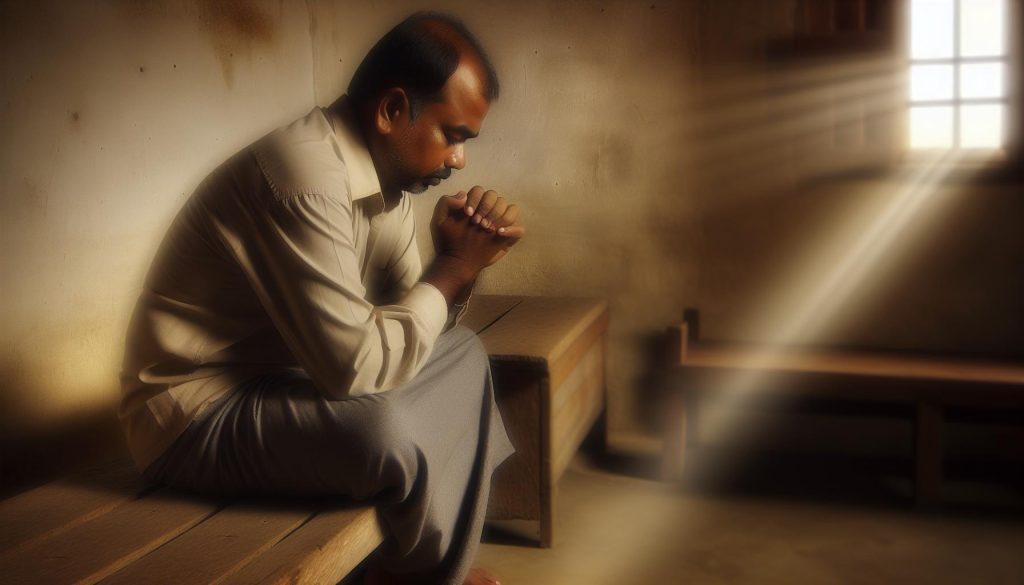
In every Christian journey, the path is often marked by missteps and moments of profound failure. Yet, it is in these vulnerable places that we can discover the transformative grace of God through prayer. “Prayers of Sinners: Finding Grace When You’ve Failed” invites readers to explore the unmatched power of reaching out to God, even when we feel unworthy or lost. Did you know that some of the most heartfelt prayers come from those who see their own shortcomings? Our struggles open a gateway to deeper intimacy with God, allowing us to experience His mercy and strength. As you read, you’ll find encouragement that no matter how far you wander, you are never beyond the reach of God’s love. This journey through prayer can renew your spirit, helping you discover that grace is not only for the righteous but also for the repentant heart. Join us as we uncover how honest conversations with God can lead to healing and restoration, illuminating your path forward with hope and purpose.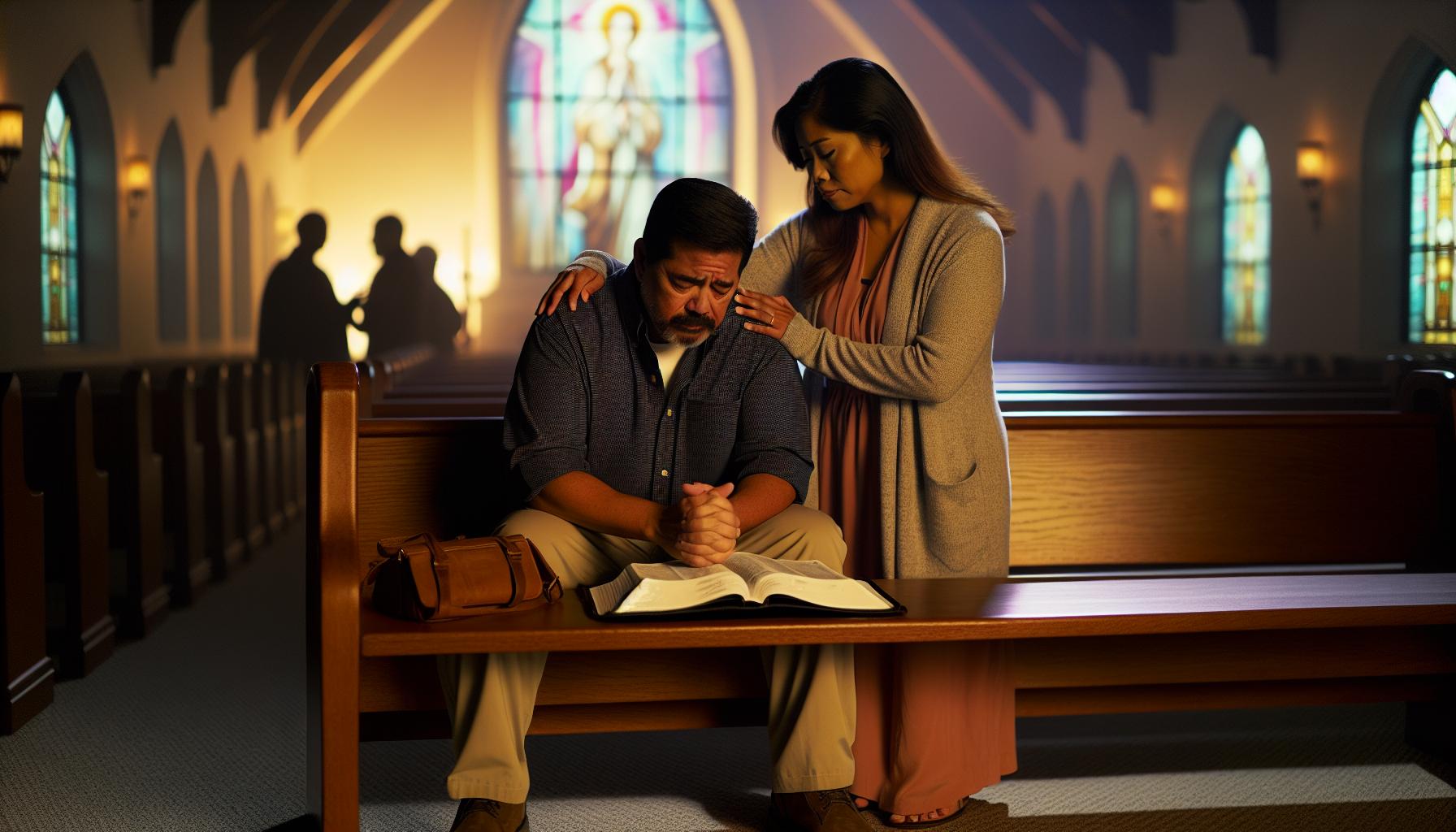
Contents
- 1 Prayers for Forgiveness: Seeking God’s Mercy
- 2 Understanding Grace: What It Means to Be Forgiven
- 3 The Power of Repentance: Turning Back to God
- 4 Finding Strength in Failure: Lessons from Scripture
- 5 Real-Life Stories of Redemption and Grace
- 6 Prayer Practices to Connect During Tough Times
- 7 Navigating Guilt and Shame: Overcoming Barriers to Prayer
- 8 Bible Verses to Inspire Healing and Restoration
- 9 Creating a Habit of Prayer When You’ve Failed
- 10 The Role of Community in Healing and Forgiveness
- 11 Practical Steps for a Renewed Faith Journey
- 12 Embracing Grace: Living Beyond Your Mistakes
- 13 Frequently Asked Questions
- 14 The Conclusion
Prayers for Forgiveness: Seeking God’s Mercy
In moments of deep regret and sorrow, seeking God’s mercy can be a source of profound relief and healing. The act of praying for forgiveness is more than just reciting words; it is an intimate dialogue with our Creator, acknowledging our shortcomings and appealing for His boundless grace. As we come before God, we are reminded of His infinite love, which invites us to lay down our burdens and receive compassionate renewal. Through genuine prayer, we reach toward the heavens with a contrite heart, ready to embrace the transformative power of divine forgiveness.
When seeking God’s mercy, it is helpful to articulate your feelings directly to Him. Here’s how you can structure your prayers for maximum impact:
- Admit Your Mistakes: Open your prayer with honesty. Confession is a crucial step in the journey of forgiveness. For example, “Lord, I acknowledge I have fallen short in my thoughts and actions.”
- Express Sorrow: Share your feelings of regret. Acknowledge how your actions have affected not only you but also others around you. “I am sorry for the pain I have caused myself and those I love.”
- Request Forgiveness: Ask God directly for His mercy and forgiveness. “Please forgive me and wash away my sins with Your grace.”
- Commit to Change: Make a heartfelt promise to turn away from the sin and seek His guidance moving forward. “Help me, Lord, to turn from my ways and walk in Your light.”
As you pray, reflect on relatable biblical passages that underscore God’s desire for reconciliation. For instance, 1 John 1:9 reminds us, “If we confess our sins, He is faithful and just to forgive us our sins and cleanse us from all unrighteousness.” This assurance encourages believers to approach God with confidence, knowing that He is eager to offer mercy.
Remember, these prayers for forgiveness are not just about seeking relief from guilt; they pave the way for spiritual growth. Each act of contrition draws us closer to God, helping us to learn and grow from our experiences. As you engage in this vital practice, you will find not only a release from burdens but also a richer understanding of God’s immense grace-a grace that transcends failures and leads us into a more profound relationship with Him.
Understanding Grace: What It Means to Be Forgiven
Experiencing feelings of failure and shame can weigh heavily on the heart, yet it is essential to remember that grace-the unmerited favor of God-is always available to us. Understanding grace is not merely an intellectual endeavor; it is about embracing a transformative relationship with God who forgives freely and loves relentlessly. This divine grace invites us to recognize that our past does not define us; instead, it positions us to receive healing and renewal through Christ.
When we grasp what it means to be forgiven, we begin to see the depths of God’s compassion. Forgiveness is not a one-time event but an ongoing process that fosters spiritual growth. Just as Jesus taught in the parable of the prodigal son (Luke 15:11-32), our failures may cause us to wander, but the way back to God is always open. In moments of despair, we can reclaim our identity as beloved children of God, welcomed back with open arms, as He longs for us to return to Him.
The Beauty of Divine Forgiveness
Grace empowers us to move forward, not in our own strength, but through the strength and mercy of God. This journey can include:
- Reflection: Take time to reflect on the nature of God’s grace in your life. Write down instances where you have recognized His mercy and healing. This practice can solidify your understanding of grace as a tangible experience rather than just a concept.
- Prayer: Utilize prayer as a means to articulate your journey towards understanding grace. Ask God to reveal His grace in your life and help you internalize the truth of His forgiveness.
- Bible Study: Engage with scripture passages that emphasize God’s grace, such as Ephesians 2:8-9 and Romans 3:23-24. These verses remind us that our shortcomings are covered by His grace.
By embracing grace, we overcome the guilt and shame that can keep us distant from God. Instead, we cultivate a deep reliance on God’s love and forgiveness, which illuminates our path forward. As we navigate our Christian journey, remember that grace is God’s gift to us, encouraging us to forgive ourselves and others, thus creating a ripple effect of love and acceptance in our communities. In understanding grace, we find not just forgiveness but also the strength to grow, serving as instruments of God’s love in a world longing for redemption.
The Power of Repentance: Turning Back to God
In every believer’s journey, moments of failure and regret are inevitable; however, these are often the very moments that propel us toward a deeper relationship with God through repentance. Repentance, at its core, is more than just a confession of sin-it’s an active choice to turn away from our wrongdoings and seek God’s forgiveness and guidance. This transformative act can bring newfound clarity, releasing the burdens we carry and allowing God’s love to wash over us.
As we reflect on our lives and the mistakes we may have made, we can take practical steps to embrace the power of repentance. First, it involves a heartfelt admission of our failures, acknowledging the ways we’ve stepped off the path God has set for us. This act of sincerity paves the way for a dialogue with our Heavenly Father, a crucial step in rekindling our relationship with Him. Psalm 51:17 reminds us, “The sacrifices of God are a broken spirit; a broken and contrite heart, O God, you will not despise.” Recognizing our need for God opens our hearts to His healing grace.
To turn back to God effectively, consider incorporating intentional prayer practices into your daily life. Set aside quiet moments for reflection and prayer, expressing your regrets and seeking forgiveness. You might say, “Lord, I recognize my failures. I turn to You with a humble heart, asking for Your mercy.” Moreover, surrounding yourself with scripture can fortify your resolve; reading passages like 1 John 1:9, which assures us that “If we confess our sins, He is faithful and just to forgive us our sins,” can provide profound encouragement.
In addition, implementing a form of accountability can be beneficial. Engaging in discussions with trusted friends, mentors, or church leaders can offer guidance and support as you navigate your journey of repentance. Remember, stepping back towards God is not a solitary endeavor; community plays a vital role in our spiritual growth. Encouraging one another through prayer and sharing personal experiences creates a supportive environment where everyone can thrive in grace.
As you embrace the power of repentance, allow it to lead you to a place of renewal and hope. Every step taken in humility and sincerity ushers in the opportunity for redirection in your spiritual path, reminding you that no mistake is too great to fall outside the embrace of God’s infinite love. Ultimately, this process not only brings you closer to Him but also equips you to extend grace to others, fostering a community that mirrors the heart of Christ.
Finding Strength in Failure: Lessons from Scripture
Recognizing that failure is an integral part of the Christian journey can be profoundly liberating. The Bible is replete with stories of individuals who stumbled but found strength and redemption through their struggles. These narratives remind us that God does not shy away from our failures; instead, He invites us to bring our brokenness to Him. Consider the life of Peter, who, despite denying Christ three times, was restored and entrusted with the leadership of the early Church. This teaches us that failure does not define our future; rather, it can be the catalyst for a deeper relationship with our Savior.
Lessons from Key Biblical Figures
The lessons learned from the lives of biblical figures serve as a guide for our own journeys. Look at David, a man after God’s own heart who committed serious sins, yet repeatedly sought forgiveness and turned back to God (Psalm 51). His earnest prayers of repentance and desire for a clean heart show us that coming to God in humility can usher in healing and renewal. Similarly, the story of the Prodigal Son illustrates how turning back to the Father, no matter how far we’ve strayed, leads to unconditional love and acceptance (Luke 15:11-32).
These stories affirm that grace is available for every believer, regardless of their past choices. When we fail, we can lean into prayer and scripture, understanding that God’s mercy is indeed greater than our missteps.
Practical Steps to Embrace Strength in Failures
To find strength in your failures, consider incorporating the following practices into your spiritual routine:
- Reflect on Scripture: Engage with passages that highlight God’s forgiveness and compassion. Verses like Micah 7:18 remind us of His delight in showing mercy.
- Practice Honest Prayer: Approach God with an open heart when you feel you’ve failed. Acknowledge your shortcomings and ask for His guidance to help you overcome them.
- Seek Accountability: Share your struggles with trusted friends or mentors within your community. Their support can provide encouragement and lift you up as you navigate the path to reconciliation.
- Embrace Community: Participate in church activities or small groups where you can learn from others’ experiences and growth. This fosters a safe environment for healing and growth.
By recognizing the strength that comes through prayer, accountability, and community support, you can transform your failures into opportunities for spiritual growth and grace. Remember, every failure offers a chance to experience God’s love more deeply and empowers you to extend that grace to others. Embrace the journey back to Christ, knowing that each step in repentance opens the door to renewal and hope.
Real-Life Stories of Redemption and Grace
Countless stories illustrate the powerful impact of grace and redemption, each echoing the transformative journey of those who have stumbled but found their way back through faith. Such narratives serve not only as inspiration but also as testimonies of God’s unwavering love and mercy. For instance, consider the story of a woman who battled addiction for years, feeling trapped in a cycle of shame and despair. It wasn’t until she reached out in prayer, crying out for help, that she experienced a profound sense of God’s presence and acceptance. She began attending support groups rooted in faith, where she learned to both receive and extend grace. Through prayer, she found the strength to break free from her past, transformed into a mentor for others facing similar struggles.
The account of a former inmate also resonates deeply. After serving time for a serious crime, he struggled with feelings of guilt and worthlessness. Upon his release, he sought refuge in a local church, where members embraced him with open arms. Through their support and Bible studies focused on redemption, he found the courage to confront his past and seek forgiveness, not only from God but also from those he had harmed. He learned that grace is not only about receiving it but also about giving it-both to oneself and to others. His experience of being restored and valued within the community ignited a passion for helping at-risk youth, demonstrating how one’s failures can become a powerful narrative of hope.
These stories remind us that redemption is often born from our lowest points. The importance of community support is a common thread in many of these tales. As believers, we are called to lift each other up, sharing not only our successes but also our struggles. When we embrace vulnerability, we create a space for healing and transformation, reminding ourselves and others that we are not defined by our failures.
Reflecting on these experiences, it becomes clear that a journey of redemption begins with a sincere prayer for forgiveness and the courage to seek help. Whether through the Scriptures, supportive groups, or one-on-one mentorship, there are countless ways to embrace grace and foster an environment where healing flourishes. Each story of redemption serves as a beacon, illuminating the truth that no misstep is beyond the reach of God’s grace, inviting every believer to begin anew.
Prayer Practices to Connect During Tough Times
In moments of despair and failure, reconnecting with God through prayer becomes crucial to healing and renewal. Prayer serves not just as a method of communication with the Divine, but also as a balm for our wounded spirits. When life’s challenges weigh heavy on our hearts, adopting specific prayer practices can guide us back to a place of peace and purpose.
Grounding in Scripture
One effective practice is to integrate Scripture into your prayer routine. Verses like Psalm 51, where David cries out for mercy after his failings, can serve as a powerful framework for prayer. Reciting and reflecting on Scripture helps to center our thoughts and reminds us of God’s promises. Consider dedicating a moment each day to:
- Identify a verse that speaks to your current struggles.
- Pray through that verse, asking God to reveal its meaning in your life.
- Journal your thoughts as you process what you feel God is saying.
This practice not only deepens your connection with God but also reinforces the truth of His grace and mercy in times of weakness.
Prayer Communities
Engaging with a prayer community can also bolster your spiritual journey. Whether it’s a small group at church, a prayer partner, or an online community, sharing your struggles can lift burdens and foster accountability. Encouraging others allows you to see how God moves in various lives, while receiving prayers fortifies you against those dark moments. Discussing personal experiences of failure and redemption establishes a profound connection that echoes the communal nature of faith.
Journaling Your Prayers
Consider starting a prayer journal, a space where you pour out your heart to God. Write down your confessions, your praises, and specific prayer requests. As you revisit these entries over time, you will witness God’s faithfulness and the progression of your journey. Use this opportunity to regularly express gratitude, which can shift your focus from failure to thankfulness for God’s persistent love and grace.
Mindful Prayers
Incorporating mindfulness into your prayers can also enhance focus and intentionality. Spend a few moments in silence, allowing your heart to settle and your mind to clear. Then, approach your prayer with full awareness of God’s presence, recognizing your needs and vulnerabilities. Be authentic in your prayers; there is no need for eloquence-just a sincere heart.
By implementing these practices, you create a rich tapestry of connection with God that can flourish even amidst failure. Each prayer becomes a step towards understanding grace more deeply, enabling you to embrace the truth that failure is not the end but a pathway to restoration and renewed faith.
Feeling burdened by guilt and shame can create significant barriers between you and your prayer life. It often leads to a feeling of unworthiness, convincing you that you aren’t deserving of God’s love and grace. However, it’s essential to remember that the beauty of prayer lies in its power to reconnect you with God, regardless of your past mistakes. The very act of reaching out to Him can be a transformative step toward healing and reconciliation.
To navigate the difficult journey through guilt and shame, it might help to reframe your perspective on these feelings. Instead of viewing guilt as a wall separating you from God, consider it an invitation to draw closer to Him. Guilt can prompt you to examine your heart and motives, leading to authentic confession and repentance. As you engage in prayer, remind yourself of the promises found in Scripture, such as 1 John 1:9, which assures us that if we confess our sins, He is faithful and just to forgive us. Embracing these truths can diminish feelings of condemnation and illuminate your path back to God.
Creating an environment conducive to prayer can also help break down the barriers guilt and shame erect. Find a quiet, comfortable space where you can spend time with God without distractions. Incorporate elements that inspire reflection, like soothing music or Scripture verses posted visibly around the room. Begin your prayer time with gratitude, as this practice shifts your focus from your failures to God’s unending love for you. Acknowledge your pain honestly but also express your gratitude for His grace, and allow this to cultivate a sense of hope and renewal.
Engaging with supportive communities, whether through small groups or trusted friends, can further assist in navigating feelings of guilt and shame. Share your struggles with others who understand and can offer encouragement. They, too, may have faced similar challenges and can remind you of God’s fortifying grace in times of weakness. Notably, Matthew 18:20 emphasizes the power of community in prayer life: “For where two or three gather in my name, there am I with them.” Being part of a community can amplify your strength to move beyond guilt and walk in renewed faith.
Bible Verses to Inspire Healing and Restoration
The journey towards healing and restoration is often paved with the empowering words of Scripture, which serve as reminders of God’s unwavering grace and mercy. When we find ourselves weighed down by the burdens of failure and sin, turning to Bible verses can help reignite our hope and encourage us to seek God’s forgiveness. Each verse acts as a balm for our wounded spirit, illustrating the extent of God’s love and the promise of His restoration.
- Psalm 51:10-12: “Create in me a clean heart, O God, and renew a right spirit within me. Cast me not away from your presence, and take not your Holy Spirit from me. Restore to me the joy of your salvation, and uphold me with a willing spirit.” This heartfelt plea from David not only seeks outward forgiveness but embodies an earnest desire for inner transformation, reminding us that renewal is possible through sincere repentance.
- Isaiah 41:10: “Fear not, for I am with you; be not dismayed, for I am your God; I will strengthen you, I will help you, I will uphold you with my righteous right hand.” This verse reassures us that in moments of despair and guilt, we are not alone. God’s presence empowers us to rise above our failures and move toward healing.
- 2 Corinthians 5:17: “Therefore, if anyone is in Christ, he is a new creation. The old has passed away; behold, the new has come.” This powerful reminder emphasizes that through our relationship with Christ, we are given a fresh start. Our past mistakes do not define us; instead, they become lessons woven into our new identity in Him.
- 1 Peter 5:10: “And after you have suffered a little while, the God of all grace, who has called you to his eternal glory in Christ, will himself restore, confirm, strengthen, and establish you.” Here, Peter assures us that God is intimately involved in our healing process. He promises not only restoration but also the strength we need to continue our journey of faith.
- Proverbs 3:5-6: “Trust in the Lord with all your heart, and do not lean on your own understanding. In all your ways acknowledge him, and he will make straight your paths.” This encourages us to surrender our failures to God, trusting that He will guide us through uncertainty and toward restoration.
Remember, these verses are not just words; they embody the very essence of God’s character-His mercy, love, and willingness to forgive. As you meditate on these Scriptures, allow them to transform your heart and mind. They serve as a reminder that no matter how far we feel from God’s grace, His arms are always open, ready to embrace us and restore our joy. Engaging with these truths through prayer and contemplation can provide deep comfort and clarity, igniting a renewed zeal in your faith journey.
Creating a Habit of Prayer When You’ve Failed
Creating a consistent prayer habit can feel like an insurmountable challenge, especially when you’re grappling with feelings of failure and inadequacy. Yet, it is precisely in these moments that prayer becomes a lifeline-a sacred space where we can connect with God and reclaim our sense of purpose. Establishing a regular prayer routine is not about perfection; it’s about embracing sincerity, authenticity, and the understanding that God welcomes us exactly as we are, failures and all.
To build a habit of prayer, begin by setting aside dedicated time each day. This can be in the morning, during a lunch break, or before bed-whatever suits your lifestyle best. Consistency is key. Start with shorter prayer sessions, allowing your heart to express gratitude, confess shortcomings, and seek guidance. Even a few minutes can be transformative. As you grow more comfortable, gradually extend your prayer time and delve deeper into your conversations with God. Incorporating spiritual practices such as journaling your prayers can also help you articulate your thoughts and witness your spiritual growth over time.
Creating a sacred space in your home can also enhance your prayer experience. Designate a corner with items that inspire you-such as candles, a Bible, or meaningful artwork. This physical reminder can cultivate an atmosphere of reverence and invite you to draw closer to God. Furthermore, consider using prayer prompts or scripture verses that resonate with your heart. When you feel overwhelmed, you can turn to these tools that guide your thoughts back to God’s promises, reinforcing the truth that His love and grace are steadfast, even in your struggles.
Lastly, remember that prayer is a journey of grace. In Romans 8:28, we are reminded that God works for the good of those who love Him, weaving every experience-including our failures-into His divine plan. Embrace the fact that every time you return to prayer, you are practicing resilience, surrendering your burdens, and opening yourself to God’s transformative power. Allow this realization to encourage you to keep showing up, reminding yourself that it is through prayer that we find healing, restoration, and the strength to move forward.
The Role of Community in Healing and Forgiveness
In times of struggle and failure, the importance of community in our healing and forgiveness journey cannot be overstated. God designed us to thrive in relationships, and being part of a supportive community can provide the encouragement and accountability we need to overcome our challenges. The beauty of a faith community lies in the shared understanding of grace; together, we can lift each other up and remind one another of God’s unending mercy.
Surrounding ourselves with fellow believers creates a safe space for vulnerability. When we openly share our struggles, we not only diminish the feelings of isolation but also invite others to share their own experiences. This mutual exchange fosters a sense of belonging that is critical to spiritual growth. Scripture emphasizes this connection in Galatians 6:2, “Bear one another’s burdens, and so fulfill the law of Christ.” By engaging in prayer and support groups, we can actively participate in each other’s healing processes, offering prayers, encouragement, and sometimes tough love when needed.
Moreover, community is a powerful catalyst for reconciliation and healing. In Matthew 18:15, we are encouraged to address conflict directly and seek restoration, whether the wound is caused by others or self-inflicted. Having trusted friends or mentors who encourage us to apologize, forgive, and seek forgiveness can make all the difference. These relationships provide the accountability necessary to step out of our self-induced isolation and embrace the transformative power of God’s grace.
If you’re seeking to cultivate this sense of community, consider joining a small group within your church or participating in local faith-based initiatives. Regular meetups, whether for prayer, Bible study, or fellowship, help create an environment where healing and forgiveness are prioritized. Together, you can pray for one another, share scripture that resonates with your journeys, and provide practical steps towards healing-reminding each other that we are all, at one time or another, recipients of grace.
Practical Steps for a Renewed Faith Journey
Recognizing that God extends grace even in our darkest moments can be a transformative experience. When you feel overwhelmed by failure, remember that every setback can lead to a deeper understanding of God’s merciful love. Here are practical steps to help you embark on a renewed faith journey, even when the weight of guilt feels heavy.
1. Embrace Daily Prayer
Make prayer an integral part of your daily routine, as it is a powerful means of connecting with God. Use these moments to confess your struggles and failures openly. Remember, it’s not about perfect words but sincere communication. You might find it helpful to keep a prayer journal where you document your feelings, prayers, and any revelations God provides. This practice can foster a sense of progression and insight over time.
- Set aside specific times for prayer: Morning, mealtime, or bedtime can serve as great opportunities.
- Incorporate scripture: Select verses that speak to your situation, such as Psalm 51:10, asking God to create a clean heart within you.
2. Engage with Scripture
Deepen your understanding of God’s grace through scripture. Allocate time each day to read passages that emphasize forgiveness, redemption, and grace. The writings of Paul, particularly in Romans, are rich with insights about our relationship with God and His unyielding love despite our shortcomings.
- Consider a reading plan: Choose a book of the Bible to study in depth, and reflect on how it applies to your life.
- Join a Bible study group: Engaging in discussions can provide new perspectives and strengthen your resolve.
3. Cultivate a Supportive Community
As previously highlighted, surrounding yourself with fellow believers who understand the journey of faith can be incredibly uplifting. Engage in small groups or church activities that allow you to connect with others who will encourage and hold you accountable in your spiritual walk. Share your experiences and struggles, creating an atmosphere of authenticity and support.
- Participate in service: Giving back to others can shift the focus from self-doubt to a reaffirmation of faith through action.
- Seek mentorship: A mentor can walk alongside you, offering guidance and insight during tough times.
4. Practice Self-Compassion and Forgiveness
Recognize that you are not defined by your failures. God’s grace is extended to everyone, and embracing self-compassion enables you to forgive yourself. Reflect on Colossians 3:13, which reminds us to forgive as the Lord forgave you. Release the burden of guilt, allowing it to be replaced with God’s peace.
By taking these steps, you will cultivate a renewed faith that embraces grace, nourishes your spirit, and transforms your understanding of forgiveness. Remember, every day is an opportunity for growth, and no failure is so significant that it can separate you from God’s love.
Embracing Grace: Living Beyond Your Mistakes
When faced with the weight of our mistakes, it’s easy to feel overwhelmed by shame and guilt. Yet, within the Christian faith, there is a profound truth: God’s grace is boundless and available to all who seek it. Understanding that our failures do not define us, but rather, serve as opportunities for growth and transformation, is essential to embracing grace fully. This journey toward living beyond our mistakes begins with a shift in perspective, viewing our shortcomings not as dead ends but as stepping stones on our path to spiritual maturity.
One powerful way to embrace grace is through prayer. Prayer is not merely a recitation of words but a heartfelt conversation with God that invites His mercy and love into our brokenness. When we approach God with sincerity, we can find comfort in His promise to forgive us. Psalm 103:12 assures us that “as far as the east is from the west, so far has He removed our transgressions from us.” Reflecting on this verse can help us internalize the truth that our failures are erased in His sight. Incorporating prayers of gratitude and requests for understanding into our daily routines can significantly shift our mindset and deepen our connection with God, leading us toward healing.
In addition to prayer, immersing ourselves in Scripture is vital. Reading the stories of biblical characters who faced profound failure, like Peter or David, reveals the transformative power of God’s forgiveness and grace. These narratives remind us that God sees potential in every sinner. Establishing a practice of daily devotionals, where we focus on these stories and their lessons, can help us cultivate a mindset of grace. For instance, Hebrews 4:16 encourages us to approach God’s throne of grace with confidence, knowing we can receive mercy in our times of need.
Finally, surrounding ourselves with a supportive community is critical. Engaging with other believers who have experienced similar struggles can provide encouragement and accountability. Attending a small group or participating in church activities allows us to share our journeys and witness God’s work in one another’s lives. As we collectively journey through our failures and triumphs, we reinforce the understanding that we are not alone, and that God’s grace is not only for us but also for those around us.
Embracing grace requires a deliberate choice to move forward, letting go of past mistakes and clinging tightly to the promise of redemption. By integrating prayer, Scripture, and community support into our lives, we can navigate our failures with renewed hope and strength, living a testimony of God’s unfathomable grace.
Frequently Asked Questions
Q: What are some effective prayers for seeking forgiveness from God?
A: Effective prayers for forgiveness often include sincere confessions, expressions of remorse, and requests for divine mercy. A simple prayer could be, “Dear God, I acknowledge my wrongs, seek your forgiveness, and pray for strength to walk in your ways. Help me embrace your grace.” Explore more in the “Prayers for Forgiveness” section of our article.
Q: How can I overcome guilt from past mistakes?
A: Overcoming guilt involves acknowledging your mistakes, seeking forgiveness, and embracing God’s grace. Start with prayer asking for release from guilt, and meditate on scripture that emphasizes healing. For guidance, check our “Navigating Guilt and Shame” section for practical steps towards healing.
Q: What is the biblical significance of grace for sinners?
A: Biblically, grace is God’s unmerited favor extended to sinners, signifying His love and mercy despite our failures. Ephesians 2:8-9 explains that we are saved by grace through faith. This understanding empowers us to accept God’s forgiveness and move forward in our faith journey.
Q: How can I strengthen my prayer life when feeling unworthy?
A: When feeling unworthy, remember that God welcomes all prayers. Start with honest conversations with Him about your feelings. Focus on scripture that reassures you of His love, like Romans 5:8. For deeper insights, visit our “Creating a Habit of Prayer” section for helpful practices.
Q: What steps should I take after seeking forgiveness from God?
A: After seeking forgiveness, engage in repentance by turning away from past behaviors. Cultivate a life of prayer and scripture study to grow closer to God. Joining a supportive faith community can also encourage your journey towards renewal and grace, as discussed in our “The Role of Community” section.
Q: Why is repentance important in the prayer for grace?
A: Repentance is crucial because it involves a heartfelt change of mind and direction towards God. It demonstrates genuine intent to amend one’s ways and invites divine grace into one’s life. It’s part of a sincere prayer for forgiveness; learn more in the “Power of Repentance” section of our article.
Q: How does community support help in the journey of finding grace?
A: Community support plays a vital role in healing by providing encouragement, accountability, and shared testimonies of grace. Surrounding yourself with fellow believers can reinforce your journey towards forgiveness and renewal. Explore more in our article’s “The Role of Community in Healing” section.
Q: When can I expect to feel God’s grace after praying?
A: The experience of God’s grace can vary; some feel immediate peace, while others may find it gradually as they walk in faith. Trust in God’s timing and remain persistent in prayer. Delve deeper into understanding grace in our article’s “Understanding Grace” section to enrich your faith journey.
The Conclusion
As we conclude our journey through “Prayers of Sinners: Finding Grace When You’ve Failed,” remember that every stumble can lead to a deeper understanding of God’s unwavering love and grace. Embrace the key insights shared, knowing that failure is not the end but a vital stepping stone in your spiritual growth. Don’t wait-take a moment now to explore related topics such as our guide on building a vibrant prayer life or practical advice on biblical parenting.
If you’re feeling uncertain about your next steps, our newsletter offers regular encouragement and resources to support your faith journey. Engage with us in the comments below; we’d love to hear how you’re experiencing God’s grace in your life! Stay connected and let’s continue to uplift one another in our quest for authentic Christian living. Your journey towards grace and renewal starts today-take the leap!


![Dearly Devoted Dexter: [Not applicable for Christian content]](https://christiancitychurch.eu/wp-content/uploads/2025/09/8811-dearly-devoted-dexter-not-applicable-for-christian-content-300x171.png)