As we enter the Advent season, we embark on a transformative journey of anticipation, reflection, and renewal in our faith. Advent is more than just a countdown to Christmas; it’s a sacred time devoted to preparing our hearts for the coming of Christ-the hope and light of our world. In a busy culture often distracted by holiday chaos, carving out intentional moments for prayer and scripture can deepen your relationship with God and redirect your focus on what truly matters. This devotional is designed to guide you through meaningful reflections and spiritual practices that nourish your soul and strengthen your faith. Whether you’re a seasoned believer or just beginning your spiritual journey, the insights and encouragement found in these pages will inspire you to cultivate a heart that eagerly awaits Christ’s coming. Join us as we explore the beauty of Advent and discover how we can better align our lives with His purpose.
Contents
- 1 Advent Devotional Benefits: Drawing Closer to Christ
- 2 Daily Prayer Practices for the Advent Season
- 3 Scripture Reflections for Each Week of Advent
- 4 Creative Family Traditions to Embrace Advent
- 5 Journaling Through Advent: A Spiritual Journey
- 6 The Importance of Anticipation: Preparing for Christ
- 7 Incorporating Worship into Your Advent Routine
- 8 Acts of Kindness: Living Out Advent’s Message
- 9 Praying for Others During the Advent Season
- 10 Understanding the Advent Wreath: Significance and Use
- 11 Biblical Prophecies Fulfilled: Christ’s Coming
- 12 Liturgy and Devotionals: Advent Resources for Growth
- 13 Faq
- 14 Concluding Remarks
Advent Devotional Benefits: Drawing Closer to Christ
Drawing closer to Christ during the Advent season invites believers into a transformative experience of anticipation and reflection. This period serves as a sacred time to prepare our hearts for the coming of Jesus, both in celebration of His birth and as we await His return. Engaging with Advent devotionals provides a structured approach to deepen our spiritual journey, allowing us to reflect on God’s promises and the hope embodied in Christ.
Through daily scripture readings and meditative prayers, believers can cultivate a stronger connection with God. Advent devotionals encourage intentionality in setting aside time amidst the rush of holiday preparations. Consider how taking a moment each day to read a devotional can reshape your focus; it transforms mundane moments into sacred encounters with God, aligning your heart with His purpose. Engaging with these resources not only nurtures personal faith but also fosters a sense of community as families and congregations participate in shared spiritual practices.
Another benefit of Advent devotionals is the opportunity to reflect on key Biblical prophecies fulfilled in Christ. By revisiting these scriptures, believers gain a richer understanding of God’s faithfulness throughout history. This grounding in biblical truths can help us to recognize God’s ongoing work in our lives, filling us with hope and anticipation as we observe His hand at work. Families can incorporate discussions around these themes during dinnertime or in prayer circles, enhancing both individual and communal spiritual growth.
Finally, Advent devotionals often encourage acts of kindness as a reflection of Christ’s love. As we draw closer to Him, we are compelled to extend that love to others. Engaging in service projects, helping neighbors, or simply reaching out to someone in need not only exemplifies the essence of the season but also reflects the heart of Christ. Ultimately, the benefits of Advent devotionals lie in their ability to create an environment of joy, hope, and love, beckoning us to embody the very message of the gospel as we await the celebration of our Savior’s birth.
Daily Prayer Practices for the Advent Season
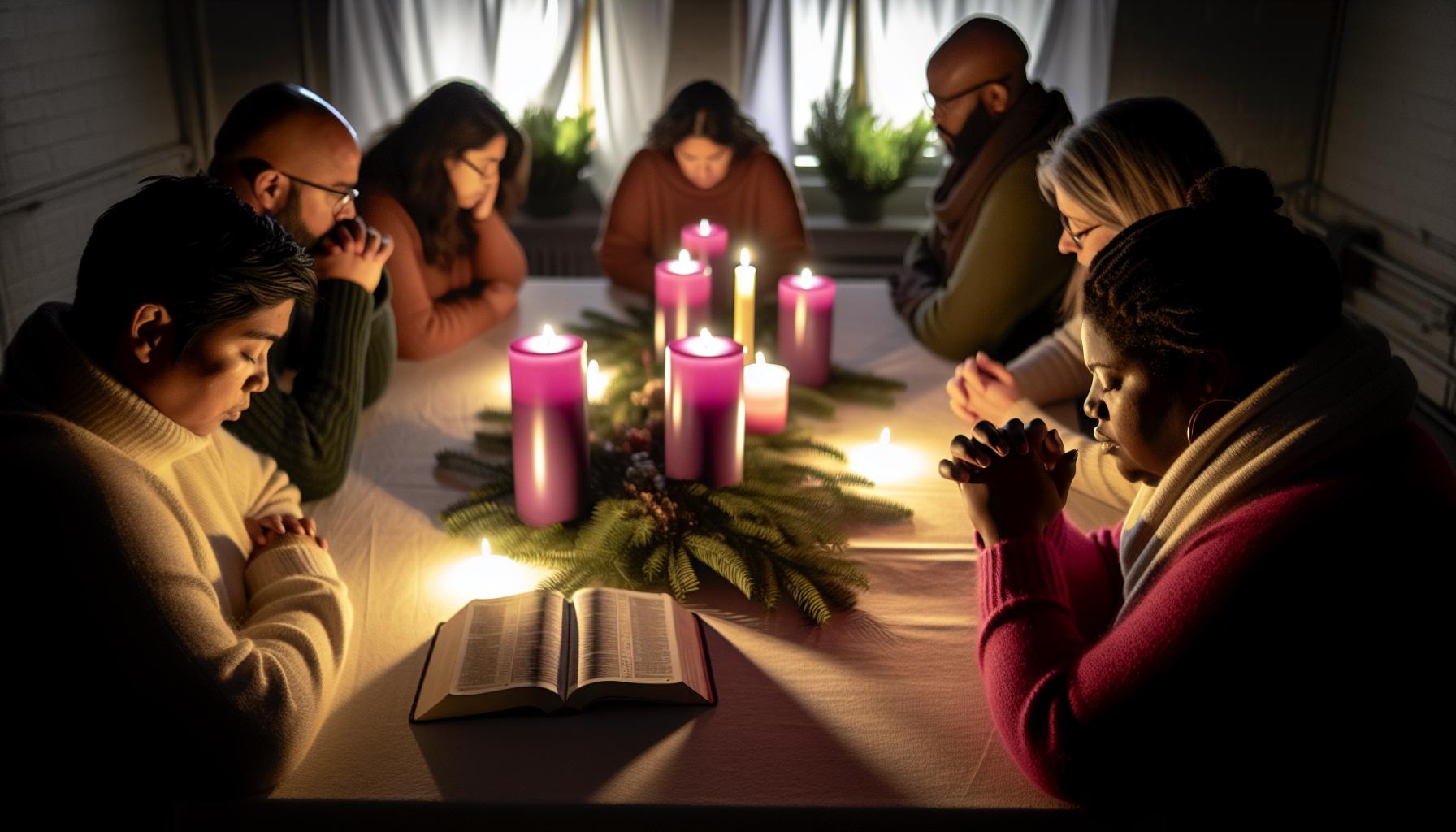
As the Advent season unfolds, creating a meaningful prayer practice can transform your daily routine into profound spiritual experiences. The anticipation leading to Christmas presents a rich opportunity to deepen your relationship with Christ through dedicated prayer. Setting aside intentional time for prayer not only helps anchor your day but also cultivates a deeper awareness of God’s presence and His promises as we prepare our hearts for the coming of Jesus.
One effective practice is using a daily Advent prayer calendar. Each day, select a scripture that reflects the themes of hope, peace, joy, and love. For example, begin with Isaiah 9:6, which speaks of the coming Messiah, and allow that verse to guide your prayers, focusing on gratitude for Christ’s birth and reflecting on its implications for your life and faith. In addition to scripture, consider adding themed prayers that resonate with each day’s focus, such as prayers for peace in a chaotic world or for joy in family connections during this festive season.
Incorporating prayer with your family can also enhance this sacred time. Set aside moments each week, perhaps during dinner, to pray together. Share what you’re thankful for or what you hope for in the coming year. This opens a dialogue not only about personal intentions but also about communal goals grounded in faith. Furthermore, think about lighting an Advent wreath, praying each time you light a candle, reflecting on its significance-the coming light of Christ shining in the darkness-a beautiful reminder and a moment of unity in prayer.
Lastly, your prayer practice could include acts of service as prayers in action. Engaging in kindness-whether through helping a neighbor or donating to a cause-creates a tangible expression of your faith and deepens prayerful intentions. By allowing your actions to reflect your prayers, you embody the love and grace of Christ, making the wait for His coming feel actively purposeful. Embrace this Advent season as a time to pray, reflect, and prepare your heart, fostering an atmosphere rich with expectation and joy.
Scripture Reflections for Each Week of Advent

As Advent approaches, there’s a profound opportunity to engage with Scripture in a way that enriches our hearts and minds for the coming of Christ. Each week of Advent can serve as a unique chapter in this sacred journey, where specific biblical passages invite reflection and prayer. By focusing on key themes such as hope, peace, joy, and love, you can deepen your understanding of who Jesus is and what His coming means for you.
Week 1: Hope
Start Advent with *Isaiah 9:2-7*, which speaks of the promise of a Savior as a light in darkness. Reflect on the hope that the birth of Christ brings to your life. Consider journaling how this hope transforms your everyday challenges and aspirations. Pray for opportunities to share this hope with others, reminding them of the light that dispels their darkness.
Week 2: Peace
In the second week, meditate on *Luke 2:8-14*, where the angels announce peace on earth. This passage beautifully illustrates the shift from chaos to tranquility through Christ’s birth. Incorporate a daily prayer practice centered around inviting peace into your family and workplace, finding ways to be a peacemaker in your community.
Week 3: Joy
As joy takes center stage in week three, explore *Philippians 4:4-7*, where Paul encourages rejoicing in the Lord. Make a list of things you are thankful for and celebrate the joy of Christ coming into the world. This reflection can further inspire acts of kindness, such as sending a handwritten note to a friend, sharing the joy of the season.
Week 4: Love
In the final week of Advent, focus on *1 John 4:9-11*, which reminds us of God’s unconditional love manifesting through Christ. Allow this passage to prompt you to embody love in action-be it through acts of service, generous giving, or simply reaching out to strengthen relationships. As you approach Christmas, meditate on how you can extend Christ’s love to others in tangible ways.
By immersing yourself in these scriptural reflections weekly, you’ll prepare your heart for the incredible gift of Jesus’s birth. Each passage offers a lens through which to view your spiritual journey, encouraging you to draw closer to Christ and internalize His transformative power in your life. Let the anticipation of Christ’s coming not only fill you with joy but also inspire you to share that joy with those around you.
Creative Family Traditions to Embrace Advent

Advent is a season ripe with anticipation and joy, perfect for fostering meaningful family traditions that draw you closer to Christ. Engaging in creative activities together not only fortifies family bonds but also reinforces the spiritual significance of this waiting period. In a world that often rushes ahead to Christmas festivities, embracing slower, intentional family traditions during Advent invites each member to reflect on the miraculous coming of our Savior.
One beautiful way to celebrate Advent as a family is by creating an Advent calendar that goes beyond just counting down the days. Instead of chocolates or toys, each day can unveil a new scripture reading, an act of kindness, or a prayer focus. This builds excitement and encourages daily family discussions around the themes of hope, peace, joy, and love. You could also incorporate a special family activity related to the theme of the week, such as baking cookies for neighbors or making handmade cards to send to missionaries.
Another engaging tradition is setting up a family Advent wreath. Each week, light a new candle while reading relevant scripture passages together, allowing everyone to share their thoughts and insights. This practice not only illuminates your home but also symbolizes the ever-growing light of Christ in your lives. Alongside the wreath, consider establishing a time for family worship. Playing music, singing hymns, or reading devotionals together can enrich your week, reminding everyone of the significance of Christ’s coming.
Lastly, journaling can be a powerful tool during this season. Encourage each family member to keep an Advent journal where they can jot down prayers, gratitude, and reflections. Sharing entries at the end of the week fosters an atmosphere of openness and spiritual growth. This tradition could serve as a delightful keepsake, capturing the journey of your family’s faith as you await the joy of Christmas together.
By weaving these creative traditions into your Advent season, you’ll cultivate a deeper understanding and appreciation for the gift of Christ’s coming, fostering a vibrant faith that resonates within your family for years to come.
Journaling Through Advent: A Spiritual Journey

As the Advent season unfolds, journaling can become a transformative practice that nurtures your spiritual journey. Much more than a simple record of daily activities, an Advent journal can be a sacred space for reflection, prayer, and connection with God as you prepare your heart for Christ’s coming. This practice invites you to pause amidst the holiday hustle, fostering a deeper understanding of the themes of hope, love, joy, and peace inherent in this meaningful season.
Why Journaling Matters
Recording your thoughts and prayers allows you to document the ways God is moving in your life during Advent. Consider starting each entry with a scripture that resonates with you. This could be a passage that speaks to the anticipation of Christ’s arrival or one that reflects on the miracles of His birth. As you delve deeper into these scriptures, ask yourself questions like:
- What does this scripture reveal about God’s character?
- How can it guide my actions this week?
- What prayers can I lift up in response to this message?
By consistently journaling, you’ll not only keep a record of your spiritual growth but also create a treasured keepsake that reflects your relationship with God over the years.
Practical Steps to Begin Your Advent Journaling
- Set a Regular Schedule: Dedicate a specific time each day or week to journal, treating it as an essential appointment with God.
- Use Prompts: If you find yourself stuck, consider using journaling prompts to spark inspiration. Here are a few you might incorporate into your entries:
– What does anticipation mean to me during this season?
– How can I share God’s love with others this week?
– Reflect on a personal experience that deepened my faith.
- Encourage Family Involvement: Create a family journaling night, where everyone shares their insights or reflections. This can foster a spirit of community and openness, enhancing each person’s Advent experience.
- Incorporate Art: If you enjoy drawing or crafting, consider illustrating your journal entries. Visual expressions of your faith can make the journaling experience even more engaging.
By committing to journaling through this meaningful time of year, you create an intentional rhythm that guides your heart towards the holy anticipation of Christmas. Embrace this opportunity to connect deeply with your faith, paving the way for an enriching Advent that resonates with the joy and hope that Christ brings.
The Importance of Anticipation: Preparing for Christ

During the Advent season, anticipation plays a profound role in preparing our hearts for Christ’s coming. Just as the world waited for the arrival of the Messiah over two thousand years ago, we too find ourselves in a period of eager expectation. This waiting is not passive; it’s an active engagement with God, filled with hope and a desire to deepen our relationship with Him. The act of anticipating Christ’s birth invites us to reflect on His promise to return, reminding us that His presence is a reality we can embrace daily.
To fully engage with this spirit of anticipation, consider setting aside intentional moments for prayer and reflection. Begin each week of Advent with a focus on one of the key themes: hope, peace, joy, and love. For example, during the first week, meditate on the hope that Christ brings to our lives, using passages such as Romans 15:13, which encourages us to overflow with hope through the power of the Holy Spirit. Create a prayer that expresses your desire to embody this hope in tangible ways, both in your life and in the lives of those around you.
Another powerful practice is to cultivate an Advent sense of community. Engage with family and friends by sharing the scriptures and themes you discover in your devotional time. This can be done through small group studies or even informal gatherings where you discuss how each theme manifests in your lives. Share personal stories that connect to the scripture and reflect on how Christ’s arrival influences your daily choices. By fostering this communal spirit of expectation, you not only prepare your own heart but also inspire others to embark on their journey of anticipation.
Regularly incorporating worship into your routine can further enhance this preparation. Consider playing Advent-themed music or lighting candles that represent the themes of each week. As you gather for meals or family activities, take a moment to offer prayers of gratitude and anticipation for Christ. These simple acts of worship create an atmosphere rich with expectation, reminding you and your loved ones of the significance of this season. By closely aligning your actions and intentions with the anticipation of Christ’s coming, you cultivate a deeper understanding of His love and purpose in your life.
As you embrace the importance of anticipation this Advent, remember that preparing your heart is an ongoing journey. Let it be a time marked by reflection, community, and worship, allowing each day to draw you closer to the realization of Christ’s love and light in the world.
Incorporating Worship into Your Advent Routine

Worship during Advent is not merely a tradition; it’s a transformative practice that invites us into deeper communion with God as we anticipate the celebration of Christ’s birth. This season, marked by holy expectation, provides a unique opportunity to center our hearts and minds on the incredible gift of Jesus. can take many forms, each enriching your spiritual journey and heightening your sense of joy and purpose.
One powerful way to engage in worship during Advent is through music. Consider creating a playlist of Advent and Christmas songs that speak to the themes of hope, love, joy, and peace. Each week, allow these melodies to guide your reflections and lift your spirits. Singing carols with family or friends can also foster a sense of community, making your worship time lively and engaging. As you sing, consider the messages of each song and how they resonate with the scriptural themes of the season.
Additionally, the practice of lighting candles each week can serve as a meaningful worship ritual. Use an Advent wreath with candles that symbolize hope, peace, joy, and love. Light a new candle each week while reading relevant scripture passages and praying. This sacred act not only illuminates your space but also reminds you of Christ as the light of the world. As the flame grows each week, so does your anticipation and readiness for the celebration of His coming.
Finally, don’t underestimate the power of prayer. Dedicate specific times for prayer throughout the Advent season, focusing on gratitude, reflection, and intercession. You might write out your prayers or keep a prayer journal to document your thoughts and requests. This practice can help you articulate your hopes and desires while also allowing you to reflect on God’s faithfulness as you prepare your heart for Christmas. By establishing these worship practices, you’ll find an avenue for deeper connection and clarity, allowing you to enter the Christmas season with renewed joy and spiritual insight.
Acts of Kindness: Living Out Advent’s Message
This Advent season invites us not only to prepare our hearts for the celebration of Christ’s birth but also to embody His love through acts of kindness. Engaging in altruistic behaviors not only echoes the spirit of the season but also brings practical manifestations of Christ’s message into our communities and families. This is a time to spread hope, joy, and love-qualities that are at the very heart of the Christmas story.
One effective way to live out this season’s message is to create kindness calendars that inspire daily acts throughout Advent. Each day can focus on simple yet impactful deeds such as writing encouraging notes for friends, donating to local charities, or helping a neighbor in need. These actions can serve as a reminder of the numerous ways Jesus gave Himself tirelessly for others. Involving your family in these plans can also deepen your relationships and provide valuable lessons to younger generations about generosity and compassion.
Furthermore, consider organizing a community service project during this season of giving. Whether it’s volunteering at a local shelter, participating in food drives, or coordinating efforts to help families in crisis, these activities can forge connections among neighbors and reinforce the idea of unity in Christ. You might also think about how to incorporate prayer into these efforts; gather your group before beginning your project to offer prayers for the people you will serve, reinforcing the idea that these acts are not just charity, but a tangible expression of God’s love.
Finally, remember that acts of kindness don’t always have to be grand gestures. Small, everyday actions like withholding judgment, offering a listening ear, or simply being present for someone in distress can profoundly impact those around you. Philippians 2:4 reminds us to “look not only to our own interests but also to the interests of others.” By actively choosing to love and uplift those in our circles, we not only reflect the essence of Christ’s teachings but also create a more loving and caring community that mirrors the gift of Christ’s coming into the world. Through these acts of kindness, we prepare our hearts for the joy and peace that-only Jesus can provide.
Praying for Others During the Advent Season

The Advent season presents a profound opportunity for believers to deepen their connection with God through focused prayer for others. As we prepare our hearts for the celebration of Christ’s coming, intentionally lifting others in prayer allows us to not only align ourselves with His love but also to extend that love into our communities, families, and beyond. This practice embodies the very spirit of Advent, promoting a sense of unity and purpose as we await the joyous remembrance of Jesus’ birth.
Incorporating regular prayer for others can take various forms. Consider dedicating specific days of the week to pray for different groups of people. You might choose to pray for your immediate family on Mondays, extended family on Tuesdays, and friends or neighbors on Wednesdays. This structured approach not only keeps us accountable but also encourages a heart of gratitude and awareness of the needs surrounding us. Additionally, you could create a prayer list to include specific intentions, such as those who are struggling, facing illness, or in need of comfort.
During this rich season of reflection, take a moment to meditate on Scripture that speaks to the power of prayer. James 5:16 reminds us, “The prayer of a righteous person is powerful and effective.” This promise invites us to approach prayer with faith, believing that our intercessions can bring about transformation and healing in others’ lives. As you pray, visualize those you are praying for, allowing God’s love to fill you and flow through you as you seek His will over their circumstances.
Furthermore, make it a family affair. Invite your children or family members to join in this Advent prayer journey. Create a cozy prayer corner in your home adorned with seasonal decorations and candles, where you can gather each week to pray together. You may also choose to pray over a shared meal, thanking God for His blessings while lifting up specific needs within your community. This not only reinforces the importance of prayer in your family dynamics but also teaches younger generations the value of compassion and selflessness during this holy season.
Embracing the practice of praying for others during Advent not only enriches our spiritual lives but also builds a bridge of love and support within our communities. In doing so, we prepare our hearts to receive the ultimate gift of love that is Christ, fostering an atmosphere of hope and peace that echoes the very essence of His coming into the world. As Hebrews 10:24-25 encourages, let us spur one another on toward love and good deeds, all while anchored in prayerful reflection this Advent season.
Understanding the Advent Wreath: Significance and Use

The Advent wreath is a beautiful and meaningful tradition that serves as a visual reminder of the anticipation and preparation for Christ’s coming. Composed of a circular evergreen wreath adorned with four candles, the wreath symbolizes eternal life, while the greenery represents the hope and renewal that Christ brings to the world. Each candle holds not just a soft light but also profound spiritual significance as believers enter the Advent season with hearts focused on expectation and reflection.
As families gather around the Advent wreath, they can engage in a practice that enriches their spiritual lives and fosters a deeper connection with God. Each week, one candle is lit, with various scriptures and reflections offered to encapsulate the themes of hope, peace, joy, and love. The order typically follows this sequence: the first candle symbolizes hope, the second peace, the third joy (often lit on Gaudete Sunday to celebrate joy in anticipating Christ), and the fourth love. On Christmas Eve or Christmas Day, a white candle in the center, known as the Christ candle, is lit, signifying the arrival of Jesus, the light of the world.
To make the most of this tradition, consider including intentional prayer and scripture readings each time the wreath is lit. Families can take turns reading from the Bible, discussing its passages, and reflecting on the significance of Christ’s birth. Additionally, crafting personal prayers or sharing thoughts on the themes represented by each candle can foster deeper connections among family members and strengthen their faith collectively.
Incorporating an Advent wreath into your home is not only a way to beautify the season but also an invitation to create sacred spaces within ordinary life. Whether placed on a dinner table or in a central spot in the living room, the wreath can prompt regular family gatherings for prayer and worship, helping to keep the focus on the true joy and meaning of the season. Through this simple yet effective practice, believers can prepare their hearts for the glorious celebration of Christ’s coming, nourishing their faith and drawing closer to Him as the Advent season unfolds.
Biblical Prophecies Fulfilled: Christ’s Coming

The incredible tapestry of biblical prophecy reveals the profound truth that Christ’s coming was meticulously planned long before His birth in Bethlehem. From the promise of a Messiah in Genesis to the intricate details laid out by the prophets, each scripture paints a picture filled with hope and anticipation. For believers, delving into these prophecies during the Advent season not only deepens understanding but also enriches the overall experience, as it reinforces the certainty of God’s promises fulfilled through Jesus Christ.
One of the most notable prophecies comes from Isaiah 7:14, which declares, “Therefore the Lord himself will give you a sign: The virgin will conceive and give birth to a son, and will call him Immanuel.” This prophecy highlights not only the miraculous nature of Christ’s birth but also His identity as God with us. Similarly, Isaiah 9:6 speaks of a child born to us, given as a ruler, demonstrating the dual nature of Christ as both divine and human, governing His people with peace and justice. These prophecies establish a foundation of hope that resonates through generations, urging believers to reflect on the significance of Christ’s arrival during Advent.
As families come together to celebrate this joyous season, engaging with these prophecies can transform their daily routines into meaningful reflections. Consider setting aside time each week to read and discuss a different prophecy. For instance, Micah 5:2, which foretells that the Messiah will be born in Bethlehem, invites heartfelt conversations about the humble beginnings of Christ. By focusing on such passages, families can cultivate a deeper understanding of God’s faithfulness and how each prophecy finds fulfillment within the narrative of the Nativity.
Engaging with these prophecies not only prepares our hearts for the celebration of Christ’s coming but also encourages a lifestyle of anticipation for His second coming. As believers look to the future, they can rest in the assurance that just as God fulfilled His promises concerning His first coming, He will also fulfill those regarding Christ’s return. This Advent season, let us embrace the wonder of prophecy fulfilled, allowing it to inspire our hearts toward worship, gratitude, and a profound connection with the Lord as we anticipate both His arrival and His ongoing work in our lives.
Liturgy and Devotionals: Advent Resources for Growth
As the Advent season unfolds, it offers a rich tapestry of opportunities for spiritual growth through liturgy and devotionals. Utilizing structured resources during this transformative time can deepen your understanding of God’s word and enhance your anticipation of Christ’s coming. Integrating liturgical practices and devotional materials not only keeps the focus on Jesus but facilitates a communal and personal exploration of faith that resonates throughout the holiday season.
Engaging with Devotional Materials
Daily devotionals can serve as guiding lights in the journey through Advent. Select a book or an online resource that breaks down daily readings, contemplative prayers, and reflective questions. This can aid in contemplating Scripture’s deeper meanings and how they relate to our lives today. For example, many devotionals focus on the themes of hope, peace, joy, and love, helping individuals and families to meditate on what it means to prepare their hearts for Christ. Many churches also provide Advent devotionals that correspond to weekly themes observed in the church liturgy, fostering a richer community experience.
Incorporating Liturgy into Daily Life
Liturgy during Advent can enhance your worship experience and connection with the church community. Many congregations incorporate specific readings, hymns, and rituals into their Sunday services that reflect the anticipation of Christ’s birth. Consider participating in or leading a family liturgical moment at home, such as lighting the Advent wreath. Each candle represents a different aspect of Christ’s coming, encouraging conversations about hope, faith, joy, and peace in your daily routines.
Additionally, explore the practice of responsive readings and prayers. This practice can foster a sense of unity in intention and thought, centering everyone around the themes of Advent. Many resources are available that provide structured prayers and responsive readings to engage all family members, making the spiritual preparation a collective journey rather than a solitary one.
Connecting with Community and Online Resources
In today’s digital age, plethora of online resources can enhance your Advent observance. Look for webinars, online prayer groups, and community forums where believers gather to reflect on Advent themes together. Social media platforms and church websites often host online devotionals or prayer challenges, allowing you to connect with others and share insights and encouragement.
Utilizing apps designed for prayer and Bible study can also allow for flexibility in devotion. Many offer daily reminders, scripture insights, and community features that encourage interaction among believers. Whether you are alone or with loved ones, these platforms can enrich your Advent journey by providing a constant reminder of Christ’s presence and the joy of expectancy.
By embracing the practice of liturgy and devotionals during Advent, you cultivate a heart open to the transformation God intends for His people. Take this season to explore, reflect, and grow, preparing your heart not just for Christmas but for a continual relationship with Christ.
Faq
Q: What is the purpose of an Advent devotional?
A: The purpose of an Advent devotional is to prepare the heart for the coming of Christ by focusing on prayer, scripture, and reflection during the Advent season. It guides individuals in nurturing anticipation and deeper spiritual connection leading up to Christmas.
Q: How can I incorporate Advent devotionals into family traditions?
A: Incorporate Advent devotionals by selecting a specific reading each evening. Engage the family in discussions about the themes, and encourage sharing personal reflections. This practice reinforces both togetherness and a deeper understanding of Advent’s significance.
Q: What are some recommended scripture passages for Advent devotionals?
A: Recommended scripture passages for Advent devotionals include Isaiah 40:3-5, Luke 1:26-38, and John 1:14. These passages emphasize themes of hope, prophecy, and the incarnation, helping to center one’s heart on Christ’s coming.
Q: How can journaling enhance the Advent experience?
A: Journaling during Advent allows individuals to document prayers, reflections, and spiritual insights. This practice fosters mindfulness and encourages deeper contemplation of Christ’s birth and its impact on one’s life, enriching personal faith journeys.
Q: When should Advent devotionals begin?
A: Advent devotionals should begin on the first Sunday of Advent, which is typically four weeks before Christmas. Starting early allows for adequate preparation and reflection, making the journey toward Christmas more meaningful.
Q: Why is anticipation important in Advent devotionals?
A: Anticipation is crucial in Advent devotionals as it cultivates a spirit of hope and expectation for Christ’s arrival. This mindset encourages believers to reflect on the significance of Jesus’ birth and prepares their hearts for celebration.
Q: In what ways can worship be integrated into Advent devotionals?
A: Worship can be integrated into Advent devotionals through singing hymns, lighting candles, or sharing worship music that reflects the themes of Advent. These practices create a sacred atmosphere that enhances focus on the heart of the season.
Q: How can acts of kindness during Advent relate to devotionals?
A: Acts of kindness during Advent can be incorporated into devotionals by reflecting on how Jesus exemplified love and service. Planning specific acts for the community not only expresses faith in action but also deepens the Advent experience by living out the message of Christ’s coming.
Concluding Remarks
As we conclude this journey through the “Advent Devotional: Preparing Hearts for Christ’s Coming,” we invite you to carry these reflections into your daily life. This season is a transformative opportunity to deepen your prayer life and enhance your Bible study, nurturing not only your spirit but also your relationships within your family and community. Don’t wait-begin your practical preparation today!
Explore our collection of resources on Christian marriage and parenting guidance to further enrich your faith journey. Consider subscribing to our newsletter for daily inspiration and insights, and share your thoughts with us in the comments below; we love hearing how God is working in your life. Remember, this Advent season is about anticipation and preparation for both the birth of our Savior and His promised return-let’s embrace this sacred time together.
Continue your spiritual growth with related articles on spiritual warfare and practical faith resources to empower your walk with Christ. Your next step awaits-let’s delve deeper into faith together!