As the day winds down and little ones settle into bed, bedtime prayers can be a soothing ritual that fosters a deep connection with God. “Bedtime Prayers for Preschoolers: Sweet Dreams Guaranteed” offers simple, heartfelt prayers designed to comfort young children, helping them embrace peace while reinforcing their faith. It’s well-known that children thrive on routine, and incorporating prayer into their bedtime habits not only calms their minds but also instills values of gratitude and trust in God. For parents, these prayers provide a valuable opportunity to nurture their child’s spiritual growth, turning a nightly routine into a cherished moment of bonding and reassurance. Join us as we explore a collection of prayers that will guide your preschooler to sweet dreams and a heart full of faith.
Contents
- 1 Approachable Bedtime Prayers for Little Ones
- 2 The Importance of Prayer in Early Childhood
- 3 Nurturing Faith Through Sweet Dreams
- 4 Creative Ways to Teach Preschool Prayers
- 5 Simple Bedtime Prayers for Everyone
- 6 Incorporating Scripture in Nighttime Rituals
- 7 Calming Nighttime Routines for Preschoolers
- 8 Stories Behind Popular Bedtime Prayers
- 9 Building a Prayer Habit in Young Children
- 10 Engaging Activities to Enhance Prayer Time
- 11 Tips for Parents: Encouraging Prayer Life
- 12 Creating a Peaceful Bedtime Atmosphere
- 13 Faq
- 14 Future Outlook
Approachable Bedtime Prayers for Little Ones

Bedtime can be a magical time for little ones, often filled with stories, cuddles, and the opportunity to connect with God through prayer. As preschoolers settle down for the night, approachable bedtime prayers can help cultivate a heart of gratitude, peace, and assurance in God’s love. These prayers should be simple, relatable, and easy for children to remember, resonating with their everyday experiences while fostering a deeper understanding of their faith.
To make prayer accessible, consider using short and rhythmic phrases that children can memorize quickly. For example, a simple prayer like, “Dear God, thank You for today. Please bless my family as we lay. Help me sleep and keep me safe, fill my dreams with Your sweet grace,” captures a child’s imagination and encourages them to speak directly to God. Engaging a child’s creativity can also enhance their prayer experience; you might have them picture a cozy, safe place, like a warm blanket of love that God wraps them in while they sleep.
Additionally, incorporating gestures or actions can transform these prayers into engaging rituals. Encourage children to fold their hands, close their eyes, or even snuggle into their stuffed animals as they pray. This tactile involvement not only helps them focus but also makes the experience enjoyable and memorable. Each night can become a nurturing routine where prayer serves as a bridge to comforting sleep, reinforcing the idea that God is always present and listening.
Ultimately, encouraging preschoolers to embrace prayer is about weaving it into the fabric of their lives. Create a welcoming space where they feel safe to express themselves, share their worries, and thank God for their blessings. This habit, strengthened through simple and approachable prayers, will lay a firm foundation for their faith journey, ensuring sweet dreams are accompanied by a deep sense of security in God’s love.
The Importance of Prayer in Early Childhood
In a world that often feels chaotic, the simple act of prayer introduces a profound peace into the lives of young children. Teaching preschoolers to pray not only enhances their bedtime routine but also lays a foundation for their spiritual growth. Prayer provides children with a unique opportunity to express gratitude, seek comfort, and build a trusting relationship with God. By instilling these habits early, parents can nurture a sense of security and resilience within their children, which can carry through their entire lives.
Engaging in prayer cultivates mindfulness and emotional intelligence in preschoolers. When children take time to pray, they learn to reflect on their day, articulate feelings, and recognize the importance of gratitude. This practice helps them to develop empathy and compassion as they begin to understand their place in the world and their connection to God and others. Simple prayers like “Thank You, God, for my family and friends” open doors for discussions about love, kindness, and sharing-all essential virtues that help shape a child’s character.
Moreover, prayer introduces children to the concept of faith. It serves as a gentle reminder that they are never alone, no matter what challenges they face. Through their nightly prayers, children can find solace in knowing that God is listening to their hopes and fears, reinforcing the idea that they can turn to Him in times of need. This foundation of faith fosters resilience, giving them the tools to cope with life’s ups and downs as they grow older.
By creating a comforting and inviting atmosphere for prayer, parents can ensure that this practice becomes an integral part of their children’s lives. As they gather for bedtime prayers, parents can encourage an open dialogue about their child’s feelings and experiences, helping them to process their day while strengthening their connection with God. Through these heartfelt moments, a lifelong pattern of prayer and reliance on God can be established, ultimately guiding children toward a deeper understanding of their faith.
Nurturing Faith Through Sweet Dreams

In the gentle stillness of bedtime, as soft moonlight spills into the room, children embark on peaceful adventures through prayer, nurturing their faith as they drift off to sleep. This sacred time not only calms young hearts but also reinforces the lessons of love, trust, and guidance from God. Through simple and heartfelt prayers, preschoolers learn to express their hopes and fears, fostering a deeper connection with their Creator even as they close their eyes for the night.
Establishing a nightly ritual that includes prayer can create a sense of security and stability in a child’s life. It is here, between the pages of bedtime stories and the embrace of a parent, that children can share their thoughts and gratitude. Incorporating phrases like “Thank you, God, for my day,” helps them articulate their day-to-day experiences while understanding the importance of gratitude. This habit teaches them that every small blessing is a gift from God, reaffirming the idea that He is present in all aspects of their lives.
Furthermore, nurturing faith during bedtime prayer cultivates a sense of hope and anticipation for the future. As they name their dreams or express concerns, children realize they can trust God to look after them through the night and beyond. It opens a wonderful dialogue where they learn about God’s promises and the assurance found in Scriptures like Philippians 4:6-7, which reminds us to not be anxious but to pray about everything, bringing peace that surpasses all understanding.
Ultimately, this nurturing environment transforms bedtime into a peaceful sanctuary, a space where little ones can settle in with reassurance. As parents guide them through this exploration of faith, they not only instill a beautiful tradition but also build a foundation for a lifelong relationship with God, empowering each child to dream sweet dreams wrapped in the warmth of His love. By making bedtime prayer a cherished routine, parents can help their children grow in faith, turning their nightly rest into a delightful celebration of God’s presence in their lives.
Creative Ways to Teach Preschool Prayers

Engaging preschoolers in prayer can be as simple as weaving fun and creativity into the experience. One effective way to teach prayers to little ones is through rhythm and music. Singing bedtime prayers can engage children’s hearts and minds, making the practice memorable and joyful. Try adapting familiar tunes, like “Twinkle, Twinkle, Little Star,” to incorporate simple prayers of gratitude. For instance, you could sing:
“Thank you, God, for this bright day,
For my family and time to play.”
This approach not only makes prayer enjoyable but instills the essence of thankfulness in a form they can easily remember.
Another impactful method is to use visual aids that resonate with their experiences. Create a colorful prayer wall with pictures that represent different things to be thankful for, such as family, pets, friends, and nature. As you pray together, allow children to point to each picture and share something they love or are thankful for, helping them connect their prayer life to their daily experiences. This interactive element promotes a deeper understanding of gratitude and the goodness of God in their lives.
In addition, incorporating storytelling can create a delightful atmosphere around prayer. Sharing Bible stories before prayer time helps preschoolers connect the dots between Scripture and their prayers. After reading a story, encourage them to pray for the characters or the lessons learned, such as kindness or bravery. This not only enhances their understanding of God’s Word but also encourages them to bring those themes into their personal prayers.
Finally, encourage prayer journals for your little ones. These can be simple notebooks where they can draw or write what they want to pray about. Celebrate their entries by making a special time to pray together over their requests. Promoting this habit helps them articulate their thoughts and feelings, reinforcing that their prayers matter and inviting them into an ongoing conversation with God.
By integrating music, visuals, storytelling, and personal expression into the bedtime prayer routine, parents can create an engaging and nurturing environment that captivates young hearts. This creativity sets the stage for a prayer life that fosters spiritual growth, builds a foundation of faith, and wraps their little ones in the comforting assurance of God’s love as they drift off to sleep.
Simple Bedtime Prayers for Everyone

There’s something profoundly comforting about a simple prayer whispered at bedtime. Nighttime provides an ideal opportunity for families to gather and reflect on the day, fostering a sense of peace and connection before drifting into sleep. Here are some easy prayers that parents can share with their little ones, ensuring everyone feels enveloped in God’s love and care.
- Thank You Prayer: “Dear God, thank you for today. Thank you for my family, my friends, and my cozy bed. Please bless us through the night!”
- Protection Prayer: “Lord, I ask you to watch over me and my loved ones as we sleep. Keep us safe and help us wake up happy in the morning!”
- Gratitude Prayer: “Heavenly Father, I am grateful for the fun I had today. Thank you for the joy in my heart and the love in my home.”
- Peaceful Sleep Prayer: “Dear God, help my mind be quiet and my heart be calm as I fall asleep. Fill my dreams with happy thoughts!”
These simple prayers not only make bedtime a sacred moment but also reinforce the idea that talking to God can be a casual and heartfelt conversation. Incorporating a variety of prayers allows children to express themselves and appreciate different aspects of their lives.
A wonderful way to engage little ones during prayer time is to encourage them to personalize their prayers. You can prompt them with questions like, “What made you smile today?” or “Who do you want to pray for?” This practice not only makes prayer more meaningful but also helps children develop their communication skills and learn to articulate their feelings to God.
By establishing these simple bedtime prayers, parents can cultivate a comforting night routine that nurtures their child’s spiritual growth. As the soothing words lull little ones to sleep, they will awaken each day with a renewed sense of gratitude and a deepening relationship with their Creator. The beauty of prayer at this young age sets a foundation for a lifelong journey of faith and trust in God.
Incorporating Scripture in Nighttime Rituals

Incorporating Scripture into bedtime rituals not only enriches children’s faith but also helps to ground their nighttime routine in God’s promises. By sharing Bible verses that resonate with themes of love, safety, and peace, parents can cultivate a comforting environment that promotes restful sleep. For preschoolers, simplicity is key; choosing short, memorable verses allows them to grasp and remember the essence of God’s Word even as they drift off to dreamland.
One effective way to integrate Scripture into bedtime is by selecting a “verse of the week.” Parents can write the verse on a brightly colored chart and read it together each night. Verses like Psalm 4:8, “In peace, I will lie down and sleep, for you alone, Lord, make me dwell in safety,” provide reassurance and a sense of security. This practice not only brings comfort but also encourages children to internalize biblical truths in their hearts.
To make Scripture engaging, consider using visual aids or interactive elements. For example, you can illustrate each verse with drawings or actions that reflect its meaning. When reading Psalm 23:1, “The Lord is my shepherd, I lack nothing,” you might mimic a shepherd’s gentle movements, helping children visualize the care God provides. These actions can turn Scripture into a participatory experience, making bedtime feel not just like a routine but a delightful family bonding moment.
Finally, encourage children to take an active role in incorporating Scripture. Ask them to choose a favorite verse and recite it during nighttime prayers. This not only empowers them but also helps develop a personal connection with God’s Word. As they grow and become more aware of biblical teachings, these practices lay a strong foundation for their spiritual journey, helping them see Scripture as a source of strength and peace throughout their lives. Through the gentle repetition of verses and prayers, parents can help young ones embrace their faith, nurturing a fulfilling relationship with God as they prepare for sweet dreams.
Calming Nighttime Routines for Preschoolers

Creating a calming nighttime routine for preschoolers can make all the difference in fostering a sense of peace and security as they wind down from their busy days. A gentle, consistent routine not only helps children transition to sleep more easily but also provides an opportunity to deepen their understanding of faith and love. Begin by establishing a specific bedtime to create a predictable environment, which can help alleviate any anxiety about the unknowns of sleeping.
Start with a soothing activity, such as reading a favorite Bible story or a calming book. This not only enriches their imagination but embeds biblical teachings into their subconscious as they drift off to sleep. Engage them with questions about the stories to encourage their critical thinking and personal connection to the message. Following storytime, you can incorporate soft music or nature sounds to further create a serene atmosphere that is conducive to restful sleep.
Prayer time should also be a natural part of this routine. Invite them to share what they are thankful for or any prayers they want to lift. This could be as simple as thanking God for family, friends, or a fun day. Reinforcing the habit of prayer before sleep nurtures their spiritual growth, instilling a sense of gratitude and trust in God’s watchful presence.
Lastly, consider a brief, calming activity like stretching or breathing exercises that help them relax physically and mentally. This teaches them to listen to their bodies, setting a peaceful tone for bedtime. As you cultivate this nurturing routine, you create a sacred space for preschoolers that not only prepares them for sleep but strengthens their faith, providing sweet dreams under God’s loving care.
Stories Behind Popular Bedtime Prayers

The power of bedtime prayers can be amplified by the stories behind them, infusing each prayer with meaning and historical significance. Many of the most cherished bedtime prayers have roots in ancient traditions, passed down from generations of families eager to instill faith and comfort in their children. For instance, Now I Lay Me Down to Sleep is a simple yet poignant prayer that has comforted kids for centuries. Traditionally attributed to various authors over time, its essence lies in entrusting one’s safety and well-being to God during the night, reflecting a parent’s love and faith even when they are apart.
Another popular prayer, often recited softly at bedtime, is known as the Our Father or Lord’s Prayer. This prayer emphasizes foundational Christian principles such as forgiveness, provision, and spiritual strength. Teaching this prayer to children connects them to a broader Christian lineage, reminding them that they are part of a communal faith that spans across ages and cultures. Sharing its background can spark curiosity in little ones, inspiring them to ask questions about their faith and heritage, which is an essential aspect of nurturing their spiritual growth.
Moreover, many parents find joy in creating their own bedtime prayers. These personalized prayers can reflect the unique dynamics of their family, reinforcing values such as gratitude, love, and protection. Engaging children in the crafting process encourages their creativity and ownership of the prayer, making it a cherished ritual. For example, a simple prayer might begin with “Thank you, God, for today…” followed by specific acknowledgments like friends, family, and fun experiences they had that day, teaching the importance of thankfulness and mindfulness.
Ultimately, the stories behind these prayers serve as a bridge between generations, cultivating a sense of safety and spirituality in the hearts of children. They not only provide comfort as little ones drift off to sleep but also lay the groundwork for a lifelong relationship with God. By sharing these stories and meanings, parents can make the ritual of nighttime prayers a rich and engaging experience for their preschoolers, filled with love, excitement, and deeper understanding of their faith.
Building a Prayer Habit in Young Children
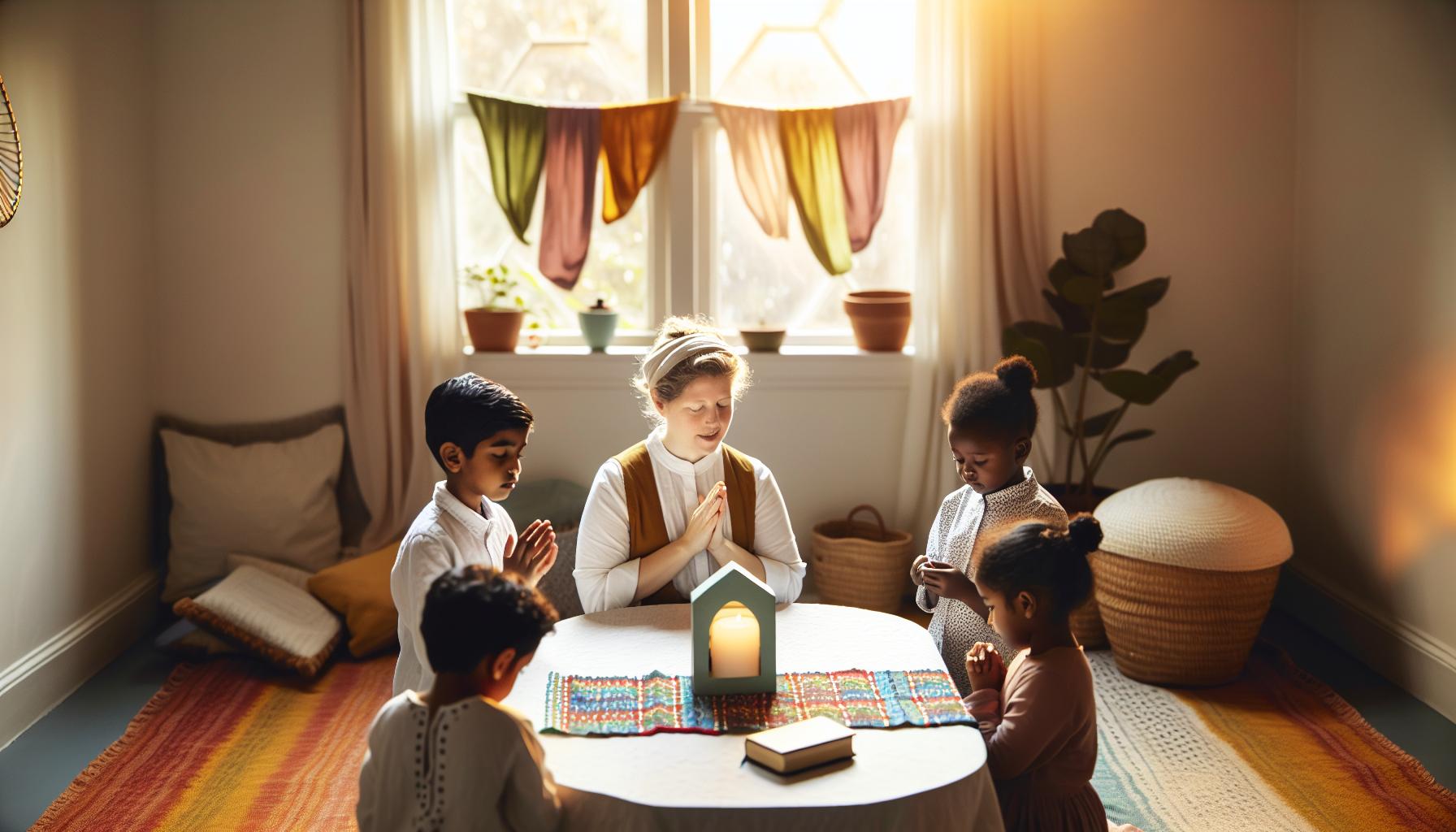
Encouraging young children to develop a prayer habit is a beautiful way to not only help them connect with God but also to instill values of gratitude, love, and mindfulness from an early age. The foundation for a lifelong relationship with prayer can be laid during bedtime rituals, transforming the nighttime routine into a sacred moment for both parents and children. By creating a warm, inviting atmosphere and incorporating engaging practices, parents can make prayer an integral part of their child’s daily life.
Begin by establishing a consistent bedtime routine that includes a brief moment for prayer. This can create anticipation and excitement around the idea of communicating with God. Encourage your little ones to express their thoughts, feelings, and thankfulness. Keep prayers simple and relatable. For example, a good starting point might be a prayer like, “Thank you, God, for my family, my friends, and all the fun things we did today.” This practice fosters an attitude of gratitude and mindfulness, allowing children to reflect on their day in a meaningful way.
In addition to verbal prayers, consider incorporating elements that engage their imagination and senses. You could use prayer cards with illustrations or pictures representing different topics, such as family, nature, or kindness. This allows children to visually connect with what they are praying about. Another engaging idea is to create a prayer jar where kids can write down their prayer requests or thanks on slips of paper. These tangible activities not only enhance the prayer experience but also solidify their understanding of the spirit behind it.
Lastly, leading by example is crucial. Allow your children to see you in your prayer life, whether it’s through personal devotionals or family prayer times. Discussing your own prayer experiences invites them into the conversation about faith, making it feel more relatable and less daunting. Remember, Habakkuk 2:2 reminds us to “write the vision; make it plain on tablets, so he may run who reads it.” By making prayer accessible and part of their daily routine, children will process their faith organically, helping them build a strong, enduring relationship with God.
Through these intentional practices, parents can foster a sense of security and openness around prayer, ensuring that their children not only learn how to pray but also understand its significance in nurturing their relationship with Christ.
Engaging Activities to Enhance Prayer Time

Creating a rich and engaging prayer experience for preschoolers can transform bedtime into a cherished opportunity for spiritual growth and connection. By weaving fun and meaningful activities into your nightly ritual, you not only enhance your child’s understanding of prayer but also help them develop a deeper relationship with God. Let’s explore some captivating activities that make prayer time delightful and memorable.
Visual Prayer Boards
One impactful way to engage little ones is through a visual prayer board. You can create a simple bulletin board or poster where children can see their prayer requests and the things they are thankful for. Use colorful markers, stickers, and cut-out images to represent different prayer topics-family, friends, pets, and nature. Each night, let your child pick a few items to pray for, explaining how they connect to their day. This not only encourages creativity but also provides a tangible way for them to understand the power of prayer.
Prayer Jars
Another interactive activity is a prayer jar. Provide your child with colorful slips of paper and a decorated jar where they can write or draw their prayers and gratitude notes. Encourage them to think of specific requests or things they are thankful for and drop them into the jar. During your bedtime prayer, make it a ritual to read a few slips together. This promotes reflection and highlights the occasions for prayer, making it a fun, communal experience that reinforces their thoughts and feelings.
Prayer Songs and Rhymes
Incorporating music can greatly enhance engagement during prayer time. Children often connect with melodies more than words alone. You can introduce simple prayer songs or create your own with a catchy tune that focuses on themes of gratitude, love, and kindness. Consider using well-known children’s hymns or Christian songs that align with their age level. Singing these prayers allows children to express themselves joyfully and fosters a memorable way to internalize spiritual messages.
Story-Based Prayers
Integrating storytime into prayer can also enrich the experience. Share Bible stories that illustrate the importance of prayer, such as Hannah praying for her son or Daniel in the lion’s den. After recounting the stories, invite the children to pray about the lessons learned or create their own versions of the story. This not only nurtures their imagination but also helps them connect scriptural teachings with their personal experiences, making faith relatable and alive.
By using these engaging activities, parents can create a prayerful environment that delights and spiritually nurtures preschoolers, ensuring that each bedtime concludes with faith, love, and sweet dreams.
Tips for Parents: Encouraging Prayer Life

Creating a vibrant prayer life for your preschoolers can be a joyful journey that strengthens their faith and enriches your family’s spiritual atmosphere. The key is to keep prayer engaging, simple, and relatable. By integrating prayer into everyday life, you provide your children with a foundation that encourages them to turn to God in all circumstances. You might consider making prayer a part of your daily routine, allowing your little ones to see how prayer is woven into the fabric of family life.
Make Prayer a Daily Routine
Establish a specific time for prayer each day, such as during bedtime or mealtime. Children thrive on routine, and by consistently including prayer in their daily activities, you create an expectation and comfort around talking to God. When praying before meals, you can explain its significance and encourage your child to contribute their own thoughts or thankfulness. This can ease them into understanding that prayer is not just formal words but a conversation with God.
Lead by Example
Children learn a lot by observing their parents. By modeling a prayerful life, you can show them the importance of turning to God in various situations. Share moments from your day when you sought God’s help or expressed gratitude in prayer. Additionally, be open about your prayers, discussing how they shaped your thoughts and feelings. For instance, if you had a tough day, share how you prayed for peace or guidance, allowing them to see the power of prayer in real-world applications.
Use Books and Resources
There are numerous children’s books that focus on prayer and allow families to explore different aspects of talking to God. Consider incorporating these books into your bedtime routine. Choose stories that illustrate the power of prayer or share examples from the Bible-stories that will resonate with a preschooler’s imagination. Discussing these stories can naturally lead into a prayer time, inviting your child to reflect on the lesson learned and how they can apply it to their own life.
Encourage Personal Prayers
Invite your children to express their own thoughts during prayer. This can be as simple as saying, “What do you want to thank God for today?” or “Is there something on your heart that we can pray about?” Personal prayers help them develop their relationship with God and foster a sense of connection. Even if they can only share simple thoughts, every contribution reinforces their belief that God cares about their feelings and experiences.
Creating an environment that encourages a prayerful life takes consistency and creativity. With patience, your little ones will learn to view prayer as a natural, comforting part of their lives. By nurturing their faith in this way, you lay the groundwork for a lasting relationship with God that will see them through the adventures of life.
Creating a Peaceful Bedtime Atmosphere

Creating a cozy and calming bedtime ambiance not only helps your little ones unwind but also prepares their hearts and minds for conversations with God. The atmosphere you cultivate sends a strong message about the importance of this sacred time. By engaging the senses with gentle lighting, comforting sounds, and peaceful scents, you set the stage for an enriching prayer experience that fosters sleep and serenity.
One effective way to create this peaceful environment is to dim the lights in the bedroom and use soft, warm-toned lamps or nightlights. This subdued lighting mimics the comforting glow of a sunset, signaling to your child that it’s time to transition from the busyness of the day to a place of calm reflection. Pair this with soft music, perhaps instrumental worship songs or nature sounds, which can further enhance a serene atmosphere. The soothing background can help your little ones feel safe and relaxed as they prepare to drift off to sleep.
Incorporating soft, familiar scents can also be a comforting aspect of bedtime. Using essential oils like lavender in a diffuser or placing unscented sachets with calming herbs under their pillow can promote relaxation. These scents not only create a pleasant olfactory environment but can also act as a sensory cue that signals to your child that it’s time for rest and prayer. Encourage your littles to take deep breaths of this calming aroma before beginning their prayer, helping them to center their thoughts and redirect their focus toward Almighty God.
Lastly, consider creating a cozy physical space for prayer. Snuggling under a favorite blanket or having a special prayer pillow can make the act of praying feel more inviting. Making this a personal and treasured part of their bedtime routine reinforces the significance of prayer, helping your children to view it as a comforting interaction rather than a chore. By intentionally crafting an inviting and peaceful nighttime atmosphere, you allow your preschoolers to approach prayer with openness and joy, laying the foundation for profound spiritual connections as they embrace their sweet dreams.
Faq
Q: What are some simple bedtime prayers for preschoolers?
A: Simple bedtime prayers for preschoolers include: “Dear God, thank you for today. Bless my family and friends. Amen” or “Jesus, please watch over me as I sleep. Keep me safe and give me sweet dreams. Amen.” These prayers foster gratitude and security in young children. Visit our section on Simple Bedtime Prayers for Everyone for more ideas.
Q: How can I encourage my preschooler to pray at bedtime?
A: To encourage your preschooler to pray at bedtime, create a cozy routine that includes prayer, allowing them to express their feelings. Use simple phrases they can understand and model praying together. Explore creative methods in our Creative Ways to Teach Preschool Prayers section for further engagement.
Q: Why is bedtime prayer important for preschoolers?
A: Bedtime prayer is important for preschoolers as it fosters a sense of security, encourages gratitude, and helps strengthen their faith. It can establish a calming bedtime routine that promotes relaxation and reflection. Learn more in our section on The Importance of Prayer in Early Childhood.
Q: What themes can I include in preschool bedtime prayers?
A: Include themes of gratitude, protection, love, and family in preschool bedtime prayers. This approach nurtures emotional development and spiritual awareness. You can find examples in our Incorporating Scripture in Nighttime Rituals section to enrich their prayer experiences.
Q: How can I make bedtime prayers fun for my preschooler?
A: Make bedtime prayers fun by incorporating songs, puppets, or story-based prayers that relate to their day or favorite Bible stories. Engaging activities mentioned in our Engaging Activities to Enhance Prayer Time section can transform prayer into an enjoyable experience.
Q: What are some effective ways to create a calming bedtime atmosphere for prayer?
A: To create a calming bedtime atmosphere, dim the lights, play soft music, or read a comforting story before prayer. Establishing a peaceful environment is essential for relaxation and can enhance the prayer experience, as discussed in our Creating a Peaceful Bedtime Atmosphere section.
Q: How do bedtime prayers benefit a child’s emotional development?
A: Bedtime prayers benefit a child’s emotional development by teaching them to articulate gratitude, express feelings, and find comfort in their faith. These practices build emotional resilience, as covered in our Nurturing Faith Through Sweet Dreams section.
Q: When should I introduce bedtime prayers to my preschooler?
A: Introduce bedtime prayers to your preschooler as soon as they show interest in spiritual concepts, typically between ages 2 to 3. Regular practice can help them understand and enjoy this spiritual ritual from an early age. For more details, see our section on Building a Prayer Habit in Young Children.
Future Outlook
Thank you for exploring “Bedtime Prayers for Preschoolers: Sweet Dreams Guaranteed.” We hope these heartfelt prayers inspire peaceful nights and nurturing faith in your little ones. Remember, establishing a bedtime routine rooted in prayer can strengthen their connection to Christ and foster a sense of security. If you found value in this resource, don’t miss our articles on parenting guidance and Bible study tailored for families seeking a deeper spiritual life.
Join our community by signing up for our newsletter to receive regular updates packed with uplifting content and practical tools for your faith journey. Share your thoughts in the comments below-how do you incorporate prayer into your child’s bedtime routine? Let’s continue this conversation and support each other on the path of faith. Your next step toward enriching your family’s spiritual practice is just a click away!