In times of loss, the desire for peace and eternal rest for our loved ones becomes a profound part of our faith journey. Catholic prayers for the dead play a vital role in honoring those who have passed, offering hope and comfort for mourners. These prayers are not only expressions of love but also powerful intercessions that unite the faithful community in a shared belief in resurrection and divine mercy. As we navigate the complexities of grief, these prayers remind us of God’s promise of eternal life, encouraging us to reflect on our own journeys and deepen our faith. Join us as we explore the significance of these heartfelt prayers and uncover ways to strengthen our connections with God and one another during these challenging times. Through prayer, we can find solace, embrace the gift of memories, and trust in the everlasting peace that awaits all who believe.
Contents
- 1 Catholic Prayers for the Departed: A Spiritual Guide
- 2 Understanding Eternal Rest in Catholicism
- 3 The Importance of Prayers for the Dead
- 4 Traditional Catholic Prayers for the Faithful Departed
- 5 The Role of Masses in Remembering the Dead
- 6 Personalized Prayers for Loved Ones Who Have Passed
- 7 Finding Peace Through Prayer in Grief
- 8 Scriptural Foundations for Praying for the Dead
- 9 The Theology Behind Purgatory and Prayer
- 10 Creating a Sacred Memorial for Your Loved Ones
- 11 Community and Collective Prayer for the Departed
- 12 Ways to Incorporate Prayer for the Dead in Daily Life
- 13 FAQ
- 14 Final Thoughts
Catholic Prayers for the Departed: A Spiritual Guide
In the heart of Catholic spirituality lies a profound understanding of the journey beyond death, marked by hope and the promise of eternal life. For many believers, praying for the deceased is not merely a tradition but a vital expression of love and faith that echoes through generations. The practice serves not only to honor those who have passed but also to foster a sense of connection with the divine. Through prayer, Catholics seek God’s mercy for the faithful departed, reflecting a deep-seated belief in His boundless compassion.
Offering prayers for the dead, particularly through the traditional Requiem Mass, underscores the essence of the Catholic faith-eternal life in Christ. These Masses are celebrated to intercede on behalf of the departed, providing a spiritual uplift to their souls, allowing them to encounter the grace of God. The act of prayer transcends the earthly realm, indicating the continuity of love and concern for those who have transitioned. Furthermore, the communal aspect of these prayers strengthens the fabric of the Christian community, reminding the faithful that they are not alone in their journey of grief and remembrance.
Within the richness of Catholic tradition, specific prayers such as the Eternal Rest prayer serve as powerful tools for intercession. Such prayers reaffirm the belief that while physical departed are no longer with us, their souls are cherished in the heart of the Church. Incorporating personalized prayers and intentions for loved ones fosters healing and peace among those left behind. By aligning one’s heart with the promise of resurrection, believers can find solace in the assurance that their prayers contribute to the ongoing journey of their loved ones toward the fullness of life in Christ.
As you navigate the sacred practice of praying for the departed, remember that each prayer, no matter how simple, carries profound significance. Creating moments of prayer within your daily life, whether through formal prayers, quiet reflection, or shared intentions in community, can cultivate a deeper connection to the ultimate hope of eternal rest and peace.
Understanding Eternal Rest in Catholicism
In Catholicism, the concept of eternal rest is a sacred commitment rooted in the love and mercy of God for all souls. The traditional prayer, “Eternal rest grant unto them, O Lord, and let perpetual light shine upon them,” encapsulates the Church’s profound belief in the journey of the faithful departed towards ultimate peace and reconciliation with God. This prayer is not merely a ritual; it represents a heartfelt plea for God’s compassion to envelop those who have died, allowing their souls to find solace in His presence. Such requests reverberate deeply within the Christian tradition, inviting believers to engage in a reciprocal relationship of love that transcends even death.
The Church teaches that death is not the end but a transition into a new existence, where souls are brought before God’s judgment. This understanding is intertwined with the belief in purgatory-a state of purification for souls who need to be cleansed before entering heaven. By praying for the deceased, Catholics participate actively in this process, assisting the departed through their prayers, sacrifices, and acts of love. Through the communal nature of the Church, believers find comfort in knowing that they are part of a larger family praying for their loved ones, fostering a sense of unity with the Communion of Saints.
Praying for eternal rest not only honors those who have passed but also serves as comfort for those left behind. When faced with the pain of loss, believers find strength in these prayers, which remind them of the promise of resurrection and the hope of reuniting with loved ones in the eternal embrace of Christ. Engaging in this practice is a powerful testament of faith, reinforcing the belief in Christ’s victory over death and His promise of everlasting life. In moments of grief, turning to traditional prayers allows individuals to express their love and longing for the deceased, creating a bridge between the earthly and the spiritual realms.
Moreover, the act of incorporating prayer for the departed into daily routines can cultivate a deeper spiritual life. Believers can set aside moments for reflection, share memories of their loved ones, or participate in community prayers, such as Masses for the deceased, to keep their memories alive. These actions not only provide peace and closure but also reaffirm the profound belief that love does not end with death; it transforms into a lasting bond that continues through prayer.
The Importance of Prayers for the Dead
In the midst of grief and loss, prayers for the dead serve as an anchor for the bereaved. They offer solace not only to the living but also assist the departed on their spiritual journey. In the Catholic tradition, praying for the deceased is rooted in the belief that our intercessions can help purify and guide their souls towards eternal rest in God’s light. This sacred practice fosters a profound connection between the earthly realm and the spiritual, reminding us that our love and support extend beyond physical existence.
Prayers for the dead serve multiple purposes. First and foremost, they acknowledge the reality of death and the hope of resurrection. As believers, we are comforted by the promise of heavenly reunion with our loved ones. Engaging in this practice allows us to express our sorrow while reaffirming our faith in God’s mercy. Public prayers, such as those offered in Mass, create a communal experience that strengthens the bonds of the Church, illustrating our shared journey alongside the faithful departed. This collective remembrance reassures us that we are not alone in our grief; we stand united with family, friends, and the Communion of Saints.
Moreover, these prayers encourage reflection on our own lives and the legacy we wish to leave behind. By invoking the intercession of those who have passed away, we deepen our appreciation for the impact they had on our lives. This creates an opportunity for us to grow spiritually, inviting us to live more fully in accordance with the teachings of Christ. Whether through the simple act of lighting a candle in remembrance or participating in a special Mass, these rituals can transform our pain into a powerful form of prayerful action.
Incorporating prayers for the dead into our daily lives can also be a source of healing during times of mourning. Setting aside specific moments to pray, reflect, or even share stories about those we’ve lost can facilitate a healthy grieving process. This ongoing dialogue with God and the departed invites peace and comfort, serving as a reminder that love transcends the temporal boundaries of life and death. As we embrace this practice, we cultivate a nurturing environment for our spiritual growth, enabling us to navigate our journey through grief with grace and faith.
Traditional Catholic Prayers for the Faithful Departed
In times of mourning, the heart often seeks solace in words that transcend the pain of loss, and offer just that. Among these, the Eternal Rest Prayer is perhaps the most recognized. It beautifully encapsulates the hope found in Christ’s promise of eternal life:
“Eternal rest grant unto them, O Lord, and let perpetual light shine upon them. May their souls and all the souls of the faithful departed, through the mercy of God, rest in peace.”
This prayer is commonly recited during Mass and private devotion, reinforcing the belief that our prayers can aid the souls on their journey towards God, particularly those who may be undergoing purification in purgatory.
In addition to the Eternal Rest Prayer, Catholics frequently use other prayers designed to intercede for the deceased. The Prayer for Deceased Parents, for instance, implores God’s mercy on the souls of one’s ancestors, acknowledging the vital role they played in our lives. Such prayers help maintain a familial bond even after death, affirming the belief in the Church’s communion that spans both earthly and heavenly realms.
To enhance the personal connection in these prayers, many find it meaningful to incorporate the names of their dearly departed or to recite these prayers at significant moments, such as anniversaries of death or during Family gatherings. While praying, this practice fosters a sense of remembrance and continuity, allowing love to persist beyond the grave.
Ultimately, traditional prayers for the faithful departed act not just as a means of petitioning for their souls but also as a way to nurture our own faith lives. By engaging in these prayers, we are reminded of our shared human experience, the hope of resurrection, and the mercy of God. In doing so, we strengthen our resolve to live a life that embraces the teachings of Christ, ensuring that our legacy, like that of those we remember, reflects His love and grace.
The Role of Masses in Remembering the Dead
In the Catholic tradition, the celebration of Mass holds profound significance, especially as a means of commemorating our departed loved ones. Each Mass offers a unique opportunity for the faithful to come together in prayer and reflection, uniting their intentions for the souls of those who have passed. This communal act of worship reinforces the belief that while death may separate us physically, the bond of faith and love remains unbroken.
When a Mass is offered for the dead, prayers such as the Eternal Rest Prayer are integrated into the liturgy, inviting the congregation to focus on the eternal light of Christ that shines upon their loved ones. The sacrificial nature of the Mass-where the sacrifice of Christ is made present-serves as a means of grace not only for the living but also for the deceased. This is rooted in the Church’s understanding that the faithful can intercede for those who have departed, assisting them on their journey towards God. The custom of offering Masses in memory of the deceased dates back to the early Church and continues to be an essential practice.
Additionally, anniversaries of death provide a special occasion to request a Mass in remembrance of those who have passed. Families often gather to pray, reflecting on cherished memories while also seeking divine mercy for their loved ones. This act serves to comfort the bereaved, fostering a sense of community as they share their grief and hope. It is a powerful reminder of the Church’s teaching on the communion of saints, which affirms that the prayers of the living can benefit the souls of the deceased.
Embracing this practice can bring profound peace to those in mourning, allowing them to channel their sorrow into a positive expression of love and remembrance. Attending Mass not only honors the deceased but also reinforces the living’s own faith journey. In moments of loss, the Mass becomes a refuge-a sacred space where hearts unite in love, hope, and the promise of eternal life. Through this sacramental reality, the Catholic community experiences both solace and strength, reminding us that we are never alone in our grief.
Personalized Prayers for Loved Ones Who Have Passed
In the journey of faith, can serve as a powerful means of connection and healing. These prayers reflect your unique relationship with the departed, allowing you to express specific sentiments, memories, and requests for their eternal rest. By articulating personal feelings, you participate in a sacred dialogue with God, inviting His presence into your grief and honoring the bond shared with those you have lost.
When crafting personalized prayers, consider the following elements:
- Memories: Share specific memories that highlight your loved one’s impact on your life. This can be a cherished moment, a lesson they taught you, or a characteristic you admired.
- Gratitude: Express gratitude for the time you shared. Acknowledging the joy and love they brought into your life can bring comfort during moments of sorrow.
- Intercession: Include requests for their peace and a prayer for their journey. You can ask God to welcome them into His eternal embrace and to forgive any sins, aiding their passage through Purgatory.
For example, a personalized prayer might read: “Heavenly Father, I thank You for the blessing of my dear [Name], whose laughter and kindness filled my days with joy. As I remember the times we shared, I ask that You grant them peace and rest in Your loving arms. May their soul be welcomed into Your heavenly kingdom and may they feel my love and prayers surrounding them.”
Such prayers not only bring solace to the one praying but also invite God’s grace upon those who have departed. They can serve as a ritual during family gatherings, anniversaries, or quiet moments of reflection. Writing these prayers allows for a cathartic expression of love, reinforcing the belief that death does not sever the bonds of love but merely transforms them.
Furthermore, incorporating these personalized prayers into daily life can enhance your spiritual journey. Designating a specific time to pray-perhaps lighting a candle or visiting a place that holds significance-can create an atmosphere conducive to remembrance and reflection. As you navigate through your grief, engaging in this practice enriches your faith and offers a pathway to healing, encouraging you to trust in the hope of life eternal.
Finding Peace Through Prayer in Grief
In times of grief, the act of prayer becomes a profound source of comfort and healing, allowing individuals to connect with their departed loved ones while also finding solace in God’s presence. When we face the heavy hearts that accompany loss, turning to prayer guides us through the storm, offering a lifeline of peace amid the turmoil. The beauty of Catholic prayers for the departed lies in their ability to voice our deepest longings and fears, creating a sacred space where we can pour out our souls and seek divine reassurance.
To cultivate peace through prayer, it’s essential to establish a dedicated time and place to remember your loved ones. You might consider lighting a candle or setting up a small altar with pictures and mementos that evoke cherished memories. This creates a physical reminder of your faith and connection, providing a comforting atmosphere conducive to reflection and prayer. Engaging in the traditional Eternal Rest Prayer can also be a powerful ritual. Reciting, “Eternal rest grant unto them, O Lord, and let perpetual light shine upon them,” not only honors the memory of the departed but reinforces hope for their eternal peace in God’s loving embrace.
Moreover, as you navigate through your grief, you might incorporate elements of gratitude in your prayers. Reflect on the blessings and lessons your loved one brought into your life, and express your thankfulness for that time shared. This perspective helps shift the focus from pain to appreciation, fostering inner peace. Additionally, writing personal prayers that articulate your emotions-such as sorrow, anger, or longing-can be cathartic. Articulating your feelings allows you to process your grief within a loving context, inviting God’s healing grace into your broken heart.
As you lean into this spiritual practice, remember that you are not alone. The collective prayers of the Church and your community can amplify your own, creating a powerful network of love and intercession. Joining in Masses specifically dedicated to the departed or participating in community prayer events can deepen your sense of connection to others who share similar grief. Together, this communion of faith nurtures understanding, empathy, and mutual support, reminding us all that love transcends death and that prayer is a bridge to eternal peace.
Scriptural Foundations for Praying for the Dead
The roots of praying for the dead in Catholicism run deep in scripture and tradition, affirming the belief that the love of God and our connections through prayer do not end with earthly life. Scripture provides a strong foundation for this practice, offering numerous insights that comfort the bereaved while sustaining hope for the departed. For instance, passages like 2 Maccabees 12:46 state, “It is therefore a holy and wholesome thought to pray for the dead, that they may be loosed from sins,” highlighting an early recognition of intercessory prayer for those who have passed.
In the New Testament, the concept of eternal life is underscored in John 11:25-26, where Jesus proclaims, “I am the resurrection and the life. Whoever believes in me, though he die, yet shall he live.” This assurance that faith in Christ offers continuity beyond death instills hope, leading believers to pray for the souls of their loved ones, seeking God’s mercy and grace upon them. These scriptures encourage the faithful to perceive death not as an end, but rather as a transition into the fullness of God’s presence.
Furthermore, the practice of communal prayer for the deceased is exemplified in Revelation 5:8, which mentions the saints presenting their prayers to God. This imagery reinforces the idea that such prayers are part of the larger body of Christ, transcending the earthly realm and creating a sacred connection between the living and the departed. By engaging in prayers for the dead, believers participate in this divine cycle of intercession, grounding their hopes in the eternal promises found within scripture.
By nurturing a prayer life that acknowledges the need for grace and healing for those who have passed, Catholics find solace not just for themselves but for the departed souls as well. Prayer becomes a transformative act, filled with purpose and love, reflecting the heart of a community that believes in life everlasting. In this way, scripture not only informs the practice of praying for the dead but also empowers the faithful to embrace their role within God’s eternal plan, encouraging ongoing connections even amidst loss.
The Theology Behind Purgatory and Prayer
The belief in purgatory serves as a profound aspect of Catholic theology, highlighting God’s justice and mercy in the journey of souls after death. This intermediate state is not a place of eternal condemnation, but rather a necessary phase where souls are purified and prepared for the fullness of communion with God. By understanding purgatory, we can see why prayers for the dead are not only beneficial but also a vital expression of love and hope.
In purgatory, souls undergo transformation, shedding the remnants of sin and imperfection. The practice of praying for these souls reflects a belief that our intercessions can assist them on their path to heaven. This is grounded in the Catholic understanding that all members of the Church-both the living and the dead-are interconnected in the mystical body of Christ. As such, our prayers for the deceased are a continuation of our love and support, bridging the gap between earthly life and the divine realm.
Catholics often turn to sacrificial offerings, penitential acts, and communal prayers, such as the Mass, to aid these souls. Masses offered for the deceased hold a special significance, as they invoke the power of Christ’s sacrifice to intercede on behalf of those who are suffering in purgatory. The communal aspect of these prayers emphasizes the unity of the Church in seeking the salvation of souls, assuring us that we are never alone in our grief or in our spiritual commitments. This collective endeavor fosters a deeper connection among believers, reaffirming the belief that love transcends even death.
Moreover, the theology behind praying for the deceased can be enriched by scriptural foundations, such as 2 Maccabees 12:46, which extols the wisdom of praying for the dead to free them from sin. This scriptural endorsement is mirrored in the teachings of the Church, which encourage the faithful to engage actively in these prayers, viewing them as a means of exercising hope and compassion in their faith. Thus, prayer transforms grief into a hopeful anticipation of reunion and peace, reminding us that through Christ, death is not the end but a passage into everlasting life.
In practicing prayer for the souls in purgatory, we participate in a sacred act of love-one that reflects our faith in God’s boundless mercy and reminds us of our shared journey toward eternal rest.
Creating a Sacred Memorial for Your Loved Ones
Creating a lasting tribute to loved ones who have passed on can be a profoundly healing experience, allowing us to honor their memory and reinforce our connection with them in faith and love. A sacred memorial serves not only as a physical representation of our affection but also as a spiritual focal point for continued prayers and reflections on their journey beyond this life. This practice embodies the belief that love transcends death and that our intercessions can aid in their passage to eternal rest.
One meaningful way to create a sacred memorial is to establish a dedicated space in your home or garden where you can reflect and pray. This area can be adorned with photographs, cherished belongings, or symbols that represent your loved one’s life and passions. Adding a small altar with candles can further enhance this special place, transforming it into a sanctuary for prayer. Every time you visit this space, take a moment to pray for their soul and invoke God’s mercy upon them, reminding yourself of the hope in resurrection and the promise of eternal life.
Incorporating rituals into your memorial can deepen its spiritual significance. Consider lighting candles on anniversaries or special dates, sharing stories about your loved one, or even reading passages from Scripture that resonate with their life and faith. Engaging family members in these practices can foster a sense of unity and mutual healing. You might also choose to write letters to your departed loved one, expressing your thoughts and prayers, and placing these letters at the memorial space as a way to symbolize your ongoing relationship with them.
Lastly, community involvement can enrich the act of memorialization. Organizing a Mass in their honor or participating in communal prayers can amplify the spiritual support available through the Church. These collective acts reinforce the connection among all members of the mystical body of Christ, reminding us that we are not alone in our grief. By sharing your loved one’s legacy with others, you contribute to the living memory of their impact on this world, nurturing hope and humanizing the journey through loss in a community of faith.
Community and Collective Prayer for the Departed
When faced with the loss of a loved one, many turn to their faith for comfort and strength. Engaging in not only honors those who have passed but also fosters a profound sense of unity and healing among the living. There is a unique power in coming together as a community, where shared grief can be transformed into prayerful support, echoing the belief that our intercessions can aid the souls of the departed.
Participating in communal prayers, such as those offered during Mass, can serve as a pivotal aspect of the healing process. The Church encourages the faithful to gather as a body of Christ, especially during special liturgical events like All Souls’ Day, where the intentions of the deceased are remembered in a profound manner. This collective remembrance can be an opportunity to share stories, reflect on the virtues of those who have passed, and reaffirm the hope of eternal life through Christ.
Moreover, organizing prayer vigils or candlelight ceremonies can further emphasize the importance of community in the grieving process. These gatherings not only provide a structured environment for mourning but also invite other members of the community to join in prayer, thus amplifying spiritual support. In these moments, participants can collectively recite traditional prayers like the “Eternal Rest” or share personal anecdotes of the departed, creating a rich tapestry of memory and honor.
Incorporating these communal rituals into one’s faith practice can be a source of deep resilience. It strengthens the bonds within the community, reminding everyone that they are not alone in their grief and that the collective prayer can intercede for the souls of those who have gone before them. As Romans 12:15 encourages, “Rejoice with those who rejoice, weep with those who weep,” it captures the essence of community support in times of loss, embodying love and sincere compassion for one another.
Ways to Incorporate Prayer for the Dead in Daily Life
Incorporating prayer for the dead into daily life not only honors loved ones who have passed but also enriches one’s spiritual journey. Prayer acts as a bridge between the temporal world and eternity, fostering a connection that transcends physical loss. By integrating these prayers into everyday routines, believers can create a sacred rhythm that offers solace, remembrance, and peace.
Begin your day with a morning ritual dedicated to the deceased. As you rise, take a moment to offer the “Eternal Rest” prayer or simply speak their names aloud, inviting their memory into your heart. This moment of reflection can be paired with lighting a candle or placing a floral tribute in a special area of your home as a reminder of their presence. Such gestures cultivate an environment filled with reverence and remembrance.
Another way to embed prayer into your life is to include it in family traditions. Designate a specific day, perhaps the anniversary of their passing or All Souls’ Day, where the family gathers to pray together. Use this time not only to recite the “Eternal Rest” prayer but also to share stories or anecdotes. This collective remembrance can strengthen family bonds and create a supportive atmosphere where grief is shared and love is celebrated. Encourage children to write letters to their departed loved ones, fostering an expressive way of remembering and praying that can be revisited annually.
Additionally, consider setting aside a portion of your weekly schedule to participate in a Mass or prayer service specifically for the deceased. Many parishes offer special intentions for the dead during Mass, giving the opportunity to join in community prayer. Engaging with others who share similar losses can provide a comforting reminder that you are not alone on this journey of grief.
Lastly, keep a prayer journal where you can jot down your prayers for specific individuals. This practice not only organizes your intentions but allows you to look back over time, reflecting on the prayers you’ve articulated and the memories you’ve cherished. As you write, meditate on scripture verses that bring you hope and remind you of God’s promises about eternal life, such as John 11:25-26.
Integrating these practices into your daily routine nurtures a vibrant prayer life and sustains your connection to those who have gone before you, reminding you of the transformative power of communal and personal prayer. Through each heartfelt prayer, you honor the legacy of your loved ones while drawing closer to God in the process.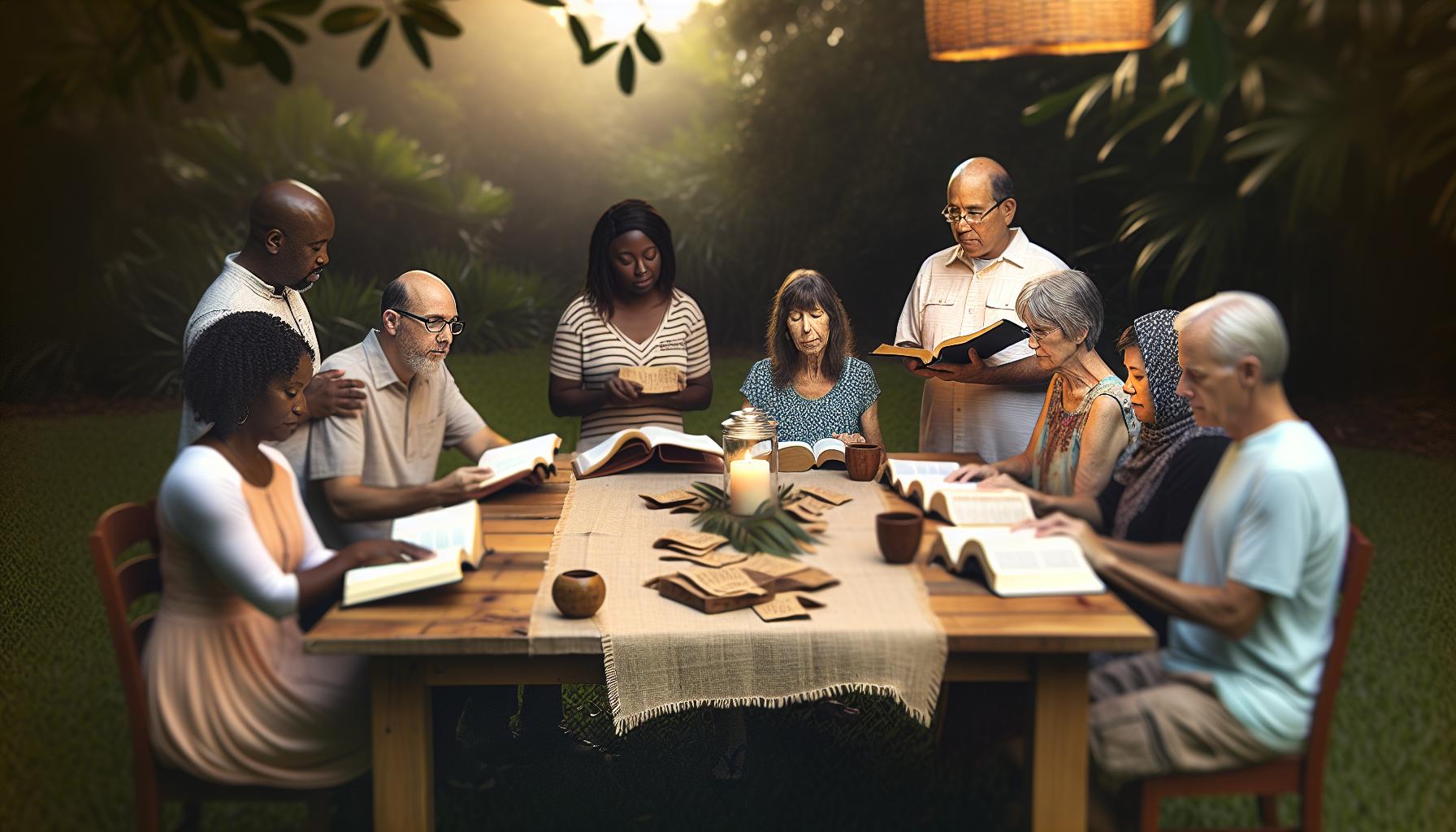
FAQ
Q: What are Catholic prayers for the deceased?
A: Catholic prayers for the deceased, such as the Eternal Rest prayer, seek God’s mercy and peace for those who have passed away. These prayers express hope for eternal life and often encourage community involvement, as friends and family gather to pray for the souls of their loved ones.
Q: Why are prayers for the dead important in Catholicism?
A: Prayers for the dead are important because they align with the Catholic belief in purgatory and the communion of saints. They offer comfort to the mourners and help facilitate the deceased’s journey toward eternal rest, reinforcing the bond between the living and the departed.
Q: How can I pray for a deceased loved one?
A: To pray for a deceased loved one, you can say specific prayers like the “Eternal Rest” prayer or create a personal prayer that reflects your feelings and memories. Incorporating their name and your hopes for their peace can make the prayer more meaningful.
Q: When should I pray for the dead?
A: You can pray for the dead at any time, especially during significant dates such as anniversaries of their passing or Catholic observances like All Souls’ Day. Consistently including them in your personal prayers helps maintain a spiritual connection.
Q: Where can I find resources for Catholic prayers for the deceased?
A: Resources for Catholic prayers for the deceased can be found in prayer books, online Catholic websites, or parish resources. Many parishes also offer community Masses in remembrance of the deceased, which can be a comforting way to engage in collective prayer.
Q: How does the Catholic Church view purgatory in relation to prayers for the dead?
A: The Catholic Church teaches that purgatory is a state of purification for souls who have died in grace but still need cleansing before entering heaven. Prayers for the dead, including Masses offered for them, are believed to aid those souls in their journey towards heavenly bliss.
Q: What is the significance of the “Eternal Rest” prayer?
A: The “Eternal Rest” prayer is significant as it encapsulates the Catholic belief in asking God to grant peace and eternal rest to the deceased. It’s a concise expression of hope and compassion that reflects a community’s support for the soul on its journey after death.
Q: How can I incorporate prayers for the dead into my daily life?
A: You can incorporate prayers for the dead into your daily life by setting aside a specific time each day for personal prayer, creating a memorial space at home, or participating in community prayer groups. Making it a regular practice helps to honor the memory of the deceased while aiding in your own spiritual growth.
Final Thoughts
As we conclude this journey through “Catholic Prayers for the Dead: Eternal Rest and Peace,” may you find comfort and solace in these prayers that uplift our dearly departed to God’s everlasting love. Remember, engaging in prayer for the souls of loved ones not only honors their memory but strengthens your own faith. For deeper insights, consider exploring our articles on spiritual warfare and devotional practices that nurture your relationship with Christ.
Don’t let this moment end here; join our community by signing up for our newsletter for more enriching content and prayer resources that will support you in your Christian journey. Your thoughts matter to us-share your experiences in the comments below, and let’s encourage one another. Together, let’s continue seeking peace and understanding as we navigate our faith and support each other in remembrance of those we cherish.