Did you know that prayer is one of the most powerful tools in a believer’s life? It’s a direct line to God, providing comfort, guidance, and strength in our everyday challenges. “Common Catholic Prayers: Essential Devotions Made Simple” serves as a gateway to deepen your prayer life by exploring essential prayers that have anchored the faith of countless believers through generations. Whether you seek solace in times of trouble or wish to express gratitude for life’s blessings, these prayers can enrich your spiritual journey. In exploring these time-honored devotions, you’ll find not just words, but heartfelt connections that can enhance your faith and draw you closer to God. Embark on this journey of prayer and discover how these simple, yet profound, expressions of faith can transform your relationship with the Divine. Let’s delve into the beauty and significance of these prayers together, igniting a deeper devotion in your life.
Contents
- 1 Essential Catholic Prayers Every Believer Should Know
- 2 Understanding the Power of Prayer in Catholic Life
- 3 The Significance of Traditional Catholic Prayers
- 4 A Beginner’s Guide to Daily Catholic Devotions
- 5 Exploring the Rosary: Prayer Through Repetition
- 6 How to Pray the Our Father Effectively
- 7 The Hail Mary: A Prayer of Intercession
- 8 The Importance of Confession and Penitential Prayers
- 9 Incorporating Prayer into Family Life
- 10 Enhancing Your Spiritual Growth Through Prayer
- 11 The Role of Saints in Catholic Prayer Practices
- 12 Modern Adaptations of Traditional Catholic Prayers
- 13 Faq
- 14 Concluding Remarks
Essential Catholic Prayers Every Believer Should Know
The foundation of Catholic spirituality rests upon a deep and vibrant prayer life, intimately woven into the fabric of everyday existence. Believers are often introduced to essential prayers, which serve as both a guide and a means of communication with God. Knowing these prayers can greatly enrich one’s faith journey, providing comfort, direction, and a sense of community within the larger Church.
- Our Father: Known as the Lord’s Prayer, this prayer encapsulates the essence of Christian faith, reminding us of God’s holiness and our dependence on Him for daily sustenance and forgiveness.
- Hail Mary: A prayer of intercession that honors Mary, the Mother of God. It reflects Catholic devotion and acknowledges Mary’s crucial role in our salvation.
- Apostles’ Creed: This declaration of faith serves as a summary of essential Christian beliefs, grounding believers in the truth of the Gospel and the teachings of the Church.
- Glory Be: A short doxology that gives glory to the Holy Trinity, reinforcing the importance of worship and praise in our daily lives.
- Serenity Prayer: Although often associated with recovery movements, its message of seeking peace in accepting things we cannot change resonates deeply within Catholic spirituality.
Embracing these fundamental prayers not only fortifies personal faith but also cultivates a spirit of unity among fellow believers. Engaging with these prayers daily can transform moments of solitude into profound experiences of divine presence, reminding individuals that they are never alone in their struggles or joys. In a world that often feels chaotic, returning to these core prayers can restore peace and focus, aligning hearts with God’s will and inviting grace into every aspect of life.
Understanding the Power of Prayer in Catholic Life

In the life of a Catholic believer, prayer serves as a lifeline to God, a refuge that can bring both solace and strength in the demands of daily existence. It is more than mere communication; it is a dynamic relationship where the heart is opened, revealing joys and sorrows alike. As St. Teresa of Avila famously stated, “Prayer is an act of love,” and through this lens, one can perceive the transformative power that prayer holds in shaping one’s spiritual journey, fostering connection not just with God, but also with a community of faith.
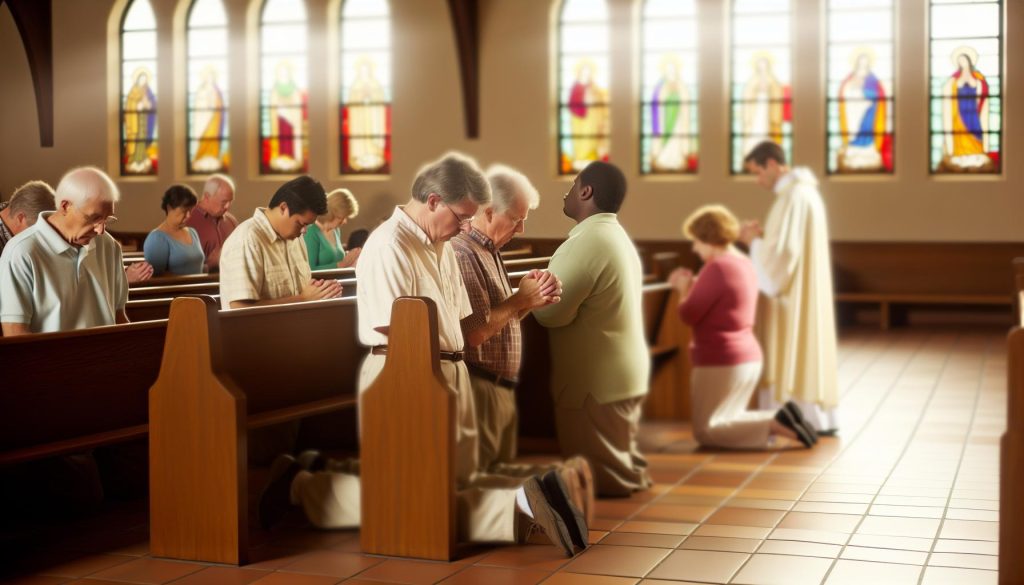
Within Catholicism, prayer is woven into the very fabric of life, both individually and collectively. When believers engage in traditional prayers-like the Our Father, the Hail Mary, or the Glory Be-they are not only reciting words but also participating in a rich heritage that spans centuries. This practice nurtures a sense of belonging, reminding individuals that they are part of something far greater than themselves. Through communal prayers during Mass or family devotions at home, Catholics experience a powerful reinforcement of their faith, often finding comfort and inspiration through shared beliefs.
Moreover, the essence of prayer in Catholic life lies in its ability to bring about healing, guidance, and an ever-deepening relationship with God. For instance, by incorporating penitential prayers and reflections throughout the liturgical seasons, believers are encouraged to confront their weaknesses, seek forgiveness, and embrace God’s mercy. This cycle of repentance and renewal empowers individuals to grow spiritually, fostering resilience and a renewed commitment to living out their faith.
Ultimately, understanding the power of prayer within Catholic life encourages believers to approach God’s throne with confidence, knowing that every uttered word, no matter how simple or profound, is a step towards greater intimacy with the Divine. By immersing oneself in this practice, Catholics can find peace in moments of anxiety, strength in times of weakness, and joy amid life’s trials, serving as a testament to the enduring power of faith and prayer in nurturing a vibrant and authentic spiritual life.
The Significance of Traditional Catholic Prayers
In today’s fast-paced world, traditional Catholic prayers serve as a vital anchor for believers, providing a rhythm to spiritual life that helps nurture a deeper connection with God. These prayers are not mere relics of the past; they embody centuries of faith, community, and divine inspiration. Each prayer-whether it be the Our Father, Hail Mary, or the Glory Be-carries profound significance, reflecting the theological truths and emotional depth of the Catholic faith.
One of the most compelling aspects of traditional prayers is their ability to unite the faithful across generations and cultures. When recited, these prayers create a shared experience, echoing the voices of countless believers who have turned to them in times of hope, sorrow, or gratitude. This communal aspect reinforces the notion that faith is a journey not taken alone, but alongside a global family of believers. Furthermore, the structured nature of these prayers allows both the novice and the seasoned faithful to articulate their thoughts and feelings to God, grounding them in a sacred tradition while inviting personal reflection.
Moreover, traditional prayers serve as powerful tools for spiritual formation. For instance, the repetition found in prayers like the Rosary encourages meditation and contemplation, leading to a deeper understanding of the mysteries of faith. Engaging with these prayers daily can foster an interior life marked by peace and resilience, equipping individuals to face life’s challenges with grace. It is through the regular practice of these devotions that believers cultivate a habit of turning their hearts toward God, allowing His presence to permeate their daily lives.
Ultimately, embracing traditional Catholic prayers can significantly enhance one’s spiritual journey. They invite believers to contemplate not only personal aspirations but also the broader divine narrative. By integrating these essential devotions into daily routines, individuals can deepen their relationship with God, enriching their prayer life and nurturing a vibrant faith rooted in the love that Christ exemplified. As St. John Paul II once said, “Prayer is the oxygen of the soul,” highlighting how these timeless prayers not only sustain faith but also illuminate the path forward in spiritual growth.
A Beginner’s Guide to Daily Catholic Devotions

Daily devotion is a beautiful way to cultivate a deeper relationship with God, and for beginners, understanding how to incorporate prayer into everyday life can be transformative. It’s essential to recognize that daily Catholic devotions aren’t just rituals; they are sacred moments that invite God into the fabric of our daily existence. With a little guidance, anyone can embark on this enriching spiritual journey.
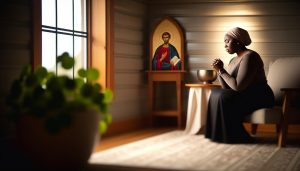
Begin each day with simple morning prayers, which might include the Our Father and the Hail Mary. These prayers ground you, setting a positive tone for the day ahead. Consider creating a designated prayer space in your home where you can retreat for personal time with God. A quiet corner with an icon or a cross can help create an atmosphere conducive to prayer. Spending just a few minutes in silence, reflecting on God’s word or expressing your intentions for the day, can significantly deepen your spiritual practice.
As you grow more comfortable in your prayer life, consider adding scripture reading to your routine. Engaging with the Bible allows you to hear God’s voice more clearly. A structured approach, such as following the daily readings from the Catholic lectionary, can provide a sense of rhythm and immersion in God’s word. Pair your readings with a brief meditation, asking yourself how the passages relate to your life and what messages God may be conveying to you.
- Join a Prayer Group: Consider finding a local parish group or an online community where you can share intentions and experiences.
- Practice the Rosary: Devote a specific day each week to pray the Rosary, allowing you to meditate on the mysteries of Jesus and Mary’s life.
- Incorporate Family Prayers: Engage your family in prayer, whether it’s through grace before meals or evening prayers to foster a communal spirit of devotion.
Embracing the beauty of daily Catholic devotions helps center your heart and mind on what truly matters. Whether you find peace in silent meditation, the beauty of the Rosary, or the strength of community prayer, remember that the journey itself is as significant as the destination. Approach this practice with an open heart, allowing God’s grace to guide you each day. Your commitment to daily prayer will pave the way for a richer, more profound connection with your faith, empowering you to navigate life’s challenges with grace and confidence.
Exploring the Rosary: Prayer Through Repetition
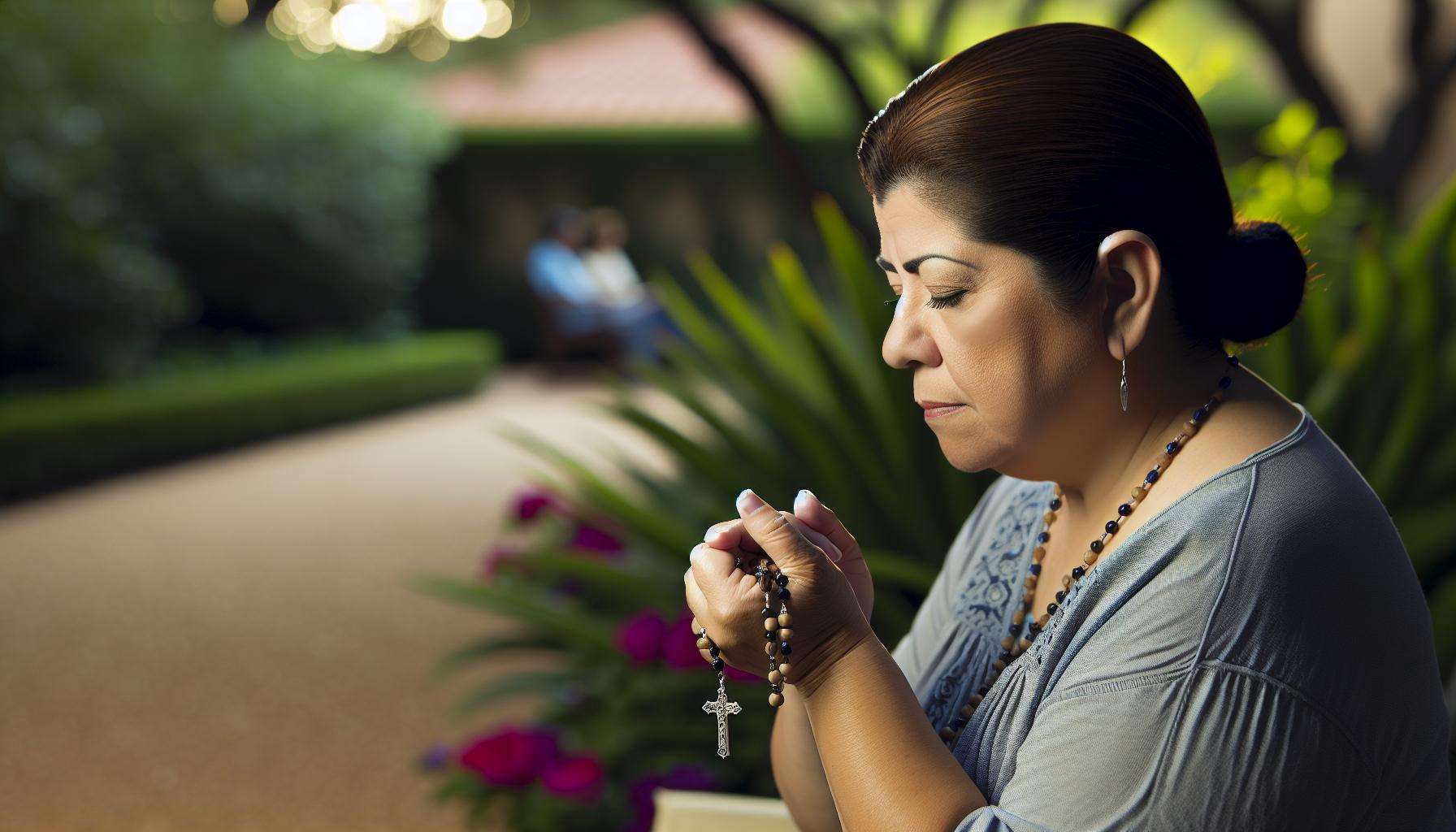
The Rosary stands as a profound expression of faith within Catholic prayer life, a repetitive and meditative practice that draws believers closer to Christ and the Virgin Mary. With each bead representing a prayer, participants navigate through a tapestry of scriptural mysteries that reflect on the life of Jesus and His mother, offering a unique opportunity to meditate deeply on significant events in salvation history. The rhythm of repetitious prayer helps to center the mind, allowing individuals to cultivate a peaceful state-a sacred silence that invites God’s presence.
To engage with the Rosary effectively, it is essential to understand its structure and purpose. The traditional Rosary consists of a series of prayers, including the Apostle’s Creed, Our Father, Hail Mary, and Glory Be, which are repeated while moving through the chain of beads. Each set of ten Hail Marys, known as a decade, corresponds to various mysteries, which can be categorized into Joyful, Sorrowful, Glorious, and Luminous mysteries. As you reflect on these mysteries, consider setting a specific intention or personal resolve-this practice not only enriches your prayer experience but also aligns your heart with God’s will as you seek guidance and strength through contemplation.
Incorporating the Rosary into your daily routine can foster a deeper spiritual connection. Many individuals find that dedicating a specific time each day, perhaps first thing in the morning or just before bed, serves as a valuable anchor amidst life’s distractions. You might consider finding a quiet place where you can focus, or, if you have a family, involve them in this beautiful tradition, creating a shared space for prayer and reflection. This not only builds community but also nurtures a familial bond centered on faith and spirituality.
As you explore the Rosary further, reflect on its ability to transcend words and articulate deep desires of the heart. Each repetition of the Hail Mary reminds us of Mary’s intercession on our behalf, inviting us to develop a personal relationship with her. By delving into the rhythm of this prayer, you enter a sacred space where the repetition becomes a prayerful meditation, leading to profound insights and a renewal of faith as you navigate your spiritual journey.
How to Pray the Our Father Effectively
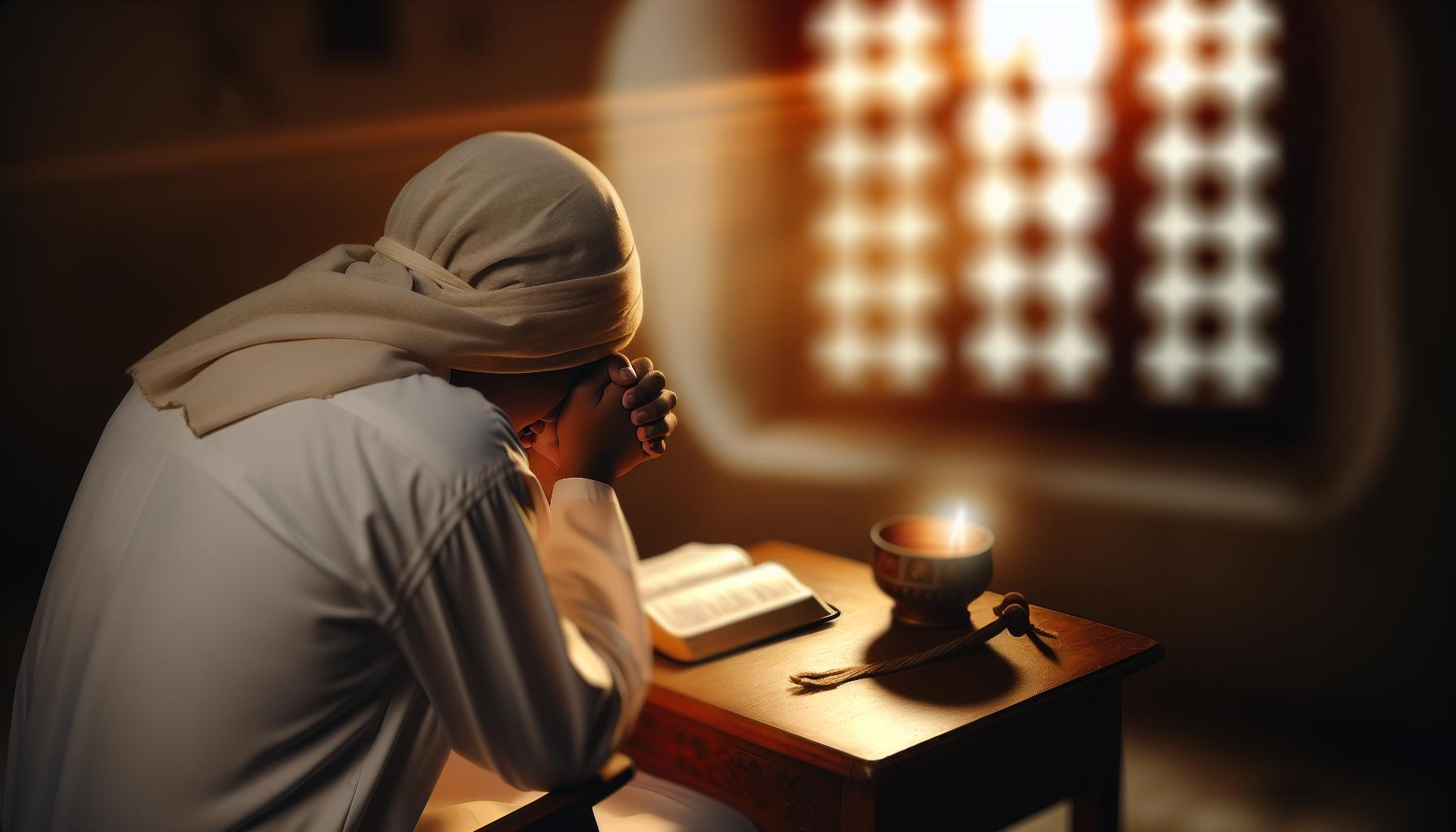
The Our Father, often referred to as the Lord’s Prayer, holds a special place in the hearts of Catholics and serves as a foundational prayer in the Christian faith. Its simplicity encapsulates profound theological truths, making it not only a historic prayer recited in church but also a personal invocation that can transform one’s relationship with God. Understanding can deepen spiritual connections and enrich daily life.
To begin, it’s essential to approach the Our Father with a heart open to reflection and intention. Each line of this prayer serves a purpose, inviting you to engage with God not just through words but through a genuine dialogue. Start by finding a quiet space where you can concentrate without distractions. Consider reciting the prayer slowly, taking time to reflect on each phrase. For instance, when you say “Our Father,” envision the inclusive nature of this relationship-God as a loving parent to all. This acknowledgment can foster a sense of community among believers, uniting you with the larger body of Christ.
Break It Down
As you pray, it may be beneficial to break down the prayer into its components, contemplating the meaning and your personal connection to each part:
- “Who art in heaven”: Recognize God’s majesty and eternal presence, allowing this awareness to ground your prayer.
- “Hallowed be thy Name”: Express reverence for God, reflecting on how His name represents His character and promises.
- “Thy Kingdom come”: Consider what God’s kingdom means to you personally and in your community, asking for guidance to be an instrument of His peace.
- “Thy will be done on Earth as it is in heaven”: Align your desires with God’s, inviting His will into your life and circumstances.
- “Give us this day our daily bread”: Seek provision, not only for physical needs but also for spiritual nourishment.
- “And forgive us our trespasses”: Reflect on forgiveness-what it means for you to receive it and to extend it to others.
- “Lead us not into temptation”: Pray for strength and discernment in avoiding paths that lead away from God’s will.
- “But deliver us from evil”: Ask for protection from spiritual harm and the evils of the world around you.
Pray with Intent
Make a habit of incorporating the Our Father into your daily prayer life. You might choose to pray it first thing in the morning to set your intentions for the day or before bedtime to reflect on your experiences. Creating a routine can help solidify this prayer’s place in your heart and mind. Engaging with the prayer in different contexts-such as during moments of gratitude, sorrow, or joy-can also reveal new insights and deepen your understanding of its message.
In conclusion, embracing the Our Father with a mindful and reflective attitude will open your heart to the richness of this prayer, creating an opportunity for spiritual growth and deeper communion with God. By internalizing its meanings and allowing it to shape your daily living, you can foster a vibrant and enriching prayer life that not only strengthens your faith but also enhances your connection with the divine family of believers.
The Hail Mary: A Prayer of Intercession

The Hail Mary, often recited in personal and communal prayer, serves as a profound expression of devotion to the Virgin Mary, the mother of Jesus. This prayer encapsulates the essence of intercession, inviting believers to seek Mary’s support on their spiritual journey. As a bridge between humanity and divinity, Mary is revered for her unique role in salvation history, and invoking her through this prayer can foster a deeper relationship with both her and her Son.
To appreciate the beauty of the Hail Mary, it’s important to recognize its two-part structure. The first part is a biblical acknowledgement of Mary’s role, drawing from the Gospel of Luke, where the angel Gabriel greets her. This introduces a moment of divine favor, emphasizing the significance of her acceptance and submission to God’s will. The second part of the prayer- “Holy Mary, Mother of God, pray for us sinners, now and at the hour of our death”-is a heartfelt plea for intercession, inviting Mary to intercede for us before God, especially during our most vulnerable moments.
Practical Applications of the Hail Mary
Incorporating the Hail Mary into daily practices can significantly enhance your spiritual life. Here are a few ways to do just that:
- Morning Ritual: Begin your day by praying the Hail Mary, asking for guidance and protection throughout your daily activities.
- During Challenging Moments: When faced with difficulty, invoke Mary’s intercession to help you navigate through trials, reinforcing your trust in God’s plan.
- Family Prayers: As a family, recite the Hail Mary to encourage a collective dependence on divine assistance and to foster unity in faith.
- In Times of Grief: Turn to this prayer during difficult times, such as loss or uncertainty, allowing the comforting presence of Mary to envelop you.
Engaging regularly with the Hail Mary allows believers to reflect on Mary’s humility and faithfulness. Beyond merely reciting the words, approach this prayer as a dialogue, thanking her for her maternal guidance and seeking her intercession for personal needs and intentions. Over time, this practice cultivates not just a habit, but a heartfelt relationship with Mary, enriching your overall prayer life and drawing you closer to the heart of Jesus.
The Importance of Confession and Penitential Prayers
The sacrament of Confession, often referred to as Reconciliation, offers a profound opportunity for healing and renewal in the life of a Catholic believer. This sacred practice invites individuals to confront their shortcomings, seek God’s mercy, and restore their relationship with Him. Engaging in confession fosters a deep acknowledgement of our humanity, where we can come before God, imperfect yet yearning for grace. Through the words of absolution, we not only receive forgiveness but are also reminded of our identity as beloved children of God, capable of transformation and new beginnings.
In addition to the sacrament itself, penitential prayers play a crucial role in the journey of repentance. These prayers, often recited during Mass or personal reflection, encourage believers to examine their conscience and recognize areas in need of God’s healing touch. Simple yet powerful, prayers such as the Act of Contrition or the Penitential Rite during Mass serve as reminders to approach God with humility and trust. Practicing these prayers regularly can cultivate a habit of introspection, helping individuals to maintain an ongoing dialogue with God about their actions and desires.
Integrating confession and penitential prayers into your spiritual routine creates a supportive framework for growth and healing. Consider setting aside time each week to reflect on your actions and recite penitential prayers, allowing them to guide your thoughts as you prepare for Confession. This practice not only deepens your understanding of God’s mercy but also empowers you to embody that same forgiveness in your relationships with others. Remember, true contrition is not merely about acknowledging failure, but also about nurturing hope for renewal-a reminder that God’s love always beckons us back to His embrace.
Furthermore, it’s essential to approach these practices with a compassionate heart. Allowing ourselves to be vulnerable before God can be daunting, yet it is within that vulnerability that remarkable transformation occurs. As you make confession and penitential prayers part of your spiritual life, you’ll discover a path not just of accountability, but of profound peace and joy, reinforcing the belief that in Christ, every sinner can become a saint. Embrace this journey with an open heart, knowing that God eagerly awaits your return with boundless love.
Incorporating Prayer into Family Life

In a world filled with distractions and busyness, integrating prayer into family life can be a powerful way to cultivate faith, unity, and love within a household. By designating moments throughout the day for communal prayer, families can not only grow spiritually together but also create memorable experiences that strengthen their relationships. Whether it’s a simple “thank you” before meals or a serene moment of reflection at bedtime, these rituals can instill a deep sense of gratitude and dependence on God’s grace.
One effective way to incorporate prayer is by establishing a family prayer routine. Here are some practical suggestions to get started:
- Create a Prayer Space: Dedicate a specific area in your home as a family prayer corner. This could include a small altar with religious icons, candles, and a Bible, providing a peaceful ambiance for prayer.
- Set Daily or Weekly Prayer Times: Choose a consistent time each day or week to gather as a family for prayer. This could be after dinner, before bed, or on Sunday mornings before attending Mass. Having a set schedule helps reinforce the habit.
- Incorporate Shared Prayers: Utilize Catholic prayers that everyone can recite together, such as the Our Father, Hail Mary, and Grace before meals. This fosters a sense of connection and belonging as family members join in unity.
- Encourage Personal Prayer: Allow each family member to express their own prayer intentions and encourage them to share what’s on their hearts. Having a “prayer jar” where family members can drop notes for prayer requests can enhance this practice.
Another impactful approach is to create a thematic prayer calendar that celebrates monthly saints or liturgical seasons. Families can discuss the life of a featured saint, reflect on their virtues, and incorporate prayers to those saints, enriching the faith journey. This also opens opportunities for discussions about faith, morals, and values, seamlessly integrating spiritual growth into everyday conversations.
Ultimately, the goal is to nurture an environment where prayer becomes a natural part of daily life, allowing faith to flourish amidst the chaos of modern living. As families gather in prayer, they not only seek God’s guidance but also build a legacy of faith that deepens their bonds and resonates through generations. Embrace this opportunity to grow together spiritually, knowing that every moment spent in prayer weaves a tapestry of love, grace, and connection in your family’s life.
Enhancing Your Spiritual Growth Through Prayer
In the journey of faith, prayer serves as both a lifeline and a guiding light. It is through dedicated communication with God that believers experience profound spiritual growth-transforming mere moments of silence into powerful encounters with the Divine. Whether one is seeking guidance, expressing gratitude, or simply resting in His presence, prayer fosters a deeper relationship with God, cultivating a heart that is attuned to His voice and will.
To effectively enhance your spiritual growth through prayer, consider incorporating structured practices that allow for various forms of expression. Daily devotionals can be incredibly beneficial; setting aside time each day for scripture reading followed by personal prayer can deepen one’s understanding of God’s word and its application in daily life. Begin by selecting a specific book of the Bible to read through slowly, reflecting on how the passages relate to your life and your spiritual needs. This practice not only enhances your knowledge of scripture but also encourages meditative prayer, allowing the Holy Spirit to guide your thoughts and revelations.
Another impactful approach is to engage in group prayer. Joining a prayer group or participating in communal prayer, such as at local Mass or within family gatherings, nourishes your faith through shared experiences and accountability. Discussing prayer intentions and witnessing how God answers collective prayers can strengthen community ties and bolster personal faith. Consider setting aside a time each week for group prayer involving family or friends, where everyone can bring forth personal intentions and support one another through prayer.
Additionally, explore specialized prayers that speak to specific needs or challenges. Prayers like the St. Jude Novena for desperate cases or the Serenity Prayer for those facing trials can be a meaningful way to connect your struggles with God’s promises. Incorporating traditional prayers like the Our Father or Hail Mary into your daily routine not only solidifies your foundation in Catholic teachings but also serves as powerful meditative practices, anchoring your spirit and redirecting your focus during times of distress.
Ultimately, is about creating a lifestyle of connection with God. By setting regular times for prayer, exploring various forms of prayer, and engaging with your community, you will nurture a profound relationship with the Divine that can sustain you throughout life’s journey. Remember that even the smallest efforts in prayer can yield significant changes, opening your heart to the transformative love of Christ.
The Role of Saints in Catholic Prayer Practices
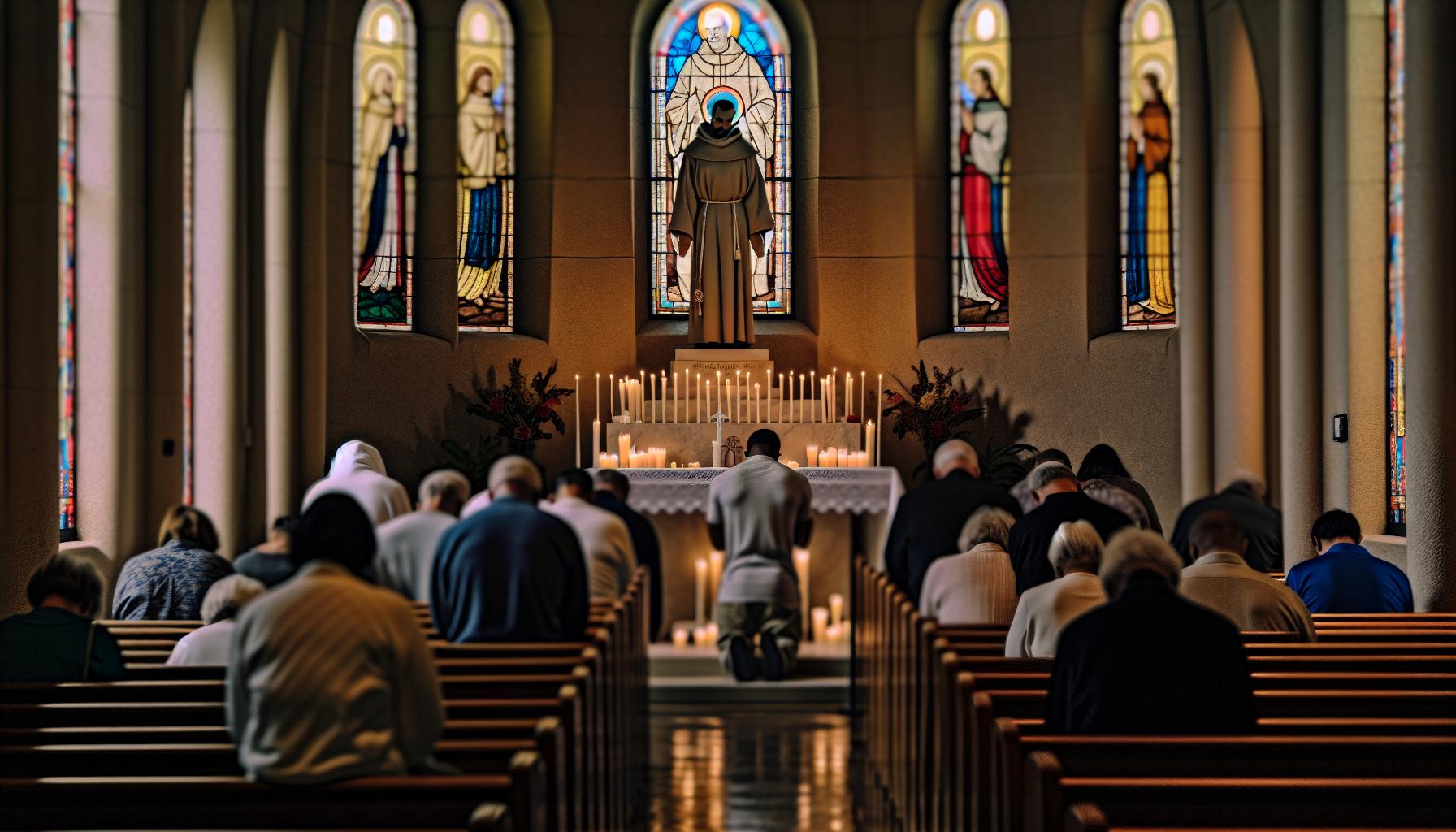
The communion of saints is a profound aspect of Catholic spirituality that enriches the practice of prayer. By invoking the intercession of saints, believers tap into a heavenly support network that has walked the path of faith before them. This unique tradition underscores the belief that saints, being in the presence of God, can intercede with Him on behalf of those still on earth. It connects the faithful with their spiritual heritage and fosters a sense of unity transcending time and space.
Many Catholics incorporate specific prayers dedicated to saints into their daily devotionals. For instance, the prayer to St. Jude is often sought in desperate situations, calling upon the saint of hopeless causes for assistance. Similarly, the Rosary, which includes meditations on the lives of Mary and the saints, deepens one’s understanding of their journeys and virtues. By reflecting on their stories, believers can draw inspiration and encouragement, recognizing that they are not alone in their struggles.
In practical terms, incorporating the saints into personal prayer can look like creating a dedicated time to meditate on their lives or lives of those who inspire you. Consider journaling prayers for intercessions, perhaps to a patron saint who resonates with your current challenges-be it St. Anthony for lost items or St. Therese for perseverance. Prayer cards, which serve as reminders of these intercessions, can be kept in a personal Bible or placed in prominent locations around the home to inspire and uplift daily life.
Moreover, engaging with saints during communal prayer extends the sense of connection beyond personal spirituality. During family gatherings or church services, invoking the saints aligns the collective heart towards God, enriching the prayer experience. Sharing stories about saintly virtues reinforces the community’s commitment to emulate these holy figures, fostering both personal and communal growth in faith. By recognizing the role of saints, Catholics are reminded that they are part of a larger story-a divine narrative that includes both the earthly and the eternal.
Modern Adaptations of Traditional Catholic Prayers

In a rapidly changing world, the essence of traditional Catholic prayers continues to resonate with both the hearts of the faithful and their everyday lives. Modern adaptations of these prayers not only help maintain their rich history but also make them accessible and relatable for contemporary believers. As prayer remains a cornerstone of Catholic spirituality, it evolves to meet the needs of new generations, fostering deeper connections with God.
One notable adaptation is the incorporation of technology into prayer life. Many Catholics now use apps that feature daily prayers, reflections, and even audio recordings of prayer services. These tools offer convenience and can guide individuals through traditional devotions such as the Divine Mercy Chaplet or the Liturgy of the Hours. For instance, apps like “Laudate” and “iBreviary” empower users to pray the daily office from anywhere, balancing busy schedules with a desire for spiritual nourishment. The fusion of tradition and technology makes prayer a more integral part of daily life, allowing for moments of reflection during commutes or breaks.
Another way traditional prayers are made modern is through the community aspect of social media. Platforms like Instagram and Facebook host a burgeoning community of Catholics who share their faith journeys, prayer challenges, and themed prayer intentions. Online communities often organize virtual prayer chains or rosary events, enhancing the sense of unity among believers despite physical distances. By sharing personal experiences and testimonies, individuals find support and encouragement, often leading to increased participation in traditional prayers as they see how these practices manifest in others’ lives.
Furthermore, traditional prayers are being infused with contemporary language and diverse expressions of worship, allowing individuals to articulate their spirituality in ways that resonate with them. For example, while the “Our Father” remains a staple, many now incorporate personal intentions or modern language interpretations during group prayers, fostering a relatable worship environment. This flexibility can deepen the engagement of younger generations or those new to the faith, encouraging them to embrace the richness of Catholic tradition without feeling constrained by it.
Overall, the key to modernizing traditional prayers lies in their adaptability. By embracing these changes, Catholics can enrich their prayer practices, cultivate deeper relationships with God, and inspire one another on their spiritual journeys. Striking a balance between reverence for tradition and openness to innovation not only nourishes personal faith but also strengthens the vibrant tapestry of the Catholic community.
Faq
Q: What are the main types of Catholic prayers?
A: The main types of Catholic prayers include vocal prayers, such as the Our Father and Hail Mary, meditative prayers that foster contemplation, and liturgical prayers observed within Mass, like the Eucharistic Prayer. Each type serves to deepen one’s relationship with God while enhancing spiritual growth.
Q: How can I incorporate daily Catholic prayers into my routine?
A: To incorporate daily Catholic prayers, set aside specific times each day for prayer, such as in the morning or before bed. Use a prayer book or app to guide your prayers, and include time for meditation and reflection to enhance your connection with God throughout the day.
Q: Why is the Rosary significant in Catholic practice?
A: The Rosary is significant because it provides a structured way to meditate on the life of Christ and the Virgin Mary. It combines vocal prayers with meditative reflection on the mysteries, deepening faith and fostering a sense of peace and connection with God.
Q: How can I teach my children about Catholic prayers?
A: Teach your children about Catholic prayers by starting with simple prayers like the Our Father and Hail Mary. Utilize engaging resources like prayer books, videos, or apps, and involve them in family prayer time to help them understand the importance of prayer in daily life.
Q: What is the role of saints in Catholic prayers?
A: Saints play a vital role in Catholic prayers as intercessors who pray on behalf of the faithful. Catholics often seek the saints’ intercession for guidance and support, believing that these holy figures can help strengthen their own prayers and deepen their faith.
Q: How can I deepen my understanding of traditional Catholic prayers?
A: Deepen your understanding of traditional Catholic prayers by reading about their history and significance, participating in prayer groups, and attending classes or workshops at your parish. This exploration will enhance both comprehension and appreciation of these meaningful practices.
Q: When should I pray the Liturgy of the Hours?
A: The Liturgy of the Hours can be prayed at specific times throughout the day, such as morning (Lauds), midday (Sext), evening (Vespers), and night (Compline). Establishing a routine around these hours encourages disciplined prayer and allows for a continuous connection with God.
Q: What are some benefits of using written prayers versus spontaneous prayers?
A: Written prayers provide structure and depth, ensuring essential elements are included in communication with God. Spontaneous prayers allow for personal expression of thoughts and feelings. Both can be beneficial; combining them enhances one’s prayer life and fosters a stronger relationship with God.
Concluding Remarks
As you embark on your journey with “Common Catholic Prayers: Essential Devotions Made Simple,” remember that each prayer is a step toward deeper faith and connection with God. Discover the power of consistent prayer in transforming your spiritual life, and let these essential devotions guide you in nurturing your relationship with Christ. Don’t let this moment pass; begin to implement these prayers into your daily routine and witness the change they bring.
For further exploration, check out our extensive collection of prayers and spiritual practices [[1]](https://www.catholic.org/prayers/rosary.php) or dive into powerful morning prayers to kickstart your day with intention [[2]](https://www.catholic.org/news/hf/faith/story.php?id=67825). Stay connected by signing up for our newsletter, ensuring you receive fresh insights and resources to enrich your faith journey. Join our community, share your experiences in the comments, and let’s inspire one another to live out our devotion authentically. Your path to strengthened faith is just beginning-let’s walk it together!