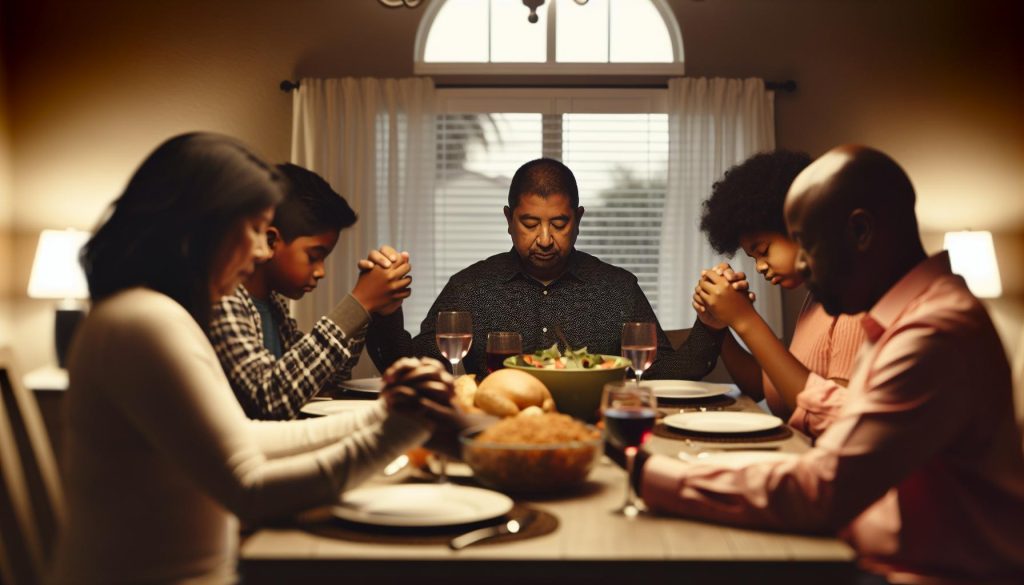
In our fast-paced lives, it’s all too easy to rush through meals without taking a moment to reflect and express gratitude. Yet, dinner prayers serve as a powerful reminder of God’s provision and the blessings we often overlook. By intentionally setting aside time to bless our evening meal, we cultivate a spirit of thankfulness and foster deeper connections with our loved ones. This practice not only enriches our dining experience but also grounds us in faith, inviting God’s presence into our homes. Join us as we explore meaningful dinner prayers that transform ordinary moments into opportunities for spiritual growth, helping you embrace gratitude in every meal. Discover how these simple yet profound expressions of faith can enhance your family’s prayer life and deepen your relationship with God.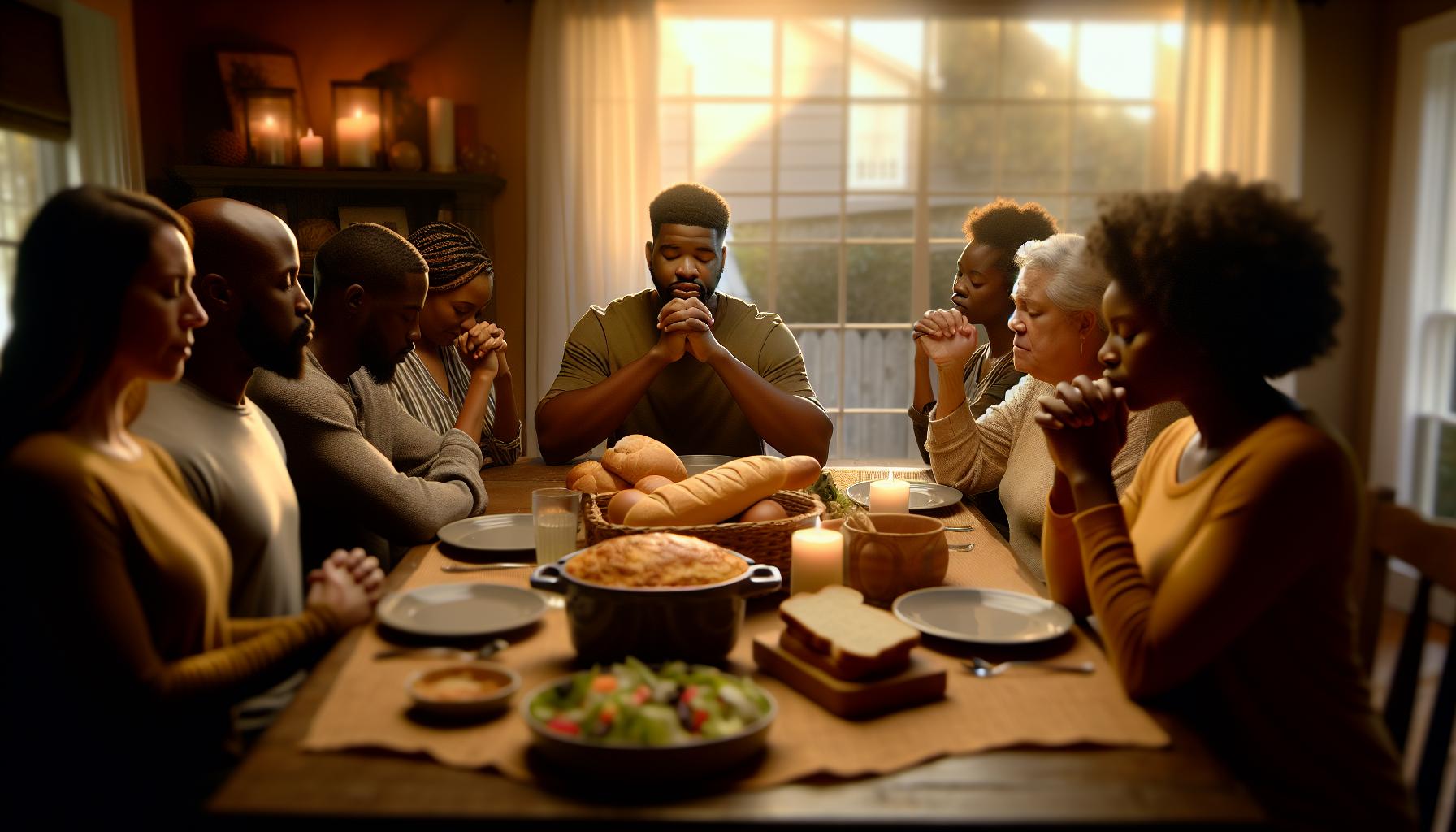
Contents
- 1 Understanding the Power of Dinner Prayers
- 2 The Importance of Gratitude in Daily Life
- 3 Simple Dinner Prayer Ideas for Families
- 4 How to Create a Family Dinner Prayer Tradition
- 5 Incorporating Scripture into Your Evening Blessings
- 6 Unique Dinner Prayers for Special Occasions
- 7 Prayers for Different Dietary Needs and Preferences
- 8 Encouraging Children to Participate in Prayer
- 9 Using Dinner Prayers to Foster Family Togetherness
- 10 Practical Tips for Making Dinner Prayers Meaningful
- 11 Personal Testimonies: Transformative Dinner Prayer Stories
- 12 Exploring the Historical Context of Dinner Prayers
- 13 Q&A
- 14 Final Thoughts
Understanding the Power of Dinner Prayers
Dinner prayers hold profound significance in the lives of many believers, serving as a moment to pause and acknowledge God’s presence and provision as families gather around the table. These sacred moments of reflection and thanksgiving not only bless the meal before them but also nurture the spiritual health of the family unit. With each prayer, households can cultivate an environment of gratitude and connectedness, reminding each member of the abundance God has provided and fostering a deeper appreciation for His blessings.
The act of offering a prayer before meals can transform an ordinary dining experience into a sacred ritual, infusing daily moments with spiritual depth. This practice emerges from biblical traditions, where the act of giving thanks was woven into the fabric of mealtime. In 1 Thessalonians 5:18, we are reminded to “give thanks in all circumstances,” which underscores the importance of gratitude as a continual practice rather than a mere gesture before eating. By consistently sharing meals with prayer, families reinforce their faith foundation and create opportunities for spiritual conversations that may otherwise be overlooked amidst busy lives.
As families embrace the practice of dinner prayers, they also open themselves to using this time for spiritual growth and connection. Engaging in collective prayer allows each member, regardless of age, to voice their thoughts, desires, and gratitude, thereby fostering a sense of inclusivity. Children, in particular, can be encouraged to contribute to these prayers, helping them to understand and appreciate the importance of faith in everyday life. This could even lead to impromptu discussions about faith, the Bible, and the importance of gratitude, which reinforces their learning in a practical context.
Furthermore, using dinner prayers as a foundation for daily rituals can establish a strong spiritual tradition within the family. By setting this precedent, families create a safe space where God’s presence is acknowledged and prioritized, promoting love and unity. It is through these intentional moments of gratitude that family bonds are strengthened, and spiritual growth is nurtured, paving the way for an environment where faith thrives. Through dinner prayers, families can experience not just a blessing over the meal but a deeper connection to each other and to God, cultivating a legacy of faith that transcends generations.
The Importance of Gratitude in Daily Life
Gratitude is a transformative practice that permeates every aspect of life, influencing our hearts, minds, and relationships. In the context of mealtime, expressing thankfulness becomes more than a simple formality; it serves as a powerful reminder of the blessings we often take for granted. Incorporating gratitude into our daily routines, especially during shared meals, creates an atmosphere where appreciation flourishes, fostering deeper connections among family members. As Philippians 4:6 reminds us, we are called to present our requests to God with thanksgiving, encouraging a mindset that recognizes His abundant provision.
One practical way to cultivate gratitude is by actively involving every family member in the dinner prayer. Invite children to share their own words of thanks or to mention something specific they are grateful for that day. This practice not only helps them articulate their thoughts but also strengthens their understanding of humility and dependence on God. Furthermore, it teaches them that gratitude is not just an acknowledgment of what we have, but an appreciation of God’s presence and love in our lives. Over time, this simple act can inspire a family culture that emphasizes appreciation and respect.
To deepen the gratitude experience, consider integrating moments of reflection during mealtime. As food is served, pause to recount personal stories linked to the meal, such as sharing how the ingredients were sourced or recalling previous gatherings that were joyful. This storytelling aspect, combined with appropriate prayers, enhances the communal spirit, reminding everyone that dining is a shared blessing that transcends mere food consumption.
It’s essential to remember that thanking God for our meals is a holistic practice. It encompasses recognizing not just the food on the table, but also the love of family, the joy of togetherness, and the many ways we are supported throughout our lives. As families prioritize gratitude in their dinner prayers, they find that this powerful practice significantly enhances their overall spiritual health and familial bonds, creating meaningful memories that last a lifetime.
Simple Dinner Prayer Ideas for Families
Engaging in simple yet heartfelt prayers at the dinner table can transform mealtime into a sacred moment that nourishes not only our bodies but also our spirits. These moments of gratitude can take various forms, making them accessible and meaningful for families at any stage of their faith journey. By incorporating brief, thoughtful prayers into your evening routine, you can set a tone of appreciation and reflection that resonates with all family members.
One idea is to create a “thankful jar” where everyone can contribute notes of gratitude throughout the week. During dinner, each person can draw a note from the jar and read it aloud as a springboard into prayer. For instance, a simple prayer could follow: “Dear Lord, we thank You for these blessings, and we lift up all the joys and gratitude shared today. May we remember Your goodness in our lives.” This practice not only fosters an environment of thankfulness but also strengthens familial bonds as shared memories and experiences are acknowledged.
Another option is to incorporate themed prayers that align with the day’s events or specific times of the year. For instance, during the Thanksgiving season, you might encourage family members to share what they are thankful for, followed by a collective prayer saying, “Heavenly Father, we thank You for the abundance You provide. As we gather here, let us always remember to cherish and share our blessings.” This approach nurtures a spirit of community and deepens the understanding that gratitude is fundamental to Christian living.
Additionally, incorporating scripture can enrich your dinner prayers significantly. Consider choosing a verse that aligns with the meal’s theme or the family’s current focus-such as Proverbs 15:17, which highlights the richness of shared meals among loved ones. A brief prayer can follow this scripture: “Lord, thank You for bringing us together. Help us to cherish this meal and each other’s company, reinforcing our love and devotion to one another.” Including scripture not only emphasizes the foundational beliefs of your faith but also encourages family members to engage with the Bible meaningfully.
Overall, the essence of dinner prayers lies in sincerity and connection. Whether through personal expressions of gratitude, themed acknowledgments, or the inclusion of scripture, these simple acts can profoundly impact your family’s spiritual journey, creating lasting memories and a culture of gratitude that nourishes the soul.
How to Create a Family Dinner Prayer Tradition
Integrating a prayer tradition into family dinner routines can create lasting spiritual connections and a deeper sense of gratitude among family members. This practice not only allows for a moment of reflection before meals but can also foster an environment of love, respect, and faith. The beauty of establishing a dinner prayer tradition lies in its simplicity and the opportunity to engage every family member, from children to grandparents, in meaningful ways.
To begin, choose a consistent time that works for your family, such as before dinner every night or during special occasions. This regularity fosters anticipation and importance surrounding the event. You could start with a simple, familiar prayer that everyone knows, such as the classic “God is great, God is good.” Over time, as comfort grows, you can introduce variations based on themes such as gratitude, community, or specific blessings that align with your family’s experiences or challenges.
Creating an inviting atmosphere can enhance the experience. Consider using a designated prayer space, perhaps incorporating a special tablecloth, candles, or even a family prayer journal that captures the thoughts shared at each meal. This way, as your family shares their testimonies and blessings, you can scribe them in the journal, allowing for reflection on God’s faithfulness over time.
Another engaging approach is to include different family members in leading the prayer each week. This practice not only helps develop public speaking skills in children but also gives everyone a chance to voice their unique perspectives on faith and gratitude. You might also consider a “theme night” where each dinner prayer reflects a specific biblical passage, encouraging family discussions on faith. For instance, you might focus on verses about love or generosity, allowing the scripture to guide conversation and connection.
Ultimately, establishing a dinner prayer tradition is about creating a space for sharing and connection. Use these moments to remind everyone of God’s presence in their lives, encouraging an atmosphere of appreciation and togetherness. As you cultivate this tradition, you’ll likely find that meal times evolve from mere routine to cherished moments of reflection, gratitude, and spiritual growth.
Incorporating Scripture into Your Evening Blessings
can transform a simple meal into a profound expression of faith and gratitude. By anchoring your prayers in biblical verses, you invite God’s word into your family gatherings, creating a significant spiritual atmosphere. Scripture not only enriches your prayers but also serves as a powerful reminder of God’s provisions and promises, allowing families to reflect on and engage with their faith in tangible ways.
One effective approach is to select a key verse that relates to the themes of thankfulness and sharing. Verses like Psalm 107:1, “Give thanks to the Lord, for he is good; his love endures forever,” or 1 Thessalonians 5:18, “Give thanks in all circumstances; for this is God’s will for you in Christ Jesus,” can easily be incorporated into your prayer. Consider starting your mealtime with a reading of the verse, followed by a prayer that reflects on its meaning, perhaps expressing gratitude for specific blessings experienced that day.
Creating a Scripture-Based Prayer Routine
To create a structured yet meaningful way to incorporate Scripture into your dinner prayers, you might establish the following routine:
- Verse of the Week: Choose a different scripture each week that resonates with recent family experiences or focuses on an aspect of gratitude. Write it on a visible card to prompt discussion during meals.
- Reflection Time: Allow each family member a moment to share what the verse means to them or how they felt God was present during their day, enhancing both personal and group understanding.
- Prayer Intentions: After discussing the scripture, take a moment to lift specific family needs or thanksgivings to God, tying them directly to the message of the verse.
This practice not only reinforces the importance of Scripture in daily life but also encourages each family member to engage with their faith actively. Engaging children in this process can be particularly enriching; it allows them to learn the Scriptures while practicing verbal expression of their thoughts and feelings.
By weaving Scripture into your meal prayers, you cultivate an environment rich in faith and gratitude, encouraging spiritual growth in both children and adults. This practice becomes a foundation for deeper conversations about faith and a consistent reminder of God’s unwavering love and provision in every aspect of life, including the meals you share together.
Unique Dinner Prayers for Special Occasions
Incorporating unique dinner prayers into special occasions not only elevates the meal but also allows families to pause and reflect on the significance of the moment. Whether it’s a birthday, anniversary, holiday, or even a family reunion, creating tailored prayers can enhance your experience by expressing gratitude for unique blessings tied to the specific event. For instance, on birthdays, consider a prayer focused on celebrating life and the journey of the individual, while expressing thankfulness for the growth and experiences shared with them.
You might say, “Lord, we gather to celebrate [Name]’s special day. We are grateful for the years You’ve given them, for the lessons learned, and for the love and joy they bring to our lives. May this year be filled with Your peace and guidance.” This approach transforms the meal into a heartfelt tribute, inviting God’s presence into the celebration.
Creating Specific Prayers for Occasions
For holiday gatherings, the prayers can weave in themes unique to the season. Here are some examples based on various occasions:
- Thanksgiving: “Heavenly Father, as we gather around this table today, we thank You for the abundance of Your blessings and the joy of family. Help us remember those in need and guide us to share our blessings with others.”
- Christmas: “Lord, on this joyous day, we celebrate the gift of Your Son, Jesus Christ. Thank You for the love and hope He brings to our world. Bless this meal as we share it with those we cherish.”
- Graduation: “God, we gather in gratitude to celebrate [Name]’s achievements. We thank You for guiding them throughout their journey and pray for Your continued direction in their future endeavors.”
Remember, the key is to personalize these prayers to reflect the virtues and sentiments of the occasion, thereby fostering a deep sense of connection to both the event and to God.
Encouraging Family Participation
Engaging all family members in crafting and delivering special occasion prayers nurtures a deeper spiritual connection. Consider assigning different family members to write or contribute to the prayer, allowing them to express their feelings and thoughts related to the occasion. This collective effort not only enhances the prayer but also creates a shared family moment deeply rooted in faith, love, and togetherness.
In essence, serve as a beautiful reminder of the importance of gratitude and God’s presence in our lives, helping families reflect on their blessings in a more meaningful way. These prayers create lasting memories, remind us of the goodness surrounding us, and encourage a spirit of giving and appreciation as we gather around the dinner table.
Prayers for Different Dietary Needs and Preferences
Navigating dietary needs and preferences within the family can often be a challenge, but it also provides a unique opportunity to deepen the spiritual connection during mealtime prayers. A thoughtful prayer that acknowledges everyone’s dietary choices can enhance the sense of belonging and show appreciation for the diverse blessings on the table. Every meal becomes an occasion for gratitude, regardless of whether it’s gluten-free, vegetarian, or caters to food allergies.
Consider creating prayers that reflect the specific dietary needs present at your family’s table. Here are a few thoughtful examples that can serve as templates for various situations:
- For a Vegan Meal: “Dear Lord, as we gather around this feast of fresh fruits and vegetables, we thank You for the nurturing earth that provides our sustenance. May this meal strengthen our bodies and remind us of Your abundance and care for all creation.”
- For Gluten-Free Dining: “Heavenly Father, we thank You for the diversity of foods You’ve created. Today, we are grateful for this gluten-free meal, made possible by the gifts of those who cultivate the land. May it nourish us and bless our fellowship together.”
- For a Family Member with Allergies: “Gracious God, we come before You today with hearts full of praise for this meal prepared with love, taking care to accommodate our beloved [Family Member]. We are grateful for Your wisdom that guides us in choices that promote health and safety. Bless this food to our bodies and bless our time together.”
Incorporating scripture can further enrich these prayers, reinforcing the spiritual significance of mindful eating while respecting dietary choices. For instance, including verses such as 1 Timothy 4:4-5, which reminds us that everything created by God is good and should be received with thanksgiving, emphasizes the importance of gratitude in our dietary preferences.
Engaging with your family’s dietary needs through prayer not only honors individual preferences but also fosters a spirit of unity and compassion. These moments of reflection during dinner encourage open discussions about health, gratitude, and nourishment, aligning our mealtime practices with our faith. Seek opportunities to let each meal become a reminder of God’s provision and love, making every gathering a true blessing.
Encouraging Children to Participate in Prayer
Encouraging children to take part in mealtime prayers not only instills a sense of gratitude but also helps them develop a personal relationship with God. Involving young ones in the prayer process can be both enriching and fun, transforming a simple act of thanks into a family bonding activity. By giving children the opportunity to contribute their thoughts and feelings during prayers, parents pave the way for their spiritual growth and understanding of gratitude and generosity.
One effective way to engage children is through simple, relatable prompts. You might start by asking them what they are thankful for that day, whether it’s their favorite food on the table, a good day at school, or time spent with family. Turn these thoughts into a brief prayer, such as, “Dear God, thank You for this delicious meal and for all the fun we had today.” This not only allows children to voice their gratitude but also reinforces the habit of recognizing everyday blessings.
Making Prayer Fun and Meaningful
Incorporating playful elements can make prayers more enjoyable for children. Use rhyme or song to create a mealtime prayer that they can sing together. For instance, a tune such as “Twinkle, Twinkle, Little Star” can be adapted with words of thanks. Such approaches invite participation and foster positive associations with prayer. Furthermore, designating one child to lead the prayer each night can instill a sense of responsibility and pride in their role within the family.
Encouraging creativity in prayers is vital too. Keep a family prayer jar where each member can write down the things they are thankful for on slips of paper. During dinner, you can read a few aloud as part of the prayer. This not only highlights the bounty present at the table but also encourages teamwork as a family, reinforcing the idea that gratitude and prayer are shared experiences.
Incorporating scripture can be impactful, too. For older children, teaching them simple verses like Psalm 136:1, “Give thanks to the Lord, for he is good. His love endures forever,” can deepen their understanding and appreciation of God’s goodness. By weaving scripture into dinner prayers, parents not only model their faith but also invite children to explore their own spirituality in a safe and loving environment.
By actively engaging children in dinner prayers, parents nurture a spirit of thankfulness and highlight the importance of acknowledging God’s provisions, making it a cherished family tradition that lasts a lifetime.
Using Dinner Prayers to Foster Family Togetherness
Dinner prayers serve as a powerful tool to nurture family bonds and Christ-centered relationships within the home. This sacred moment, often one of the few times families gather together amidst busy schedules, offers an opportunity to pause, reflect, and connect on a spiritual level. When families gather around the table for a meal, introducing prayer creates a rhythm of gratitude and togetherness that enhances the bonds of love and support among members.
Incorporating dinner prayers into your family routine builds a sense of unity and spiritual connection. Here are several practical approaches to encourage this practice:
- Create a Dedicated Space: Setting a specific place for family meals and prayer establishes a warm atmosphere. Use a special tablecloth or light a candle to signify that this time is sacred, where God’s presence is felt.
- Rotate Leadership: Allow different family members to lead the prayer each night. This not only empowers each member but also gives them a personal stake in the family’s spiritual practice, making it more inclusive.
- Share Personal Gratitudes: Encourage family members to share what they are thankful for before praying. This practice not only enriches the prayer but also helps each person feel heard and valued.
- Use Creative Prayer Methods: Incorporate different styles of prayer, such as singing, reciting a scripture, or writing prayers on a shared family prayer wall. Creativity invites enthusiasm and makes prayer a cherished part of mealtime.
As you implement these practices, consider drawing inspiration from scripture. For example, Colossians 3:15 reminds us, “Let the peace of Christ rule in your hearts, since as members of one body you were called to peace.” Using this verse can inspire prayers that focus on harmony in the home, fostering an environment filled with love and understanding.
Dinner prayers also allow family members to support each other during difficult times. When you include specific prayer requests, it creates a culture of care, letting everyone know they are not alone in their struggles. This shared vulnerability can deepen trust and affection among family members, leading to more open conversations about faith and life challenges.
In these moments of gratitude and prayer, families truly reflect the love of Christ, creating not only a sense of togetherness at the table but also fostering a spiritual legacy that will influence future generations. By embracing this practice, families nurture a heart of gratitude that transforms meals into meaningful gatherings centered around faith and communal love.
Practical Tips for Making Dinner Prayers Meaningful
Creating a meaningful dinner prayer experience can profoundly impact your family’s spiritual life, fostering gratitude and togetherness at the table. To ensure these moments resonate, it’s essential to approach them with intention and thoughtfulness. One effective strategy is to establish a consistent routine that encourages engagement. For example, consider designating a specific theme for each week, such as gratitude, love, forgiveness, or service. This not only helps focus the prayers but also sparks family discussions about each theme, deepening understanding and connection.
Another practical tip is to integrate personal elements into your prayers. Encourage family members to share their highs and lows from the day and include these in the prayer. This practice not only invites vulnerability but also strengthens the family bond as you lift each other in prayer before Almighty God. As Philippians 4:6-7 encourages, in everything by prayer and supplication, we are reminded that our concerns are known to God, bringing peace to our hearts and minds through Christ.
Create a Prayer Ritual
Develop a simple ritual that signals the transition into this special moment. Perhaps light a candle or play soft music to set the ambiance, creating a space where family members feel safe and inspired to express their thoughts and gratitude. This ritual can become a cherished tradition, giving everyone something to look forward to during dinner time.
Furthermore, consider incorporating scripture readings as part of your prayers. Select a verse that relates to your theme or family needs. By doing so, you allow God’s word to guide your prayers, making them not only heartfelt but also biblically grounded. Keeping a family’s prayer journal where you can document these prayers and any answers can also serve as a powerful reminder of God’s faithfulness and a source of encouragement during challenging times.
Whatever practices you choose, the ultimate goal is to cultivate an environment that nurtures faith and love, reinforcing the belief that every meal is a blessing from God. By approaching dinner prayers with creativity, intentionality, and personal connection, you can transform your family’s dining experience into a cherished time of spiritual growth and gratitude.
Personal Testimonies: Transformative Dinner Prayer Stories
Dinner prayers are not just rituals; they are profound opportunities for family connection and spiritual growth that many have found transformative. Many families have shared their journeys of how integrating prayer into mealtime has sparked healing, nurtured relationships, and deepened their faith. For instance, one mother recounts how her nightly prayer ritual became a sanctuary for her family during a particularly challenging season. As they gathered around the table each evening, they took turns sharing what they were thankful for, which not only reminded them of their blessings but also opened avenues for honest conversations about their struggles. This intentional practice fostered a greater sense of empathy among family members and helped them support one another through life’s trials.
Another powerful testimony comes from a father who initially felt hesitant about leading prayer at the dinner table. However, as he began to incorporate scripture readings into their prayers, he noticed a profound shift in his children’s curiosity and engagement with the Bible. They started to ask deeper questions about faith and morality, seeking to understand the relevance of Scripture in their everyday lives. One evening, after sharing a verse that spoke about kindness, his children began to brainstorm ways they could show kindness at school. This created a ripple effect that transcended the dinner table and influenced their behavior outside the home, showcasing the real-world impact of these prayers.
Moreover, families have found that their dinner prayers can also be a powerful moment for forgiveness and reconciliation. A couple shared their experience of using prayer to address conflicts that had arisen between them. By bringing their grievances before God during dinner, they not only found healing for their relationship but also modeled conflict resolution for their children. The process taught their kids the importance of humility and the courage it takes to seek forgiveness, ensuring that grace became a key value in their household.
Such testimonies highlight how simple acts of prayer can crescendo into rich traditions that bless families in myriad ways. As families navigate their unique journeys, integrating prayer into daily meals can cultivate an atmosphere of gratitude, love, and faith, strengthening bonds that honor God and one another. Embracing this practice can lead to transformative experiences, helping families to realize that every meal is indeed a chance to connect with the divine and each other.
Exploring the Historical Context of Dinner Prayers
Throughout history, the practice of offering prayers before meals has served as a cornerstone of communal practice, spiritual reflection, and gratitude. Originating from ancient biblical traditions, the roots of dinner prayers can be traced back to Jewish customs where blessings were recited to acknowledge God’s provision. In the Old Testament, prayer is frequently depicted as a means to express thanks for God’s bounty (Deuteronomy 8:10). Over time, this practice evolved beyond mere ritual, taking on significant meaning in Christian households, serving as a moment to foster intimacy with the divine and unity within families.
The early Christians adopted the practice of table prayers, setting a tradition that emphasized gratitude and shared community. As depicted in the New Testament, Jesus Himself exemplified the importance of blessing food, notably during the Last Supper, where He gave thanks before breaking bread with His disciples (Luke 22:19). This not only sanctified the meal but also highlighted the importance of fellowship and mutual respect. Thus, the act of prayer at the dinner table became a way to acknowledge God’s continuing presence in daily life, emphasizing the belief that every meal is an opportunity for communion with one another and with God.
In more recent history, dinner prayers have become a cherished family tradition, reflecting varying cultural influences and personal practices. Today, families often integrate specific scriptures or personal stories into their evening prayers, allowing each gathering to speak to their unique faith journey. This historical understanding of dinner prayers serves as a reminder-not just of the spiritual significance behind the act of giving thanks- but also of the role it plays in nurturing relationships and creating a supportive environment where individuals can share their lives and struggles openly.
To embrace this tradition in a contemporary context, consider the following practical steps:
- Integrate Scripture: Select a verse that resonates with your family and incorporate it into your meal blessing.
- Foster Interaction: Encourage family members to share their gratitude or prayer requests, fostering deeper connections.
- Be Inclusive: Tailor your prayers to accommodate various dietary practices or concerns within your family, making everyone feel valued.
- Make it a Habit: Create a consistent tradition around your dinner prayers, making it a natural part of your family routine.
Engaging in this centuries-old practice not only honors the historical significance of dinner prayers but also enriches our modern-day family life, nurturing gratitude, love, and spiritual growth.
Q&A
Q: What are some thoughtful dinner prayers for families?
A: Thoughtful dinner prayers can include expressions of gratitude for food, family, and health. A simple prayer might be, “Thank you, Lord, for this meal and the hands that prepared it. May we remember those in need and share our blessings.” For more ideas, check the “Simple Dinner Prayer Ideas for Families” section of the article.
Q: How can I encourage my children to participate in dinner prayers?
A: Encourage children to participate in dinner prayers by involving them in the prayer process. Ask them to share what they are thankful for or let them lead the prayer occasionally. This active participation fosters a sense of belonging and importance. Refer to the “Encouraging Children to Participate in Prayer” section for more tips.
Q: Why is gratitude emphasized during dinner prayers?
A: Gratitude in dinner prayers helps cultivate a positive mindset and reminds us of our blessings. It can strengthen family bonds and increase overall happiness. Practicing gratitude has been shown to improve mental well-being, making it vital in daily life, as discussed in the article’s section on “The Importance of Gratitude in Daily Life.”
Q: How do dinner prayers promote family togetherness?
A: Dinner prayers promote family togetherness by providing a shared moment of reflection and connection. This practice allows family members to express their thoughts and feelings, enhancing communication and unity during mealtime. Explore further in the “Using Dinner Prayers to Foster Family Togetherness” section of the article.
Q: What are some prayers for special dietary needs during dinner?
A: Prayers for special dietary needs can acknowledge the specific challenges faced by family members. For example, you might say, “Lord, we thank You for this meal and remember those with dietary restrictions. May they find nourishment and joy in what they eat.” Check out the “Prayers for Different Dietary Needs and Preferences” section for more ideas.
Q: How can I create a dinner prayer tradition in my home?
A: To create a dinner prayer tradition, decide on a consistent time for prayer, involve all family members, and encourage everyone to contribute their thoughts. Start simple and gradually introduce different prayers or themes. Look at the “How to Create a Family Dinner Prayer Tradition” section for detailed guidance.
Q: What unique dinner prayers can I use for special occasions?
A: Unique dinner prayers for special occasions can be tailored to the event. For holidays, a prayer might include specific blessings related to the occasion, like, “Thank you for bringing us together to celebrate this special day.” For more suggestions, see the “Unique Dinner Prayers for Special Occasions” section.
These FAQs provide valuable insights into dinner prayers, enhancing family dynamics and spiritual practice during mealtimes while inviting further exploration of additional topics.
Final Thoughts
As we gather around the table for our evening meal, let us carry the spirit of gratitude into every prayer we share. Remember, “Dinner Prayers: Blessing Your Evening Meal with Gratitude” not only deepens our thankfulness but also strengthens our bonds with one another and with God. By embracing these sacred moments, we open our hearts to divine blessings.
Don’t miss out on expanding your spiritual journey! Explore our related articles on short prayers for meals and table prayers for everyday blessings to enhance your prayer life even further. If you found value in this content, consider signing up for our newsletter to receive more insights on biblical living, parenting guidance, and spiritual practices. Let’s continue this journey together, enriching our faith and nurturing our connections-join the conversation by commenting below and sharing your favorite dinner prayers!