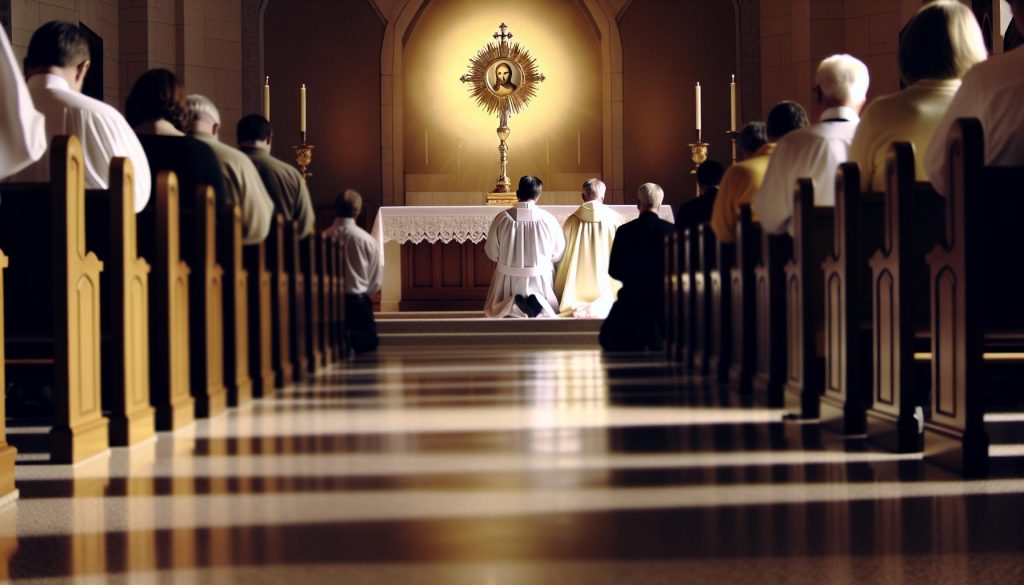
In the hustle and bustle of daily life, finding moments of peace and connection with God can feel elusive. Eucharistic Adoration offers a unique opportunity to encounter Jesus in the Blessed Sacrament, nurturing your spiritual life and fostering deep personal reflection. Through dedicated prayers and contemplation, you can experience renewal and grace, essential for navigating the challenges of faith and life. This transformative practice invites you to set aside distractions and immerse yourself in divine love, making it a vital resource for anyone seeking a more profound relationship with Christ. As you explore Eucharistic Adoration prayers, you’ll discover how this intimate communion with the Lord can lead to healing, guidance, and a renewed sense of purpose. Join us on this journey to deepen your faith and draw closer to the heart of Jesus.
Contents
- 1 Understanding Eucharistic Adoration and Its Significance
- 2 The Spiritual Benefits of Eucharistic Adoration
- 3 Essential Prayers for Eucharistic Adoration
- 4 How to Prepare for Eucharistic Adoration
- 5 Creating a Sacred Space for Adoration
- 6 Scriptural Foundations for Eucharistic Adoration
- 7 Incorporating Silence and Meditation in Adoration
- 8 Common Challenges in Eucharistic Adoration
- 9 Testimonials: Transformative Experiences in Adoration
- 10 Eucharistic Adoration and Personal Spiritual Growth
- 11 Practical Tips for Effective Eucharistic Prayer
- 12 Adoration in Community: Building Faith Together
- 13 Q&A
- 14 Future Outlook
Understanding Eucharistic Adoration and Its Significance
Eucharistic Adoration offers a profound opportunity to encounter Christ in a deeply personal and transformative way. It is a practice rooted in a long tradition of the Church, where the faithful gather to spend quiet time in the presence of the Blessed Sacrament. This sacred time allows believers to deepen their relationship with Jesus, reflect on His love and sacrifice, and respond to His calling in their lives. Many find that in this peaceful atmosphere, surrounded by candles and the Eucharist, they are more readily able to hear the gentle whisper of God, providing clarity and strength for their life’s journey.
Understanding the significance of Eucharistic Adoration begins with recognizing its foundational role in the life of a Christian. It is more than merely a ritual; it is an invitation to communion. The Church teaches that in the Eucharist, Christ is truly present-body, blood, soul, and divinity. This fullness of presence transforms ordinary moments into extraordinary experiences of grace. As you engage in this practice, you are not only coming to worship but also entering into a relationship with Jesus that can shape your daily decisions and overall spiritual growth.
To make the most of your time in Eucharistic Adoration, consider the following approaches that enhance the experience:
- Intentional Preparation: Arriving with a prayerful mindset helps in creating the right environment for meeting Jesus. Before entering, take time in silence to center your thoughts.
- Reflection on Scripture: Bring a Bible or a favorite spiritual book to guide your meditation. Reflecting on God’s Word can provide insight and encourage deeper contemplation.
- Offering Personal Intentions: Use your time to bring personal prayers before the Lord, whether they are intercessions for others or petitions for your own needs.
- Practicing Silence: Silence is a crucial component of Adoration. Embrace it as a space where God speaks, inviting you into deeper communion with Him.
In a world filled with distractions, Eucharistic Adoration stands as a sanctuary of peace where believers can rejuvenate their spirits and encounter the living God. It is not just a moment of worship; it is a transformative experience that invites each participant into a deeper understanding of Christ’s love and presence in their lives. Through this sacred practice, the faithful can find direction, renew their commitment to faith, and ultimately foster transformative growth that enriches their Christian journey.
The Spiritual Benefits of Eucharistic Adoration
Spending time in Eucharistic Adoration is a profound way to cultivate a deeper relationship with Christ, offering spiritual benefits that can transform our daily lives. This practice is essential for believers seeking to deepen their faith and understanding of God’s love. When we place ourselves in the presence of the Blessed Sacrament, we create a sacred space where divine encounters can occur, allowing God’s grace to fill our hearts and minds.
One of the most significant benefits of Eucharistic Adoration is the opportunity for deep personal intimacy with Christ. In the quiet ambiance, away from the distractions of everyday life, believers can reflect on their spiritual journeys and receive clarity about their paths. This sacred time allows for a renewal of purpose and a cultivation of love, as Jesus waits patiently for us. As St. Mother Teresa of Calcutta profoundly said, “Every Holy Hour we make so pleases the Heart of Jesus that it is recorded in Heaven.” Such moments lead to a more profound understanding of Christ’s sacrifice and love, revealing aspects of His character that enrich our faith.
Additionally, Eucharistic Adoration serves as a powerful source of healing and transformation. It functions like a spiritual reset, allowing individuals to bring their burdens before God. Emotionally, this time spent in solitude can facilitate healing from past wounds and provide strength to face future challenges. Participants often find that their fears and anxieties dissipate in the light of Christ’s love, prompting a renewal of hope and joy in their lives. Furthermore, this practice helps in recognizing and repenting for sin, reshaping our lives to reflect a more authentic Christian witness.
In the practice of Adoration, believers are also encouraged to embrace silence and meditation. This quietude serves as fertile ground for prayer, allowing the Holy Spirit to guide thoughts and introspections. Through this contemplation, individuals can develop a more robust prayer life, fostering an ongoing dialogue with God that extends beyond the walls of the chapel.
Ultimately, engaging in Eucharistic Adoration is not merely about the act itself; it’s about the transformative relationship that blossoms from it. By continually returning to this practice, believers can cultivate a vibrant faith that enhances their personal walks with Christ, enriches their communal worship, and bears fruit in their everyday interactions. The spiritual journey combined with Eucharistic Adoration invites everyone to experience a deeper understanding of God’s unfathomable love, returning to the world rejuvenated and ready to share that love with others.
Essential Prayers for Eucharistic Adoration
Meeting Jesus in the Eucharist is a profound experience that often begins with sincere and reflective prayer. Essential prayers during Eucharistic Adoration not only enhance the connection between the believer and Christ but also create a space for guidance, healing, and personal growth. Engaging in prayerful conversations with God can open our hearts to receive His grace and strength, allowing us to bear the burdens we carry with renewed hope.
Commonly Used Prayers
Many individuals find solace in traditional prayers during Adoration. You might consider including the following in your prayer routine:
- Act of Faith: A declaration of belief in the real presence of Jesus in the Eucharist.
- Act of Contrition: A heartfelt apology for sins committed and a plea for mercy.
- Litany of the Blessed Sacrament: A series of invocations asking for Jesus’ intercession.
- Prayer for Spiritual Communion: A yearning to unite with Christ in spirit, even when unable to receive Him sacramentally.
When preparing for Adoration, you may also wish to personalize your prayers. Considering your specific intentions and life’s struggles can shape your dialogue with God. For example, if you are seeking peace amid anxiety, you might offer prayers that invite the Holy Spirit to soothe your spirit and grant you clarity.
Incorporating Scripture and Personal Reflection
Integrating Scripture passages into your prayers can deepen your meditation. Open your heart to passages that resonate with your life’s journey, such as Psalm 46:10, “Be still, and know that I am God,” or Matthew 11:28, “Come to me, all you who are weary and burdened, and I will give you rest.” These verses can serve as both comfort and inspiration, inviting you to rest in His presence and find solace.
Additionally, reflecting on your personal relationship with Christ can guide your prayer. Write down your thoughts in a journal during Adoration, allowing you to document your spiritual growth and insights. This practice fosters ongoing dialogue with God, making it a rich spiritual resource for times of struggle or uncertainty.
Through these essential prayers and reflections, believers can truly meet Jesus in the Sacrament, nurturing their spiritual lives and enhancing their understanding of His infinite love and mercy. Embracing this practice can lead you to transformative experiences, enriching both your personal faith and communal worship.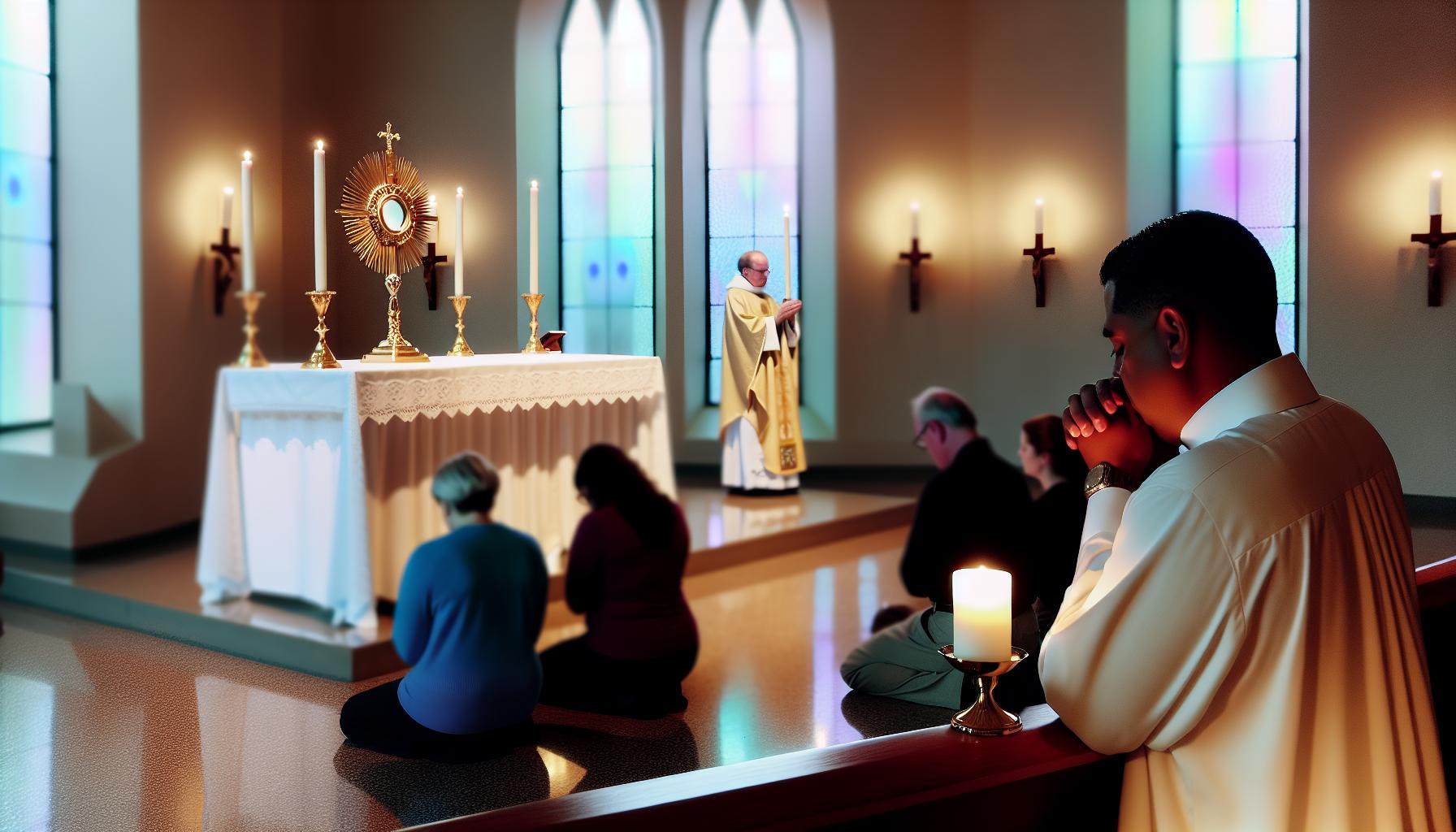
How to Prepare for Eucharistic Adoration
Preparing for Eucharistic Adoration is a deeply personal and spiritually enriching process that allows you to open your heart to the transformative presence of Jesus in the Eucharist. One essential aspect of this preparation is fostering an attitude of reverence and expectation. Before entering a time of Adoration, consider setting aside distractions and engaging in silent reflection to ground yourself in His presence. Remember, this is a moment to encounter Christ, and creating a peaceful mindset enhances your ability to connect with Him.
To enrich your experience, it can be beneficial to draw up a list of personal intentions-prayers for loved ones, guidance on decisions, or areas where you seek spiritual growth. These intentions can serve as focal points during your time of Adoration, creating a rich dialogue with God. In addition, it is advisable to prepare some specific prayers or Scripture passages that resonate with you. For instance, meditating on John 6:35, where Jesus declares, “I am the bread of life,” can illuminate the profound mystery of the Eucharist.
Creating a Suitable Environment
If possible, find a quiet place to prepare yourself spiritually before entering into Adoration. This might mean arriving early to settle your thoughts or even finding a cozy corner in your home if you’re praying alone. The environment influences our spiritual experience, so lighting a candle, playing soft music, or surrounding yourself with sacred images can create an atmosphere conducive to meeting Jesus in the Sacrament.
Spiritual Readiness
Consider engaging in the Sacrament of Reconciliation before your time of Adoration. Purifying your heart can deepen your openness to receiving God’s grace. Likewise, approaching Adoration with a spirit of gratitude enhances your awareness of the blessings in your life and invites a stronger sense of communion with Christ. Create intentions around thanksgiving, becoming aware of His gifts and mercy towards you.
Ultimately, spiritual preparation for Eucharistic Adoration transforms not only your time before the Blessed Sacrament but also contributes to your ongoing journey of faith. By embracing these preliminary steps, you can fully immerse yourself in this sacred time, allowing the grace of Christ to renew your spirit and guide your daily walk with Him.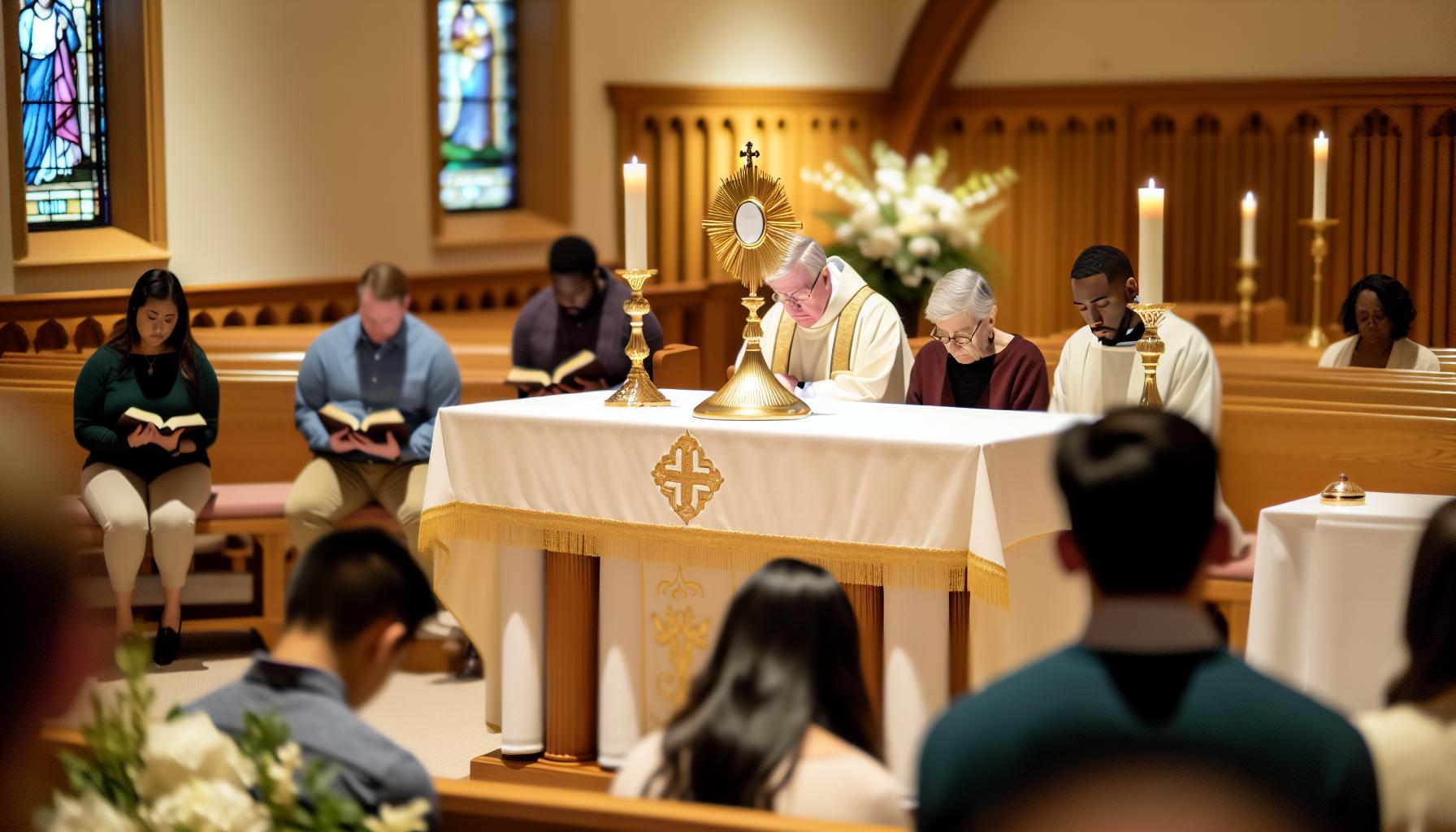
Creating a Sacred Space for Adoration
Creating a sacred space for Eucharistic Adoration is essential for deepening your connection with Christ in the Blessed Sacrament. This environment serves as a physical and spiritual backdrop for your encounter with Jesus, facilitating a space of reverence and peace where you can focus your mind and heart. Whether you’re in a church or your own home, the intentional setup of your surroundings can elevate your experience.
Begin by choosing a location that minimizes distractions. If possible, find a quiet corner of a room or a dedicated prayer space. Consider using comfortable seating or a kneeler to encourage a posture of prayer. The use of natural light or soft, ambient lighting can create a tranquil atmosphere. To enhance this, adding sacred images, such as crucifixes or icons, can help center your thoughts on the divine. It might also be beneficial to incorporate items that hold personal significance, such as a family photo that inspires gratitude or a symbol of your faith journey.
Additional Elements to Enhance Your Sacred Space
- Candles: Lighting a candle can symbolize bringing Christ’s light into your space, offering a visually serene focal point.
- Music: Soft, instrumental hymns or sacred music can set a contemplative mood, aiding your meditation.
- Scripture Passages: Displaying passages that resonate with you around your space can remind you of God’s promises, such as Matthew 18:20 (“For where two or three gather in my name, there am I with them”).
- Essential Oils: If you enjoy aromatherapy, diffusing oils like lavender or frankincense can create a soothing environment conducive to prayer.
Taking time to prepare your sacred space is a beautiful opportunity to invite the Holy Spirit into the moment. As you arrange your environment, breathe in the present reality of Christ’s presence in the Eucharist, reminding yourself that this moment is set apart for a unique communion with Him. Embrace the peace that comes from knowing you’re entering a space sacredly devoted to encountering Jesus, and allow this to enrich your time in Adoration.
Scriptural Foundations for Eucharistic Adoration
The profound experience of Eucharistic Adoration is deeply rooted in Scripture, serving as the foundation for this sacred practice that allows believers to encounter Jesus in the Blessed Sacrament. When one approaches the altar, they are not merely engaging in an act of reverence; they are stepping into a rich tapestry of biblical promises and teachings that affirm the Real Presence of Christ in the Eucharist. Understanding these scriptural underpinnings enriches and guides one’s heart during Adoration, making it a transformative experience.
At the heart of Eucharistic Adoration lies Jesus’ promise in Matthew 28:20, where He assures, “And surely I am with you always, to the very end of the age.” This verse encapsulates the belief that when we sit in Adoration, we are physically present with Christ, who is present with us in the Eucharist. Such a belief is further reinforced by John 6:51, wherein Jesus states, “I am the living bread that came down from heaven. Whoever eats this bread will live forever.” This powerful imagery emphasizes the sustenance and eternal life that Jesus offers through the Holy Communion, calling us to draw near to Him in this intimate setting.
In addition to these verses, the Old Testament lays tracks leading towards the New Covenant by illustrating God’s desire for communion with humanity. For example, Exodus 25:8 directs, “Then have them make a sanctuary for me, and I will dwell among them.” This call to create sacred spaces echoes the contemplative atmosphere of Adoration, inviting believers to establish their hearts and minds as a sanctuary for encountering God’s presence. As a result, Adoration becomes more than prayer; it is a sacred space where scripture and personal faith converge into a powerful meeting with the Divine.
To enhance the experience of Eucharistic Adoration, consider reflecting on passages such as Psalm 46:10, “Be still, and know that I am God.” This verse encourages quiet introspection and helps foster the silence necessary to truly hear His voice amidst the distractions of modern life. Incorporating these scriptural foundations into your time of Adoration not only deepens your understanding but also cultivates an environment where transformation and peace can flourish. Invite the Living Word into your sacred space, allowing it to breathe life into your prayers as you meet Jesus in the sacrament.
Incorporating Silence and Meditation in Adoration
In the stillness of Eucharistic Adoration, believers are granted a precious opportunity to encounter the Divine in profound silence. Silence is not merely the absence of noise; it is the fertile ground where the heart can truly listen to God’s whispers. This quiet moment allows our thoughts to settle and our distractions to fade, creating an atmosphere conducive to deeper communion with Jesus. In a world filled with constant chatter, the call to embrace silence can be both challenging and transformative, providing a space where profound spiritual insight can flourish.
To effectively incorporate silence and meditation into your time of Adoration, consider setting intentional periods for stillness. Begin your visit by dedicating a few minutes solely to quiet reflection. You might close your eyes, take a few deep breaths, and consciously release any lingering thoughts of your day. This act of letting go allows your spirit to become more attuned to the presence of Christ in the Eucharist. Use Scripture as a guide during these moments; passages like Psalm 46:10-“Be still, and know that I am God”-can serve as a mantra, helping to center your thoughts and deepen your engagement in the moment.
Meditation during Adoration can also be enriched by visualizing the scenes from the Gospels. Picture yourself at the Last Supper or alongside the disciples witnessing the wonders of Jesus. Allow these images to stir your heart and invite conversations with Christ about your joys, fears, and desires. Remember, meditation doesn’t always require a formal structure; it can be as simple as resting in His presence, reflecting on His love, and allowing His grace to wash over you.
Finally, do not underestimate the power of journaling during your time of prayer. Writing down your thoughts and feelings can help you process your experiences and insights gained during Adoration. By making a habit of reflecting on your encounters, you cultivate a richer prayer life and create a personal roadmap of spiritual growth that you can revisit in the future. Through silence and meditation, your practice of Eucharistic Adoration can evolve into a truly transformative spiritual journey, inviting you more deeply into the heart of Christ.
Common Challenges in Eucharistic Adoration
Engaging in Eucharistic Adoration offers a sacred opportunity to nurture one’s spiritual life, yet it can come with its own set of challenges that might hinder your experience. One significant challenge is the struggle with distractions. In a society accustomed to constant stimulation, sitting in silence before the Eucharist can feel uncomfortable or even daunting. Tips to combat distractions include setting clear intentions before entering Adoration-consider bringing a journal to jot down any pressing thoughts or tasks that come to mind, allowing you to set them aside for later reflection.
Another common hurdle is encountering periods of spiritual dryness. It is not uncommon for believers to feel distant from God during Adoration, lacking the emotional responses they might expect. During these times, remember that faith isn’t solely about feelings; it also involves an authentic commitment to being present before the Lord. Lean on scripture, such as Matthew 11:28-30, where Jesus invites us to come to Him for rest. Engaging with His word or reciting traditional prayers can help redirect your focus and remind you of His unwavering presence.
Many find it challenging to maintain regular attendance at Adoration due to busy schedules or life commitments. This can lead to feelings of guilt or disconnection from the sacramental grace offered during those moments. To address this, consider establishing a routine that makes Adoration a non-negotiable part of your week. Whether it’s attending on a specific day or time, creating a visual reminder in your planner can encourage you to prioritize this sacred time, allowing for the richness of spiritual growth that flows from consistent engagement.
Frustration can also arise when expectations of what “should” happen during Adoration do not match reality. Understand that every experience is unique, and some sessions may feel more profound than others. Instead of focusing on specific outcomes, shift your perspective towards simply being with Jesus in the Blessed Sacrament. Embrace the grace of the moment, trusting that He is at work in you, even when it’s not immediately visible.
In navigating these challenges, the key is to remain committed to your spiritual journey, approaching each Adoration session with an open heart and mind. Each time you come to the altar, no matter the distractions or emotional state, you’re engaging in a sacred dialogue that bears fruit in God’s timing. As you make Eucharistic Adoration a regular part of your life, you’ll likely find that these challenges become less daunting, leading to deeper engagement and transformative encounters with Christ.
Testimonials: Transformative Experiences in Adoration
Many who embark on the journey of Eucharistic Adoration find themselves transformed in profound ways. These experiences speak to the heart of what it means to encounter Christ in the Blessed Sacrament. For many, Adoration is not merely a routine part of their faith but a life-changing encounter that ignites a deeper understanding of God’s endless love and mercy.
One parishioner shared how her struggles with anxiety and self-doubt dissipated the moment she entered the Adoration chapel. Within the quiet of that sacred space, she felt an overwhelming sense of peace wash over her as she centered her thoughts on Jesus. In those moments, she realized that her worries, though significant, were nothing compared to the love that Christ offers unconditionally. This experience taught her the importance of surrendering her burdens to Him, igniting a new passion for prayer in her daily life.
Another testimony comes from a young father who initially viewed Adoration as inconvenient amidst his busy schedule. However, he made a commitment to spend just 30 minutes a week in front of the Eucharist. Over time, he observed powerful changes not only in himself but also in his family. He reported that his newfound patience and understanding positively impacted his parenting and marriage. He described the moments of stillness before the Blessed Sacrament as a source of strength and clarity, offering him renewed insight into his role as a husband and father.
Embracing Vulnerability and Finding Strength
Many believers highlight the transformative power of vulnerability during their Adoration sessions. The act of laying bare one’s heart before God often opens pathways to healing. A testimony from a college student revealed how confronting her fears and failures in Adoration allowed her to recognize God’s grace at work in her life. This realization not only gave her the courage to pursue her dreams but also ignited a passion to share Christ’s love with her peers.
Through these testimonies, it’s clear that Eucharistic Adoration does more than deepen one’s spiritual life; it fosters genuine encounters with Christ that bear fruit in all aspects of life. By prioritizing this sacred time, the faithful are reminded that they are never alone in their struggles and that God’s presence is a constant source of strength and guidance. As individuals continue to share their experiences, the collective narrative showcases the power of meeting Jesus in the Sacrament, turning ordinary moments into extraordinary encounters of faith.
Eucharistic Adoration and Personal Spiritual Growth
Eucharistic Adoration offers a unique opportunity for personal spiritual growth, transforming encounters with the Blessed Sacrament into profound experiences of divine love and grace. Each moment spent in Adoration invites believers to draw closer to Jesus, deepening their relationship with Him and nurturing their faith in ways that can be transformative. Just as the early disciples were changed by their time with Christ, modern faithful find that moments in quiet Adoration can lead to significant shifts in their spiritual journeys.
The process of engaging with God in profound silence is essential for spiritual development. As one sits in the presence of the Eucharist, distractions fade, allowing space for reflection and realization. It is in these quiet moments that many find clarity regarding their life’s purpose or struggle. For instance, an individual grappling with career choices may find guidance in the stillness, emerging with newfound direction and motivation to pursue God’s will. The transformative nature of Eucharistic Adoration lies not just in the solace it provides, but also in its ability to help one confront the deepest desires and fears in the light of Christ’s love.
Moreover, Eucharistic Adoration cultivates virtues such as patience, humility, and empathy. As one reflects on the infinite love represented in the Eucharist, the heart naturally begins to soften, leading to a greater ability to love others. Personal narratives abound in which individuals describe how regular Adoration has made them more compassionate spouses, more patient parents, and more understanding friends. This spiritual growth ripples outward, touching every interaction and relationship in life.
Incorporating Eucharistic Adoration into one’s routine requires intentionality but yields deep rewards. By setting aside dedicated time for this sacred practice, individuals open themselves to experiencing God’s presence in transformative ways. Here are a few practical steps to facilitate this growth:
- Consistency: Establish a regular schedule for Adoration, treating it as a non-negotiable appointment with God.
- Preparation: Approach Adoration with a prayerful heart. Consider what burdens or praises you want to share with the Lord during your time.
- Take a Journal: Document insights or reflections during or after each session, helping to track your spiritual growth over time.
Ultimately, the journey of personal spiritual growth through Eucharistic Adoration is an invitation to experience God’s unwavering love and to allow that experience to shape one’s life. As believers draw nearer to Christ in the Blessed Sacrament, they are equipped to extend that love outwards, creating a ripple effect of faith and love in their communities.
Practical Tips for Effective Eucharistic Prayer
Engaging in Eucharistic prayer is not just about being present in a physical space; it’s an invitation to encounter the Divine in profound and transformative ways. Effective prayer during Eucharistic Adoration can deepen your relationship with Jesus, helping you to experience His presence more fully. Here are some practical tips to enhance your time spent in prayer before the Blessed Sacrament.
Start by creating a focused environment. Choose a quiet location where you can be free from distractions. You might light a candle or bring a small statue or image that inspires you, creating a visual focal point that reminds you of Jesus’ presence. This simple act of setting up your space can help cultivate a sense of reverence and intention for your prayer time.
As you settle into your time of prayer, consider structuring your session to engage fully with God. You might divide your time into different sections:
- Adoration: Begin by acknowledging Jesus in the Eucharist. You can use prayers like the “Anima Christi” or simple, heartfelt words that express your love and reverence.
- Thanksgiving: Reflect on the blessings in your life. Take a moment to thank God for His unconditional love and the myriad of ways He provides for you.
- Supplication: Bring your needs and those of others before God. Pray for guidance, healing, and any intentions that weigh on your heart.
- Listening: Spend some moments in silence, allowing God to speak to you. This can be a powerful time when insights and peace often emerge.
Incorporate scripture into your prayer. Bring along a Bible or use a digital version to read passages that resonate with your spiritual journey. Meditating on verses that speak to Jesus’ love, sacrifice, and presence can enrich your prayer experience. Consider reading passages such as John 6:51-58, where Jesus speaks about being the living bread, or Matthew 28:20, where He promises to be with us always.
Lastly, keep a prayer journal to record your experiences and revelations. Writing down thoughts or feelings that arise during your Adoration can help you track your spiritual growth and serve as a reminder of God’s faithfulness in your life. Reflecting on these entries later can reveal patterns and help you see the hand of God more clearly across time.
When approached thoughtfully, each session of Eucharistic Adoration becomes an opportunity not only for prayer but also for a deeper communion with Christ, nurturing your faith and enriching your spiritual life.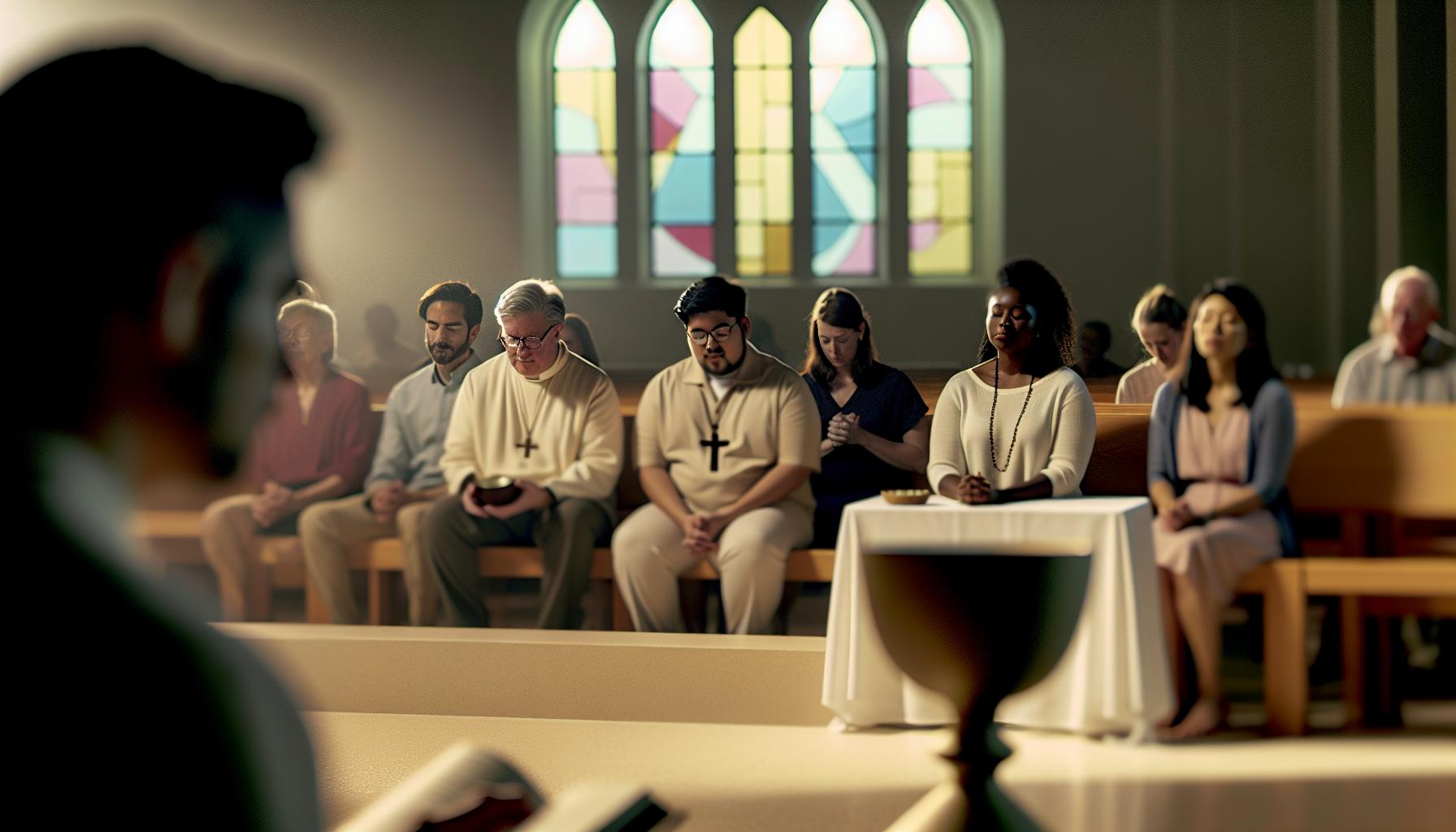
Adoration in Community: Building Faith Together
Participating in Eucharistic Adoration as a community is more than just a collective gathering; it’s an opportunity to weave the threads of faith and support amongst one another. In a world often filled with isolation and disconnectedness, communal Adoration provides believers a space to experience the shared presence of Christ, bringing vitality to personal faith journeys and strengthening the church as a whole. When individuals come together in reverence before the Blessed Sacrament, they create a spiritual tapestry where prayers, intentions, and silent moments each contribute to a transformative atmosphere filled with grace.
Building faith together in this sacred space can foster deep connections among participants. Each person brings their unique experiences and insights, enriching group prayer with multiple perspectives. Consider organizing Adoration evenings where special intentions are shared at the beginning, allowing each individual to feel acknowledged and supported. This can be a powerful way to invite God into the specific struggles and joys of life, uniting hearts in fervent prayer. Encouraging testimonies afterward can also cultivate an environment of openness and mutual encouragement, empowering participants to share how God is working in their lives.
Creating a Faith-Building Environment
A successful community Adoration experience hinges on creating a welcoming and sacred environment. Here are some practical tips to enhance the collective participation:
- Set the Atmosphere: Dim lighting, use candles, and play soft music to create an inviting atmosphere conducive to prayer and meditation.
- Incorporate Group Prayers: Begin sessions with familiar prayers like the “Our Father” or the “Hail Mary,” which can unify participants in their intentions.
- Designate Times for Silence: Allow for personal reflection, enhancing the collective experience by enabling individuals to listen for God’s voice amidst the community.
- Plan Follow-Up Gatherings: Encourage regular return commitments to Adoration, helping the community form spiritually enriching habits together.
Integrating communal aspects into Adoration not only magnifies personal experiences but also strengthens the bond of faith shared among participants. Recognizing that while each individual is on their unique journey, these collective moments of prayer can serve as anchors, reminding us that we are not alone. Through embracing Eucharistic Adoration as a community, believers enhance their spiritual lives, echoing the biblical truth that where two or more are gathered in His name, Christ is present among them (Matthew 18:20). This shared experience not only nurtures individual souls but also energizes the life of the parish, creating ripples of faith that can extend far beyond the walls of the church.
Q&A
Q: What is the significance of prayers during Eucharistic Adoration?
A: Prayers during Eucharistic Adoration foster a deeper connection with Jesus in the Eucharist, allowing for personal reflection and spiritual growth. They can enhance one’s faith experience and offer a moment of peace amidst life’s distractions, reinforcing the presence of Christ in their life.
Q: How can I prepare spiritually for Eucharistic Adoration?
A: To prepare spiritually for Eucharistic Adoration, spend time in silence, read Scripture, and reflect on your intentions. Consider writing down your prayers or questions for God, which can guide your meditation and deepen your encounter during the Adoration.
Q: What types of prayers are best for Eucharistic Adoration?
A: Both spontaneous and structured prayers are suitable for Eucharistic Adoration. Popular choices include the Rosary, Litany of the Blessed Sacrament, or simple conversations with God. Adoration also welcomes moments of silence, allowing for deeper listening and connection with Christ.
Q: How can silence enhance my experience in Eucharistic Adoration?
A: Silence in Eucharistic Adoration cultivates a space for inner peace and contemplation, allowing the heart to better attune to God’s voice. Embrace moments of quiet to reflect on your relationship with Jesus, facilitating a more profound spiritual encounter.
Q: When is the best time to participate in Eucharistic Adoration?
A: Eucharistic Adoration is often available during specific hours set by local parishes. Ideal times can vary; however, many find early mornings or evenings to be tranquil, providing an opportunity to engage in uninterrupted prayer and meditation with Jesus.
Q: What challenges might I encounter during Eucharistic Adoration, and how can I overcome them?
A: Common challenges include distractions, restlessness, or feeling disconnected. To overcome these, focus on your breathing, bring a prayer journal, or read Scripture excerpts to center your mind. Regular attendance can also help ease discomfort and foster familiarity with the practice.
Q: Can I involve my family in Eucharistic Adoration?
A: Yes, including your family in Eucharistic Adoration can strengthen spiritual bonds and provide collective prayer experiences. Encourage family discussions about faith, plan visits together, and share insights on what you felt during Adoration to promote growth in understanding and faith.
Q: How does participating in Eucharistic Adoration affect personal spiritual growth?
A: Regular participation in Eucharistic Adoration can deepen one’s relationship with Jesus, enhance prayer life, and encourage personal discernment. It helps individuals understand their faith more profoundly and fosters a nurturing atmosphere for spiritual learning and growth.
Future Outlook
As you conclude your journey into “Eucharistic Adoration Prayers: Meeting Jesus in the Sacrament,” remember that each moment spent in prayer and adoration brings you closer to Christ, nourishing your spirit and deepening your faith. If you’re eager to enhance your prayer life, explore our resources on practical prayer techniques and engage in community discussions about your experiences here.
Don’t let this moment pass you by without taking the next step-sign up for our newsletter to receive uplifting devotionals and insights directly to your inbox. Have questions or reflections? We encourage you to share in the comments below; your thoughts can inspire others on their faith journey! By continuing to seek His presence, you’ll uncover the transformative power of Eucharistic Adoration in your life. Let your heart be open, and embrace the change He is eager to bring into your life.