In a world rich with diverse beliefs, understanding the prayer practices of our Islamic brothers offers a unique glimpse into their faith and devotion. The Five Daily Prayers, or Salah, are not merely rituals; they are profound expressions of worship that connect Muslims to God throughout the day. As Christians, recognizing the significance of these prayers can enhance our appreciation for the spiritual practices that shape the lives of millions.
These prayer times serve as powerful reminders for all of us to pause, reflect, and commune with God, irrespective of our faith traditions. By exploring the meaningful structure and purpose behind these prayers, we can foster mutual respect and dialogue among different religions. Dive deeper into this journey, discovering the values and commitments that shape the spiritual lives of our Islamic brothers and how such practices can inspire our own faith journeys.
Contents
- 1 Understanding the Five Daily Muslim Prayers
- 2 The Importance of Salah in Islam
- 3 Breaking Down Each Prayer: Times and Rituals
- 4 Spiritual Benefits of Performing Daily Prayers
- 5 The Role of Prayer in Strengthening Faith
- 6 Cultural Variations in Prayer Practices
- 7 Overcoming Challenges in Maintaining Consistency
- 8 Connecting with the Community Through Prayer
- 9 Exploring the Miracles and Traditions of Salah
- 10 Resources for Deepening Your Understanding of Islamic Prayer
- 11 Comparative Insights: Islamic Prayer and Other Faith Practices
- 12 Faq
- 13 The Conclusion
Understanding the Five Daily Muslim Prayers
The practice of the five daily prayers, known as Salah, is a fundamental aspect of a Muslim’s faith and devotion. These prayers are not only rituals; they serve as a direct link between the believer and Allah, infusing daily life with moments of reflection, gratitude, and connection. Each prayer, observed at prescribed times throughout the day, is a profound reminder of a Muslim’s commitment to their faith and their acknowledgement of God’s presence in every aspect of life.
To understand the significance of these prayers, it’s essential to recognize their structure and timing. Muslims perform five obligatory prayers: Fajr at dawn, Dhuhr after noon, Asr in the late afternoon, Maghrib just after sunset, and Isha at night. Each of these prayers includes specific physical movements-standing, bowing, prostrating, and sitting-that embody humility, submission, and gratitude before God. This structured practice fosters discipline and serves as a spiritual anchor amidst the chaos of daily life.
Moreover, Salah offers an array of spiritual benefits, acting as a pause from the demands of the world. In performing these daily rituals, individuals cultivate a sense of peace and tranquility, allowing them to realign their thoughts and emotions with their faith. Whether it be seeking forgiveness, expressing gratitude, or requesting guidance, the moments spent in prayer deepen a believer’s relationship with Allah, reinforcing their faith and commitment to living a righteous life.
In addition to their individual significance, the collective practice of Salah in a community setting strengthens bonds among believers, fostering a sense of unity and shared purpose. The communal prayers-especially on Friday during Jumu’ah-serve as vital social gatherings that reinforce the values of community support and belonging in the Islamic faith.
The Importance of Salah in Islam
The rhythm of life for Muslims around the world is poignantly punctuated by the practice of Salah, a divine commandment that transcends mere ritual. This daily engagement serves as a critical lifeline, fostering a deep, personal connection with Allah while providing structure and meaning amidst the busyness of modern life. Salah is not just an obligation; it is a profound expression of faith and devotion, reminding Muslims consistently of their purpose and the divine presence that guides them.
The Spiritual Significance
In Islam, Salah is viewed as an essential act of worship that reinforces a believer’s relationship with Allah. It instills a sense of discipline, as the prayer times are meticulously spaced throughout the day, providing intervals for reflection and gratitude. By participating in these prayers, individuals are reminded to pause, recalibrate, and acknowledge God’s greatness in their lives. This structured practice helps cultivate a state of mindfulness, allowing worshippers to detach from worldly concerns and focus on the spiritual.
Examples of Spiritual Connection:
- During Fajr, the pre-dawn prayer, believers seek tranquility as the world is still waking up, fostering a sense of peace.
- Dhuhr offers a moment of respite during the busy midday, encouraging workers and students to refocus their intentions.
- Asr, performed in the late afternoon, serves as a reminder to reflect on the day’s actions and align them with one’s values.
The Role of Community
Salah also plays a vital role in community cohesion. When performed in congregation, especially during Friday prayers (Jumu’ah), it transforms individual spirituality into a collective experience of faith and belonging. This act of coming together fosters a sense of unity and shared commitment to the values of Islam, while also providing social support. The communal aspect of Salah encourages Muslims to engage with each other, strengthening their bonds and enhancing the collective spirit of the Ummah (community).
Overcoming Challenges
Many Muslims face challenges in maintaining consistent prayer practices, especially in fast-paced, secular environments. To combat this, it is essential to cultivate a routine that incorporates prayer into daily schedules seamlessly. Setting reminders, creating a dedicated prayer space, or joining community prayer groups can significantly enhance consistency.
Practical Tips for Consistency:
- Utilize apps or calendars to remind you of prayer times.
- Join a local mosque or prayer group to strengthen communal ties.
- Create a prayer-friendly environment at home to reduce distractions.
Through Salah, Muslims enrich their spiritual lives and find solace and empowerment in their faith, allowing each prayer to echo with profound meaning in their daily existence.
Breaking Down Each Prayer: Times and Rituals
The practice of Salah, or daily prayers, is structured in a way that integrates spiritual reflection into the rhythm of everyday life for Muslims. Each prayer has specific times and rituals that cater to varying stages of the day, providing moments of spiritual connection and discipline.
There are five obligatory prayers performed at various times throughout the day:
- Fajr – The pre-dawn prayer, which consists of two rakats (units of prayer) and is performed before sunrise. This prayer is a moment to seek tranquility and divine guidance before the day begins. The stillness of early morning enhances the contemplative atmosphere, allowing believers to connect with Allah in a unique and peaceful setting.
- Dhuhr – This prayer occurs in the early afternoon after the sun has passed its zenith and includes four rakats. It is a pivotal time for believers to pause from their daily activities, express gratitude for their blessings, and redistribute focus on spiritual matters.
- Asr – The late afternoon prayer, performed in the afternoon with four rakats. As the day begins to wind down, this prayer serves as a reminder to reflect on one’s actions and intentions throughout the day, encouraging a mindful engagement with both personal and communal responsibilities.
- Maghrib – Immediate after sunset, this prayer consists of three rakats. It marks the day’s transition into night and serves as an opportunity to express gratitude for the day while seeking forgiveness and mercy for any shortcomings.
- Isha – The night prayer, performed with four rakats. This prayer closes the day with worship and reflection, allowing believers to seek serenity before rest, reinforcing their faith and connection with Allah as they prepare for the next day.
These structured prayer times are not only about the rituals themselves but also about creating a consistent spiritual discipline that adds purpose and mindfulness to daily activities. Adhering to the prescribed times enables Muslims to recalibrate their priorities, stepping back from worldly engagements to reconnect with their core beliefs and values consistently.
By integrating prayer into their daily schedule, Muslims equip themselves with a spiritual toolkit that supports their well-being and enhances their capacity to cope with life’s challenges. Each prayer thus becomes a meaningful anchor point throughout the day, allowing for continual engagement with faith and community, solidifying the bond with Allah, and nourishing the soul.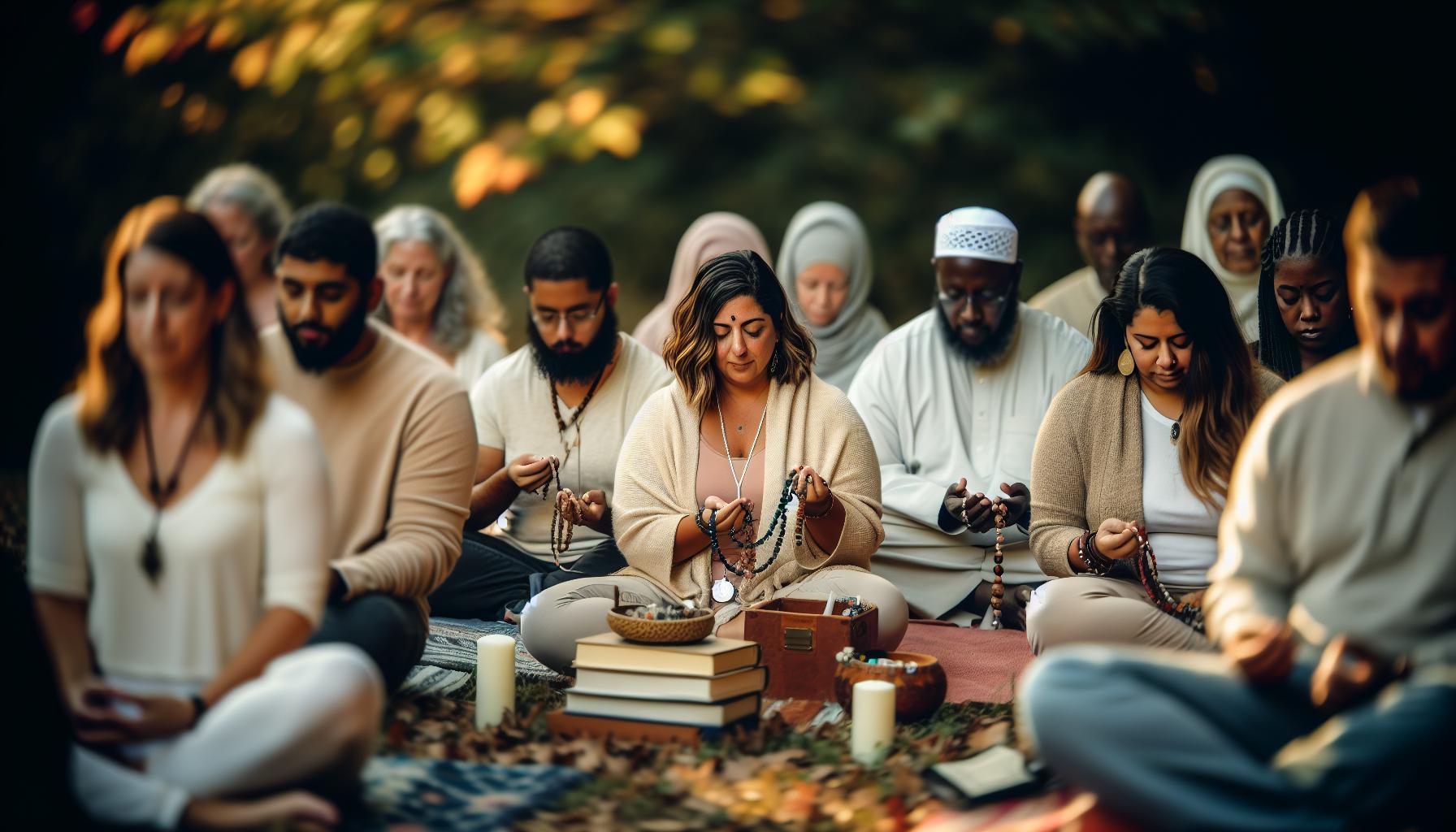
Spiritual Benefits of Performing Daily Prayers
The practice of daily prayers offers profound spiritual benefits that resonate deeply within the hearts of believers. These moments of intentional worship serve not just as obligations but as vital opportunities for personal transformation and emotional healing. Engaging in Salah (prayer) five times a day creates a rhythm of devotion that nurtures the soul and fosters an enduring connection with Allah.
When Muslims pause for prayer, they enter a sacred space that encourages self-reflection and mindfulness. This practice cultivates a sense of presence, helping individuals to be more aware of their thoughts, intentions, and behaviors. Each act of worship is not merely a ritual; it becomes a conduit for spiritual growth and understanding. Whether seeking guidance during Fajr, reflecting on one’s actions during Asr, or expressing gratitude before resting at Isha, each prayer encourages a holistic approach to life that aligns with divine will and purpose.
Moreover, the communal aspect of prayer enhances its spiritual benefits. Gathering with others during prayers not only strengthens bonds within the community but also reduces feelings of isolation and anxiety. This shared experience fosters unity and a sense of belonging, reminding individuals that they are part of a larger spiritual family devoted to collective growth and support. Participating in congregation during prayers instills a sense of accountability and encouragement to stay committed to one’s spiritual journey.
In addition to these communal benefits, the discipline inherent in performing daily prayers cultivates resilience. Regular prayer instills a framework of routine that can provide comfort amid life’s unpredictability. As believers return to their spiritual practice throughout the day, they find continual access to peace, purpose, and the courage needed to face challenges. Engaging in these spiritual moments creates a profound sense of inner peace that can permeate through every aspect of daily life, granting believers resilience and clarity as they navigate their paths.
Ultimately, the extend far beyond the act itself. They encourage a lifestyle infused with love, grace, and a deeper understanding of one’s faith journey, guiding every believer toward a more fulfilling, spiritually enriched life.
The Role of Prayer in Strengthening Faith
The daily practice of Salah not only serves as a ritual obligation for Muslims but also acts as a powerful reinforcement of their faith. Engaging in prayer five times a day creates a consistent rhythm of worship that helps believers to refocus their hearts and minds on their relationship with Allah. This repeated act of devotion fosters a spiritual environment in which faith can flourish, encouraging believers to draw strength from their spiritual commitments amidst the challenges of daily life.
Through each prayer, individuals engage in a direct conversation with God, which cultivates a sense of intimacy and trust. This personal connection is essential in strengthening faith, as it allows believers to express their worries, hopes, and gratitude in a dedicated space. The specific recitations within the Salah, which include praises and requests for guidance, form a vital part of this communication. As Muslims articulate their intentions and desires, they reinforce their reliance on divine mercy and wisdom, which ultimately deepens their faith experience.
Moreover, the physical aspects of prayer, including posture and ritual movements, symbolize submission and humility before God. Bowing and prostrating serve as physical reminders of the believer’s relationship to the Creator, instilling a sense of reverence and submission that enhances their spiritual awareness. Each prayer offers an opportunity to pause, reflect, and re-align personal goals with the divine purpose, creating a transformative effect that resonates well beyond the moments spent in prayer.
The communal practice of Salah further underscores its role in strengthening faith. Praying in congregation creates a supportive environment where believers can experience solidarity and shared commitment to their spiritual journeys. This collective worship fosters a sense of belonging among Muslims, which not only enhances individual faith but also reinforces community ties. The encouragement and accountability found within this collective practice help believers stay motivated and engaged in their spiritual lives, ultimately fortifying their faith community as a whole.
Incorporating prayer into daily life fosters resilience and a proactive approach to faith. It reminds believers that they are never alone in their struggles, offering a path forward that is guided by proven religious practices and the support of a shared community. By maintaining this essential habit, individuals cultivate a deeper, more resilient faith that can sustain them in both joyful and challenging times.
Cultural Variations in Prayer Practices
The expression of faith through prayer is a beautifully diverse practice among Muslims around the world, reflecting the rich tapestry of cultures and traditions that influence how Salah is observed. From the rhythmic echoes of the adhan (call to prayer) in bustling Middle Eastern markets to the serene, meditative practices in peaceful rural settings, the cultural variations add unique dimensions to the five daily prayers that engage believers in profound ways.
In many regions, the communal aspect of Salah takes center stage, fostering a sense of belonging and unity. For instance, in South Asia, large congregational prayers during special occasions like Ramadan often see thousands gathered in mosques or open spaces, creating an atmosphere filled with shared devotion and collective spirituality. In contrast, in some Western nations, while individual prayer might be more common due to fewer Muslim populations, innovative practices such as prayer in community centers or local parks become crucial for maintaining that communal spirit.
Distinct Rituals and Variations
Alongside communal praying, different cultures introduce their rituals and practices into the Salah. For example, in Indonesia, the practice of reading specific surahs (chapters) from the Quran during prayers may reflect the local dialects and influences in recitation style. In parts of Africa, vibrant traditions of singing and rhythmic movements are sometimes integrated into prayer settings, reflecting the cultural heritage while maintaining the core tenets of Islamic worship.
Across the globe, Muslims also adapt their prayer practices to suit their environments. In colder climates, it is common for Muslims to dress warmly and create welcoming indoor spaces to facilitate the comfort of communal prayer. Conversely, in tropical regions, outdoor prayers are often conducted under the shade of trees or in open fields, emphasizing the relationship between nature and the divine.
Encouragement for Consistency
Despite these cultural variations, the underlying requirement of punctuality and consistency in prayer remains steadfast. Engaging in local customs can provide vibrant layers to the spiritual experience while also ensuring that daily prayers remain a priority. Believers are encouraged to find ways to incorporate cultural significance into their prayer lives, whether that’s through local traditions or simply creating a family routine that honors these practices.
Ultimately, exploring and embracing the diverse ways in which prayer is practiced globally can deepen understanding and appreciation of the universal tenets of Islam, inspiring all Muslims toward both individuality and community in their faith journey. Such cultural expressions not only enrich personal devotion but also strengthen the communal bonds that unite Muslims worldwide, highlighting the beautiful spectrum of worship that exists within the framework of Salah.
Overcoming Challenges in Maintaining Consistency
Overcoming the hurdles of consistency in daily prayers can often feel daunting, yet it is a journey worth embarking upon. Many individuals wrestle with daily distractions, busy schedules, and the ebb and flow of life that can disrupt the rhythm of Salah. Notably, understanding the significance of each prayer and its impact on the spiritual journey can serve as a powerful motivator. Believers are encouraged to embrace a proactive approach, setting intentional times for Salah in their daily schedules, much like one would for important appointments or meetings.
One effective strategy is to establish a dedicated prayer space that embodies tranquility, free from distractions. This space can be personalized with meaningful items that foster a spiritual connection, such as prayer rugs, Qurans, or inspirational quotes. This intentional environment can turn each prayer into a cherished ritual, enhancing focus and reverence. Additionally, using reminders through technology-like setting alarms on phones or accessing prayer time apps-can help keep Salah at the forefront of daily life.
Another significant challenge many face is the feeling of isolation, particularly in regions where the Muslim community is sparse. Engaging with local or online communities can combat this sense of disconnection. Participating in group prayers, whether in person during special gatherings or virtually through social media, can uplift spirits and promote accountability. Sharing experiences, challenges, and successes in maintaining prayer routines fosters a sense of camaraderie that encourages individuals to stay committed.
Finally, reflecting on the spiritual benefits derived from consistent prayer practice can revitalize the desire to remain devoted. Engaging in personal journaling or contemplation about the positive changes observed in one’s life-such as improved focus, peace of mind, and strengthened relationships-can serve as a reminder of why Salah is essential. This inner work not only nurtures faith but also acts as an anchor during times when the motive to pray wanes. By acknowledging the challenges while actively seeking solutions, believers can thrive in their prayer life, enriching their connection to the Divine.
Connecting with the Community Through Prayer
The rhythm of prayer in Islam serves as more than just a personal act of worship; it creates a vibrant tapestry of community life. For Muslims, congregating for prayer strengthens bonds and fosters a profound sense of belonging. Participating in group prayers, particularly the Friday Jumu’ah (congregational) prayer, highlights this communal aspect and emphasizes that faith is best expressed together. The shared experience of standing shoulder to shoulder during Salah transcends individual practice, reinforcing the collective bond of the ummah (community).
When members of the community come together for prayer, it fosters an environment of mutual support and encouragement. Group prayers serve as a platform for believers to engage with one another, share challenges, and celebrate milestones-whether it’s welcoming a new baby or gathering for a night of remembrance. This interaction not only enhances one’s spiritual journey but also plays a crucial role in mental and emotional well-being. The shared experience of worship can combat feelings of loneliness and isolation, reminding each participant that they are part of something larger than themselves.
Moreover, communities often host events that further deepen connections through prayer. Such events might include study circles focusing on the meaning and significance of Salah, or community service projects that are undertaken as a collective act of worship. By engaging in learning and serving together, individuals can cultivate a rich sense of purpose and belonging, which instills a lasting commitment to both their faith and community. This fellowship nurtures faith, turning individual routines into a shared journey that strengthens the ties that bind the community together.
In a world that often promotes individualism, the practice of coming together for prayer in Islam embodies the beauty of collective worship. This connection, forged through the act of praying together, can ripple outward, encouraging deeper relationships and mutual support throughout all aspects of life. Whether through physical proximity in a mosque or virtual gatherings, the essence of community in Salah illuminates the path toward holistic spirituality and well-being.
Exploring the Miracles and Traditions of Salah
The act of Salah is more than a ritual; it serves as a profound celebration of faith, bridging the spiritual and the communal in remarkable ways. Muslims believe that each of the five daily prayers, or Salah, is an opportunity to connect with Allah, to express gratitude, and to seek guidance. Each prayer is accompanied by specific actions and recitations, which not only deepen the worshiper’s focus but also embody centuries of tradition that celebrate the miracles inherent in these acts of devotion.
One of the most beautiful aspects of Salah is its rich tradition, often passed down through generations. From the preparation of ablution (Wudu) to the physical postures that foster humility and submission before God, every element is steeped in significance. In fact, the rhythmic pattern of standing, bowing, and prostrating symbolizes a believer’s journey from humility to exaltation, serving as a reminder of the grace of Allah. The exquisite recitations, including verses from the Quran, serve to reinforce personal and collective values-compassion, justice, and mercy-as worshipers recite prayers revealed to the Prophet Muhammad.
These traditions extend beyond individual practice. Salah has the miraculous ability to foster a sense of unity among diverse communities. Whether performed in grand mosques with elaborate architecture or in humble homes, the shared experience of facing the Kaaba in Mecca connects Muslims globally. This unity is particularly evident during special prayers, such as Taraweeh during Ramadan, where communities gather nightly to recite long passages of the Quran together, creating an atmosphere charged with spiritual energy and camaraderie.
Moreover, the enchanting sounds of the Adhan-the Islamic call to prayer-serve as a daily reminder to Muslims, inviting them to pause and reconnect with their faith. In bustling cities, the lingering echo of the Adhan softens the chaos, transforming moments of the day into sacred time dedicated to reflection and prayer. Each call resonates with the beauty of faith, drawing believers back to their spiritual center, regardless of life’s distractions.
As one explores the miracles and traditions of Salah, it becomes clear that these practices are not just about fulfilling religious obligations; they are gateways to deeper understanding and connection. In a world that often feels fragmented, the collective act of prayer unites hearts, deepens faith, and nurtures the soul, continually inspiring believers to find joy in their spiritual journey and the rich tapestry of their shared faith.
Resources for Deepening Your Understanding of Islamic Prayer
To deepen your understanding of Islamic prayer, or Salah, it’s essential to explore both foundational texts and practical resources. These materials can greatly enhance your comprehension of the rituals, spiritual significance, and communal aspects woven into each prayer. Here are a variety of resources that can illuminate the rich practices surrounding the five daily prayers.
Islamic Scriptures and Texts
Engaging with the Quran is vital, as it contains the verses recited during Salah. Consider the following resources:
- The Quran: Read and reflect on its translations, which offer insights into the teachings and context behind the prayers.
- Hadith Collections: Texts such as Sahih Bukhari and Sahih Muslim provide context and narratives about the life of Prophet Muhammad, including his practices of prayer.
Educational Platforms and Courses
Online courses and educational platforms provide structured learning opportunities:
- Online Islamic Learning Institutes: Websites like AlMaghrib Institute and SeekersGuidance offer courses specifically focusing on Salah, its significance, and how to perform it properly.
- YouTube Channels: Channels dedicated to Islamic teachings often feature videos that visually demonstrate Salah, making the learning experience accessible for visual learners.
Community and Prayer Spaces
Connecting with a local mosque or community center can also enhance your learning experience:
- Attend Workshops: Many mosques hold workshops or classes that cover the fundamentals of prayer, including proper techniques and the meanings of different prayers.
- Participate in Group Prayers: Engaging in communal prayers can provide first-hand experience and foster deeper connections with fellow believers.
Embracing these resources allows for a holistic approach to understanding Salah, inviting individuals to not only practice but also appreciate the spiritual depth and communal bonds that are intrinsic to Islamic prayer. Each step taken towards this understanding will enrich your spiritual journey and facilitate meaningful connections within the broader Muslim community.
Comparative Insights: Islamic Prayer and Other Faith Practices
Exploring the practices of prayer across different faiths reveals a profound human desire for connection, guidance, and purpose. Islamic prayer, known as Salah, involves structured rituals performed five times a day, emphasizing discipline and devotion. This regularity offers a unique framework compared to prayer in other religions, where practices can be more varied and less time-specific. For instance, in Christianity, prayer can be spontaneous, guided by personal need or communal gatherings, rather than adhering to a strict schedule.
Many faith traditions incorporate prayer as a means of meditation and reflection. In Buddhism, for example, prayer often involves chanting and meditation, focusing on mindfulness and inner peace, distinctly different from the physical postures and recitations found in Islamic prayer. In contrast, the ritualistic aspect of Salah-such as the direction of prayer (toward Mecca) and specific movements-designates a shared identity among Muslims, fostering a sense of unity and collective purpose.
The spiritual benefits of prayer, whether in Islam or elsewhere, resonate deeply with believers. Both traditions maintain that regular communication with the divine fosters a strong foundation for faith. In Christianity, scripture encourages prayer as a way to cultivate a relationship with God, as seen in Philippians 4:6-7, which reassures believers to bring their requests to God, experiencing peace beyond understanding. Similarly, Muslims find solace in the structured nature of Salah, reinforcing their commitment to faith and community.
Cultural expressions of prayer also vary substantially. For instance, while Islamic prayer rituals are standardized, in Christianity, practices may differ significantly among denominations-Catholicism, Protestantism, and Orthodox traditions all showcase unique prayer customs and languages. This diversity enriches the tapestry of global spiritual practices, highlighting the myriad ways in which communities find meaning, express devotion, and connect with the divine.
Engaging with these comparative insights not only enhances one’s understanding of Islamic prayer but also fosters deeper appreciation for the spiritual journeys shared among different faiths. Recognizing these connections reminds us that at the heart of every spiritual practice lies a quest for truth, belonging, and understanding, cultivating a more compassionate and inclusive worldview.
Faq
Q: What are the five daily prayers in Islam?
A: The five daily prayers in Islam, known as Salah, include Fajr (pre-dawn), Dhuhr (midday), Asr (afternoon), Maghrib (sunset), and Isha (night). Each prayer has its own time and specific rituals that enhance a Muslim’s spiritual connection and commitment to faith.
Q: Why is Salah important in Islam?
A: Salah is vital as it serves as a direct link between Muslims and Allah. It fosters discipline, strengthens faith, and provides opportunities for reflection and gratitude. Regular prayers help maintain a Muslim’s spiritual and moral conduct throughout daily life.
Q: How do the prayer times differ throughout the year?
A: Prayer times in Islam are based on the sun’s position and change daily. During summer and winter, the timing of Dhuhr, Asr, and Isha prayers may vary significantly. Muslims can use prayer apps or local Islamic centers to stay updated on accurate timings.
Q: What rituals are involved in performing Salah?
A: Performing Salah includes several key rituals such as Wudu (ablution), facing the Kaaba, reciting verses from the Quran, and performing physical movements like bowing and prostrating. These rituals are intended to focus the mind and heart on worship.
Q: How can one maintain consistency in performing daily prayers?
A: Maintaining consistency in prayers can be achieved through setting reminders, joining community prayers at mosques, establishing a routine, and understanding the spiritual benefits associated with regular Salah. Engaging with a supportive community also helps strengthen commitment.
Q: What are the spiritual benefits of performing daily Salah?
A: The spiritual benefits of daily Salah include enhanced mindfulness, a sense of peace and tranquility, and deeper connection to one’s faith. Performing prayers regularly fosters self-discipline and helps Muslims focus their lives around their spiritual commitments.
Q: How does Salah connect Muslims to their community?
A: Salah serves as a communal activity, especially during Friday prayers (Jumu’ah). Gathering in mosques fosters unity, strengthens community bonds, and allows for support, cooperation, and collective worship among Muslims.
Q: What challenges might Muslims face in maintaining their prayer routine?
A: Muslims may encounter challenges such as busy schedules, lack of a supportive environment, or distractions. Addressing these issues by setting fixed prayer times, creating a dedicated prayer space, and involving family can help overcome obstacles to regular Salah practice.
The Conclusion
Thank you for joining us in exploring “Five Muslim Prayers: Understanding Our Islamic Brothers’ Faith.” You’ve learned about the profound significance of prayer in Islam and how it fosters community and spiritual growth. This understanding paves the way for deeper interfaith dialogue and appreciation, which is vital in our diverse world. To further enrich your knowledge, consider reading our article on The Importance of Interfaith Dialogue and exploring Shared Spiritual Practices Across Faiths.
We invite you to deepen your spiritual journey with us! Subscribe to our newsletter for insightful articles on prayer life and Christian spiritual practices that enhance your faith journey. If you have any questions or thoughts, please share them in the comments below-your insights matter! Together, let’s foster an environment of learning and understanding as we navigate our spiritual paths. Remember, the more we learn, the more unified we become in faith and practice, reflecting the love of Christ in all we do.