
In a world filled with uncertainty and challenges, many are seeking deeper connections that can anchor their spirit and provide peace. “Have Faith in God: 5 Powerful Ways to Strengthen Your Trust” invites you to explore tangible paths to a more profound faith. Trusting in God is not simply a feeling; it’s an active endeavor that shapes our daily lives and decisions. As you navigate through life’s ups and downs, nurturing your faith can transform doubt into a steadfast belief, providing comfort and clarity. Discover how practical strategies like prayer, Bible study, and spiritual practices can enhance your trust in the Lord, leading to a more fulfilling and Christ-centered life. Join us on this journey, and unlock the spiritual strength that can beautifully guide you through every season. Your faith deserves this nurturing, and the rewards are limitless.
Contents
- 1 Have Faith in God: Understanding the Foundation of Trust
- 2 Recognizing God’s Promises: Equip Yourself with Scripture
- 3 Daily Prayer Practices to Deepen Your Faith
- 4 Embracing Gratitude: Transform Your Perspective
- 5 Building Trust Through Community and Fellowship
- 6 Overcoming Doubts: Addressing Your Fears with Faith
- 7 Engaging in Spiritual Disciplines for Growth
- 8 Living Out Your Faith: Practical Steps of Trust
- 9 God’s Faithfulness: Testimonies That Inspire Confidence
- 10 Navigating Life’s Challenges: Trusting God in Tough Times
- 11 Finding Peace in God’s Plan: Trust Beyond Understanding
- 12 Q&A
- 13 Wrapping Up
Have Faith in God: Understanding the Foundation of Trust
In a world filled with uncertainties and challenges, having faith in God serves as a sturdy anchor for Christians navigating life’s storms. The foundation of trust in God lies not just in declarations of belief, but in a deep, personal relationship with Him. This relationship is forged through daily interactions, much like any human connection-cultivating it requires time, effort, and a conscious choice to turn to Him in all circumstances. A key element in this journey is understanding God’s character, which is revealed throughout Scripture. By reflecting on His faithfulness, love, and unchanging nature, believers can find a profound sense of security that fosters unwavering trust.
As you strengthen your faith, consider engaging in practices that deepen your connection to God. Regular prayer is one of the most powerful tools at your disposal. Open up your heart during quiet moments, sharing your thoughts, fears, and aspirations. Jesus’ command to “ask, seek, and knock” (Matthew 7:7) emphasizes the importance of communication with God, inviting you to draw near to Him. Moreover, immersing yourself in Bible study allows for greater understanding of God’s promises. Verses such as Isaiah 41:10 remind us that He is always with us, providing the reassurance that can bolster our trust even in tumultuous times.
In addition to personal prayer and study, building a sense of community is crucial. Fellowship with other believers offers encouragement and shared wisdom, reminding us that we are not alone in our faith journey. Engaging in group discussions and Bible studies nurtures an environment of support, allowing you to explore doubts and fears with others who share your beliefs. Such connections can reaffirm your trust in God’s plan, as you witness His work in the lives of those around you, which can be a powerful testimony that inspires confidence in your own walk with Him.
Ultimately, understanding faith as a dynamic and active element of your life can transform merely believing into a lifestyle of trust. Lean into these practices, embrace the journey, and allow God’s presence to infuse transformations across your daily experiences.
Recognizing God’s Promises: Equip Yourself with Scripture
In the complex tapestry of life, recognizing and embracing God’s promises can serve as both a compass and a lighthouse, guiding us through challenges and illuminating our path with hope. The Bible is rich with assurances from God that can profoundly impact our faith journey. When we equip ourselves with scripture, we create a robust foundation from which we can navigate trials, celebrate joys, and foster unwavering trust in God’s divine plan.
To start, immersing yourself in God’s Word is essential. Consider establishing a routine that includes reading scripture daily, which allows you to internalize His promises and reflect on His faithfulness. Here are a few powerful verses that can strengthen your resolve:
- Jeremiah 29:11: “For I know the plans I have for you,” declares the Lord, “plans to prosper you and not to harm you, plans to give you hope and a future.”
- Romans 8:28: “And we know that in all things God works for the good of those who love him, who have been called according to his purpose.”
- Philippians 4:19: “And my God will meet all your needs according to the riches of his glory in Christ Jesus.”
Reflecting on these verses within the context of your life can provide reassurance and clarity, especially during uncertain times. Meditating on the meaning of God’s promises can transform fear into faith, giving you the courage to take each step forward while trusting in His provision.
Moreover, integrating scripture into your daily prayers can create a dynamic dialogue between you and God. When you pray, claim His promises as declarations of faith. For instance, when facing financial difficulties, praying Philippians 4:19 can remind you of God’s unwavering support. You might even create a personal list of scriptures that resonate with your current struggles or aspirations, allowing you to lift them up in prayer and remind yourself of God’s faithfulness.
By actively engaging with the Bible, you not only learn about God’s character but also begin to see how His promises have been fulfilled throughout history. This understanding deepens your faith and encourages you to anticipate how He will fulfill His promises in your life. Embrace your role as a seeker of truth, and watch how recognizing God’s promises can equip you with the strength to navigate life’s ups and downs with renewed hope and courage.
Daily Prayer Practices to Deepen Your Faith
The transformative power of prayer lies in its ability to bridge the gap between our hearts and God’s divine purpose. Establishing a dedicated prayer practice can deeply enhance your spiritual journey, allowing you to nurture your faith while fostering a closer relationship with God. Engaging in daily prayer is not just about reciting words; it’s a sacred dialogue where you can express your thoughts, concerns, and gratitude, making it an essential practice for believers at all stages.
To cultivate a vibrant prayer life, consider setting aside specific times each day dedicated solely to prayer. This could be early in the morning as the world awakens or in the stillness of the evening, where you can contemplate the day’s experiences. Create a sacred space in your home-perhaps with a comfortable chair, soft lighting, and a Bible-where you can immerse yourself in communication with God. Here are some effective practices to enhance your prayer life:
- Journaling Your Prayers: Writing down your prayers can facilitate clarity of thought and deepen your reflection. Documenting your conversations with God helps you to revisit your feelings and see how He has responded over time.
- Using Scripture in Prayer: Integrate verses from the Bible into your prayers to remind you of God’s promises and character. Praying scriptures can turn your requests and praises into powerful declarations of faith.
- Praying with Others: Join or form prayer groups for shared spiritual encouragement. This fellowship not only strengthens community ties but also enriches your prayer life through diverse perspectives and collective faith.
- Practice Breath Prayers: These are short prayers or phrases you can recite during moments of anxiety or stress. For example, breathe in while saying, “Lord, I trust in You,” and breathe out while affirming, “Your will be done.”
Incorporating these practices not only deepens your faith but also helps you to recognize God’s guidance in the ebb and flow of daily life. As you deepen your prayer routine, expect to encounter peace that transcends understanding (Philippians 4:7), and be open to how God speaks to you through moments of stillness or scripture reflection. Ultimately, consistent prayer cultivates a resilient trust in God, grounding you in His love and purpose even amid life’s challenges.
Embracing Gratitude: Transform Your Perspective
In a world often filled with challenges and uncertainties, embracing a mindset of gratitude can be transformative, providing clarity and fresh perspective. Cultivating gratitude allows us to shift our focus from what we lack to the abundance that God has provided us, nurturing a deeper trust in His plan. Scripture encourages this mindset, as seen in 1 Thessalonians 5:18: “Give thanks in all circumstances; for this is God’s will for you in Christ Jesus.” This call to gratitude is not just about acknowledging good times, but rather about recognizing God’s presence and provisions in every aspect of our lives.
To actively practice gratitude, consider starting a gratitude journal. Dedicate a few minutes each day to write down three to five things you are thankful for. This simple exercise can help you become more aware of the blessings around you, from the small joys of daily life to significant answers to prayer. Reflecting on these moments shifts your heart and mind, encouraging a spirit of appreciation and transforming how you respond to life’s ups and downs. Over time, you may find that this practice deepens your relationship with God, as you become more attuned to His goodness and faithfulness.
Another impactful way to embrace gratitude is through the discipline of prayer. Incorporate thanksgiving into your prayers, not only as a conclusion but as a central element. Try starting your prayers by thanking God for specific blessings before bringing your requests to Him. This practice fosters a balanced perspective, reminding you that God is actively working in your life, even amidst difficulties. Philippians 4:6-7 emphasizes this approach, urging us to present our requests to God with thanksgiving, which leads to the peace that transcends understanding.
In addition to personal practices, fostering community gratitude can enhance your faith journey. Engage with family, friends, or your church community in sharing testimonies of gratitude. Celebrating together the ways God has worked in your lives can inspire and uplift, reinforcing a collective trust in His faithfulness. This connection can bolster your own faith, as you witness the tangible effects of gratitude in the lives of others, creating a culture where trust in God grows exponentially.
Ultimately, embracing gratitude is a powerful pathway to transforming your perspective and deepening your trust in God. As you become more aware of His blessings and generosity, your heart is aligned to acknowledge His sovereignty in both the joyful and challenging chapters of your life.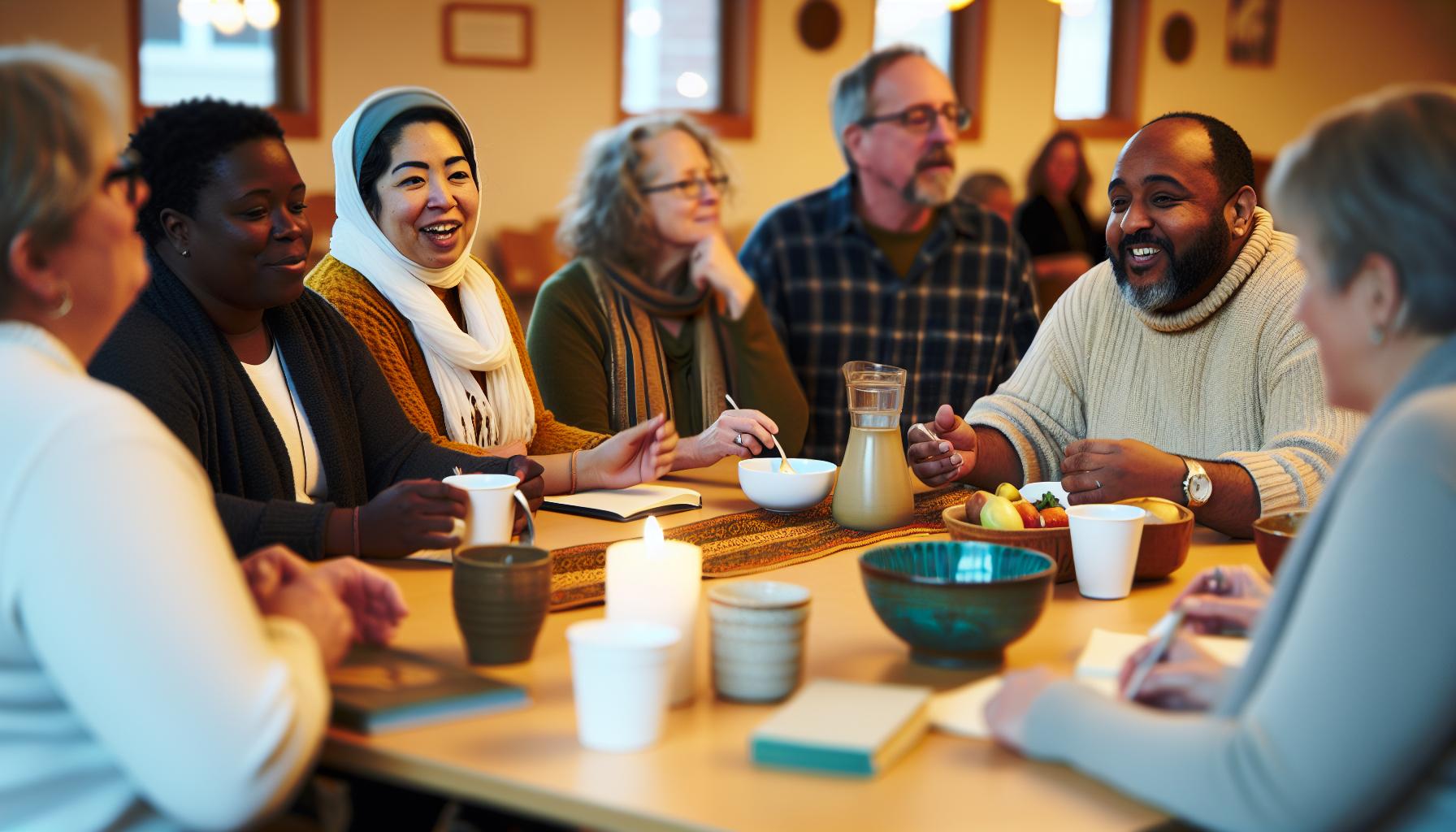
Building Trust Through Community and Fellowship
In a rapidly changing world, the importance of community and fellowship cannot be overstated, especially for those seeking to strengthen their faith and trust in God. Being part of a supportive faith community provides not only encouragement and accountability but also a tangible reflection of God’s love and promises. When believers come together-whether in small groups, church services, or social gatherings-they share experiences, offer prayers, and build each other up in ways that foster a deeper trust in God’s plan for their lives.
A strong spiritual community nurtures faith through shared worship and collective expressions of gratitude. Highlighting the power of testimony, Scripture encourages believers to tell one another about God’s faithfulness in their lives. As we listen to each other’s stories-how God provided in times of need or brought healing amidst trials-we not only celebrate His goodness but also find anchoring for our own doubts. Galatians 6:2 reminds us to “Bear one another’s burdens and so fulfill the law of Christ,” emphasizing how interconnectedness in community helps us navigate challenges with shared strength.
Engagement in fellowship goes beyond just gathering; it involves actively participating in the lives of others. Consider organizing prayer gatherings or Bible study groups where intimate discussions can take place, allowing for a deeper understanding of God’s Word and its application in everyday life. Encourage one another by sharing prayer requests and faithfully lifting those burdens to the Lord, thus reinforcing trust in God’s provision. You might also consider serving together in outreach efforts, demonstrating love in action while fostering unity among your fellow believers.
Cultivating an environment where honest conversations about faith can flourish is equally vital. Make it a priority to create safe spaces within your group for members to express doubts or fears without judgment. Acknowledging struggles as a normal part of the faith journey will help everyone feel less isolated and more connected to the greater body of Christ. Remember, community is a place where trust can grow; as you walk together through life’s highs and lows, you remind each other that God is eternally faithful, even when circumstances suggest otherwise.
Overcoming Doubts: Addressing Your Fears with Faith
In moments of uncertainty, it’s natural to feel a surge of doubt about our journey of faith. These feelings can create barriers that obstruct our trust in God’s plan. However, acknowledging doubts doesn’t mean our faith is failing; it can be a catalyst for deeper exploration and understanding. Just as the disciples struggled with their faith in different circumstances, we too can find strength in embracing our fears and seeking God’s guidance through them.
One powerful method to overcome doubt is through scripture meditation. By immersing ourselves in God’s promises, we remind ourselves of His faithfulness throughout history. For instance, consider verses like Philippians 4:6-7, which encourages us not to be anxious but to present our requests to God. Writing these verses down and reflecting on them during moments of fear can be a tangible way to reinforce your trust. Creating a bullet journal with scripture that speaks to your fears can also turn your struggles into a prayer guide that you refer to in times of need.
Another essential practice is engaging in community prayer. Joining with others skews the focus away from our doubts and toward collective faith-building. In James 5:16, we are reminded that “the prayer of a righteous person is powerful and effective.” Organize or participate in prayer circles where you can voice your fears and bring them to God collectively. This not only provides support but also cultivates a shared experience of faith, making it easier to confront personal doubts with the strength of community.
Finally, consider sharing your experiences. Many believers have faced similar fears, and their testimonies can inspire hope and trust. Testimonies create relatable connections; they remind us that God’s power is present in the lives of others and can be the reassurance we often need. As you articulate your doubts and listen to others’ stories, you’re reminded that overcoming doubt is a shared journey, reinforcing the fundamental truth that faith can weather any storm.
By actively working to confront and engage with your doubts, you allow room for growth in your faith. Embrace these moments as opportunities to deepen your relationship with God and to build a foundation of trust strong enough to withstand life’s challenges.
Engaging in Spiritual Disciplines for Growth
In a world filled with distractions and challenges, intentional engagement in spiritual disciplines is vital for nurturing and strengthening our trust in God. These practices not only foster a deeper relationship with the Divine but also equip us to navigate life’s uncertainties with faith and confidence. Spiritual disciplines, such as prayer, Bible study, fasting, and worship, create a sacred space where we can encounter God, align our hearts with His will, and cultivate a resilient faith that stands firm amidst trials.
Daily Prayer: A Lifeline to Divine Strength
Establishing a consistent prayer routine is essential for believers seeking to deepen their trust in God. Prayer is more than just a ritual; it’s a personal conversation with our Creator. To make this more effective, consider setting aside specific times each day dedicated solely to prayer. You might find it helpful to keep a prayer journal to record your thoughts, requests, and the ways God responds to them. This practice not only enhances your awareness of God’s presence in your life but also transforms your perspective through gratitude and acknowledgment of His faithfulness.
Exploring Scripture: Equipping Yourself with Truth
Another powerful way to grow spiritually is by immersing yourself in the Word of God. Daily reading and reflection on scripture can provide guidance, encouragement, and wisdom for the challenges you face. Consider implementing a structured Bible study plan that allows you to explore various books of the Bible or focus on specific themes. Using resources like study guides or devotionals can deepen your understanding of God’s promises and character. Memorizing key verses, such as Isaiah 41:10, which states, “Fear not, for I am with you; be not dismayed, for I am your God,” serves as a spiritual anchor in times of doubt.
Fasting: Cultivating Spiritual Focus
Fasting-whether it’s from food, social media, or other distractions-is an act of spiritual discipline that can sharpen your focus on God and strengthen your reliance on Him. Engaging in a fast, accompanied by prayer and study, offers a profound opportunity for reflection and self-examination. During a fast, consider dedicating time to prayerfully seek God’s direction in your life. This practice not only reinforces your commitment to spiritual growth but also helps you to draw nearer to God’s heart, enhancing your ability to trust Him.
By weaving these spiritual disciplines into your daily routine, you create a vibrant landscape for faith to flourish. It’s a journey that requires commitment and intentionality, but the fruits-renewed hope, strengthened trust, and deeper relational intimacy with God-will energize your Christian walk. As you engage in these disciplines, remember that God is not only inviting you to grow but also ready to fill you with His peace and assurance in every season of life.
Living Out Your Faith: Practical Steps of Trust
In the journey of faith, it’s essential to embody and express the trust we place in God through our daily actions and interactions. Living out your faith means translating your belief into practical steps that reflect the love and guidance of Christ. This active expression of faith not only fortifies your relationship with God but also impacts those around you, demonstrating the transformative power of a life rooted in trust and obedience to His Word.
One pivotal way to live out your faith is through service to others. Engaging in acts of kindness, whether it’s volunteering at a local shelter, helping a neighbor in need, or simply offering a listening ear, showcases the love of Christ in tangible ways. As you serve, remember Galatians 5:13, which encourages us to “serve one another humbly in love.” This not only builds a sense of community but also fosters an environment where faith can be shared and multiplied. These acts of service can be woven into the fabric of your daily life, transforming mundane moments into opportunities for ministry.
Furthermore, don’t underestimate the power of your testimony. Sharing how God has worked in your life fuels the faith of others and encourages them to trust in His promises. Regularly reflect on the moments when God has shown His faithfulness. You might even keep a journal of these experiences. This practice serves as a reminder of His unwavering support during challenging times, reinforcing your trust and inspiring others in their faith journey.
Moreover, make an intentional effort to cultivate a spirit of gratitude. When you focus on the blessings in your life, even amidst hardships, you shift your perspective from worry to worship. Philippians 4:6-7 reminds us not to be anxious but to present our requests to God with thanksgiving, trusting that His peace will guard our hearts. This practice can be as simple as starting each day by listing three things you are grateful for, which sets a positive tone and strengthens your trust in God’s ongoing provision.
Ultimately, embracing your faith in practical ways-through service, sharing your testimony, and practicing gratitude-creates a vibrant expression of trust that not only nurtures your own spiritual growth but also reflects the character of Christ to the world. As you embark on this journey, remember Romans 12:2, which encourages believers to “not conform to the patterns of this world but be transformed by the renewing of your mind.” Being intentional about living out your faith invites God’s grace to permeate every aspect of your life, empowering you to truly embody the love and trust He calls you to share.
God’s Faithfulness: Testimonies That Inspire Confidence
Stories of God’s faithfulness are like beacons of light, illuminating our paths and reaffirming our trust in Him. When we recount these testimonies-whether from our own experiences or the narratives shared by others-we cultivate a spirit of confidence that bolsters our faith. Consider the powerful testimony of David, who faced giant Goliath with unwavering trust in God’s promise. His declaration, “The battle is the Lord’s,” resonates with every believer, demonstrating how a foundation of faith and trust can lead to remarkable victories in seemingly impossible circumstances.
The significance of sharing our testimonies cannot be overstated. Each account serves not only as a reminder of God’s faithfulness but also as encouragement to others who may be walking through their own valleys of doubt and fear. When we articulate how God has provided in our times of need, healed our brokenness, or granted us peace amidst chaos, we offer hope to those who may feel lost. This communal sharing strengthens bonds within the body of Christ, fostering an environment where faith can be nurtured and amplified.
Practical Steps for Sharing Testimonies
To harness the power of testimonies effectively, consider these practical steps:
- Document Your Journey: Keep a journal of moments when you experienced God’s faithfulness. Regular reflection on these entries can uplift your spirit and prepare you to share these stories.
- Be Vulnerable: Share not only your victories but also your struggles. Authenticity creates connections and demonstrates that faith is a journey, not a destination.
- Encourage Others: Create spaces-whether through small groups, church gatherings, or social media-where testimonies can be shared openly. Invite others to share how they have seen God at work in their lives.
By building a culture of testimony-sharing, we weave together a tapestry of faith that displays God’s work in our lives and reaffirms our collective trust in Him. Remember, as the Apostle John affirmed, “We overcome by the blood of the Lamb and the word of our testimony” (Revelation 12:11). This powerful dynamic not only strengthens individual faith but also propels the entire community forward, encouraging all to place their trust in the unchanging nature of God.
In moments of uncertainty, reflecting on these shared experiences reassures us that we are not alone and that God’s faithfulness prevails. As you journey forward, lean into the testimonies of others and consider how you might share your own, fueling a cycle of faith that inspires confidence in the goodness and promises of God.
In times of hardship, when life’s storms threaten to overwhelm us, trusting in God’s steadfastness becomes a vital lifeline for our souls. Every believer will face moments of difficulty, whether through personal loss, health challenges, or societal unrest. In these challenging times, scripture reminds us, “Cast all your anxiety on him because he cares for you” (1 Peter 5:7, NIV). This assurance invites us to lean into our faith, making the conscious choice to rely on God’s promises rather than our limited understanding of circumstances.
One powerful way to navigate life’s challenges is through prayer. Engaging in daily conversations with God allows us to express our fears, frustrations, and uncertainties. By pouring out our hearts in prayer, we open ourselves to receive His guidance and peace. Consider implementing specific prayer practices, such as dedicating time each day to pray over particular challenges you are facing. Reflecting on Psalms can be especially uplifting, as many of these passages resonate with the pain and struggles we face, reminding us that we are not alone (e.g., Psalm 34:18).
Another essential aspect of building trust in God is immersing ourselves in the Word. The Bible provides us with countless narratives of God’s faithfulness during difficult times. For example, the story of Joseph, who faced betrayal and imprisonment yet remained unwavering in his faith, serves as a powerful testimony of God’s providence. Studying such characters can encourage us to see our trials as opportunities for growth and transformation. Incorporating scripture into our daily life-whether through devotionals, memorization, or group studies-deepens our understanding and reliance on God’s nature.
Additionally, surrounding ourselves with a supportive community can significantly bolster our faith during tough times. Engaging in fellowship with other Christians not only provides comfort but also strengthens our collective trust in God’s plan. Look for opportunities to share your struggles with trusted friends or join a small group where concerns can be lifted in prayer together. As stated in Galatians 6:2, “Carry each other’s burdens, and in this way you will fulfill the law of Christ” (NIV). Such connections foster an environment where faith can flourish, particularly in times of adversity.
Incorporating these practices into our lives-prayer, studying the Word, and engaging with a faith community-helps establish a strong foundation of trust. As we encounter life’s challenges, remember: trusting God does not mean the absence of struggle; rather, it signifies the presence of hope and assurance that He is actively working in our lives for our good (Romans 8:28). Let these truths anchor you, empowering you to navigate your trials with a heart steady in faith.
Finding Peace in God’s Plan: Trust Beyond Understanding
In a world often filled with uncertainty and chaos, finding peace in God’s plan can feel like an elusive goal. Yet, the promise of peace that surpasses all understanding is a gift from God to those who trust Him (Philippians 4:7). This tranquility doesn’t mean that life’s storms will cease; rather, it signifies a profound assurance that God is in control, even when circumstances seem overwhelming. When we genuinely place our trust in God, we learn to view our challenges through the lens of faith rather than fear, opening our hearts to His profound wisdom and love.
One of the most powerful ways to embrace this peace is by immersing ourselves in God’s Word. Scripture serves as a constant reminder of His faithfulness and sovereignty throughout history. When we study the lives of biblical figures like Moses and Esther, who faced daunting circumstances, we see how their faith enabled them to trust God’s plan despite the unknowns ahead. Keeping scriptures that speak of God’s plans-such as Jeremiah 29:11-close to our hearts can strengthen our resolve and remind us that His intentions for us are good.
Daily prayer is another vital practice that fosters peace within us. Setting aside time to connect with God allows us to voice our worries and align our hearts with His will. Through intentional prayer, we can seek clarity and guidance, acknowledging that our understanding is limited, but God’s wisdom is boundless. Consider creating a prayer journal where you can document your thoughts, prayers, and the answers you receive. This practice not only solidifies your relationship with God but may reveal patterns of His faithfulness over time, reinforcing your trust in His plans.
Importantly, engaging in community with fellow believers also nurtures our peace. Connecting with others who share our faith provides encouragement and accountability during difficult moments. Participating in group studies or prayer sessions allows you to share your burdens and uplift one another in trust. As noted in Proverbs 27:17, “Iron sharpens iron,” illustrating how mutual encouragement strengthens our faith. When we witness God’s work in others’ lives, it can ignite the same trust in our own situations, providing comfort and reassurance that we are not alone in our struggles.
Ultimately, the journey of finding peace in God’s plan is ongoing. It requires a continual commitment to engaging with scripture, prayer, and community, fostering an attitude of surrender and trust. As we practice these spiritual disciplines, we cultivate a resilient faith that helps us navigate life’s inevitable uncertainties with a calm heart anchored in God’s unwavering promise to work all things for our good (Romans 8:28). In doing so, we can confidently embrace whatever unfolds, knowing that true peace is found in trusting the One who holds our future.
Q&A
Q: How can I trust God more in my daily life?
A: You can trust God more by developing a consistent prayer life, studying Scripture for His promises, and engaging in daily gratitude practices. Start by setting aside time each day to communicate with God and reflect on His faithfulness in your life.
Q: What are some key Bible verses about trusting God?
A: Key Bible verses about trusting God include Proverbs 3:5-6, which encourages you to trust in the Lord with all your heart, and Isaiah 26:3, which promises peace to those whose minds are steadfast. Regularly meditate on these verses to strengthen your faith.
Q: Why is faith important in challenging times?
A: Faith is crucial during challenging times as it provides hope and reassurance that God is in control. Trusting in God’s plan can help you navigate difficulties with confidence, knowing that He works all things for your good (Romans 8:28).
Q: How can community support strengthen my trust in God?
A: Engaging with a faith-based community provides encouragement, accountability, and shared experiences that can deepen your trust in God. Participate in small groups or church activities to connect with others who can uplift and inspire you in your faith journey.
Q: What practical steps can I take to deepen my spiritual disciplines?
A: To deepen your spiritual disciplines, try setting a daily schedule for Bible reading and prayer, journaling your reflections, and participating in a weekly church service. These practices create habits that reinforce your faith and relationship with God.
Q: How do I overcome doubts in my faith?
A: Overcoming doubts involves acknowledging your feelings and seeking answers through prayer and Scripture. Surrounding yourself with trusted believers can also provide support and perspective to help address your uncertainties and build resilience in your faith.
Q: What role does gratitude play in strengthening trust in God?
A: Gratitude shifts your focus from challenges to blessings, reinforcing your trust in God’s provision. Regularly practice thankfulness by noting daily blessings, which can transform your perspective and remind you of God’s faithfulness in your life.
Q: How can I share my testimonies to inspire others’ faith?
A: Sharing your testimonies can inspire others by demonstrating God’s faithfulness in your life. Consider writing blog posts or speaking at church events about your experiences. This not only encourages others but also solidifies your own faith journey as you reflect on God’s work in your life.
Wrapping Up
As you take the next steps in your faith journey, remember that strengthening your trust in God is an ongoing process that brings immense peace and joy. Reflect on the powerful ways we’ve explored and consider how they apply to your life today. Don’t hesitate to dive deeper; check out our related articles on enhancing your prayer life and developing a meaningful Bible study routine.
Join our community by signing up for our newsletter, where you’ll find encouragement and valuable resources for your spiritual growth. We’d love to hear your thoughts, so leave a comment below or share this with a friend who may benefit from deepening their faith. Your journey matters, and each step you take is a testament to your faith. Keep exploring and engaging with God’s word, and let’s grow together in His love!