
In a world filled with distractions and uncertainties, living a godly life can often feel overwhelming. However, the Bible offers a rich tapestry of verses that serve as a powerful guide to transforming our daily experiences into a journey of faith. “How To Live A Godly Life Bible Verses: Scripture Life Manual” invites you to explore essential Scriptures that illuminate the path toward spiritual growth, resilience, and fulfillment.
By grounding ourselves in biblical teachings, we can discover practical wisdom for prayer, relationships, and ethical living, all rooted in God’s love. Whether you’re seeking guidance for parenting, navigating marriage, or deepening your personal devotion, these verses provide the encouragement and insight needed to align your life with Christ’s teachings. Dive in and uncover how these timeless truths can empower you to flourish on your faith journey, inspiring curiosity within your heart and igniting a passion for godliness in every aspect of your life.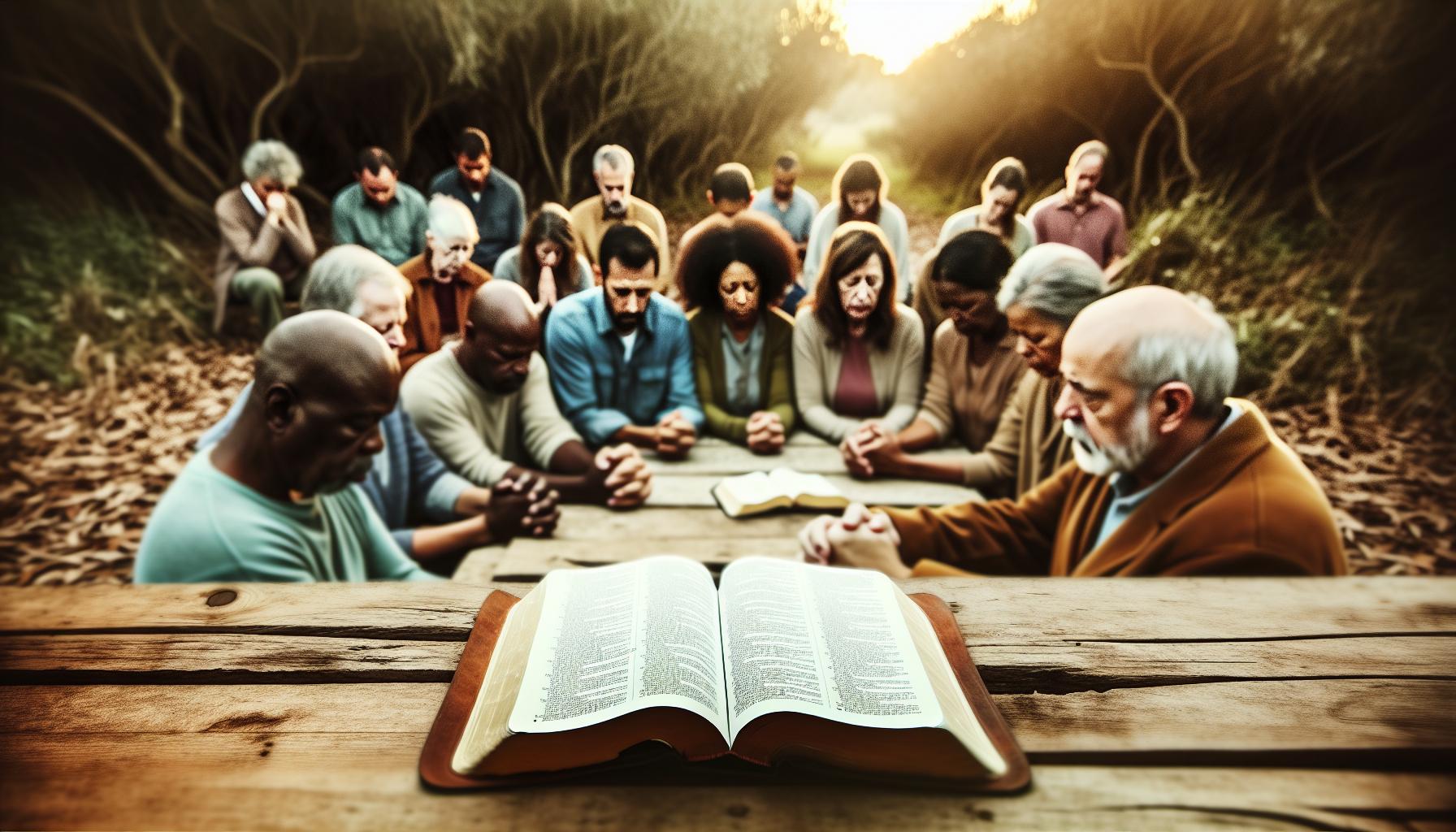
Contents
- 1 How to Understand God’s Purpose for Your Life
- 2 Essential Bible Verses for Daily Guidance
- 3 Developing a Consistent Prayer Life
- 4 Key Principles for Godly Living
- 5 The Role of Scripture in Spiritual Growth
- 6 Practicing Faith in Daily Decisions
- 7 Building a God-Centered Family Life
- 8 Finding Peace Through Bible Meditation
- 9 The Importance of Fellowship with Other Believers
- 10 Overcoming Temptation with Scripture
- 11 Creating a Personal Bible Study Plan
- 12 Living Out Your Faith in the Community
- 13 Frequently asked questions
- 14 Insights and Conclusions
How to Understand God’s Purpose for Your Life
Understanding God’s purpose for your life can often feel like a profound journey, filled with questions and hopes for direction. The good news is that the Bible provides clear insights and guidance about His intentions for us. One compelling verse that many find comforting is Jeremiah 29:11: “For I know the plans I have for you, declares the Lord, plans to prosper you and not to harm you, plans to give you hope and a future.” This reassurance encourages believers to trust that their lives are not aimlessly wandering but are intricately woven into God’s divine plan.
To gain clarity about your purpose, start by cultivating a deep relationship with God through prayer and worship. Spend time seeking Him in silence, allowing your heart to be open to His guidance. Listening for His voice may involve reflecting on your passions and the gifts He has bestowed on you, which often indicate your calling. Remember, God often uses our unique experiences and talents to fulfill His greater mission in the world.
It’s also vital to surround yourself with a supportive community of believers who can encourage and guide you in your journey. Engaging in fellowship, sharing your thoughts and concerns, and learning from others can illuminate paths you may not have considered. As you delve deeper into Scripture, allow verses like Proverbs 3:5-6 to resonate in your heart: “Trust in the Lord with all your heart and lean not on your own understanding; in all your ways submit to him, and he will make your paths straight.” Embracing this truth can provide a light in moments of uncertainty.
Ultimately, understanding God’s purpose is not a destination but a lifelong process of discovery. Remain open to His leading, and don’t hesitate to adjust as He reveals new truths along the way. By actively seeking Him and embracing His direction, you will find that your life’s journey is rich with meaning and aligned with His perfect will.
Essential Bible Verses for Daily Guidance
In today’s fast-paced world, having a reliable source of guidance is essential for navigating life’s challenges. The Bible serves as an unwavering compass for believers, offering profound wisdom through its verses. By incorporating these scriptures into your daily routine, you can enhance your spiritual journey and find direction in moments of uncertainty. Here are some essential Bible verses that can serve as anchors in your life.
Guiding Scriptures for Everyday Life
Consider the reassuring words of Psalm 119:105: “Your word is a lamp for my feet, a light on my path.” This profound verse highlights the transformative power of Scripture, illuminating your decisions and choices as you walk through life’s trails. Each time you consult the Bible, you engage with divine wisdom that can help clarify your next steps.
Another crucial verse to reflect upon is Philippians 4:6-7: “Do not be anxious about anything, but in every situation, by prayer and petition, with thanksgiving, present your requests to God. And the peace of God, which transcends all understanding, will guard your hearts and your minds in Christ Jesus.” This passage encourages you to bring every concern before God, reminding you that prayer is an essential part of maintaining peace amidst life’s storms. When you embrace prayer as a daily practice, you invite God’s presence into every aspect of your life.
Additional verses that can enrich your understanding include:
- Proverbs 3:5-6: “Trust in the Lord with all your heart and lean not on your own understanding; in all your ways submit to him, and he will make your paths straight.”
- Isaiah 41:10: “So do not fear, for I am with you; do not be dismayed, for I am your God. I will strengthen you and help you; I will uphold you with my righteous right hand.”
- Romans 12:2: “Do not conform to the pattern of this world, but be transformed by the renewing of your mind. Then you will be able to test and approve what God’s will is-his good, pleasing, and perfect will.”
Incorporating these scriptures into your daily routine will not only inspire you but also equip you to face life with a renewed perspective. Meditate on these verses, write them down, or use them in your prayers; doing so fosters a deeper connection with God and a clearer understanding of His purpose in your life.
By relying on God’s Word for guidance, you align your heart with His divine plan and gain the strength to navigate life’s complexities with faith and confidence. Remember, each verse carries an invitation from God to trust Him more fully, welcoming His presence into every facet of your life journey.
Developing a Consistent Prayer Life
is vital for any believer seeking a deeper relationship with God. Prayer is not just a ritual; it is an intimate conversation with the Creator of the universe, who desires to listen to our hearts and guide our steps. Imagine being able to access wisdom and strength beyond your own understanding; that is the power of prayer in action. It allows us to express our joys, concerns, and gratitude, transforming our hearts and minds in the process.
Establishing a regular prayer routine can begin with simple steps. Consider setting aside specific times each day devoted to prayer-this could be in the morning to start your day with divine perspective or in the evening to reflect on God’s faithfulness. Create a dedicated space that feels sacred to you, perhaps a quiet corner of your home where you can focus without distractions. Use Scripture as a foundation for your prayers; verses like 1 Thessalonians 5:16-18 remind us to “rejoice always, pray continually, give thanks in all circumstances.” This encourages us to keep an ongoing dialogue with God no matter the situation.
To enrich your prayer life, try incorporating different elements such as journaling your prayers or using prayer prompts. This not only helps you articulate your thoughts but also allows you to track how God answers your prayers over time. You might also explore different prayer methods, such as the ACTS model (Adoration, Confession, Thanksgiving, Supplication), which can structure your conversations with God and facilitate a comprehensive approach to prayer.
Remember, developing a prayer life is a journey, not a destination. It may take time to cultivate this discipline, but each step you take brings you closer to an authentic relationship with God. As you grow in your prayer life, you’ll find that your faith deepens, and your ability to discern God’s voice becomes clearer. Trust in His timing and grace as you embark on this beautiful path of continual communication with your Heavenly Father.
Key Principles for Godly Living
Living a godly life requires a commitment to principles that align with the teachings of Scripture and the example set by Jesus. As believers, embracing the foundations of our faith allows us to navigate life with purpose and integrity. Understanding that godly living is not about perfection but about progression is vital; it’s a journey of constant growth and dedication to becoming more Christ-like.
One key principle of godly living is loving others unconditionally. Jesus emphasized love as the greatest commandment (Matthew 22:37-39), urging us to love not only those who are easy to love but also our enemies. This radical love transforms relationships and fosters community, allowing God’s light to shine through our actions. Practicing kindness in everyday interactions-a smile to a stranger, a helping hand to a neighbor-can lead to profound impacts on others’ lives as well as ours.
Another important principle lies in the discipline of self-control. Galatians 5:22-23 outlines self-control as part of the fruit of the Spirit. Cultivating self-control helps believers make decisions that honor God and reflect their values. This could mean resisting temptations in various forms, whether related to materialism, anger, or temptation in thoughts. When faced with choices, ask yourself: “What reflects my faith?” This mindset can guide you toward actions that uphold your commitment to godly living.
Maintaining a heart of gratitude is also essential. In 1 Thessalonians 5:16-18, we see the call to “give thanks in all circumstances.” Adopting an attitude of gratitude allows us to see God’s hand in every situation, even during trials. This perspective can lead to deeper faith and resilience when challenges arise. To foster gratitude, consider starting a thankful journal where you record daily blessings, helping you focus on God’s faithfulness in your life.
Investing time in fellowship with other believers reinforces your faith journey. Hebrews 10:24-25 encourages us not to neglect gathering together. Engaging in a community where encouragement and accountability are present can strengthen our commitment to living godly lives. Whether through church services, small groups, or ministry volunteering, these relationships provide support and a shared commitment to pursuing Christ.
In essence, living a godly life is about daily choices that reflect your faith and values. By loving others, exercising self-control, cultivating gratitude, and engaging in community, you create a strong foundation for a life that honors God and embodies His love in the world. Nurturing these principles equips you to navigate life’s complexities with confidence, embracing the unique calling God has for you.
The Role of Scripture in Spiritual Growth
Engaging deeply with Scripture is crucial for every believer’s spiritual growth, acting as a lifeline that connects us to God’s heart and purpose. The Word of God not only provides wisdom and guidance but also transforms our minds and shapes our character. As we immerse ourselves in its teachings, we can better navigate the complexities of life, fostering a faith that flourishes amidst challenges. The Apostle Paul reminds us in 2 Timothy 3:16-17 that “All Scripture is God-breathed and is useful for teaching, rebuking, correcting, and training in righteousness,” highlighting its integral role in building a godly life.
To make the most of Scripture in your spiritual journey, consider developing a structured approach to Bible study. Start by setting aside dedicated time each day to reflect on God’s Word. This could involve using devotionals that align specific scriptures with practical application for daily life. As you read, ask yourself questions that dig deeper into the text, such as: What is God revealing about His nature? How can I apply this lesson to my life? Journaling your thoughts during this time can enhance understanding and provide a record of your spiritual journey.
Engaging with a community of believers can further enrich your experience. Participating in Bible study groups or discussion forums allows for varied perspectives and mutual encouragement. As Proverbs 27:17 states, “As iron sharpens iron, so one person sharpens another,” reminding us that fellowship can deepen our understanding and commitment to Scripture. Emphasizing collective learning encourages accountability and fosters growth through shared insights and experiences.
Incorporating memorization and meditation on key verses into your routine is another practical way to embed Scripture into your heart and mind. By memorizing passages, you arm yourself with God’s truths to combat discouragement and temptation. Consider starting with verses that resonate with you or address your current struggles. During moments of quiet reflection, meditate on these verses, allowing God to speak into your circumstances. This practice not only supports resilience in difficult times but also fosters a continuous, evolving relationship with God’s Word.
As you cultivate these practices, your spiritual growth will not only reflect in personal resilience but also in your ability to impact those around you. Let the Scripture serve as a compass for your decision-making, guiding not just your actions but also your responses to various life situations. A life anchored in the Word fosters a godly legacy that can inspire others to walk with Christ.
Practicing Faith in Daily Decisions
Every day presents us with a myriad of decisions, and the choices we make can significantly impact not only our own lives but the lives of those around us. Practicing faith in our daily decisions means allowing God’s wisdom to guide us through these choices. Just as Proverbs 3:5-6 encourages us, “Trust in the LORD with all your heart and lean not on your own understanding; in all your ways submit to him, and he will make your paths straight.” This scripture serves as a powerful reminder to seek God’s perspective when faced with the complexities of everyday life.
When navigating decisions, prayer becomes an essential tool. Taking time to pray about our choices opens our hearts to God’s leading. Consider incorporating a simple practice before making decisions: pause, pray, and ask for divine wisdom. Reflect on situations like choosing how to respond to a coworker’s criticism or deciding how to allocate your time between family and work commitments. Seeking God’s guidance helps shift our focus from self-reliance to reliance on His perfect plan.
Another practical approach is to immerse ourselves in Scripture. Regularly reading God’s Word not only fortifies our minds with truth but also equips us to draw upon those truths in everyday situations. For example, when faced with a decision about how to treat someone unjustly, recalling Matthew 5:44, “But I tell you, love your enemies and pray for those who persecute you,” can powerfully influence our response. Keeping a journal of these insights can also help us track how God has provided clarity and direction in our decisions over time.
Lastly, cultivating a supportive community of fellow believers enhances our ability to make sound decisions. Engaging in discussions with trusted friends or mentors can offer different perspectives and illuminate aspects we might overlook. Hebrews 10:24-25 emphasizes the importance of fellowship, stating, “And let us consider how we may spur one another on toward love and good deeds, not giving up meeting together.” This community engagement provides encouragement and accountability, helping us align our choices more closely with God’s will.
Through intentional prayer, scripture engagement, and community support, we can live out our faith in every decision we make, transforming mundane choices into opportunities for spiritual growth and godly living.
Building a God-Centered Family Life
Building a family life centered around God’s principles can transform your household into a sanctuary of love, respect, and faith. Every family faces challenges, but when God’s Word serves as the foundation of your family dynamics, it enables you to navigate these challenges with grace and wisdom. A God-centered family isn’t just about attending church together; it’s about living out biblical principles in every interaction, fostering an environment where love and faith flourish.
One effective way to cultivate a God-centered family life is through regular family devotions. Setting aside time each week to read the Bible together, pray, and reflect on God’s teachings can deepen your family’s spiritual bond. This practice not only instills a love for Scripture in children but also emphasizes the importance of faith as a collective journey. Consider incorporating different activities, such as discussing how to apply a specific Bible verse to real-life situations or having each family member share their prayer requests, fostering open communication and support.
Christian marriage is foundational to a God-centered family. As husbands and wives model respect, love, and forgiveness, they create a stable environment for their children. Ephesians 5:25 calls husbands to love their wives as Christ loved the church, which encourages mutual submission and servitude in the home. Make it a habit to express love and appreciation for each other in front of the kids. This not only strengthens your marriage but also sets a healthy example of relationship dynamics for your children.
Effective parenting also plays a pivotal role in achieving a godly family life. Training children in the ways of the Lord means actively teaching them about God’s love and commandments. Deuteronomy 6:6-7 encourages parents to impress God’s words on their hearts, to talk about them at home, and to pass them down through generations. In practice, this could involve sharing personal testimonies of faith during family dinners, leading prayers before bedtime, or encouraging children to serve in their community, emphasizing the importance of loving others.
In conclusion, creating a God-centered family life requires intentional actions rooted in prayer, Scripture, and love. These practices not only strengthen family bonds but also serve as a powerful testimony of God’s love in a world that needs it. By prioritizing your family’s spiritual growth, you not only nurture your own faith journey but also cultivate an environment where every member thrives in God’s grace.
Finding Peace Through Bible Meditation
Finding tranquility in a chaotic world often seems elusive, yet one of the most powerful tools for cultivating inner peace is through the practice of Bible meditation. This form of meditation isn’t about emptying the mind; it’s about filling it with God’s Word, allowing Scripture to wash over us, inspire us, and guide us into a deeper relationship with our Creator. By reflecting on biblical passages, we find not just clarity and direction but also a serene refuge against life’s storms.
To engage in meaningful Bible meditation, begin by choosing a Scripture verse that resonates with you. A verse such as Philippians 4:6-7 offers profound wisdom: “Do not be anxious about anything, but in everything by prayer and supplication with thanksgiving let your requests be made known to God. And the peace of God, which surpasses all understanding, will guard your hearts and your minds in Christ Jesus.” As you read this verse, take time to pause and reflect on its implications. What worries can you bring to God in prayer? How does the promise of peace challenge you to trust Him more fully?
Practical Steps for Bible Meditation
Here are some practical steps to help you find peace through Bible meditation:
- Select a Quiet Space: Create an environment conducive to reflection, free from distractions. This could be a cozy corner of your home or a peaceful outdoor setting.
- Read Slowly and Reflectively: Instead of rushing through your reading, savor each word. Ask the Holy Spirit to illuminate meanings and applications in your life.
- Journal Your Thoughts: Writing down insights can help solidify your understanding and foster deeper meditative practices. Consider keeping a prayer journal to record your conversations with God.
- Pray Over the Verse: Turn your meditation into a dialogue with God. Incorporate the verse into your prayers, asking for guidance, clarity, or deeper understanding.
- Practice Regularly: Make Bible meditation a daily habit. Even just a few minutes each day can transform your spiritual discipline and deepen your peace.
The act of meditating on Scripture not only fosters peace but also encourages spiritual growth. As you internalize the teachings of the Bible, you begin to align your thoughts and actions with God’s desires for your life. Remember, our journey with Christ is ongoing, and each moment spent in His Word cultivates hope, strength, and assurance. Embrace this practice, and let the peace of God reign in your heart, guiding you through every circumstance.
The Importance of Fellowship with Other Believers
Experiencing the joy and strength of a community of believers can profoundly impact our spiritual journey. Fellowship with other Christians provides a powerful support system where individuals can grow in their faith, share their experiences, and bear one another’s burdens. The Bible highlights the significance of coming together, as seen in Hebrews 10:24-25, which encourages believers to spur one another on toward love and good deeds, not giving up meeting together but encouraging one another, especially in difficult times.
Engaging in fellowship also allows us to benefit from the diverse gifts and perspectives within the body of Christ. Each member has a unique role to play, contributing to the overall health of the church community. Whether through small groups, Bible studies, or church services, sharing personal testimonies and insights can inspire others and deepen our own understanding of scripture. In Acts 2:42, the early church devoted themselves to the apostles’ teaching, fellowship, breaking of bread, and prayer, providing a blueprint for a thriving community where faith flourishes.
To build a strong sense of fellowship, consider these practical steps:
- Participate Actively: Attend church services and join small groups to create meaningful connections.
- Be Open and Vulnerable: Share your struggles and victories with fellow believers, fostering an atmosphere of trust.
- Pray Together: Engage in prayer with others, seeking God’s guidance and support collectively.
- Serve One Another: Look for opportunities to serve within the community, demonstrating love in action.
Fellowship not only provides encouragement and accountability but also enables us to practice Christ-like love in our lives. In moments of challenge or doubt, being surrounded by fellow believers reminds us that we are not alone; we are part of a greater family in Christ. This interconnectedness helps to strengthen our resolve to live according to God’s purpose, as we continually uplift and inspire each other on our spiritual journeys. Embrace the gift of fellowship and allow it to transform your faith and the way you live in alignment with God’s will.
Overcoming Temptation with Scripture
In the battle against temptation, the Word of God is an invaluable weapon for every believer. Jesus Himself modeled this during His time in the wilderness, responding to Satan’s temptations not with human reasoning but with Scripture: “It is written…” (Matthew 4:1-11). This powerful display illustrates that relying on biblical truths can fortify our resolve and help us resist the seductive pull of sin. The same promises and guidance found in Scripture that sustained Christ are also available to us, inviting us to tap into the transformative power of God’s word.
Equipping ourselves with specific verses can provide a stronghold against moments of weakness. For instance, when confronted with the temptation to harbor anger or resentment, we can recall Ephesians 4:26, which reminds us not to let the sun go down on our anger. This encourages us to resolve conflicts swiftly. Similarly, when feelings of lust arise, 1 Corinthians 10:13 reassures us that God provides a way out; we can seek His help and turn to Him in prayer instead. By internalizing these Scriptures, we create a mental toolkit that we can draw upon in challenging situations.
Additionally, memorization plays a vital role in overcoming temptation. Carrying God’s Word in our hearts allows us to recall essential truths when pressures mount. Create a list of verses that resonate with your struggles, and make it a daily practice to meditate on them. Reflect on verses like Philippians 4:13, which empowers us with the truth that, “I can do all things through Christ who strengthens me.” These daily reminders reinforce our reliance on Christ rather than on our strength or understanding.
A practical step to bolstering your defense against temptation is creating a Scripture journal. With this journal, jot down the verses that speak to you, note the situations where you feel tempted, and pray for guidance and strength. This proactive approach not only solidifies your understanding of Scripture but also connects your spiritual journey through prayer and reflection.
Incorporating the power of community can further enhance this practice. Share your Scripture verses with trusted friends or a small group; they can hold you accountable and provide encouragement. As Proverbs 27:17 states, “Iron sharpens iron,” reinforcing the importance of mutual support in our paths to holiness. Together, you can pray and stand firm against the temptations that seek to derail your walk with Christ, building a robust resistance fortified by the truth of Scripture.
Creating a Personal Bible Study Plan
is an empowering step toward deepening your relationship with God and understanding His Word more profoundly. Establishing a structured approach not only helps cultivate discipline but also transforms your study time into a sacred space where you can explore God’s purpose for your life. Whether you are a seasoned believer or a new follower of Christ, a well-crafted Bible study plan can guide you through Scripture, providing insights that resonate with your daily experiences and challenges.
Start by setting clear objectives for your Bible study. Ask yourself what you hope to achieve. Are you seeking spiritual growth, understanding specific themes, or developing a deeper connection to God’s promises? By defining your goals, you set a purposeful tone for your study. Consider breaking your objectives down into achievable components, such as reading a specific book of the Bible, focusing on certain verses that speak to your situation, or understanding the life of Jesus through the Gospels.
Structure Your Study Time
A critical aspect of your plan is to establish a regular study schedule. Choose a time each day that works best for you, whether it’s in the morning when your mind is fresh or in the evening as a reflective practice before bedtime. Here’s a simple framework for your daily study:
- Prayer: Begin each session with prayer, inviting the Holy Spirit to guide your understanding.
- Reading: Work through a selected passage or chapter, taking time to read slowly and reflect.
- Reflection: Write down key insights, thoughts, or questions that arise during your reading.
- Application: Consider how you can apply the scriptures to your life-what actions or changes might God be calling you to make?
Incorporating various resources can enrich your study, such as devotionals, commentaries, and study guides that offer context and interpretations. Additionally, consider joining a Bible study group for community support and discussion, as this not only fosters accountability but also enhances your understanding through shared perspectives.
Personalized Engagement
A personalized Bible study plan may also include creative expressions of faith, such as journaling, creating visual aids, or engaging in art that reflects your insights from the scriptures. This creative engagement can deepen your connection to the material and make the Word more memorable in your everyday life.
Ultimately, while a structured approach is beneficial, remember that your relationship with God is dynamic. Be flexible-allow for changes in your plan as God reveals new insights or directions. Trust that through your dedication to studying His Word, you’ll find encouragement, guidance, and, most importantly, a deeper understanding of how to live a life centered on Christ’s teachings.
Living Out Your Faith in the Community
As believers, living out our faith in the community is not just a calling but a vibrant expression of our relationship with God. It invites us to engage actively, serving not only those within our church walls but also the broader society. Building connections reflects the love of Christ, showing through acts of kindness, compassion, and outreach. As we step outside our comfort zones, we embody the message of the Gospel and impact lives profoundly.
Our interactions with others can transform not just personal relationships but also entire communities. Consider the example of the Good Samaritan (Luke 10:25-37), who showed mercy to a stranger in need, demonstrating that love extends beyond social boundaries. Likewise, we are called to identify and respond to needs around us. This can be as simple as helping a neighbor, participating in community service projects, or volunteering at local shelters. Every act of service is a testament to our faith and an opportunity to share the hope we have in Christ.
Intentional Connections
To live out your faith effectively, seek intentional connections with fellow believers and those outside the faith. Engage in your local church’s outreach programs, join community groups, or start a conversation with someone who seems lonely. These interactions foster relationships that strength our witness and create opportunities for sharing God’s love. You can also invite unchurched friends to community events or church services, providing a welcoming environment where they can explore faith in an inviting space.
Additionally, empower others through mentorship and discipleship. Share your experiences, offer guidance, and encourage those who are struggling in their spiritual journey. Galatians 6:2 reminds us to “bear one another’s burdens,” emphasizing that community is about lifting each other up in love and support. By investing time and care into others, we demonstrate the heart of Christ, exemplifying servant leadership.
Prayerful Engagement
Prayer is a powerful tool in living out our faith in the community. Begin with prayer for your community, seeking God’s guidance on where to serve and how to make a difference. Regularly ask God for opportunities to share His love and truth with others. Consider forming prayer groups focused on community concerns or engaging in prayer walks around your neighborhood, interceding for the needs you encounter.
Living out your faith requires action, compassion, and a heart aligned with God’s purposes. As you navigate your interactions, trust the Holy Spirit to lead you in meaningful ways to impact both individuals and communities. Through intentional relationships and genuine service, your faith becomes a beacon of hope, guiding others toward the light of Christ.
Frequently asked questions
Q: What does the Bible say about living a godly life?
A: The Bible emphasizes living a godly life through loving God and others, following His commandments, and embodying the fruits of the Spirit (Galatians 5:22-23). Daily devotionals and scripture reading can guide you in aligning your life with God’s will. For more on key principles, explore our section on Key Principles for Godly Living.
Q: How can I incorporate Bible verses into my daily routine?
A: You can incorporate Bible verses into your daily routine by memorizing a verse each week and reflecting on its meaning during your prayer time. Using sticky notes with verses in visible places can also remind you to meditate on scripture throughout your day.
Q: What are some effective prayer techniques for spiritual growth?
A: Effective prayer techniques include setting aside specific times for prayer, journaling your prayers, and using scripture to guide your conversations with God. You can develop a deeper prayer life by following our guidance in the Developing a Consistent Prayer Life section.
Q: How do I make godly decisions in everyday life?
A: Making godly decisions involves prayerfully seeking God’s guidance and consulting scripture. Always consider how your choices reflect your faith and values, which is discussed in our section on Practicing Faith in Daily Decisions.
Q: What role does worship play in living a godly life?
A: Worship is crucial for expressing love for God and connecting with the Holy Spirit. It strengthens your faith and commitment to a godly life. Regular participation in corporate worship can enhance your spiritual journey, as emphasized in our Importance of Fellowship section.
Q: How can I teach my children to live God-centered lives?
A: Teaching your children to live God-centered lives begins with leading by example and incorporating biblical teachings into your family activities. Make use of family devotionals and discussion times to reinforce spiritual principles, aligning with our Building a God-Centered Family Life resources.
Q: What should I do when I face temptation?
A: When facing temptation, remind yourself of relevant scripture and pray for strength. Memorizing verses like 1 Corinthians 10:13 can provide encouragement and guidance. You can explore our section on Overcoming Temptation with Scripture for additional strategies.
Q: How can I deepen my understanding of God’s purpose for my life?
A: Deepening your understanding of God’s purpose involves prayer, reflection on scripture, and seeking counsel from spiritual mentors. Engaging in a personal Bible study plan tailored towards discovering your gifts can also be beneficial, as outlined in our Creating a Personal Bible Study Plan section.
Insights and Conclusions
As you journey through the wisdom shared in “How To Live A Godly Life Bible Verses: Scripture Life Manual,” remember that each verse is a stepping stone toward a deeper relationship with God. Embrace the powerful guidance offered to enhance your prayer life, strengthen your marriage, and nurture your children with biblical principles. Don’t just stop here-take the next step in your faith journey by diving into our articles on spiritual warfare, Bible study, and practical faith resources.
We invite you to subscribe to our newsletter for daily encouragement and exclusive insights. Share your thoughts in the comments below-your story could inspire others! For further exploration, check out our resources on devotionals and authentic Christian living. Let’s walk this path together, uplift one another, and ignite our faith with the power of God’s word.