
In a world that often seems chaotic and unaligned with godly principles, living a faithful life may feel increasingly challenging. Yet, it is precisely in these uncertain times that our commitment to Christ takes on profound significance. Embracing a godly life isn’t merely about adhering to rules; it’s about cultivating a heart and mindset that reflect God’s love and purpose. By standing strong in our faith, we not only find guidance for our personal trials but also become beacons of hope to those around us. This journey involves practical steps such as deepening our prayer life, engaging with scripture, and embodying Christ-like values in our relationships. As we explore the essential elements of living godly in an ungodly world, we will uncover the transformative power of faith that empowers us to navigate life’s difficulties with grace and integrity. Join us as we dive into actionable strategies that can help you remain steadfast in your walk with God, even amidst a culture that often challenges our beliefs.
Contents
- 1 How to Cultivate a Strong Faith Foundation
- 2 Navigating Daily Life with Godly Principles
- 3 The Power of Prayer in Challenging Times
- 4 Engaging with Scripture: Finding Daily Guidance
- 5 Building a Community of Like-minded Believers
- 6 Practical Tips for Godly Living in Society
- 7 Overcoming Temptations in an Ungodly World
- 8 Raising Godly Children in a Secular Environment
- 9 Developing a Lifestyle of Worship and Gratitude
- 10 Harnessing Spiritual Warfare Against Negative Influences
- 11 Creating a Family Culture Centered on Faith
- 12 Living Out Your Faith Boldly and Authentically
- 13 Faq
- 14 To Conclude
How to Cultivate a Strong Faith Foundation
Cultivating a strong faith foundation is essential for living out a godly life in an often ungodly world. At the core of this process lies a commitment to actively engage in spiritual disciplines that enhance your relationship with God. Start your journey by embedding regular prayer into your daily routine. Prayer is not just about bringing requests to God; it is a time of communion, reflection, and guidance where you invite Him into every aspect of your life. Consider setting aside specific times for prayer-morning, before meals, and before bed-which can help establish a rhythm in your spiritual life.
Another pillar of a firm faith foundation is consistent engagement with Scripture. The Bible serves as the ultimate guide for navigating life’s challenges and understanding God’s will for your life. Create a habit of daily reading, supplemented by meditation on key verses that resonate with you. This could involve journaling your thoughts and prayers, which not only organizes your ideas but also deepens your understanding of biblical truths. Regular devotional materials can also provide structure and insights that enhance your study.
Engaging in a community of like-minded believers is crucial in reinforcing your faith foundation. Surrounding yourself with others who share your values and beliefs offers encouragement and accountability. Whether through a small group, church activities, or online forums, fostering relationships with fellow Christians can provide a support system during times of trial and doubt. You can also share resources, such as books or podcasts, that inspire you, creating a culture of mutual growth in faith.
Finally, embrace a lifestyle that openly expresses your faith. This means not only attending worship services but living out your beliefs in everyday interactions-showing love, kindness, and grace to those around you. By embodying the teachings of Christ in your daily actions, you serve as a beacon of hope to those who may be searching for meaning in their own lives. Remember, a strong faith foundation is built through consistency and community, paving the way for a godly life amid challenges.
In the hustle and bustle of modern life, where distractions abound and values often clash with our beliefs, can seem daunting. Yet, it is through living out these principles that believers can truly exemplify their faith. By anchoring ourselves in Biblical truths and practicing godliness in our daily interactions, we become reflections of Christ in an often chaotic world.
One powerful way to ground yourself in godly principles is through consistent prayer. Making prayer a cornerstone of your day not only invites God’s presence but also shapes your perspective on daily challenges. Begin by setting aside specific times for prayer, such as in the morning before the day commences or during breaks at work. Use these moments to confess struggles, seek wisdom, and express gratitude. This practice aligns your mind and heart with God’s purpose, enabling you to approach life’s situations with grace and understanding.
Engaging with Scripture is another vital component. The Bible offers profound wisdom for our lives, equipping us to handle various situations with a godly perspective. Commit to a daily routine of reading and meditating on Scripture, even if it’s just a few verses. Consider resources such as devotionals or Bible study apps that can guide you in understanding and applying biblical teachings. Remember, immersing yourself in the Word allows you to draw strength from God’s promises, enabling you to face daily trials with renewed faith.
Building relationships with fellow believers acts as a fortress against the pressures of the world. Connecting with like-minded individuals in small groups, church functions, or Bible studies provides mutual encouragement and accountability. Sharing experiences and challenges with others not only strengthens your faith but also cultivates an environment of support and love. Don’t hesitate to integrate faith discussions into your relationships, allowing your collective insights to flourish and deepen your understanding of God’s purpose.
In your daily life, embodying godly principles can also be manifested in simple acts of kindness, integrity in your work, and love towards family and neighbors. Living out your values during interactions creates a lasting impact-serving as a practical testimony of your faith. When faced with challenges, remember the words of Paul in Philippians 4:8, prompting us to think on things that are true, noble, and right. By grounding yourself in these principles, you not only enrich your spiritual journey but also illuminate the path for others searching for hope and direction amidst the uncertainties of life.
The Power of Prayer in Challenging Times
In moments of difficulty, when the weight of the world feels unbearably heavy, prayer emerges as a source of comfort and strength. For believers, prayer transcends mere words; it is a transformative practice that cultivates a deep connection with God. When faced with challenges-be it personal struggles, health issues, or societal pressures-bringing our concerns to God through prayer allows us to release burdens that can otherwise weigh us down. James 5:16 encourages us with the reminder that “the prayer of a righteous person is powerful and effective,” reinforcing faith in the potency of sincere prayers during tough times.
Creating a structured prayer life can serve as an anchor amidst chaos. Consider incorporating dedicated times for prayer throughout your day, whether it’s in the stillness of the morning or during a peaceful moment in the evening. Setting aside these intentional times allows you not only to bring forth requests and needs but to listen for God’s guidance. Use these moments to reflect on your experiences and seek wisdom through the Holy Spirit. Prayer isn’t just about asking for help; it’s a two-way conversation that invites God into our daily lives, helping us to navigate challenges with clarity and conviction.
Another powerful approach is to engage in communal prayer. Surrounding yourself with fellow believers can create a support network where shared struggles are lifted up to the Lord. Gathering in small groups or church settings offers an opportunity for collective intercession, allowing the community to respond to one another’s needs. Philippians 4:6-7 reminds us not to be anxious about anything, but in every situation, by prayer and petition, with thanksgiving, present our requests to God. This communal aspect not only fosters a sense of belonging but enriches individual faith journeys, as seeing God at work in the lives of others can strengthen our own faith.
Ultimately, incorporating prayer into our daily lives cultivates an atmosphere of hope and assurance that God is actively involved in our struggles. In challenging times, let prayer be your lifeline; it will reaffirm your faith, provide direction, and instill a deep sense of peace that transcends understanding. As you lean into this spiritual practice, remember that you are never alone in your battles; your prayers connect you with the very heart of God, who is eager to listen, respond, and carry you through.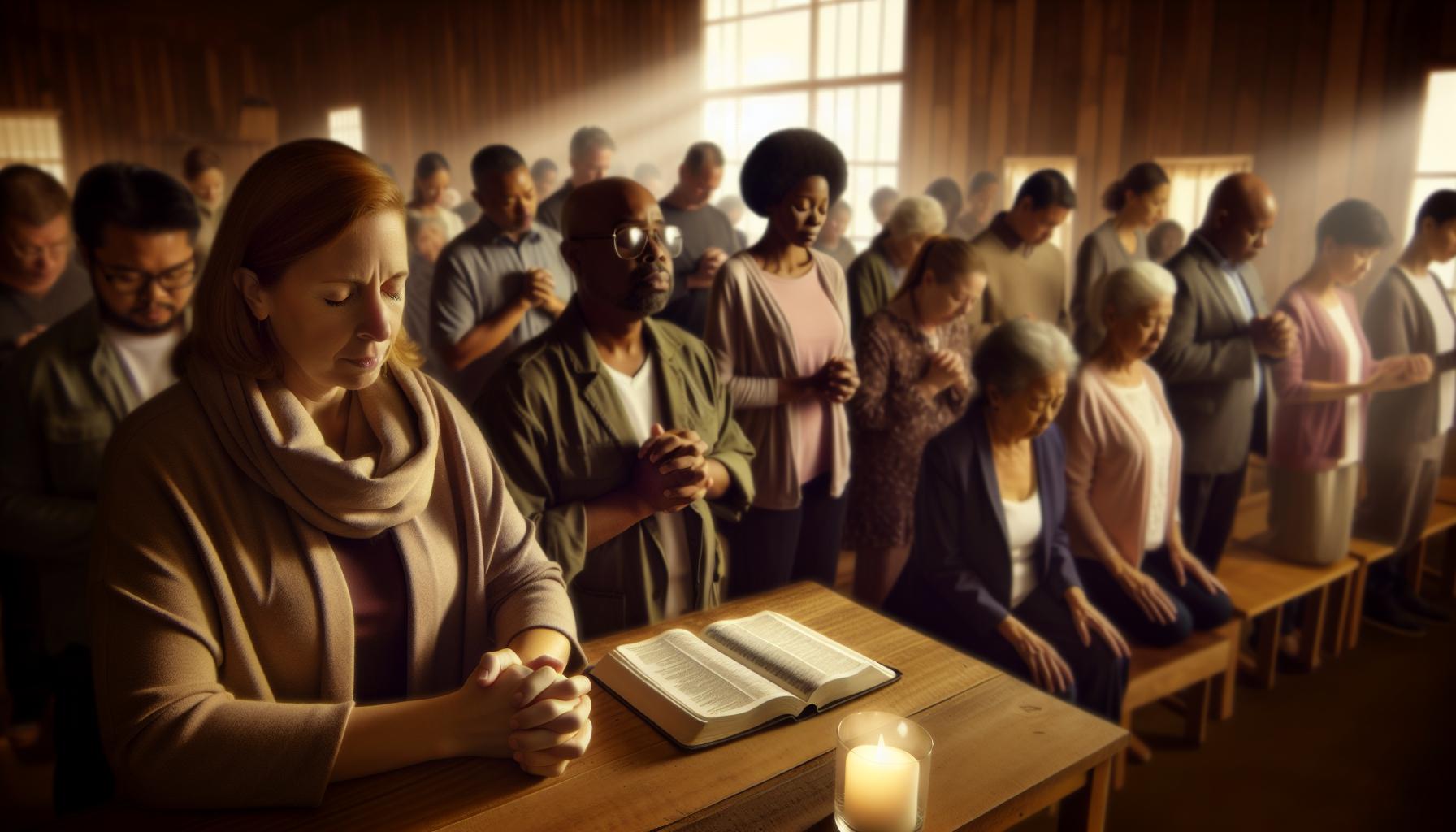
Engaging with Scripture: Finding Daily Guidance
To navigate the complexities of daily life, engaging with Scripture stands as a vital practice for believers seeking consistent guidance and strength. The Bible is not merely a collection of ancient texts; it is the living Word of God that speaks directly to our circumstances today. As Hebrews 4:12 reveals, “For the word of God is alive and active. Sharper than any double-edged sword,” it is crucial to approach Scripture with an expectation of divine insight and transformation in our lives.
Incorporating Scripture into your daily routine can be both enriching and practical. Consider setting aside specific times each day for Bible reading-whether in the early morning or during moments of quiet in the evening. This dedicated time allows for reflection and the ability to hear God’s voice. Keep a journal nearby to jot down thoughts, questions, or new insights that arise during your study. The act of writing can solidify your understanding and commitment to living according to God’s principles. Additionally, using a Bible reading plan can help guide this journey, making it easier to navigate through books and themes within Scripture systematically.
Participating in group Bible studies also enriches your experience with Scripture. Engaging in discussions with others opens new perspectives and interpretations that can deepen your understanding of God’s Word. As Proverbs 27:17 states, “As iron sharpens iron, so one person sharpens another.” This communal aspect is essential in a world that can sometimes feel isolating. Connecting with like-minded believers ensures that you not only absorb knowledge but also grow in accountability and encouragement to live out the teachings shown in the Bible.
Lastly, consider applying Scripture to specific areas of your life. For example, if you’re facing challenges in parenting, look for verses that speak on nurture and guidance (such as Proverbs 22:6). When dealing with workplace ethics, passages like Colossians 3:23 can provide clarity and motivation. Find ways to meditate on these verses, perhaps memorizing them or creating visual reminders in your home or workspace. This intentional application of Scripture will anchor your faith, making it practical and relevant amidst the distractions and challenges of an ungodly world.
Building a Community of Like-minded Believers
In the journey of faith, the support of a community can be a powerful catalyst for growth and perseverance. provides not only encouragement but also a network of accountability and love. Engaging with others who share similar values and beliefs creates a space where individuals can express their faith freely, explore difficult questions, and share life experiences underpinned by Christian principles. This collective fellowship can empower believers to stand strong in their faith, especially in an increasingly secular world.
One practical way to foster such a community is by joining or forming small groups that focus on varied aspects of Christian living-whether it’s a Bible study group, a prayer circle, or even a service-oriented team that helps those in need. These gatherings provide opportunities for open discussions, prayer support, and the sharing of wisdom and resources. As mentioned in Ecclesiastes 4:9-10, “Two are better than one because they have a good return for their labor: If either of them falls down, one can help the other up.” This verse highlights the importance of companionship, especially during challenging times.
Equally important is the practice of hospitality within the community. Inviting fellow believers into your home for meals or discussions creates deeper bonds and fosters an environment of trust and openness. Consider implementing regular gatherings in which you can not only share meals but also share devotionals or discussions about applicable scripture, thereby reinforcing the foundation of your community in Christ’s teachings.
Moreover, leveraging technology can also connect believers who may be geographically separated. Online platforms for prayer meetings or Bible studies can expand your reach, allowing for relationships that cross regional boundaries. No matter where believers are, the spirit of unity and shared purpose in Christ allows for a rich community experience, reinforcing each member’s journey towards spiritual maturity.
Strengthening one’s faith within a supportive community is paramount for living joyfully and authentically as a Christian. Through collective worship, shared joys, and trials, believers can encourage one another. As we gather in Christ’s name, we not only cultivate our own faith but also contribute to a broader movement of love and grace in an ungodly world.
Practical Tips for Godly Living in Society
Navigating daily life as a Christian in a society that often veers away from godly principles can be challenging, yet it offers a profound opportunity to live out one’s faith boldly. To stand strong in faith, it’s essential to cultivate habits and mindsets that reflect Christ’s teachings and values in every aspect of life, from personal interactions to community involvement.
Start by prioritizing your own spiritual health. Establish a consistent prayer life where you not only present your requests before God but also take the time to listen and reflect on His guidance. Scripture reminds us in Philippians 4:6-7, “Do not be anxious about anything, but in every situation, by prayer and petition, with thanksgiving, present your requests to God.” Such a practice helps align your heart and mind with God’s will, which is critical when faced with societal pressures that may contradict your beliefs.
Additionally, engaging with Scripture regularly is vital. Create a habit of daily reading and reflection that goes beyond surface-level understanding. Consider using devotional materials that provide context and application to your life. This not only deepens your knowledge of God’s Word but reinforces your resolve to live by it. You can explore various resources such as devotionals, Bible study plans, or apps that send verses directly to your phone, making it easier to incorporate Scripture into your daily routine.
Moreover, integrate godly principles in your workplace or school environment by demonstrating kindness, integrity, and respect in all your interactions. Colossians 3:23-24 encourages us to “work heartily, as for the Lord and not for men.” This perspective shifts focus from mere compliance with societal norms to performing every task as an act of worship, showcasing God’s love and grace even in challenging situations. Being a light in your workplace can inspire others, opening the door for meaningful conversations about faith.
Lastly, actively engage in your community through service and outreach. Consider volunteering for organizations that align with your values or starting initiatives that address local needs. Such actions not only practice the love and compassion of Christ but also build bridges with people who may not share your beliefs. Jesus calls us to be His hands and feet in the world, and community engagement is an effective way to live out that calling while encouraging others in their own journeys.
By implementing these practices, you can foster a strong foundation of godly living that not only strengthens your faith but also positively influences the world around you. Remember, the journey of faith is not meant to be walked alone, so seek fellowship with other believers who can support and encourage you as you navigate living authentically in an ungodly world.
Overcoming Temptations in an Ungodly World
In a world filled with distractions and moral relativism, resisting temptation can often feel like an uphill battle. However, through steadfast faith and practical strategies grounded in Scripture, believers can find strength and resilience. The key lies in recognizing that temptations are not unique to us; they are a common human experience. Scripture reminds us in 1 Corinthians 10:13 that “No temptation has overtaken you that is not common to man. God is faithful, and he will not let you be tempted beyond your ability.” This assurance enables us to approach life’s challenges with confidence, knowing we have the power through Christ to overcome.
To effectively combat the allure of temptation, believers should cultivate a proactive stance. This begins with developing a robust prayer life. Regularly seeking God’s guidance through prayer fortifies our spiritual defenses. When faced with tempting situations, turning to prayer can provide clarity and strength. James 4:7 encourages us, “Submit yourselves, then, to God. Resist the devil, and he will flee from you.” A practice of praying and inviting God into our daily struggles empowers us to resist temptation more effectively.
Furthermore, immersing oneself in Scripture creates a solid foundation for overcoming temptations. Regular reading and meditating on the Word not only enriches our understanding of God’s character and promises but also equips us with the truths necessary for spiritual warfare. When Jesus was tempted in the wilderness, He responded with Scripture, exemplifying the importance of knowing God’s Word in our encounters with temptation (Matthew 4:1-11). Consider maintaining a journal of verses that resonate with your struggles, allowing them to guide your thoughts and actions throughout the day.
Building a supportive community of fellow believers is also essential in the fight against temptation. Engaging with others who share your faith can provide accountability and encouragement. Participate in small groups or Bible studies where you can discuss challenges and victories, praying for one another to remain steadfast. Proverbs 27:17 states, “Iron sharpens iron, and one man sharpens another.” When we stand together, we enhance our resolve and lift each other up in times of struggle.
Ultimately, acknowledging one’s weaknesses and calling upon the Holy Spirit for help is crucial. We may not always be able to avoid tempting situations, but we can lean on God’s strength. Ephesians 6:10 exhorts us to be “strong in the Lord and in the strength of his might.” Embracing spiritual disciplines such as fasting or service can also shift our focus from self-indulgence to self-control. As we grow in our relationship with Christ, we begin to prioritize His will over our fleeting desires, equipping us to live boldly and authentically in a world that often contradicts our beliefs.
Raising Godly Children in a Secular Environment
In today’s rapidly changing cultural landscape, raising children with a strong biblical foundation can feel like navigating a ship through stormy seas. The challenges presented by a secular environment require intentional efforts from parents who wish to instill godly values in their children. By fostering a home environment steeped in prayer, scripture, and community, parents can equip their kids to face the world with integrity, courage, and a strong faith.
A key strategy is to model a deep and consistent prayer life. Prayer is not merely a routine; it is a vital connection with God that can profoundly influence a child’s spiritual journey. Encourage your children to pray about their daily challenges, wishes, and fears, reinforcing the idea that God cares about even the smallest aspects of their lives. Teach them the importance of seeking God’s guidance, emphasizing scriptures like Philippians 4:6-7, which assures us not to be anxious but to present our requests to God. This consistent dialogue with God helps children recognize His presence and guidance in their lives.
Engaging with scripture as a family can also cultivate a strong spiritual foundation. Regular family devotionals centered around Bible stories not only enriches their understanding of God’s word but also fosters open discussions about faith and moral values. Consider using age-appropriate resources to make Bible study interactive and relatable. Encourage kids to ask questions and express their thoughts. Implementing a “verse of the week” can be a fun method to memorize and understand scripture together. This practice lays the groundwork for a lifelong engagement with God’s word.
Building a supportive community of fellow believers is critical in reinforcing these teachings. Surrounding your children with godly influences can help counteract negative societal pressures. Engage with your church community by participating in family events, mentoring programs, or small groups. Additionally, consider encouraging friendships with other believers to create a network of support. As Proverbs 27:17 states, “Iron sharpens iron,” reminding us that healthy relationships can strengthen faith.
Lastly, acknowledge and address the challenges your children may face due to their faith-based values in a secular world. Engage them in conversations about moral dilemmas, peer pressures, and societal expectations, helping them to articulate their beliefs and respond to challenges with kindness and strength. Encourage your children to embrace their identity as Christians boldly, inspired by Matthew 5:14-16, which calls us to let our lights shine before others. By fostering an environment that values faith, community, and open dialogue, parents can empower their children to navigate a secular world rooted in godly principles.
Developing a Lifestyle of Worship and Gratitude
In a world that often pulls us in countless directions, cultivating a lifestyle rich in worship and gratitude can anchor our souls and invigorate our faith. Worship is more than a Sunday activity; it is a continuous attitude of reverence and acknowledgment of God’s sovereignty in our lives. When we focus on worshiping God in our daily actions, we invite His presence into every part of our existence, transforming mundane moments into sacred encounters. Gratitude acts as a natural response to recognizing God’s goodness, reminding us of His faithfulness even amidst life’s challenges.
A practical way to develop this lifestyle is to establish regular times for worship and gratitude throughout your day. Start your mornings with a focus on God. As you wake up, spend a few minutes in prayer, thanking Him for a new day and asking for His guidance and strength to navigate whatever comes your way. Create a personal worship playlist filled with uplifting music that draws you closer to God. Let the lyrics inspire your heart and set the tone for your day. Throughout the day, practice gratitude by keeping a journal where you jot down moments of blessing-big or small. This practice not only encourages a positive mindset but also helps you see God’s hand at work, even in the simplest of things.
Additionally, make worship a communal activity. Gather your family for devotionals where you sing praises, read scripture, and share testimonies of God’s work in your lives. This fosters an environment where gratitude flourishes and faith grows stronger together. Consider participating in corporate worship at your church or joining small groups focused on worship and service. Psalm 100:4 encourages us to “enter his gates with thanksgiving and his courts with praise,” highlighting the joy found in worship as a community.
In integrating worship and gratitude into your lifestyle, you create a fortified foundation for standing strong in faith amid worldly challenges. Embrace worship as a form of spiritual warfare against negativity; turn your hearts toward praise during trying times. As you grow in worship and gratitude, you’ll find yourself better equipped to navigate life’s storms, maintaining a heart attuned to God’s blessings and a spirit that shines brightly for others to see.
Harnessing Spiritual Warfare Against Negative Influences
In today’s fast-paced and often chaotic world, negative influences are pervasive, threatening to sway our beliefs and diminish our walk with Christ. However, as believers, we possess incredible resources to combat these spiritual attacks. Understanding and harnessing the tools of spiritual warfare not only equips us to resist temptation but also empowers us to shine as lights in a culture that may not align with our values. The Apostle Paul reminds us in Ephesians 6:12 that our struggle is not against flesh and blood but against spiritual forces of evil. Recognizing the spiritual nature of our battles is the first step in engaging effectively in warfare.
One of the most potent weapons we have is prayer. Prayer is not merely a routine; it is a powerful lifeline that connects us directly to God. Regular, earnest prayer, especially in times of distress, fortifies our spirit against negative influences. The act of praying allows us to seek divine intervention, wisdom, and strength. Incorporating prayers of protection and guidance into your daily routine can provide clarity and peace. Consider dedicating specific times in your day for prayer. Whether early in the morning or late at night, these moments can serve as a shield against the discouragement and negativity encountered throughout daily life.
Furthermore, engaging deeply with Scripture is essential in fortifying our faith and understanding God’s truth compared to worldly lies. Scripture serves as a weapon against doubts and fears. By memorizing key verses, such as 2 Corinthians 10:4, which states our weapons are divinely powerful for tearing down strongholds, we can effectively combat the lies and temptations that threaten our faith. Establish a routine of studying the Bible, and allow it to direct your thoughts and decisions. Regular meditation on God’s word transforms our mindset, enabling us to view challenges through a lens of faith and truth rather than succumb to negativity.
Building a community of like-minded believers is also vital in the journey of spiritual warfare. Surrounding ourselves with fellow Christians who uplift and support us encourages resilience. Participate in small group discussions or prayer meetings where members can share their struggles and victories. This community connection fosters accountability and reminds us that we are not alone in the battle. As Hebrews 10:24-25 states, we should consider how we can spur one another on toward love and good deeds, meeting together to encourage one another.
Ultimately, requires intentionality and a reliance on God’s strength. By committing to a life of prayer, engaging with Scripture, and cultivating meaningful relationships within our faith community, we can stand strong against the pressures of the world and maintain our testimony as ambassadors of Christ.
Creating a Family Culture Centered on Faith
provides a vital foundation in navigating the challenges of an increasingly secular world. When we establish our homes as sanctuaries of God’s love and truth, we foster an environment that nurtures spiritual growth and resilience. According to Deuteronomy 6:6-7, we are called to impress God’s commandments on our children, teaching them to talk about faith in everyday moments, thus intertwining God with our daily lives. This not only reinforces their faith but also empowers them to stand strong when faced with contrary societal values.
Intentional Practices for Faith-Centered Homes
To cultivate a family culture that prioritizes faith, consider integrating these intentional practices:
- Regular Family Worship: Designate time for family devotionals, where everyone can share insights from their personal Bible reading. This practice encourages open discussions about faith, reinforcing its importance in daily life.
- Prayer Together: Create habits of communal prayer, not just in times of need but also in gratitude and celebration. Whether it’s a quick prayer before meals or a more structured prayer night each week, these moments strengthen bonds and deepen faith.
- Service Projects: Engage in community service as a family, allowing members to put their faith into action. Serving alongside your children instills values of compassion and selflessness, demonstrating what it means to live out the teachings of Christ.
- Faith-Based Conversations: Incorporate discussions about faith into everyday conversations. Use teachable moments-like current events or personal experiences-to highlight biblical principles and encourage critical thinking about faith in action.
Modeling Faith and Resilience
As parents, our actions significantly influence our children’s spiritual journeys. It’s essential to model a vibrant faith life, demonstrating that trust in God permeates all aspects of life. This includes being transparent about struggles and how prayer and scripture have provided guidance and comfort. Sharing personal testimonies of God’s provision can inspire and motivate family members to rely on Him amidst adversity.
Additionally, establishing a faith-friendly environment involves curating the media and influences surrounding the family. Encourage activities that promote spiritual growth, such as reading Christian literature or watching faith-based movies, and be conscious of the content your family consumes. When children see their faith reflected in both family interactions and entertainment, it reinforces the idea that living for Christ is both essential and fulfilling.
may take time and effort, but the rewards are immeasurable. As you weave faith into your family’s fabric, you empower your children to stand strong in their beliefs, equipping them to navigate the complexities of an ungodly world with grace and confidence.
Living Out Your Faith Boldly and Authentically
In a world where values can often seem at odds with Christian teachings, living out one’s faith boldly and authentically is both a challenge and a vital necessity. The truth is, how we express our beliefs can have a profound impact not just on our lives but also on those around us. To navigate daily interactions and engagements, it is essential that you embody the principles of Christ in a way that is both heartfelt and visible.
One effective approach is to make your faith a conversational cornerstone. Engage friends, colleagues, and even strangers in discussions about your beliefs naturally, connecting faith to everyday experiences. For instance, when faced with workplace challenges, openly discuss how trust in God influences your decision-making and provides peace amid chaos. This authentic expression not only demonstrates the importance of faith but also invites others to explore it further. Here are some practical ways to enhance your faith expression:
- Share Testimonies: Reflect on instances where prayer and faith led to positive outcomes in your life. Your stories can inspire others facing similar challenges.
- Practice Gratitude: Take moments throughout your day to acknowledge God’s work in your life. Sharing these gratitudes can uplift those around you and create a culture of thankfulness.
- Serve Actively: Participate in community outreach programs or church events that reflect your beliefs. Serving others is a powerful demonstration of faith in action and can break down barriers between people.
Embracing vulnerability can also be a transformative aspect of living authentically. Allow others to see your struggles and how your faith supports you through them. This openness can build trust and relatability, encouraging others to share their journeys and seek God’s guidance. Remember, authenticity isn’t about perfection; it’s about being real and connecting with people on a level that reflects God’s love and grace.
Ultimately, standing strong in faith means letting your light shine before others, as instructed in Matthew 5:16: “Let your light shine before others, that they may see your good deeds and glorify your Father in heaven.” By living visibly and genuinely, you offer not just a testament to your faith but a beacon of hope to those who may be searching for it in an ungodly world.
Faq
Q: How can I maintain my faith in a secular environment?
A: To maintain your faith in a secular environment, engage in daily prayers and Bible readings to strengthen your connection to God. Surround yourself with a supportive community of believers who encourage your faith journey, as discussed in “Building a Community of Like-minded Believers.”
Q: What practical steps can I take to live out my faith daily?
A: Living out your faith daily involves applying godly principles in everyday situations. This includes making decisions aligned with your values, showing kindness to others, and actively seeking opportunities to serve. Refer to “Practical Tips for Godly Living in Society” for more insights.
Q: How do I resist temptation in a challenging world?
A: Resisting temptation requires constant awareness and reliance on prayer and Scripture. Equip yourself with biblical truths that can counteract negative influences and safeguard your heart. “Overcoming Temptations in an Ungodly World” includes strategies to help with this struggle.
Q: Why is building a community of believers essential for my faith?
A: Building a community of believers is essential because they provide support, accountability, and encouragement in your faith journey. Sharing experiences and prayers can strengthen your resolve and deepen your understanding of God’s Word, as emphasized in “Building a Community of Like-minded Believers.”
Q: How can I raise my children in faith amidst secular influences?
A: Raising children in faith requires intentionality. Teach them biblical principles through discussions, family devotions, and integrating faith into daily life. “Raising Godly Children in a Secular Environment” offers specific approaches to nurture their spiritual growth.
Q: What role does prayer play in standing strong in faith?
A: Prayer plays a vital role in standing strong in faith by fostering a deeper relationship with God and providing clarity and strength in times of trouble. Regularly schedule time for prayer, as discussed in “The Power of Prayer in Challenging Times,” to sustain your faith journey.
Q: How can I develop a lifestyle centered on worship and gratitude?
A: Developing a lifestyle rooted in worship and gratitude involves regularly expressing thankfulness and dedicating time to worship daily. Participate in worship activities, both in church and at home, to cultivate an attitude of gratitude, as suggested in “Developing a Lifestyle of Worship and Gratitude.”
Q: What does it mean to live boldly for Christ in today’s world?
A: Living boldly for Christ means to stand firm in your beliefs and actively share your faith with others, despite societal pressures. Practice authenticity in your interactions and embody Christ-like qualities, a theme explored in “Living Out Your Faith Boldly and Authentically.”
To Conclude
As we conclude our journey through “How To Live Godly In An Ungodly World: Stand Strong in Faith,” remember that standing firm in your faith is both a challenge and a profound privilege. Embrace the key strategies shared in this study, from deepening your prayer life to engaging meaningfully with Scripture. Every step you take towards a godly lifestyle not only strengthens your personal walk but also serves as a beacon of hope to others.
If you’re eager to delve deeper, check out our resources on Bible study techniques and devotionals that can enhance your spiritual practices. Don’t miss the insights on navigating Christian marriage and parenting through God’s lens. Ready to take action? Subscribe to our newsletter for more uplifting content and practical guidance tailored for your faith journey. Join the conversation by sharing your thoughts in the comments, and don’t hesitate to explore related topics that can further enrich your understanding. Stand strong in your faith, and let’s continue this rewarding path together!