
In a world that often feels chaotic and disconnected from God, understanding the process of daily sanctification is vital for living holy and godly lives. Sanctification is more than a theological concept; it’s a transformative journey of being set apart for God’s purpose, shaping our thoughts, actions, and relationships in alignment with His will. Many believers grapple with the challenge of remaining steadfast in their faith amidst daily distractions and temptations. This guide offers practical insights and spiritual practices to help you cultivate a lifestyle of holiness through consistent surrender, prayer, and devotion. By embracing the habits of daily sanctification, you will experience deeper intimacy with Christ, greater peace, and a renewed sense of purpose. Join us as we explore how to navigate life’s challenges while growing in your faith and becoming the person God calls you to be. Your journey toward a more godly life begins here!
Contents
- 1 How Daily Sanctification Transforms Your Life
- 2 Understanding Holiness: Biblical Foundations
- 3 The Role of Prayer in Daily Sanctification
- 4 Scripture Study: Key to Godly Living
- 5 Developing a Holy Mindset: Thoughts and Attitudes
- 6 Practical Steps for Living a Godly Life
- 7 Cultivating Spiritual Disciplines for Daily Growth
- 8 Building a Supportive Christian Community
- 9 The Impact of Loving Relationships in Faith
- 10 Navigating Challenges in Sanctification
- 11 Spiritual Warfare: Defending Your Holiness
- 12 Empowering Your Journey with the Holy Spirit
- 13 Faq
- 14 Insights and Conclusions
How Daily Sanctification Transforms Your Life
Daily sanctification acts as a transformative power in the life of a believer, guiding them toward a deeper relationship with God and enhancing their character to reflect Christ. This process begins with a conscious decision to surrender to God’s will each day, creating a fertile ground for spiritual growth. Just as a flower needs sunlight and water to bloom, our spiritual lives flourish through daily acts of sanctification, feeding on prayer, scripture, and the indwelling presence of the Holy Spirit.
In practical terms, daily sanctification invites individuals to commit to small, consistent practices that draw them closer to Christ. This could include setting aside time for prayer, reflecting on God’s Word, or finding solitude to listen for His guidance. These habits not only strengthen personal devotion but also foster a sense of peace and clarity in everyday challenges, as believers learn to lean on God’s strength rather than their own. The process transforms daily encounters, encouraging a Christ-like attitude in interactions with family, friends, and coworkers.
Moreover, embracing daily sanctification can redefine how we view the challenges we face. Instead of seeing obstacles as mere interruptions, we begin to view them as opportunities for growth and deeper reliance on God. Through the trials and triumphs of everyday life, believers learn that each moment is a chance to reflect Christ’s love and light, thereby becoming instruments of His grace in a world in need of hope.
Ultimately, the journey of daily sanctification is not about perfection but about progression. Every step taken in faith, whether small or large, contributes to our spiritual maturity. By nurturing this transformative process, believers can authentically embody their faith, inspiring others in their own journeys and collectively building a vibrant Christian community that glorifies God.
Understanding Holiness: Biblical Foundations
Understanding holiness is foundational to the Christian faith, as it shapes our identity and guides our actions. The term “holiness” often evokes images of purity and righteousness, but it’s essential to appreciate its richer biblical context. In Scripture, holiness is not merely an abstract concept but a dynamic relationship between God and His people. God’s holiness sets Him apart, and His desire is to share that holiness with us (1 Peter 1:15-16). This divine nature invites believers into a transformative journey where we not only seek to reflect God’s character but also cultivate a lifestyle that honors Him.
Throughout the Bible, holiness is both a call and a gift. When God instructs His people to “be holy, for I am holy,” it serves as an invitation to transform our hearts and minds (Leviticus 11:44-45). This transformation occurs as we engage in daily sanctification, which is the active process of becoming more like Christ. It’s vital to understand that this is not achieved through our strength alone but through the work of the Holy Spirit within us. By tapping into this divine power, believers can experience profound changes in their daily lives-shifting attitudes, behaviors, and even how we relate to others.
Practical Applications of Holiness
To live out this call to holiness, consider these practical steps:
- Daily Reflection: Set aside time each morning or evening to reflect on Scripture passages that highlight God’s holiness. This can foster a deeper understanding of His character and your calling.
- Accountability: Engage with fellow believers in conversations about your faith journey. Sharing experiences can foster growth and reinforce the pursuit of holiness.
- Worship and Praise: Incorporate praise into your daily routine. Worship aligns our hearts with God’s and reminds us of His greatness and our desire to reflect it in our actions.
Additionally, as you navigate relationships-whether in parenting, marriage, or friendships-strive to embody the love and grace exemplified by Jesus. Look for opportunities to extend grace; this not only reflects His holiness but also demonstrates the transformational power of a Christ-centered life to those around you.
When challenges arise, view them as opportunities to depend on God’s strength rather than relying solely on your own. Embracing holiness is not about achieving perfection; it’s about progressively growing in Christ-like character, revealing His love in every aspect of life. This journey is not merely for personal benefit; it is a testament to the world of God’s transformative grace, drawing others to Him through our lives.
The Role of Prayer in Daily Sanctification
Prayer is a vital lifeline in the believer’s journey of daily sanctification, acting as a transformative channel through which God’s grace flows into our lives. It not only sketches the contours of our relationship with God but also serves as a powerful means to align our hearts with His will. When we prioritize prayer, we open the door for God’s presence to work within us, changing our desires and actions to reflect His holiness. As the Apostle Paul reminds us in Philippians 4:6-7, we are invited to present our requests to God through prayer, which brings peace that guards our hearts and minds in Christ Jesus.
In practical terms, establishing a regular prayer routine is crucial for fostering spiritual growth. This includes setting aside specific times each day for prayer, encouraging consistency and intentionality. Whether in the quiet of the morning or the stillness before bed, these moments allow us to communicate with God, express our vulnerabilities, and seek His guidance in our lives. Incorporating elements like adoration, confession, thanksgiving, and supplication can enrich our prayer life and keep our focus on God’s holiness. It encourages us to confess our struggles and shortcomings while acknowledging His perfect grace, which is essential for growth in sanctification.
Moreover, using Scripture as a backdrop for our prayers can deepen our understanding of God’s character and intentions. Consider praying through passages that highlight holiness, such as 1 Peter 1:15-16, which calls us to be holy just as God is holy. This practice not only reinforces biblical truths in our hearts but also equips us to actively live out our faith in alignment with God’s Word. As we meditate on these truths, we foster a mindset anchored in His promises, empowering us to rise above temptations and challenges.
Additionally, prayer creates an atmosphere of accountability when shared within a community of believers. Engaging with others in prayer can strengthen bonds of fellowship and mutual encouragement while providing support during difficult times. Consider forming small prayer groups where you can lift each other up, share prayer requests, and witness God’s faithfulness together. This collective pursuit of holiness not only enhances personal sanctification but also reflects the unity of the body of Christ, reminding us that we are not alone in our journey. By embracing prayer as a foundational element of our daily lives, we cultivate a deeper relationship with God and progressively transform into the image of Christ.
Scripture Study: Key to Godly Living
The transformative power of Scripture in a believer’s life cannot be overstated. It serves as both a mirror reflecting our spiritual state and a guiding light illuminating the path to holiness. Engaging deeply with the Bible equips us to live godly lives as it is infused with God’s truths, principles, and promises. When we immerse ourselves in Scripture, we invite the Holy Spirit to renew our minds, enabling us to discern God’s will in our daily decisions and interactions.
Why Scripture Matters
God’s Word offers foundational wisdom for navigating life’s challenges. It presents a comprehensive picture of holiness and provides practical templates for how we should conduct ourselves in various circumstances. For example, the teachings found in the Sermon on the Mount (Matthew 5-7) guide us in reflecting Christ’s character through humility, mercy, and love for others. Memorizing key verses can help us respond to temptation and adversity with God-honoring perspectives.
Integrating Scripture Study into Daily Life
To reap the benefits of Scripture study, consider implementing these practical steps:
- Set a Routine: Dedicate specific times each day for reading and meditating on the Word. Morning sessions can set a positive tone for the day, while evening reflections can help you assess and learn from daily experiences.
- Use a Study Bible: A study Bible provides valuable commentary and cross-references that deepen understanding. It allows for a richer exploration of texts, making them more relatable and applicable to modern life.
- Journaling Insights: Keep a journal of your reflections, prayers, and learning. Writing down insights can solidify their impact and serve as a record of growth over time.
- Join a Study Group: Engaging with fellow believers in Bible study fosters community and accountability. Sharing perspectives and insights can challenge and inspire deeper exploration of God’s Word.
By consistently studying Scripture, we become more aware of God’s character and His plans for us. This connection propels us toward a life marked by holiness and purpose, further enriching our sanctification journey.
Living Out God’s Word
The ultimate goal of Scripture study is transformation. As we internalize biblical truths, we translate them into action – serving others, pursuing justice, and embodying love in our daily interactions. James 1:22-25 encourages us to be doers of the Word, not merely hearers. As we embody God’s teachings, we cultivate a life of holiness that not only honors God but also draws others to His grace through our example.
In embracing the discipline of Scripture study, we unlock the keys to godly living, arming ourselves with the knowledge and wisdom necessary to navigate a world in desperate need of Christ’s light.
Developing a Holy Mindset: Thoughts and Attitudes
The journey toward a holy mindset begins with the recognition that our thoughts significantly impact our actions and overall way of life. Scripture teaches us the power of our thoughts in shaping our attitudes and behaviors, as highlighted in Philippians 4:8, which encourages believers to focus on whatever is true, noble, right, pure, lovely, and admirable. By cultivating a mindset aligned with these virtues, we enhance our capacity for living a godly life.
To develop a holy mindset, it’s essential to actively choose how we think and what influences us. Start by creating an environment filled with godly input, such as uplifting music, inspiring literature, and biblical teachings. Engaging with content that promotes righteousness will help fortify our minds against negativity and unholiness. Moreover, fostering gratitude shifts our focus from complaints to appreciation, aligning our heart’s disposition with God’s goodness.
Overcoming Negative Thoughts
We all face negative thoughts, whether they stem from external circumstances or internal struggles. Recognizing these thoughts is the first step in overcoming them. When anxieties or doubts arise, respond with Scripture. For instance, when feeling inadequate, remember Philippians 4:13: “I can do all things through Christ who strengthens me.” This practice not only replaces discouragement with truth but also reinforces our identity in Christ.
Practical Strategies for a Holy Mindset
Here are some practical steps to maintain a holy mindset in daily life:
- Daily Affirmations: Begin each day by affirming your identity in Christ. Speak or write down truths about who you are as a child of God, which combats insecurity and fosters confidence.
- Mindfulness Practices: Incorporate moments of silence and prayer into your day to center your thoughts on God. This can help alleviate the clamor of daily distractions and redirect your focus onto divine realities.
- Accountability Partners: Engage in conversations with fellow believers who can encourage and challenge you in your thought life. Sharing struggles and victories can illuminate different perspectives and reinforce healthy thinking.
- Journaling: Keep a journal to document your thoughts, prayers, and reflections. Writing helps clarify thoughts and reinforces the transformation process as you analyze your mindset over time.
Implementing these strategies leads to a gradual transformation of your inner life, empowering you to embody the love and character of Christ. In doing so, not only do we uplift ourselves, but we also set an example for others, showing them the beauty of a life centered on God. Remember, cultivating a holy mindset is an ongoing journey, one that God promises to guide as we seek Him earnestly.
Practical Steps for Living a Godly Life
Living a godly life is not merely a series of actions; it’s a transformative journey that unfolds through daily choices and intentional practices, drawing us closer to Christ’s likeness. The Apostle Paul reminds us in Romans 12:1-2 to present our bodies as living sacrifices, holy and pleasing to God, which is our true worship. This call to holiness permeates every aspect of life, providing a framework to navigate our daily experiences with purpose and divine intention.
To live a godly life, consider integrating the following practical steps into your daily routine:
- Engage in Daily Prayer: Establish a consistent prayer life where you communicate openly with God. This not only strengthens your relationship but also provides clarity and guidance. Consider setting aside dedicated time each morning or evening to reflect on your day, express gratitude, and seek Divine direction in your choices.
- Immerse Yourself in Scripture: Regularly read and meditate on the Bible to ensure you are grounded in God’s Word. Choose a reading plan or specific passages that resonate with your spiritual struggles or goals. Reflecting on Scripture helps shape your thoughts and actions, providing the foundation for wise living.
- Live with Integrity: Make decisions that align with your faith, even when faced with societal pressures to compromise. Colossians 3:23 encourages us to work heartily, as for the Lord, in everything we do. Practicing integrity in your job, relationships, and community demonstrates God’s character to those around you.
- Practice Generosity: Living a godly life entails sharing your time, resources, and love. Whether through volunteer work, financial support for missions, or simply being there for a friend in need, acts of generosity cultivate a heart that reflects Christ’s love.
- Seek Accountability: Surround yourself with fellow believers who encourage you and hold you accountable. Engage in small groups or one-on-one relationships that foster spiritual growth and transparency, allowing you to navigate challenges together.
These practical steps, when embraced consistently, can lead to profound changes in your life. As you cultivate a deeper relationship with Christ through prayer, study, and community, you will find yourself more equipped to reflect His holiness to the world. Remember, living a godly life is a continuous journey of sanctification, where each step brings you closer to the heart of your Creator.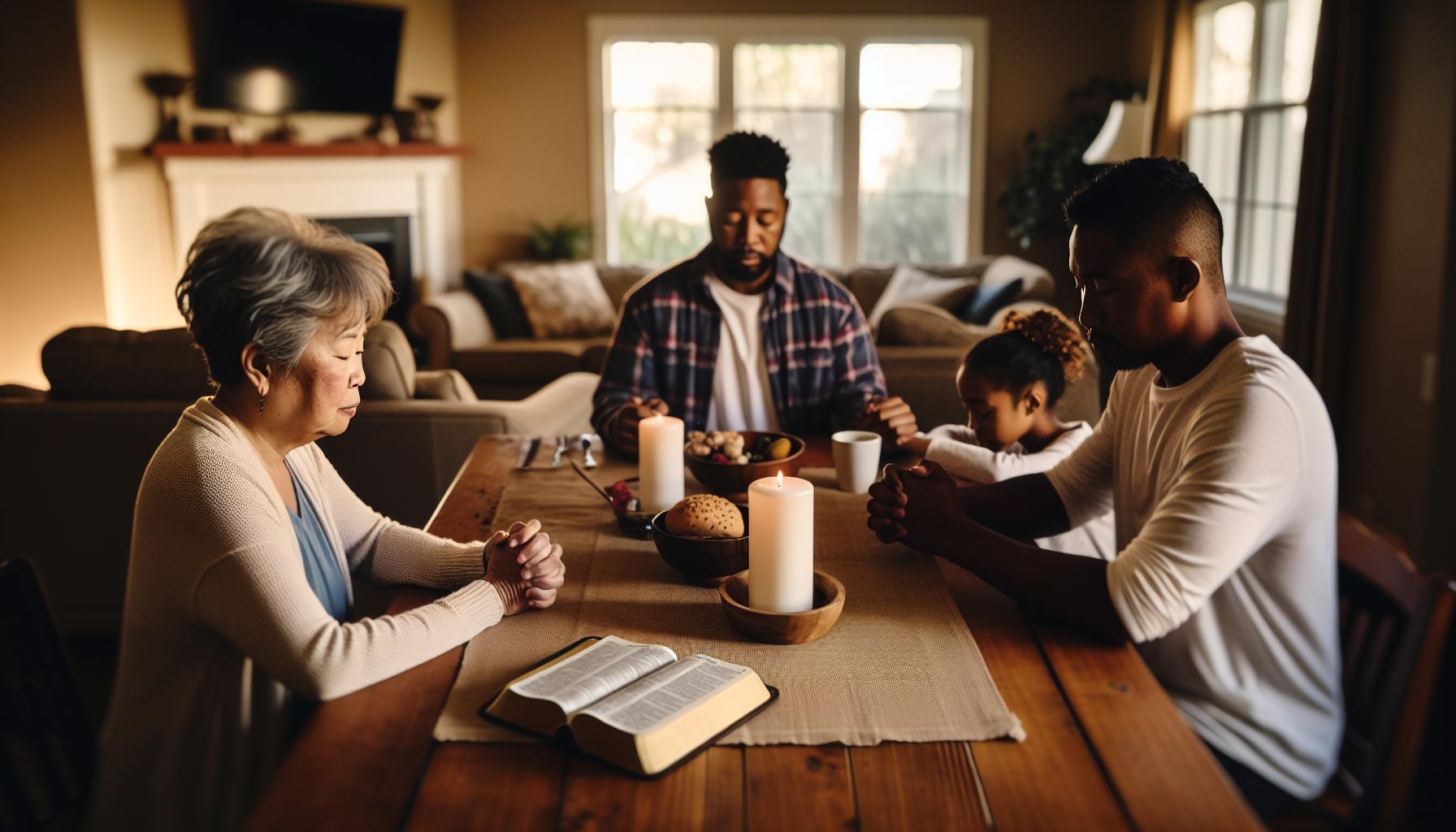
Cultivating Spiritual Disciplines for Daily Growth
In our fast-paced lives, it’s easy to become disconnected from our spiritual journey. However, cultivating spiritual disciplines is essential for fostering daily growth and nurturing our relationship with God. Engaging in these practices helps us remain anchored in our faith and equips us to navigate life’s challenges with grace. By intentionally integrating various spiritual disciplines into our routines, we can deepen our sanctification process and align our actions with God’s will.
One of the foundational aspects of daily spiritual growth is prayer. Setting aside time each day to communicate with God strengthens our relationship and helps us discern His guidance. Whether through structured prayers, spontaneous conversations, or moments of silence, this sacred time invites the Holy Spirit to shape our thoughts and actions. Consider keeping a prayer journal to document your thoughts, concerns, and divine revelations. This practice not only enhances your awareness of God’s presence in your life but also helps you reflect on your spiritual growth.
Reading and meditating on Scripture is another critical discipline. By immersing ourselves in God’s Word, we gain insight into His character and understanding of His promises. Establishing a consistent Bible reading plan can provide structure to your spiritual journey. You might explore reading the Psalms for comfort, the Gospels for Jesus’ teachings, or Proverbs for wisdom in daily decision-making. Make it a point to meditate on specific verses that resonate with your situation; this practice allows Scripture to penetrate your heart and influence your actions.
In addition to prayer and Bible study, incorporating worship into your daily life can lead to profound changes in your spirit. Whether through singing, listening to uplifting music, or attending church services, worship transforms our perspective and deepens our connection with God. It reminds us of His greatness and our need for His grace. Consider committing to participate in corporate worship regularly, as community worship amplifies personal devotion.
Furthermore, nurturing a spirit of service and generosity is vital for spiritual growth. Acts of kindness not only reflect Christ’s love but also align our hearts with His purposes. Engage with your community, serve in local ministries, or find simple ways to show kindness to those around you. As you put others first, you’ll experience the joy and fulfillment that comes from living out your faith actively.
By adopting these spiritual disciplines, you can cultivate a thriving relationship with Christ that propels you toward holiness. As you commit to daily prayer, Bible study, worship, and service, you will discover a deeper sense of purpose and fulfillment, transforming your life into a reflection of God’s love and grace.
Building a Supportive Christian Community
Creating a thriving Christian community is not just beneficial; it is essential for nurturing personal spiritual growth and fostering daily sanctification. When we surround ourselves with fellow believers who share our commitment to living holy lives, we gain invaluable support, encouragement, and accountability. Jesus emphasized the significance of community when He stated, “For where two or three gather in my name, there am I with them” (Matthew 18:20, NIV). This presence of Christ among believers is a powerful reminder that we are never alone on our sanctification journey.
To build a supportive community, start by engaging with your local church. Attend services regularly to form connections, participate in small groups, or join Bible study classes. These settings not only deepen your understanding of the Scripture but also provide opportunities to share experiences, prayer requests, and encouragement. Participating in communal activities such as potluck dinners or service projects can help you forge deeper relationships with other believers. As these connections grow, you can uplift one another, share practical wisdom, and pray together, reinforcing your collective growth in holiness.
Additionally, consider establishing a discipleship or mentorship relationship with someone who is further along in their faith journey. This one-on-one connection can offer tailored guidance and encouragement, helping you navigate challenges that may arise on your path. Remember, in the context of a supportive community, vulnerability is a strength. Sharing your struggles fosters authenticity and invites others to do the same, creating a safe space for spiritual growth.
Ultimately, the impact of loving relationships within a supportive Christian community extends beyond personal growth; it also enables collective ministry and outreach. By coming together, believers can effectively demonstrate Christ’s love in their local communities, serving others and sharing the hope of the Gospel. As you invest in building these connections, you will find that your journey toward daily sanctification is enriched and your capacity to reflect God’s love to the world expands immensely.
The Impact of Loving Relationships in Faith
Loving relationships within the Christian community play a transformative role in our faith journeys, acting as a vital support system for daily sanctification. The connections we foster with fellow believers not only enrich our spiritual lives but also embody the love and grace of Christ. When we engage in meaningful relationships, we experience a sense of belonging that empowers us to grow in holiness. These relationships can serve as a reflection of God’s unconditional love for us, encouraging us to replicate that love in our interactions with others.
Regular fellowship brings about accountability and encouragement. When we gather with others who share our commitment to living godly lives, we can hold one another accountable in our spiritual practices and daily conduct. This accountability often leads to deeper discussions about our challenges and victories, allowing us to share prayer requests and gain support through life’s trials. As Proverbs 27:17 states, “Iron sharpens iron, and one man sharpens another” (ESV). In this way, our relationships can sharpen our faith, helping us to become more like Christ through the support and inspiration we receive from each other.
Additionally, the act of serving together in ministry fosters unity and love within the community. Engaging in service projects or outreach initiatives not only provides opportunities to work together but also deepens our understanding of the needs around us and our role in fulfilling them. These joint efforts exemplify Christ’s call to love our neighbors and act justly, leading us to more profound expressions of our faith. When we actively share God’s love with those in need, we not only impact their lives but also strengthen our bonds with one another, cultivating a spirit of cooperation and mutual growth.
In navigating the inevitable challenges of life, it’s essential to remember the importance of vulnerability within these relationships. Sharing our struggles allows others to understand our journeys and provide support that is both heartfelt and practical. As we create safe spaces for such openness, we embody the love of Christ and encourage each other to persevere in faith. Ultimately, loving relationships are not just a source of encouragement; they propel us forward on our path of daily sanctification, reminding us of our collective journey toward holiness in Christ. Through nurturing these connections, we fulfill the call to love one another as He has loved us, enriching our spiritual walk and those we encounter along the way.
Navigating the path of daily sanctification can be fraught with challenges that test our faith and commitment. Many believers encounter difficulties such as temptation, distraction, and spiritual fatigue. It’s pivotal to remember that these obstacles are a natural part of the Christian journey, serving as opportunities for growth rather than signs of defeat. By grounding ourselves in God’s Word and fostering a proactive approach, we can skillfully navigate these challenges, emerging stronger and more spiritually attuned.
One significant challenge is the ongoing battle against sin and temptation. The Apostle Paul speaks to this struggle in Romans 7, where he highlights the conflict between our desires to do good and the sin that persists within us. To effectively combat this, we are encouraged to implement practical strategies:
- Scripture Memorization: Hiding God’s Word in our hearts empowers us to resist temptation. Verses like 1 Corinthians 10:13 remind us that we will not face temptation beyond our ability to bear it, and having scriptural truths readily available can be a powerful tool in our defense.
- Accountability Partners: Sharing our struggles with fellow believers fosters an environment of support. Engaging in regular discussions about our spiritual journeys helps us face temptations together, offering insights and accountability.
- Prayer: Consistent and earnest prayer is essential. Bringing our struggles before God not only aligns our hearts with His but also invites the Holy Spirit to intervene in our situations.
Distractions from our daily sanctification journey often stem from the fast-paced nature of modern life. The noise and busyness can dilute our focus on God. To counteract this, intentional scheduling of quiet time with Him is crucial. Carving out moments devoid of distraction allows us to engage deeply with Scripture, reflect, and seek His presence. Setting specific times for devotion helps prioritize our relationship with God amid life’s competing demands.
Additionally, it’s important to recognize that spiritual fatigue can set in, especially when we feel we are not seeing immediate results in our sanctification process. During these times, it may help to remind ourselves of the truth from Galatians 6:9: “And let us not grow weary of doing good, for in due season we will reap, if we do not give up.” Maintaining a journal of our spiritual journey, recording prayers and reflections, can also foster a sense of progress and gratitude, motivating us to persevere.
In summary, the challenges inherent in the journey of sanctification call for a multi-faceted approach. By prioritizing scripture, fostering accountability, committing to prayer, and practicing intentional focus, believers can navigate these challenges effectively and continue to grow in holiness. As we build resilience in our spiritual lives, we align ourselves closer to God’s will and experience the transformative power of daily sanctification.
Spiritual Warfare: Defending Your Holiness
Engaging in spiritual warfare is an essential aspect of defending your holiness in a world rife with distractions and temptations. Believers often find themselves in a battleground that requires both vigilance and action to maintain a relationship with God and pursue a life of sanctification. Recognizing that our struggles are not against flesh and blood but against spiritual forces (Ephesians 6:12), we must equip ourselves for battle using the tools provided in Scripture and prayer.
One of the most powerful weapons in your arsenal is prayer. Engaging in constant, earnest prayer fortifies your spirit and invites the Holy Spirit to guide you through conflicts. As Jesus advised His disciples in Matthew 26:41, “Watch and pray that you may not enter into temptation.” Establishing a dedicated prayer time can help you stay alert to spiritual attacks and keep your focus on God. Consider establishing a prayer routine that involves both spoken prayer and silent reflection, asking the Holy Spirit for clarity and strength in your daily struggles.
In addition to prayer, immersing yourself in Scripture serves as a strong defense against spiritual attacks. The Bible equips you with God’s truth, which serves not only to illuminate the darkness of temptation but also to provide direction and reassurance during challenging times. Consider committing key verses to memory, such as Psalm 119:11, “I have stored up your word in my heart, that I might not sin against you.” This practice allows you to draw upon God’s promises and truths in moments of doubt or temptation, reinforcing your spiritual resolve.
Accountability also plays a vital role in spiritual warfare. Engaging with a community of fellow believers fosters an environment where you can discuss struggles and share victories. Building relationships with those who share your faith encourages openness and support, making it easier to navigate the complexities of spiritual attacks. Forming accountability partnerships allows you to pray for one another, share insights from Scripture, and hold each other accountable in your spiritual journey.
Remember, the journey of sanctification is ongoing, and it requires intentional effort to maintain your holiness amidst challenges. By equipping yourself with prayer, Scripture, and community support, you can successfully navigate the battle against forces that seek to disrupt your spiritual growth. Lean on God’s promises and trust in His strength as you defend your holiness in the daily pursuit of a godly life.
Empowering Your Journey with the Holy Spirit
Engaging in a life of daily sanctification isn’t merely about adhering to rules or rituals; it is about nurturing a vibrant relationship with the Holy Spirit, who empowers and transforms us from within. By inviting the Holy Spirit into our everyday lives, we allow His presence to guide our thoughts, actions, and decisions. This journey starts with a sincere desire for holiness-a heartfelt acknowledgement that we cannot achieve sanctification through our strength alone, but through the dynamic work of the Spirit.
One of the most profound ways the Holy Spirit empowers us is by instilling in us a conviction for living out our faith authentically. This begins with prayer; when we engage in prayer, we open our hearts to the Spirit’s prompting. As we pray for guidance and insight, we can expect the Holy Spirit to bring clarity to our spiritual path. For example, praying for patience in a difficult situation leads to opportunities for development in that very area. The Spirit aligns our desires with God’s will, increasing our effectiveness in our daily walk.
Understanding the Spirit’s Role
The Holy Spirit is our Comforter and Helper (John 14:26), assuring us that we are not alone in our efforts to grow in holiness. His role is multifaceted, encompassing the teaching of truth, convicting us of sin, and reminding us of God’s promises. This divine companionship helps us to endure temptations and discouragements we face. It encourages us when we feel spiritually dry or distant from God, reminding us of His unwavering love and grace.
Moreover, cultivating a sensitivity to the Holy Spirit’s leading is crucial. One practical step is journaling-writing down insights, prayers, and the promptings you feel from the Holy Spirit each day can enhance your awareness of His guidance. This practice not only helps in recognizing patterns but also in celebrating victories and growth over time. Additionally, making time for quiet reflection allows you to better attune yourself to His voice amidst the noise of daily life.
Lastly, engaging with the broader Christian community can dramatically influence how we experience the Holy Spirit’s empowerment. Discussing life challenges, sharing prayers, and celebrating victories within a supportive fellowship can amplify the Spirit’s work in each of us. Just as iron sharpens iron (Proverbs 27:17), we can encourage one another to remain steadfast, reminding each other of the beauty and significance of our pursuit for holiness.
In embracing the empowerment of the Holy Spirit, we are continually renewed and equipped to lead lives that reflect God’s character and love. As we become more attuned to His voice, our lives will naturally demonstrate the fruits of the Spirit (Galatians 5:22-23), leading to a deeper, more fulfilling walk with God.
Faq
Q: How can I start my journey toward daily sanctification?
A: Begin by dedicating time each day for prayer and scripture study. Set aside moments for reflection on your thoughts and actions, seeking God’s guidance. Incorporate spiritual disciplines like fasting or meditation to deepen your connection with Him and cultivate awareness of your need for His grace.
Q: What does it mean to have a holy mindset?
A: A holy mindset involves aligning your thoughts with God’s truths. It means focusing on positive, God-honoring thoughts and rejecting negativity. To cultivate this mindset, frequently meditate on scripture, practice gratitude, and seek the Holy Spirit’s transformation in your heart, daily grounding yourself in faith.
Q: Why are supportive Christian relationships important for living godly lives?
A: Supportive Christian relationships provide encouragement, accountability, and wisdom. Engaging with fellow believers helps you grow spiritually, fosters a sense of community, and shares burdens during challenging times. Actively participate in your church or small groups to build these essential connections and strengthen your faith.
Q: How can prayer enhance my daily sanctification process?
A: Prayer enhances daily sanctification by fostering an intimate relationship with God, allowing you to seek His will and guidance. Regular prayer helps align your heart with God’s purposes, providing strength to overcome temptation and maintaining focus on holy living. Integrate prayer into your daily routine to experience its transformative power.
Q: What practical steps can I take to live a more godly life?
A: Start by establishing daily spiritual routines such as set prayer times, scripture reading, and serving others. Commit to moral principles based on biblical teachings, and actively choose actions reflecting your faith. Regular self-examination can also help reinforce your dedication to living according to God’s ways.
Q: How can I handle challenges to my holiness in daily life?
A: To navigate challenges to holiness, center yourself in prayer and scripture, seeking strength from God. Identify triggers that lead you away from sanctification and create strategies to avoid them. Surround yourself with uplifting influences, and remember that God offers grace for moments of weakness.
Q: What role does the Holy Spirit play in daily sanctification?
A: The Holy Spirit empowers you in your journey of sanctification, providing guidance, conviction, and comfort. Inviting the Holy Spirit into your daily life enables transformation and strength to resist sin. Cultivate this relationship through prayer and openness to His leading to experience deeper holiness.
Q: How can I cultivate spiritual disciplines effectively?
A: Cultivating spiritual disciplines involves consistency and intentionality. Start small, integrating practices like daily prayer, scripture study, and fasting into your routine. Keep a journal to track your progress and insights, and adjust your approach as needed to find what strengthens your relationship with God most effectively.
Insights and Conclusions
As you embark on your journey of daily sanctification and living a holy life, remember that true transformation starts with intentional daily practices. Dive deeper into your prayer life and explore our resources on effective Bible study and devotionals that can enrich your spiritual walk. For more guidance on Christian parenting and marriage, visit our related articles that provide practical, scripture-based advice to nurture your relationships.
Don’t wait to take action-start implementing the principles from “How To Live Holy And Godly Lives” today! Share your thoughts or experiences in the comments below, and feel free to share this guide with others who might benefit. For further insights, sign up for our newsletter to receive regular updates and encouragement straight to your inbox. Embrace the journey, and let’s journey together toward authentic Christian living, equipped with the faith and tools to thrive in today’s world.