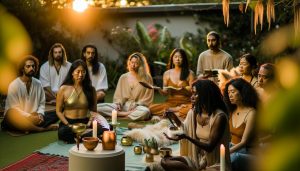
Yoga has become a popular wellness trend, but for Christians, it raises important questions about faith and spirituality. Many wonder if this ancient practice, rooted in eastern philosophies, can coexist with their belief in Christ. As you navigate your faith journey, understanding how yoga intersects with Christian values can provide clarity and peace. This article explores critical perspectives on yoga from a Christian viewpoint, helping you discern whether engaging in this practice aligns with your spiritual convictions. As you read, consider what it means for you to approach holistic well-being while staying anchored in your faith. The insights shared here aim to empower you to make informed, spiritually sound choices that align with your beliefs.
Contents
- 1 The Spiritual Roots of Yoga: Understanding Its Ancient Origins
- 2 Yoga and Christianity: A Faithful Examination
- 3 Theological Concerns About Yoga Practices
- 4 Is Yoga Compatible with Christian Beliefs?
- 5 Exploring the Benefits of Yoga for Christians
- 6 Practical Ways to Integrate Prayer into Yoga
- 7 Navigating Yoga Classes: A Christian’s Guide
- 8 Alternative Spiritual Practices: What Should Christians Know?
- 9 Testimonies: Christians Who Practice Yoga
- 10 Balancing Mind, Body, and Spirit: A Christian Approach
- 11 The Role of Meditation in Christian Spirituality
- 12 Finding Your Personal Path: Yoga for Faith Growth
- 13 FAQ
- 14 Final Thoughts
The Spiritual Roots of Yoga: Understanding Its Ancient Origins
Yoga has deep roots that span back thousands of years, originating in ancient India as a spiritual and philosophical practice. It encompasses a variety of beliefs and techniques that promote physical, mental, and spiritual well-being. Traditionally, yoga includes not only physical postures (asanas) but also meditation, breath control (pranayama), and ethical precepts known as the yamas and niyamas. These elements are interwoven into a holistic approach designed to bring balance and harmony to the individual, aligning them with universal principles.
The origins of yoga are profoundly spiritual, deeply entwined with Hindu, Buddhist, and Jain traditions. Early texts, such as the Vedas and Upanishads, describe yoga as a path to realizing the divine and achieving enlightenment. The Yoga Sutras of Patanjali later codified this practice, emphasizing the importance of mental discipline and ethical living as prerequisites for spiritual awakening. In its original context, yoga was seen as a means to unite the individual’s soul (Atman) with the ultimate reality (Brahman), fostering a deep sense of interconnectedness with the universe.
For many modern practitioners, yoga has evolved into a primarily physical endeavor, often divorced from its spiritual origins. However, even in contemporary interpretations, the philosophical underpinnings of yoga can still pose challenges for Christians who may be wary of its non-Christian roots. It’s crucial for individuals to carefully consider the implications of practicing yoga within a Christian framework, seeking discernment through prayer and guidance from the Scriptures. Understanding the ancient origins of yoga equips believers to engage with the practice thoughtfully, aligning it with their faith in ways that can inspire personal growth while remaining true to their Christian beliefs.
Yoga and Christianity: A Faithful Examination

While yoga has become a popular practice in the modern world, its spiritual roots and profound philosophical implications present challenges for Christians seeking to explore its benefits. It’s essential to engage with yoga thoughtfully, understanding both its origins and how it interacts with a Christ-centered worldview. This thoughtful examination allows Christians to discern whether aspects of yoga can be incorporated into their spiritual practices without compromising their faith.
One of the primary concerns is the spiritual foundation of yoga, which is intertwined with multiple Eastern religions. Traditional yoga promotes concepts such as enlightenment and unity with the universe, which can contrast sharply with the Christian belief in salvation through Jesus Christ. The potential for confusion arises when yoga practices are adopted without considering these philosophical origins. It’s crucial for Christians to approach yoga with discernment, examining not only the physical benefits but also the spiritual implications of the practice. Discernment through prayer and grounding oneself in Scripture can help clarify which elements may be compatible with one’s faith journey.
Moreover, many Christians report experiencing benefits from yoga that align with Christian values, such as mindfulness and stress relief, which can enhance one’s prayer life and overall well-being. By focusing on breath control and meditation, practitioners can immerse themselves in a deeper awareness of their relationship with God. If approached correctly, yoga can serve as a tool for enhancing one’s understanding of prayer and reflection. It’s vital, however, to keep one’s focus on Christ, using meditation to contemplate Scripture and foster a closer connection with God rather than adopting practices that stray from Christian teachings.
Ultimately, a faithful examination of yoga requires ongoing dialogue within the Christian community, encouraging believers to share their experiences and insights. This examination allows individuals to make informed decisions and nourish their faith while also exploring healthy and beneficial practices for the mind and body. In this way, Christians can create a space where faith and practice coexist harmoniously, prioritizing their devotion to Christ while engaging in activities that promote physical and mental well-being.
Theological Concerns About Yoga Practices
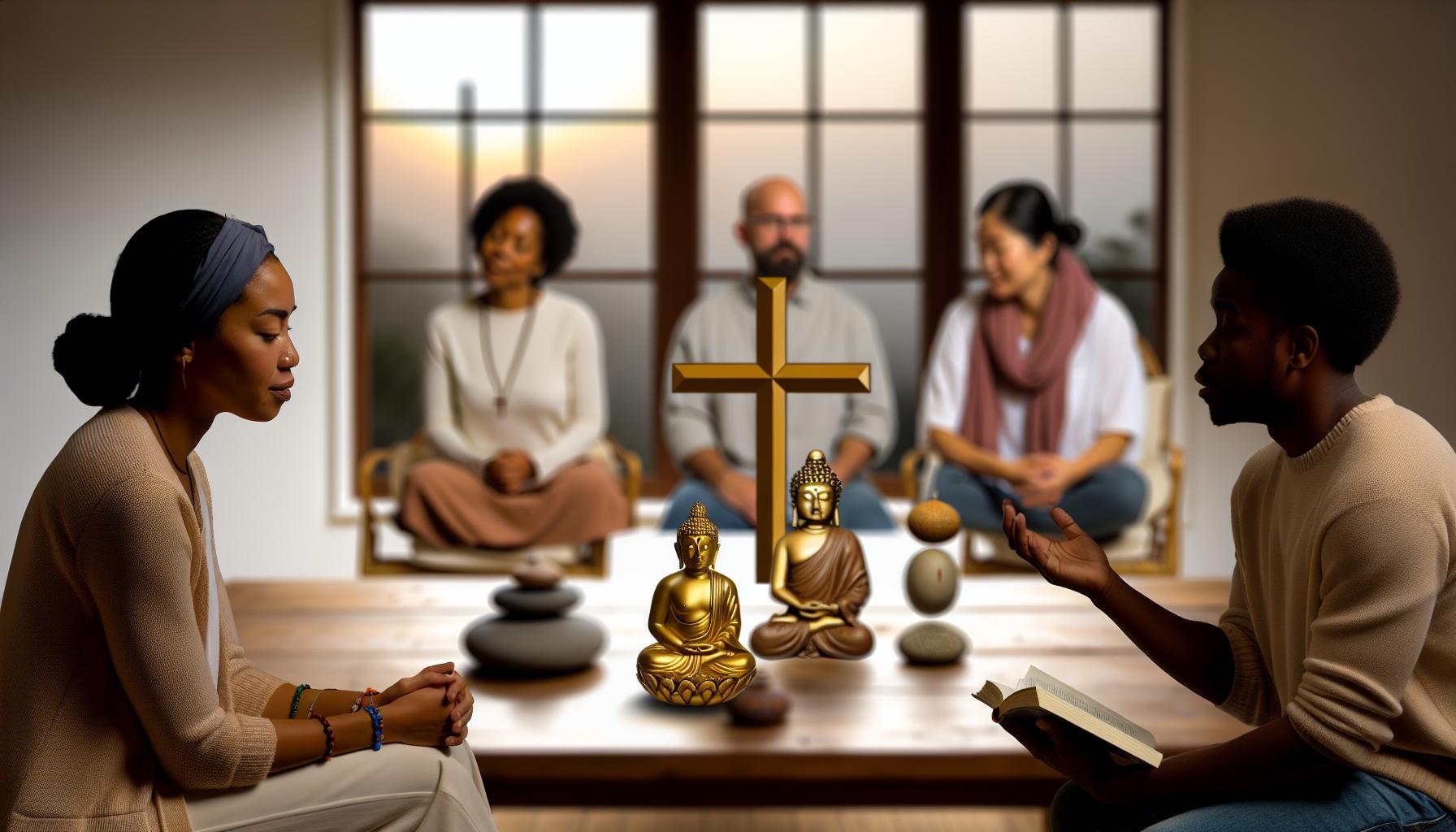
As Christians consider the practice of yoga, it’s crucial to address the theological concerns surrounding its roots and practices. Many believers find themselves at a crossroads where the physical benefits of yoga are appealing, but the spiritual implications can be unsettling. Yoga, steeped in Eastern philosophy and often associated with Hindu and Buddhist traditions, raises profound questions regarding its compatibility with a Christian worldview. At the heart of these concerns is the concept of unity and enlightenment that yoga promotes, which can be at odds with the Christian belief of salvation through Jesus Christ alone.
An essential aspect of exploring yoga involves understanding its philosophical underpinnings. Instead of seeing yoga merely as a physical workout, it’s vital to acknowledge that the practice is often engulfed in a spiritual journey seeking enlightenment-something starkly different from the grace found in Christianity. As Scripture reminds us, “For by grace you have been saved through faith, and that not of yourselves; it is the gift of God” (Ephesians 2:8). Engaging in practices grounded in other belief systems can lead to theological confusion, prompting believers to vacillate between distinct faith viewpoints.
To navigate this landscape thoughtfully, Christians are encouraged to exercise great discernment. Prayer and seeking guidance from the Holy Spirit play critical roles in determining what practices align with one’s faith. Believers should consider incorporating elements that foster a deeper relationship with Christ, centering their focus on prayers of gratitude and reflection instead of adopting the meditative practices that diverge from biblical teachings. By refining one’s approach, believers can be assured of cultivating a practice that uplifts rather than dilutes their faith.
Ultimately, engaging with the theological concerns about yoga necessitates a commitment to ongoing prayer and community dialogue. As Christians share their experiences and insights, they can collectively identify practices that enhance spiritual growth while staying rooted firmly in Scripture. This journey-marked by grace and wisdom-can empower individuals to discern thoughtfully how to approach yoga in a manner that nurtures, rather than jeopardizes, their faith.
Is Yoga Compatible with Christian Beliefs?

As the practice of yoga gains popularity, many Christians find themselves grappling with the question of compatibility with their faith. While yoga can offer physical benefits, it’s essential to examine its spiritual roots and implications carefully. For instance, yoga is often infused with concepts of enlightenment and unity, which can conflict with core Christian beliefs focused on attaining salvation exclusively through Jesus Christ (John 14:6). This dichotomy raises important considerations for a believer’s pursuit of holistic well-being.
In considering whether yoga aligns with Christian beliefs, it’s crucial to remember that not all yoga practices are created equal. Some individuals approach yoga strictly for its fitness and stress-relief aspects, while others might engage with its deeper spiritual dimensions. Believers can navigate this terrain by prioritizing their relationship with Christ and maintaining a clear distinction between secular yoga practices and those that incorporate spiritual exercises aligned with biblical teachings.
Discernment in Practice
For Christians contemplating yoga, discernment is key. Engaging in prayer before participating in any yoga class or practice can illuminate whether it serves one’s spiritual journey or risks diverting focus from God. Incorporating prayer into yoga practices can transform the experience, making it a form of worship rather than a spiritual journey toward enlightenment. For example, consider using specific verses of Scripture during poses or breathing techniques, allowing these moments to become personal devotions that draw you closer to God instead of removing you from Him.
Balance and Integration
Creating a balance between engaging in physical exercise and nurturing one’s spiritual walk is critical. When exploring yoga, Christians can focus on deep breathing, stretching, and mindfulness-elements that can be beneficial for physical health without delving into the spiritual aspects that conflict with Christian doctrine. Through this intentional, balanced approach, believers can develop a well-rounded health routine that respects their faith while embracing the positive physical outcomes that yoga can offer.
Ultimately, whether yoga is compatible with Christian beliefs will depend on one’s heart posture, intent behind the practice, and commitment to remaining rooted in the truth of Scripture. As Christians embark on this journey, they may discover pathways for integrating their faith into various aspects of life-yoga included-by redefining practices to align with their spiritual convictions.
Exploring the Benefits of Yoga for Christians
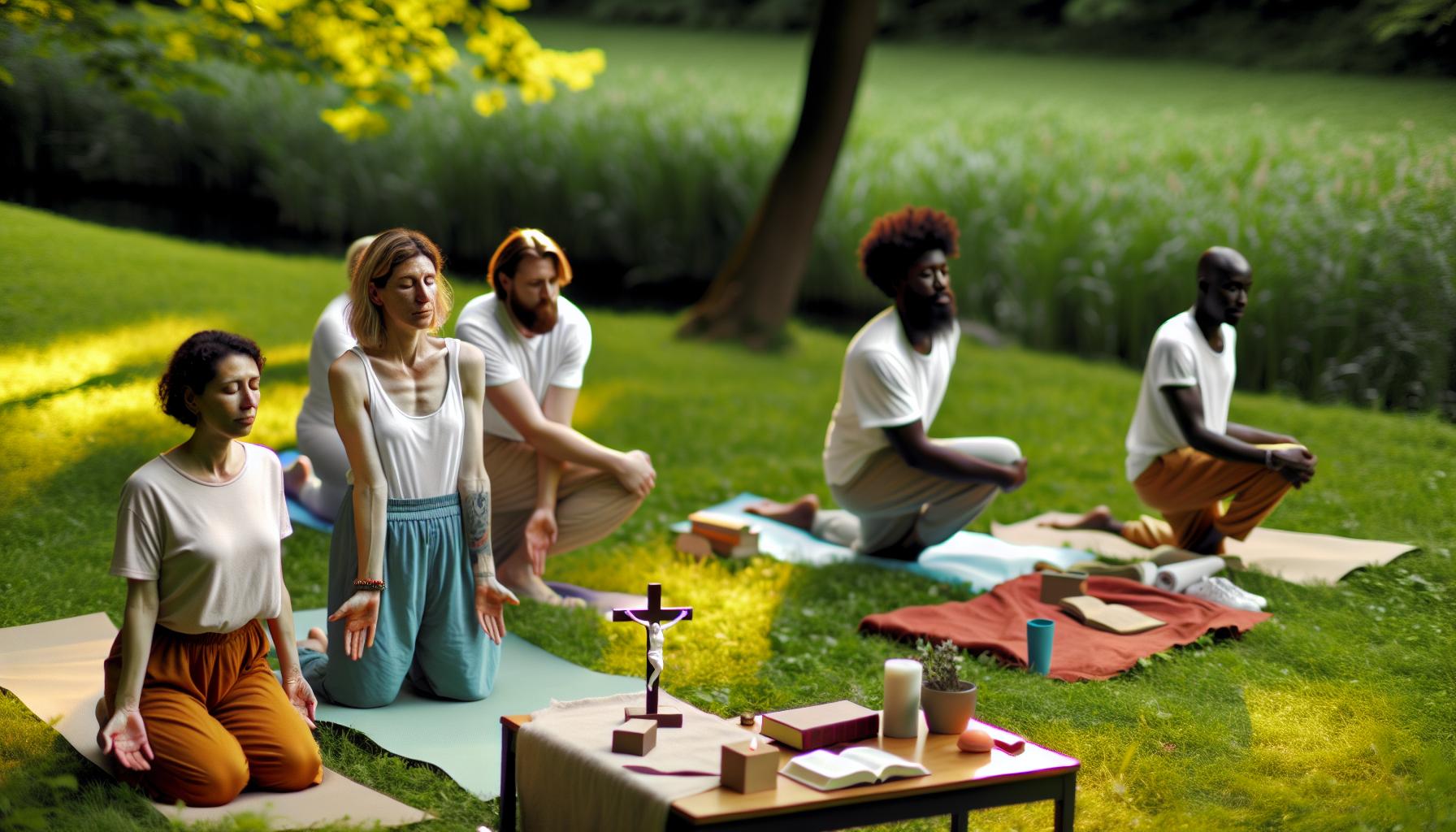
The practice of yoga, when approached thoughtfully, can offer numerous benefits to Christians seeking to enhance their physical, emotional, and spiritual well-being. As stressors of everyday life increase, individuals are often seeking methods to cultivate peace and strength. Integrating physical movement with mindfulness can be a powerful way to not only improve one’s health but also to draw closer to God.
One of the main advantages of yoga is its ability to promote relaxation and reduce anxiety, which can be crucial for Christian believers navigating the challenges of life. Engaging in regular yoga practice encourages deeper breathing and mindfulness, helping individuals center themselves and release thoughts that may detract from their ability to connect with God. Incorporating prayer into these moments can further enhance the experience, transforming a simple yoga session into a sacred time of communion with the Lord. For instance, one might dedicate specific poses to specific prayers or use calming breath work to meditate on Scripture verses, reinforcing a sense of divine presence throughout the practice.
Moreover, yoga can serve as a physical expression of faith. Many Christians find that the intentional movements and postures can be aligned with biblical principles of stewardship over one’s body. In 1 Corinthians 6:19-20, we are reminded that our bodies are temples of the Holy Spirit. By engaging in yoga, believers demonstrate care for their physical bodies, fostering strength and flexibility that can enhance their overall well-being.
Lastly, yoga encourages community and fellowship, offering opportunities for Christians to join together in their journey toward better health. Group classes can create a sense of camaraderie and support, where individuals share both their physical and spiritual growth. Embracing yoga within a Christian framework allows for meaningful connections and discussions about faith, helping to build relationships among believers looking to grow together.
In conclusion, while the spiritual roots of yoga may present challenges, a Christian approach-rooted in biblical teaching-can unlock its many benefits. By maintaining a heart posture oriented toward God, integrating prayer and Scripture, and embracing community, Christians can navigate the practice of yoga in a way that honors their faith and promotes holistic well-being.
Practical Ways to Integrate Prayer into Yoga
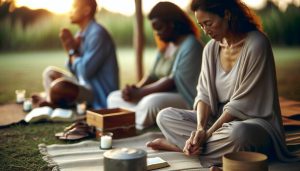
Incorporating prayer into your yoga practice can transform an otherwise secular experience into a deeply spiritual journey. As Christians, we recognize the power of prayer and the importance of communicating with God in every aspect of our lives, including physical exercise. By weaving prayer and reflection into your yoga routine, you create sacred space where body, mind, and spirit unite in worship and connection to the Lord.
One effective method is to dedicate each pose to a specific prayer or intention. For instance, as you enter a standing pose, you might offer thanks for the strength and health of your body, while in a forward fold, envision yourself letting go of burdens or worries. This alignment of physical movement with prayer fosters a profound sense of mindfulness and spiritual awareness. You might say a brief prayer or find a Bible verse that resonates with you to meditate on during each session. For example, Psalm 46:10, “Be still, and know that I am God,” augments the meditative aspect of your practice, encouraging tranquility and focus on His presence.
Additionally, consider integrating breathwork as a form of prayer. Each inhalation can represent receiving God’s love and grace, while each exhalation can symbolize releasing stress or distractions. This mindful breathing not only enhances physical well-being but also deepens your communion with God. It allows you to center your thoughts and remain present, creating a rhythm that connects your body to your spiritual life.
Creating a short prayer routine before or after your yoga session can also be beneficial. You could designate a few minutes to read a devotional, reflect on a passage of Scripture, or pray specifically for the issues you’re facing in your life or the lives of those around you. This practice not only sets a spiritual tone for your session but also reinforces your relationship with Jesus through dedicated time spent in prayer and worship.
Incorporating these practices into your yoga can help cultivate a more enriching experience where physical movement becomes a beautiful expression of your faith, encouraging holistic growth and a closer relationship with God. Through intentional prayer, believers can transform yoga into a powerful practice that honors their commitment to Christ while nurturing their body and spirit.

As you consider stepping into a yoga class, it’s essential to approach the experience with awareness and intention. For many Christians, yoga can be a beneficial practice for physical fitness and stress relief; however, navigating the spiritual undertones can be challenging. Embracing yoga as a tool for enhancing your spiritual life involves separating its physical benefits from its often extensive spiritual associations, which may not align with your Christian beliefs.
Start by choosing classes that emphasize the physical aspects of yoga-focus on strength, flexibility, and stress management. Look for studios that offer “yoga for fitness” or “athletic yoga” rather than classes that deeply engage with Eastern spirituality, such as Hatha or Kundalini. When reading class descriptions, pay attention to phrases that suggest meditation, chanting, or visualization practices that could lead away from a Christian understanding. You deserve a safe space to nurture your body without conflicting ideologies.
As you enter a class, consider establishing personal boundaries. This might involve silently praying or setting intentions that reinforce your faith before engaging physically. You can practice deep breathing exercises-not only to connect with your body but also as a form of worship. For example, visualize God’s presence filling your heart with each inhale and releasing your worries with every exhale. If the instructor incorporates affirmations or mantras that do not align with your Christian values, gently remind yourself of your own affirmations rooted in Scripture, like Philippians 4:13, “I can do all things through Christ who strengthens me.”
In addition to being mindful of the environment, engage with your instructor and fellow participants from a place of grace. It can be inspiring to share your journey and encourage others about the balance of body, mind, and spirit from a Christian perspective. Ultimately, if any aspect of a class feels uncomfortable or contradicts your faith, trust your instincts and seek another option that better aligns with your beliefs. Use this journey as an opportunity to grow closer to God, affirming His place in every facet of your life, including your physical wellness practices.
Alternative Spiritual Practices: What Should Christians Know?

In a culture that frequently explores alternative spiritual practices, Christians may find themselves navigating a landscape filled with varying beliefs and methodologies. Many non-Christian spiritual practices, such as yoga, focus on enhancing mindfulness, presence, and well-being. While these practices can be beneficial in fostering a greater sense of self-awareness and peace, it is crucial for believers to discern how they align with biblical teachings and their personal faith journey. Understanding the underlying philosophies and origins of these practices can provide clarity on their compatibility with Christianity.
When it comes to exploring alternative spiritual practices, Christians should approach each practice through a lens of biblical wisdom. For instance, practices like meditation can align with Christian teachings if they are rooted in Scripture and directed toward enhancing one’s relationship with God. Engaging in meditation that centers on God’s Word, such as focusing on a specific verse or prayer, can transform what may otherwise stem from secular practices into a powerful tool for spiritual growth. When participants in any alternative practice begin to intertwine their exercises with personal prayers and reflections on Scripture, they elevate the experience beyond mere self-exploration to one of divine connection.
Moreover, Christians should remain vigilant about the sources and instructors associated with these alternative practices. It’s important to prioritize environments and teachings that honor and glorify God. Searching for classes or programs that promote practices grounded in Christian principles ensures that believers can engage in well-being exercises without straying from their faith commitments. Seek out Christian-focused meditation sessions, for instance, to ensure that the guidance reinforces their relationship with God and does not engage in practices that conflict with biblical truths.
Ultimately, engaging with alternative spiritual practices can serve as an opportunity for deeper exploration of one’s faith. By approaching these practices with intentionality and discernment, Christians can enrich their spiritual walk while benefiting from techniques that promote mental, physical, and emotional well-being. Grounding each experience in prayer and reflection helps believers navigate these waters with grace, creating spaces where their faith can flourish amid diverse practices. Remember, as you pursue practices that boost your mindfulness and wellbeing, infusing them with faith transforms them into holy rhythms of rest that align beautifully with God’s design for our lives.
Testimonies: Christians Who Practice Yoga
Many Christians who practice yoga find that it serves not only as a means of physical exercise but also as a profound avenue for spiritual connection. For them, yoga is not just about flexibility and strength; it’s a pathway that enhances their prayer life and deepens their relationship with God. As believers incorporate movements, breathing techniques, and moments of stillness into their routines, they often experience a beautiful synergy of body, mind, and spirit.
Real Stories of Faith and Yoga
One testimony comes from Sarah, a mother of three, who began practicing yoga as a way to cope with the stresses of parenting. Initially drawn to the physical benefits, she soon discovered that the meditative elements mirrored her quiet prayer times. She shares, “During savasana, I visualize laying my burdens before God, and I find clarity and peace that extends beyond the mat. It’s become my sacred time to connect with Him.” For Sarah, yoga has evolved into a powerful ritual that blends her faith with self-care, proving a versatile tool in her spiritual toolkit.
Another inspiring story is from Mark, a church leader who integrates prayer with yoga. He explains that he uses intentional prayers while practicing poses like the Warrior or Tree, making each movement an act of worship. “I often pray for strength and balance in my life as I hold these poses,” he explains. This approach not only enhances his physical practice but also aligns his focus with God’s purpose for his life. Through his experience, Mark encourages others to explore how bodily movement can complement their spiritual lives, suggesting that faithful movement can become a form of worship.
As believers consider integrating yoga into their lives, they might reflect on their intentions and practices to ensure that they remain grounded in faith. Those who have found joy in this practice often emphasize the importance of maintaining a focus on Christ while engaging in physical exercises. By combining the principles of yoga with steadfast devotion-whether through scripture meditation or prayer-many Christians have discovered new depths of spiritual growth, showing that their faith can thrive in diverse environments.
In sharing these testimonies, we see that for some Christians, yoga can be an enriching addition to their spiritual practices, promoting not only physical health but also a deeper connection with God. As each individual navigates their journey, it is essential to approach yoga with a discerning heart, seeking ways to align the practice with personal faith and God’s teachings.
Balancing Mind, Body, and Spirit: A Christian Approach
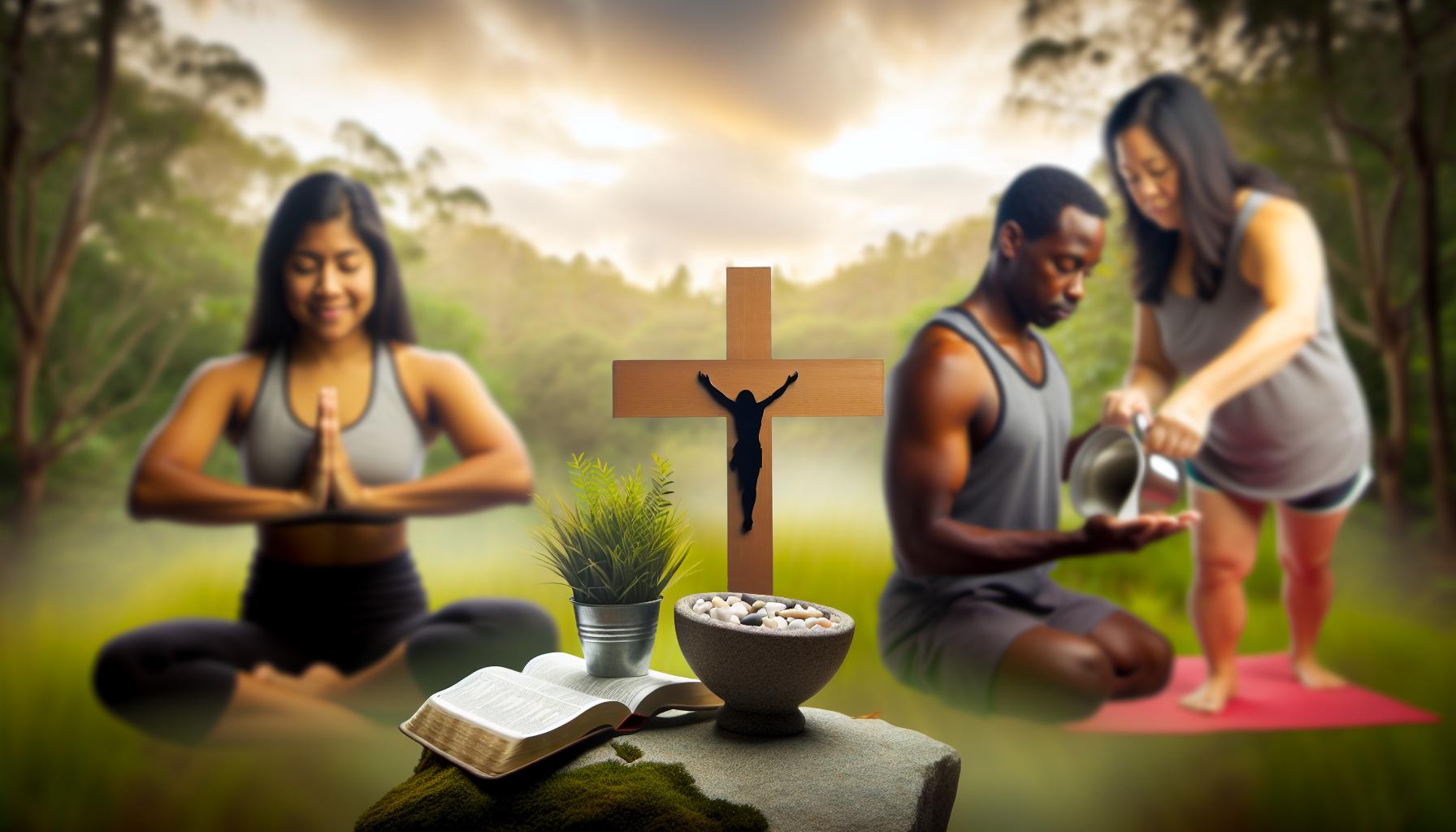
To navigate the complexities of integrating yoga into a Christian faith life, it’s vital to establish a practice that fosters harmony between the body, mind, and spirit. Many Christians find that yoga, when approached with intention, can serve not just as physical exercise, but as a means of spiritual growth and heartfelt worship. The physical postures of yoga, coupled with reflective breathing techniques, can create a space for profound connection with God. Engaging in movement while inviting His presence can transform your practice into an act of devotion.
In your practice, consider incorporating scripture meditation as you flow through poses. For instance, reflect on verses such as Philippians 4:6-7, which encourages us to present our worries to God through prayer, or Psalm 46:10, which calls us to “be still” and recognize His sovereignty. Allow these scriptural insights to guide your thoughts during each pose. Create a sacred rhythm where your physical movements echo your spiritual journey, recognizing that each breath can be an offering of gratitude or a prayer for guidance.
Additionally, intentional prayers can be woven into the fabric of your practice.
Set Specific Intentions
Begin each session by setting an intention, perhaps focusing on an area of your life that could use God’s grace or illumination. This practice not only allows for self-reflection but also invites God into your space, making your yoga practice a profoundly spiritual experience. For example, as you flow into the “Warrior” pose, contemplate your inner strength and the spiritual battles you face, praying for His power to overcome challenges.
Furthermore, creating a community around your yoga practice can significantly enhance your spiritual journey. Seek out fellow believers who share an interest in yoga and form a group that meets for prayer and practice. Sharing insights, discussing scripture, and encouraging each other can deepen both your physical practice and your connection with God. By establishing a balance of mind, body, and spirit in your yoga practice, you uphold the principles of Christian faith while embracing the benefits of this ancient discipline. Ultimately, the goal is to facilitate an enriching spiritual experience that draws you closer to Christ, empowering you to live out your faith vibrantly in all facets of life.
The Role of Meditation in Christian Spirituality
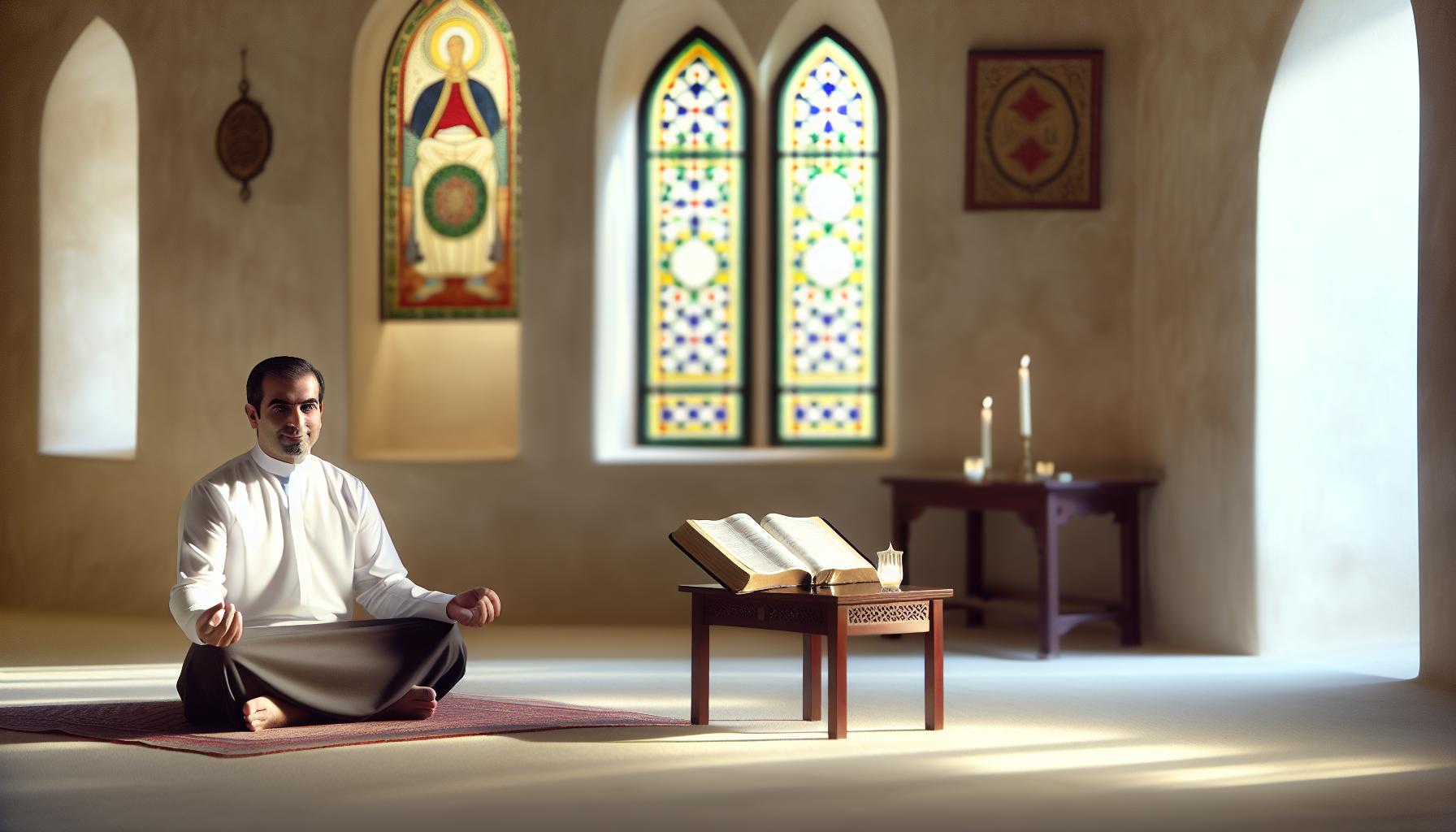
Meditation holds a significant place in the Christian faith, often misunderstood but vital for deepening one’s relationship with God. This practice goes beyond simply emptying the mind; it invites believers to engage their thoughts on the truths of Scripture and the nature of God. By focusing on His Word, Christians can cultivate a greater awareness of His presence, which ultimately leads to spiritual growth and transformation. As Psalm 1:2 encourages, “but his delight is in the law of the Lord, and on his law he meditates day and night,” it is through this deep reflection that we can align our hearts with God’s will.
In a world filled with distractions, meditation serves as a powerful tool to refocus our minds on Christ. One practical way to incorporate meditation into your spiritual routine is to select a specific Scripture passage. Engage in a deliberate process of reading it several times. Ask yourself: What does this mean for my life? How can I apply this message today? Allowing these questions to guide your meditation creates an intimate dialogue with God, enhancing your understanding and commitment to His teachings.
Moreover, integrating prayer into your meditation practice can significantly enrich your spiritual experience. Begin by taking a few moments to quiet your mind and invite the Holy Spirit to guide your thoughts. Then, reflect on a Scripture passage, considering its implications in your life. Afterward, spend time in prayer, thanking God for His guidance and asking for insight into areas where you feel uncertain or lost. This combination of meditation and prayer nurtures a holistic approach to your spiritual journey, fostering a deeper connection with God.
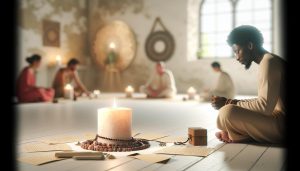
Lastly, creating a dedicated space for meditation can greatly enhance your practice. Whether it’s a quiet corner of your home or a favorite outdoor spot, having a designated area helps establish a routine. Fill this space with items that inspire worship, such as candles, Scripture cards, or soothing music. As you consistently return to this space, it becomes a sacred retreat where you can focus on meditating on God’s Word, allowing His truth to transform your heart and mind. In this way, meditation not only helps to center your thoughts but also deepens your relational intimacy with the Creator, making it an invaluable practice in the Christian faith.
Finding Your Personal Path: Yoga for Faith Growth

Discovering a harmonious path that integrates the ancient practice of yoga into a Christ-centered lifestyle requires thoughtful discernment and intentional action. As Christians seek ways to enhance their faith journey, yoga can serve as a tool for physical and spiritual growth, provided it is approached with a clear understanding of its implications and alignment with biblical values. Emphasizing mindfulness and intentionality, believers can use yoga to foster deeper connections with God and themselves.
One way to cultivate this balance is to incorporate prayer and Scripture meditation into your yoga sessions. As you flow through your poses, consider reciting verses that resonate with your intentions. For example, while in a steady pose like Warrior II, reflect on Isaiah 40:31: “But those who hope in the Lord will renew their strength.” This intentional merging of physical postures with spiritual affirmations invites God’s presence into your practice, transforming it from a mere workout into a sacred experience.
Another essential aspect is to remain grounded in your core belief system. Before starting any session, take a moment to pray for guidance, asking the Holy Spirit to direct your heart and mind. This preparation not only centers your thoughts but also establishes a foundation of faith over the practice, allowing you to discern what feels right for your spirit.
To further enhance your experience:
- Choose classes wisely: Look for instructors who respect individual spiritual beliefs and encourage a positive and inclusive environment.
- Establish a routine: Consistency in practice not only aids in physical benefits but also solidifies your time with God, helping you create specific moments for reflection and growth.
- Engage in community: Finding like-minded individuals who also incorporate their faith into yoga can foster a supportive network that encourages spiritual and personal growth.
By intertwining your yoga practice with faith, you create a unique space for growth that honors both your physical health and your relationship with God. This journey requires adaptability and openness, allowing you to find your personal path that resonates with both your body and spirit, ultimately leading to a fuller expression of faith in everyday life.
FAQ
Q: Can Christians practice yoga without compromising their beliefs?
A: Yes, Christians can practice yoga by focusing on the physical aspects and avoiding spiritual elements that conflict with their faith. It’s important to stay mindful of personal beliefs while incorporating prayer or scripture into the practice. See “Practical Ways to Integrate Prayer into Yoga” for guidance.
Q: What are the main spiritual concerns about yoga for Christians?
A: Many Christians express concern that yoga’s spiritual roots, rooted in Hinduism, may conflict with Christian beliefs. Traditional yoga practices may involve meditation or philosophies that diverge from Christianity. Explore “Theological Concerns About Yoga Practices” for a deeper understanding.
Q: How can yoga be adapted for Christian spirituality?
A: Yoga can be adapted by combining physical exercises with Christian meditation or scripture readings. This allows practitioners to cultivate mindfulness and relaxation while centering their practice in faith. For more, refer to “The Role of Meditation in Christian Spirituality.”
Q: Are there alternative practices for Christians who want the benefits of yoga?
A: Yes, Christians can engage in activities like Pilates, stretching, or Christian meditation, which offer benefits similar to yoga without the spiritual risks. This is discussed further in “Alternative Spiritual Practices: What Should Christians Know?”
Q: What specific yoga practices should Christians avoid?
A: Christians should avoid yoga practices that include chanting mantras, meditation techniques promoting detachment from the self, or any elements that invoke foreign spiritual beliefs. Refer to “Yoga and Christianity: A Faithful Examination” for detailed guidance.
Q: Is there a difference between yoga classes for Christians and traditional classes?
A: Yes, yoga classes designed for Christians often focus on physical movement and may incorporate prayer and scripture, avoiding spiritual elements contrary to Christian doctrine. Look into “Navigating Yoga Classes: A Christian’s Guide” for more insights.
Q: How can I start a personal yoga practice that aligns with my Christian faith?
A: Begin by focusing on the physical aspects of yoga, such as poses and breathing techniques, while incorporating prayer or reflecting on scripture. “Finding Your Personal Path: Yoga for Faith Growth” provides practical advice for starting this journey.
Q: What are the benefits of yoga specifically for Christians?
A: Yoga can improve physical health, reduce stress, and enhance mental clarity, all beneficial for spiritual growth. When approached mindfully, it can foster a deeper connection to one’s faith. See “Exploring the Benefits of Yoga for Christians” for more information.
Final Thoughts
As we reflect on “Is Yoga Godly: Christian Perspective on Ancient Practice,” it’s clear that our journey of faith encompasses the exploration of various practices and their alignment with our beliefs. Remember, it’s essential to approach yoga with discernment, ensuring that our focus remains on God and Scripture. If you’re seeking more insights, check out our articles on Prayer Life and Biblical Meditation for enriching practices that foster deeper spiritual connection.
Don’t miss out! Subscribe to our newsletter for daily devotionals, encouraging messages, and practical faith resources tailored for your Christian journey. Share your thoughts in the comments or connect with others who are navigating similar questions. Your experience matters, and together we can grow in understanding and faith. Dive deeper into our resources on Spiritual Practices and Christian Living to find tools that support your walk with God today.
Join us in nurturing your faith-let’s empower each other as we explore, learn, and grow in Christ!