
In a world bustling with distractions, nurturing a child’s faith can feel like a daunting task. “Kids Daily Devotional: Bible Fun That Builds Strong Faith” offers a delightful journey that not only captures children’s attention but also deepens their understanding of God’s love and teachings. Through engaging stories, interactive activities, and relatable lessons, this devotional provides young hearts with the tools they need to build a strong foundation in their faith. Parents and caregivers often seek ways to instill biblical values while keeping their little ones excited about their spiritual journey. With each entry, children will discover how to connect the lessons of the Bible to their everyday lives, fostering an authentic relationship with God. Encourage your child to explore these pages filled with prayer prompts, scripture studies, and fun challenges that make learning about faith enjoyable. As they embark on this adventure, they will not only grow in knowledge but also in the joy of knowing Christ personally. Get ready to inspire a lifelong passion for God’s Word, one devotional at a time!
Contents
- 1 Kids Daily Devotional: Engaging Activities for Young Hearts
- 2 The Importance of Daily Devotionals for Children
- 3 Creative Ways to Make Bible Study Fun
- 4 Interactive Bible Stories that Teach Strong Values
- 5 Prayer Techniques to Enhance Kids’ Spiritual Growth
- 6 Building Faith Through Family Devotions
- 7 Crafts and Games that Reinforce Biblical Lessons
- 8 Using Multimedia for Dynamic Faith Engagement
- 9 Age-Appropriate Bible Verses for Kids
- 10 Encouraging Spiritual Conversations with Your Children
- 11 Tips for Parents on Daily Devotional Practices
- 12 Nurturing a Personal Relationship with God from a Young Age
- 13 FAQ
- 14 Closing Remarks
Kids Daily Devotional: Engaging Activities for Young Hearts

Every child has a natural curiosity and a vibrant imagination that can be beautifully harnessed through engaging activities that draw them closer to God. Incorporating daily devotionals does not have to be a chore; instead, it can be a joyful experience full of discovery and connection. Consider creating a family devotional time that feels inviting and playful, allowing your little ones to explore their faith in a way that resonates with them. One effective method is to set a specific time each day for your devotional activities, making it a beloved routine that children can look forward to.
To foster engagement, incorporate a variety of sensory experiences. For instance, use interactive Bible stories with visual aids like illustrations or puppets to capture their attention. Storytelling can transform passages from Scripture into imaginative adventures, encouraging children to act out the narratives. Additionally, consider utilizing hands-on activities such as crafts related to the lesson or cooking simple recipes that tie into Biblical themes, making the experience both personal and memorable.
Another wonderful way to engage young hearts is through nature walks that reflect on God’s creation. Each walk can start with a prayer, followed by discussions about different plants and animals, sparking curiosity about God’s wonders. This combination of worship, creativity, and exploration strengthens their connection to faith, instilling values such as gratitude and awe for the world around them.
Lastly, encourage participation by allowing kids to lead prayers or choose devotionals. This not only empowers them but also cultivates a sense of ownership over their spiritual journey, nurturing their relationship with God. Through these enriching activities, daily devotionals can become a delightful part of living out faith, ensuring that children are not just learning about God but actively experiencing His love and teachings.
The Importance of Daily Devotionals for Children
The journey of faith begins at a young age, making daily devotionals for children not just beneficial but essential. Engaging children in spiritual practices fosters a sense of belonging and cultivates a strong foundation for their beliefs. When children participate in daily devotionals, they learn to connect with God on a personal level, which nurtures their understanding of His love and guidance. This practice allows them to explore the richness of scripture, developing their moral compass and values as they grow.
One of the key benefits of daily devotionals is the opportunity for children to find comfort and hope in God’s word. By regularly reading Bible verses and discussing their meanings, children begin to internalize important spiritual truths that resonate with their everyday experiences. For instance, sharing stories of resilience, such as David’s victory over Goliath, can instill the values of courage and faith when facing challenges. This spiritual discovery not only enriches their minds but also influences their hearts, guiding their actions in the world.
In addition to providing spiritual education, daily devotionals can significantly strengthen family bonds. When families engage in shared devotionals, they create a sacred space that promotes open communication and connection. This time becomes an avenue for parents to model their faith and discuss life lessons through biblical principles. Parents who make these discussions a routine contribute greatly to their children’s spiritual resilience, instilling in them the assurance that they are never alone in their struggles.
Finally, establishing a daily devotional practice encourages children to express their spirituality creatively. Whether through art, music, or storytelling, children can engage with their faith in ways that are meaningful to them. These experiences not only make biblical teachings more relatable but also empower children to take ownership of their spiritual journeys, fostering a lifelong love for learning about God. By embracing daily devotionals, we set the stage for children to build strong, faith-filled lives that will guide them through life’s ups and downs.
Creative Ways to Make Bible Study Fun

To create an engaging and fun Bible study experience for children, it’s important to think outside the box and incorporate a variety of activities that capture their imagination and curiosity. Kids learn best when they are actively involved, so consider using games, crafts, and interactive storytelling to explore biblical lessons. By incorporating creativity into your daily devotionals, you can help children develop a deeper understanding of their faith while enjoying the process.
One effective method to make Bible study enjoyable is through interactive storytelling. Instead of simply reading Bible stories, encourage children to act them out. For example, after discussing the story of Jonah, have the kids create a “Jonah and the Whale” puppet show, where they can take on different roles. This not only promotes understanding of the story’s message but also enables children to express themselves creatively. To enhance learning, you might include props or costumes that represent elements of the narrative, making it a memorable experience.
Crafts provide a wonderful avenue for reinforcing biblical concepts while allowing for hands-on creativity. Organizing a simple craft activity related to a Bible verse can enhance a child’s learning experience. For instance, if discussing Psalm 23, children can create a sheep craft using cotton balls and construction paper. As they work on their projects, discuss the verse and its meaning, weaving in conversation about God’s comfort and guidance. This craft not only provides a visual reminder of the teachings but engages children in a tactile way, making the lesson stick.
Incorporating music and movement can also be an exciting addition to Bible study. Set Bible verses to popular tunes or create a fun dance to a song that speaks of God’s love and promises. Singing and dancing help children express their joy and enthusiasm for their faith. Additionally, consider introducing Bible-themed games such as scavenger hunts or trivia to encourage friendly competition and collaborative learning, turning the study into an adventure.
Ultimately, the goal is to create an environment where children can connect with their faith in meaningful ways. By employing creativity in daily devotionals through storytelling, crafts, music, and games, you’ll not only captivate their attention but also nurture a lasting love for God and His word. Make each session a joyful occasion that children look forward to, helping them to build a strong and enduring faith that lasts a lifetime.
Interactive Bible Stories that Teach Strong Values

Scripture is filled with rich narratives that not only tell the stories of God’s people but also impart deep moral lessons. Engaging children with interactive Bible stories can instill strong values in their hearts while making learning fun. One way to do this is by employing dramatic play where children recreate scenes from the Bible. For example, acting out the Good Samaritan story allows kids to visually understand compassion and kindness. They can take turns playing different roles, experimenting with dialogue, and expressing emotions tied to the narrative. This play-based approach deepens their understanding and makes the values discussed more memorable.
Another effective method is to transform biblical tales into interactive games. For instance, the story of David and Goliath can be turned into a physical activity where children face fun “challenges” that mirror David’s courage. Create stations with simple tasks that require bravery or teamwork, reinforcing the lesson about facing giants in our lives. This hands-on activity not only teaches valuable lessons about bravery and faith but also encourages teamwork and problem-solving skills.
Utilizing multimedia resources can also enhance the learning experience. Animated Bible story videos followed by discussions can spark curiosity and prompt questions from the children, encouraging them to think critically about the messages conveyed. After watching, parents can ask open-ended questions like, “What part of the story stood out to you?” or “How can we show love like the Prodigal Son’s father?” This dialogue fosters deeper connections to the stories, making the lessons more personal.
Integrating craft projects related to the stories gives children a tangible reminder of the lessons learned. For example, after discussing the story of Noah’s Ark, children can create their own colorful ark and animals using recycled materials. As they craft, encourage them to reflect on God’s promises and how they can trust Him in their lives. By weaving these stories into interactive activities, games, and crafts, you nurture spiritual growth and essential life values in a way that resonates with young hearts.
Prayer Techniques to Enhance Kids’ Spiritual Growth

Prayer is a powerful tool that can significantly enhance children’s spiritual growth, laying a strong foundation for their faith journey. Engaging children in prayer teaches them the importance of communication with God, helping them cultivate a personal relationship that can last a lifetime. To make this experience meaningful, consider introducing various prayer techniques that resonate with young hearts and minds.
One effective approach is to use guided prayer. Encourage kids to express their thoughts and feelings by providing them with a simple structure to follow. This could include thanking God, asking for help, and praying for others. For instance, you might say: “Let’s thank God for our family and friends, ask for help with any worries, and pray for those who need support.” This method not only simplifies the concept of prayer but also encourages children to think beyond their own needs, fostering empathy and concern for others.
Another engaging practice is to incorporate creative prayer activities. For example, children can create a prayer jar decorated with colorful paper and stickers. They can write down their prayer requests or things they are thankful for on slips of paper and place them in the jar. This visual representation can serve as a reminder for them to pray regularly, and you can revisit the jar together during family devotions to see how God has answered their prayers. Involving crafts not only makes prayer more enjoyable but also instills the habit of regular communication with God.
In addition, consider utilizing the power of scripture in prayers. Teaching children to incorporate Bible verses can deepen their understanding and connection to God’s word. A simple approach is to choose a verse each week related to a common theme, such as love or courage, encouraging them to pray through those scriptures. For example, if you focus on Philippians 4:6-7 (“Do not be anxious about anything…”), prompt kids to pray about their worries in light of this verse. This practice not only solidifies their biblical knowledge but reinforces the reassurance that comes from God’s promises.
Ultimately, making prayer a fun, interactive, and integral part of children’s daily lives can lead them to a robust spiritual development. Encourage them with different engaging techniques while reminding them that prayer is a safe space to express their thoughts, fears, and gratitude. By nurturing their ability to communicate with God from a young age, you are empowering them to grow into faithful, prayerful individuals grounded in their faith.
Building Faith Through Family Devotions

Creating a nurturing environment for spiritual growth within the family is essential for fostering strong faith in children. Engaging in family devotions can be a transformative experience that not only enhances children’s understanding of scripture but also strengthens family bonds. This practice can involve reading Bible stories together, discussing their meanings, and applying the lessons learned to everyday life. Not only does it create a routine of spiritual engagement, but it also instills a sense of unity and purpose as a family centered around God.
One practical approach is to set aside a specific time each week for devotions, making it a consistent family ritual. This could be during mealtime, before bed, or on weekends when everyone can gather without feeling rushed. During these times, families can take turns reading passages from the Bible, allowing each member to share their thoughts and questions. This open dialogue encourages children to engage with the scriptures actively and develop their own interpretations and beliefs. Sharing personal reflections about how certain stories relate to their lives can also enhance their understanding and application of biblical teachings.
Incorporating diverse activities into family devotion time can make these moments more engaging and impactful. For instance, families could include praise and worship by singing together or even acting out Bible stories, which helps to reinforce the lessons in a fun and memorable way. Crafts that relate to the devotion themes can serve as visual reminders of the teachings. Additionally, maintaining a family prayer journal can be a wonderful tool to document prayer requests, answered prayers, and reflections from each devotion session, reinforcing the habit of gratitude and prayer in children’s lives.
A key element of building strong faith through family devotions is modeling an authentic relationship with God. Parents should share their own spiritual journeys, struggles, and triumphs, demonstrating that faith is an ongoing path filled with learning and growth. This kind of vulnerability not only teaches children the importance of honesty in their spiritual lives but also reassures them that seeking God is a lifelong pursuit that is filled with grace and support. When families prioritize faith as a shared value, children are more likely to embrace their spirituality with enthusiasm and commitment.
Crafts and Games that Reinforce Biblical Lessons
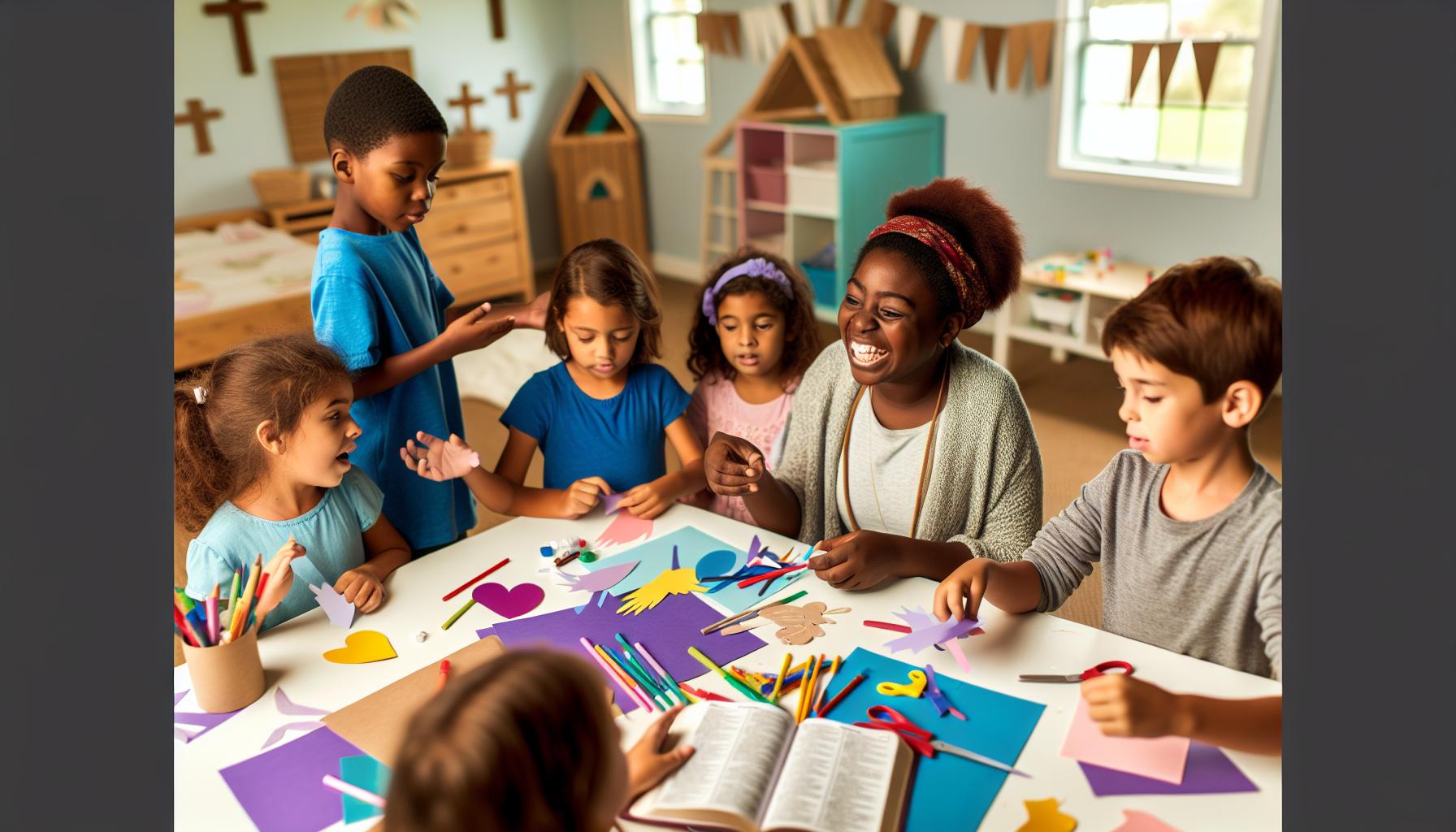
Engaging children in their spiritual journey can be wonderfully creative and fun. Incorporating helps make learning about faith tangible and lively. These activities not only keep kids interested but also provide hands-on experiences that can deepen their understanding of scripture and the principles of Christianity. By fostering a playful and interactive environment, families can cultivate a joyful atmosphere around learning about God’s word.
One idea is to create a Bible Story Craft Box filled with materials to make crafts that connect with specific stories from the Bible. For instance, when exploring the story of Noah’s Ark, children can build their own ark out of shoeboxes, adding animal cutouts to re-enact the tale of God’s promise. With each story, include an accompanying scripture verse to memorize, embedding both the craft and the verse into their hearts. These crafts serve as visual reminders and continue the conversation about biblical lessons well beyond the crafting time.
Games can also be a powerful way to reinforce biblical teachings. Consider a fun game of Bible Bingo, where each bingo card features different characters, events, or verses from the Bible. This not only makes learning the stories interactive but also sparks conversations about each topic as children mark their cards. Alternatively, a Scripture Scavenger Hunt encourages kids to search for items around the house or yard that represent biblical themes, like hearts for love or stones for strength. This playful approach enhances their biblical literacy while allowing them to connect themes and teachings with everyday life.
Another effective craft can be creating Prayer Stones, where each family member decorates a smooth stone with a word or scripture that reflects what they want to pray for or focus on. This tactile experience provides children with a personal connection to their prayer life and can be a source of encouragement as they visually see their prayers or thoughts represented. Displaying these stones in a dedicated area serves as a constant reminder of their spiritual intentions and journeys.
Incorporating these playful and creative elements into daily devotionals meets children’s needs for active participation and exploration in their faith. By seeing the stories come alive through crafts and games, children are better able to grasp the messages within the scripture and apply them to their lives, paving a joyful path for a meaningful relationship with God.
Using Multimedia for Dynamic Faith Engagement

In today’s digital age, multimedia serves as a powerful tool to engage children in their faith journey. When used thoughtfully, videos, apps, and interactive presentations can bring Bible stories and spiritual lessons to life in ways that capture young hearts and minds. Incorporating multimedia into daily devotionals not only reflects the dynamic nature of our world but also allows kids to explore biblical truths through diverse and immersive experiences.
Utilizing Animated Bible Stories is an excellent way to hold children’s attention while conveying essential spiritual lessons. Platforms offering animated adaptations of Bible stories help visualize narratives like David and Goliath or the parables of Jesus. These engaging visuals combined with captivating voiceovers can enhance comprehension and retention among younger audiences, making the scriptures more relatable. Consider setting aside time during family devotionals to watch an episode together, followed by a discussion about the moral of the story and how it applies to their lives.
Interactive Faith Apps designed for kids can also encourage personal Bible study and prayer. Many apps feature games, quizzes, and digital devotionals that match age-appropriate content with fun interactivity. For instance, using an app that includes daily devotionals or scripture memorization games can empower kids to take ownership of their faith journey. Apps that provide activities tied to biblical teachings open the door for regular engagement and reinforce the lessons learned during family devotionals.
Moreover, music and worship resources create an inviting atmosphere for children to participate in praise and worship. Accessing kid-friendly worship songs through streaming platforms or using sing-along videos can foster a joy-filled environment during family worship time. Engaging children through music allows them to express their emotions, understand the meaning behind worship lyrics, and deepen their connection with God.
Lastly, consider involving virtual community experiences such as online Bible studies or discussion groups for families. Websites that offer curated resources for spiritual growth can provide support for parents and children alike, emphasizing communal faith-building experiences. This interaction with others on similar faith journeys encourages both accountability and encouragement, helping to solidify their understanding of the importance of a shared faith context.
Incorporating multimedia elements not only enriches Bible study but also meets children where they are in a world saturated with digital content. With careful selection of age-appropriate resources, families can create a dynamic and engaging environment that nurtures a deep, lasting relationship with God.
Age-Appropriate Bible Verses for Kids

Choosing the right Bible verses for children can create a foundational understanding of faith that lasts a lifetime. Verses should be simple, relatable, and resonate with the experiences of young hearts, instilling values that guide them through life’s challenges. Not only do these verses serve as spiritual nuggets they can memorize, but they also act as gentle reminders of God’s love, guidance, and promises in their everyday lives.
Key Bible Verses for Young Hearts
Here’s a selection of age-appropriate Bible verses perfect for kids, along with their meanings to deepen their understanding:
- Philippians 4:13: “I can do all things through Christ who strengthens me.”
This verse empowers children to realize that with faith in Jesus, they can overcome challenges and strive for their goals. - Matthew 5:16: “Let your light shine before others, that they may see your good deeds and glorify your Father in heaven.”
This verse encourages kids to express their faith through actions and kindness, influencing their peers positively. - Proverbs 3:5-6: “Trust in the Lord with all your heart and lean not on your own understanding.”
Teaching children to have faith in God’s plan can cultivate trust and comfort during uncertain times. - Psalm 139:14: “I praise you because I am fearfully and wonderfully made.”
This verse helps instill a sense of self-worth and appreciation for God’s creation in each child.
Engaging with the Verses
Incorporating these verses into daily devotionals can be done through various engaging methods, such as sing-along songs, arts and crafts, or even fun quizzes. Using colorful illustrations or creating a “Bible Verse of the Week” poster can also help reinforce memorization and application of these verses in their daily routines.
By helping children to not only memorize but also understand these key scriptures, you lay a strong foundation for their spiritual growth. It encourages them to internalize the messages and live out their faith boldly in their interactions with others, fostering a vibrant, living relationship with God as they grow.
Encouraging Spiritual Conversations with Your Children

Creating an environment where spiritual conversations can flourish is essential for nurturing a child’s faith. Engaging in open dialogue about God, faith, and the teachings of the Bible can transform routine moments into powerful learning experiences. Children are naturally curious and often ask profound questions; seizing these opportunities can lead to meaningful discussions that deepen their understanding of spirituality and God’s love. Whether during a car ride, at the dinner table, or while enjoying a quiet moment together, parents can encourage their children to express their thoughts and feelings related to faith.
Start by asking open-ended questions that prompt your child to think critically about what they believe. For instance, you might ask, “What do you think it means to love your neighbor?” or “How can we show kindness like Jesus did?” These types of questions invite children to reflect on biblical principles and share their perspectives. It’s important for parents to listen attentively, affirm their child’s feelings, and gently guide them with scriptural insights that reinforce positive behaviors and attitudes. Sharing your own experiences about faith can also help children feel more comfortable discussing their thoughts and doubts.
Incorporating storytelling into these conversations can make biblical truths more relatable. You can use stories from the Bible that resonate with your child’s life experiences or challenges. For example, discussing the parable of the Good Samaritan can lead to discussions about empathy and helping others in need, bridging the teachings of Scripture with everyday life. Utilizing visuals, such as children’s Bible storybooks or animated videos, can further enhance understanding and foster engagement.
Creating a culture of prayer within your conversations can also play a crucial role in spiritual development. Teach your child simple prayers and encourage them to pray about their worries, joys, and even their questions about faith. Explain that prayer is a two-way conversation with God, and you can model this by sharing your own prayers. This solidifies the idea of a personal relationship with God, making faith feel more tangible and accessible for your child. Building these habits early can contribute significantly to their spiritual growth, helping them to develop a strong and enduring faith as they navigate life’s journey.
Tips for Parents on Daily Devotional Practices

Creating a meaningful daily devotional routine can transform your child’s spiritual journey, fostering a deeper connection to God that can last a lifetime. By intentionally incorporating devotionals into your daily life, you not only help your children understand the Scriptures, but also embed Christian principles in their hearts. Here are some practical approaches to make daily devotionals engaging and impactful.
Establish a Consistent Schedule
Choosing a specific time for daily devotionals makes it a regular part of your family routine. Whether it’s first thing in the morning, at meal times, or before bed, consistency helps children anticipate and look forward to these moments of connection.
Utilize Age-Appropriate Materials
Selecting devotional materials that resonate with your child’s age and interests can significantly enhance engagement. For younger children, storybooks with colorful illustrations or interactive Bible apps can make learning fun. For older children, consider devotionals that challenge them to think critically about their faith.
Incorporate Variety
To maintain interest, vary the activities during devotionals. You might include:
- Storytelling: Read or narrate Bible stories, discussing key lessons.
- Creative Arts: Encourage drawing or crafting related to the scripture of the day.
- Music: Incorporate worship songs that align with the lesson.
Encourage Dialogue
Use open-ended questions to stimulate discussion, allowing your child to express their thoughts and connect personally with what they learn. Questions like, “What does generosity look like?” can lead to profound conversations about biblical teachings and their real-life applications.
Prayer as a Central Element
Integrate prayer into your devotions by encouraging children to pray about their worries or thank God for their blessings. Modeling prayer helps children understand it as a personal dialogue with God and can be a comforting practice in their daily lives.
By creating a nurturing environment that prioritizes spiritual growth, you equip your children with the tools to develop a faith that is resilient and deeply rooted. Through consistent practice, engaging materials, and heartfelt discussions, daily devotionals can become a beloved and enriching part of your family’s life.
Nurturing a Personal Relationship with God from a Young Age
Creating a connection with God from a young age can set the foundation for a lifetime of faith. Children are naturally curious and open, making them receptive to learning about spirituality in ways that can be engaging and fun. By incorporating elements of play, creativity, and discussion into your daily devotional practices, you can encourage a personal relationship with God that feels accessible and exciting. This can manifest through various activities that not only teach children about the Bible but also allow them to experience God’s presence in their everyday life.
Engagement is key in nurturing a child’s faith, and using a variety of methods can make these moments memorable. For instance, storytelling is an excellent way to bring biblical narratives to life. You might read from an illustrated Bible, acting out scenes together, or even creating puppet shows that depict key stories. This active participation can instill a sense of ownership about their spiritual journey and encourage children to express their thoughts and feelings about the stories.
Incorporating prayer into these activities is equally important. Rather than presenting prayer as a mere formality, frame it as a meaningful conversation with God. Create opportunities for children to pray spontaneously, whether it’s thanking God for a beautiful day or sharing their worries before sleeping. You could even start a family prayer jar where each member can drop in their prayer requests, creating a physical reminder of how we can bring our cares before God together.
Additionally, encourage exploration of nature as a way to experience God’s creation. Simple outdoor activities-like nature walks, star-gazing, or tending to a garden-can serve as moments of awe that draw children closer to understanding God’s majesty and care for creation. These experiences can lead to powerful discussions about God’s love and presence in the world around them.
Fostering a personal relationship with God is about creating safe spaces for children to learn, engage, and express themselves. By integrating fun, creativity, and heartfelt connections into your family’s devotional practices, you pave the way for your children to embrace their faith joyfully and genuinely. Over time, this intentional nurturing can help them understand that a relationship with God is not just a part of life-it is a vibrant, essential connection that can guide and support them through every stage of their journey.
FAQ
Q: What are the best daily devotionals for kids?
A: The best daily devotionals for kids are age-appropriate materials that engage their interests. Look for devotionals that include stories, activities, and prayers. Options like “The One Year Devotions for Kids” or “Jesus Calling: 365 Devotions for Kids” provide a mix of fun and faith, making God’s word accessible and enjoyable.
Q: How can I teach my child to pray?
A: Teaching your child to pray can start with simple, conversational prayers. Encourage them to speak to God as they would a friend. Use prayer prompts, such as gratitude lists or specific requests for others, to guide them. Regularly modeling prayer can create a supportive environment for their spiritual growth.
Q: Why are daily devotionals important for children?
A: Daily devotionals are important for children as they foster a personal relationship with God and establish a routine of spiritual reflection. They help instill strong values and encourage discussions about faith, strengthening a child’s understanding of biblical teachings and their application in everyday life.
Q: What activities can enhance kids’ understanding of the Bible?
A: Activities like Bible-themed crafts, story retelling, and interactive games can enhance kids’ understanding of the Bible. Family devotion time can include discussion questions or memory verse challenges that encourage engagement and comprehension, making Biblical teachings relatable and memorable.
Q: How do I keep my child engaged during Bible study?
A: To keep your child engaged during Bible study, incorporate multimedia resources such as videos or apps, use storytelling techniques, and include interactive activities like role-playing or arts and crafts. Make the sessions dynamic and enjoyable to encourage their enthusiasm for learning about faith.
Q: When is the best time for daily devotions with children?
A: The best time for daily devotions with children is when they are most alert and receptive. Many families find early mornings or just before bedtime effective. Consistency is key, so choose a time that fits your family schedule to create a habit of devotion.
Q: How can family devotions strengthen faith?
A: Family devotions can strengthen faith by promoting unity and shared beliefs. Engaging in Bible study and prayer together fosters discussion about spiritual matters, reinforces core values, and provides a safe space for children to express their thoughts and feelings about faith.
Q: What are some encouraging Bible verses for children?
A: Encouraging Bible verses for children include Philippians 4:13 (“I can do all things through Christ who strengthens me”) and Psalm 56:3 (“When I am afraid, I put my trust in you”). Using these verses can help reinforce their faith and build confidence in God’s guidance and love.
Closing Remarks
Thank you for joining us in “Kids Daily Devotional: Bible Fun That Builds Strong Faith”! We hope these engaging activities and teachings have equipped your child with a strong foundation in faith. Remember, the journey doesn’t end here-explore more about prayer life and biblical studies in our resource hub, and check out our parenting guidance articles for tips on nurturing spiritual growth at home.
Don’t miss out on our newsletter for inspiration and exclusive content that supports your family’s faith journey. If you have questions or want to share your experiences, we invite you to comment below and connect with our community. Together, let’s continue to cultivate a Christ-centered life where young hearts can thrive in the love of God. Visit us regularly, and let’s keep building strong faith together!