In a world brimming with distractions, nurturing young hearts in faith has never been more crucial. “Kids Devotional: Fun Bible Stories That Build Young Faith” is designed to captivate children’s imaginations while instilling biblical truths that last a lifetime. This collection of engaging stories, grounded in Scripture, not only sparks curiosity but also encourages kids to explore their own spiritual journeys. Each story offers a relatable lesson that addresses real-life challenges children face today, helping them form a solid foundation of faith. As young readers dive into these vibrant tales, they will discover the love of Christ and learn how to navigate their world with hope and purpose. Join us in exploring these fun and inspiring stories that promise to nurture faith and strengthen the hearts of the next generation.
Contents
- 1 Kids’ Spiritual Growth Through Engaging Bible Stories
- 2 The Importance of Bible Stories in Childhood Faith
- 3 Top Fun Bible Stories for Young Children
- 4 Creative Ways to Share Bible Stories with Kids
- 5 How Bible Stories Can Teach Moral Lessons
- 6 Interactive Activities to Enhance Bible Story Learning
- 7 Incorporating Prayer in Kids’ Devotional Time
- 8 Building a Family Devotional Routine with Kids
- 9 Crafting Personalized Bible Story Adventures
- 10 Exploring Character Lessons from Biblical Figures
- 11 Celebrating Holidays with Bible Story Themes
- 12 Resources for Parents: Supporting Kids’ Faith Journey
- 13 Q&A
- 14 In Conclusion
Kids’ Spiritual Growth Through Engaging Bible Stories
Engaging with Bible stories offers a profound opportunity for kids to deepen their spiritual growth and develop a foundation of faith that will last a lifetime. These narratives, rich with lessons of love, courage, and faith, are not just tales but powerful tools that can shape a child’s understanding of God and His relationship with humanity. When children hear stories of heroes like David, Moses, and Jesus, they begin to see themselves as part of a larger story-one where they are loved and valued by their Creator.
Through captivating stories, children learn essential truths about God’s character and His promises. For example, the story of Jesus calming the storm (Mark 4:35-41) not only teaches children about God’s power over nature but also reassures them that they are never alone in their fears. By internalizing these lessons, kids build resilience, learning to trust God in difficult times, which is vital for their emotional and spiritual well-being. Parents can facilitate discussions around these stories to reinforce their messages, asking questions that encourage children to think critically about the lessons taught.
Moreover, Bible stories can serve as a springboard for interactive activities that enhance understanding and retention. Crafting projects, like creating a paper bag dove to symbolize the Holy Spirit, allows children to embody the stories creatively while deepening their connection to the messages. Engaging with these narratives in multi-faceted ways makes them more relatable and encourages kids to explore their faith actively rather than passively absorbing information.
Ultimately, the spiritual growth of children through engaging Bible stories is a collaborative journey between parents and children. By sharing stories, discussing their meanings, and engaging in prayer and activities that reflect the teachings, families can create a nurturing environment for faith to flourish. This hands-on approach not only makes learning enjoyable but also reinforces the idea that faith is not just an individual journey, but a shared experience of love and learning within the family unit.
The Importance of Bible Stories in Childhood Faith
Engaging children with Bible stories is a vital part of nurturing their faith journey. These narratives not only entertain but also educate, providing foundational truths about God’s character and His love for humanity. When children hear stories like that of David and Goliath or the Good Samaritan, they see personal reflections of bravery, kindness, and moral integrity, which can resonate deeply within their young hearts. These tales help children to not only understand the wisdom of the Bible but also recognize their own roles within God’s grand narrative.
Through the lens of these stories, children learn about trust, forgiveness, and perseverance-qualities essential for their development. For instance, the story of Jesus feeding the 5,000 (John 6:1-14) teaches them not only about God’s provision but also about sharing and community. By discussing these narratives and encouraging kids to think critically about the lessons, parents can foster a deeper emotional connection to their faith. Engaging in conversations about what they’ve learned allows children to articulate their understanding and apply it to their daily lives.
Moreover, Bible stories can serve as a catalyst for interactive and creative activities. Crafting projects linked to stories-such as making a paper bag dove to represent the Holy Spirit-can solidify the lessons in memorable ways. Activities like these invite children to express their understanding through art and play, making the stories more impactful. By integrating creativity into Bible learning, families not only enrich the spiritual experience but also reinforce the importance of these teachings in a fun and engaging manner.
In essence, lies in their ability to build a bridge between ancient wisdom and the everyday experiences of young believers. By embracing these stories, parents and caregivers can create a nurturing environment where children feel safe to explore their faith, ask questions, and develop a lifelong love for God’s Word. As they grow in faith, these stories will become cherished lessons that guide them in their spiritual journeys.
Top Fun Bible Stories for Young Children
Engaging young children with captivating Bible stories can ignite their faith and curiosity about God’s love and His teachings. These narratives are not just for adults; they can be colorful and imaginative tales that speak to young hearts in ways they can understand and enjoy. Here are some delightful stories that resonate with children, each teaching foundational principles about faith, bravery, kindness, and God’s caring nature.
- The Creation Story (Genesis 1): This story introduces children to the wonder of creation and God’s power. Using simple language, parents can explain how God made the world in six days and rested on the seventh. Encourage children to appreciate nature, exploring how everything around them was lovingly crafted by God.
- Noah’s Ark (Genesis 6-9): The tale of Noah is filled with animals, adventure, and God’s promise. Kids love the idea of a boat full of animals, and it’s an excellent opportunity to teach about obedience, trust, and God’s commitment to His people with the rainbow as a sign of His covenant.
- David and Goliath (1 Samuel 17): This exciting story of the brave shepherd boy defeating the giant Goliath captivates children’s attention. It emphasizes courage, faith, and the idea that God can empower anyone, no matter their size, to overcome challenges. Highlight how David trusted God to help him fight his battles.
- The Good Samaritan (Luke 10:25-37): A perfect story to teach kindness and compassion, this parable illustrates who our neighbor is and encourages boys and girls to help others, regardless of their differences. Use role-play to make it interactive; for instance, act out the roles to drive the message home.
- Jesus Calms the Storm (Mark 4:35-41): This story showcases Jesus’ power over nature and provides a comforting message about trusting God amidst life’s storms. Children can relate to fears they may have, and discussing how Jesus brings peace can help them find solace in their own worries.
Each of these stories is not only engaging but also packed with lessons that resonate with young minds. By presenting the narratives through art, songs, or drama, parents can make learning about these stories fun and interactive. As children dive into these exciting tales, they build a solid foundation for their faith and develop an understanding of God’s presence in their lives.
Engaging children with Bible stories goes beyond mere storytelling; it involves weaving creativity into the fabric of their imagination. By introducing different methods to share these biblical tales, parents can cultivate a dynamic environment that fosters faith and enthusiasm. One exciting approach is to utilize visual storytelling techniques. Parents can create colorful illustrations or use digital apps to animate stories, capturing children’s attention in a way that words alone may not. For instance, using an online platform where stories come to life visually can ignite excitement-children can actually see the creation of the world or the adventures of Moses, making the narratives more tangible.
Another effective strategy is to incorporate hands-on activities that bring the stories to life. Creating a “Bible story box” filled with props representing characters and themes can encourage children to reenact their favorite stories. Whether it’s toy animals for Noah’s Ark or a slingshot for David and Goliath, these interactive elements offer children the chance to experience the stories firsthand. Role-playing not only makes the lessons memorable but also deepens their understanding of the moral values underlying each narrative.
Furthermore, utilizing music and songs can transform Bible stories into joyful experiences. Teaching children simple songs related to the stories can deepen their connection and understanding. For example, a catchy tune about the Good Samaritan can reinforce the message of kindness long after the story is told. Singing and dancing can help solidify biblical truths in children’s hearts, turning learning into an unforgettable celebration of faith.
Lastly, integrating family discussions or questions after reading can be invaluable. Instead of passively listening, encourage children to share their thoughts and experiences related to the stories. Engage them with open-ended questions, such as “What would you do if you were in David’s shoes?” or “Why do you think Jesus calmed the storm?” These discussions allow children to reflect and personalize their faith in a supportive atmosphere, making the lessons from each story applicable to their everyday lives.
How Bible Stories Can Teach Moral Lessons
The rich tapestry of Bible stories provides not just entertainment but profound moral lessons that can shape the ethical framework of children’s lives. These narratives, often imbued with courage, compassion, and wisdom, help young ones discern right from wrong. By exploring characters and their choices, children develop an understanding of moral virtues such as honesty, kindness, and humility. For instance, the story of the Good Samaritan teaches the importance of loving others, demonstrating that true neighborliness transcends boundaries of race and religion-a lesson especially pertinent in today’s diverse world.
Engaging with Bible stories can also foster critical thinking as children reflect on the moral implications of the characters’ actions. When they hear about figures like Daniel standing firm in faith despite danger or Esther risking her royal position for the sake of her people, they are encouraged to consider what they would do in similar situations. This becomes a conversation starter about bravery and taking a stand, even when it’s difficult. Asking questions such as, “What can we learn from Moses’ leadership?” or “How did Jesus show love to those no one else would?” becomes integral to their moral development.
Incorporating moral lessons from these stories can be enhanced through family discussions or activities that emphasize application. For example, parents can guide children in scenarios where they might need to show forgiveness or kindness, drawing parallels to biblical examples. This approach not only solidifies their understanding but also equips them to navigate real-life challenges with a biblical mindset. As they enact these principles in their daily lives, they will become beacons of Christ’s love, reinforcing the narrative lessons they have internalized.
Additionally, integrating crafts and art related to these stories can serve as a tactile method for reinforcing moral lessons. Crafting a “kindness tree” where children can add leaves representing acts of kindness encourages them to live out the values learned from their favorite Bible stories. By turning these teachings into action, children experience firsthand the joy and fulfillment that comes from living according to God’s word. Ultimately, the moral lessons embedded in Bible stories not only nurture children’s faith but also prepare them to be compassionate and moral citizens in a complex world.
Interactive Activities to Enhance Bible Story Learning
Engaging children with Bible stories can be an enriching experience that fosters both spiritual growth and a love for God’s word. Interactive activities allow children to actively participate in their learning process, making the stories more memorable and applicable to their lives. Here are some creative ideas to enhance Bible story learning through fun activities.
Story Dramatization
One effective way to bring Bible stories to life is through dramatization. Encourage kids to act out their favorite stories. For example, they can re-enact the story of David and Goliath, taking on the roles of the young shepherd boy and the intimidating giant. This activity not only makes the story more dynamic but also fosters teamwork and boosts confidence as children express themselves creatively. After the dramatization, facilitate a discussion on the lessons learned, asking questions like, “What do you think made David brave?”
Craft Projects
Creating crafts based on Bible stories can be a delightful way for kids to learn while also tapping into their artistic side. Here are some ideas to consider:
- Noah’s Ark: Use paper plates and animal cutouts to create a 3D ark, discussing the importance of obedience and faith.
- Colorful Rainbows: After learning about God’s promise to Noah, kids can craft rainbow mobiles, reminding them of God’s faithfulness.
- Miracle of Loaves and Fishes: Using basket templates, kids can create their own basket of fish and bread while discussing Jesus’ miracles.
These crafts reinforce the stories and help the lessons stick in children’s minds.
Bible Story Mapping
Creating a large, visual map of key Bible stories can help children grasp the context and sequence of events. Utilize a big sheet of paper or a whiteboard to draw a timeline; let the children contribute to mapping out major events, characters, and lessons from their favorite stories. This exercise encourages them to think critically about how the stories connect and what they reveal about God’s character.
Interactive Learning Centers
Setting up interactive learning centers within the home or church can provide hands-on experiences related to Bible stories. Consider these ideas:
- Storytelling Corner: A cozy space to read and listen to Bible stories using audiobooks or interactive apps.
- Service Station: Activities that focus on kindness like writing notes of encouragement that mirror biblical teachings.
- Prayer Wall: A wall where kids can pin their prayer requests related to the stories they learn, helping them connect with God personally.
These interactive centers promote a hands-on approach to learning, making Bible stories a dynamic part of daily life.
By incorporating these engaging and interactive activities, kids will not only learn about Bible stories but also internalize the values and lessons they impart. Each experience serves to deepen their faith and nurture a growing relationship with Christ, making their spiritual journey both joyful and meaningful.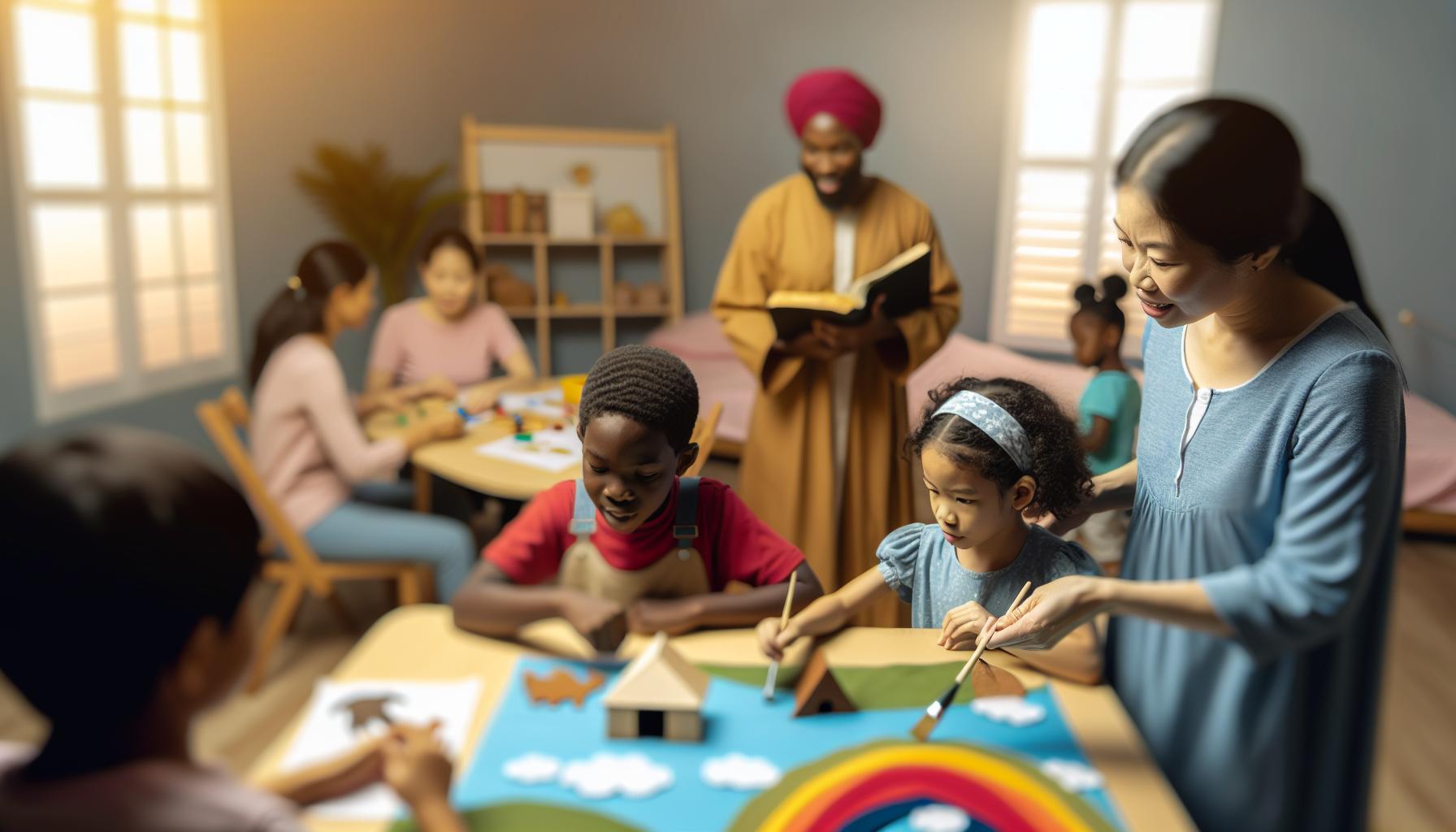
Incorporating Prayer in Kids’ Devotional Time
Developing a consistent prayer routine in children’s devotional time can be a transformative experience for their spiritual growth. Prayer serves as the lifeline for communicating with God, nurturing children’s understanding of faith, and cultivating a personal relationship with their Creator. By seamlessly integrating prayer into Bible stories, kids can discover how to express their thoughts, feelings, and gratitude to God in a meaningful way.
One effective approach is to tie specific prayers to the stories they learn. For example, after exploring the story of Daniel in the lion’s den, you might engage the children in a prayer asking God for courage in challenging situations. This not only reinforces the lesson from the story but also helps children connect biblical narratives to real-life scenarios. Here’s a simple way to structure the prayer time:
- Reflection: Encourage the kids to reflect on what they learned from the story.
- Personal Connection: Ask them to think about how the story relates to their own lives and how they can talk to God about it.
- Prayer Guidelines: Provide prompts for their prayers, such as thanking God, asking for help, or praying for others.
Creating a prayer journal can also be an encouraging tool for children. Have them write down their prayers, thoughts, and reflections each week. Not only does this practice help in articulating their feelings, but it also provides a tangible way to see how their prayers evolve and what God is doing in their lives. Parents can join children in this activity by sharing their own prayers, thus modeling vulnerability and connection to God.
To further enhance this spiritual practice, incorporate prayers that align with significant events or seasons in the church calendar. For instance, during Advent, kids could pray focusing on themes of hope and joy, reflecting on the Nativity story. Likewise, incorporating prayers for gratitude during Thanksgiving or prayers for peace around Easter can deepen their understanding of prayer’s relevance in various aspects of life.
Engaging children in prayer during their devotional time not only enriches their spiritual journey but also establishes a habit that can bless them throughout their lives. Each prayer session is an opportunity to build their faith, helping them to recognize God’s presence and guidance, fostering resilience in the face of challenges, and nurturing a compassionate heart towards others.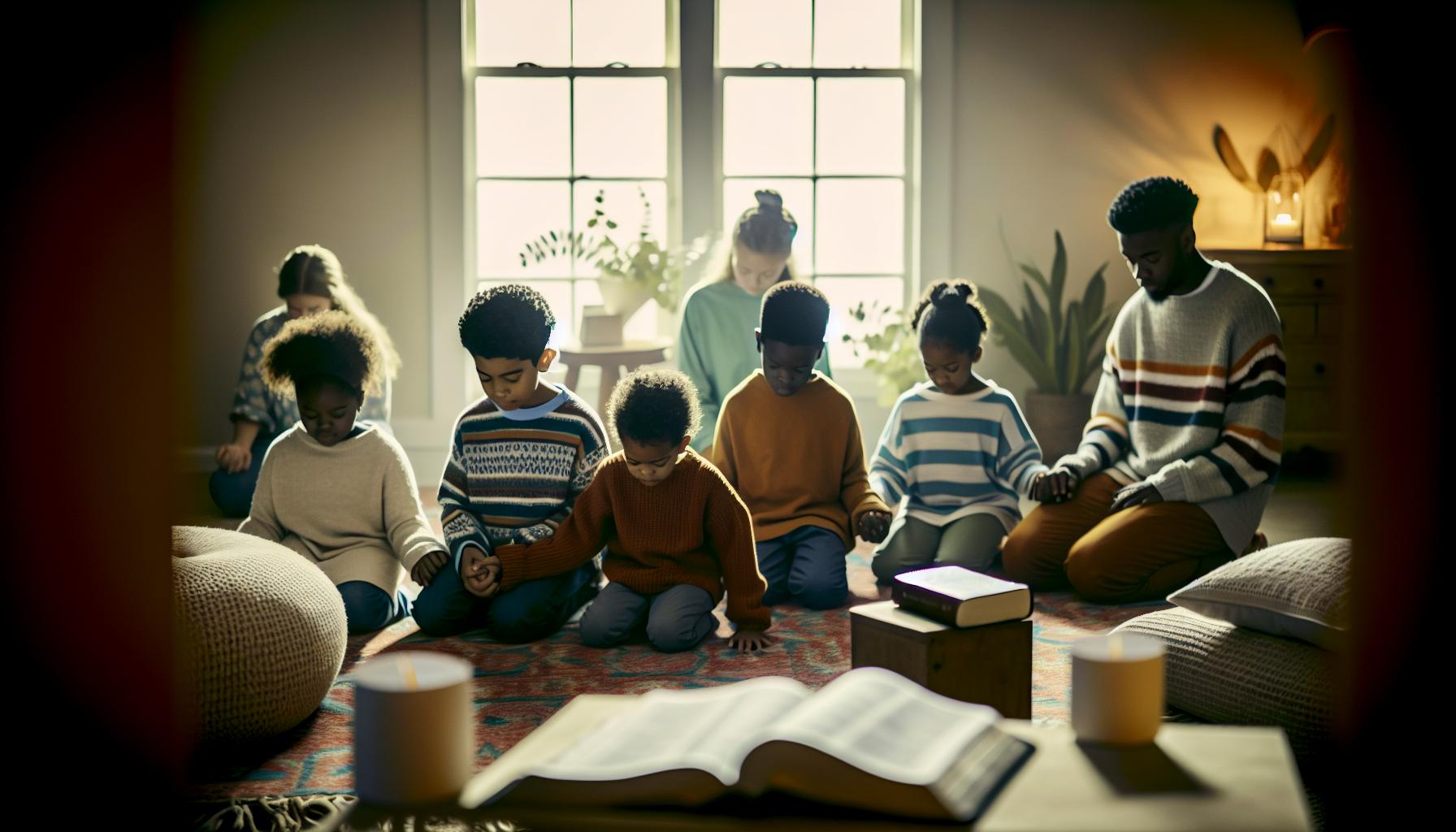
Building a Family Devotional Routine with Kids
Creating a family devotional routine can bring warmth, connection, and spiritual growth to your household. As you gather around God’s Word, the shared experience of learning about faith can strengthen familial bonds and nurture your children’s understanding of their relationship with God. By incorporating engaging activities and age-appropriate discussions, you’ll create a vibrant atmosphere that invites curiosity and reverence into your family’s spiritual life.
One effective strategy is to set aside a specific time each week that works for your family schedule. Consistency helps children anticipate and look forward to this time of devotion. Begin with a simple yet engaging Bible story that resonates with them-something they can relate to. Read the passage aloud and ask open-ended questions that encourage children to express their thoughts and feelings. For example, after telling the story of David and Goliath, ask, “How do you think David felt when he faced such a big challenge?” This practice not only helps with comprehension but also promotes critical thinking about their faith.
Incorporate creative elements that make learning fun and interactive. Use arts and crafts, songs, or even skits to bring the stories to life. Perhaps you could act out the Good Samaritan story, emphasizing the importance of kindness. Engaging children in these activities allows them to internalize the lessons more deeply. Additionally, don’t forget the power of prayer as part of your routine. Encourage your kids to take turns praying for their family members or friends, developing a habit of giving thanks and asking for guidance, which draws them closer to God.
To ensure everyone in the family feels involved, consider assigning roles: one child can be the storyteller, another can lead prayer, and yet another can facilitate discussions. This collaborative approach fosters ownership and investment in the devotional time. As you share your own insights and experiences, remember that vulnerability can model faith in action, showing your children that everyone grows and learns at their own pace on this journey.
By prioritizing family devotionals, you create a foundation of faith that lasts a lifetime. Each session becomes an opportunity to explore Scripture, develop moral values, and grow spiritually as a family. As you discover the joys of sharing God’s Word together, you will witness the transformative power of faith in your lives, nurturing a deeper love for God within your children.
Crafting Personalized Bible Story Adventures
Creating personalized Bible story adventures can be an incredibly enriching experience for children, helping them to connect deeply with Scripture while cultivating their faith. Engaging with Bible stories in a hands-on manner not only makes the stories memorable but also allows children to apply the lessons learned in their everyday lives. By crafting adventures tailored to your child’s interests and understanding, you pave the way for a vibrant faith journey that can last a lifetime.
Start by selecting a Bible story that resonates with your child. This could be a well-known tale like Noah’s Ark, the story of David and Goliath, or Jesus calming the storm. Once you’ve chosen the story, turn it into an interactive experience. For instance, you might create a treasure map that leads to “Noah’s Ark,” incorporating crafts such as building a miniature ark from everyday materials or drawing pairs of animals. Involve your child in the creative process, allowing them to express their understanding and interpretation of the story.
Enhance Story Imagery through Role Play and Crafts
Consider incorporating role play to bring the characters to life. You can create costumes from simple household items, encouraging your child to step into the shoes of key figures in the story. This method not only reinforces the narrative but also instills a sense of ownership and excitement in learning. For instance, while exploring the story of Jesus feeding the 5,000, a fun activity could involve creating a “picnic” where they can mimic the miracle with their favorite snack items.
Additionally, crafting personalized storybooks could be a thrilling way for children to see themselves in the stories. Help them illustrate their version of a Bible story, encouraging them to include moral lessons or messages they connect with personally. These books can then be cherished keepsakes, where they can return to revisit the narratives that impacted their lives.
Incorporating Reflection and Modelling Faith
As you foster this interactive journey, weave in moments of reflection and prayer. After creating and acting out a story, ask your child questions that promote critical thinking and personal connection, such as, “How does this story teach us about being brave?” or “What can we learn from David’s faith?” Encourage them to share their thoughts, and take time to pray together, thanking God for the lessons learned and asking for guidance to embody those virtues in daily life.
By designing personalized Bible story adventures, you not only enhance your child’s understanding of Scripture but also foster a lasting love for God. With creativity and intentional engagement, these stories can become foundational building blocks in their spiritual lives, demonstrating that faith is not merely a set of beliefs, but a vibrant, dynamic journey grounded in love and understanding.
Exploring Character Lessons from Biblical Figures
Understanding the character lessons from biblical figures can profoundly shape the spiritual growth of children. These stories provide rich narratives that illustrate virtues such as faith, courage, kindness, and integrity. When children hear about the lives of figures like David, Esther, or Jesus, they not only see examples of how to act in faith but also learn how God’s promises and guidance can manifest in the everyday struggles they encounter. Engaging with these characters fosters a deeper understanding and appreciation of biblical principles, aligning the stories with their personal experiences.
To emphasize these lessons, think about sharing stories in ways that connect to your child’s life. For instance, when discussing the bravery of Daniel in the lion’s den, invite your child to reflect on times they’ve faced fears or stood up for what is right, perhaps in a school setting or with friends. This connection to real-life experiences allows them to see the relevance of biblical narratives in their own lives and illustrates how they can embody these values daily.
Building Connections through Relatable Characters
Incorporating relatable characters from the Bible can open important discussions about emotions and challenges. For example, consider the story of Moses, who faced immense obstacles in leading the Israelites out of Egypt. This narrative is an excellent opportunity to talk about perseverance in the face of difficulties. Ask your child questions like, “How do you think Moses felt when people doubted him?” or “What can we learn from his trust in God during tough times?” Such discussions help children articulate their feelings while providing a biblical framework for understanding their faith journey.
As children identify with these biblical figures, they can implement lessons from these characters into their lives. Encourage them to think of ways they can demonstrate qualities like love, patience, and forgiveness every day, perhaps by helping a sibling or standing up for a friend. By making these connections, you’re encouraging the cultivation of a faith that is active and personal, rooted in the stories of those who walked faithfully before them.
Ultimately, not only enriches children’s understanding of Scripture but also equips them with tools to navigate their own lives with faith and integrity. By fostering a dialogue about these stories and their values, you position your children to grow in their faith, grounded in the understanding that just like the figures in the Bible, they, too, can be vessels of God’s love and purpose in the world.
Celebrating Holidays with Bible Story Themes
Holidays provide a wonderful opportunity to engage children with Bible stories in a way that is both meaningful and fun. Using holiday themes to explore Scripture can enhance children’s understanding of their faith while helping them connect these stories to the traditions they celebrate. For instance, during Christmas, the nativity story can be a focal point, allowing families to discuss the miraculous birth of Jesus and its significance. Sharing stories of Mary and Joseph, the angels, and the shepherds can help kids grasp the concept of hope, joy, and love that define this season.
To make these stories come alive, consider incorporating sensory activities that reflect the holiday theme. Create an Advent calendar that shares a Bible story each day leading up to Christmas, combining it with craft activities that emphasize the lessons learned. For Easter, retelling the story of Jesus’ resurrection can be enhanced through engaging activities like egg hunts with biblical messages inside. Each egg can represent a key event in the resurrection story, creating a memorable learning experience.
Furthermore, strengthens family bonds and instills spiritual values. You might involve your children in preparing special meals or decorating your home while discussing the biblical significance behind each tradition. This combination of new experiences and discussions helps keep the narrative of faith vibrant in their hearts.
As you explore different holidays, highlight stories from the Bible that align with each occasion. For example, during Thanksgiving, revisit stories of gratitude-like the Israelites’ journey through the wilderness or Jesus’ gratitude for the loaves and fishes. Such discussions teach children the importance of thankfulness and how God provides for His people. Therefore, by intertwining Bible stories with holiday celebrations, you nurture a deeper spiritual foundation that encourages children to live out their faith year-round.
Resources for Parents: Supporting Kids’ Faith Journey
Nurturing a child’s faith journey can feel overwhelming at times, but remember, you’re not in this alone! Many parents face similar challenges when trying to equip their little ones with a deep and resilient understanding of their faith. Engaging kids with fun Bible stories is not just a way to pass the time; it’s a vital part of their spiritual development. These narratives capture their imagination, helping them relate to biblical truths in a manner that speaks to their hearts and minds.
One effective approach is to incorporate daily devotionals that are interactive and age-appropriate. For instance, consider using a Bible storybook that you can read together at bedtime. Choose stories with colorful illustrations and engaging narratives that highlight key lessons about God’s love, kindness, and courage. Setting aside a specific time for these devotionals instills a routine that children can look forward to, making biblical stories a cherished part of their day.
To further enhance their engagement, equip your children with activities that tie into the stories you discuss. Create simple crafts representing the stories, such as making paper boats to learn about Noah’s Ark or crafting crowns while reading tales about kings and queens in the Bible. These hands-on activities foster creativity and reinforce the spiritual lessons being taught.
Lastly, it’s essential to cultivate a prayerful atmosphere in your home. When sharing Bible stories, invite your children to pray and express their thoughts to God. Teach them simple prayers that they can memorize or personalize after each story. This practice not only helps them communicate with God but also teaches them to include their feelings and understanding of the stories they’ve heard into their prayer life. By making prayer a natural and integral part of their Bible story experiences, you guide them in forming a lasting relationship with their Creator.
Q&A
Q: What are some engaging Bible stories for kids?
A: Engaging Bible stories for kids include Noah’s Ark, David and Goliath, and the Prodigal Son. These stories teach valuable lessons about faith, courage, and forgiveness in a fun and relatable way. Explore top stories to inspire discussions with young learners in your devotional practice.
Q: How can I make Bible stories fun for children?
A: To make Bible stories fun, use interactive storytelling techniques like puppetry, animated visuals, or dramatization. Incorporate crafts or songs related to the stories, thus capturing children’s interest and encouraging participation. This aligns well with the creative approaches highlighted in our article on sharing Bible stories.
Q: Why are Bible stories important for children’s faith development?
A: Bible stories are crucial for children’s faith development as they provide relatable lessons, introduce moral values, and instill a sense of wonder about God’s love. These narratives serve as foundational elements for understanding faith, emphasizing the importance highlighted in our section on spiritual growth.
Q: What activities can enhance learning Bible stories for kids?
A: Activities like creating story maps, role-playing scenes, or drawing characters can enhance Bible story learning. Pair these with questions and discussions to deepen comprehension, reflecting the interactive methods discussed in our article’s section on enhancing Bible story learning.
Q: When is the best time for kids’ devotional practices?
A: The best time for kids’ devotional practices is typically during morning routines or before bedtime. This consistent schedule helps children incorporate their faith into daily life seamlessly, as discussed in our article on building a family devotional routine with kids.
Q: How can I encourage my child to share Bible stories with friends?
A: Encourage your child to share Bible stories by organizing fun storytelling sessions with peers, integrating games or crafts. This creates a supportive atmosphere for sharing faith and stories, complementing the creative ways to share biblical narratives mentioned in our article.
Q: What is a simple family devotional routine for kids?
A: A simple family devotional routine might include reading a Bible story, discussing its meaning, followed by prayer. Incorporating engaging activities can foster connection and understanding, as outlined in our resources for supporting kids’ faith journeys.
Q: How can Bible stories teach moral values to children?
A: Bible stories teach moral values by illustrating virtues like kindness, honesty, and forgiveness through relatable characters and situations. This foundational teaching is vital for developing a child’s character, as highlighted in our exploration of moral lessons in the context of biblical stories.
In Conclusion
As you explore “Kids Devotional: Fun Bible Stories That Build Young Faith,” remember that nurturing a deep connection with God is vital for our children’s spiritual growth. These engaging stories not only provide entertainment but also instill foundational biblical truths and values. Don’t wait-start integrating these lessons into your family routines today!
For more enriching resources, check out our articles on daily devotions for kids and Bible study tips to further support your child’s faith journey. Let’s make sharing God’s word an adventure that your whole family can enjoy together. Join our newsletter for more inspiring content and activities that will keep your spirits high and your hearts united in faith. Your next step in discovering God’s love awaits-you don’t want to miss it!