In an increasingly busy world, the ancient practice of prayer offers a sacred refuge for modern believers seeking connection with God. “Orthodox Prayers: Ancient Traditions for Modern Believers” explores the rich tapestry of Orthodox Christian prayers, revealing their deep spiritual insights and transformative power. Prayer is not merely a ritual; it’s a heartfelt conversation that nurtures our faith and guides our lives amidst daily challenges.
As you navigate your own spiritual journey, consider how these time-honored prayers can deepen your relationship with Christ, provide comfort during trials, and inspire you to live more fully in His grace. Delving into the beauty of Orthodox prayers encourages a meaningful dialogue with God, enriched by centuries of tradition. Join us as we uncover the profound impact these prayers can have on your faith, inviting you to discover a timeless path that resonates in today’s world.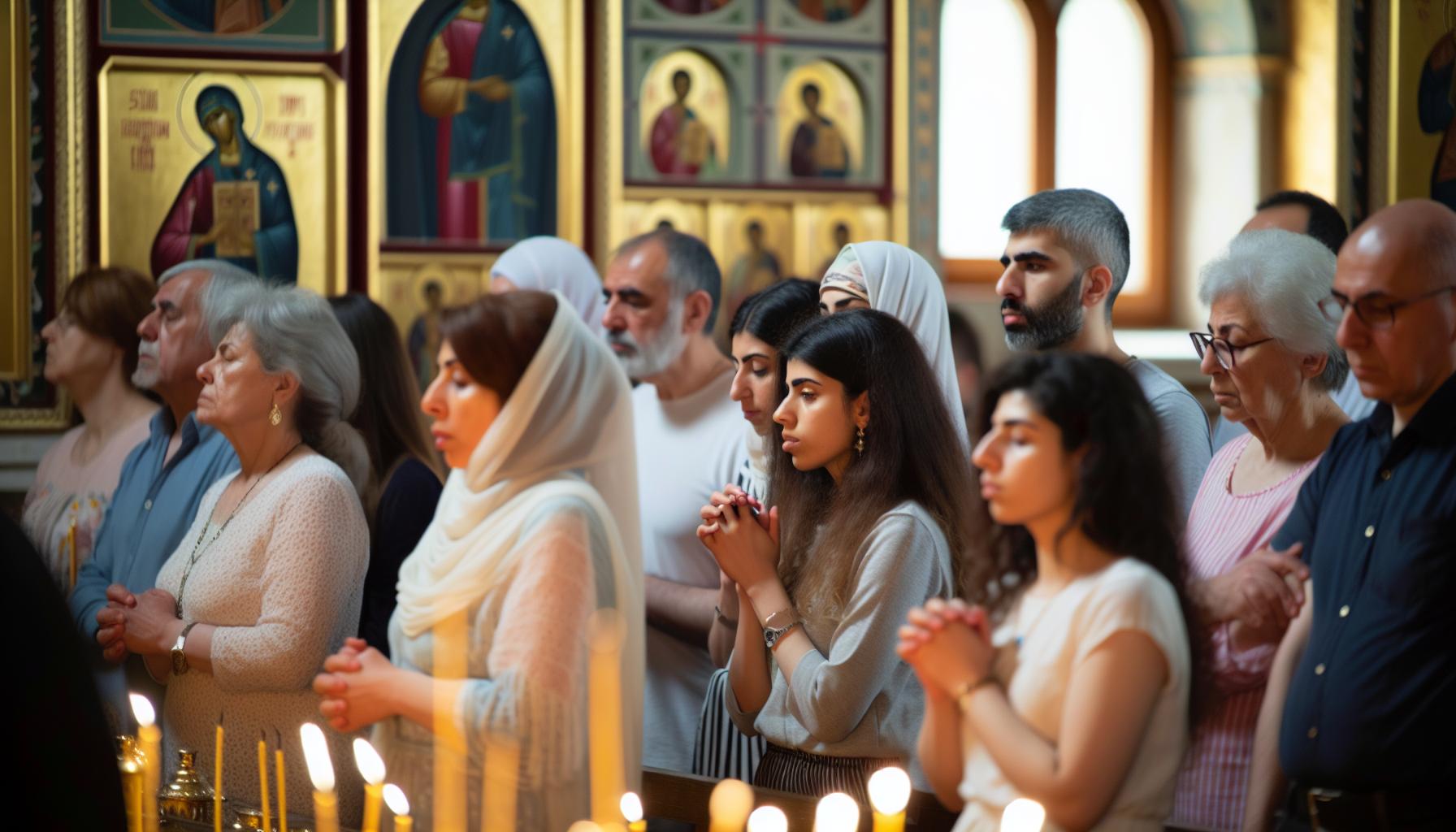
Contents
- 1 The Importance of Prayer in Orthodox Christianity
- 2 Understanding the Rich History of Orthodox Prayers
- 3 Core Beliefs Reflected in Orthodox Prayer Practices
- 4 Types of Orthodox Prayers: An Overview
- 5 The Structure of Traditional Orthodox Prayers
- 6 Using Orthodox Prayers in Daily Life
- 7 Incorporating Orthodox Prayers into Family Spirituality
- 8 Ancient Prayer Practices for Modern Times
- 9 The Role of Icons and Symbols in Orthodox Prayers
- 10 Building a Personal Prayer Routine with Orthodox Wisdom
- 11 Navigating Spiritual Warfare with Orthodox Prayers
- 12 Connecting with the Community through Corporate Prayer
- 13 Q&A
- 14 Wrapping Up
The Importance of Prayer in Orthodox Christianity
In Orthodox Christianity, prayer holds a central role, serving as a lifeline that connects the believer with God. It is not merely a duty or ritual; rather, it is an intimate conversation with the Divine that nourishes the soul and solidifies one’s faith. The Orthodox tradition emphasizes that through prayer, believers express their dependence on God, seek His guidance, and experience the transformative power of His grace. Engaging in prayer cultivates an atmosphere of spiritual awareness, enabling individuals to align their lives with God’s will, thereby fostering a deeper relationship with Him.
Traditionally, Orthodox prayers reflect the rich theological heritage of the Church, drawing from scripture and the teachings of the saints. Through the prayers of the liturgy and personal prayers, believers engage in acts of thanksgiving, supplication, and repentance, which are crucial for spiritual growth. They remind the faithful of God’s love and mercy while inviting them to surrender their burdens and concerns. This sacred practice not only emphasizes the importance of community in corporate prayers but also affirms the individual’s personal journey toward holiness.
Furthermore, the intentional practice of prayer in daily life encourages believers to embrace a rhythm of life that interlaces spiritual practice with everyday responsibilities. By establishing a routine that includes morning prayers, evening prayers, and grace before meals, individuals can create a foundation of spiritual discipline that influences both personal well-being and family dynamics. The act of gathering for prayers within the family can fortify relationships, instill values, and cultivate an environment where faith is not only spoken but lived. Thus, prayer is not only an individual endeavor but also a communal one, underpinning the collective spiritual life within the Orthodox Church.
Understanding the Rich History of Orthodox Prayers
Throughout history, Orthodox prayers have served not only as a means of individual communication with God but also as reflections of the collective faith of the Church. These prayers are deeply rooted in the early traditions of the Christian community, which emphasized the communal aspect of worship alongside personal devotion. Drawing from scripture, the writings of the early Church Fathers, and centuries of monastic practice, Orthodox prayers embody a rich theological and spiritual heritage that connects modern believers to the ancient faith.
One particularly powerful element of this history is found in what is known as “arrow prayers,” brief phrases intended to express specific feelings or requests, such as the Jesus Prayer: “Lord Jesus Christ, Son of God, have mercy on me, a sinner.” This prayer, originating from biblical narratives, encapsulates the essence of repentance and divine mercy, serving as a quick yet profound invocation that believers can use throughout their day. Such prayers allow the faithful to maintain a constant awareness of God’s presence, seamlessly integrating faith into daily life.
The role of the liturgy cannot be overlooked in understanding Orthodox prayers. The Divine Liturgy, rich with structured prayers and hymns, creates a sacred rhythm that orients the community toward God. The prayers recited during the liturgy, such as those for the Eucharist, engage the congregation and remind the faithful of their relationship with Christ and one another. By participating in these communal prayers, believers not only deepen their personal faith but also strengthen the bonds of the Christian community, affirming the importance of the body of Christ in a believer’s spiritual journey.
It is essential for modern believers to recognize that the prayers of the Orthodox tradition are not static; they evolve and adapt while remaining anchored in the same core truths. By accessing this wellspring of spiritual wisdom, today’s faithful can cultivate a rich prayer life that honors their historical roots while addressing contemporary challenges. Whether through personal supplications or participation in community worship, engaging with the history of Orthodox prayers offers a path for deeper connection with God and strengthens one’s commitment to living a Christ-centered life.
Core Beliefs Reflected in Orthodox Prayer Practices
In the heart of Orthodox Christianity lies a tapestry of beliefs woven through its prayer practices, each thread reflecting deep theological truths and spiritual insights. Orthodox prayers are not just words recited; they represent a profound communion with God, encapsulating the essence of faith, devotion, and hope. At the core of this rich tradition is the understanding that prayer is a response to God’s love, a dialogue that nurtures the believer’s soul and guides them toward divine grace.
One of the fundamental beliefs reflected in Orthodox prayer is the concept of humility and repentance. The prayers serve as a humble acknowledgment of human limitations and sinfulness, fostering an attitude of reliance on God’s mercy. For instance, the Jesus Prayer, “Lord Jesus Christ, Son of God, have mercy on me, a sinner,” epitomizes this sentiment. It is a short yet powerful prayer that invites believers to approach God with sincerity and openness, recognizing their need for His grace in everyday life. This practice of humble prayer not only aligns believers with God’s will but also cultivates a spirit of compassion and empathy towards others.
Moreover, Orthodox prayer practices are deeply communal and sacramental in nature, reinforcing the belief in the body of Christ. Through liturgical prayers, such as those offered during the Divine Liturgy, the faithful come together in worship, transcending individual experiences to become part of a larger tapestry of faith. This collective approach nurtures a sense of belonging and accountability within the Christian community. It reminds believers that their spiritual journeys are interconnected and that prayer can serve as a vehicle for collective healing and growth. These prayers often incorporate the rich heritage of the Church Fathers, reminding modern believers they stand on the shoulders of those who have walked this path before them.
Additionally, the rich symbolism found in Orthodox prayers highlights the belief in the sacredness of creation and the divine presence in the world. Prayers often draw on imagery from scripture and tradition, creating a deeply evocative atmosphere conducive to spiritual reflection and connection with God. Engaging with these symbols provides believers with a multifaceted understanding of their faith, revealing layers of meaning that can inspire deeper devotion and contemplation.
Through these core beliefs reflected in prayer practices, Orthodox Christians cultivate a life steeped in spiritual richness and depth. Embracing the wisdom of the past while making it relevant to contemporary life allows believers to experience the transformative power of prayer in all aspects of their lives. Whether seeking peace amid chaos, guidance in decision-making, or solace during difficult times, embracing the thoughtful and intentional practices of Orthodox prayer guides believers ever closer to the heart of Christ.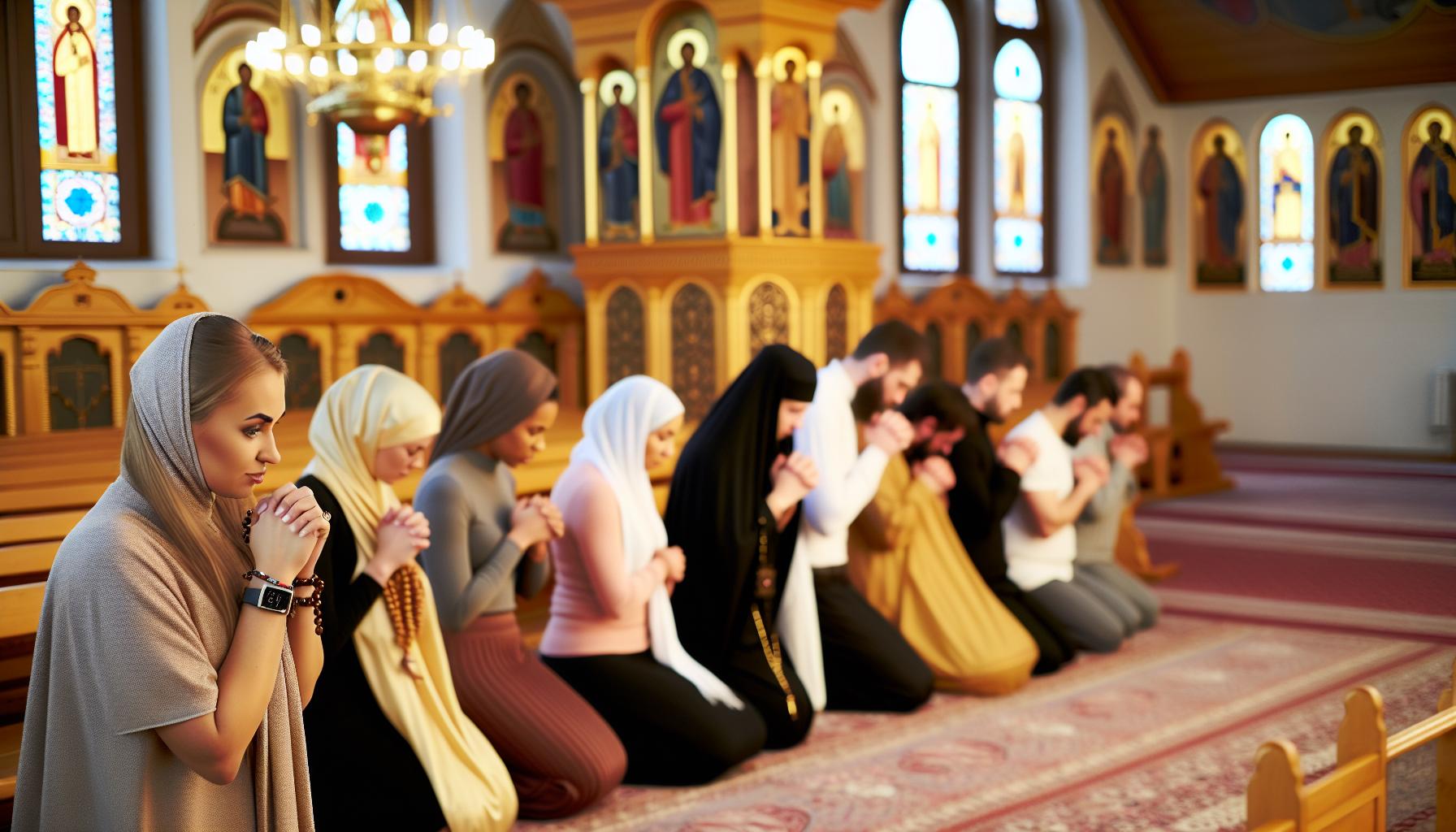
Types of Orthodox Prayers: An Overview
In the rich tapestry of Orthodox Christianity, prayer serves as a vital thread, weaving together the faith, hope, and love of its believers. Each type of prayer reflects a unique aspect of this profound relationship with God, offering believers different avenues to express their faith. Understanding these types can empower individuals to deepen their spiritual lives and cultivate a heart attuned to God’s presence in every circumstance.
Liturgical Prayers
Liturgical prayers are central to corporate worship within the Orthodox tradition and are often recited communally during services. These prayers, such as the Divine Liturgy, are steeped in historical significance and theological depth, providing a structured approach to worship that connects believers with centuries of Christian heritage. Participating in these prayers nurtures a sense of belonging and shared faith, inviting individuals into a sacred space where divine grace is sought collectively.
Personal Prayers
Personal prayers are spontaneous expressions of one’s thoughts and feelings directed toward God. This category can include the widely known Jesus Prayer and other heartfelt requests or expressions of gratitude. Believers are encouraged to make these prayers part of their daily routines, supporting their individual faith journeys. A practice of journaling prayers or setting aside specific times for prayer can help maintain this personal connection with God, fostering an ongoing dialogue that nurtures spiritual growth.
Intercessory Prayers
Intercessory prayers involve praying on behalf of others, embodying the communal aspect of Orthodox faith. This type of prayer reflects love and compassion, urging believers to lift up their families, friends, and even world leaders in supplication. Engaging in intercessory prayer not only deepens one’s sense of empathy but also aligns the believer with Christ’s intercessory role, reinforcing the bonds within the Christian community.
Prayers of Thanksgiving and Praise
Adding a joyful note, prayers of thanksgiving and praise celebrate God’s ongoing work in the world and in individual lives. These prayers remind believers to recognize and cherish everyday blessings, fostering an attitude of gratitude that enhances spiritual well-being. Incorporating these prayers into daily life, whether through morning reflections or evening reminders, can transform mundane moments into opportunities for worship.
As Orthodox Christians navigate their spiritual journeys, embracing various types of prayer enriches their faith and cultivates a more profound connection with God. By integrating these practices into daily routines, believers can experience the transformative power of prayer-nurturing their souls while contributing to the vibrant life of the Church.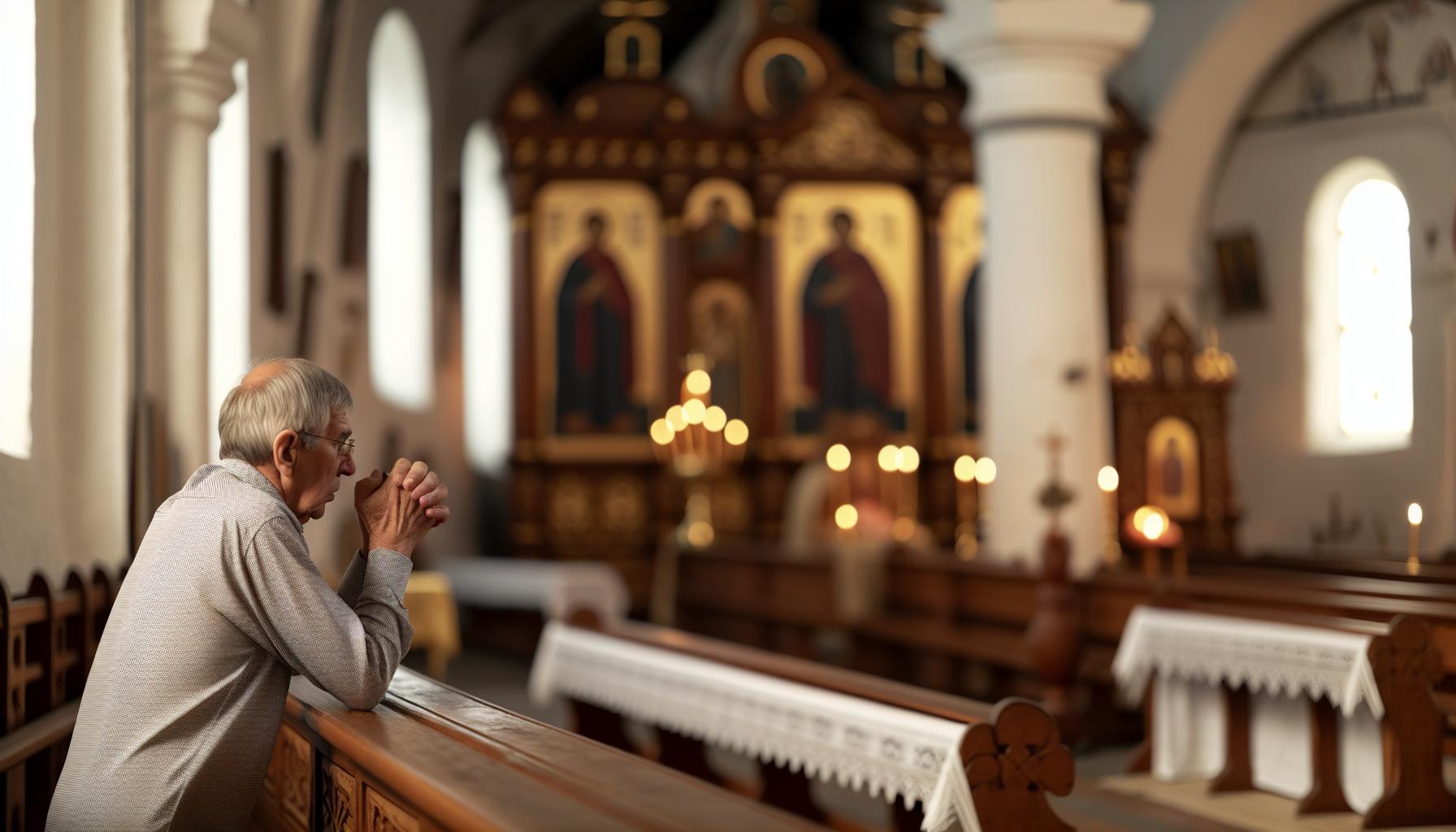
The Structure of Traditional Orthodox Prayers
In the rich tradition of Orthodox Christianity, the structure of prayers is both a sacred art and a profound expression of faith. Each element of these prayers is designed to guide the believer’s heart and mind towards God, fostering a deep personal connection while drawing from the wisdom of generations. Orthodox prayers are not merely words to be recited; they are a means of entering into communion with the Divine and engaging with the timeless truths of the faith.
Core Components of Traditional Prayers
Traditional Orthodox prayers often encompass several key components that structure the experience of prayer. These typically include:
- Invocation: Most prayers begin with an invocation of God’s name, often using titles like “Lord” or “God of Hosts.” This sets a tone of reverence and acknowledgement of God’s majesty.
- Confession: Many prayers include a moment of confession, admitting one’s sins and shortcomings. This practice not only humbles the individual but also opens the heart to receive God’s grace.
- Supplication: This section is dedicated to petitions, where Christians seek help, guidance, and strength for themselves and others. It reflects the believer’s reliance on God’s mercy.
- Thanksgiving and Praise: Gratitude is an essential part of Orthodox prayers, thanking God for His blessings. Praises highlight His attributes and works, reinforcing the believer’s trust and understanding of God’s character.
These components work together to create a holistic approach to prayer that encapsulates worship, reckoning, and relationship.
The Flow of Prayer
The flow of traditional Orthodox prayers is often cyclical, inviting the believer to return to key themes repeatedly. For instance, during the Divine Liturgy, the sequence of prayers embraces the community in a shared experience of worship, where each segment builds upon the last. This continuity nurtures an environment of spiritual reflection and growth, deepening the participants’ understanding and connection to their faith.
Moreover, while the structure serves as a guiding framework, it remains flexible enough to accommodate personal expressions of faith. Believers are encouraged not only to recite formal prayers but to engage in spontaneous prayers arising from their unique circumstances and emotions. This blend of structure and personal expression allows for a dynamic and living prayer life, encouraging continuity between communal and personal worship.
By embracing the structured beauty of Orthodox prayers, believers can find not just a routine, but a transformative practice that strengthens their spiritual lives. Through the rhythm of invocation, confession, supplication, and praise, the faithful are invited to journey deeper into the heart of their faith, forging a path toward closer communion with God and a more compelling experience of His grace in their daily lives.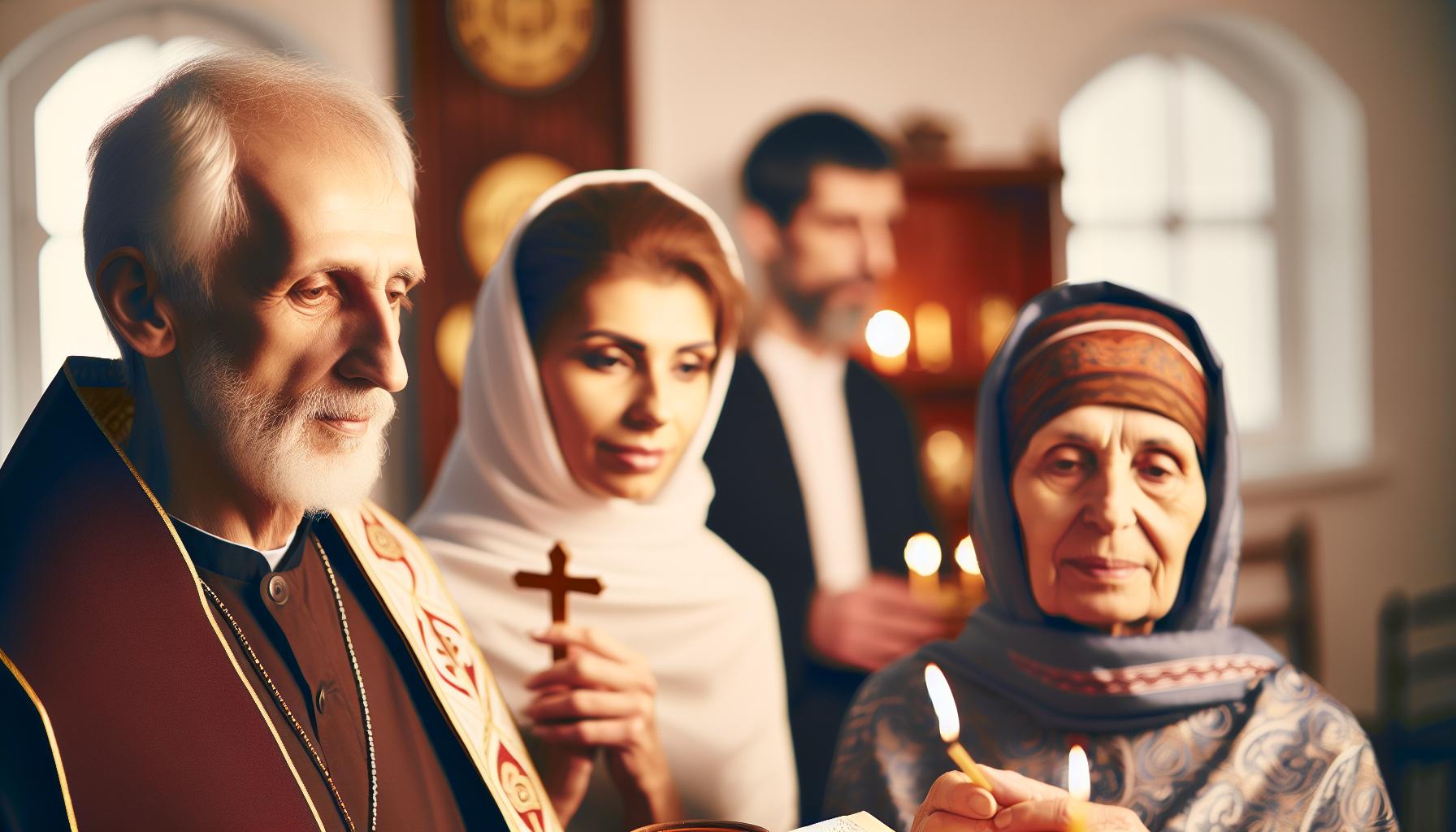
Using Orthodox Prayers in Daily Life
Incorporating Orthodox prayers into daily life transforms mundane moments into opportunities for spiritual connection and growth. Prayer is not confined to specific times or locations; it can permeate every aspect of our day, creating a continuous dialogue with God. This practice helps believers to remain anchored in their faith amidst the distractions and challenges of modern life.
One effective way to integrate prayer into daily routines is through a structured prayer rule, which serves as a guide to regular prayer times throughout the day. This might include morning prayers upon waking, grace before meals, and evening prayers before going to bed. By setting aside these intentional times to pray, believers establish a rhythm that not only fortifies their spiritual life but also reinforces their commitment to their faith. Moreover, short prayers or phrases from Orthodox tradition can be recited throughout the day, creating a mindfulness that brings God’s presence into daily activities. For example, repeating the Jesus Prayer, “Lord Jesus Christ, Son of God, have mercy on me, a sinner,” can serve as a powerful anchor during busy or stressful moments.
Engaging in prayer with family also fosters a sense of unity and shared faith. Families can create a ritual of saying prayers together, whether during meals or at bedtime, reinforcing the idea that faith is a communal journey. Not only does this practice encourage spiritual growth, but it also nurtures relationships among family members. Incorporating prayers that reflect family experiences or concerns can make this practice even more meaningful, as parents demonstrate the importance of relying on God’s guidance in all facets of life.
Lastly, embracing the wisdom found in Orthodox prayers can help to navigate life’s difficulties, including spiritual warfare. By utilizing specific prayers for protection and guidance, believers arm themselves with spiritual tools to face challenges with grace and courage. This proactive approach fosters a deep reliance on God, reminding individuals that they are never alone in their struggles.
Through these practices, the rich tradition of Orthodox prayer finds relevance and vitality in the daily lives of modern believers, encouraging a transformative relationship with God that nurtures both personal and communal faith.
Incorporating Orthodox Prayers into Family Spirituality
In a world that often feels fragmented and fast-paced, creating a space for prayer within the family can be a powerful antidote to life’s chaos. Establishing regular moments of prayer not only nurtures individual faith but also cultivates a sense of unity and purpose among family members. By integrating Orthodox prayers into daily life, families can experience a deepening of their spiritual lives together, rooted in shared beliefs and traditions that have nourished believers for centuries.
One way to foster family spirituality is by establishing a consistent prayer routine. This could include dedicated prayer times before meals, at bedtime, or during Sunday gatherings. The use of traditional prayers and liturgical elements from Orthodox practice can be particularly enriching. Families can choose specific prayers, such as the Lord’s Prayer or the Jesus Prayer, and discuss their meanings to help deepen understanding and appreciation. Involving children in these discussions empowers them to find personal connections with their faith, nurturing a lifelong relationship with God.
Creating Family Prayer Rituals
To enhance the family prayer experience, consider creating special rituals or themed prayer nights. For example, families could dedicate a night each week to pray specifically for different family members or friends, allowing everyone to share their intentions and learn about the power of intercession. This not only supports spiritual growth but also opens up vital conversations about faith challenges and blessings, reinforcing the idea that they are not alone in their struggles.
Another practical approach is to incorporate icons or religious symbols within the home. Setting up a small prayer corner, adorned with icons, candles, and prayer books, creates an inviting atmosphere for prayer. Encourage family members to take turns leading the prayers, which fosters leadership and encourages everyone to contribute their voices in worship.
Incorporating Orthodox prayers into family life isn’t merely about reciting words; it’s about creating a spiritual environment where faith flourishes. By sharing moments of prayer, celebrating Feast Days, and reflecting on Scriptures together, families can weave the rich traditions of Orthodox Christianity into the fabric of their daily lives, ultimately enriching their spiritual journey together.
Ancient Prayer Practices for Modern Times
In today’s fast-moving world, the ancient practices of prayer in Orthodox Christianity offer timeless wisdom and guidance that can enrich our modern lives. Embracing these traditions not only connects believers with their spiritual heritage but also provides a solid foundation for navigating contemporary challenges. For those seeking peace and spiritual fulfillment, integrating these ancient prayer practices into daily routines can foster a deeper relationship with God and strengthen one’s faith.
One powerful method is the use of the Jesus Prayer: “Lord Jesus Christ, Son of God, have mercy on me, a sinner.” This simple yet profound prayer serves as a lifeline amid life’s distractions, fostering an ongoing dialogue with God. Practicing this prayer can transform mundane tasks into moments of spiritual reflection, encouraging a sense of divine presence throughout the day. Additionally, setting aside specific times for prayer-whether in the morning, before meals, or at bedtime-mirrors the daily cycles of prayer observed in the Orthodox tradition, grounding believers in a rhythm that connects them to their faith.
Engaging with the liturgical calendar further enriches spiritual practice by highlighting the significance of various Feast Days and fasting periods. During these times, families can come together to reflect on their faith through prayer and dialogue. For instance, preparing for and celebrating Pascha (Easter) with special prayers and family gatherings can create meaningful traditions while teaching younger generations the importance of their faith. Incorporating scriptural readings associated with these celebrations enhances understanding and invites reflection, allowing families to bond over shared beliefs and experiences.
Utilizing icons and religious imagery within the home can also evoke a sense of sanctity and serve as visual reminders of God’s presence. Designating a corner in the home for prayer-complete with icons, candles, and prayer books-can become a sacred space for both individual and family prayer, instilling a sense of peace and purpose during times of devotion. By weaving these ancient practices into modern family life, believers can cultivate an environment where prayer flourishes, fostering a resilient and joyful faith journey.
The Role of Icons and Symbols in Orthodox Prayers
The visual richness of Orthodoxy, encapsulated in the reverent use of icons and symbols, serves as a profound invitation to the faithful to engage in prayer. Icons are not merely artistic representations; they are considered sacred windows to heaven, designed to connect believers with the divine. Each icon tells a story and illustrates key elements of Orthodox theology, allowing individuals to contemplate and meditate on the life of Christ, the Virgin Mary, and the saints. This veneration of icons is rooted in the understanding that they hold a significant role in the spiritual practices of believers, providing a tactile link to the divine that enhances the prayer experience.
Incorporating icons into prayer life can create a sacred environment conducive to reflection and communion with God. Here are a few ways to make the most of this practice:
- Setting Up a Prayer Corner: Designate a space in your home specifically for prayer. Include icons, candles, and prayer books to cultivate a dedicated environment that encourages spiritual engagement.
- Engaging with Icons: Spend time contemplating individual icons. Allow them to guide your thoughts and prayers, asking for the intercession of the depicted saints and recognizing their lives as examples of faith.
- Incorporating Symbols: Use symbols, such as the cross or specific motifs of the church tradition, during prayer to reinforce your connection to the faith’s rich history and communal beliefs.
Moreover, the physical and visual presence of icons helps in grounding the practice of prayer, especially in a world filled with distractions. The act of venerating an icon is a reminder that prayer is not only a conversation with God; it is an encounter with the divine reality that permeates our existence. Prayer before icons is an act of veneration, acknowledging their role within the faith journey while reinforcing the belief that the holy lives depicted are eternally present and active in the divine economy.
Importantly, icons serve to bridge the day-to-day with the sacred. Families can involve each other in the tradition of lighting candles before icons or reading scriptural passages that correspond with the saints represented. This practice fosters family spirituality and enhances the understanding of one’s heritage, creating lively discussions surrounding faith and history. As believers engage with these sacred images, they not only deepen their personal faith but also contribute to the collective spiritual narrative that envelops the Orthodox community.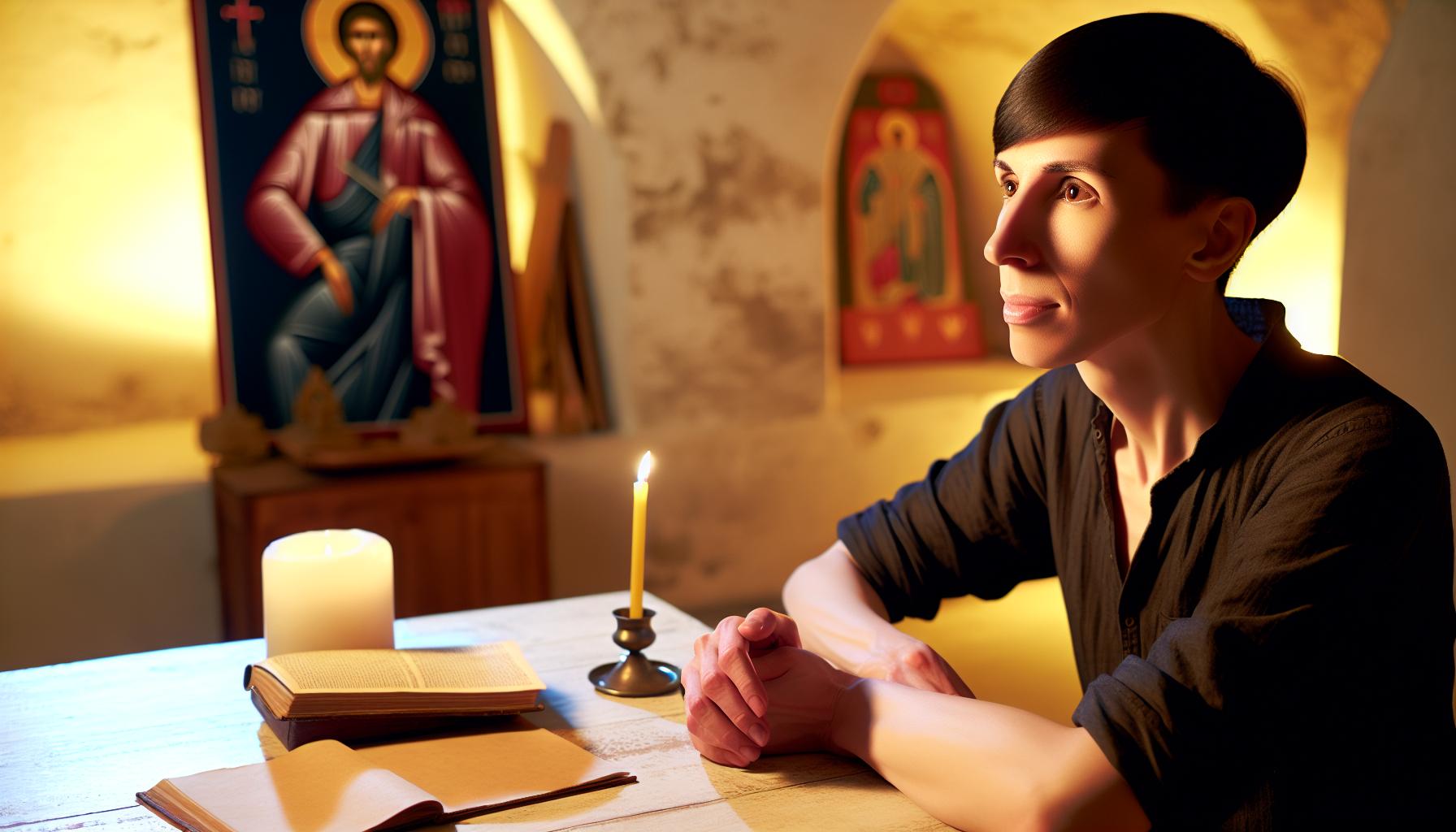
Building a Personal Prayer Routine with Orthodox Wisdom
Developing a personal prayer routine rooted in Orthodox wisdom is an enriching journey that nurtures the soul and deepens one’s relationship with God. Prayer is not merely an act of recitation; it is a heartfelt conversation with the Creator who seeks to know us intimately. By intentionally setting aside time for prayer, we create space for divine interaction, allowing God’s grace to permeate our daily lives and guide our decisions.
To start crafting this routine, consider establishing a designated prayer space within your home. This can be a small corner adorned with meaningful icons, candles, and scripture, creating a sacred atmosphere that invites prayerful contemplation. When you sit in this space, take a moment to center your thoughts, setting aside distractions. As you pray, allow the presence of icons to inspire and transform your prayers, making them not only personal requests but also a dialogue steeped in tradition and community.
Incorporating structured prayers from the Orthodox tradition can greatly enhance your routine. Utilize resources like the Morning Prayers or Evening Prayers from the Orthodox Church in America, which provide rich language and profound theology to guide your conversation with God. You might also include the Prayer to the Holy Spirit, invoking the Comforter to lead you into deeper understanding and peace throughout your day.
- Mornings: Starting your day with gratitude sets a positive tone. Incorporate prayers of thanksgiving and guidance.
- Evenings: Reflect on your day, ask for forgiveness, and offer prayers for those in need, culminating in a prayer of peace.
Engaging with scripture during your prayer time can deepen your understanding and reveal God’s word in meaningful ways. Choose passages that resonate with your current life circumstances or challenge you to grow. Spend time meditating on these verses, allowing the Word to transform your heart and mind. You might also consider journaling your prayers or reflections, which can help you to articulate your thoughts and track your spiritual growth over time.
Ultimately, the key to building a personal prayer routine is consistency. Make a commitment to meet with God daily, even if only for a few moments. In doing so, you cultivate a habit that transforms your spiritual life, leading to a richer experience of faith and a deeper connection with the divine. As you grow in this practice, remember that prayer is not merely a duty but a delightful invitation to encounter the living God.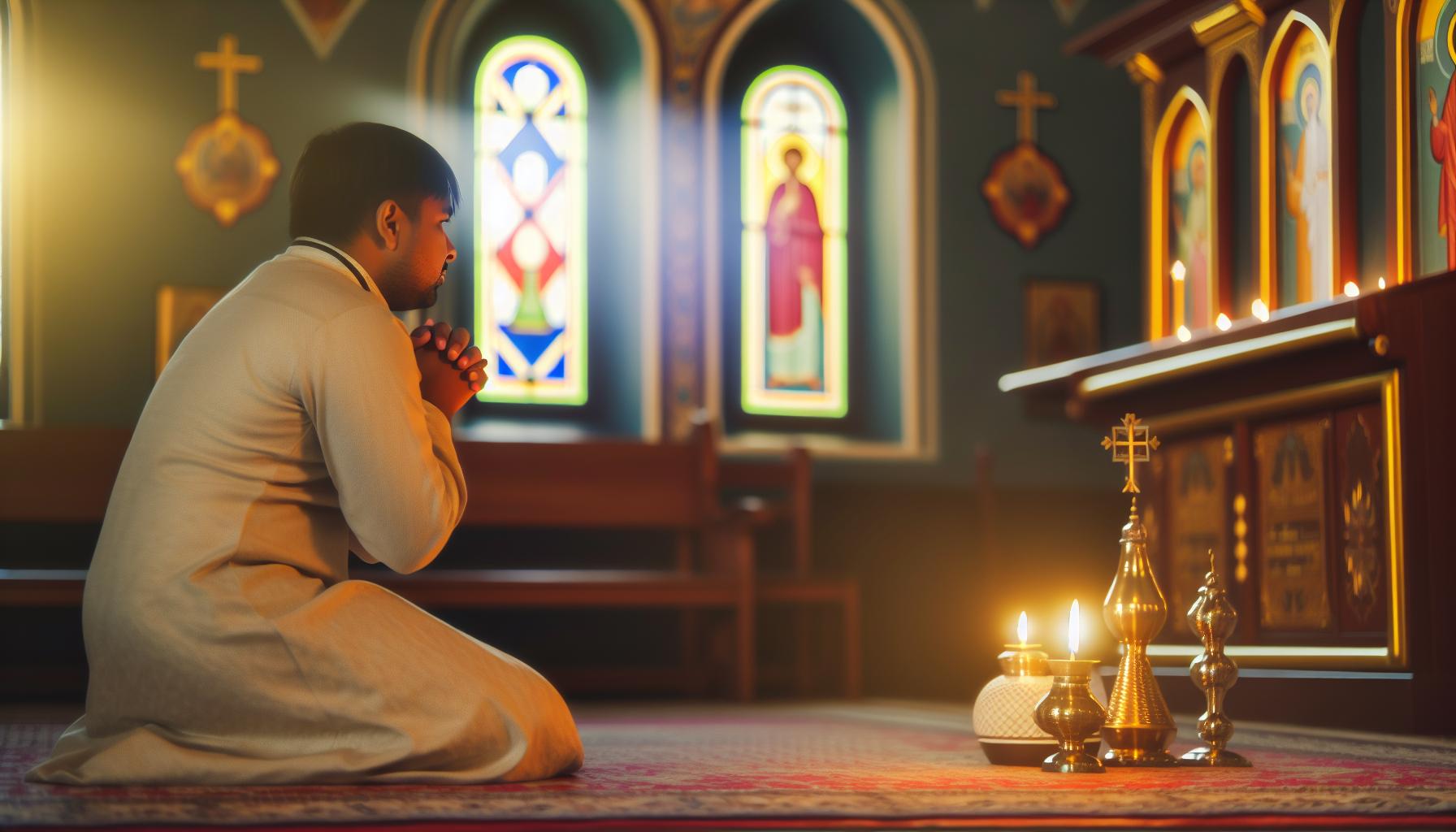
In the life of an Orthodox Christian, spiritual warfare is more than a theological concept; it is an everyday reality faced by believers striving to walk in faith. The nature of this warfare is not physical, but deeply spiritual, involving the struggle against sin, temptation, and the forces that seek to disrupt our relationship with God. Engaging in this battle requires more than just vigilance; it demands a reliance on the rich tradition of Orthodox prayers that have been handed down through generations.
To effectively navigate spiritual warfare, it is essential to incorporate specific prayers and practices that fortify the believer. The use of prayers such as the Jesus Prayer (“Lord Jesus Christ, Son of God, have mercy on me, a sinner”) serves as a powerful tool for combating despair and distraction. This short, repetitive prayer can be integrated into daily routines, allowing it to resonate in moments of temptation or spiritual dryness. Moreover, prayers dedicated to the Holy Spirit invite divine guidance, reinforcing our ability to discern the paths that lead us closer to God, while warding off the influences that aim to draw us away.
Engagement with scripture is also crucial in spiritual warfare. By meditating on passages such as Ephesians 6:10-18, which discusses the armor of God, believers are reminded of the spiritual resources available to them. Incorporating these truths into prayer time not only bolsters one’s faith but also helps to foster a sense of community when shared in corporate worship settings. Moreover, engaging with the Psalms gives voice to the myriad human experiences – from lament to praise – equipping believers with the words they need to express their struggles and victories.
Finally, fostering a community of prayer is invaluable. Regular prayer meetings and home gatherings create an environment for mutual encouragement, where the faithful can support one another in their struggles, share testimonies of grace, and intercede for one another. This collective action enriches personal prayer life and emphasizes the Orthodox understanding that we are all members of the Body of Christ, called to bear one another’s burdens in prayer. As one perseveres through these spiritual battles, the power of Orthodox prayers becomes evident, illuminating the way forward and deepening the relationship with God amid life’s challenges.
Connecting with the Community through Corporate Prayer
In our fast-paced and often fragmented lives, coming together through corporate prayer offers a profound opportunity to reconnect with God and each other. This communal aspect of prayer is deeply rooted in Orthodox tradition, reminding believers that they are not alone in their spiritual journeys. Whether gathered in a church or living room, corporate prayer fosters a spirit of unity as participants lift their voices in common supplication, echoing the ancient practices of the Church.
The Orthodox Church emphasizes the significance of community, stating that “personal devotion and community worship belong intimately together.” This relationship underscores that our prayers are not merely individualistic acts but part of a collective expression of faith. Regularly assembling for prayer can take many forms, from structured liturgical services to informal prayer groups. Each gathering serves as an enduring reminder of the call to “bear one another’s burdens” (Galatians 6:2), reinforcing the idea that strength can be drawn from mutual support, shared faith, and the lifting of each other’s worries and joys before God.
To enhance these gatherings, consider incorporating a variety of prayers that resonate with all participants. For instance, selecting prayers for the sick, the distressed, and the lost not only elevates the prayer life but also invites others to share their specific needs and experiences. Furthermore, leaders of prayer gatherings can encourage members to read from the Psalms, offering biblical expressions of prayer that encapsulate the range of human emotions-from gratitude to despair, hope to mourning. This allows for deeper reflection and understanding of both personal and communal struggles as they are presented before God.
Ultimately, the experience of reignites the flame of communal faith. By coming together, believers not only strengthen their current relationships but also foster new ones, deepening their bonds in Christ. As they collectively navigate life’s challenges, these prayerful moments lay the foundation for a resilient, supportive faith community equipped to encourage one another in holiness, growth, and grace, reminding all that they are part of a much larger story-one woven together by fervent prayers echoing through the ages.
Q&A
Q: What are the core principles of Orthodox prayers?
A: The core principles of Orthodox prayers include sincerity, humility, and reverence. They are rooted in scripture and the teachings of the Church, aiming to foster a deep connection with God through private and communal prayer. They often reflect the community’s shared faith and personal devotion.
Q: How can I start using Orthodox prayers in my personal life?
A: To start using Orthodox prayers in your personal life, begin with daily morning and evening prayers. Incorporate the “Jesus Prayer” for focus and mindfulness throughout the day. Consider using prayer books or resources from your local Orthodox church for structured guidance.
Q: Why are icons important in Orthodox prayer practices?
A: Icons serve as windows to the divine in Orthodox prayer practices, helping believers visualize and connect with sacred events and saints. They are venerated during prayers, reminding worshippers of God’s presence and the communion of saints surrounding them in prayer.
Q: What types of prayers are commonly used in Orthodox traditions?
A: Common types of prayers in Orthodox traditions include the Lord’s Prayer, the Jesus Prayer, and various canonical prayers for morning, evening, and specific occasions. Additionally, prayers for healing, thanksgiving, and intercession are frequently incorporated into personal and community practices.
Q: How can families integrate Orthodox prayers into their daily routine?
A: Families can integrate Orthodox prayers by setting aside time for family prayer at breakfast or bedtime, involving children in reading prayers aloud, and celebrating feast days with special prayers and rituals. This fosters a spiritual atmosphere in the home.
Q: When should Orthodox Christians pray throughout the day?
A: Orthodox Christians are encouraged to pray throughout the day, often following a schedule that includes morning prayers upon waking, prayers before meals, and evening prayers before bed. Spontaneous prayers can also be offered at any moment in response to needs or gratitude.
Q: How do I find Orthodox prayer resources for beginners?
A: Beginners can find Orthodox prayer resources through local churches, online platforms, or by purchasing pocket prayer books specific to Orthodox practices. Websites like the Orthodox Church in America provide a wealth of prayers suitable for all levels of experience.
Q: What role does community play in Orthodox prayer practices?
A: Community plays a significant role in Orthodox prayer practices, as collective worship reinforces faith and fellowship. Attending services, participating in prayers, and joining prayer groups deepen communal ties and enhance individual spirituality through shared experiences.
Wrapping Up
As you delve into “Orthodox Prayers: Ancient Traditions for Modern Believers,” consider how these age-old practices can enrich your spiritual life today. By integrating these prayers into your daily routine, you’ll strengthen your connection to God and foster a profound sense of peace and purpose. Don’t wait-start your journey of prayer and discovery now!
Explore our additional resources on prayer life, Bible study, and devotional practices to enhance your understanding and experience of Orthodox traditions. Remember, each prayer is a step closer to a deeper relationship with Christ, so embrace these moments fully. Your faith journey deserves continual nourishment, and we’re here to support you.
Join our community today by signing up for our newsletter for the latest insights and encouragements to guide you in authentic Christian living. Share your thoughts in the comments below-what prayer has inspired you the most? Let’s grow together in faith!