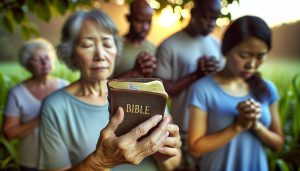
In a world filled with challenges that affect our bodies, minds, and spirits, the power of prayer offers a profound path to healing and restoration. “Prayers for Health: Divine Healing for Body, Mind, and Spirit” invites you to explore the transformative nature of seeking God’s guidance and strength through heartfelt prayer. Many people grapple with physical ailments, emotional struggles, or spiritual emptiness at various points in their lives, often feeling isolated in their suffering. Yet, through dedicated prayer, we can find solace, comfort, and renewed hope, connecting with the divine source of all healing. This article not only emphasizes the importance of prayer in our daily lives but also provides valuable insights and examples that can nurture your faith journey. As you delve into these powerful prayers, may your heart be encouraged, your spirit rejuvenated, and your health restored, reminding you that God cares deeply for every aspect of your being. Join us in this exploration and discover how prayer can illuminate your path toward holistic well-being.
Contents
- 1 Prayers for Physical Healing: Scriptures and Practices
- 2 Healing Prayers for Mental Clarity and Peace
- 3 Spiritual Healing: Nurturing Your Soul through Prayer
- 4 The Power of Community: Collective Prayer for Health
- 5 Intercessory Prayer: How to Pray for Others’ Healing
- 6 Faith and Healing: Trusting God during Illness
- 7 Prayer in Times of Crisis: Healing for Body and Mind
- 8 Incorporating Scripture into Your Healing Prayers
- 9 Meditative Prayer: Finding Inner Healing and Serenity
- 10 Prayers for Children’s Health: Instilling Faith and Hope
- 11 Creating a Prayer Routine for Holistic Wellness
- 12 Testimonies of Divine Healing: Stories from Believers
- 13 Q&A
- 14 The Conclusion
Prayers for Physical Healing: Scriptures and Practices
In the journey of faith, the quest for physical healing is both profound and personal. Many believers experience moments when their bodies fail or are in distress, and it is during these times that prayer becomes an indispensable tool. Engaging in prayer for healing not only deepens our connection with the Lord but also empowers us as we seek restoration for our bodies. Scriptural foundations provide solid ground for these prayers, reassuring us that God is both our healer and ever-present help.
When praying for physical healing, scripture can serve as a potent guide and affirm our faith. Popular verses such as Psalm 147:3 (“He heals the brokenhearted and binds up their wounds”) and Isaiah 53:5 (“By his wounds, we are healed”) remind us of God’s promise of restoration. To reinforce your prayers, consider incorporating these scriptures directly into your conversation with God or meditative practices. For example, create a prayer routine that includes reading these verses aloud, followed by heartfelt prayers that express your hopes and desires for healing.
Moreover, practical steps can reinforce the power of prayer in seeking physical healing. Here are some practices you might consider:
- Daily Prayer Journaling: Write down your thoughts, prayers, and responses as you meditate on healing scriptures. This can serve as a powerful reminder of God’s promises.
- Creating a Healing Prayer Space: Designate a calming space in your home where you can focus on prayer and reflection.
- Prayer Partners: Gather a small group of friends or family to pray together regularly, holding each other up during times of physical challenge.
Incorporating these elements into your practice not only fosters a deeper reliance on God’s healing power but also reinforces the community aspect of faith, reminding us that we are not alone in our struggles. Healing prayers rooted in scripture provide the assurance we need, ultimately nurturing our spirits and bodies as we trust in God’s divine timetable for recovery.
Healing Prayers for Mental Clarity and Peace

In a world often filled with noise and distractions, many believers find themselves yearning for mental clarity and peace. Just as physical wounds require healing, so too do the battles within our minds and hearts. Prayer becomes a powerful tool in seeking that clarity, allowing us to cast our anxieties upon the Lord, who is eager to offer comfort and guidance. Philippians 4:6-7 reminds us, “Do not be anxious about anything, but in every situation, by prayer and petition, with thanksgiving, present your requests to God. And the peace of God, which transcends all understanding, will guard your hearts and your minds in Christ Jesus.”
To cultivate mental clarity through prayer, it can be beneficial to establish a structured approach. Here are some practical strategies you might consider:
- Begin with Gratitude: Start your prayer by acknowledging the blessings in your life. As you focus on gratitude, it can shift your mindset away from anxiety and toward peace.
- Scriptural Meditation: Select a verse that speaks to your current struggles, such as Isaiah 26:3, “You will keep in perfect peace those whose minds are steadfast, because they trust in you.” Meditate on this scripture, allowing it to seep into your thoughts and diffuse any mental turmoil.
- Breath Prayers: Create simple, short prayers that you can repeat throughout your day. Phrases like “Lord, bring me peace” or “Trusting in Your plan” can be recited as you breathe deeply, centering your mind and spirit on God’s presence.
- Prayer Walks: Engage with nature by going for prayer walks. As you walk, communicate with God, expressing your thoughts and feelings aloud while enjoying the beauty of His creation, which can naturally calm the mind.
As you commit to regular prayer, be open to being still in God’s presence. This practice not only reveals His will but also allows for the Holy Spirit to work within you, refreshing your mind and granting peace that surpasses understanding. Moreover, consider gathering with a small group of fellow believers for collective prayer. The synergy found in shared faith can amplify the peace you seek, reminding you that you are not alone in your struggles. Together, you can lift one another up, and intertwine your prayers for mental clarity and peace with the hope found in Christ.
By embracing these practices, you create intentional moments in your day where clarity and peace can flourish, rooted in faith and prayer. In seeking God’s guidance, you turn your worries into worship, cultivating a tranquil mindset ready to face the day. Through prayer, the path to mental clarity can become a journey of hope, trust, and deepened faith.
Spiritual Healing: Nurturing Your Soul through Prayer

In the quiet moments of prayer, souls are nurtured, renewed, and restored. Just as our bodies require nutritional sustenance, our spirits long for connection with the Divine. Spiritual healing is not merely about escaping pain; it’s about inviting God’s presence into our lives, allowing Him to mend our hearts and transform our inner being. This sacred interaction cultivates a deeper relationship with God, where we can align our thoughts and actions with His grace and love. The act of praying is a powerful means through which we can seek guidance, strength, and solace, fostering an environment where spiritual healing can flourish.
Embracing Prayer for Spiritual Renewal
Establishing a consistent prayer life is essential for nurturing the soul. Engaging in heartfelt conversations with God opens up the channels of communication, where our fears, doubts, and hopes can be laid bare. Here are a few ways to embrace prayer for spiritual renewal:
- Daily Devotions: Set aside dedicated time each day for prayer and Bible study. Reflecting on God’s Word and engaging with His promises can reinforce your faith and offer insights into your spiritual journey.
- Prayers of Confession: Recognizing and confessing sins bring light to the areas of our lives that need healing. Psalm 51:10 invites us: “Create in me a pure heart, O God, and renew a steadfast spirit within me.” This act of humility opens the door for God’s transformative healing.
- Gratitude Journaling: Keeping a gratitude journal where you document answered prayers and blessings fosters an awareness of God’s presence. Reflecting on His goodness cultivates joy and nurtures your spirit further.
Listening and Reflecting in Prayer
Effective prayer is not only about speaking but also listening. Incorporating silence and reflection into your prayer time allows for the Holy Spirit to speak into your heart, guiding your thoughts and actions. Listening prayer can lead to profound spiritual insights, as the chaos of life quiets, and clarity emerges. Matthew 11:28-30 reminds us of Jesus’ invitation to find rest in Him: “Come to me, all you who are weary and burdened, and I will give you rest.”
In this process, consider asking God specific questions about what you are facing or seeking. Write down any impressions or thoughts you receive during your quiet time with Him. This practice encourages deeper engagement and reveals the depth of God’s character and His will for your life.
Through consistent prayer practices, believers can nurture their souls and invite the Holy Spirit to transform their hearts, bringing healing to brokenness. As you commit to a life of prayer, remember that spiritual healing is not a destination but a continuous journey of intimacy with Christ, leading to a vibrant and renewed spirit that reflects His glory.
The Power of Community: Collective Prayer for Health

In times of uncertainty and distress, the power of collective prayer serves as a beacon of hope, fostering a deep sense of community and shared purpose. When believers come together to seek divine health, they not only amplify their individual prayers but also create a powerful atmosphere of faith that invites miraculous healing. Ecclesiastes 4:9-12 reminds us that two are better than one, and this principle is vividly illustrated in the practice of communal prayer. As we unite in prayer, our burdens are shared, and the strength of community weaves a safety net that can catch us in our moments of need.
Joining hands in prayer with family, friends, or church groups can enhance spiritual growth and create accountability within our faith journeys. Regular prayer meetings, whether in homes or church gatherings, provide opportunities for believers to share their struggles and testimonies. This not only allows for targeted intercessory prayers for specific health issues but also fosters an environment where individuals can witness God’s faithfulness in action. The bonds formed through these communal experiences remind us that we are not alone in our battles and that together, our faith can mount walls of protection against illness or despair.
As individuals pray for others, it cultivates a spirit of generosity and selflessness, which is at the heart of Christian community. Using prayer chains or dedicated prayer lists can keep everyone engaged and informed about the needs within the group. James 5:16 encourages us to confess our sins and pray for one another, highlighting the transformative power of united prayer. Additionally, creating spaces for testimonies during gatherings can uplift spirits and remind everyone of the miraculous ways God has intervened, reinforcing faith in His ongoing work.
Incorporating communal prayer in our worship can take many forms, including praying for specific community health initiatives or rallying around those facing medical challenges. Whether through a virtual gathering or in-person meetings, praying collectively reinforces our commitment to one another and deepens the connection to God’s healing touch. By lifting each other in prayer, we not only invite His intervention in our health matters but also strengthen the fabric of community-reminding us of our shared faith and hope in Him. Supporting each other through collective prayer is essential, as it embodies the essence of Christ’s love, which manifests most profoundly in our willingness to intercede for one another.
Intercessory Prayer: How to Pray for Others’ Healing

In life, witnessing a loved one struggle through illness can be profoundly disheartening. Yet, as believers, we hold a powerful tool within us: intercessory prayer. This practice not only allows us to directly communicate with God on behalf of those in need but also strengthens our faith community and deepens our compassion. Intercessory prayer is more than just asking for physical healing; it’s a vital way to uplift the entire person-body, mind, and spirit-before the Lord.
Praying for another person’s healing can be structured yet deeply personal. Begin by taking time to listen to the individual’s needs. Understand what they are facing-be it a physical ailment, emotional distress, or spiritual struggles. Once you have a grasp of their specific situation, you can approach God with informed and heartfelt petitions. Acknowledging their pain and our human limitations can be powerful. You might say something like, “Heavenly Father, I bring [Name] before You. You know their struggles and pain, and I ask for Your healing touch on their body, mind, and spirit.”
Incorporating Scripture into your prayers can significantly enhance your intercession. Verses from the Bible not only remind you of God’s promises but also serve as affirmations of hope. You could draw upon Psalms for encouragement (e.g., Psalm 103:2-3 emphasizes God’s healing power) or Isaiah for strength in times of weakness (Isaiah 41:10 assures that God is with us). By speaking these words during prayer, you align your requests with God’s will and infuse your intercession with divine authority.
It’s equally important to maintain an attitude of faith and expectancy. Intercessory prayer is an act of belief that God hears and will act according to His perfect will. Sometimes, the healing may manifest in unexpected ways, such as emotional peace or a renewed sense of purpose. Therefore, be open to witnessing God’s work in various forms and encourage those you pray for to embrace this journey. In your prayers and follow-ups, remind them that they are not alone, and your love and support-as well as God’s-surround them continually.
Incorporating these practices into your prayer life can transform how you support others during their difficult times, creating an uplifting environment full of faith, hope, and healing. Ultimately, intercessory prayer can enrich our spiritual lives and those around us, highlighting the profound truth that we are indeed our brothers’ keepers.
Faith and Healing: Trusting God during Illness

Sometimes, it can be profoundly difficult to hold onto your faith while grappling with illness. The physical and emotional toll can lead to doubts and fears that seem insurmountable. However, even in these moments of struggle, trusting in God can bring hope and strength. Scripture urges believers to cast all their anxieties on Him because He cares for them (1 Peter 5:7), reminding us that God walks alongside us in our suffering.
Incorporating prayer into your healing journey is vital. Engage in consistent prayer, not as a mere ritual but as an opportunity to build a deep and intimate relationship with God. Speak to Him openly about your struggles, fears, and desires for healing. You might say, “Lord, I feel overwhelmed by this illness. Please give me strength and peace as I navigate this challenging time.” This honest communication fosters trust and reliance on His promises.
As you pray, it can also be helpful to meditate on specific scriptures that encourage faith and healing. For instance, Psalm 147:3 assures us that “He heals the brokenhearted and binds up their wounds,” providing a powerful reminder of God’s compassionate nature. Regularly reciting such verses can embolden your spirit, reminding you that healing is part of His divine plan. Furthermore, creating a prayer list that includes these scriptures can serve as a tangible way to stay focused on God’s promises during trying times.
Building a support system with fellow believers can reinforce your faith and assist in the healing process. Engage in communal prayer, seek out fellowship, and share your experiences within a close-knit church group or prayer chain. The prayers and encouragement from others can uplift you and deepen your faith when you find it challenging to hold onto hope yourself. Together, through faith, we can bear each other’s burdens and find solace in the Lord’s presence, nurturing a powerful community centered on divine healing.
Ultimately, trusting God during illness is a journey. It involves believing that, regardless of the outcome, His plans for you are good and filled with hope. Embrace prayer not just as a transaction for healing but as a way to experience His love, peace, and comfort that surpasses all understanding (Philippians 4:7).
Prayer in Times of Crisis: Healing for Body and Mind

In moments of crisis, when the weight of illness or distress presses heavily upon our hearts and bodies, the power of prayer becomes a lifeline to the divine. As believers, we can turn to God, trusting that He sees our struggles, hears our cries, and is ready to envelop us in His healing embrace. Indeed, prayer serves not just as a request for relief, but as an intimate conversation where we lay bare our vulnerabilities and receive strength from God’s unwavering love.
During times of crisis, focusing your prayers on holistic healing-body, mind, and spirit-can be particularly grounding. Consider creating a sacred space for prayer, where distractions fade away and the presence of God fills the atmosphere. Light a candle, play soft worship music, or choose a comfortable spot in your home. Spend a few moments in silence, inviting the Holy Spirit to guide your thoughts and prayers. Then, speak your worries out loud: “Father, I am anxious about my health. I surrender this weight to You; please bring peace to my mind and healing to my body.”
To enhance your prayers, incorporating specific Scriptures can transform your communication with God into a powerful experience of faith. Verses like Isaiah 41:10 remind us, “So do not fear, for I am with you; do not be dismayed, for I am your God. I will strengthen you and help you; I will uphold you with my righteous right hand.” Reflecting on such passages can deepen your understanding of God’s promises during our trials. Create a prayer journal that includes these verses, writing them down alongside your fears and prayers. This practice will strengthen your faith and help you track the answers and peace you receive.
As you pray, remember the healing that can occur not just through personal prayers but also through collective intercession. Reach out to friends, family, or your church community, asking them to pray with you. Sharing your burdens invites others to lift you up before God, fostering a sense of unity and love that can powerfully impact your healing journey. Jesus Himself emphasized this practice when He said, “For where two or three gather in my name, there am I with them” (Matthew 18:20).
In the face of crisis, let your prayers be filled with expectancy and hope, knowing that healing may not come in the manner we envision, but that God’s plan is always for our good. Approach each prayer with the assurance that, regardless of circumstances, you are deeply loved and cared for by the Creator who holds every moment in His hands. Remember that even in the darkest hours, God is working all things together for His glory and your ultimate healing.
Incorporating Scripture into Your Healing Prayers

can significantly enhance not only the depth of your communication with God but also your spiritual experience throughout the healing process. The Bible is rich with promises and reassurances that speak to our physical, emotional, and spiritual needs. By weaving Scripture into your prayers, you align your thoughts and desires with God’s Word, inviting His power into your life in a transformative way.
Begin by identifying verses that resonate with your current situation or needs. For instance, Psalm 30:2 declares, “O Lord my God, I cried to You for help, and You have healed me.” This can become a foundational prayer as you seek healing. You might consider creating a personal prayer card or journal where you write down key verses. Take time to reflect on each verse, meditating on its meaning and how it applies to your life. This practice can create a powerful bridge between your concerns and God’s promises.
Practical Steps to Incorporate Scripture
- Select Relevant Verses: Choose scriptures that speak directly to your needs. In addition to Psalm 30:2, verses like Jeremiah 30:17 (“But I will restore you to health and heal your wounds, declares the Lord”) can provide hope and encouragement.
- Pray Aloud: As you pray, incorporate these verses verbatim or paraphrase them to personalize your prayer. For example, you might say, “Lord, Your Word promises that You will restore my health. I hold on to this truth as I seek Your healing today.”
- Reflect and Write: After praying, take a moment to write down any thoughts or insights that arise. This reflection can offer clarity and a deeper understanding of God’s presence in your healing journey.
- Visual Reminders: Consider using visual aids, like post-it notes with your favorite healing scriptures placed around your home or workspace. These serve as constant reminders of God’s Word and His promises, encouraging you to turn your thoughts toward Him throughout the day.
Remember, prayer is not just a ritual-it’s a relationship. By intentionally incorporating Scripture into your prayers, you not only petition God for healing but also affirm His faithfulness and sovereignty in your life. Each time you recite a verse, you declare your trust in God’s ability to heal and restore, reinforcing a spirit of hope and faith that nurtures your soul during challenging times. Ultimately, this practice not only grounds you in Scripture but also nourishes your walk with the Lord as you navigate the complexities of health and wellbeing.
Meditative Prayer: Finding Inner Healing and Serenity

In a fast-paced world filled with stress and distractions, finding inner peace can often feel like an elusive goal. Meditative prayer offers a transformative approach to reconnecting with God, fostering an environment where healing of the body, mind, and spirit can flourish. By integrating moments of quiet reflection and intentional focus into your prayer life, you open yourself up to profound experiences of serenity and clarity that are essential for wholeness.
To engage in meditative prayer, begin by choosing a serene space where you feel safe and undisturbed. Settle into this space by taking deep breaths, allowing your body to relax and your mind to quiet. Center your thoughts on God, perhaps beginning with a simple prayer inviting His presence into this sacred time. As you breathe in and out, visualize each breath as an act of surrender, releasing worries or distractions to Him. This practice can help cultivate a lasting sense of peace, grounding you in the reality of God’s love and healing power.
Practical Steps for Meditative Prayer
- Focus on Scripture: Choose a verse that speaks to healing and tranquility, such as Philippians 4:7, which promises, “And the peace of God, which surpasses all understanding, will guard your hearts and your minds in Christ Jesus.” Meditate on this passage, letting its meaning sink deep into your heart.
- Use Imagery: As you meditate, imagine yourself enveloped in warmth and light, picturing God’s love surrounding you like a gentle embrace. This visualization can help to reinforce feelings of safety and support.
- Engaging Your Senses: Incorporate gentle sounds, like soft instrumental music or nature sounds, to enhance your focus. Lighting a candle or using essential oils can further create an inviting atmosphere conducive to spiritual connection.
- Wrap Up with Gratitude: At the close of your meditation, express gratitude for the time spent with God and for the peace you are feeling, as well as for the healing you seek. This focuses your heart on His blessings and strengthens your faith.
Through meditative prayer, you can cultivate not just moments of peace, but a deeper relationship with God that nurtures your entire being. As you continue to practice this form of prayer, you may find that it not only brings you inner serenity but also equips you with resilience against life’s challenges. Trust that God is at work in your life, offering healing in your moments of stillness, renewing your spirit and expanding your capacity to connect with Him amid life’s tumult.
Prayers for Children’s Health: Instilling Faith and Hope

In every parent’s heart, the desire for their child’s health and happiness is a powerful force. When faced with illness or distress, it can feel overwhelming, but prayer provides a pathway to divine intervention and peace. Instilling faith and hope in our children during these challenging times can help build resilience and a deep-rooted trust in God’s love and healing power. By engaging in specific prayers for health, we not only offer our children spiritual support but also teach them the importance of reliance on God.
One effective way to approach prayers for children’s health is by using scripture. The Bible is rich with verses that affirm God’s healing promises. For instance, Exodus 15:26 states, “I am the Lord who heals you,” reminding us that God is always present to restore and heal. Involve your children in these prayers, allowing them to speak their own words of hope and faith. Encourage them to pray for others as well, fostering a sense of community and compassion which can be incredibly healing.
Practical Prayer Ideas for Children’s Health
- Morning Prayer: Start each day with a short prayer, thanking God for the gift of health and asking for His protection over your child.
- Prayer Journal: Create a special journal where your child can write their prayers and thoughts about their health. This encourages self-expression and reflection.
- Scripture Visualization: After reading a scripture about healing, encourage your child to visualize what healing looks like for them, enhancing their faith through imagination.
- Family Prayer Circle: Set aside time each week for a family prayer circle where each member lifts up their personal health concerns and those of others.
By incorporating these practices into your family routine, you not only cultivate a prayerful atmosphere but also reinforce the belief that God is actively involved in their lives. As your children share their concerns, listen, and guide them to see how God’s love can offer comfort. This dual process of praying and listening can solidify their understanding of faith and healing. In times of illness or anxiety, let your children know they are never alone; God is always a prayer away, ready to comfort their hearts and strengthen their spirits.
Creating a Prayer Routine for Holistic Wellness

Creating a prayer routine is an invaluable practice for nurturing holistic wellness in our lives-body, mind, and spirit. Consistent prayer not only invites God’s presence into our daily activities but also serves as a grounding force amidst life’s challenges. By setting aside dedicated time each day for prayer, we cultivate a deeper relationship with God, embracing the healing power of His love and guidance in every aspect of our being.
To create an effective prayer routine, begin by establishing a specific time and place for prayer. This could be early in the morning before the day begins, during a lunch break, or right before bed-find what works best for you. Make it a sacred space, free from distractions, where you can fully engage in your conversations with God. Incorporate various forms of prayer that resonate with your heart, such as spoken prayers, written reflections, or even singing hymns. This multifaceted approach can enhance your experience, allowing you to connect with God in ways that feel authentic and meaningful.
Components of a Holistic Prayer Routine
- Scripture Reflection: Begin your prayer time by reading a verse or passage from the Bible. Reflect on its meaning and how it applies to your life. Psalms, for example, offer profound insights into both healing and comfort.
- Prayer for Self and Others: Balance your prayers between your personal needs and intercessions for others. This gives you a broader perspective on life’s challenges and strengthens your sense of community.
- Physical Expression: Sometimes incorporating movement-like kneeling, raising your hands, or even quiet walking-can enhance your prayer experience. Let your body connect with your spirit in worship.
- Journaling: Keep a prayer journal to document your prayers, thoughts, and the ways you see God working in your life. This creates a tangible record of your faith journey and God’s faithfulness.
- Gratitude Practice: Conclude your session by thanking God for His blessings. Expressing gratitude can shift your mindset and remind you of His continual provision.
As you build this routine, remember that prayer is not merely a task; it is a relationship. The more you engage sincerely, the more you will find peace and clarity in your mind, encouragement for your spirit, and even healing for your body. Your prayer routine can evolve over time, adapting to your changing needs and circumstances. Trust that God cherishes these moments spent with Him and will fill you with the wellness you seek. Let His healing presence transform your life, guiding you towards wholeness in every dimension.
Testimonies of Divine Healing: Stories from Believers

In times of crisis or deep struggle, many believers have experienced remarkable testimonies of healing that stand as powerful affirmations of faith. These stories serve not only as encouragement but also as reminders of God’s active presence in our lives. From terminal illnesses to emotional burdens, the testimonials of divine healing reveal the profound impact of prayer, community, and unyielding faith in the face of adversity.
One striking example is that of a woman named Sarah, who faced a daunting cancer diagnosis. After undergoing extensive treatments, she found herself physically weakened and spiritually weary. Desperate for hope, she turned to prayer and gathered her family and friends for a month-long prayer vigil. Each day, they claimed Scriptures like Isaiah 53:5, which reminds us that “by His wounds we are healed.” Miraculously, after weeks of prayer and support, Sarah received the news that her scans showed no trace of cancer. Her story not only highlights her healing but also showcases the power of collective prayer and faith-filled community support.
Similarly, John, a father struggling with severe depression, discovered the healing potential of spiritual practices. He began to write letters to God, expressing his fears and doubts, while simultaneously praying through Psalms. Over time, his commitment to prayer transformed his mindset. He felt a gradual lifting of the darkness as God’s peace enveloped him. John’s testimony emphasizes how consistent and heartfelt communication with God can lead to emotional restoration, affirming the promise found in Philippians 4:6-7, where peace that surpasses understanding guards our hearts and minds.
These testimonies remind us that even amid our struggles, God hears our prayers and responds in His perfect timing. Healing may not always manifest in the way we expect, but trusting in God’s plan can bring comfort and strength. As we share and listen to these stories, let us encourage one another, knowing that our faith can move mountains and that prayer is a powerful tool for healing-spiritually, mentally, and physically. With each story, we are reminded that we are never alone in our battles; our collective faith can forge pathways to miraculous healing.
Q&A
Q: What are effective prayers for health and healing?
A: Effective prayers for health and healing often include specific intentions, such as asking for strength, peace, and restoration. Incorporating scripture, like James 5:15, reinforces the prayer’s power. Consider creating a daily prayer routine, as suggested in our article on creating a prayer routine for holistic wellness.
Q: How can I pray for someone’s healing?
A: To pray for someone’s healing, express your love and concern in your prayer. Use their name and mention their specific condition. You can also recite biblical healing verses to strengthen your prayer, as discussed in our section on intercessory prayer.
Q: What types of prayers can help with mental health?
A: Prayers that focus on mental clarity and peace can greatly assist mental health. Pray for calmness, wisdom, and guidance to overcome anxiety or depression. Explore our article on healing prayers for mental clarity for specific examples and verses to include.
Q: Can group prayer be more effective for healing?
A: Yes, group prayer can amplify positive energy and support. It fosters community connection and collective faith, which can be spiritually uplifting. Read about the power of community prayer in our article, where we highlight its healing benefits.
Q: How do I include scripture in my healing prayers?
A: To include scripture in your healing prayers, select relevant verses that resonate with your intention. Reciting passages like Psalm 103:2-3 can enhance the prayer’s impact. Our article on incorporating scripture into healing prayers offers practical tips for doing this effectively.
Q: What role does faith play in healing prayers?
A: Faith is fundamental to healing prayers; it is the belief that God can and will heal. Trusting in God’s promises can strengthen your prayers and provide comfort. Our section on faith and healing discusses how to cultivate trust during illness.
Q: How can children be taught to pray for health?
A: Teaching children to pray for health involves simple, straightforward prayers that they can relate to. Encourage them to use their own words and share their feelings. We discuss practical methods in our article on prayers for children’s health.
Q: When is the best time to pray for health and healing?
A: The best time to pray for health and healing is during quiet moments of reflection, such as early morning or before bedtime. Establishing a regular prayer routine can enhance your spiritual practice, as mentioned in our section on creating a prayer routine for holistic wellness.
The Conclusion
As we close this chapter on “Prayers for Health: Divine Healing for Body, Mind, and Spirit,” remember that your journey towards healing and wholeness is anchored in faith and prayer. Embrace the transformative power of divine connection to nourish your spirit and inspire holistic wellness. Don’t wait-begin integrating these prayers into your daily life today, and witness the changes unfold in your well-being.
For more uplifting content, explore our articles on Bible study to deepen your understanding, or visit our prayer resources section for practical tools to enhance your spiritual practices. If you’re looking for guidance in Christian marriage or parenting, our community is here to support you in every step of your faith journey.
We invite you to share your thoughts or experiences in the comments below and join our newsletter for more insights and encouragement. Your health, both spiritually and physically, is a vital part of your walk with Christ-let’s continue this journey together!