In times of deep despair, when shadows seem to swallow every glimmer of hope, prayer becomes our lifeline. “Prayers for Hope: Finding Light in Your Darkest Moments” is designed to guide you through those challenging seasons, offering heartfelt prayers and scriptural affirmations that illuminate the path ahead. Many of us grapple with feelings of loneliness, anxiety, or uncertainty, and it’s in these moments that turning to God not only comforts but also transforms our perspective. This collection invites you to explore powerful prayers that reach into the depths of your struggles, fostering resilience and a renewed sense of purpose. As you embark on this journey, anticipate encountering God’s incredible light that shines brightest amidst darkness, reassuring you that hope is never far away. Open your heart and mind to the healing power of prayer, and discover how connecting with God can bring peace and clarity to even the most turbulent times. Let’s take this transformative journey together, illuminating the way forward through the wonder of prayer.
Contents
- 1 Finding Strength Through Prayer in Tough Times
- 2 The Power of Scriptural Affirmations for Hope
- 3 Personal Testimonies: Glimmers of Light from Darkness
- 4 Creative Prayer Practices for Emotional Healing
- 5 Building a Supportive Community in Your Journey
- 6 Incorporating Gratitude into Your Prayer Life
- 7 Daily Devotionals to Renew Your Spirit
- 8 Scripture Verses to Hold Onto in Hardship
- 9 Faith-Based Practices for Daily Hope
- 10 Overcoming Despair: Strategies for Spiritual Resilience
- 11 The Role of Worship and Praise in Healing
- 12 Navigating Grief and Loss through Prayer
- 13 Frequently Asked Questions
- 14 Insights and Conclusions
Finding Strength Through Prayer in Tough Times
In moments of despair and uncertainty, many believers turn to prayer as a lifeline, a means to anchor themselves to the hope found in God’s promises. This sacred act serves not only as a way to communicate with the Creator but also transforms our perspective during tough times. When we’re overwhelmed by life’s challenges, prayer can become a powerful source of strength and comfort, reminding us that we’re not alone in our struggles. Scripture assures us in Philippians 4:6-7, “Do not be anxious about anything, but in every situation, by prayer and petition, with thanksgiving, present your requests to God.” This passage encourages us to cast our worries upon Him, knowing that His peace will guard our hearts and minds.
To deepen this reliance on prayer, consider establishing a consistent prayer routine during difficult times. Setting aside specific moments each day-perhaps early in the morning or before bed-can create space for God to speak into your life. Within this sacred time, bring your fears and frustrations to Him, but also take time to listen and reflect. Journaling your prayers can be especially transformative. It allows you to articulate your thoughts, track how God responds, and see the progression of your faith journey. With each prayer, you’re not just seeking relief; you’re fostering an intimate relationship with God, who promises to be with you in every storm (Isaiah 43:2).
Incorporating scriptural truths into your prayers can also infuse strength and hope into your spirit. Consider memorizing verses that resonate with you during hardships, such as Proverbs 3:5-6, which urges us to trust in the Lord with all our hearts. By weaving these affirmations into your prayers, you not only draw closer to God but also build your faith in His unwavering character. Additionally, engaging in prayer with others can foster communal strength-reaching out to friends or family for support can offer shared comfort and uplift your heart during trying times. The collective act of praying together brings a deeper sense of belonging and encourages each other in faith.
Ultimately, finding strength through prayer is not just about asking for help; it’s about cultivating a relationship that can transform your dark moments into opportunities for profound spiritual growth. Remember, even in the bleakest conditions, God remains sovereign. Holding onto His promises and actively engaging in the practice of prayer ensures that Light will pierce through your darkest hours.
The Power of Scriptural Affirmations for Hope
In the midst of life’s storms, scriptural affirmations serve as powerful anchors of hope that can guide us through dark times. These affirmations are not mere words; they are life-giving truths drawn from the heart of Scripture, which remind us of God’s unwavering promises and His profound love for us. Each verse we memorize and declare can become a lifeline, illuminating our path when we feel lost, anxious, or overwhelmed. For instance, declarations like “The Lord is my shepherd; I shall not want” (Psalm 23:1) can reinforce a mindset of trust and comfort, urging us to lean on God’s provision in every circumstance.
To harness the power of scriptural affirmations, consider integrating them into your daily prayer life. This can be as simple as selecting a verse that resonates with you and repeating it in prayer, meditation, or even writing it down in a journal. For example, proclaiming “I can do all this through Him who gives me strength” (Philippians 4:13) as you face daunting challenges can shift your perspective, filling you with courage and hope. These affirmations not only uplift your spirit but also retrain your mind to focus on God’s capabilities rather than your limitations.
Moreover, sharing these affirmations within a community can amplify their impact. When we collectively engage in declaring God’s truth, it fosters an environment of mutual encouragement and accountability. A small group or prayer circle can become a source of strength where members share verses that have helped them through hardships, allowing everyone to experience the profound comfort found in community prayer. The collective declarations lead to deeper connections and a unified sense of hope, reinforcing faith in God’s plans, even when the future seems uncertain.
Lastly, don’t underestimate the role of gratitude in affirming hope. Pair your scriptural affirmations with thankfulness, recounting the blessings you’ve received – whether big or small. Acknowledging God’s goodness amid difficult situations can transform your outlook and fortify your faith. As you cultivate this practice, trust that God’s promises are alive and active, continually working to turn your darkest moments into stepping stones toward hope and healing.
Personal Testimonies: Glimmers of Light from Darkness
In every believer’s journey, the moments of darkness and despair often illuminate the profound strength found in personal testimony. These firsthand accounts of God’s intervention amidst hardship not only serve to strengthen our faith but also encourage others who may feel overwhelmed by their own struggles. When we share our stories of challenge and hope, we reveal the reality of Christ’s power to transform lives, demonstrating that even in our darkest hours, His light shines through.
Consider the testimony of a mother who faced a difficult diagnosis for her young child. In her deepest despair, she turned to prayer and clung to verses like Isaiah 41:10: “So do not fear, for I am with you; do not be dismayed, for I am your God.” During this tumultuous season, she created a dedicated prayer space and invited friends and family to join her in prayer, amplifying her hope through community support. Each prayer became a lifeline, reminding her of God’s presence and faithfulness. Over time, the family witnessed small but significant miracles during treatment that reassured them of God’s love and intervention, solidifying their faith journey.
Another poignant example comes from a person who faced job loss and financial instability. After months of searching and anxious moments, they developed a consistent prayer routine, seeking God’s direction and peace. Through this process, they learned to trust God’s provision. A pivotal moment came when they received an unexpected job offer that not only matched their skills but also aligned with their passions. This experience illuminated the principle that God often uses our struggles to redirect us toward brighter paths, reinforcing the hope that permeates the Christian faith.
These testimonies highlight the essence of community and scripture in navigating life’s valleys. As believers, sharing our stories serves as a beacon of light, offering hope to those still standing in the shadows. It’s vital to remember that each experience provides an opportunity to witness God’s grace and encourages others to lean into their faith, seeking their own moments of clarity and strength.
Ultimately, personal testimonies weave a rich tapestry of faith. They remind us that while the journey may be fraught with trials, it is also filled with the glimmers of hope that arise from a relationship with Christ and the unyielding support of a community anchored in prayer and love.
Creative Prayer Practices for Emotional Healing
In the midst of emotional turmoil, creativity can serve as a powerful conduit for healing, enabling us to express our innermost feelings and connect more deeply with God. Engaging in creative prayer practices not only facilitates spiritual growth but also nurtures our emotional well-being during difficult times. By incorporating creative elements such as journaling, art, or nature into our prayer routines, we can find unique pathways to articulate our hopes and fears, ultimately allowing God’s peace to envelop us.
One effective method is prayer journaling, where you can pour out your heart to God by writing letters expressing your thoughts, frustrations, and desires. This practice not only provides clarity but also allows for reflection later on, revealing patterns of growth and answered prayers. You might start your entry with a scripture that resonates with your feelings, such as Psalm 34:18: “The LORD is close to the brokenhearted and saves those who are crushed in spirit.” Let this verse guide your reflections as you write.
Another enriching approach is to create visual prayers. Using art supplies, you can draw or paint your prayers, emotions, or the beauty of God’s creation that inspires you. This could be as simple as coloring a picture that reflects your feelings or creating a collage with images and words that encapsulate your prayers. As you work, release your worries to God and invite the healing power of the Holy Spirit to fill your heart. Scripture tells us in Exodus 35:35 that God has given artistic skills to His people; thus, using our creativity is a form of worship.
Incorporating nature walks into your prayer life can also be profoundly healing. As you walk, meditate on God’s creation and reflect on how the natural world mirrors God’s promises. Collect items like leaves or stones that speak to you, and later use them in your prayers as reminders of God’s faithfulness and the beauty of His presence in every season of life. This practice aligns beautifully with Philippians 4:8, which encourages us to think on whatever is lovely and excellent, reminding us to find beauty even amidst pain.
By embracing these creative prayer practices, we can transform our emotional struggles into opportunities for healing and reflection. Engaging our creativity with God can not only lead to personal healing but also inspire others to seek solace and hope in their darkest moments. Each brush stroke, written word, or step taken in nature becomes a sacred dialogue with our Creator, ushering in peace, hope, and renewal.
Building a Supportive Community in Your Journey
In challenging times, the importance of community cannot be overstated; having others to walk alongside you in your journey of faith can bring immense comfort and hope. A supportive Christian community can provide encouragement, prayer support, and a safe space to share your struggles and victories. It reinforces the message that you are not alone in your journey, and together, believers can uplift each other, echoing the sentiments found in Ecclesiastes 4:9-10: “Two are better than one, because they have a good return for their labor: If either of them falls down, one can help the other up.”
Creating Connections
Building meaningful relationships within your church or faith community is crucial. Start by engaging in group activities such as Bible studies, prayer meetings, or service projects. These gatherings create opportunities to develop deep connections centered around shared beliefs and experiences. Consider forming or joining small groups focused on mutual support, where you can openly discuss challenges and pray for one another. As you strengthen these relationships, you will find that sharing your burdens lightens the load and opens pathways for hope and healing.
Seeking Prayer Partners
The power of prayer cannot be underestimated, particularly when shared among believers. Finding a prayer partner-someone who is committed to supporting you in prayer-can bring transformative results in your spiritual life. This partnership allows for accountability, encouragement, and the sharing of scripture that reinforces your faith during tough times. Scripture encourages us to “confess your sins to each other and pray for each other so that you may be healed” (James 5:16). Engaging in this practice within a supportive community can lead to profound spiritual breakthroughs.
Participating in corporate worship not only strengthens your personal faith but also binds the community together in a shared expression of hope and gratitude. Worship music, communal prayers, and shared testimonies can create an atmosphere saturated with the presence of God, reminding everyone of His faithfulness. Consider setting aside time for worship-focused gatherings where community members can express their prayers and praises collectively, fostering encouragement through shared faith experiences.
Offering and Accepting Support
Equally important is the reciprocal nature of support-be open to offering help to others as you seek it for yourself. Sometimes, the act of reaching out to help someone else can bring your own healing and perspective. Engage in acts of service or provide a listening ear to those in your community. In doing so, you not only fulfill the biblical command to love one another (John 13:34), but you also foster a culture of compassion and hope, enriching the entire community dynamic.
Navigating life’s storms can be overwhelming, but a supportive community, grounded in prayer and faith, can provide the strength, light, and encouragement needed to persevere. By leaning on one another and trusting God, you can find hope and healing even in the darkest times.
Incorporating Gratitude into Your Prayer Life
can transform your perspective, especially during challenging times. By intentionally focusing on what you are thankful for, you shift your attention from your struggles to the goodness of God, allowing hope to flourish even amid darkness. Recognizing God’s past faithfulness not only uplifts your spirit but also fortifies your faith, reminding you of His unfailing love and provision.
One effective practice is to maintain a gratitude journal. Set aside a few moments daily to write down at least three things you are grateful for, regardless of how small they may seem. This act helps you cultivate a heart of thankfulness and provides you with a tangible reminder of God’s blessings, especially when you face adversity. You can also integrate thankfulness into your prayers by expressing specific thanks for the ways God has worked in your life, such as answered prayers, family, friends, and even lessons learned through trials.
Scriptural Encouragement
Incorporating scripture into your gratitude prayers can deepen their impact. Consider passages such as Psalm 107:1, which says, “Give thanks to the Lord, for he is good; his love endures forever.” Meditating on verses like this allows you to remind yourself of God’s enduring goodness. You could create a list of gratitude Scriptures to pray through, adding personal reflections or answers to prayer beside each verse, which can further encourage your spiritual journey.
Gratitude in Community
Sharing your gratitude with others is another powerful way to reinforce this practice. During a group prayer meeting or Bible study, take a moment to express one thing you are thankful for. Not only does this strengthen your own faith, but it also encourages those around you to recognize and articulate their blessings, creating an atmosphere of hope and positivity. This communal practice fosters deeper connections and uplifts everyone’s spirit, reminding you all of God’s continual presence and goodness in your lives.
By weaving gratitude into your daily prayers, you can find renewed hope, reminding yourself that even in the darkest of moments, there is always light to be found in God’s abundant blessings. Engaging in this intentional focus on thankfulness will help you experience a richer, more fulfilling prayer life that nurtures both your spirit and your faith in Him.
Daily Devotionals to Renew Your Spirit
In the midst of life’s storms, daily devotionals can serve as an anchor for your soul, providing essential spiritual nourishment and guidance. Setting aside time each day to engage with Scripture creates a sanctuary of peace where you can encounter God’s promises and receive encouragement. Just as the early church devoted themselves to the apostles’ teaching and prayer (Acts 2:42), finding a daily rhythm of devotion allows you to cultivate a deeper relationship with the Lord, equipping you with the strength needed to face each day’s challenges.
To get started, consider establishing a consistent time and space for your devotional practice. This can be early in the morning with a cup of coffee or in the quiet of the evening. Use this time not only to read the Bible but also to reflect on its application to your life. A structured devotional guide can help illuminate key themes, such as hope, faith, and resilience. You might utilize resources like “Jesus Calling” by Sarah Young or “New Morning Mercies” by Paul David Tripp, which both offer daily readings that inspire and cultivate a hopeful heart.
Creating Intentional Reflections
As you engage with your daily readings, take time to journal your thoughts, prayers, and any insights you receive. Writing down what God reveals during your devotional time reinforces the lessons and solidifies your understanding. Reflect on questions like:
- What aspects of God’s character are highlighted in today’s scripture?
- How does this passage challenge or encourage me in my current situation?
- What specific action can I take today to apply this lesson in my life?
These reflections become a valuable tool for spiritual growth, allowing you to revisit your thoughts and prayers during tough times.
Incorporating Prayer
Prayer is a crucial component of your devotional practice. Use your time to bring before God any burdens you’re carrying and seek His guidance and insight. Integrate your reading with prayers of gratitude, supplication, and intercession for others. For instance, if your reading comes from Psalm 121, you might pray for protection and help for yourself and others facing difficulties.
In a world where hope can seem dim, a commitment to daily devotionals illuminates the pathway toward renewed strength. Engage with God’s word actively and reflectively, allowing His truth to penetrate your heart and mind. This discipline not only fortifies your faith but also ignites a radiant hope that can pierce through the darkest circumstances, assuring you that you are never alone in your challenges.
Scripture Verses to Hold Onto in Hardship
In difficult times, the right scripture can serve as a powerful lifeline, offering both comfort and clarity. God’s word is filled with promises that remind us of His unwavering presence, even when we feel lost or overwhelmed. Whether you are facing health challenges, financial struggles, or emotional turmoil, specific verses can provide a beacon of hope and reassurance, guiding you through darkness.
One of the most comforting promises comes from Isaiah 41:10, which states, “Fear not, for I am with you; be not dismayed, for I am your God; I will strengthen you, I will help you, I will uphold you with my righteous right hand.” This verse is a gentle reminder that you are never alone; God is your constant companion, ready to support you in every circumstance. When anxiety creeps in, repeat this affirmation as a mantra, allowing its truth to peel away the layers of fear.
Another powerful passage is found in Philippians 4:6-7, which encourages us not to be anxious about anything, but to bring our requests to God through prayer and supplication. The promise of His peace, which surpasses all understanding, guards our hearts and minds. During moments of uncertainty, take this scripture to heart: pray with an open spirit and watch the peace of Christ envelop you like a warm blanket.
Additionally, Psalm 34:18 declares, “The Lord is near to the brokenhearted and saves the crushed in spirit.” This beautiful promise reassures us that in moments of grief and sorrow, God draws especially close, ready to mend your wounds and offer solace. Be proactive in your prayer life by reflecting on this verse during your devotionals, inviting God to step into your pain and heal your heart.
Incorporate these verses into your daily prayers or write them down where you can see them frequently. Consider creating a scripture wall or a prayer journal where you document not only your struggles but also the ways you have seen God’s faithfulness in response to your prayers. Such practices can transform despair into hope, showing you that even in life’s darkest seasons, the light of God’s truth shines brightly, guiding you towards peace and reassurance.
Faith-Based Practices for Daily Hope
Finding hope amid life’s storms can often feel daunting, yet integrating faith-based practices into your daily routine can create a resilient spirit that thrives even in adversity. Developing a life steeped in prayer, scripture, and community fosters a hopeful outlook, transforming your perspective and anchoring you in God’s promises.
One essential practice is establishing a daily prayer routine. Begin each day by setting aside time for intentional dialogue with God. This could be as simple as expressing gratitude for the new day or repeating a cherished scripture as a declaration of faith. Integrating prayer throughout your day-during meals, commutes, or even in moments of quiet-allows you to remain grounded in His presence. Additionally, consider keeping a prayer journal where you write down prayers, thoughts, and reflections. This practice not only helps you organize your spiritual life but allows you to document how God responds over time, creating a tangible account of His faithfulness.
Incorporating Scripture into Your Life
Reading the Bible daily immerses you in God’s truths, which can serve as powerful remedies against despair. Choose verses that resonate with your current challenges and meditate on them. For instance, Romans 15:13 proclaims, “May the God of hope fill you with all joy and peace as you trust in Him.” Memorizing and reciting these affirmations can provide strength in difficult moments. Many believers find that having a scripture verse of the week helps them focus and uplift their spirits.
- Morning Affirmation: Start your day by reading Psalms or Proverbs. Let these words guide your thoughts as you step into the world.
- Midday Reminders: Set calendar alerts with uplifting scriptures to encourage you and refocus your spirit throughout the day.
- Evening Reflection: Before bedtime, reflect on how God has worked in your life that day, journal your thoughts, and pray for peace at the end of the day.
Building Community for Support
Cultivating a community of faith is crucial in maintaining hope during tough times. Surround yourself with fellow believers who can uplift and encourage you. Participate in small groups or prayer circles where you can share experiences and pray for one another. Engaging in fellowship not only strengthens your faith but reminds you that you are not alone in your struggles. As Hebrews 10:24-25 encourages us, “And let us consider how we may spur one another on toward love and good deeds, not giving up meeting together.”
In summary, establishing a routine filled with prayer, scripture, and community creates a solid foundation of hope. These practices, rooted in faith, empower you to navigate challenges, encouraging a resilient, hopeful disposition grounded in God’s unchanging promises.
Overcoming Despair: Strategies for Spiritual Resilience
In moments of darkness and despair, it can be incredibly comforting to remember that we are never alone. Many Bible verses and testimonies remind us that God walks alongside us through our trials, offering hope and sustenance. The path to overcoming despair is often paved with intentional acts of faith and spiritual resilience that can help us rise above our circumstances and find peace amid the chaos.
One effective strategy is to immerse yourself in prayer. Engaging in regular prayer not only serves as a conversation with God but also creates a safe space to express our fears, struggles, and requests for help. This dialogue with our Creator strengthens our relationship with Him and reminds us that He is always listening. Incorporate a variety of prayer forms, including intercessory prayer, meditation on scripture, and spontaneous prayers based on your feelings at the moment. These practices can anchor your spirit and draw you closer to the divine, allowing you to feel supported and encouraged during challenging times.
Another powerful tactic for fostering resilience is to surround yourself with uplifting, scripturally-based affirmations. Developing a habit of speaking or writing out affirmations can shift your mindset from one of despair to hope. Verses like Philippians 4:6-7 remind us not to be anxious but to present our requests to God, with the promise that His peace will guard our hearts. Create a list of affirmations rooted in scripture that resonate with you, and make it a point to declare them regularly. This practice not only fortifies your spirit but serves as a reminder of God’s unwavering presence and love.
Connecting with a community of believers can also provide much-needed strength. Engage with friends, family, or church groups where you can share your struggles and victories alike. The power of shared testimonies can uplift your spirit and remind you of God’s faithfulness in the lives of others. As you hear stories of triumph over despair, you may find renewed hope for your own journey. Take practical steps to foster these connections, such as attending prayer meetings, joining Bible studies, or simply reaching out to friends for encouragement.
Ultimately, the journey to overcoming despair and cultivating spiritual resilience requires a blend of prayer, scripture, and community support. By establishing these practices, you can find light in your darkest moments and experience the profound hope that comes from a vibrant and active faith. Remember, each challenge is an opportunity for growth, and with God’s help, you can emerge stronger and more resilient.
The Role of Worship and Praise in Healing
In times of distress and uncertainty, engaging in worship and praise can become a powerful catalyst for healing and hope. When we lift our voices in adoration, we not only acknowledge God’s sovereignty but also invite His presence into our hearts and situations. Worship allows us to express gratitude and reverence, creating a spiritual atmosphere that can transform our perspective even amidst life’s storms. Through music, prayer, and praise, we can release our burdens and remind ourselves of God’s faithfulness and love.
Connecting Spiritually through Songs of Praise
Singing songs of worship has a profound impact on our emotional and spiritual wellbeing. The Book of Psalms is rich with examples of how worship can shift our hearts from despair to hope. Consider Psalm 95:1-2, where we are encouraged to “come, let us sing for joy to the LORD; let us shout aloud to the Rock of our salvation.” Engaging with music that resonates with our struggles can be a therapeutic practice, reminding us of God’s promises. Whether it’s listening to worship music, singing in church or simply humming a favorite hymn, these acts become a channel for divine healing.
Creating a Worshipful Environment
Incorporating elements of worship at home can also enrich your spiritual journey. Designating a special place for prayer and worship, such as a corner of your living room adorned with Scripture and meaningful symbols, helps cultivate an environment conducive to spiritual reflection. Set aside specific times in your day for worship; perhaps through family devotionals or solo prayer sessions. Such practices not only foster personal spiritual growth but also strengthen familial bonds, allowing everyone to share their thoughts and experiences of God together.
Prayer as an Act of Worship
Both worship and prayer are forms of communication with God, layered with praise. When faced with challenges, turning your prayers into declarations of worship can be transformative. Instead of merely asking for help, start with Thanksgiving (Psalm 100:4 encourages us to “Enter His gates with thanksgiving”), and acknowledge the blessings in your life. By focusing on God’s past faithfulness, you shift your outlook from fear to faith. Remember, worship doesn’t have to be confined to grand events; it can happen in quiet moments, in the car, or during a walk, as long as your heart is aligned with His.
In summary, is not just a ritual; it is an essential part of our Christian journey. It opens our hearts to receive God’s peace, reminds us of His goodness, and empowers us to face adversity with renewed strength. By nurturing a lifestyle infused with worship and gratitude, we position ourselves to fully experience the hope that blossoms in the darkest of times.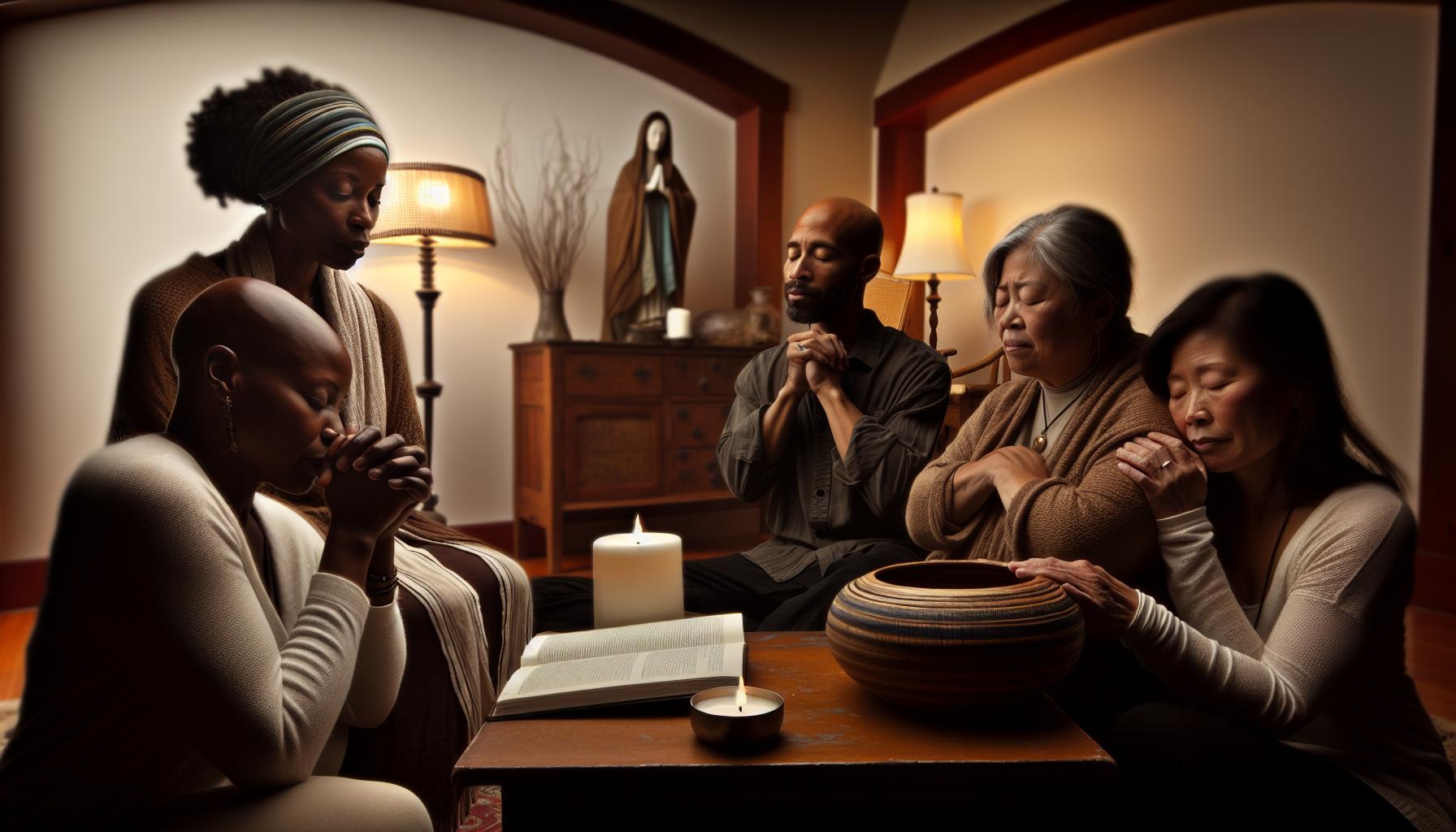
Grief is an inevitable part of the human experience, and it often leaves individuals feeling isolated and overwhelmed. Yet, within the Christian faith, prayer serves as a profound lifeline, guiding us through the shadows of loss toward the light of hope. When faced with the deep sorrow of losing a loved one, prayer invites us to bring our pain before God, allowing Him to comfort us and transform our grieving hearts. As we turn to prayer, we acknowledge that God is not only aware of our suffering but also intimately present in our struggles.
One effective approach to navigating through grief is to incorporate the truths found in Scripture into your prayer life. Consider praying the words of Psalm 34:18, “The LORD is close to the brokenhearted and saves those who are crushed in spirit.” This verse serves as a powerful reminder of God’s nearness during times of heartache. When you pray, you can express your raw emotions to God, whether they be sadness, anger, or confusion, trusting that he welcomes your honesty. This openness creates space for healing, affirming that it is okay to grieve and lament in His presence.
Moreover, establishing a routine for prayer during this challenging season can foster resilience and emotional healing. Set aside specific times each day to reflect and pray-perhaps during your morning coffee or before bedtime. Use this time to meditate on God’s promises, write down your thoughts, or simply sit in silence, allowing Him to fill the void with His peace. Incorporating prayer into your daily rhythm can transform moments of despair into opportunities for connection with God, anchoring your spirit even when waves of grief threaten to overwhelm you.
Prayer can also be enhanced through communal support; don’t hesitate to reach out to trusted friends or church members to pray together. Sharing your burdens not only lightens your emotional load but also invites the comfort of community into your life, paralleling the truth of Galatians 6:2, “Carry each other’s burdens, and in this way, you will fulfill the law of Christ.” Whether through a text message, a phone call, or a prayer meeting, connecting with others in prayer can illuminate the path ahead, providing encouragement and reminding you that you are not alone in your journey through grief. In this sacred space, you can share your struggles and allow others to intercede on your behalf, fostering deeper relationships built on mutual support and understanding.
Frequently Asked Questions
Q: What are some effective prayers for hope during tough times?
A: Effective prayers for hope include asking God for strength and guidance. For instance, you might say, “Dear Lord, grant me the courage to face my challenges and the hope to see beyond my current struggles.” Incorporating specific Bible verses can enhance your prayer, like Jeremiah 29:11, which reassures us of God’s plans.
Q: How can prayers help in overcoming depression?
A: Prayers can create a sense of connection and provide comfort in moments of despair. They can focus on gratitude and seeking peace, such as: “God, help me find joy in small blessings.” Regular prayer and scripture reading can offer emotional support and promote resilience, as mentioned in the article’s section on emotional healing.
Q: What role does community play in prayer for hope?
A: Community provides support and encouragement, making your prayer life more dynamic. Engaging with a faith group for collective prayer can enhance feelings of hope and connection. The article emphasizes building a supportive community to uplift one another, especially in darker moments of life.
Q: How can I incorporate gratitude into my prayers for hope?
A: Start your prayers by thanking God for past blessings, even when times are tough. You can say, “Thank you, Lord, for your constant presence in my life.” This practice shifts focus from despair to hope and encourages a positive outlook, aligning with the section on gratitude in your prayer life.
Q: What are some scriptural affirmations to use in prayers for hope?
A: Scriptural affirmations like “I can do all things through Christ who strengthens me” (Philippians 4:13) can instill hope. By repeating these affirmations in prayer, you reinforce your faith and build spiritual resilience, which is discussed in the article’s section on scriptural affirmations.
Q: How do I pray for someone else’s hope and healing?
A: When praying for someone else, express your desires for their healing and hope clearly. For example, “Lord, I pray for [Name]; please fill them with hope and restore their strength.” This intercessory prayer fosters deeper connections and aligns with the supportive practices discussed in your article.
Q: Why is it important to engage in creative prayer practices?
A: Creative prayer practices, such as journaling or drawing, can express emotions that might be hard to articulate. These practices also help to connect with God in unique ways, enhancing your spiritual journey, as outlined in the article’s section on creative prayer practices for emotional healing.
Q: How can prayer help with grief and loss?
A: Prayer provides a space to express sorrow and seek comfort from God. Simple prayers like, “Lord, help me find peace in my grief,” can guide your healing process. The article explains how prayer can navigate grief and encourage healing through God’s promise of comfort.
Insights and Conclusions
As we conclude “Prayers for Hope: Finding Light in Your Darkest Moments,” remember that even in your most challenging times, your faith can illuminate the path ahead. Reflecting on the power of prayer can transform despair into hope, so take a moment now to apply what you’ve learned and lift your heart to God. For more encouragement, explore our articles on cultivating a vibrant prayer life and navigating spiritual warfare for deeper insights into strengthening your faith.
Don’t let this be the end of your journey; subscribe to our newsletter for uplifting devotionals and connect with a community that shares your values. If you wonder where to begin next, consider our guides on Christian parenting and marriage to deepen your spiritual practices. Your journey doesn’t have to be traveled alone-share your thoughts in the comments below and let us partner in prayer with you.
Let the light of hope shine brightly in your life, guiding each step you take. Explore more resources today and equip yourself with the tools to nurture your faith and relationship with God. Your faith journey is vital, and we are here to support you every step of the way!