In a world often divided by differences, Jummah prayers serve as a powerful reminder of our shared faith and community in Islam. These moments not only offer spiritual nourishment but also foster connections among believers, transcending barriers. As we come together each week, we are called to deepen our understanding of prayer’s role in building bridges of faith and unity. This exploration of “Prayers for Jummah” invites you to reflect on how prayer can transform our relationships-both with God and each other. Discover how intentional prayers can strengthen your bond with your community, enhance your spiritual journey, and inspire a collective sense of purpose. Join us as we delve into the significance of Jummah prayers and uncover the profound impact they can have on our lives and the world around us.
Contents
- 1 Prayers: The Heart of Jummah Gatherings
- 2 Historical Significance of Jummah Prayers
- 3 Building Community Through Jummah Services
- 4 Key Elements of Effective Jummah Prayers
- 5 Incorporating Faith in Everyday Life
- 6 The Role of Jummah in Strengthening Relationships
- 7 Family and Jummah: Fostering Faith Together
- 8 Personal Reflections: My Jummah Experience
- 9 Using Jummah Prayers to Address Social Issues
- 10 Youth Engagement: Encouraging Young Believers
- 11 Building Bridges with Other Faiths Through Jummah
- 12 Creative Prayer Practices for Jummah Observance
- 13 FAQ
- 14 Future Outlook
Prayers: The Heart of Jummah Gatherings
In the heart of the Jummah gatherings lies the power of prayer, serving as an anchor for the community. Jummah, or Friday prayers, holds a special place in the life of a Muslim, marked by collective worship that not only deepens personal faith but also unites individuals in a shared experience of spirituality. It is during these gatherings that believers come together to reflect, seek forgiveness, and renew their commitment to their faith, thereby reinforcing their connection with Allah and each other.
The significance of prayer during Jummah cannot be understated. Engaging in communal worship allows individuals to break the barriers of isolation and embrace the sense of belonging that is so crucial in today’s fast-paced world. This collective act of devotion fosters a nurturing environment that encourages dialogue, support, and mutual understanding among community members. Each prayer is enriched with teachings of the Quran, reminding participants of the values of compassion, unity, and service to others.
Moreover, the dynamics of Jummah prayers can inspire individuals to actively participate in community service and outreach. By praying together, congregants are motivated to extend their faith beyond the mosque walls, addressing social issues and disparities within their communities. The communal aspect of Jummah emphasizes that faith is not merely a private journey but also a collective responsibility, urging believers to uplift those around them through love and action.
As believers engage with one another in prayer, they cultivate relationships grounded in shared values and mutual respect, surpassing differences that might exist. This interconnectedness is not only vital for spiritual growth but also serves as a strong foundation for building resilience within the community, especially in challenging times. The prayer thus becomes a vital thread that weaves together the fabric of faith and fellowship, creating a beacon of hope and resilience in the world.
Historical Significance of Jummah Prayers

In the rich tapestry of Islamic tradition, Jummah prayers hold a pivotal role, serving as a weekly ritual that not only reinforces individual faith but also nurtures communal bonds among Muslims. Historically, Jummah, or Friday prayers, traces back to the time of Prophet Muhammad (peace be upon him), who emphasized the importance of gathering for prayer and reflection. In the Islamic community, this gathering underscores a collective commitment to spirituality, unity, and shared purpose.
The extends beyond mere observance; it embodies a foundational practice meant to instill a sense of togetherness and responsibility among believers. In the early days of Islam, the Prophet established Jummah prayers as a means to consolidate the Muslim community, encouraging followers to leave their daily activities, come together, and listen to the weekly sermon (khutbah) that provided guidance on spiritual and ethical living. This practice catalyzed the development of social norms within the growing Muslim community, fostering a culture centered on mutual support and shared values.
Moreover, as the Jummah prayers evolved over the centuries, they became a symbol of Islamic identity in diverse cultural contexts. From the majestic mosques of Istanbul to the simple prayer halls in rural villages, Jummah has transcended geographical boundaries, linking millions of believers through a shared experience of worship. Each Friday, Muslims around the world pause amidst their busy lives, echoing the timeless call to prayer, which cultivates a deep sense of belonging and fostering friendships and collaborations that extend beyond the mosque.
The also invites reflection on its implications for modern believers. In a world often marked by division and isolation, participating in these communal prayers is a powerful reminder of the strength found in unity. Jummah becomes not just a time for prayer but a weekly opportunity to reinforce social bonds, uplift one another, and mobilize collective efforts in addressing community needs. Each gathering serves as a sanctuary where individuals can reconnect with their faith, receive encouragement, and contribute to the flourishing of their community. Through Jummah, Muslims are not just fulfilling a ritual; they are breathing life into a legacy of love, understanding, and resilience that can inspire future generations.
Building Community Through Jummah Services
In today’s fast-paced world, the act of gathering for Jummah services serves as a powerful reminder of the importance of community in spiritual practice. These weekly congregations are not merely rituals; they are opportunities to forge deep, meaningful connections among believers, nurturing relationships that extend far beyond the prayer mats. Jummah encourages participants to engage not only in communal worship but also in the lives of one another, fostering a sense of belonging and responsibility within the community.
One of the essential aspects of Jummah is the khutbah, or sermon, which is specifically designed to address both spiritual and social matters affecting the community. This aspect provides a platform where issues can be discussed openly, allowing community members to reflect on their roles in addressing those challenges. By sharing insights, struggles, and triumphs during these gatherings, individuals are inspired to collaborate on solutions, solidifying their bonds and creating a support network rooted in faith. For instance, initiatives such as food drives, educational programs, or health awareness campaigns often spring from the sentiments expressed during Jummah services, translating prayer into action.
Additionally, Jummah provides an excellent opportunity for mentorship and support among different generations of Muslims. Older members of the community can impart wisdom and life experiences to younger generations, while younger members can bring fresh perspectives and energy. This mutual exchange strengthens familial ties and broadens the community’s collective understanding. Moreover, special programs aimed at youth engagement during Jummah can revitalize their connection to faith, making them feel integral to the community’s narrative.
In summary, acts as a fulcrum of connection, nurturing a culture of shared responsibility, learning, and support. As believers gather each week, they do not just come together in prayer; they weave a tapestry of relationships enriched by faith, filled with mutual encouragement and united in the pursuit of common goals. Each Jummah serves as a reminder of the strength found in unity and the beauty of serving one another as Christ taught, strengthening the bonds that ultimately uphold the fabric of the community.
Key Elements of Effective Jummah Prayers
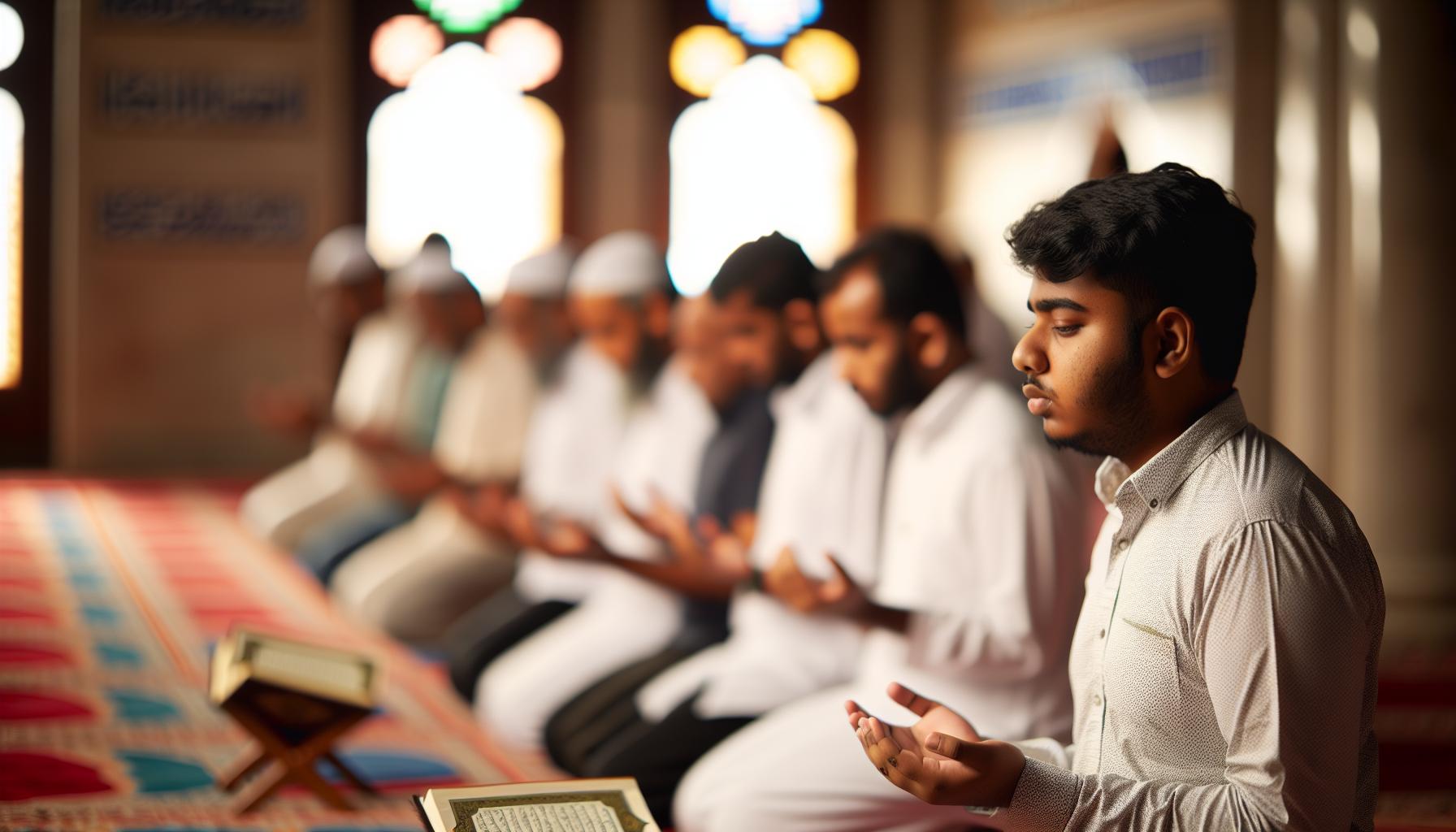
In the vibrant atmosphere of Jummah gatherings, where the spirit of community and devotion flourishes, there are key elements that contribute to the effectiveness of the prayers and services. Engaging in Jummah not only fulfills a religious obligation but serves as a transformative experience, nurturing one’s spiritual life and strengthening the communal bond among believers. Understanding these elements can help participants maximize their spiritual growth and connection during these sacred moments.
One foundational aspect of effective Jummah prayers is the khutbah or sermon. This poignant address serves multiple purposes; it is an opportunity for spiritual teaching, a moment to reflect on current issues facing the community, and an invitation to embrace faith in action. By encouraging the congregation to engage with the message and its applications in daily life, the khutbah transforms the service from mere ritual into a dynamic encounter with God’s word. It is also beneficial for speakers to infuse stories or relatable examples that resonate with their audience, making the messages more impactful and memorable.
Moreover, active participation in the prayers and rituals enhances the Jummah experience. Believers are encouraged to come prepared, spiritually and mentally, to receive blessings. Engaging in personal prayers before the service, practicing mindfulness during the prayers, and reflecting on the sermon afterward can deepen one’s connection to God and to the community. Fellowship before and after the prayers is equally vital; sharing moments of connection through discussions, communal meals, or group activities fosters relationships and reinforces a sense of belonging.
Effective Jummah services also incorporate inclusivity, ensuring that all community members feel welcomed and valued. This includes addressing the needs of diverse attendees, such as children, the elderly, and newcomers. Creating an environment where everyone can participate meaningfully, whether through special programs for youth or support for those facing challenges, enhances the collective worship experience and underscores the true essence of faith as a unifying force.
Ultimately, the effectiveness of Jummah prayers hinges on a combination of inspiring messages, active engagement, and a spirit of inclusivity. By embracing these elements, participants can cultivate a richer, more fulfilling spiritual journey, one that not only honors religious traditions but also actively builds a bridge between faith, community, and daily living.
Incorporating Faith in Everyday Life
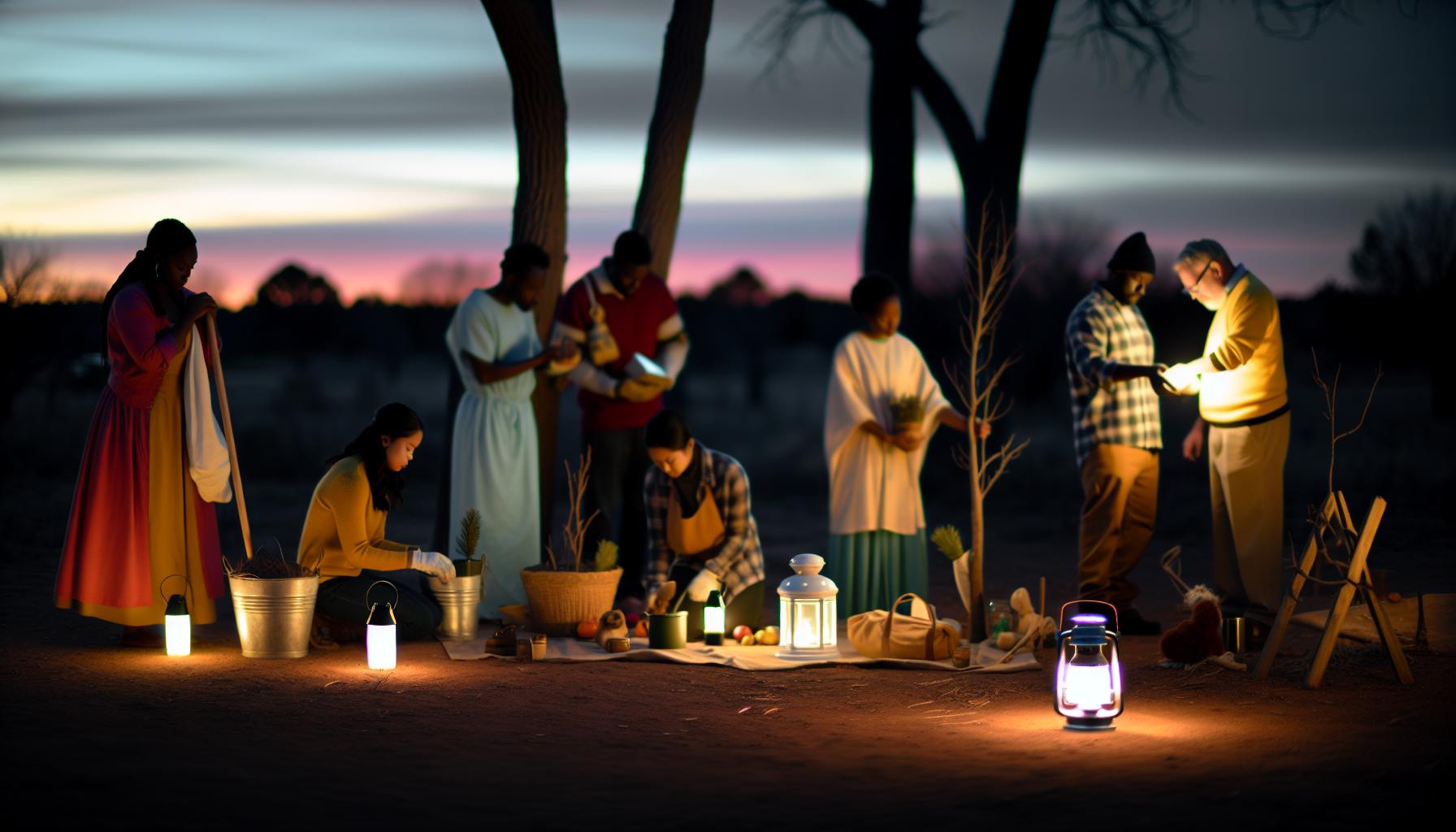
In today’s fast-paced world, integrating faith into our daily routines can feel overwhelming. However, the teachings and reflections from Jummah prayers provide a foundation that is not only spiritual but also deeply practical. By viewing everyday life as an extension of our faith, we can infuse moments of devotion into mundane tasks, thus transforming them into opportunities for grace and reflection.
One effective method for incorporating faith into daily life is through intentional prayer. Setting aside specific times for prayer-whether upon waking, before meals, or at the end of the day-creates a rhythm that cultivates a closer relationship with God. During these moments, individuals are encouraged to express gratitude, seek guidance, and reflect on the lessons from the Jummah sermon. This practice not only deepens personal spirituality but also fosters a habit of mindfulness that carries into daily actions.
In addition to prayer, engaging with Scripture is vital. Dedicate time each day to reading the Bible or devotional literature that resonates with the themes discussed during Jummah. This could involve a simple reading plan or even a verse of the day that aligns with your thoughts and actions. Sharing insights from your readings with family or friends also strengthens communal bonds and fosters a supportive environment where faith is openly discussed and practiced.
Building faith-centered relationships is another crucial aspect. Engaging in acts of service, whether within your family unit, community, or church, demonstrates practical faith in action. Volunteering for community service opportunities or organizing family prayer nights are excellent ways to weave faith into the fabric of relationships. These shared experiences not only amplify the teachings of Jummah but also build a nurturing community around shared values and mutual support.
Lastly, consider how daily challenges can be opportunities for spiritual growth. When faced with difficulties, reflect on the teachings and community support from Jummah. Each moment of adversity can serve as a chance to lean into faith, offering prayers for strength or wisdom, and allowing experiences to refine your character. By approaching daily life through this lens, you bridge your faith with everyday existence, creating a harmonious balance that enriches both your spiritual journey and communal ties.
By embracing these practices, believers not only cultivate a richer spiritual life but also embody the teachings of compassion, unity, and faith that Jummah prayers exemplify. This approach not only nurtures personal growth but also actively engages others in the beautiful journey of faith.
The Role of Jummah in Strengthening Relationships
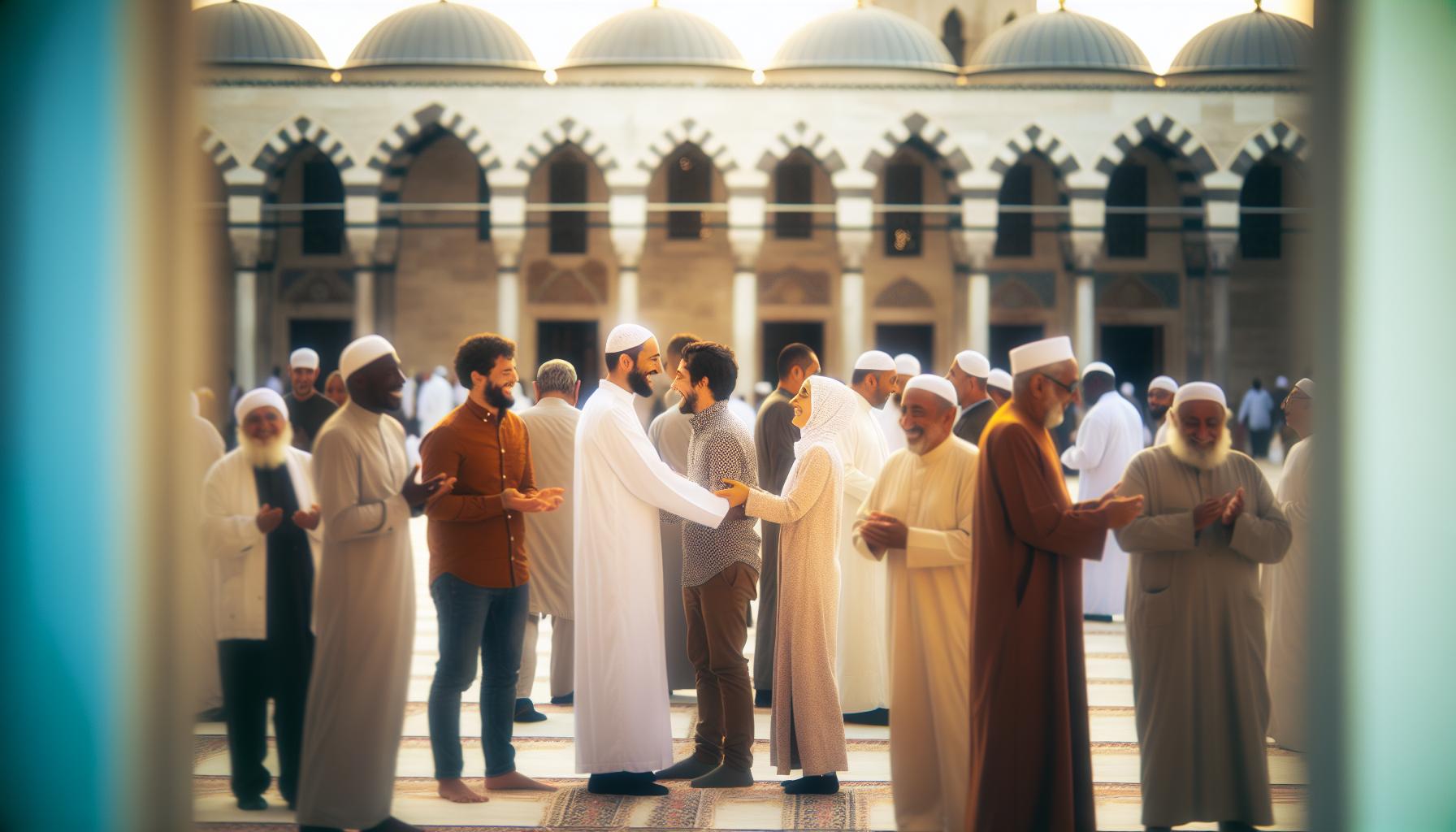
In the journey of faith, the significance of Jummah prayers extends far beyond individual spirituality; it acts as a powerful catalyst for strengthening relationships within the community. The communal aspect of these prayers fosters an environment of unity, vulnerability, and support, where believers come together, reinforcing their connection to God and to one another. Engaging in worship as a collective not only deepens one’s faith but also creates opportunities for building lasting bonds that transcend the confines of the mosque.
To effectively harness the power of Jummah in relationship building, consider organizing group activities that follow the prayer service. Whether it’s a simple meal shared with church members or a community service project, these shared experiences can enhance social ties and deepen understanding among congregation members. Sharing faith-centered experiences-such as Bible study groups, prayer circles, or social outreach-enables everyone to explore their spiritual journeys together, creating an atmosphere of mutual support and encouragement.
Within our families, the teachings from Jummah can be instrumental in nurturing closer familial relationships. Engaging in discussions about the sermon or reflecting on its messages together can lead to stronger family bonds. Parents might encourage their children to articulate what they learned and to relate those lessons to their everyday lives. This not only promotes a culture of open dialogue about faith but also emphasizes the importance of collective worship and shared values at home.
In fostering these connections, believers can also extend compassion beyond their immediate circle. By welcoming newcomers or those in need, the Jummah community can embody the teachings of Christ-demonstrating love and kindness to all. Through acts of service, mentorship, and fellowship, relationships can grow stronger and more meaningful. Ultimately, the essence of Jummah lies not only in individual worship but in the profound connections formed when believers come together in faith, creating a tapestry of support, understanding, and love that reflects Christ’s teachings.
Family and Jummah: Fostering Faith Together

The shared experience of Jummah prayers can serve as a cornerstone for faith within families, creating moments that inspire growth and connection. When families come together to participate in Jummah, they not only fulfill a religious obligation but also cultivate a nurturing environment where faith can flourish. This sacred gathering is an opportunity to strengthen bonds, engage in meaningful discussions, and reinforce shared values, all while emphasizing the vital role of collective worship.
Encouraging family members to actively participate in Jummah can vastly enrich their spiritual journeys. After attending prayers, families might take time to reflect on the sermon, discussing its relevance in their lives and how it aligns with biblical principles. Engaging children in this conversation can be particularly impactful; asking them to share what they understood can enhance their comprehension and ensure they feel valued in the dialogue. Additionally, incorporating scripture references related to the themes discussed can deepen their faith and understanding.
Beyond the mosque, families can carry the spirit of Jummah into their daily lives. Incorporating themed family meals or prayer sessions dedicated to the lessons learned during Jummah can be a wonderful practice. This not only reinforces teachings but also allows for relaxed, open conversations about faith and the challenges of living it out in everyday scenarios. Families could establish a routine, such as alternating who leads a devotion or shares a prayer point, fostering a sense of responsibility and ownership over their spiritual development.
Through these intimate practices, families become not just a unit that attends Jummah services, but a living testament to the community of faith they embody. By sharing experiences, supporting each other, and inviting friends, families can extend the warmth of Jummah beyond their home, helping to build a bridge of kindness and fellowship that reflects Christ’s love. Such collective efforts ensure that faith is not merely a practice but a lifestyle, nurturing spiritual growth that lasts well beyond the confines of the mosque.
Personal Reflections: My Jummah Experience

In my journey of faith, the experience of Jummah prayer has illuminated not just my own spiritual path, but also the profound impact it can have on community and relationships. Each Friday, as I walk into the mosque, I am met with a sense of unity that transcends individual differences and brings believers together in worship. The sounds of welcoming greetings, the rustle of prayer mats being arranged, and the collective anticipation of the sermon create an atmosphere charged with hope and grace. It’s a reminder that we are part of something greater – a family of faith committed to building bridges through our shared practice of devotion.
The communal aspect of Jummah is particularly enriching. It provides an opportunity to connect with fellow believers, many of whom I might not engage with during the week. These moments foster genuine relationships that extend beyond just greetings; they encourage heartfelt discussions about faith, challenges, and triumphs in our walks with Christ. Reflecting on the sermon after prayer often leads to spirited conversations, where different perspectives not only enhance my understanding but also inspire me to embody the teachings of scripture in practical ways.
Additionally, I’ve found that these communal gatherings serve as a call to action in addressing social issues. The prayers we utter together remind us of our collective responsibility to serve our communities and help those in need. On one memorable Jummah, we were encouraged to participate in a local charity, reinforcing the idea that faith is not just a personal journey but a collective mission. This active engagement has deepened my commitment to live out my faith, as we are reminded that “faith without works is dead” (James 2:26).
Ultimately, each Jummah prayer reinforces the notion that we are all part of the body of Christ, called to support one another and uplift our communities through service and love. The experience is transformational-compelling us to move from mere participation in a ritual to living out the principles of our faith. As I leave the mosque each Friday, I carry with me not just the echoes of prayer, but an invigorated spirit ready to serve, connect, and bridge the gaps in our world with love and compassion.
Using Jummah Prayers to Address Social Issues
In today’s world, the power of prayer is not just a solitary experience; it serves as a collective force for good, particularly during Jummah gatherings. These communal prayers become a cornerstone for addressing pressing social issues in our communities. When believers come together every Friday, they not only seek spiritual nourishment but also unite in their commitment to tackle the challenges faced by those around them. In essence, Jummah is an invitation to reflect on the needs of society, empowering congregations to take tangible action.
During the sermon, or khutbah, the messages delivered often touch on social justice, compassion for the marginalized, and the importance of community service. For example, a recent Jummah sermon may have highlighted local food insecurity, prompting congregants to organize food drives and outreach programs aimed at helping those in need. This direct involvement reinforces the belief that faith without action lacks substance (James 2:26). The act of coming together to pray for societal change lays the groundwork for believers to engage in discussions that spark initiatives aimed at bettering their neighborhoods.
It’s important to remember that prayer is a powerful catalyst for change. As worshippers unite in prayer for peace, justice, and healing, they create a spiritual foundation from which they can take action. Engaging in group discussions post-prayer is essential; these moments can lead to brainstorming how the community can respond to specific issues such as poverty, education, and mental health. Consider creating small groups that focus on different social concerns, allowing individuals to channel their gifts and passions into outreach efforts.
Furthermore, integrating social responsibility into the fabric of Jummah services can nurture a deeper sense of accountability among congregants. Emphasizing the teachings of Christ, such as loving one’s neighbor (Mark 12:31), inspires believers to view social issues not as daunting challenges but as shared opportunities for service and growth. By using Jummah as a platform for communal engagement, we can build bridges between faith and action, fostering a culture where prayer translates into impactful work within our communities. Ultimately, the bridges built through these efforts strengthen both individual faith journeys and the collective mission of reaching out to those in need.
Youth Engagement: Encouraging Young Believers
Engaging young believers in Jummah gatherings is vital for nurturing their faith and creating a vibrant community centered around Christ. The energy and fresh perspectives that youth bring allow for dynamic interactions that inspire both personal and communal growth. By involving young people in prayer and activities, we plant seeds of faith that can flourish into lifelong devotion and commitment to service.
One effective way to encourage youth participation is to create mentorship opportunities where seasoned members of the congregation guide younger individuals in their spiritual journey. This one-on-one engagement not only helps nurture their understanding of faith but also empowers them to take a leading role during services. For instance, inviting youth to assist in preparing the Jummah service-whether through reading scriptures, leading prayers, or participating in discussions-helps them feel more connected and valued within the community. This active participation fosters ownership, encouraging them to live out their faith in tangible ways.
Utilizing Technology and Social Media
In today’s digital age, leveraging technology can significantly enhance youth engagement. Many young believers are adept at using social media platforms to connect with their peers. Creating online forums or special groups where youth can share their thoughts on Jummah sermons can act as a catalyst for deeper discussions. This can also involve hosting live-streamed prayers, allowing those who may not attend in person to participate actively, making everyone’s voice heard in prayer. Additionally, encouraging social media challenges or campaigns focused on social issues discussed in the khutbah can spark enthusiasm and a sense of community.
Fostering a Culture of Inquiry
Encouraging questions is another pathway to deeper engagement. Fostering a culture where young believers feel safe to ask about their faith encourages exploration and understanding. Organizing youth-led study groups focusing on Biblical principles relevant to modern challenges can be an effective method. For instance, discussing major sexual and ethical issues within a faith context using scripture can guide them through confusion and reinforce their beliefs.
- Start Youth Prayer Circles: After Jummah prayers, initiate small group discussions encouraging youth to share insights and pray together.
- Create Service Projects: Develop outreach initiatives that allow youth to apply their faith in serving the community, making a direct impact.
- Host Events: Organize retreats or social events focused on building fellowship among young believers while deepening their spiritual growth.
By nurturing young believers’ involvement during Jummah, we not only enrich their personal faith journeys but also instill a sense of purpose and belonging within the church community. As they grow, they will influence their peers and future generations, ensuring that the love of Christ continues to shine brightly in all corners of their lives.
Building Bridges with Other Faiths Through Jummah
Building connections with individuals from different faith backgrounds is a profound aspect of fostering a spirit of unity and understanding in our diverse world. Jummah gatherings, traditionally seen as a moment for Muslims to come together for prayer, can serve as a powerful platform for interfaith dialogue and relationship-building. This is an opportunity not only to deepen our faith but also to extend hands of friendship and cooperation to neighbors of differing beliefs.
One effective way to engage with other faith communities is by organizing joint prayer events or community service projects. These initiatives can create a shared sense of purpose, where participants from various backgrounds collaborate for a common good. For instance, hosting an interfaith dialogue session before Jummah services can encourage open discussions on mutual beliefs and shared values, leading to a greater appreciation of our differences and similarities. Involving guest speakers from various faiths to share their perspectives during these gatherings can also enrich the experience, providing insights that foster empathy and understanding.
Furthermore, incorporating elements from different faith traditions during Jummah can be a testament to our commitment to inclusivity. This might involve inviting diverse community leaders to join in prayers or readings, showcasing the beauty of various spiritual expressions while maintaining the integrity of the Jummah service. Such practices can not only draw the broader community into our worship but also showcase the essence of love and respect that lies at the heart of all faiths.
To sustain these efforts, creating an interfaith committee within the congregation can be invaluable. This group could be responsible for planning events, maintaining relationships with local faith leaders, and promoting educational initiatives that focus on enlightening members about different religious practices. The goal is not merely coexistence but fostering genuine relationships that thrive on understanding, respect, and love. The bonds formed through these interactions can lead to a more harmonious community, where differences are celebrated and unity is prioritized.
By reaching out and building bridges through our prayers and actions, we not only embody Christ’s teaching of love but also contribute to a more peaceful and inclusive world. Remember, relationships built on faith and understanding can transform lives and communities, amplifying the message of hope and unity we wish to share with the world.
Creative Prayer Practices for Jummah Observance
Engaging in prayer during Jummah can transcend traditional practices, allowing for a richer spiritual experience that can foster community and connection among believers. Creative prayer practices can incorporate different elements that not only deepen the individual’s relationship with God but also serve to unite the congregation as a whole. One compelling approach is to use themed prayers during Jummah services that resonate with the current events in the world or specific needs within the community. These prayers can focus on themes such as peace, unity, and service toward others, prompting congregants to reflect on their role in fostering these ideals.
Another innovative practice is to integrate interactive prayer stations in the prayer space. These stations can include elements such as prayer walls where individuals can write and share their personal prayer requests, or guided reflections that encourage attendees to meditate on specific scripture passages pertinent to the day’s sermon. Incorporating visual aids like art, music, or scents at different stations can create a multi-sensory experience that enhances engagement and invites deeper contemplation.
Additionally, leveraging technology can play a vital role in modern Jummah observance. Virtual prayer gatherings or live-streamed services allow for greater inclusivity, reaching those unable to attend in person. Incorporating social media platforms can also enable congregation members to share their prayer requests and testimonies digitally, creating a communal prayer experience that extends beyond the physical walls of the mosque. These practices exemplify how contemporary tools can bridge gaps within the community, allowing every voice to be heard.
Lastly, the incorporation of interfaith prayer events into Jummah observances offers a profound opportunity for collaboration and understanding. By inviting leaders from different faith backgrounds to join in prayer or discussion, the worship experience can be enriched, promoting unity and respect across diverse communities. These moments can help foster connections that go beyond mere coexistence, nurturing relationships built on mutual understanding and shared values.
Throughout these creative practices, the aim is to cultivate an environment where prayer not only draws believers closer to God but also strengthens the bonds among them, ultimately leading to a more compassionate and connected community.
FAQ
Q: What is the significance of Jummah prayers in Islam?
A: Jummah prayers, held every Friday, are significant for Muslims as they offer a weekly opportunity for communal worship, reflection, and unity. These gatherings emphasize the values of togetherness and spiritual growth, marking a central element in the Muslim faith.
Q: How can Jummah prayers help in building interfaith relationships?
A: Jummah prayers can foster interfaith relationships by promoting dialogue and understanding between different religious communities. Engaging in shared values, service projects, and community events can enhance these bonds, reflecting the essence of building bridges through faith.
Q: What are some effective practices for enhancing Jummah prayer experience?
A: To enhance the Jummah prayer experience, individuals can meditate before the service, actively participate in discussions post-prayer, and engage with fellow worshippers to strengthen community ties. Incorporating these practices can deepen personal and spiritual connections.
Q: Why is it essential to involve youth in Jummah prayers?
A: Involving youth in Jummah prayers is essential for nurturing their faith and sense of belonging within the community. This engagement helps instill values of leadership, responsibility, and connection to their spiritual roots, ensuring a vibrant future for the faith.
Q: How can families prepare for Jummah prayers together?
A: Families can prepare for Jummah prayers by discussing the day’s significance, praying together, and planning to attend services as a unit. This practice not only strengthens family bonds but also cultivates a shared spiritual experience.
Q: What role does the sermon play in Jummah prayers?
A: The sermon (Khutbah) during Jummah prayers serves to educate and inspire congregants. It addresses relevant social issues, reinforces faith principles, and offers guidance, making it a vital component that enhances the community’s spiritual and moral compass.
Q: How can Jummah prayers address current social issues?
A: Jummah prayers can address current social issues by including themes related to justice, compassion, and community service in sermons. This focus encourages congregations to reflect on their roles in promoting social change and caring for the marginalized.
Q: What are the prerequisites for attending Jummah prayers?
A: The prerequisites for attending Jummah prayers typically include being a Muslim adult, performing the ablution (wudu), and arriving on time for the congregation. It’s also recommended to prepare one’s mind and spirit for collective worship and reflection.
Future Outlook
Thank you for joining us in “Prayers for Jummah: Building Bridges Through Faith.” We hope you’ve found inspiration and guidance for enhancing your prayer life and fostering deeper connections within your community. To continue your spiritual journey, explore our articles on Bible study and devotional practices that can further enrich your faith. Don’t forget to check out our resources on Christian marriage and parenting, which provide practical advice grounded in scripture.
Now is the perfect time to deepen your commitment. Consider signing up for our newsletter for regular insights and encouragement straight to your inbox. We invite you to share your thoughts in the comments below and connect with others who are walking the same faith journey. Together, we can uplift one another. Your involvement matters, so take the next step, and let’s build bridges of faith together!