
Opening a meeting with prayer is more than a tradition; it’s an invitation for God’s wisdom to guide our hearts and minds. In a world bustling with distractions and decisions, pausing to seek divine guidance sets a purposeful tone. Whether in a small group or a larger assembly, starting in prayer fosters unity and focus, allowing attendees to align their intentions with God’s will. This act not only honors Him but also cultivates an atmosphere rich in hope and inspiration. As we explore various prayers that can open your meeting, remember that our goal is to invite His presence, ensuring that every discussion is infused with His love and wisdom. Join us on this journey where your meeting begins with a heart open to divine direction and community bonding through prayer.
Contents
- 1 Praying with Purpose: The Importance of Opening Prayers
- 2 How to Craft a Meaningful Opening Prayer
- 3 Biblical Foundations for Meeting Prayers
- 4 Inviting God’s Presence: Tips for Effective Prayer
- 5 Scriptural Themes to Include in Your Opening Prayer
- 6 Short and Impactful Prayers for Busy Meetings
- 7 Creating an Atmosphere of Worship Before Discussion
- 8 Encouraging Participation: Inviting Others to Pray
- 9 Tailoring Your Prayer to the Meeting’s Purpose
- 10 Prayers for Specific Types of Meetings
- 11 Common Pitfalls to Avoid in Opening Prayers
- 12 Testimonials: The Impact of Prayer in Meetings
- 13 FAQ
- 14 To Wrap It Up
Praying with Purpose: The Importance of Opening Prayers
In every gathering, regardless of its purpose-be it a church meeting, a community service, or a family discussion-opening with prayer serves as a powerful reminder of our dependence on God. It is not merely a tradition or a formality; it is a profound opportunity to center our hearts and minds on the guiding presence of the Holy Spirit. Incorporating prayer at the beginning of our meetings invites God’s wisdom and guidance into our plans. As James 1:5 assures us, “If any of you lacks wisdom, let him ask of God, who gives to all liberally and without reproach.” This assurance encourages us to seek divine intervention, particularly when we face decisions that impact our lives and the lives of others.
Opening prayers also cultivate a spirit of unity among participants. When we pray collectively, we foster an environment where everyone is aligned in purpose, promoting collaboration and understanding. This communal act can transform the atmosphere of our meetings, encouraging participants to set aside personal agendas in favor of a greater mission. As expressed in Colossians 3:17, “And whatever you do, whether in word or deed, do it all in the name of the Lord Jesus.” This scriptural foundation reminds us that our endeavors should echo our faith, infusing our initiatives with a sense of purpose and commitment to God’s will.
Moreover, taking time to pray at the beginning of a meeting serves as a calm and reflective moment that can significantly influence the outcome of discussions. This pause for prayer allows participants to clear their minds of distractions, focus on their shared goals, and absorb the divine peace that comes from seeking God’s presence. By inviting spiritual mindfulness into our secular activities, we not only enrich our discussions but also fortify the bonds of fellowship among us. Embracing this practice can make our meetings more productive and spiritually uplifting, as we embark together on the journey that God has laid out before us.
How to Craft a Meaningful Opening Prayer
To ensure your opening prayer is both meaningful and impactful, begin by centering your heart and spirit on the purpose of the meeting. A powerful prayer not only reflects your intentions but also aligns everyone present with a common goal of seeking God’s guidance and wisdom. A good approach is to frame your prayer with gratitude, recognizing the blessings and opportunities that have brought everyone together. As you prepare to speak, consider listing specific points of gratitude, such as the time shared, the talents brought by participants, and the outcomes you are hoping to achieve.
Another important aspect is the incorporation of scripture, grounding your prayer in biblical truth. You might select verses like Proverbs 3:5-6, which encourage us to trust in the Lord with all our hearts and lean not on our understanding. This not only reinforces the act of seeking divine wisdom but also invites an atmosphere of reverence and anticipation for what God will reveal during the meeting.
When crafting the prayer, be concise yet sincere. Avoid over-complicating your words; instead, speak from the heart. Share your desires for the meeting, whether it’s clarity in decision-making, unity among participants, or wisdom in discussion. You might say, “Lord, grant us clarity and understanding in our conversations today. May our deliberations honor You and lead us toward greater unity and purpose.” This not only sets a positive tone but also encourages openness among participants, fostering a spirit of collaboration.
Lastly, remember to invite participation. Whether through silent prayer or an open invitation for others to join in, this encourages community and inclusiveness. Establishing a culture of shared prayer creates a deeper connection among members and emphasizes that, in every endeavor, seeking God’s wisdom is paramount. This collective act not only aligns everyone’s hearts but also cultivates an environment ripe for growth, understanding, and divine revelation.
Biblical Foundations for Meeting Prayers
To embark on a meeting invoking divine guidance, we must root our prayers in Biblical truths. The Scriptures serve as a lantern, illuminating our path and offering wisdom that transcends human understanding. When we initiate our gatherings with prayer, we invite God’s presence into our discussions, reminding ourselves that we are not alone in our endeavors. Notably, James 1:5 encourages us, stating, “If any of you lacks wisdom, let him ask of God, who gives generously to all without reproach.” This verse underlines the importance of seeking wisdom from God, setting a substantial foundation for our prayers. It invites participants to reflect on their dependence on Him, fostering an atmosphere of humility and expectation.
In addition to seeking wisdom, we find reassurance in Proverbs 3:5-6, which instructs us to “Trust in the Lord with all your heart and lean not on your own understanding.” This powerful call encourages us to eschew our limited perspectives when approaching decisions and discussions. By incorporating these verses into our opening prayers, we not only align ourselves with God’s heart but also remind attendees of the transformative power of faith. Such scriptural anchors serve as a guiding compass, encouraging unity in purpose and clarity in dialogue.
Another vital aspect to consider is incorporating prayers of thanksgiving, as Paul expresses in 1 Thessalonians 5:18, “In all circumstances, give thanks; for this is the will of God in Christ Jesus for you.” A posture of gratitude precedes an acknowledgment of God’s sovereignty and generosity. By including expressions of thankfulness in our prayers, we cultivate an appreciative spirit within the group, setting a positive tone for the meeting.
Moreover, meaningfully crafting our prayers involves more than just quoting scripture; it is about embodying the heart of those Scriptures in our expressions. Keep your opening prayer personal and relatable, asking for God’s guidance, insight, and support as you come together. Consider framing your prayer with a theme that resonates with the meeting’s purpose, thereby inviting God’s presence into specific contexts and discussions. Whether it be planning, decision-making, or team-building, aligning your prayer with scriptural foundations encourages a spiritually enriching atmosphere that can lead to fruitful outcomes.
Inviting God’s Presence: Tips for Effective Prayer
To foster a divine atmosphere during meetings, it is essential to intentionally invite God’s presence from the very beginning. Prayer is a powerful tool that creates a sacred space, helping participants to shift their focus from routine tasks to a more profound engagement with both each other and God. As we gather to make decisions or collaborate on important matters, opening in prayer not only aligns our hearts with His but also prepares us to receive wisdom that transcends our understanding. Consider this: when we approach each meeting with prayer, we are acknowledging our limitations and our need for divine guidance in every discussion and decision.
Start by centering the prayer on God’s nature and His promise of presence. You might say something like, “Lord, we thank you for gathering us here today. We invite Your Holy Spirit to lead our discussions, fill our hearts with peace, and grant us wisdom.” This simple yet heartfelt acknowledgment reminds everyone present that the meeting is not just a transaction, but a mission rooted in a greater purpose. Use specific phrases that reflect God’s attributes, reminding everyone of His omnipresence and willingness to guide those who seek Him.
Creating a conducive environment for prayer involves practical, thoughtful actions. Here are some tips to enhance the effectiveness of your opening prayers:
- Be Authentic: Share personal reflections or experiences that illustrate your reliance on God. This vulnerability can encourage others to open their hearts as well and create a more inviting atmosphere.
- Incorporate Scripture: Weave in relevant Bible verses that reflect the purpose of the meeting. For instance, if discussing teamwork, you might include Ecclesiastes 4:9-10, which emphasizes the strength found in partnership.
- Keep It Concise: Respect the time of participants by keeping prayers focused and succinct. A well-structured prayer that highlights key intentions will maintain engagement and set a clear tone for the meeting.
- Encourage Participation: Invite others to share prayer requests or briefly contribute at the opening. This collective involvement fosters a spirit of unity and shared purpose.
Incorporating these elements not only enhances the prayer experience but also invites God’s transformative presence into the heart of your gathering. Remind participants that this meeting is a collective effort under God’s guidance, paving the way for fruitful discussions and meaningful outcomes. The goal is to leave the meeting feeling empowered, knowing that decisions made within the context of prayer are divinely inspired, aligning us closer to God’s will.
Scriptural Themes to Include in Your Opening Prayer
Opening a meeting with prayer is a beautiful opportunity to invite God’s wisdom and presence into your discussions. Utilizing scriptural themes in this prayer not only grounds the gathering in biblical truth but also fosters a sense of unity and purpose among participants. Verses from the Bible can act as powerful reminders of God’s promises, encourage thoughtful dialogue, and help attendees stay aligned with the meeting’s intended outcomes.
Including verses about wisdom is particularly impactful. For example, James 1:5 states, “If any of you lacks wisdom, let him ask of God, who gives to all liberally and without reproach, and it will be given to him.” This verse reinforces the idea that wisdom is a gift from God, and seeking it in collective decision-making can lead to divine insight and clarity. Additionally, Proverbs 3:5-6 emphasizes trust in the Lord, stating, “Trust in the Lord with all your heart and lean not on your own understanding; in all your ways acknowledge Him, and He will make your paths straight.” This reminder encourages meeting participants to relinquish their personal biases and seek guidance from God instead.
Moreover, themes of unity can be woven through your prayers. Psalm 133:1 declares, “Behold, how good and pleasant it is when brothers dwell in unity!” This scripture highlights the importance of collaboration and harmony, strengthening participants’ commitment to work together towards a common goal. When participants are reminded of the value of unity, they may feel more inclined to communicate openly and support one another throughout the meeting.
When crafting your opening prayer, consider these key themes to incorporate:
- Wisdom: Ask for God’s guidance and wisdom, referencing James 1:5 and Proverbs 2:6.
- Unity: Acknowledge the importance of working together as seen in Psalm 133:1.
- Purpose: Refer to Colossians 3:23, which encourages doing everything as if working for the Lord, reminding participants of the meeting’s greater mission.
- Clarity: Pray for God to reveal the best paths forward, inspired by Proverbs 3:6.
Integrating these scriptural themes not only enriches your prayer but also sets a spiritually conducive atmosphere for the entirety of the meeting. It fosters an environment where all involvement is centered in faith and dedicated to aligning with God’s will. By anchoring your gathering in scripture, you can inspire a deep sense of purpose and divine guidance that transcends ordinary discussions, allowing the group to engage in more meaningful and fruitful conversations.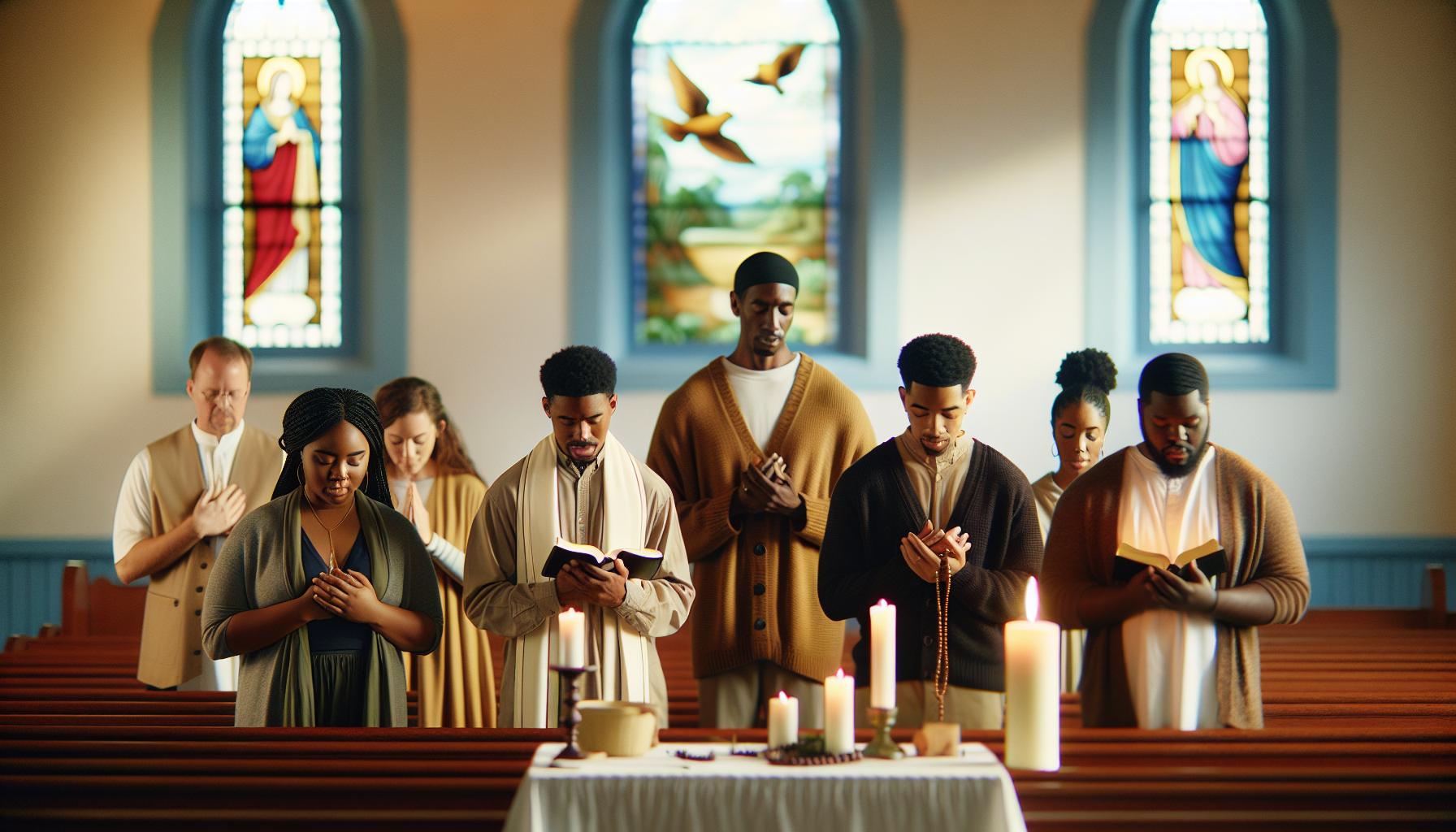
Short and Impactful Prayers for Busy Meetings
In today’s fast-paced world, where time feels scarce, many meetings are often rushed, with participants juggling multiple responsibilities. In these moments, a short and impactful prayer can serve not only as a spiritual anchor but also as a profound invitation for God’s presence to permeate discussions. Remember that a few heartfelt sentences can significantly align the intentions of everyone gathered, helping to focus minds and open hearts to divine inspiration.
Consider beginning with a succinct acknowledgment of God’s sovereignty and a request for His guidance. For instance, you might say, “Heavenly Father, as we come together today, we invite Your presence into our midst. Grant us clarity, wisdom, and unity in our discussions. Help us to reflect Your love in all our decisions.” This type of prayer, lasting no more than a minute, emphasizes the essence of collective worship without dragging on, thereby respecting everyone’s time.
Additionally, here are some examples of short prayers that can be easily integrated into busy meetings:
- For Wisdom: “Lord, guide our hearts and minds today. May we seek Your wisdom in every decision.”
- For Unity: “Gracious God, help us to work together in harmony, celebrating our diverse perspectives.”
- For Clarity: “Father, clear our minds of distractions today and help us to focus on what truly matters.”
Each of these prayers can be said quickly yet deeply resonates with the spiritual needs of the group. They serve as reminders to participants that their ultimate goal transcends mere discussion and extends to fulfilling God’s purpose collectively. When meetings open with such impactful prayers, it cultivates a sacred atmosphere, encouraging meaningful collaboration grounded in faith.
Creating an Atmosphere of Worship Before Discussion
Creating a sacred environment for discussion can transform a typical meeting into a meaningful experience bathed in God’s presence. When participants enter a space that feels spiritual and reverent, they are more likely to engage thoughtfully and open-heartedly. This atmosphere can be cultivated through intentional practices and a collective focus on worship, encouraging everyone to lay aside their burdens and distractions.
Begin by setting the tone before the meeting officially starts. Consider playing soft worship music or nature sounds to create a calming ambiance. This practice not only soothes the spirit but also helps shift the focus from daily stresses to the sacred purpose of the gathering. You might also choose to light a candle or display a cross, symbols that can remind participants of Christ’s presence among them.
Another key component is the inclusion of shared worship elements. By inviting participants to engage in brief moments of reflection or communal singing before the meeting, you foster a sense of unity and prepare hearts for collaboration. Additionally, you could utilize a scripture passage relevant to the meeting’s focus, encouraging participants to meditate on God’s word and how it applies to their tasks. For example, Philippians 2:2 urges us to be like-minded, which can be a beautiful backdrop for any meeting, prompting unity in purpose.
Lastly, encourage openness and vulnerability in prayer. Invite participants to share their own prayers or concerns, allowing for a communal experience of worship that honors God and one another. This practice not only helps in building trust among members but also aligns the group’s intentions with divine wisdom, creating a profound sense of belonging and purpose as you move into the meeting’s agenda.
Encouraging Participation: Inviting Others to Pray
Creating an environment where everyone feels comfortable to share their thoughts and prayers can significantly enhance the spiritual depth of your meetings. When participants are invited to engage in prayer, it fosters a sense of community and collective purpose, drawing the group closer to God and to one another. This goes beyond a simple “welcome” gathering; it cultivates an atmosphere ripe for divine wisdom and guidance.
One effective way to encourage participation is to openly invite members to take turns leading the prayer. This could be as simple as saying, “I invite anyone who feels led to share a prayer,” which can empower individuals to express their hearts before God. Such an invitation not only honors the diverse gifts within your group but also enriches the collective prayer experience. You may also consider setting a theme for the prayers-focusing on guidance, unity, or specific needs within the community can help participants feel more connected to the topic at hand.
In addition, providing a brief moment of silence before the prayer allows everyone to center their thoughts and intentions. This quiet time helps participants to prepare spiritually, inviting them to reflect on what they wish to bring before God. Afterward, you can encourage sharing brief spontaneous prayers or specific requests for prayer. These shared moments nurture a spirit of vulnerability and openness, where individuals feel safe to voice their concerns and hopes, thus reinforcing the bonds of fellowship.
Finally, be sure to acknowledge and thank those who pray aloud, reinforcing the positive impact of their contributions. When individuals see their voices valued in prayer, it encourages them to participate in future meetings. A simple affirmation such as, “Thank you for sharing your heart with us,” can go a long way in uplifting the group’s morale and willingness to connect spiritually. By actively inviting participation and fostering a welcoming atmosphere, your meetings can become transformative experiences filled with prayerful engagement and divine insight.
Tailoring Your Prayer to the Meeting’s Purpose
In every gathering, regardless of its purpose, the heartbeat of the meeting often breathes through the initial prayer. When you tailor your opening prayer to the specific objectives and needs of the meeting, you invite God’s presence to guide the proceedings intentionally. A personalized prayer not only recognizes the unique context but also harnesses the collective focus of those present, drawing them closer to divine wisdom and insight.
To effectively customize your prayer, first consider the theme or purpose of the meeting. Are you convening to make difficult decisions, plan for the future, or support one another through challenges? Each of these situations calls for distinct divine input. For instance, if the meeting revolves around seeking clarity in decision-making, you might draw upon James 1:5, asking God for wisdom and understanding: “If any of you lacks wisdom, let him ask of God, who gives generously to all…” In contrast, if the meeting’s purpose is to encourage and uplift one another, a prayer focused on unity and support can set the right tone.
Additionally, consider incorporating the specific needs or concerns of your group into the prayer. This could be as simple as acknowledging current challenges, communal goals, or prayer requests from members. By specifically calling these items out in prayer, you affirm the group’s intention to support each other and rely on God’s guidance. A prayer could weave in themes of gratitude, asking for God’s presence and receptivity in their hearts, helping everyone feel purposefully connected.
Lastly, the language you choose is vital. Using inclusive and inviting phrases can emphasize community, making members feel valued and heard. Phrases like “As we navigate this agenda together…” or “May each voice be lifted up in service to our shared mission…” can help foster a sense of belonging and shared purpose among participants. Tailoring your prayer in these ways not only enriches the spiritual atmosphere but also aligns everyone’s hearts toward a common goal, enhancing the effectiveness of the meeting.
Prayers for Specific Types of Meetings
In every gathering, the nature of the meeting can greatly influence how we approach prayer. Recognizing the specific purpose behind each assembly allows us to tailor our prayers effectively, inviting God’s wisdom and presence in a focused manner. Whether it’s a team meeting, strategic planning session, or a fellowship gathering, there are unique prayers that can resonate deeply with participants and enhance the atmosphere.
For a corporate meeting aimed at making decisions, it’s vital to seek clarity and wisdom. A prayer could include specific requests for understanding, as highlighted in James 1:5, “If any of you lacks wisdom, let him ask of God, who gives generously to all.” This sets a tone of reliance on divine insight, reminding attendees that their choices are not solely based on human understanding. Additionally, it fosters an environment of collaboration as individuals feel encouraged to contribute their thoughts freely, under God’s guidance.
In contrast, if the gathering is centered around encouragement and community support, the prayer should reflect unity and strength. Invoking passages like Romans 15:5-6, which speaks to being like-minded and unified in purpose, can be pivotal. A prayer for such a meeting might express gratitude for the fellowship and support of one another, asking God to knit their hearts together and to empower them to uplift each other in love and service. This kind of prayer fosters connection and a sense of belonging among participants.
When dealing with difficult or emotionally charged topics, a prayer centered on peace and understanding is essential. This can include appeals for patience and open hearts, reminding all present of Colossians 3:15, “Let the peace of Christ rule in your hearts.” Crafting a prayer with this in mind can facilitate a more empathetic dialogue, creating a safer space for personal sharing and collective healing.
For educational or training settings, consider prayers that ask for enlightenment and discernment. Here, it might be beneficial to invoke Isaiah 11:2, which speaks of the Spirit of wisdom and understanding. Such prayers can inspire a thirst for knowledge and a desire to grow, making them particularly impactful in settings focused on cooking skills or language acquisition.
By intentionally crafting prayers that align with the purpose of specific meetings, leaders not only enhance the spiritual dimension of the gathering but also encourage engagement and openness among attendees. Each prayer becomes a powerful instrument in inviting God’s presence and grace into discussions, promoting a unified pursuit of His will.
Common Pitfalls to Avoid in Opening Prayers
In opening prayers, small missteps can miss the mark of what you’re hoping to achieve in inviting God’s presence and wisdom. One of the most common pitfalls is losing focus on the purpose of the prayer itself. It’s crucial to remember that prayers should be specific and relevant to the gathering at hand. Instead of offering vague or generic prayers, leaders should aim to articulate clear intentions. This ensures that the prayer resonates with participants and encourages them to invite God’s guidance into their discussions.
Another common issue is overly lengthy or complex prayers. In a busy world, brevity is essential, especially when individuals are eager to dive into the meeting’s topics. A lengthy prayer can disengage listeners, making them lose focus before even beginning the discussion. Instead, strive for a concise prayer that captures the essence of what’s to come, invoking God’s presence without overshadowing the meeting’s agenda. Staying mindful of time communicates respect for participants’ schedules and reinforces the prayer’s significance.
Additionally, avoid using language that might alienate or confuse attendees. It’s beneficial to use approachable, everyday language, particularly when you seek to unite people from diverse backgrounds and denominations. Using overly theological or technical terms may create barriers rather than foster community and connection. By communicating in a way that everyone can understand, you invite all attendees to participate in the spirit of the prayer, thus enhancing the group’s sense of shared purpose.
Lastly, neglecting to create an inviting atmosphere for collective prayer can undermine the potential impact. Encourage participation by inviting attendees to silently prepare their hearts, or consider allowing moments of silence before you begin. This pause offers everyone a chance to invite God’s presence individually, which can make the subsequent prayer even more powerful. Essentially, opening prayers should not only serve as a gateway to meetings but should also build a spirit of community through intentionality, respect, and accessibility.
Testimonials: The Impact of Prayer in Meetings
In many Christian gatherings, opening prayers serve not merely as formality but as transformative moments that can set the tone and intention for the entire meeting. Participants often share profound experiences of how these prayers have deeply influenced their gatherings, fostering a spirit of unity and divine guidance. For example, one leader noted that after incorporating a dedicated prayer at the start of their team meetings, they began witnessing a remarkable change in group dynamics. Attendees reported feeling a greater sense of peace and clarity, as if the burdens of the day were lifted, allowing them to engage more fully in discussions and contribute thoughtfully.
When prayer becomes a prioritized ritual, testimonies reveal that it encourages participants to open their hearts and share vulnerabilities. A church member expressed that during a recent planning meeting, a simple prayer led to an unexpected expression of support for one another, creating a safe space for discussing personal challenges. This resulted in a deeper connection among team members and a collective commitment to support each other beyond the meeting, highlighting how prayer can bridge relationships.
Moreover, many have experienced miraculous outcomes attributed to the power of collective prayer. In a community organization, leaders shared how they faced an overwhelming challenge before an important event. They dedicated time to prayerful reflection, seeking God’s wisdom and direction. With a unified spirit and a laser-focused intention, they found clarity that guided their planning, and the event turned out to be a tremendous success. Participants walked away not only satisfied with the event’s outcomes but also spiritually uplifted, recognizing the direct correlation between their prayers and the results.
As these testimonies illustrate, the impact of prayer in meetings extends far beyond the moment of invocation. It shapes the culture of a gathering, instills hope, invites divine presence, and emphasizes the importance of seeking God’s wisdom in every decision. Embracing prayer as a vital aspect of meeting life instills a sense of purpose and mission, reflecting the heart of Ephesians 6:18, which encourages believers to pray in the Spirit on all occasions with all kinds of prayers and requests. Thus, inviting God’s presence through prayer not only enhances the meetings themselves but also spiritually enriches all involved, fostering a community that genuinely reflects Christ’s love.
FAQ
Q: What is the purpose of opening prayers in meetings?
A: Opening prayers serve to invite God’s presence and wisdom into the meeting, setting a tone of respect and spirituality. They help participants to focus on shared goals and foster a collaborative atmosphere centered on faith. This aligns well with the section on Praying with Purpose in the article.
Q: How can I involve others in the opening prayer?
A: Involving others can be done by inviting different attendees to contribute short prayers or reflections. This inclusiveness creates a sense of community and shared intent. Refer to the Encouraging Participation section for more strategies on making prayer a group effort.
Q: What scriptures should I consider for an opening prayer?
A: Scriptures such as James 1:5, which encourages seeking wisdom, are ideal for opening prayers. You can also consider Proverbs 3:5-6 for guidance in the meeting’s discussions. See the Scriptural Themes to Include in Your Opening Prayer for further insights.
Q: How long should an opening prayer be?
A: An opening prayer should ideally be concise, lasting about 1-2 minutes. This respects attendees’ time while still allowing space for spiritual reflection. Check the section on Short and Impactful Prayers for Busy Meetings for specific examples.
Q: When is the best time to offer an opening prayer in a meeting?
A: The best time to offer an opening prayer is right at the beginning of the meeting, before any discussion starts. This sets the spiritual tone and helps everyone focus on the meeting’s purpose. For more tips, refer to Creating an Atmosphere of Worship Before Discussion.
Q: What common mistakes should I avoid in opening prayers?
A: Common pitfalls include being overly lengthy or not being inclusive of all participants. It’s important to keep the prayer relevant and respectful to everyone’s beliefs. See the Common Pitfalls to Avoid in Opening Prayers section for more guidance.
Q: How does prayer impact the effectiveness of a meeting?
A: Prayer can significantly enhance a meeting’s effectiveness by inviting divine insight and promoting unity among participants. It fosters an environment of trust and collaboration, as discussed in the Testimonials: The Impact of Prayer in Meetings section.
Q: Can I use a pre-written prayer for opening a meeting?
A: Yes, using a pre-written prayer can be effective, especially if time is limited. Choose one that resonates with your meeting’s purpose and audience. Explore the Tailoring Your Prayer to the Meeting’s Purpose section for personalized variations.
To Wrap It Up
As we conclude our insightful journey into “Prayers for Opening a Meeting: Inviting God’s Wisdom First,” remember that starting your gatherings with a heartfelt prayer not only invites divine guidance but also fosters a spirit of unity and purpose among participants. Don’t miss the chance to deepen your prayer experience-explore our collections on Bible study devotionals and prayer life strategies for more inspiration.
We encourage you to share your thoughts and personal experiences in the comments below; we’d love to hear how prayer has transformed your meetings. Looking for more? Subscribe to our newsletter for weekly insights that will guide you on your faith journey, or dive into our articles on spiritual warfare and Christian parenting for further enriching content. Remember, each prayer is a step toward greater connection-with God and with one another. Let’s continue this journey together!