In a world filled with chaos and uncertainty, the quest for peace can often feel like an uphill battle. Many of us encounter moments of overwhelming stress, whether it’s due to personal struggles, family challenges, or global events that seem out of our control. Turning to prayer can provide a vital refuge, helping to anchor our souls when life becomes turbulent. “Prayers for Peace When Your World Feels Chaotic” invites you to explore the powerful and transformative nature of prayer, offering you scriptural insights and heartfelt prayers that bring comfort and clarity amidst the noise. As we delve into these sacred conversations with God, let’s seek His peace that surpasses all understanding, helping us navigate through our most challenging days. Join us on this path towards serenity as we uncover the profound impact that prayer can have on our minds, hearts, and lives.
Contents
- 1 Praying for Peace in Times of Turmoil
- 2 Understanding the Power of Prayer for Peace
- 3 Scripture Verses to Inspire Calmness
- 4 Types of Prayers for Chaotic Moments
- 5 How to Establish a Daily Peaceful Prayer Routine
- 6 Creating a Prayer Space for Tranquility
- 7 Incorporating Meditation and Reflection in Prayer
- 8 The Role of Community Prayer in Finding Peace
- 9 Overcoming Doubts While Seeking Peace
- 10 Finding Purpose in Chaos Through Faith
- 11 Personal Testimonies: Peace Found Through Prayer
- 12 Faith-Based Practices to Sustain Inner Peace
- 13 Frequently Asked Questions
- 14 To Conclude
Praying for Peace in Times of Turmoil
In the stormy seas of life, it can often feel as though we are adrift without a compass. Yet, in our moments of chaos and confusion, prayer stands as a steadfast anchor, drawing us back to the peace that surpasses all understanding (Philippians 4:7). There is profound beauty in surrendering our anxieties to God, feeling His presence wrap around us like a warm blanket, providing solace amid the turmoil. When we pray, we invite divine intervention into our daily struggles, aligning our hearts and minds with God’s will and giving us the strength to face whatever storms come our way.
Prayer specifically designed for turbulent times can serve multiple purposes: it can be an expression of our raw emotions, a declaration of faith, or a plea for guidance. For instance, turning to Psalms can be especially grounding. Psalm 46:1 reminds us that “God is our refuge and strength, a very present help in trouble.” By vocalizing our fears and concerns to Him, we not only acknowledge our need for help but also reaffirm our trust in God’s faithfulness. Engaging in fervent prayer can transform our perspective from anxiety to assurance, replacing feelings of helplessness with renewed hope.
To enhance our prayer life during such chaotic moments, it can be beneficial to establish a specific time and place for connecting with God. Whether it’s in the quiet of the morning or the stillness before bed, setting aside dedicated time for prayer can become our sacred routine. You might consider creating a prayer journal to document your thoughts and prayers, allowing you to reflect on how God is moving in your life. Additionally, incorporating prayers focused on peace, such as those outlined in various resources, can provide structure and encouragement. Examples of specific prayers for peace include intercessions for global harmony, prayers for personal inner calm, and petitions for healing in relationships and communities.
Ultimately, it is important to remember that prayer is a deeply personal journey. Each of us may find comfort in different styles, be it spontaneous dialogue with God, structured prayers, or using scripture as a foundation. Whatever method you choose, the key is to remain consistent and fully present in the moment, allowing the transformative power of prayer to wash over you, leading you to a place of peace amidst the chaos.
Understanding the Power of Prayer for Peace
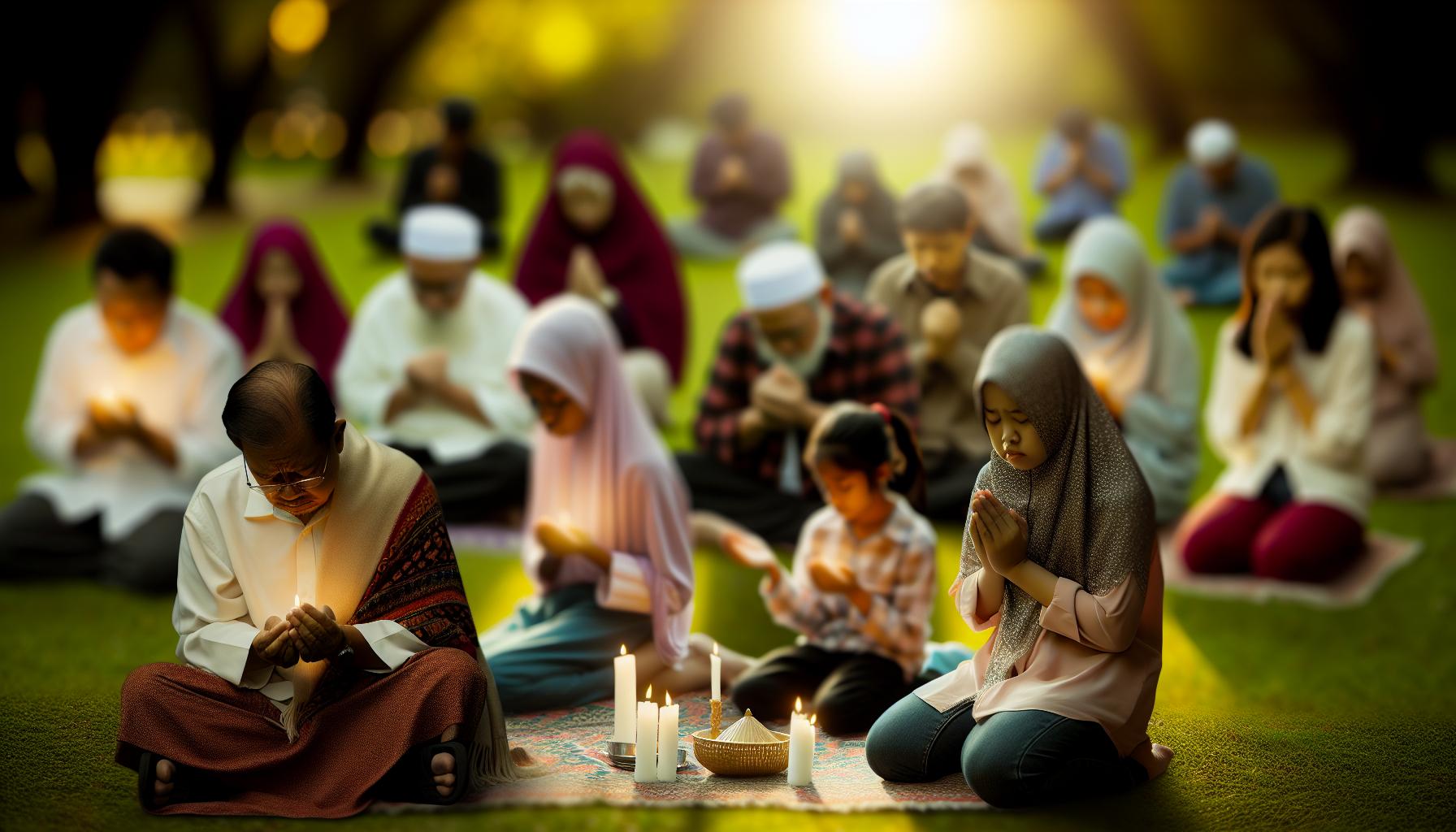
In a world increasingly fraught with strife and uncertainty, the transformative power of prayer cannot be overstated. Prayer serves as a direct line of communication with God, offering not just solace but also a profound means of reconnecting our hearts with His divine peace. When we find ourselves amid chaos-whether due to personal struggles, societal unrest, or global unrest-turning to prayer can redirect our frazzled minds back to focus on the Almighty, who remains in control.
Prayer is much more than mere words; it is an intimate act of faith that nurtures our connection with God. It encourages us to express our innermost fears and desires, allowing us to relinquish control and trust in His perfect plan. As scripture tells us in Matthew 7:7, “Ask, and it will be given to you; seek, and you will find; knock, and it will be opened to you.” This call to action reinforces the notion that engaging in prayer opens doors, not only for God’s intercession but also for clarity and understanding in our situations.
Moreover, prayer fosters an environment of gratitude and reflection, enabling us to regain perspective on what matters most. In times of turmoil, it’s all too easy to lose sight of the blessings surrounding us. Through consistent prayer, we can cultivate an attitude of thankfulness, ultimately leading us to experience a deeper sense of inner peace. Consider incorporating structured prayers focused on specific needs-whether they be personal tranquility, healing relationships, or broader global harmony-to enrich your prayer life and see tangible results.
For practical application, setting a designated time for prayer can dramatically improve our spiritual discipline. Creating routines, such as morning devotions or evening reflections, can help us stay grounded amidst life’s uncertainties. Whether through journaling your prayers or utilizing Scripture as a framework, these practices can elevate your spiritual experience and deepen your understanding of peace derived from faith. Embrace the power of prayer as a lifeline in times of chaos, enabling you to walk boldly through life’s storms, anchored in the peace of Christ.
Scripture Verses to Inspire Calmness
Scripture has a powerful way of soothing our restless hearts and guiding us toward peace, especially in troubling times. When chaos surrounds us, turning to the Word can provide profound comfort and reassurance. Numerous verses throughout the Bible remind us of God’s promise to be our refuge and strength, supporting us through turmoil and uncertainty.
To foster a sense of calmness, consider reflecting on the following passages:
- Philippians 4:6-7: “Do not be anxious about anything, but in every situation, by prayer and petition, with thanksgiving, present your requests to God. And the peace of God, which transcends all understanding, will guard your hearts and your minds in Christ Jesus.” This verse highlights the importance of prayer as a pathway to peace, encouraging us to lay our worries before God.
- Psalm 46:1: “God is our refuge and strength, an ever-present help in trouble.” Here, we are reminded that in our times of need, God is always there, providing not just support but active help.
- John 14:27: “Peace I leave with you; my peace I give you. I do not give to you as the world gives. Do not let your hearts be troubled and do not be afraid.” This assurance from Jesus underscores the unique peace He offers, which remains unaffected by external circumstances.
- Isaiah 26:3: “You will keep in perfect peace those whose minds are steadfast, because they trust in you.” Trusting in God allows His peace to envelop us, stabilizing our minds amidst chaos.
Each of these verses serves as a powerful reminder of God’s ability to provide peace that surpasses our understanding. As believers, we can internalize these promises and let them guide our thoughts and actions. Meditating on such scriptures not only encourages us to cast our worries onto God but also helps us cultivate a heart of gratitude and trust. Consider incorporating these verses into your daily prayers or writing them in a journal to reinforce their truth.
In addition to individual reflection, sharing these verses in community prayer settings can amplify their impact. When we speak God’s Word together, we remind each other of His faithfulness and the peace He promises. Whether you’re gathering for a Bible study or seeking solitude in prayer, allow these scripture passages to inspire calmness in your heart and mind, anchoring you firmly in the reassurance of God’s presence.
Types of Prayers for Chaotic Moments

In the midst of chaos, transforming our anxieties into prayers can be a powerful strategy for finding peace. Different types of prayers can serve as lifelines to our faith during turbulent times. Engaging in these intentional prayer forms allows us to express our deepest fears and hopes, aligning our hearts with God’s promises while inviting His tranquility into our chaotic circumstances.
Petitionary Prayers
These prayers involve asking God for specific needs, often in times of distress. When life feels overwhelming, turning to God in petition helps articulate our desires for peace, strength, and protection. A simple yet heartfelt request, such as, “Lord, grant me peace in this storm,” opens the door for divine intervention. Scriptures like Philippians 4:6-7 reflect this, encouraging believers to present their requests to God with the assurance that His peace will guard hearts and minds.
Thanksgiving Prayers
Expressing gratitude amid chaos shifts our focus from problems to blessings. By recognizing what we are thankful for, we cultivate a mindset of contentment, which can usher in calm. For instance, take a moment to thank God for small victories, supportive friends, or the gift of another day. This practice aligns with 1 Thessalonians 5:18, which urges us to give thanks in all circumstances, reminding us that even in turmoil, God is active in our lives.
Intercessory Prayers
These prayers extend beyond our personal needs and involve lifting others before God. In chaotic times, interceding for friends, family, or even global issues can create a sense of connectedness and purpose, reminding us we are not alone in our struggles. Romans 12:12 calls us to “be joyful in hope, patient in affliction, faithful in prayer,” affirming that praying for others nurtures our own spirit and helps us focus on collective hope.
Prayers of Surrender
In moments of anxiety, surrendering our control can be liberating. These prayers involve relinquishing our desires and coming to terms with God’s will, allowing His peace to fill the void of uncertainty. A simple prayer of surrender might be, “Lord, I trust you with my future. Help me to lean on Your understanding.” Proverbs 3:5-6 reassures us that trusting in the Lord’s path leads to peace, even amidst chaos.
By incorporating these varied types of prayers, individuals can navigate through their turbulent moments with a grounded heart. They reflect a dynamic relationship with God-one that not only seeks peace for oneself but also embraces the community and the overarching will of God in an ever-changing world. Each prayer serves as a reminder of His faithfulness, urging us to connect deeply with our Creator even when life’s storms threaten to overwhelm.
How to Establish a Daily Peaceful Prayer Routine
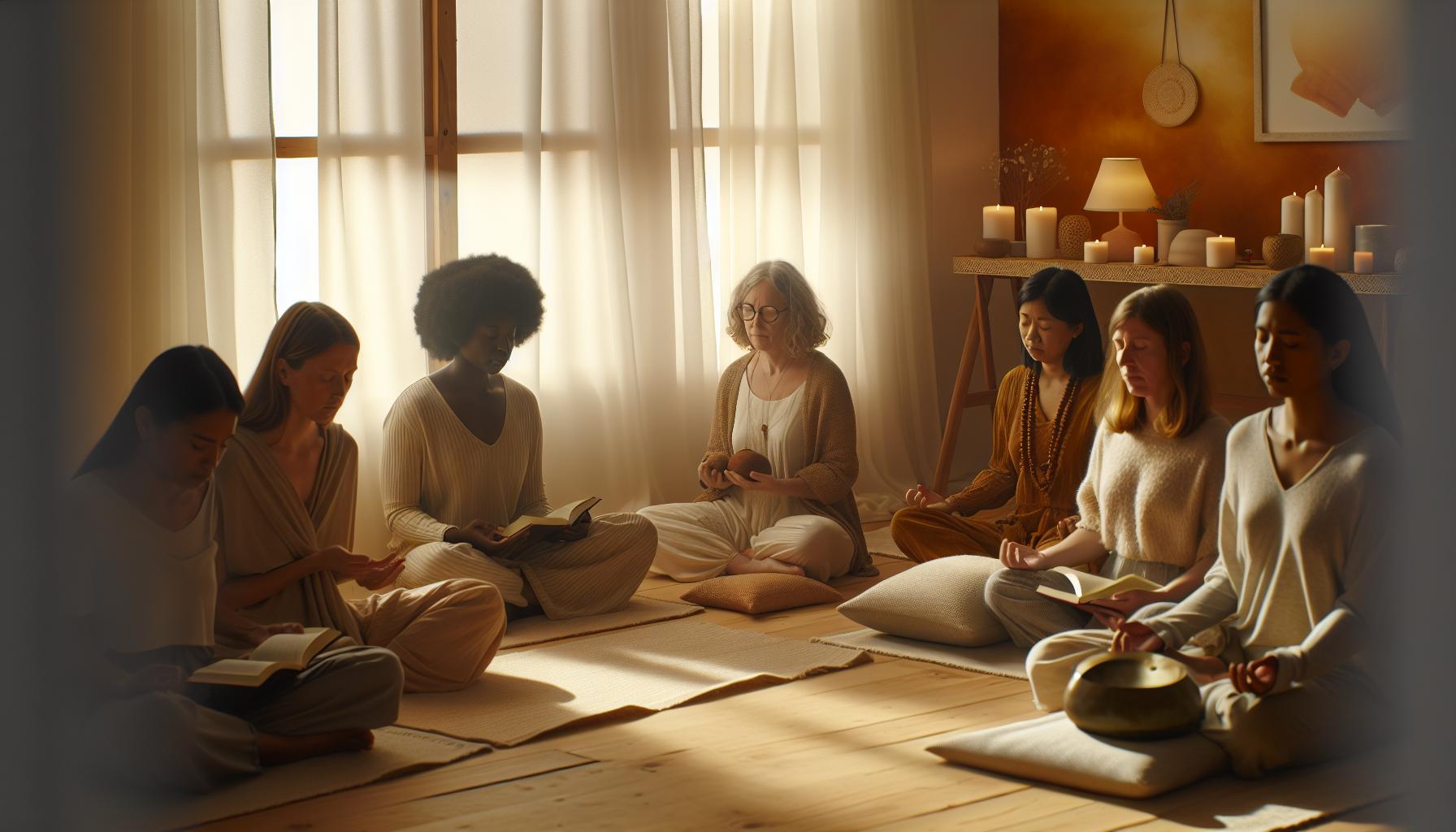
Establishing a daily prayer routine can be transformative, particularly when navigating through chaotic times. Creating a consistent practice not only deepens your faith but also cultivates a sense of inner peace amidst the storms of life. To begin this enriching journey, start by carving out a specific time each day dedicated solely to prayer. This could be early in the morning, during a quiet lunch break, or before bed-whatever time best suits your schedule and allows you to connect with God without distractions.
Engaging with scripture can also enhance your prayer time. Consider selecting a verse or passage that resonates deeply with you each day, and use it as a foundation for your prayers. For instance, reflecting on Philippians 4:6-7 can serve as a reminder to present your worries to God, allowing His peace to fill your heart. Write these verses in a journal, and allow them to guide your thoughts as you pray, thus integrating God’s Word into your daily routine.
Incorporate varied forms of prayer to enrich your experience. Alongside personal petitions, include prayers of thanksgiving, intercessory prayers for others, and moments of stillness where you simply listen for God’s voice. This diversity not only keeps your prayer life vibrant but also nurtures a deeper connection with both God and those around you. You might find it helpful to set a timer for each type, ensuring you dedicate ample time to each aspect of your prayer.
Creating a peaceful environment for your prayer practice can significantly enhance its effectiveness. Designate a specific space in your home where you feel calm and undisturbed-this could be a cozy corner, a quiet room, or even a beautiful outdoor setting. Consider adding elements that inspire tranquility, such as soft lighting, meaningful décor, scented candles, or uplifting music. Each time you enter this space, it will become a sacred retreat that grounds you in divine presence.
Strengthening your prayer routine is not just about the act itself but also about the heart behind it. Approach your time with God expectantly, allowing His Spirit to fill your heart with peace that surpasses all understanding. Remember, establishing a daily prayer practice is a journey, and it may evolve as you grow in faith. By committing to this routine, you’ll cultivate a sanctuary of hope and strength in your life, enabling you to face turmoil with confidence and serenity.
Creating a Prayer Space for Tranquility

Creating a tranquil prayer space is more than just finding a quiet corner; it is about cultivating an atmosphere that invites the presence of God and fosters an open heart for prayer. Imagine stepping into a space that envelops you in serenity, where every element encourages you to let go of the chaos outside and draw closer to the Lord. By intentionally designing this sacred area, you set the stage for meaningful conversations with God, allowing His peace to wash over you in turbulent times.
To start, choose a location that feels inviting and comforting. This could be a dedicated room, a cozy nook filled with soft cushions, or even a serene outdoor patio. Once you’ve settled on a space, consider incorporating elements that inspire a sense of calm. Soft lighting, for example, can create a warm ambiance, and scented candles or essential oils can stimulate your senses, helping you to relax and focus. Use meaningful décor, such as framed scripture verses or symbols of your faith, to remind you of God’s promises and strengthen your connection during prayer.
Another vital aspect is the incorporation of prayer tools that enhance your focus and spiritual practice. A journal can serve as a place to record your thoughts, prayers, and the insights you gain during your moments of reflection. You might also want to have your Bible easily accessible, allowing you to delve into scripture that resonates with your heart and needs. Adding music-perhaps soft worship songs or instrumental pieces-can also help to create an atmosphere conducive to peace. This auditory backdrop can quiet your mind and invite you into a deeper state of prayer.
Finally, consider the physical arrangement of your space. Create a comfortable seating arrangement that encourages good posture while being relaxed enough to promote openness in prayer. A simple cushion on the floor or a chair positioned near a window for natural light can make a significant difference. Embrace the opportunity to make changes as needed; as your relationship with God evolves, so too can your prayer space. Remember, this area is not just a place to sit but a sacred environment where you can encounter God intimately and experience His profound peace amidst life’s storms.
Incorporating Meditation and Reflection in Prayer
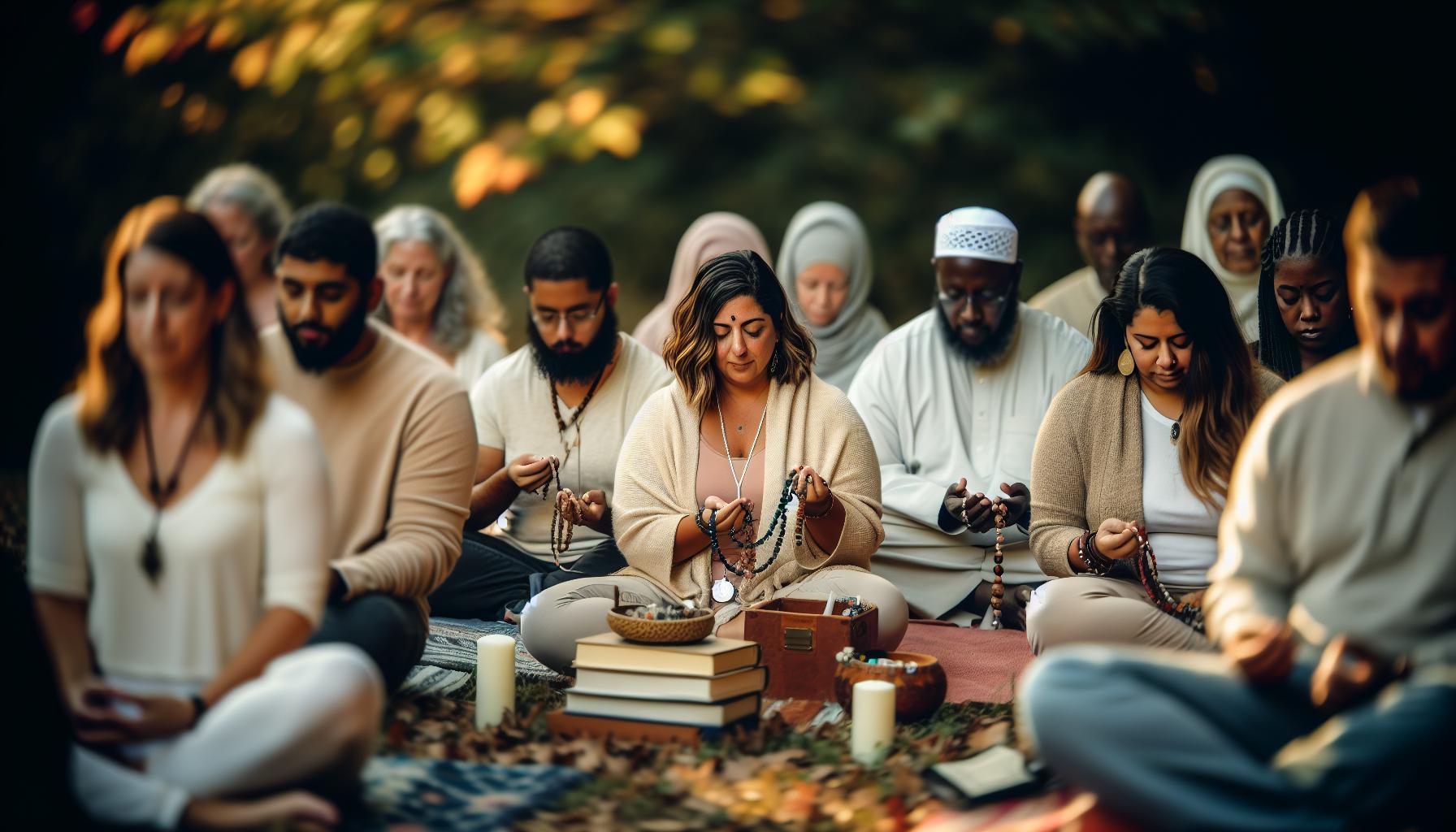
Incorporating meditation and reflection into your prayer life can transform your spiritual practice and deepen your sense of peace when chaos surrounds you. A thoughtful pause allows you to intentionally listen to God, to calm your mind, and to center your heart on His promises. In the midst of life’s whirlwind, this practice encourages you to find stillness and reconnect with the divine presence that sustains you.
To effectively integrate meditation into your prayer routine, consider establishing a specific time each day, which creates a rhythm of peacefulness amid the busyness. As you begin, take a few deep breaths to ground yourself, inviting the Holy Spirit to guide your thoughts. You might choose to meditate on a specific scripture such as Philippians 4:6-7, which reminds us not to be anxious but to present our requests to God, allowing His peace to guard our hearts and minds. Reflecting on these verses can anchor your prayers and serve as a source of tranquility.
As you meditate, it’s beneficial to visualize God’s love enveloping you, creating a protective barrier against the chaos. Imagine releasing your worries and burdens into His capable hands. You can also incorporate journaling during your reflection time-a practice that helps crystallize your thoughts and feelings, allowing you to see patterns in your spiritual walk and affirm God’s faithfulness. Consider writing down any insights or revelations you receive, which can serve as encouragement in the future.
To enhance your experience, create an environment that fosters deep contemplation. Soft music, nature sounds, or silence itself can be powerful aids in focusing your mind. By committing to regular meditation and reflection in your prayer life, you cultivate a peaceful sanctuary in your heart, making it easier to access God’s presence regardless of the external chaos. In this sacred space, you’ll discover that even amid turmoil, a profound sense of peace can flourish, rooted in the certainty of God’s love and guidance.
The Role of Community Prayer in Finding Peace

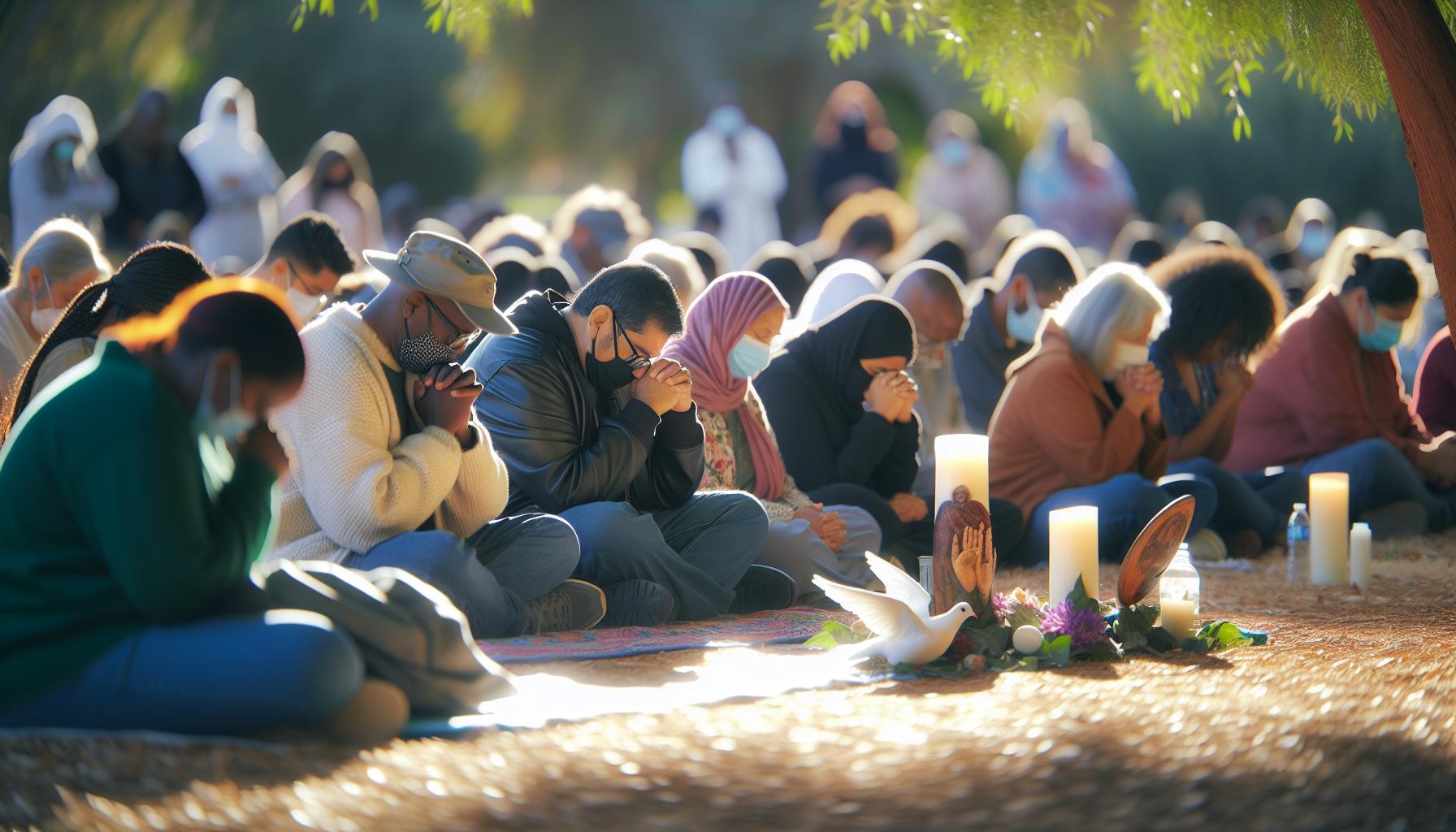
In times of chaos, the peace gained through community prayer can be both profound and transformative. Gathering with others to seek God’s presence not only strengthens the bonds between participants but also amplifies the sense of divine connection and support. The Bible highlights the power of collective prayer, reinforcing the belief that where two or three gather in His name, He is present among them (Matthew 18:20). This assurance brings comfort amid uncertainty, reminding us that we are not alone in our struggles.
Incorporating community prayer can take various forms, from small, intimate gatherings to larger church services focused on healing and peace. Having a designated time for communal prayer-whether it’s during a weekly Bible study, an online prayer group, or a church event-creates a powerful retreat from stressors. It offers an opportunity to share burdens and celebrate victories, fostering a collective faith that encourages and uplifts. Here are some practical ways to engage in community prayer effectively:
- Prayer Chains: Form a chain in which each member commits to pray for specific requests, creating a web of intercession that connects each participant’s heart to the needs of others.
- Prayer Walks: Organize walks in your community where groups pray for peace and healing in specific areas, combining physical movement with spiritual purpose.
- Focus on Scripture: Incorporate specific Bible verses in group prayers that emphasize God’s promises for peace, such as Isaiah 26:3, which assures us that those who trust in God will experience perfect peace.
- Shared Testimonies: Encourage members to share their experiences of finding peace through prayer, reinforcing faith and vulnerability in the group dynamic.
Moreover, the experience of praying together can embody a spirit of unity, reinforcing the understanding that peace is often found when we actively serve and support one another. As believers, we are called to bear one another’s burdens (Galatians 6:2), and through community prayer, we embody this calling. Each prayer becomes a building block of hope, a testament to our shared reliance on God to guide us through stormy seas and chaotic days.
Participating in community prayer is not just about seeking peace for oneself; it’s about creating a ripple effect of tranquility that extends to families, workplaces, and communities. These moments of collective faith can lead to transformations within each person’s heart and the broader community, making it evident that even in chaos, God remains our anchor and refuge.
Overcoming Doubts While Seeking Peace
In times of turmoil, it’s common to feel doubt creeping in, questioning whether our prayers are truly making a difference or being heard. This emotional struggle can be isolating, yet it’s important to understand that even seasoned believers experience these feelings. The key lies in recognizing that doubt does not equate to a lack of faith; rather, it can serve as a catalyst for deeper spiritual growth. Just as the father in Mark 9:24 cried out, “I do believe; help me overcome my unbelief!” we too can bring our doubts to God, asking for his assistance in strengthening our faith.
To overcome these doubts, one effective strategy is to immerse ourselves in Scripture that reassures us of God’s unwavering presence and power. Verses like Philippians 4:6-7 remind us, “Do not be anxious about anything, but in every situation, by prayer and petition, with thanksgiving, present your requests to God.” This invitation not only encourages prayer as a means to address our worries but also assures us that God’s peace, which transcends understanding, will guard our hearts. Reflecting on such scriptures can transform our perspective, shifting focus away from our uncertainties to God’s faithfulness.
Additionally, nurturing a habit of prayerful journaling can be beneficial. As you write down your prayers, feelings, and any revelations from Scripture, you create a tangible record of God’s past guidance and answered prayers. This practice can serve as a reminder of God’s consistent presence in the midst of chaos, reinforcing your belief in His ability to bring peace even in the most challenging situations. Consider identifying specific instances where God has provided clarity or comfort in your life, and revisit these moments when doubts arise.
Maintaining a supportive community is another crucial element in combating doubt. Engage with fellow believers who can share their experiences and encouragement. Collective testimonies can serve to remind you of God’s faithfulness, inspiring hope and strengthening your resolve. Creating spaces within your community for vulnerable conversations about faith can illuminate pathways to overcoming common doubts together, fostering a deeper connection with both God and one another.
Remember, God invites you to bring your uncertainties to Him. Embrace the journey of seeking peace as an active process that thrives on authenticity, vulnerability, and, ultimately, a renewed perspective anchored in faith. As you navigate through doubt, trust that God is working in ways you cannot yet see, guiding you toward peaceful assurance as you draw closer to Him.
Finding Purpose in Chaos Through Faith
In moments of turmoil, it can be challenging to grasp how God may be unfolding His purpose through our struggles. It’s during these chaotic times that our faith is most rigorously tested; however, these trials often lead to profound discoveries about ourselves, our calling, and our relationship with God. By leaning into our faith rather than retreating, we can uncover a path paved with purpose, even amidst chaos.
One way to find purpose in such turbulent seasons is to engage in reflective prayer. Consider approaching God with a humble heart, asking Him to reveal the lessons hidden within your circumstances. James 1:2-4 offers insight into this process: “Consider it pure joy, my brothers and sisters, whenever you face trials of many kinds, because you know that the testing of your faith produces perseverance. Let perseverance finish its work so that you may be mature and complete, not lacking anything.” This scripture reminds us that challenges can lead to spiritual growth, shaping us into the individuals God intends for us to become.
Another great avenue to cultivate purpose is through community engagement. Connecting with others who share similar struggles can provide insight and encouragement. Sharing testimonies of how God has worked in your life or listening to others’ experiences can illuminate the way forward. Acts 2:44-47 highlights the importance of being part of a community, where believers gather to support one another: “All the believers were together and had everything in common.” When we come together, we can create ripples of hope and strength that transcend our individual situations, finding purpose not only for ourselves but for those around us.
Additionally, journaling your thoughts and prayers can be a powerful practice. Writing allows you to articulate your feelings and may lead to surprising revelations about where God is leading you. As you document your journey, you may start to notice patterns and signs pointing toward your divine purpose. This reflective process enables you to see God’s hand in your life, pushing you to embrace the idea that your chaos is not wasted but rather is a preparation for something remarkable.
Embrace these moments of uncertainty with the assurance that God is ever-present and continually shaping you through your trials. As you seek peace through prayer and scripture, remember to remain open to the revelations that come from difficult times. In doing so, you may uncover a deeper understanding of your faith and purpose, one that shines brightly even in the darkest of circumstances.
Personal Testimonies: Peace Found Through Prayer

In tumultuous times, many individuals discover the profound peace that prayer can bring. Their stories often reflect transformative moments when they turned to God in desperation, seeking solace amidst chaos. For instance, a mother facing the stress of a serious illness in her family found herself overwhelmed with anxiety. Encouraged by a friend, she dedicated time each day to pray. She recited Philippians 4:6-7, which reassures believers to not be anxious but to present their requests to God. As she prayed, she experienced an unparalleled sense of calm that not only comforted her but also helped her navigate difficult conversations with medical professionals and family members.
Stories of Strength Through Prayer
Similarly, a college student contended with the pressures of exams and a recent breakup, feeling utterly lost. In desperation, he took to journaling his prayers, pouring out his heart to God. Over time, he found clarity not just about his relationships but also a renewed sense of purpose in his studies. Reflecting on his journey in a prayer group, he shared how God’s presence brought him peace, revealing Romans 15:13 as a guiding assurance: “May the God of hope fill you with all joy and peace as you trust in Him.” His testimony inspired others dealing with their own turmoil to lean deeper into prayer.
Another poignant example comes from a retired veteran grappling with the challenges of reintegration into civilian life. Amidst feelings of isolation, he found solace in a local church’s prayer circle. By collectively lifting prayers, they fostered a deep sense of community. This experience opened his eyes to God’s unwavering faithfulness, aligning with Psalm 34:4, which proclaims, “I sought the Lord, and He answered me; He delivered me from all my fears.” Each week, these shared moments of vulnerability not only comforted him but also built lasting friendships that provided ongoing support.
These testimonies affirm that engaging in prayer-whether solitary or communal-can profoundly impact our emotional and spiritual well-being. As you navigate your own storms, consider journaling, joining a prayer group, or finding a quiet space to connect with God. Remember, even amid chaos, His peace is available to guide you, empower you, and remind you that you are never alone on this journey.
Faith-Based Practices to Sustain Inner Peace
In the midst of life’s turbulence, nurturing inner peace through faith-based practices can provide a robust anchor. Embracing disciplines such as meditation, gratitude, and scriptural meditation can help center our hearts and minds, cultivating a sense of tranquility even when chaos surrounds us. These practices not only draw us closer to God but also equip us to face life’s storms with grace and resilience.
One powerful practice is establishing a routine of daily gratitude. Each morning, take a moment to reflect on and write down three things you are thankful for. This simple act shifts focus from the chaos of current circumstances to the abundance that God provides. As Paul instructs in 1 Thessalonians 5:16-18, maintaining an attitude of gratitude aligns our hearts with God’s will and fosters a peaceful mind.
Incorporating scriptural meditation is another impactful way to deepen your peace. Choose a verse that resonates with your current struggles-Philippians 4:6-7 or Isaiah 26:3 are excellent choices-and meditate on it throughout the day. Visualizing the peace God promises can transform your mindset, effectively replacing anxiety with assurance. Consider writing these verses on sticky notes and placing them where you’ll see them often, allowing God’s Word to resonate deeply in your heart.
Creating a dedicated prayer space can also significantly enhance your connection to God. Whether it’s a corner of a room, a serene spot in your garden, or a cozy chair, designate an area for prayer and reflection. Personalize it with meaningful items: your Bible, a journal, or candles. This physical space will serve as a reminder of your commitment to seeking peace through prayer, making it easier to return to God’s presence amid distractions.
Finally, integrating community involvement can amplify the peace you experience. Joining a prayer group allows you to share burdens, listen to others’ stories of faith, and witness God’s work in collective prayer. Ecclesiastes 4:9-10 reminds us that two are better than one; having others to uplift and pray with not only fosters community but helps stabilize our emotional and spiritual health.
These faith-based practices-gratitude, scriptural meditation, dedicated prayer spaces, and community prayer-are essential tools for sustaining inner peace. Each practice invites the transformative presence of God into our daily lives, reminding us that His peace transcends all understanding, even in our most chaotic moments.
Frequently Asked Questions
Q: How can prayer help during chaotic times?
A: Prayer is a powerful tool for finding peace amidst chaos. It allows individuals to connect with God, seek comfort, and gain perspective on their challenges. Incorporating prayer into your daily routine can foster a sense of tranquility and assurance, reinforcing your inner strength during turbulent moments. For further insights, check the section on “Understanding the Power of Prayer for Peace.”
Q: What specific prayers can I use for peace?
A: Specific prayers for peace might include phrases from well-known prayers like the Serenity Prayer or custom prayers that express your own feelings of turmoil and desire for calm. Consider personalizing these prayers to reflect your unique situation, drawing on scripture and faith community support for guidance. Refer to “Types of Prayers for Chaotic Moments” for examples.
Q: How can I establish a daily prayer routine for peace?
A: To establish a daily prayer routine, choose a specific time and create a peaceful environment free from distractions. Begin with gratitude, express your concerns, and ask for peace. Consistency is key, so try to stick to your routine to incorporate prayer seamlessly into your life. Learn more in the “How to Establish a Daily Peaceful Prayer Routine” section.
Q: Why is community prayer important for finding peace?
A: Community prayer fosters a sense of belonging and shared support, amplifying the power of individual prayers. It encourages collective faith, strengthens bonds, and can provide comforting assurance during difficult times. Joining a prayer group can enhance your sense of peace as you pray for one another. Check “The Role of Community Prayer in Finding Peace” for more details.
Q: When should I pray for peace?
A: You can pray for peace any time you feel overwhelmed or distressed. It’s beneficial to pray before major decisions, during life’s transitions, or when faced with uncertainties. Regular prayer throughout your day can also serve as a reminder to seek tranquility continuously. For guidance on daily practices, see “How to Establish a Daily Peaceful Prayer Routine.”
Q: What are some scripture verses that promote peace?
A: Scripture verses such as Philippians 4:6-7, which encourages prayer over anxiety, and John 14:27, which speaks of Jesus giving peace, can be very comforting. Reflecting on these verses during your prayers can amplify their message of hope and calmness. Explore “Scripture Verses to Inspire Calmness” for more.
Q: How can meditation enhance my prayer experience?
A: Incorporating meditation into your prayer routine allows for deeper reflection and connection with God. It helps clear your mind, making space for God’s peace to enter. Try focusing on a scripture verse or mantra during meditation to enhance your prayer experience. Learn more in “Incorporating Meditation and Reflection in Prayer.”
Q: How can I overcome doubt while praying for peace?
A: Overcoming doubt can be challenging but is a common experience in the faith journey. Acknowledge your feelings and remind yourself of God’s promises. Engaging with scripture, discussing your concerns in prayer groups, and maintaining a journal can help you process through doubts. Visit “Overcoming Doubts While Seeking Peace” for more insights.
For more support and resources on cultivating peace through prayer, explore sections of the main article related to faith-based practices and personal testimonies. Stay encouraged and grounded on your Christian journey!
To Conclude
Thank you for exploring “Prayers for Peace When Your World Feels Chaotic.” Remember, God’s peace surpasses all understanding and is available to you in every season of life. If you found value in today’s discussion, consider diving deeper into our resources on prayer life and spiritual practices to further enrich your journey. Check out our articles on effective prayer techniques and Bible study tools that can help ground you amid turmoil.
Don’t hesitate to reach out! Share your thoughts in the comments or sign up for our newsletter for ongoing encouragement and insights into living a principled Christian life. As you embrace prayer and reflection, know that you’re not alone-join our community for support and inspiration as you navigate your faith journey. Your next step is just a click away, so let’s continue this path together toward deeper peace and purpose in Christ.