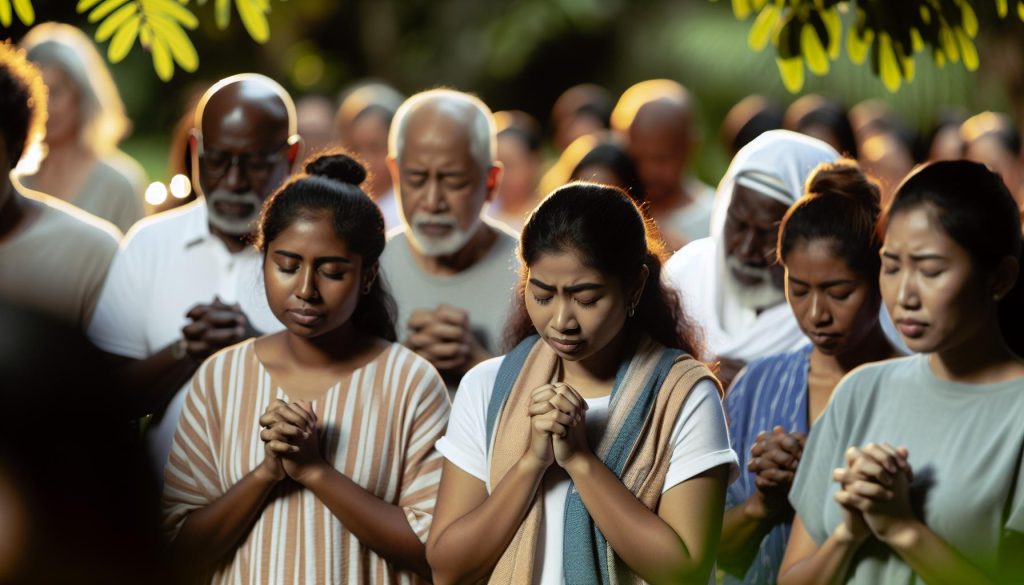
In a world filled with distractions and challenges, expressing gratitude to the Lord can renew our spirits and deepen our faith. “Prayers for Thanking the Lord: Express Gratitude God’s Way” invites you to explore the transformative power of thankfulness in prayer. Acknowledging God’s blessings not only aligns our hearts with His will but also cultivates a spirit of joy and peace that transcends life’s difficulties.
When we take time to reflect on His goodness, we open ourselves to a deeper relationship with Him, allowing gratitude to pave the way for spiritual growth and resilience. This journey of thanksgiving encourages us to embrace a Christ-centered lifestyle, impacting our families and communities. As you delve into this enriching content, prepare to discover practical prayers that can help you articulate your thanks and inspire an attitude of gratitude in every aspect of your life. Join us in this uplifting exploration, and let your prayers overflow with the joy of appreciation for all God has done.
Contents
- 1 Prayers of Gratitude: A Heartfelt Approach
- 2 Biblical Foundations for Thankfulness
- 3 Types of Prayers to Express Gratitude
- 4 Incorporating Praise and Worship in Prayer
- 5 Personalizing Your Thank You Prayers
- 6 Daily Gratitude Practices for Spiritual Growth
- 7 The Power of Thankfulness in Difficult Times
- 8 Scriptural References for Thankful Hearts
- 9 Guided Prayer Examples for Deep Reflection
- 10 Creative Ways to Thank God Through Prayer
- 11 Building a Gratitude Journal: A Prayerful Practice
- 12 Group Prayers: Sharing Gratitude with Others
- 13 FAQ
- 14 The Conclusion
Prayers of Gratitude: A Heartfelt Approach
In a world filled with distractions and challenges, the practice of offering heartfelt prayers of gratitude stands out as a transformative spiritual discipline. Expressing thankfulness can create a deeper connection with God, fostering an awareness of His presence and provision in our lives. When we take time to reflect on our blessings, we not only cultivate a positive mindset but also draw closer to the divine through a genuine acknowledgment of His goodness.
Prayers of gratitude can take many forms, whether silent reflections, spoken words, or written notes. The key is authenticity. When we approach God with sincere hearts, our expressions of thanks resonate more deeply. Consider starting your day with a morning prayer of gratitude, thanking God for the gift of life, love, and the promise of a new day. In your prayers, mention specific blessings-perhaps a friend who encouraged you, a lesson learned through adversity, or simply the beauty of creation that surrounds you. This practice not only enhances your spiritual life but also instills a sense of joy and peace that can permeate your entire day.
Another powerful way to engage in gratitude is to incorporate scripture into your prayers. Verses such as 1 Thessalonians 5:16-18 remind us to “Rejoice always, pray continually, give thanks in all circumstances.” You might choose to memorize verses that resonate with your heart and weave them into your daily prayers, allowing God’s Word to inform and enrich your expressions of thanks. Additionally, consider setting aside moments during communal worship to share testimonies of gratitude, fostering an uplifting environment within your church family where gratitude leads to shared joy and encouragement.
As you develop your approach to praying with gratitude, remember that this practice can transform not only your heart but also your relationships. When you express gratitude towards others in your prayers-thanking God for their presence in your life-you reinforce the bonds that unite you. Cultivating a habit of gratitude strengthens your faith and creates a ripple effect that can touch the lives of those around you, inviting others to join in the rich, fulfilling journey of recognizing and celebrating God’s blessings in every facet of life.
Biblical Foundations for Thankfulness
In the tapestry of Christian faith, thankfulness is a vibrant thread that weaves together our relationship with God and our understanding of His grace. The Bible is rich with passages that not only command us to express gratitude but also illuminate the profound impact this practice has on our spiritual lives. Recognizing that gratitude is not merely an afterthought but a foundational aspect of worship transforms how we interact with our Creator and each other.
Throughout Scripture, we find a wealth of examples that emphasize the significance of thankfulness. In Psalm 107:1, we are reminded, “Give thanks to the Lord, for he is good; his love endures forever.” This declaration is not only an acknowledgment of God’s character but also an invitation to continually express our appreciation for His enduring mercies. The act of giving thanks cultivates a heart attuned to His blessings, fostering a deeper sense of connection and faithfulness in our daily lives.
Moreover, the New Testament reiterates the call for a grateful heart. In Colossians 3:15-17, Paul encourages believers to “let the peace of Christ rule in your hearts” and to “be thankful.” Here, gratitude is linked with the peace of God, suggesting that a thankful spirit not only enriches our relationship with Him but also enhances our emotional and spiritual well-being. Incorporating thankfulness into our prayers allows us to shift our focus from our struggles to God’s faithfulness, providing solace and strength as we traverse life’s challenges.
The biblical foundations of thankfulness reinforce the idea that gratitude is an active, intentional response to God’s goodness. It encourages believers to recognize daily blessings, whether large or small, and to bring these before God in prayer. By doing so, we practice mindfulness of His presence in our lives, celebrating the manifold ways He provides, protects, and loves us. Embracing a heart of gratitude ultimately positions us to experience the fullness of joy and peace that comes from a life steeped in appreciation of God’s unfailing grace.
Types of Prayers to Express Gratitude
In the practice of prayer, gratitude plays a transformative role in deepening our relationship with the Lord. Understanding the various forms of prayers that can express our thankfulness can enrich our spiritual journey and connect us more intimately with God. Each type serves as a unique channel through which we can pour out our hearts, recognizing His unending goodness and grace in our lives.
One popular approach to expressing gratitude is through praise prayers. These prayers focus solely on proclaiming God’s attributes and His actions in our lives, often echoing the sentiments found in Scripture. For instance, when you acknowledge God as your provider, healer, and protector in prayer, you engage in a dynamic expression of thankfulness that reminds both you and God of His steadfastness and love. Incorporating scripture, such as Psalm 100:4 (“Enter his gates with thanksgiving and his courts with praise; give thanks to him and praise his name”), can enhance this practice.
Another effective method is the thanksgiving prayer, where you list specific blessings you have received and lift them up in gratitude. This can include anything from answered prayers, the beauty of creation, to daily sustenance. Engage your heart and mind to reflect on the abundance around you. You might say something like, “Thank you, Lord, for my family’s health, the provision of my job, and the love that surrounds me.” By vocalizing these acknowledgments, you actively cultivate a heart of gratitude.
Intercessory gratitude prayers are also significant. In these prayers, you express thanks not only for your blessings but for those of others, fostering a spirit of community and love within the Body of Christ. When praying for friends, family, or those in need, include your gratitude for their lives and the good God is doing in them. This intertwining of thankfulness with intercession showcases the interconnectedness of our faith journeys.
Lastly, consider reflective prayers where you meditate on God’s past faithfulness. Take time to recount His work in your life, especially during challenging seasons. Reflecting helps to solidify your thankfulness, creating a stronger foundation for future trust in God’s plan. As you engage with God through these various types of prayers, remember our call in Philippians 4:6-7 to not be anxious about anything, but in every situation, by prayer and petition, with thanksgiving, present your requests to God. This will assure you that your heart is aligned with His, inviting peace and joy into your daily walk.
Incorporating these diverse expressions of gratitude into your prayer life can enrich not only your experience of God’s love but also your ability to see the world through the lens of His abundant grace. Each moment spent in gratitude opens up new avenues of connection with the Creator, reinforcing the beauty of a life lived in thankfulness.
Incorporating Praise and Worship in Prayer
In our journey of faith, there are few experiences as transformative as incorporating praise and worship into our prayers. This practice not only draws us closer to God but also lifts our spirits and aligns our hearts with His purpose. Praise and worship prayers shift our focus from our problems to God’s greatness, allowing us to reflect on His goodness, mercy, and love. As we actively engage in honoring Him, we cultivate a profound sense of gratitude that permeates every aspect of our lives.
One effective way to incorporate praise into your prayers is by beginning each session with worship, whether through sung hymns or spoken adoration. For example, you might say, “Lord, I praise You for Your unchanging nature; You are faithful, holy, and full of love.” This acknowledgment serves as a reminder of who God is and His unwavering presence in our lives. Scriptural affirmations, such as Psalm 145:3, “Great is the Lord and most worthy of praise,” can also be integrated into your worship time, enriching your prayer experience with the weight of biblical truth.
Another approach is to engage in thanksgiving that flows from adoration. Tie together your praise with specific acknowledgments of His blessings. Instead of only stating, “Thank You, God,” articulate the reasons behind your gratitude. For instance, “Thank You, Lord, for providing for my family, for the peace that surpasses understanding, and for the guidance You’ve offered during times of uncertainty.” This practice not only deepens your thankfulness but also enhances the intimacy of your prayer life.
To truly immerse yourself in worship, consider using worship music as a backdrop for your prayers. Create a playlist that resonates with your spirit, allowing the lyrics and melodies to inspire your worship. As you listen, let the music guide your thoughts and prayers, giving reign to the emotions stirred within you. This fosters an atmosphere where gratitude can flourish, encouraging you to express your heartfelt praises to God actively. When times are tough and your spirit feels weighed down, immersing yourself in worship can serve as a lifeline, reminding you of God’s promises and the joy found in His presence.
The repetitive act of praising God in prayer paves the way for an enriched spiritual life, propelling you toward deeper trust and a renewed sense of purpose. By prioritizing these practices, you invite the transformative power of gratitude to reshape your daily existence, reflecting the beauty of a heart fully surrendered to the Lord.
Personalizing Your Thank You Prayers
Acknowledging and expressing gratitude in your prayers is a profound way to connect with God and deepen your faith. can transform a simple expression of gratitude into an uplifting and intimate dialogue with the Lord. By tailoring your prayers to reflect your unique blessings and experiences, you not only foster a closer relationship with God but also nurture your spiritual growth.
One effective method of personalizing your thanks is through specificity. Rather than offering a general “thank you,” consider detailing the reasons for your gratitude. For example, you might say, “Thank You, Lord, for the gift of friendship and the support of my community during challenging times.” This specificity not only makes your prayer more meaningful but also reminds you of the distinct blessings in your life that deserve appreciation. Remember the words of 1 Thessalonians 5:18, which encourages us to “give thanks in all circumstances.”
Incorporating Personal Experiences
Engagement in your own life experiences can amplify the impact of your thankfulness. Reflect on recent events that have brought joy or peace. You might mention your family, your health, or even moments of encouragement from a friend. For instance, a heartfelt prayer could be, “Thank You for the restoration in my family relationships and the moments of joy we shared this week.” By weaving in personal stories, you create richer, more resonant prayers that not only honor God but also affirm your faith journey.
Using Scripture in Your Prayers
Incorporating scriptural references into your personalized prayers can also enhance their effectiveness. Verses that resonate with your current blessings or situations can remind you of God’s promises and character. You might pray, “As Psalm 100:4 says, ‘Enter His gates with thanksgiving and His courts with praise,’ I come before You today, grateful for Your steadfast love and mercy.” This connection reinforces your gratitude with the assurance of God’s word, deepening your prayer experience.
Embrace the fullness of your relationship with God by allowing your thank you prayers to reflect your heart’s true sentiments. The act of personalizing your gratitude not only enriches your prayer life but also nurtures a deeper sense of peace and fulfillment in your daily walk with Christ. Make this practice a regular part of your spiritual discipline, and watch as your acknowledgment of blessings transforms into a living testament of God’s goodness in your life.
Daily Gratitude Practices for Spiritual Growth
Gratitude is a transformative practice that can significantly enrich your spiritual journey. Daily gratitude practices allow you to acknowledge God’s blessings, nurturing your relationship with Him and enhancing your overall well-being. When you intentionally focus on being thankful, you cultivate a heart that recognizes the abundance of God’s blessings, fostering a profound sense of peace and joy in your life.
One effective approach is to set aside specific times each day for gratitude reflection. You might dedicate a few moments in the morning to express your thanks for the day ahead or in the evening to reflect on the gifts you’ve received throughout the day. Use these moments to verbalize your gratitude or write them down in a dedicated journal. This practice not only helps you remember God’s goodness but also allows you to notice the smaller blessings that might otherwise go unseen. Consider maintaining a list of things you are thankful for-this could include your health, family connections, and even the beauty of nature. Each entry can serve as a reminder of God’s hand in your life.
Incorporating scripture into your daily gratitude routines can also deepen your spiritual growth. Use verses that resonate with you to inspire your prayers and reflections. For example, Philippians 4:6 reminds us to “not be anxious about anything, but in every situation, by prayer and petition, with thanksgiving, present your requests to God.” Let this encourage you to blend your thanks with your petitions, making your prayers both holistic and heart-centered.
Engaging with your faith community can amplify your gratitude practice. Sharing your blessings with others during group prayers or discussions can create a supportive atmosphere where thankfulness flourishes. Joining in on communal worship gives you a chance to collectively express gratitude for God’s workings, fostering a sense of unity and purpose among believers. This not only cultivates an environment of thankfulness but also strengthens your relationships with others in faith.
By weaving gratitude into your daily life, you invite God into your everyday experiences, creating a rich tapestry of faith and appreciation that enhances your journey with Christ. Embrace these practices, and watch how they transform your perspective, leading you to a more abundant life in His presence.
The Power of Thankfulness in Difficult Times
In life’s most challenging moments, finding reasons to be thankful can seem unattainable. Yet, the profound power of gratitude shines brightest in these difficult times. When faced with trials-be it health challenges, relationship struggles, or financial hardships-cultivating a heart of thankfulness shifts our perspective from despair to hope. This transformative practice not only strengthens our faith but also deepens our reliance on God, reminding us that even in hardship, He is present and at work.
One powerful way to express gratitude during tough times is through prayer. Start each day by thanking God for the gift of life, the breath in your lungs, and the strength to face the day ahead. Even small acknowledgments like expressing gratitude for a friend, a comforting meal, or a moment of peace can radically alter your emotional landscape. Scripture invites us to “give thanks in all circumstances” (1 Thessalonians 5:18), emphasizing that thankfulness is not just a response to the good but a practice we are called to embody regardless of our situation. By focusing on what we have rather than what we lack, we can cultivate an appreciation for the nuances of life that often go unnoticed.
Moreover, sharing your burdens with others can enhance your gratitude practice. When you voice your struggles within your faith community, it opens avenues for prayer, support, and encouragement. Engage in group prayers where you can collectively acknowledge God’s past provisions and seek strength for current challenges. Such communal expressions of gratitude reinforce your faith and remind you that you are never alone in your journey.
In these moments of trial, consider maintaining a gratitude journal. Regularly jot down instances where you sense God’s presence or subtle blessings, no matter how small. This tangible record serves as a beacon of hope when times get tough. It can be especially powerful to revisit these entries during moments of doubt, allowing you to see the thread of God’s faithfulness running through your life. Embracing thankfulness in difficult times not only nurtures your spirit but also builds resilience, reminding you that God’s love and grace can illuminate even the darkest paths.
Scriptural References for Thankful Hearts
In moments when our hearts are filled with gratitude, it’s essential to reflect on the scriptural foundations that guide our expressions of thankfulness. The Bible is rich with verses that encourage us to cultivate a spirit of appreciation, leading us to understand that thankfulness is not just a response to blessings, but a way of life. For instance, Psalm 107:1 beautifully sets the tone: “Give thanks to the Lord, for he is good; his love endures forever.” This scripture serves as a reminder that God’s goodness and love are constants in our lives, inviting us to respond with grateful hearts.
Another powerful verse is found in Colossians 3:17, which states, “And whatever you do, whether in word or deed, do it all in the name of the Lord Jesus, giving thanks to God the Father through him.” This passage highlights that our entire lives-from our daily routines to our interactions with others-should be permeated with gratitude. It prompts us to approach each act, no matter how mundane, as an opportunity to thank God and acknowledge His presence in our lives.
Incorporating these scriptures into our prayer lives can enrich our expressions of gratitude. For example, while praying, one might say, “Lord, I am thankful for Your unchanging love as described in Psalm 107:1. I recognize Your goodness in my life, especially during times of uncertainty.” By personalizing scripture in our prayers, we can deepen our connection with God and enhance our understanding of His faithfulness.
Moreover, verses like 1 Thessalonians 5:16-18 call us to “Rejoice always, pray continually, give thanks in all circumstances; for this is God’s will for you in Christ Jesus.” These reminders encourage us to maintain a thankful heart even during trials, reinforcing the idea that gratitude is a powerful tool for spiritual growth. As we anchor our gratitude in the Word, we cultivate a lifestyle that honors God and reflects His love in every aspect of our lives.
Ultimately, reflecting on scripture aids not just in fostering a thankful heart but also in nurturing a deeper relationship with God. Engaging with His Word equips us to face life’s challenges with resilience and faith, as we remember to thank Him for both the blessings and the trials that shape our spiritual journey.
Guided Prayer Examples for Deep Reflection
In a world that often pulls us toward complaints and challenges, harnessing the power of gratitude can transform our spiritual lives. Prayers of gratitude allow us to pause and reflect on the blessings, large and small, that God has bestowed upon us. These prayers deepen our relationship with Him and draw us closer to His heart.
To guide you through heartfelt gratitude, consider these examples of prayers that encourage deep reflection:
Thanksgiving for God’s Blessings
“Lord, I come before You with a heart full of gratitude. I thank You for the gift of life, for the breath in my lungs, and for the love of family and friends. Thank You for the beauty of Your creation that surrounds me every day, and for the strength You give me to face life’s challenges. May Your goodness always be evident in my life, and help me see every moment as a chance to praise You.”
Gratitude Amidst Trials
“Dear Heavenly Father, even in my struggles, I choose to thank You for Your unwavering presence. In moments of doubt and hardship, remind me of the promise in Romans 8:28 that all things work together for good. I am grateful for the lessons learned through adversity, knowing that You are shaping me into the person You desire. Grant me peace as I trust in Your plan.”
Thankfulness for Spiritual Growth
“Gracious God, I acknowledge Your role in my spiritual journey. Thank You for the moments of clarity, for the times when Your Word spoke directly to my heart, and for the growth I see in my faith. Help me to continue seeking You diligently, and may I always remember to express my gratitude for Your grace and mercy that sustains me each day.”
For Those We Love
“Lord, I lift up my loved ones before You. I give thanks for their presence in my life and for the joy they bring. Please bless them abundantly and draw them closer to You. Let our relationships be filled with love, kindness, and mutual support. Help me to be a source of encouragement and gratitude in their lives.”
These guided prayers not only articulate our thankfulness but also create space for reflection on God’s work within us and in the lives of those around us. By incorporating these prayers into your daily routine, you’ll find that gratitude becomes a more integral part of your spiritual practice, enriching your life with a profound sense of peace and connection to God. Consider keeping a gratitude journal to capture your prayers and reflections, as it can enhance your spiritual journey, allowing you to witness God’s faithful hand through the seasons of life.
Creative Ways to Thank God Through Prayer
In the journey of faith, finding unique ways to express gratitude to God enriches one’s spiritual life and strengthens the bond with the Creator. Creativity in prayer can make our expressions of thankfulness more heartfelt and impactful. Here are a few suggestions that transform traditional gratitude into innovative forms of prayer.
One meaningful approach is to incorporate visual art into your expressions of gratitude. Drawing, painting, or even crafting can serve as a form of worship. As you create, dedicate your work to God, reflecting on His blessings. You might even choose to frame your artwork and place it in your prayer area as a constant reminder of your thankfulness. Alternatively, consider creating a gratitude collage that visually represents the things you are thankful for. Gather photos, scriptures, and quotes that inspire you. Each piece can serve as a visual prayer that honors God.
Another engaging method is to write letters of gratitude to God. In these letters, express your appreciation for specific blessings, answered prayers, or moments of divine intervention. You can keep these letters in a dedicated journal or even create a “Gratitude Box,” where each letter is stored as a testament to your journey of thankfulness. Reflecting back on these letters can be a powerful way to remember God’s faithfulness during challenging times.
Additionally, consider establishing a grateful garden or a designated space in your home that inspires thankfulness. Plant flowers or herbs that remind you of God’s goodness, and use this space for prayer and meditation. As you tend to these plants, let their growth symbolize your gratitude and relationship with God. You could also take it a step further by inviting friends or family members to participate, turning it into a communal space for shared gratitude.
Finally, music and hymns can elevate your expressions of thanks to God. Creating a playlist of worship songs that express gratitude can set a joyful tone for your daily prayers. Singing or playing these songs can be a joyful way to lift your spirit, turning moments of reflection into celebrations of God’s goodness.
Through these creative expressions, you not only thank God but also immerse yourself in a deeper relationship with Him, celebrating His faithfulness in meaningful ways. Use these practices to nurture your spiritual life and foster an environment of gratitude in your heart.
Building a Gratitude Journal: A Prayerful Practice
A gratitude journal serves as a powerful tool for cultivating a deeper relationship with God while reflecting on His countless blessings in our lives. By intentionally recording moments of thankfulness, you can develop a habit that transforms your spiritual journey. This practice not only encourages mindfulness but also invites you to recognize the many ways God’s grace manifests day by day. As you write, you’ll find that even small blessings become significant and lead to greater appreciation for the divine around you.
To start your gratitude journal, find a quiet space to reflect and engage with God. Set aside a few minutes each day-perhaps in the morning or before bedtime-to write about what you’re thankful for. Consider organizing your entries by themes to help focus your reflections. For instance, you might dedicate certain days to family, friendships, or personal growth. By categorizing your gratitude, you can cultivate a more comprehensive understanding of God’s work in different areas of your life.
Practical Tips for Your Gratitude Journal
- Include Scriptures: Reference Bible verses that resonate with your feelings of gratitude. This connects your reflections directly to God’s Word and enriches your understanding of His promises.
- Reflect on Challenges: Don’t hesitate to mention difficult times or struggles you faced. Often, gratitude is born from overcoming challenges, and recognizing these moments can lead to deeper insights and healing.
- Make it Creative: Personalize your journal with drawings, stickers, or collage elements that represent your feelings. This adds joy and playfulness to your gratitude practice.
- Share Your Insights: Consider inviting friends or family members to share their gratitude journal entries, fostering a communal spirit of thanksgiving. This can deepen relationships and encourage collective faith growth.
As you continue to build this prayerful practice, you may find that your perspective on life begins to shift. In times of distress or uncertainty, recalling entries from your gratitude journal can remind you of God’s faithfulness, providing the strength and peace needed to face tough situations. Regularly revisiting those moments of thankfulness will reinforce the understanding that God is always present, supporting and inspiring you along your faith journey. Turning gratitude into a daily habit is more than just an act of thankfulness; it cultivates a lasting attitude of prayer that brings you closer to the heart of God.
Group Prayers: Sharing Gratitude with Others
Gathering in prayer with others to express gratitude can profoundly deepen your spiritual journey and foster stronger connections within your community. When believers come together to thank the Lord, it not only enriches their personal faith but also cultivates a shared atmosphere of worship and thanksgiving. This practice not only honors God but also allows individuals to experience the power and presence of the Holy Spirit in a collective setting.
Consider organizing regular group gatherings, whether in church, small groups, or home settings, where participants can share their testimonies and express gratitude together. These gatherings can be structured around specific themes, such as Thanksgiving, birthdays, or notable events in the community, providing a framework for focused prayer. Members can take turns leading the prayer, creating a sense of ownership and inclusivity. Begin with a scripture reading to set the spiritual tone, such as Psalm 107:1, “Give thanks to the Lord, for He is good; His love endures forever.” This can guide the spirit of gratitude throughout the gathering.
It’s also beneficial to incorporate diverse expressions of gratitude into your group prayers. Encourage members to share both the big and small blessings that God has provided, creating a deeper understanding of His work in their lives. Engaging in this practice can include writing down thank-you notes during the gathering or sharing personal stories that highlight God’s faithfulness in tough times. This not only strengthens bonds among participants but also reminds everyone of God’s constant presence and grace.
Finally, bring a creative element into your group sessions by incorporating music or art. Singing worship songs that express gratitude can elevate the atmosphere, while painting, drawing, or crafting thankfulness cards to share can offer a tangible outlet for expression. As you share in prayer and creativity, remember to close each gathering with a collective prayer of thanks, inviting God’s continued blessings upon the group and the community at large. This holistic approach to group gratitude can leave participants uplifted, encouraged, and more attuned to recognizing and celebrating God’s goodness in their daily lives.
FAQ
Q: How can I start a prayer of gratitude to God?
A: You can start a prayer of gratitude by addressing God directly and expressing your thankfulness for specific blessings in your life. For instance, say, “Dear Lord, I thank you for the gift of life, my family, and the love surrounding me.” Personalizing your prayer makes it more impactful. Explore more in the section on Personalizing Your Thank You Prayers.
Q: What are some examples of thank you prayers?
A: Examples include short prayers like, “Thank you, Lord, for your endless love and mercy,” or longer prayers that recount specific blessings. You can also include personal testimonies or experiences of gratitude. Refer to the Guided Prayer Examples for Deep Reflection section for more structured examples.
Q: Why is thanking God important in prayer?
A: Thanking God in prayer cultivates gratitude, strengthens your relationship with Him, and shifts your focus from problems to blessings. It fosters spiritual growth and helps maintain a positive mindset, especially during tough times. Discover more in The Power of Thankfulness in Difficult Times.
Q: How can I incorporate gratitude in my daily life?
A: Incorporate gratitude by setting aside time each day for reflection and prayer. Keeping a gratitude journal can be helpful-write down daily blessings or moments of joy. This practice enhances spiritual growth and aligns with the ideas presented in the Daily Gratitude Practices for Spiritual Growth section.
Q: What are creative ways to express thanks to God?
A: Creative ways to express thanks include writing poetry, singing praise songs, creating art, or organizing a gratitude prayer group. These methods not only strengthen your connection with God but also encourage community sharing. Learn more in the Creative Ways to Thank God Through Prayer section.
Q: When is the best time to pray a gratitude prayer?
A: The best time is anytime you feel thankful! Many find morning routines ideal for setting a positive tone for the day, while others prefer evening reflections. Integrating gratitude into your regular prayer time can deepen your spiritual practice. Explore Daily Gratitude Practices for Spiritual Growth for more insights.
Q: How can group prayers enhance expressions of gratitude?
A: Group prayers foster a sense of community and shared blessing. They allow participants to voice collective thankfulness and encourage spiritual bonding. Engaging in group gratitude is empowering and uplifting, as discussed in Group Prayers: Sharing Gratitude with Others.
Q: What scripture can guide my gratitude prayers?
A: Scripture passages, such as Psalm 100:4 (“Enter his gates with thanksgiving and his courts with praise”), are excellent guides for gratitude prayers. Integrating these verses strengthens your prayers and reminds you of God’s goodness. Visit Scriptural References for Thankful Hearts for more verses to enrich your prayers.
The Conclusion
As you conclude your journey through “Prayers for Thanking the Lord: Express Gratitude God’s Way,” remember that gratitude is a powerful tool to deepen your relationship with God. By embracing a heart full of thankfulness, you’re not only acknowledging His blessings but also inviting more of His grace into your life. Don’t let this inspiration fade-start today by incorporating these prayers into your daily routine!
For more insights into enhancing your prayer life, explore our articles on effective Bible study techniques and practical devotionals that can enrich your spiritual journey. If you found value in this content, consider signing up for our newsletter to receive regular updates and exclusive resources straight to your inbox.
Your faith journey is important, and sharing your experiences can encourage others too. We invite you to leave a comment below about how gratitude has impacted your life, and don’t hesitate to share this resource with those who might benefit. Together, let’s continue to grow in faith and thankfulness!