In today’s diverse world, nurturing our faith can often seem challenging, yet it is crucial for spiritual growth and connection with God. “Prayers in Spanish: Bilingual Faith for Growing Hearts” invites you to explore a rich tapestry of prayers that transcend language barriers, allowing individuals and families to deepen their relationship with the Divine. Engaging in bilingual prayer enhances not only your spiritual life but also helps foster a sense of community and belonging among those who share similar beliefs. As you navigate your faith journey, this collection serves as a valuable resource to strengthen your prayer life, providing guidance and inspiration for daily devotionals and meaningful family moments. Whether you’re seasoned in faith or just beginning to explore, these prayers encourage a heartfelt dialogue with God that resonates deeply. Discover how incorporating Spanish prayers can enrich your spiritual practice and bring you closer to your faith, enhancing both understanding and devotion in your daily life.
Contents
- 1 Understanding the Power of Prayer in Spanish
- 2 Essential Spanish Prayers for Daily Life
- 3 Bilingual Prayer Resources for Families
- 4 Prayers for Children: Nurturing Faith in Spanish
- 5 The Role of Scripture in Bilingual Prayer
- 6 Creating a Spiritual Routine: Combining English and Spanish
- 7 Cultural Significance of Prayer in the Spanish-speaking Community
- 8 Incorporating Spanish Prayers in Worship Services
- 9 Encouraging Bilingual Faith Growth in Children
- 10 Spanish Devotions for Deepening Trust in God
- 11 Using Music and Prayer to Enhance Spiritual Connection
- 12 Prayers for Specific Needs: Healing, Guidance, and Thankfulness
- 13 Q&A
- 14 To Wrap It Up
Understanding the Power of Prayer in Spanish
Prayer holds a transformative power that transcends language, encapsulating a deep connection with God that many believers experience regardless of their cultural background. For Spanish-speaking Christians, engaging in prayer in their native tongue deepens this spiritual intimacy, allowing for expressions of faith that resonate with their identity. In these moments of heartfelt communication, prayers crafted in Spanish become an avenue for healing, guidance, and thanksgiving, nourishing both individual and communal faith journeys.
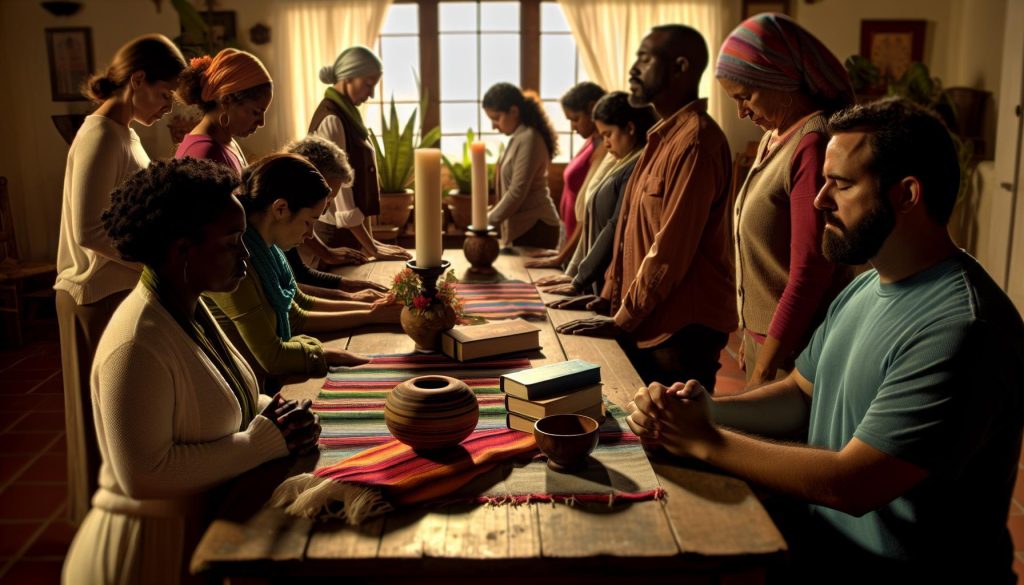
Moreover, the practice of praying in Spanish reflects an acknowledgment of the diverse cultural expressions of Christianity. Many families find that using Spanish in prayer fosters a sense of belonging and continuity of tradition, especially in bilingual households. This inclusion can strengthen relationships, as family members share their spiritual experiences and encourage each other in their walks of faith. As they pray together in Spanish, they craft a rich tapestry of faith, drawing from both the depth of their heritage and the universality of Christian teaching.
Applying Prayer in Daily Life
Embracing prayer in Spanish can take many forms, from formal liturgical prayers to spontaneous, heartfelt supplications.
- Daily affirmations of faith can be expressed through the simple recitation of traditional prayers such as the “Padre Nuestro” (Our Father) or “Ave María” (Hail Mary).
- Personalized prayers can be designed, reflecting individual needs and circumstances, allowing for a more profound and personal dialogue with God.
- Communal prayers in church settings can become a powerful way to unite congregations, emphasizing shared beliefs and collective hopes.
By incorporating Spanish prayers into personal and communal practices, believers can experience a renewed sense of hope and purpose, connecting their faith to daily life through their language and culture.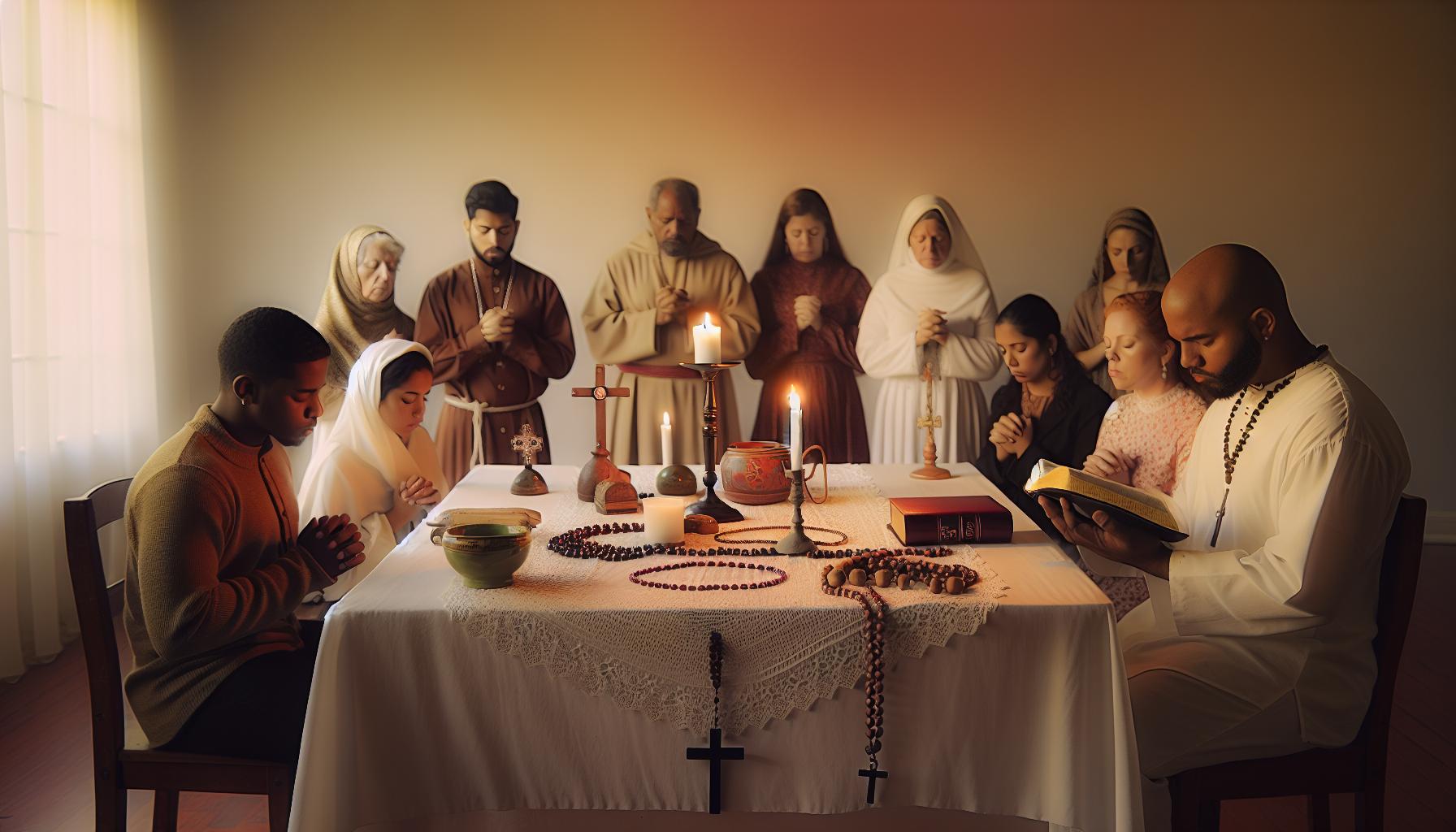
Essential Spanish Prayers for Daily Life
The power of prayer in Spanish can create a profound impact in the daily lives of believers, nurturing their faith in a language that resonates with their culture and identity. Essential Spanish prayers serve as a foundation for spiritual growth, guiding individuals and families in their communication with God. By incorporating time-honored prayers into daily routines, believers embrace a structure that fosters spiritual reflection and connection.
One of the most cherished prayers, the Our Father (“Padre Nuestro”), encapsulates the heart of Christian belief and provides a model for addressing God with reverence and trust. This prayer is often recited in various settings, from personal moments of solitude to communal worship, reinforcing the shared faith and unity within the community. Additionally, the Hail Mary (“Ave María”) is a staple in many household prayers, celebrating the Blessed Mother’s role in the faith and offering comfort through her intercession.
To enrich personal prayer life, individuals can compose personalized prayers, expressing their thoughts and emotions directly to God. This practice allows for a deeper connection as believers articulate their hopes, fears, and gratitude. For instance, someone might pray for guidance through a challenging situation by stating, “Señor, guíame en este momento difícil,” which means, “Lord, guide me through this difficult moment.”
Ultimately, incorporating these essential prayers into everyday life can serve as a spiritual anchor, reminding believers of God’s presence and unfailing love. Whether through traditional recitations or spontaneous expressions, Spanish prayers cultivate a vibrant spiritual atmosphere that inspires trust and dependence on God.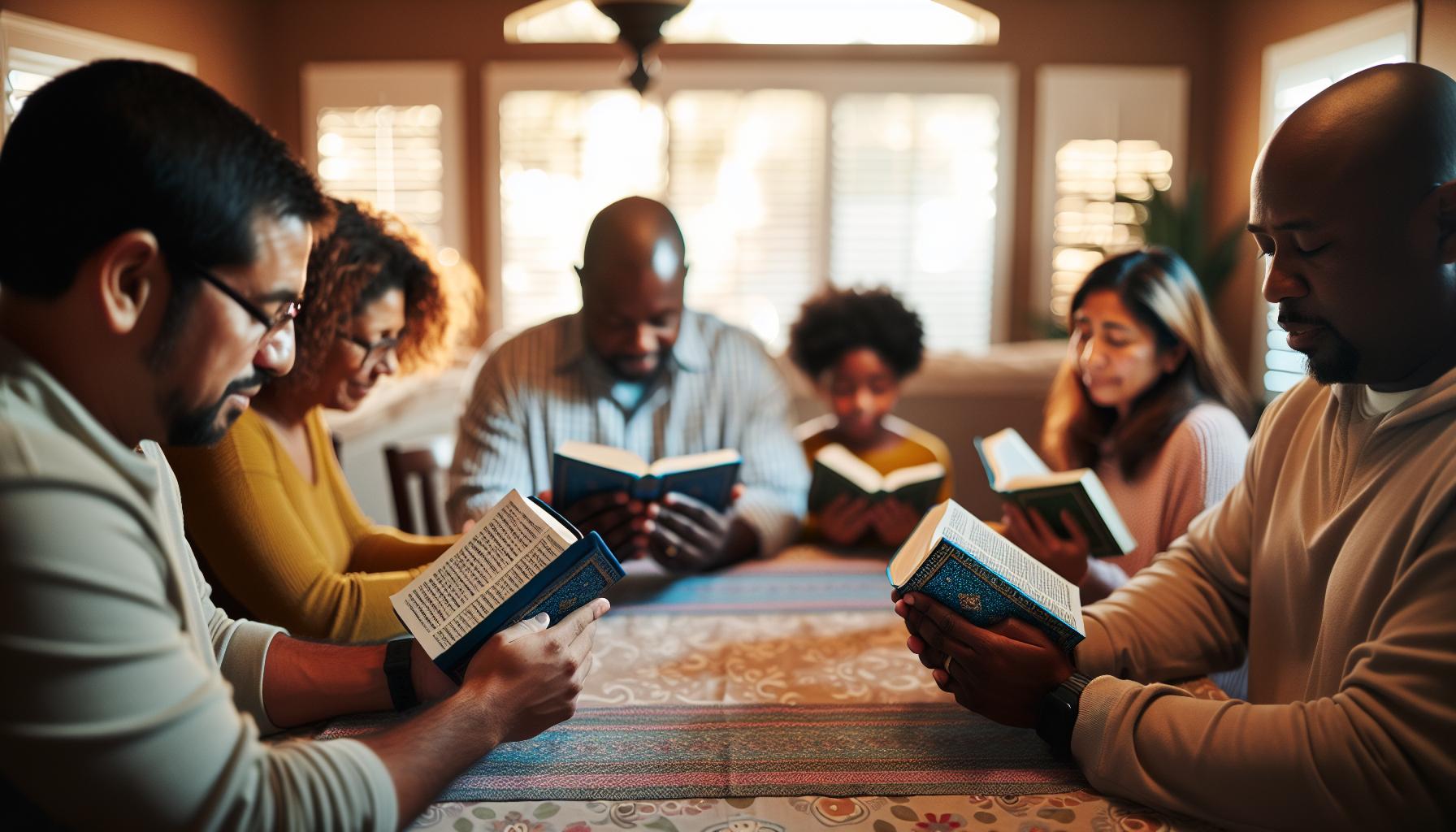
Bilingual Prayer Resources for Families
Creating a bilingual faith environment can profoundly enhance a family’s spiritual journey, allowing members to connect with God through the beautiful interplay of English and Spanish. Families can harness the richness of bilingual prayer resources to nurture faith in children while also deepening their own understanding and connection to God. These resources provide an avenue for spiritual growth, encouraging families to engage in prayer together, fostering unity and a deeper relationship with Christ.
To start, consider integrating bilingual prayer books into your family routine. These books typically include well-loved prayers in both languages, allowing families to recite them together. For example, resources like the “Bilingual Children’s Prayer Book” are designed to introduce young hearts to prayer in Spanish and English, making it fun and accessible. Parents can take turns reading prayers aloud in one language and then the other, instilling an appreciation for both cultures while solidifying the meanings behind the prayers. This shared experience not only strengthens the family bond but also lays a foundation for bilingual fluency in faith-related vocabulary.
In addition to prayer books, utilizing online platforms and apps that offer bilingual prayer resources can significantly enhance family devotional time. Websites like Bible Gateway and apps such as YouVersion provide bilingual Bible versions, making it easier for families to read scripture together in both languages. Consider designating a specific time each week for family devotionals, where you can read scripture, discuss its relevance in both languages, and pray together. You might find that engaging with scripture in two languages offers fresh insights and perspectives, enriching the family’s understanding of God’s word.
Lastly, creating a bilingual prayer wall at home can be a powerful tool for daily reminders of faith. Gather your family’s favorite prayers in both languages and write them on colorful paper to display on the wall. This not only encourages regular prayer but also prompts discussions about what each prayer means. When children can see prayers in both languages, it enhances their ability to relate to their cultural identity and grow in their spiritual life. The visible reminder becomes a catalyst for ongoing prayer, reflection, and revelation, enabling families to cultivate a home atmosphere filled with faith and love.
By actively embracing bilingual prayer resources, families can transform their spiritual lives, fostering a deeper connection to God and each other in a nurturing environment that celebrates both languages.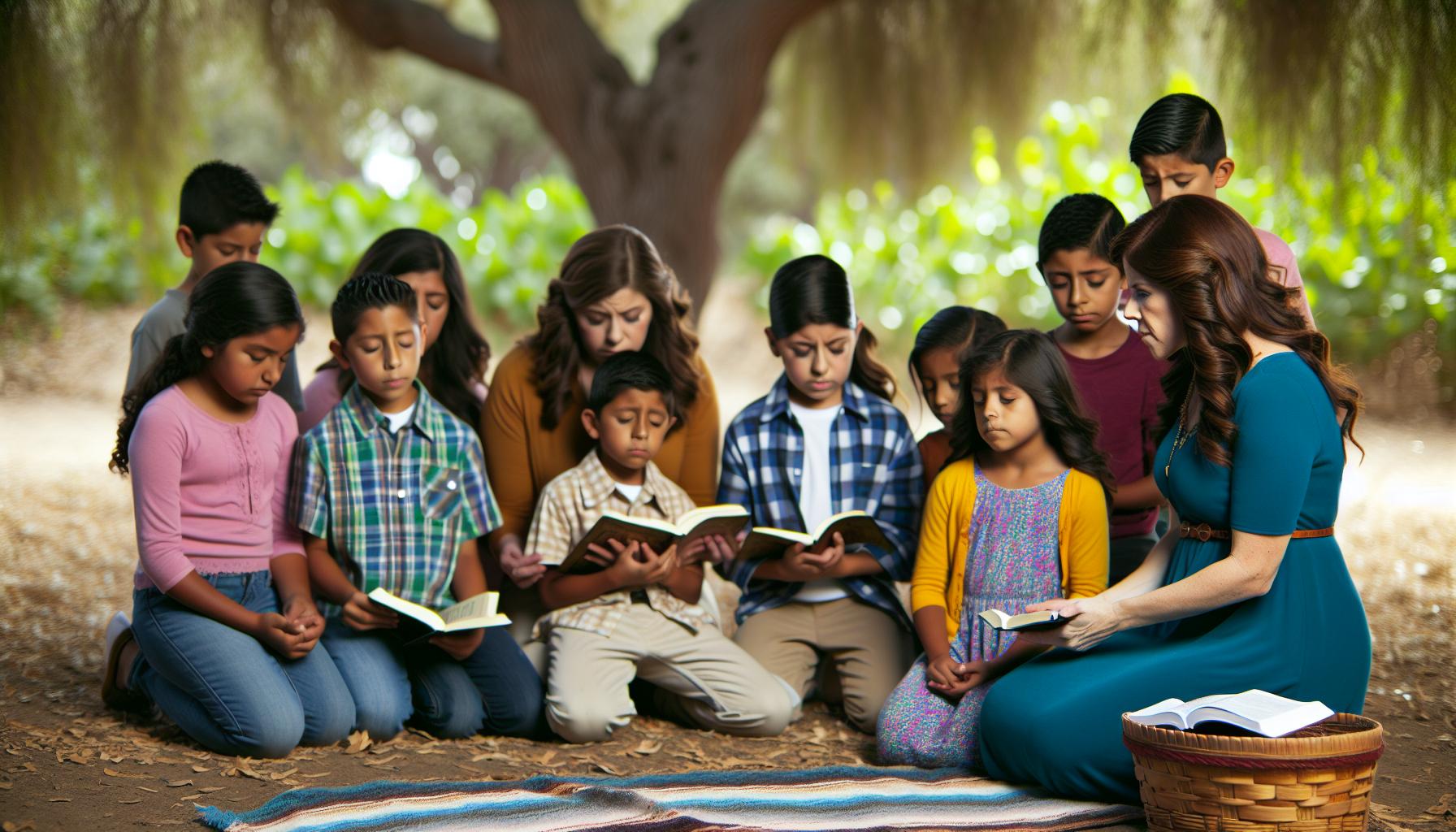
Prayers for Children: Nurturing Faith in Spanish
Every child deserves to understand the love of God through the power of prayer, and introducing them to prayers in Spanish can profoundly enrich their spiritual journey. Engaging children in bilingual prayers nurtures not only their faith but also their cultural identity. It’s essential to make this experience lively and relatable, fostering a love for communication with God in their current and heritage language. By using simple, heartfelt prayers, parents can help shape their children’s relationship with Jesus in ways that are meaningful and personal.
Incorporating short, familiar prayers into daily routines can make a significant difference. For instance, teaching children the traditional “Padre Nuestro” (Our Father) in Spanish creates a strong connection to their faith. Pairing these prayers with explanations about their significance helps deepen understanding. Encourage children to express their thoughts and concerns in their own words after praying, whether in Spanish or English. This practice not only reinforces their learning but also helps them articulate their feelings and needs to God.
Utilizing fun, interactive resources can enhance the learning experience. Consider creating a “prayer jar” filled with written prayers on colorful paper, where children can pick one to read aloud each day. This approach makes prayer time exciting and encourages participation. You could also incorporate music in both languages, using familiar Christian songs, which can further engage their hearts in worship. This dual approach in both languages enables them to feel included and gives them a broader understanding of their faith, enriching their spiritual vocabulary.
Moreover, integrating Bible stories into prayer can be a powerful teaching tool. Highlight stories from the Bible that relate to the prayers you are teaching. For example, as children learn to pray for guidance, recount the story of Solomon in 1 Kings 3, where he asked God for wisdom. Such narratives stir curiosity and make the lessons stick, allowing children to see the relevance of prayer in real-life situations. Encourage discussions around these stories, facilitating an environment where they feel comfortable sharing their thoughts and insights, thus nurturing their faith in a bilingual context.
In nurturing faith through prayer, you are not only teaching children about God, but you are also instilling a lifelong love for communication with Him, enhanced by the beauty of bilingualism. This approach helps to develop well-rounded individuals who are proud of their heritage and grounded in their beliefs, ready to face the world with trust in God.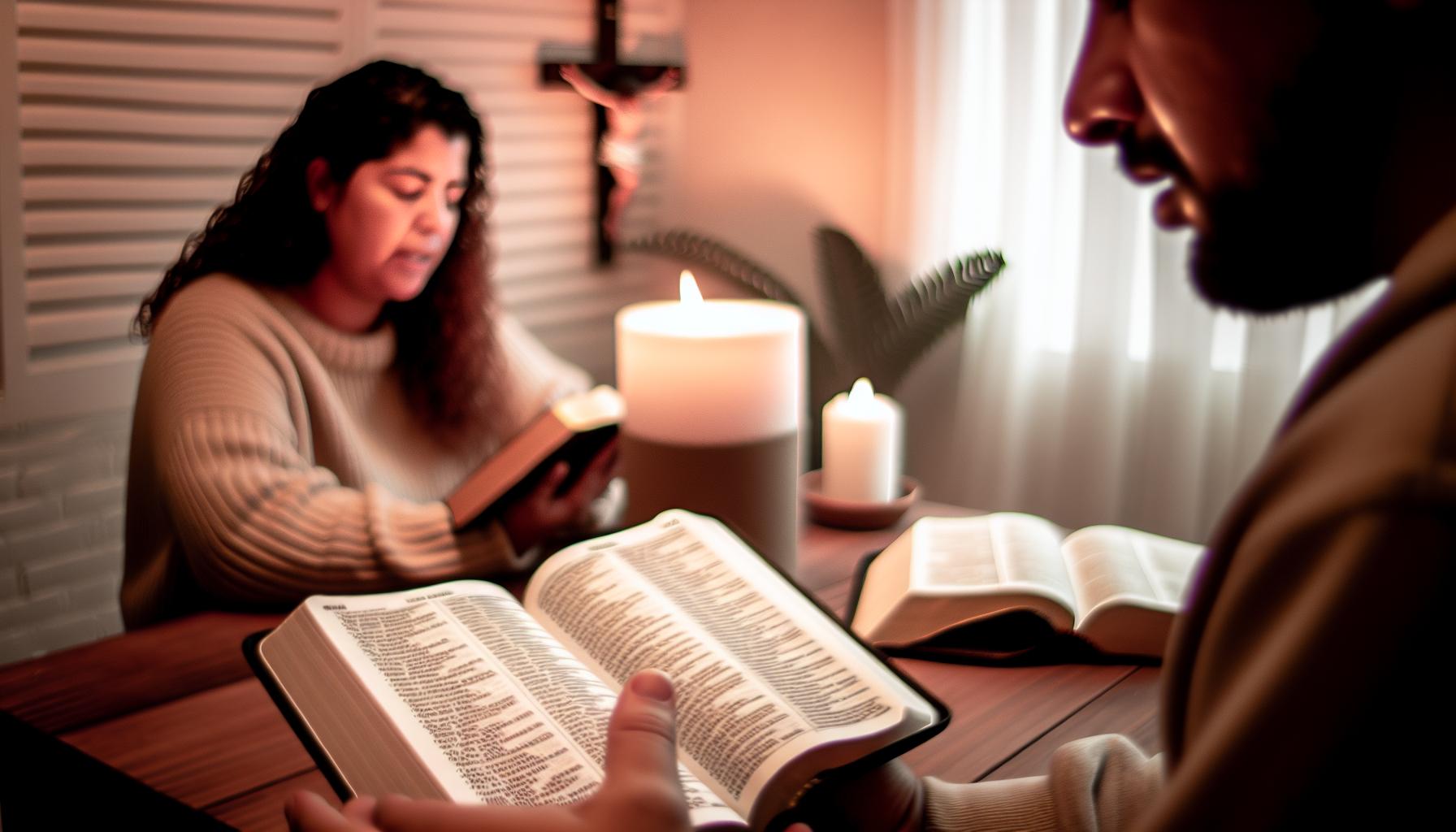
The Role of Scripture in Bilingual Prayer
To truly enrich bilingual prayer, incorporating Scripture enhances both the understanding and depth of communion with God. The Bible serves as the foundation of Christian belief, providing a wellspring of inspiration and guidance for prayer. By integrating Scriptures into bilingual prayers, families can cultivate a rich spiritual environment where both languages thrive harmoniously, allowing children to connect their faith with their cultural identity.
Connecting Prayer and Scripture
When teaching children prayers in Spanish and English, integrating relevant Bible verses can make the prayers more meaningful. For instance, if a child learns the prayer of thanks, accompanying it with 1 Thessalonians 5:18, “In everything give thanks; for this is the will of God in Christ Jesus for you,” reinforces the concept of gratitude rooted in Scripture. This practice not only enhances their vocabulary in both languages but also helps them understand the Biblical principles that guide prayer life.
Creative Teaching Methods
Creating engaging methods to teach these concepts can involve visual Aids, song, and discussion. Use colorful Scripture flashcards that highlight key Bible verses in both languages. Families might consider having a “Bible verse of the week” displayed prominently at home, practicing prayers that incorporate that verse. This reinforces the verse’s message and encourages children to recite it in both languages, deepening their understanding while boosting their confidence in using Spanish or English.
Fostering Spiritual Conversations
Encouraging discussions around the verses can also spark meaningful dialogues about faith. Ask open-ended questions related to the Scripture, such as how it makes them feel or what it teaches about God’s character. These conversations not only nurture understanding but also allow children to express their thoughts, fostering a safe environment for cultivating spirituality.
By weaving together Scripture and bilingual prayers, families can build a strong foundation for exploring faith. This approach nurtures a lasting relationship with God, instilling valuable life lessons wrapped in the beauty of both languages, enabling children to connect their heritage with their spiritual journey.
Creating a Spiritual Routine: Combining English and Spanish
In today’s multicultural world, establishing a spiritual routine that encompasses both English and Spanish offers an enriching experience for families. Integrating these two languages not only deepens the understanding of faith but also strengthens family bonds and cultural identity. A dual-language approach to prayer and scripture creates a beautiful tapestry of faith that nurtures the hearts of children and adults alike.
One effective way to create this spiritual routine is to designate specific times for bilingual prayer. For instance, morning devotions might start with an English prayer followed by the same prayer in Spanish. This structure allows individuals to set a positive tone for the day while ensuring that they are connected to their cultural roots. Families can incorporate different elements that inspire spiritual growth, such as reading a Bible verse aloud in both languages, followed by a brief reflection or discussion about its meaning. This technique not only reinforces language skills but also enhances comprehension of biblical teachings.
Another creative approach is to use themes during different weeks or months. For example, one week could be focused on gratitude, including prayers such as “Gracias, Señor, por este día” (“Thank you, Lord, for this day”) in both languages. Crafting simple visual aids, such as colorful prayer cards with translations, can serve as reminders and make it visually engaging, even prompting children to memorize prayers in both languages. Additionally, families can select a “Prayer of the week,” integrating it into daily routines to reinforce familiarity and comprehension, allowing each member to become more comfortable expressing their faith in both tongues.
Lastly, consider making worship an interactive family affair. Engage children in creating a bilingual prayer journal, where they can write their thoughts, prayers, or reflections in both English and Spanish. This practice not only reinforces writing skills but also instills a sense of ownership over their spiritual journey. Encourage children to share their entries during family prayer time, fostering a supportive atmosphere where they can express themselves freely. Such shared moments not only nurture their spiritual lives but also strengthen the familial and cultural connections that are vital in a bilingual upbringing.
By weaving English and Spanish into your spiritual routines, you create a rich environment where bilingual faith can flourish, ensuring that both languages contribute to a deeper understanding and expression of God’s love. This journey not only cultivates faith but also helps children recognize the beauty of their heritage, equipping them to become compassionate, understanding individuals in an increasingly diverse world.
Cultural Significance of Prayer in the Spanish-speaking Community
The practice of prayer holds a profound place within Spanish-speaking communities, intricately woven into the fabric of daily life, cultural traditions, and familial bonds. For many, prayer acts as a source of strength, providing comfort in challenging times and a means to express gratitude and devotion. The cultural significance of prayer transcends mere routine; it becomes a way to connect with God and one another, fostering a nurturing environment where faith can flourish.
In Spanish-speaking households, prayer is often a communal activity, bringing families together in shared belief and devotion. Families may gather for evening prayers, where they not only voice their concerns and thankfulness but also recite traditional prayers passed down through generations. This ritual not only strengthens faith but also preserves cultural values. For instance, familiar prayers such as “El Padre Nuestro” (The Our Father) serve as a reminder of their heritage, instilling a sense of identity in children and reinforcing their connection to Christian teachings.
The Role of Celebrations and Festivals
Throughout the year, numerous cultural celebrations, such as Día de los Muertos and Semana Santa, further highlight the significance of prayer in Spanish-speaking communities. During these events, prayers form a pivotal component, often accompanied by music, candles, and altars adorned with flowers and photographs of loved ones. These practices not only honor the deceased but also create a profound connection to the spiritual realm. Families gather to pray collectively, asking for blessings and guidance, and using these occasions to share stories, fostering intergenerational faith and unity.
Additionally, prayer plays an essential role in community events. In many congregations, communal prayer becomes a powerful tool for healing and unity. It brings people together during times of crisis, such as natural disasters or community challenges, enabling them to bond through shared faith. Participating in these communal prayers can foster a sense of belonging and provide support as members lift each other’s burdens before God.
By recognizing and embracing the cultural significance of prayer, families can nurture a faith that not only connects them to God but also to their heritage. The richness of this practice, when combined with a bilingual approach, allows for a deeper understanding and expression of beliefs, ensuring that the legacy of their faith is passed down through generations. Engaging in prayer in both Spanish and English not only reinforces linguistic skills but also enriches the spiritual experience, cultivating a holistic faith that embraces the beauty of multiculturalism.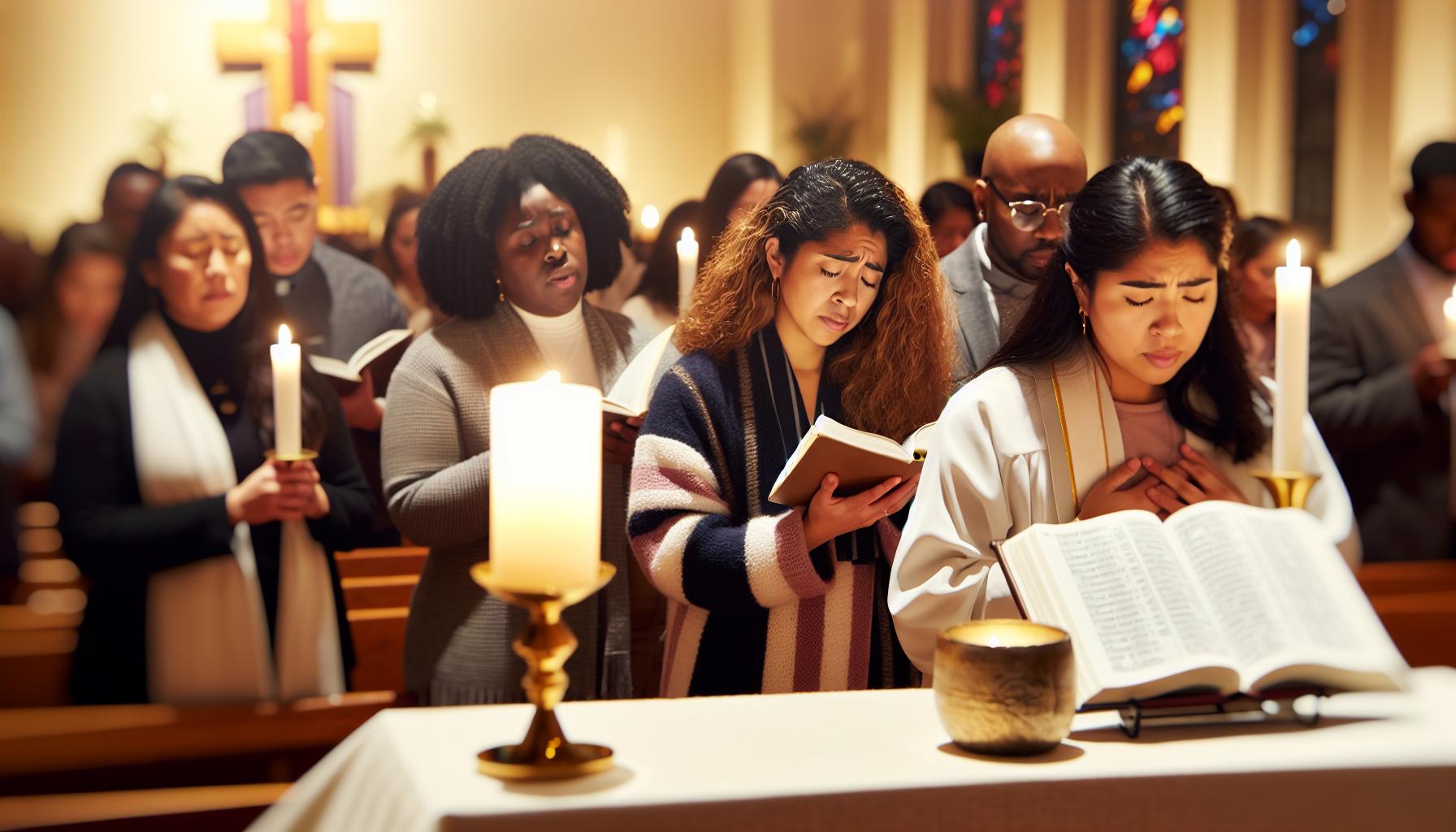
Incorporating Spanish Prayers in Worship Services
Incorporating Spanish prayers into worship services not only enriches the spiritual experience but also fosters inclusivity within diverse congregations. This practice serves as a bridge, connecting believers from varying linguistic backgrounds and allowing them to unite in prayer. By integrating Spanish into worship, churches can authentically reflect the multicultural tapestry of the body of Christ, enabling congregants to engage fully in their faith, worship, and community life.
A practical approach to including Spanish prayers during services involves the thoughtful selection of traditional prayers and contemporary pieces that resonate with the congregation. Familiar prayers, such as “El Padre Nuestro” (Our Father) and “Ave María” (Hail Mary), can be recited in unison, creating a collective atmosphere where both languages are celebrated. Additionally, having bilingual prayer cards available can facilitate participation and encourage members to take ownership of their worship experience. This inclusion not only strengthens the Spanish-speaking community but also invites English-speaking members to learn and appreciate the beautiful language of their fellow worshipers.
Furthermore, utilizing technology can enhance this integration. Projecting both Spanish and English versions of prayers on screens during worship services provides clarity and accessibility. This visual aid helps ensure that all congregation members can follow along, fostering a profound sense of belonging. Interactive prayer moments-where members can share personal prayer requests in either language-can promote heartfelt connections and aid in mutual support. Creating an environment where everyone feels free to express their thoughts to God in their preferred language nurtures a deep sense of community and mutual respect.
As worship services evolve to embrace bilingual prayer, it is essential to remember the scriptural foundation of praying in unity. Scriptures remind us in Philippians 2:2 to be of the same mind and spirit. As churches incorporate diverse languages, they open doors for fuller expressions of faith. This practice not only helps Spanish-speaking families feel more connected but also enriches the spiritual lives of all congregants, encouraging a broader understanding of God’s love that transcends language barriers. Embracing bilingual prayers cultivates an environment where hearts grow closer to God and each other, reflecting the unity that Christ desires for His followers.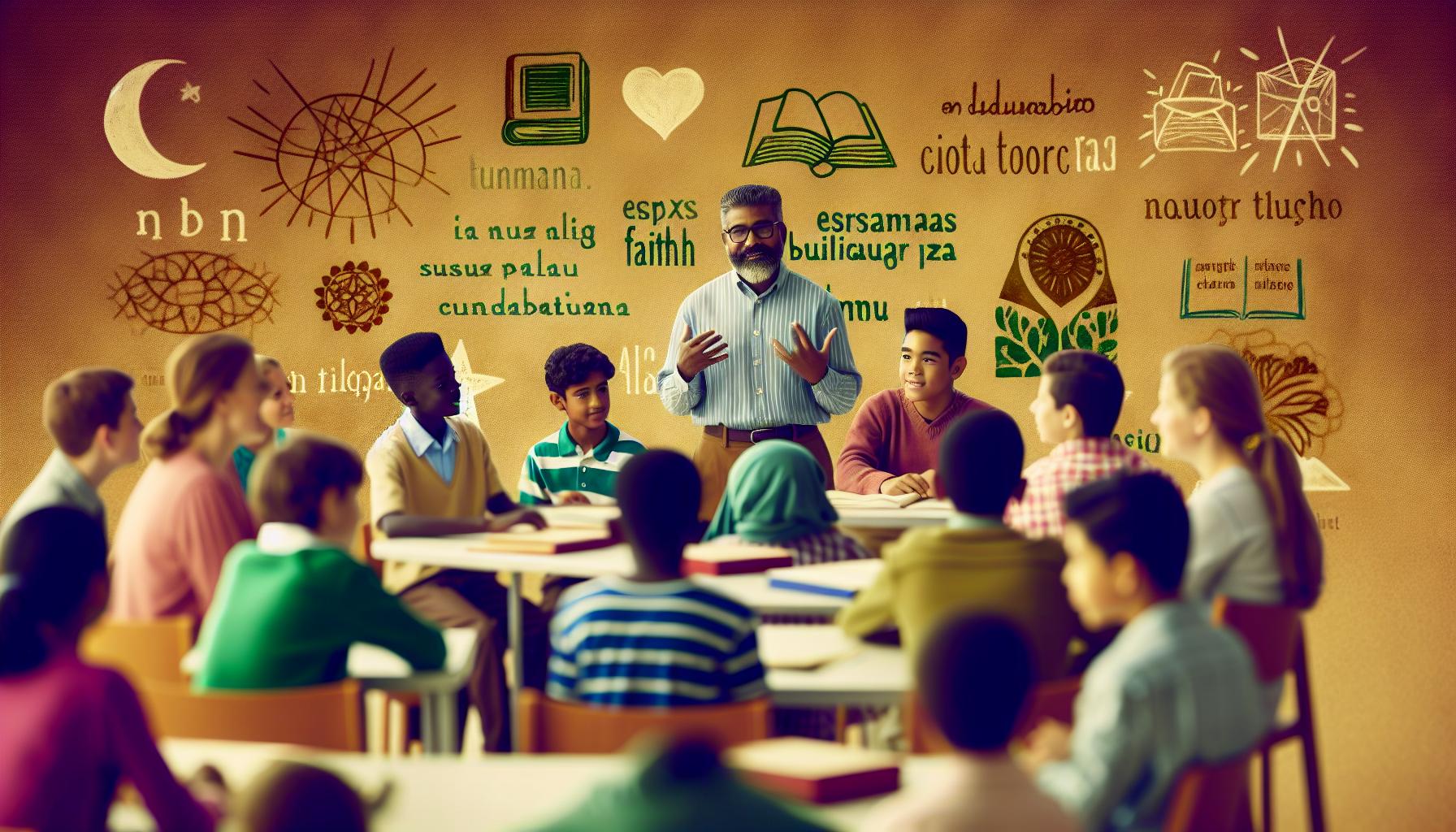
Encouraging Bilingual Faith Growth in Children
Encouraging children to grow their faith in a bilingual environment can be an enriching experience that deepens their understanding of God’s love while allowing them to connect with both their heritage and their community. When children learn to pray in both English and Spanish, they not only grasp the essence of prayer but also develop a broader perspective on faith and cultural identity. Helping them to appreciate prayers such as “El Padre Nuestro” alongside its English counterpart allows young hearts to see the beauty in diversity while rooting them in a shared Christian experience.
One effective method to nurture bilingual faith growth is through daily prayer routines that incorporate both languages. This can include setting aside time for family prayers where everyone participates, perhaps alternating between languages for different parts of the prayer. Using simple, repetitive phrases and songs in both Spanish and English can make these moments joyful and engaging. For example, introducing a song like “Jesus Loves Me” in English followed by “Jesús me ama” can reinforce their understanding of God’s love and help them feel comfortable expressing their faith in either language.
In addition to structured prayer, storytelling can greatly enrich children’s spiritual growth. Sharing Bible stories in both languages helps to illustrate faith principles and encourages kids to reflect on biblical teachings in a relatable way. Parents can create a bilingual story hour, using books that are available in both English and Spanish, or adapt stories themselves, allowing children to ask questions and engage actively in the learning process. This not only boosts their literacy in both languages but also strengthens their spiritual foundations, as they learn key lessons from scripture in a way that resonates with them.
Lastly, incorporating community activities such as family nights at church where bilingual prayers are practiced can foster an environment of support and connection. These gatherings offer opportunities for children to witness their peers engaging in prayer, underscoring the joy and importance of faith in community. By creating an atmosphere where bilingual prayer is the norm, families can cultivate a sense of belonging and pride in their cultural and religious identities, reinforcing the shared belief that every prayer, regardless of the language, reaches the heart of God.
Spanish Devotions for Deepening Trust in God
Devotion is a powerful pathway to deepen our trust in God, and engaging with Spanish devotions can provide a rich spiritual experience for many believers, especially in bilingual families. By introducing devotions in both Spanish and English, individuals can experience a unique fusion of their faith and cultural identity, enhancing their connection with God. The beauty of Spanish devotionals lies not only in their poetic language but also in the depth of meaning and emotion they often convey, making them a profound tool for reflection and prayer.
One effective approach to deepen trust in God through Spanish devotions is the practice of daily meditative prayer. Setting aside a time each day for quiet reflection, prayer, and reading scripture can cultivate a habit that encourages a sense of peace and closeness to God. For instance, one might choose a verse such as Filipenses 4:6-7 (“No se inquieten por nada; más bien, en toda ocasión, con oración y ruego, presenten sus peticiones a Dios y denle gracias.”) and use it as a foundation for prayer, helping to affirm that through communication with God, we find peace beyond our understanding.
Incorporating journaling into these devotions can also be beneficial. Encourage family members to write their thoughts, prayers, and experiences in both languages. This not only reinforces their literacy skills but also allows for personal reflection on how God has been active in their lives. Over time, these entries can become treasured keepsakes of faith journeys and serve as a reminder of God’s faithfulness.
Engaging with community is another vital aspect of building trust in God. Families might consider attending prayer groups or church services that offer bilingual worship experiences. In these settings, participants can witness the power of collective prayer and the strength that comes from shared faith. This communal aspect often solidifies individual beliefs and emphasizes the importance of relying on one another in faith. Using song and praise, incorporating beloved hymns translated into both languages, can also enhance communal worship and help cement these spiritual connections.
Finally, practicing gratitude through specific prayers or thankfulness devotions in Spanish, such as a simple “Gracias, Señor” at the end of each day, can significantly deepen trust in God’s presence. Gratitude redirects our focus from worries to blessings, nurturing a heart that is open to experience God’s love in all circumstances. In doing so, we reinforce the notion that regardless of the language of our prayers, our hearts and souls are unified in the pursuit of a deeper trust in God.
Using Music and Prayer to Enhance Spiritual Connection
Music has a profound ability to elevate our spiritual experiences, making it a powerful ally in prayer and worship. When combined with prayer, music can transcend language barriers and deepen our emotional connection to God. For bilingual families, integrating Spanish-language worship music into prayer routines not only nurtures a richer worship experience but also reinforces cultural identity and language skills. Hymns, worship songs, and spiritual ballads sung in both Spanish and English can create a harmonious environment that fosters a sense of community and shared faith.
Creating a Spiritual Atmosphere with Music
Incorporating music into prayer time can transform a simple moment of devotion into an impactful spiritual experience. Start by selecting a playlist that includes both Spanish and English worship songs. Engage family members by inviting them to share their favorite songs in either language. As a family, you could dedicate specific days to exploring songs from Spanish-speaking artists in the Christian genre, such as *Marcos Witt* or *Christine D’Clario*. These artists often weave heartfelt prayers and scripture into their music, providing a rich backdrop for contemplation and connection with God.
- Prepare the Space: Create a calming environment for prayer, perhaps with dimmed lights or candles, and let music play softly in the background.
- Sing and Pray Together: Encourage family members to sing along to their favorite worship songs, followed by a moment of silent prayer to reflect on the messages conveyed through the lyrics.
- Use Music as Reflection: Choose a song that resonates with your current prayers or concerns. After listening, take time to discuss how the song speaks to those issues and guide prayers accordingly.
Fostering a Deeper Connection
Engaging with music during prayer is not just about the act itself; it’s also about the emotions and thoughts these melodies evoke. Spanish hymns often express deep cultural sentiments, fostering a connection that can be especially powerful for children growing up in bilingual environments. Encourage young ones to explore the meanings behind the songs. Perhaps they can write their own prayers inspired by the themes within the music, uniting their creativity with their faith.
Involving music in prayer also allows for an inclusive experience for all ages. Families can hold praise evenings, where they sing songs in both languages and share prayers, integrating Spanish prayers like the *Padre Nuestro* (Our Father) as part of the gathering. This practice can build a sense of community within the family, aligning with their faith journey and encouraging an open dialogue about spiritual topics.
Combining music and prayer not only enhances spiritual connections but also nurtures a holistic approach to worship that respects and celebrates bilingual identities. As families engage with these practices, they cultivate an atmosphere where faith thrives, where prayers resonate deeply, and where God’s love is felt undeniably through the beauty of both languages.
Prayers for Specific Needs: Healing, Guidance, and Thankfulness
Prayer has an unparalleled power to heal, guide, and foster thankfulness in our lives, transcending cultural and linguistic barriers. It serves as a lifeline, connecting us to God and allowing us to express our innermost needs and aspirations. For bilingual families, integrating Spanish prayers into daily routines not only enriches spiritual experiences but also highlights the beauty of their heritage. When we pray for healing, guidance, or thankfulness, we can draw on well-loved prayers that resonate across generations, ensuring that our faith continues to thrive in our unique cultural context.
One effective approach for incorporating prayers into daily life involves a structured yet flexible routine. For healing, families can recite prayers such as the Oración de sanación (Healing Prayer) in Spanish, seeking restoration for body, mind, and spirit. A suggested example might be: “Señor, ven y sana mi cuerpo y mi alma. Confío en tu poder y tu amor.” This reinforces the message that we can rely on God’s grace during challenging times. For guidance in decision-making, invoking the Salmo 25:4-5 (“Muéstrame, oh Señor, tus caminos…”) can remind us to seek divine direction, allowing children to recognize the importance of turning to God for wisdom.
For expressions of thankfulness, families can create a gratitude jar, writing down blessings and prayers of gratitude in both Spanish and English. This visual reminder of God’s goodness fosters a positive outlook and deepens appreciation for everyday joys. You can also use simple thankfulness prayers like: “Gracias, Señor, por todas tus bendiciones. Me siento agradecido/a por tu amor.” Sharing these prayers together not only reinforces the importance of gratitude but also strengthens the family bond as they celebrate the abundance in their lives.
Incorporating these prayers and practices into family routines can be a powerful way to nurture both spiritual growth and cultural identity. Consider setting aside specific times for prayer, such as before meals or bedtime, where family members can share their needs and joys in both languages. This practice nurtures an environment where faith is openly discussed and celebrated, allowing each member to develop a personal relationship with God, rooted in the beauty of their bilingual journey.
Q&A
Q: What are some effective methods to teach Spanish prayers to children?
A: To teach Spanish prayers to children, use engaging activities such as singing, storytelling, and interactive games. Incorporate visual aids like flashcards with images and translations. Encourage repetition and practice during family prayer time to foster familiarity. Check the “Prayers for Children: Nurturing Faith in Spanish” section for more tips.
Q: How can bilingual prayers enhance spiritual growth for families?
A: Bilingual prayers can enhance spiritual growth by fostering deeper understanding and connection to faith in both languages. They encourage families to appreciate cultural diversity in worship, promote inclusive practices, and strengthen communication with God. Explore “Creating a Spiritual Routine: Combining English and Spanish” for practical ideas.
Q: Why is it important to include cultural context in Spanish prayers?
A: Including cultural context in Spanish prayers is vital as it respects the heritage of the Spanish-speaking community, enhances the meaning of the prayers, and enriches the worship experience. Understanding cultural nuances allows for greater personal connection and authenticity in prayer.
Q: What are some popular Spanish prayers for healing and guidance?
A: Popular Spanish prayers for healing include “Oración de Sanación,” focusing on divine intervention, and “Oración a San José,” asking for guidance during difficult times. Many families find solace in these prayers; further details are found in the “Prayers for Specific Needs” section.
Q: How can music be incorporated into bilingual prayer practices?
A: Incorporating music into bilingual prayer can create a joyful atmosphere and enhance spiritual connection. Use songs in both languages, lyric sheets, and group singing to engage participants actively. Explore the “Using Music and Prayer to Enhance Spiritual Connection” section for song recommendations.
Q: What resources are available for finding Spanish prayers?
A: Resources for finding Spanish prayers include online prayer databases, bilingual prayer books, and community religious groups. Websites dedicated to faith and prayer can also be beneficial. Check out the “Bilingual Prayer Resources for Families” section for curated lists.
Q: How can I encourage my child to participate in bilingual prayer?
A: Encourage your child to participate in bilingual prayer by making it a fun and shared experience. Use visuals, involve them in choosing prayers, and practice regularly. Praise their efforts to build confidence. For more guidance, see “Encouraging Bilingual Faith Growth in Children” for additional strategies.
Q: What is the role of Scripture in bilingual prayer?
A: Scripture plays a crucial role in bilingual prayer by providing strength and guidance. Including Bible verses in prayers deepens faith and understanding in both languages, nurturing a comprehensive spiritual life. Delve into “The Role of Scripture in Bilingual Prayer” for insightful recommendations.
Feel free to explore additional sections for further enriching your faith journey and prayer practices.
To Wrap It Up
As we close the chapter on “Prayers in Spanish: Bilingual Faith for Growing Hearts,” remember that embracing bilingual prayers enriches your spiritual journey, allowing you to connect with God in multiple languages. This practice not only fosters deeper faith but also nurtures family bonds through shared devotion. Don’t wait to start integrating these prayers into your daily life-your journey in faith deserves this beautiful expression.
Explore our resources on prayer life and biblical study for further inspiration, such as our guides on spiritual warfare and parenting in faith. If you found this content helpful, consider signing up for our newsletter to receive uplifting articles directly in your inbox. Let’s continue to grow in faith together-leave a comment below to share your thoughts or questions, and keep exploring the rich content we have to offer as you deepen your bilingual faith. Your journey matters, and we’re here to support you every step of the way!