Eid, a celebration signifying the culmination of important religious observances, is marked by community gatherings and communal prayers, fostering a deep sense of faith and connection among believers. This article delves into the significance of prayer during Eid, highlighting how it serves not only as a spiritual practice but also as a unifying force across diverse traditions. For many, these moments of prayer are an opportunity to reflect, express gratitude, and renew commitments to their faith, resonating with the universal human yearning for purpose and belonging. As you read on, discover how honoring these traditions can enrich your own spiritual journey, offering a deeper understanding of the role of prayer in celebrating faith.
Contents
- 1 Prayers of Thanksgiving: The Essence of Eid Celebrations
- 2 The Significance of Eid Prayers in Various Cultures
- 3 Rituals and Traditions: How Eid Prayers Are Observed
- 4 Emotional Connections: Personal Stories of Eid Prayer Experiences
- 5 The Spiritual Journey: Reflecting on Faith During Eid
- 6 Eid Prayers and Community: Bonding Across Diversity
- 7 Innovative Ways to Celebrate Eid Through Prayer
- 8 Prayers for Peace and Unity: A Global Perspective
- 9 Children and Eid: Teaching the Importance of Prayer
- 10 Eid Blessings: Crafting Your Personal Prayer Intentions
- 11 Integrating Eid Prayers into Daily Spiritual Practices
- 12 The Future of Eid Celebrations: Emerging Trends and Practices
- 13 Q&A
- 14 To Conclude
Prayers of Thanksgiving: The Essence of Eid Celebrations
The joy of Eid is deeply rooted in the expressions of gratitude and thanksgiving that accompany its celebrations. For many, it is a time to reflect on the blessings received throughout the year, fostering a sense of community and shared spirituality. The practice of prayer during Eid serves not just as a ritual but as an opportunity to connect with God, renew faith, and give thanks for the abundance in our lives. This essence of thanksgiving transforms the observance into a profound spiritual experience that resonates across cultures.
Integrating Personal Prayer
Many families find that crafting personal prayers during Eid enhances their gratitude. Consider setting aside time to write down specific blessings you wish to acknowledge. This could include thanks for health, family unity, or even trials that led to personal growth. Sharing these prayers in a family gathering can not only strengthen bonds but also cultivate a loving atmosphere. Here are some ideas on how to incorporate prayer into your Eid celebrations:
- Prepare a short prayer that highlights your gratitude for the year’s experiences.
- Encourage family members, especially children, to create their own prayers to express their thankfulness.
- Hold a “Thanksgiving Circle” where each person shares something they are grateful for, followed by a collective prayer.
The Impact of Community Prayer
Community prayers during Eid not only uplift the individual spirit but also foster a collective identity. When congregating for prayers, the atmosphere brims with shared joy and faith, reminding everyone of the collective blessings received. Participating in these communal prayers can evoke a sense of belonging and purpose, reinforcing the idea that gratitude unites us.
In this festive season, let the prayers of thanksgiving be a source of strength and inspiration, enabling believers to reflect on their spiritual journey and the divine grace bestowed upon them. Through these communal and individual expressions of gratitude, the essence of Eid truly comes to life, celebrating faith and the bonds that connect us all.
The Significance of Eid Prayers in Various Cultures
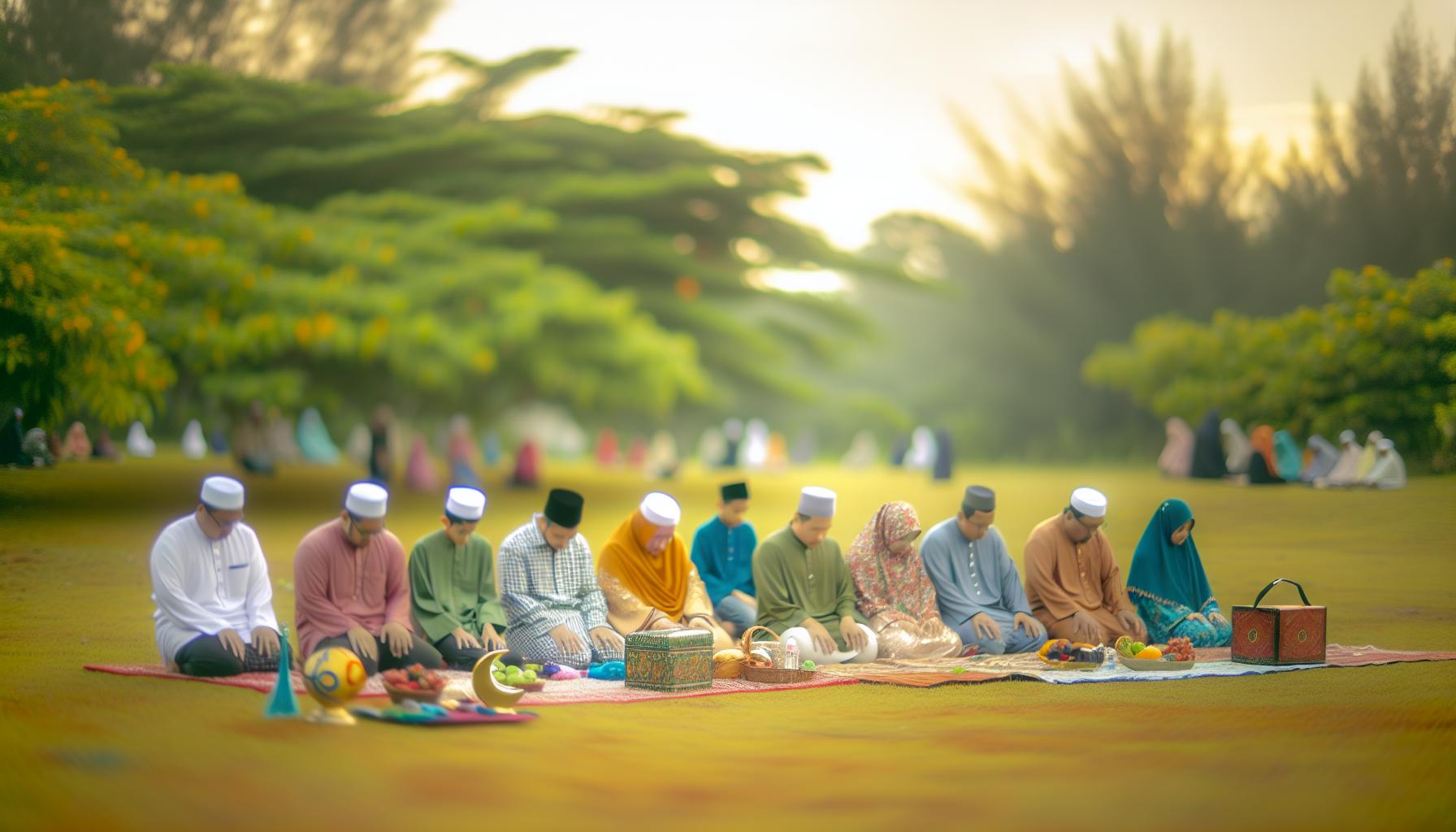
Eid celebrations are not just a joyful occasion; they are a profound expression of faith that resonates deeply across various cultures. The significance of Eid prayers stretches beyond mere ritual; they symbolize a collective acknowledgment of gratitude and connection to the divine, reinforcing community bonds. In many cultures, the Eid prayer is the first act of the day, performed in large gatherings that highlight the communal aspect of the holiday, where individuals from all walks of life unite in faith.
In Islamic tradition, Eid al-Fitr and Eid al-Adha prayers hold unique meanings. Eid al-Fitr, marking the end of Ramadan, represents gratitude for the strength and resilience shown during fasting. It is common to see community members of diverse backgrounds coming together at mosques or public squares, reflecting the shared journey of spiritual growth. On the other hand, Eid al-Adha commemorates the willingness of Abraham to sacrifice his son in obedience to God, exemplifying themes of faith, sacrifice, and the unification of believers in their worship.
In various cultures, the rituals surrounding Eid prayers reflect local customs and traditions. For example, in Indonesia, the world’s largest Muslim-majority country, it is customary to don new clothes, a symbol of renewal and a fresh start. This tradition highlights the intimate tie between personal appearance and faith expression. Similarly, in parts of the Middle East, it is common to offer a special prayer followed by a communal meal, emphasizing the importance of sharing blessings with others. This universality of prayer transcends borders and illustrates a unified spirit of thanksgiving to God.
The emotional weight of these prayers cannot be overstated. Many people recount memories of gathering with family and friends, feeling the warmth of community and the strength of their faith. These connections to shared histories and stories enhance the spiritual experience, reinforcing values of forgiveness, love, and unity. As the prayers of Eid resonate around the globe, they remind us of our common humanity and the essential need to express gratitude, creating a vibrant tapestry of cultural and spiritual diversity that brings believers together in remarkable ways.
Rituals and Traditions: How Eid Prayers Are Observed

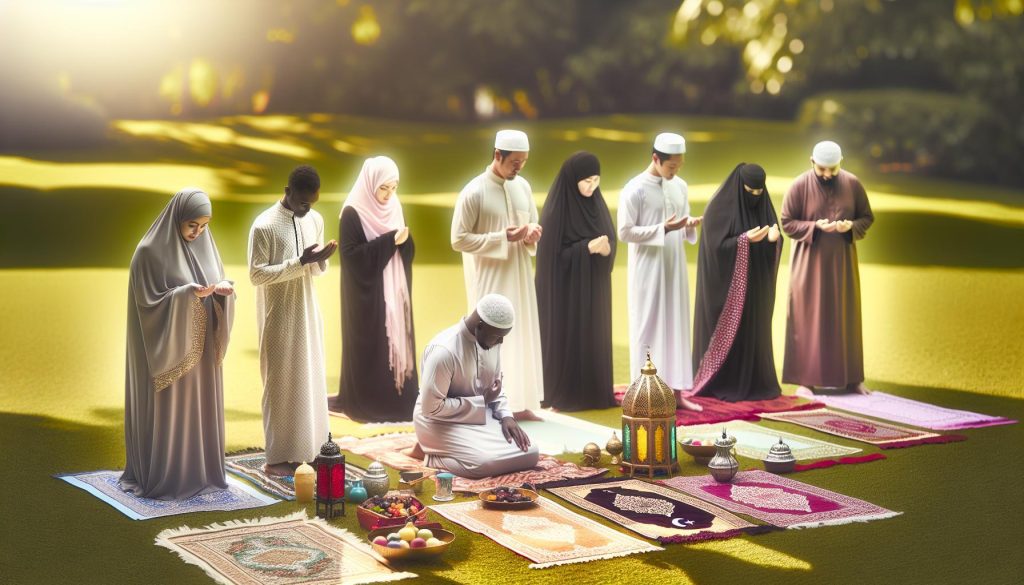
Eid prayers are a vibrant manifestation of faith, community, and tradition, celebrated with distinct rituals that enrich the spiritual experience. These prayers not only mark the culmination of fasting and reflection, especially during Eid al-Fitr, but also serve as a poignant reminder of sacrifice and devotion during Eid al-Adha. The observance of these prayers often begins with a sense of anticipation; believers gather in large congregations, filling mosques and open spaces, embodying the collective spirit of their faith.
One of the key pre-prayer rituals is performing ghusl, or ceremonial purification, which prepares the individual spiritually and physically for the prayers ahead. This act symbolizes the renewal of faith and the intention to present oneself as a pure servant of God. Additionally, on Eid al-Fitr, it is customary to share a light meal before heading out to prayers, reflecting gratitude for the blessings received during Ramadan. This tradition serves to emphasize the importance of community and family, as friends and relatives come together to share in the day’s significance.
As believers arrive at the prayer venue, the atmosphere is charged with a sense of unity; the air is filled with communal takbirs-expressions of faith proclaiming the greatness of God. The prayer service itself is characterized by its unique format. For example, in the first rak’ah, the imam leads the congregation through a series of additional takbirs, creating a rhythm of worship that is both uplifting and connecting. The choice of surahs recited, such as Surat Qaf and Surat al-Qamar, emphasizes themes of gratitude and reflection on God’s creation, reinforcing the core messages of Eid.
After the prayers, the rituals often expand into festive celebrations. In many cultures, the prayers are followed by communities coming together to share meals, exchange gifts, and offer congratulations. This act of sharing symbolizes not only the joy of Eid but also the responsibilities of compassion and charity, especially emphasized during Eid al-Adha, when the giving of sadaqah or obligatory charity takes center stage.
Through these varied rituals, Eid prayers are observed not just as a tradition, but as an integral part of the believers’ spiritual journey, fostering a profound sense of belonging and shared values that echo far beyond the day’s festivities.
Emotional Connections: Personal Stories of Eid Prayer Experiences

Eid celebrations are not only a vivid expression of communal joy but also a deeply personal experience that resonates within the hearts of individuals. The emotional connection to Eid prayers often stems from cherished memories and poignant moments shared within families and communities. For many, these prayers mark a time of renewal and hope, a ritual that transcends ordinary worship. It serves as a powerful reminder of faith’s enduring strength and a celebration of the victories, both big and small, that believers carry in their hearts.
As participants gather for Eid prayers, there is an unmistakable aura of anticipation and gratitude that fills the air. One individual recalls the sensation of standing amidst a sea of fellow worshippers, all united in their expressions of faith and gratitude. “It felt as if my heart was synchronized with everyone else’s,” they shared. This shared spiritual experience fosters a sense of belonging that is often hard to find in today’s world. The sound of collective takbirs emanates from the crowd, reminiscent of a choir praising God, creating a moment where time feels suspended and communal faith takes center stage.
The stories shared around Eid prayers often evoke emotions tied to family traditions and legacy. For example, a person might highlight how their parents instilled the importance of Eid prayers from a young age, sharing memories of wearing new clothes and feeling vibrant with hope and excitement. These traditions not only enrich the emotional experience but also serve as a means of teaching younger generations about the values of faith, gratitude, and community. The bond formed over these celebratory rituals creates lasting memories that serve as spiritual milestones throughout one’s life.
Moreover, many believers express how Eid prayers provide an opportunity for reflection on personal journeys. Through prayer, they often confront their challenges, offering personal supplications for themselves and their loved ones. In sharing their stories, individuals highlight moments of personal transformation that occurred during this time of prayer. Whether it’s finding peace after a turbulent year or expressing gratitude for blessings received, these emotional connections forged during Eid prayers encapsulate the spirit of renewal and the transformative power of faith.
In essence, Eid prayers are not just a ritual but a colorful tapestry of personal narratives, individually woven yet collectively experienced. They invite believers to reflect on their journeys and renew their commitment to their faith, standing as a testament to the power of prayer in fostering emotional bonds and deepening spiritual understanding within communities.
The Spiritual Journey: Reflecting on Faith During Eid
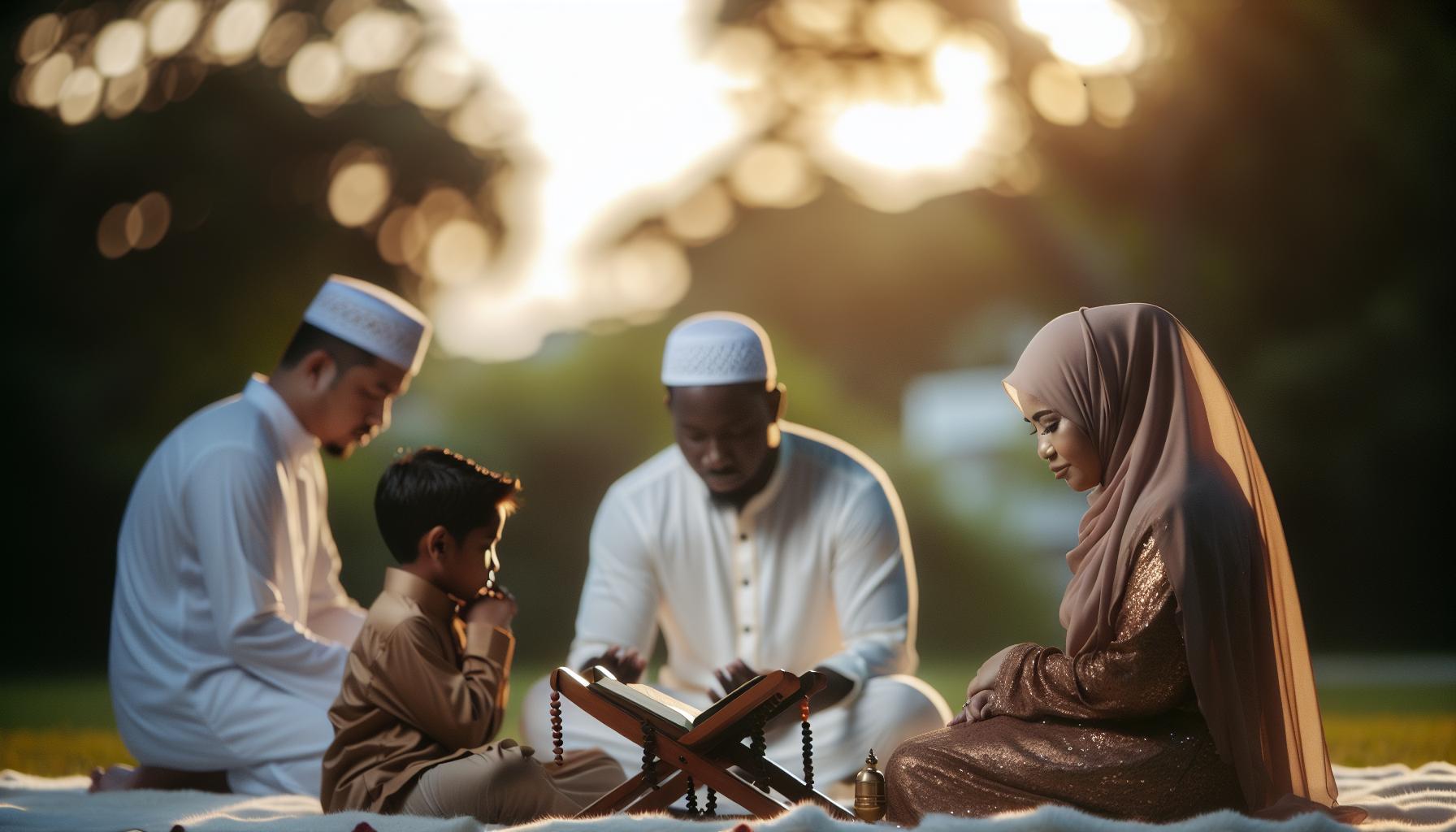
Amidst the joyful celebrations of Eid, the spiritual journey of believers unfolds, offering a profound opportunity to reflect on their faith. This period transcends mere festivity, inviting individuals to engage in deep introspection and renewal. As families gather to partake in prayers, the collective atmosphere serves as a powerful reminder of God’s abundant grace and the blessings bestowed throughout the year.
Eid prayers, characterized by their communal aspect, provide a unique setting for personal reflection and spiritual connection. Believers look within, contemplating their life journeys and the growth achieved through both trials and triumphs. The experience of reciting the powerful takbir (the declaration of God’s greatness) alongside fellow worshippers fosters a sense of unity, allowing individuals to share in the collective faith that binds them. In these moments, many find clarity that guides them forward, enabling them to confront personal challenges with renewed strength and hope.
- Deep Reflection: The calm and focused environment of Eid prayers creates a perfect space for individuals to meditate on areas of their lives that need improvement, such as relationships and personal habits.
- Gratitude Practice: Eid encourages a focus on gratitude, prompting believers to acknowledge and thank God for His blessings, thereby strengthening their faith.
- Commitment Renewal: Participating in prayer serves as an opportunity to recommit oneself to the values that underpin their faith, reinforcing their spiritual resolve.
In a world that often distracts and divides, the rituals associated with Eid provide a sanctuary for believers. The shared prayers emphasize the importance of community in a positive spiritual journey. These gatherings not only celebrate individual faith stories but also create a tapestry of experiences that enrich the understanding of God’s love and mercy. Each prayer uttered reflects personal aspirations and communal bonds, turning the rhythmic flow of worship into a harmonious expression of faith that resonates long after the day has passed.
Ultimately, Eid is much more than a celebration; it acts as a spiritual anchor, guiding believers toward a renewed commitment to their faith and deeper understanding of themselves. Whether it’s through the joyous cries of children or the reflective silence of adults, each element of Eid invites a richer experience of devotion and connection, fostering an enduring link to the divine. Embracing this sacred time for prayer enriches the faith journey, nurturing both individual spirits and the larger tapestry of the Christian community.
Eid Prayers and Community: Bonding Across Diversity
In the heart of every Eid celebration lies a powerful reminder of unity that transcends cultural boundaries. As believers gather in prayer, the rich mosaic of diverse backgrounds and traditions forms a vibrant tapestry that embodies the essence of community in faith. This gathering not only serves as a reminder of shared beliefs but also as an opportunity to learn from each other’s experiences, enriching the communal expressions of faith with unique perspectives. The communal aspect of Eid prayers fosters inclusivity and reconciliation, allowing participants to build lasting relationships that strengthen the bonds of the Christian community.
The communal prayers during Eid create a sacred space where believers can witness the beauty of diversity in worship. Each person brings their distinct heritage and life experiences, contributing to a cumulative sense of belonging. This exchange extends beyond mere attendance; it invites dialogue and understanding, as individuals share stories of hope, struggle, and faith. By praying together, congregants celebrate the unique ways in which God has worked in their lives, reinforcing the idea that our differences are not barriers but bridges to deeper connections.
Moreover, these gatherings instill a profound sense of belonging. They remind individuals that they are part of something greater than themselves-a global community of believers who uplift one another through shared prayers and collective experiences. As participants share in the act of worship, they echo the teachings found in Scripture, where the New Testament highlights the importance of unity within the body of Christ (1 Corinthians 12:12-27). This shared experience is a chance to manifest love and joy in relationships, reinforcing the truth that as a community of believers, we honor God’s creation in all its diversity.
In practical terms, fostering this sense of community can be achieved through inclusive practices within the church. Organizing multicultural Eid celebrations, engaging in interfaith dialogues, or creating prayer groups that encompass believers from various backgrounds can all play a pivotal role. Such initiatives encourage not only participation in communal prayers but also collaboration in service projects that bridge divides and foster an environment of unity. These tangible expressions of love and faith can help build a more inclusive and understanding community, showing that the heart of Eid lies not only in worship but in how believers come together to support, uplift, and celebrate each other, reflecting God’s love for all humanity.
Innovative Ways to Celebrate Eid Through Prayer
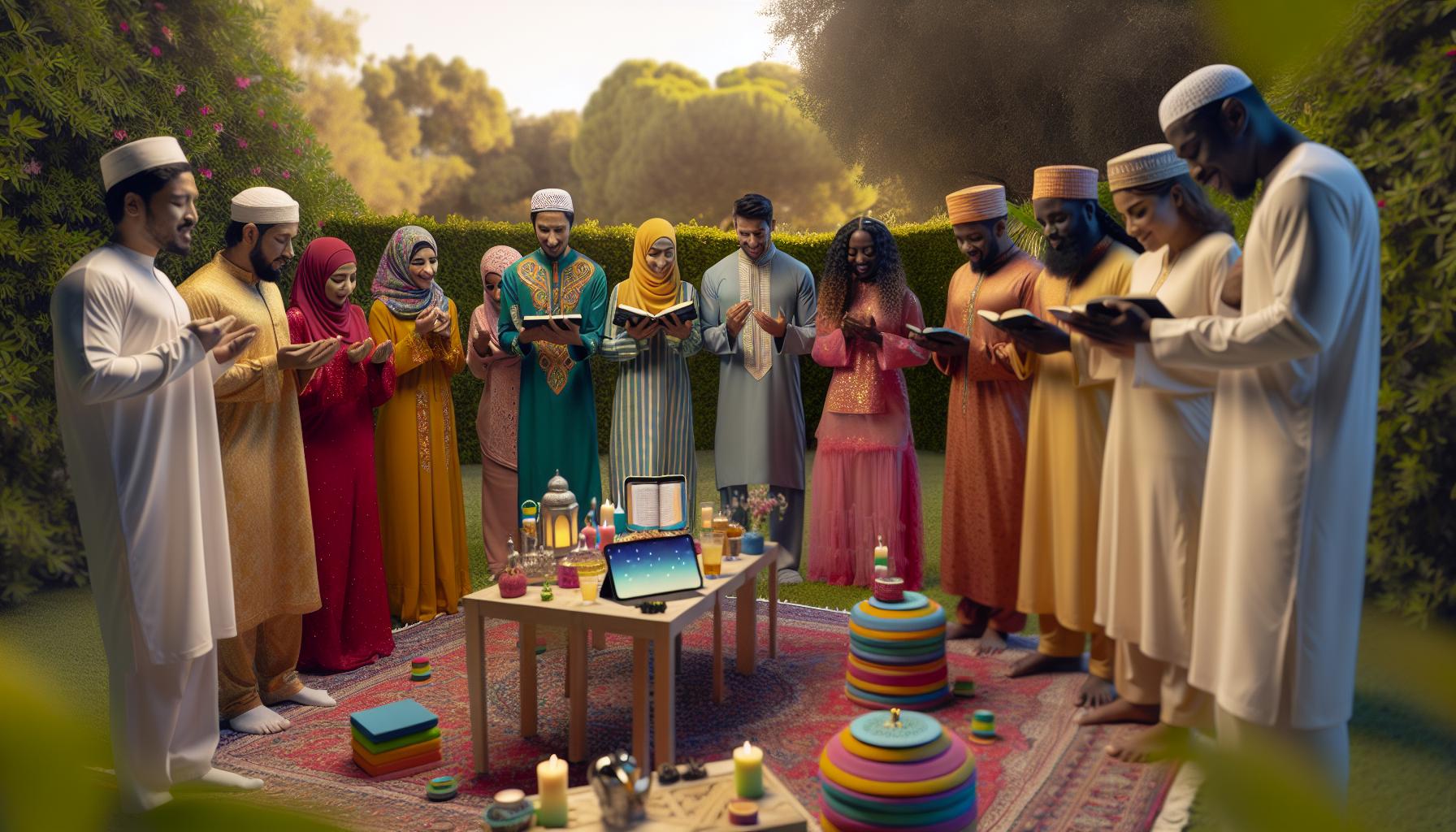
Engaging in prayer during Eid is a significant way to embrace the spirit of celebration and deepen one’s faith. As communities come together, there are numerous innovative practices that can enrich the prayer experience and foster a sense of unity among participants. Here are some creative approaches to celebrate Eid through prayer that resonate with diverse traditions and beliefs.
Prayer Workshops and Community Gatherings
One effective way to celebrate Eid is by organizing prayer workshops that focus on the significance of the occasion. These gatherings can include sessions on the history of Eid, the meaning behind the prayers, and how to engage in meaningful prayer practices. Community leaders or knowledgeable members can lead discussions that inspire individuals to reflect on their own faith journeys and share their unique experiences. This not only promotes understanding but also allows participants to form deeper connections as they learn collectively.
Digital Prayer Circles
In our increasingly digital world, leveraging technology to create virtual prayer circles offers an accessible way to unite individuals from different locations. Using platforms like Zoom or social media, community members can come together to share prayers, read scripture, and discuss the themes of Eid. This style of engagement can cater to those who may face barriers in attending in-person gatherings, ensuring that everyone feels included. Additionally, recording these sessions can provide a resource for reflection and prayer for those unable to attend live.
Prayer Journals for Reflection
Encouraging individuals to maintain prayer journals during the Eid season can enrich personal spiritual practice. Participants can be invited to document their prayers, thoughts, and reflections on the significance of Eid in their lives. This practice can serve as a meaningful tool for self-reflection, helping individuals to articulate their hopes and concerns to God. Journal prompts related to the key themes of Eid can guide participants in their journey, fostering a deeper understanding of their faith and encouraging gratefulness for the blessings in their lives.
Interfaith Prayer Services
Celebrating diversity through interfaith prayer services is a powerful way to honor Eid. By inviting members from various faith backgrounds to participate, believers can learn about each other’s spiritual practices and find common ground. These events can highlight shared values such as love, compassion, and community, promoting peace and understanding among participants. Intentional prayers for unity and harmony can shape the service’s focus, creating a respectful space where everyone feels valued and connected.
Incorporating these innovative practices can help enrich the experience of prayer during Eid, promoting a deeper sense of community and faith. As participants engage in these diverse activities, they will not only strengthen their own spiritual journeys but also foster a more inclusive celebration that honors the richness of different traditions. Through prayer, believers can find common ground and build lasting friendships, reflecting God’s love for all humanity.
Prayers for Peace and Unity: A Global Perspective

In today’s diverse world, the essence of prayer during Eid transcends mere ritual, evolving into a powerful expression of peace and unity among communities. As believers gather to celebrate, the prayers offered not only commemorate their faith but also serve as a heartfelt plea for harmony in a fractured world. During this sacred occasion, individuals-regardless of their background-can come together in shared intent, fostering a spirit of collective hope and understanding.
Eid prayers often emphasize themes of peace, forgiveness, and solidarity. Engaging in worship settings that include diverse congregations can amplify the call for unity. Participants might consider organizing interfaith events where prayers for peace resonate across different religious expressions. This act of coming together not only enriches the Eid experience but also sets a foundation for ongoing dialogue and collaboration among various faith communities. Engaging in prayers that focus on mutual respect and shared aspirations can transform the observance into a beacon of hope.
Moreover, as families and friends sit together to share their Eid celebrations, personal prayers of peace can serve as a vital element. Encouraging each participant to reflect on their wishes for the broader world fosters a deeper sense of connection. Leaders within communities can facilitate discussions around these prayers, emphasizing scripture and teachings that uplift and promote unity. Simple practices, such as sharing specific prayers for healing or expressing gratitude for peace, can enhance the emotional and spiritual fabric of Eid gatherings.
Lastly, as we express our prayers for peace and unity, we can ground them in scriptural wisdom. Drawing from passages that affirm our collective humanity, such as Romans 12:18, which states, “If possible, so far as it depends on you, live peaceably with all,” can shape our prayer focus. By intertwining our individual intentions with these universal truths, we not only honor our faith but also contribute to a more peaceful and united world, enriching the spiritual significance of Eid across traditions.
Children and Eid: Teaching the Importance of Prayer
In the vibrant tapestry of Eid celebrations, the role of children is not just as participants but as vital learners in the art of prayer. From the younger ones observing their parents and guardians to older children taking initiative in their spiritual practices, the importance of instilling prayer and faith cannot be overstated. One captivating fact is that teaching children about Eid prayers not only enriches their spiritual journey but also nurtures a sense of community and belonging within the family and congregation.
To teach children about the importance of prayer during Eid, it is helpful to start with engaging stories from religious texts that highlight the significance of prayer. These narratives can be presented in a child-friendly manner, often emphasizing the themes of gratitude, peace, and unity. For instance, discussing how the Prophet Muhammad (peace be upon him) performed the Eid prayer in an open field can illustrate the communal aspect of this sacred observation, inviting children to see prayer as both a personal and collective act.
Moreover, introducing simple practices can help children feel more connected to the ritual. You might encourage them to:
- Choose their own special clothes for the occasion, emphasizing the principle of presenting one’s best self to God.
- Join in reciting the Takbir, which is an integral part of Eid prayers, to familiarize them with the appropriate sayings.
- Participate in the preparation of the meal and Zakat Al-Fitr, reinforcing the values of charity and gratitude.
Engaging children through activities not only teaches prayer but also allows for a more hands-on understanding of its significance. Additionally, leading family prayer sessions, where children can express their own intentions and prayers, reinforces their connection to faith. Scriptural verses, such as Matthew 18:20, which reminds us that “where two or three gather in my name, there am I with them,” can become a source of inspiration and comfort, strengthening their belief that their prayers matter.
Ultimately, teaching children about the importance of prayer during Eid is not merely an educational endeavor; it is a way to cultivate a sense of identity and responsibility in their spiritual lives. By involving them in the rich traditions of Eid, families can nurture the next generation of believers who appreciate the depth of prayer and the joy of faith as they grow in their spiritual journeys.
Eid Blessings: Crafting Your Personal Prayer Intentions
In the spirit of Eid, crafting personal prayer intentions can deepen your spiritual experience and foster a closer connection with God. This act not only nurtures your faith but also allows you to express gratitude and seek guidance, reflecting the essence of this joyous celebration. As you prepare for Eid, consider jotting down your prayer intentions, perhaps on beautifully decorated cards, or in a cherished journal. This practice can serve as a tangible reminder of your conversations with God and the blessings you hope to receive.
Begin by reflecting on different aspects of your life for which you wish to express gratitude or seek divine intervention. It could range from personal challenges and aspirations to healing for loved ones or prayers for global issues. Engage your senses by visualizing these intentions as you pray, allowing yourself to feel the weight of each request and the peace that follows.
Creating Your Prayer Intentions
To help focus your intentions, consider categorizing them into a few key areas. Here’s a simple outline to get you started:
- Gratitude: Thank God for the blessings of the past year, family, friends, and community that enhance your life.
- Guidance: Ask for wisdom in decisions you face, whether they relate to work, relationships, or personal growth.
- Healing: Pray for those who are suffering physically or emotionally, seeking comfort and restoration through God’s grace.
- Peace: Extend your prayers to your community and the world, asking for unity and understanding among diverse nations and cultures.
Through crafting these personal prayer intentions, you create space within your heart for reflection and connection. It can be particularly moving to share these intentions with family members during your Eid prayers, fostering a collective atmosphere of faith and unity.
Use biblical reminders to reinforce your intentions. Phrases like Philippians 4:6-7, which encourages us to “not be anxious about anything, but in everything by prayer and supplication with thanksgiving let your requests be made known to God,” serve to anchor your intentions in the promise of God’s listening ear. Ultimately, these personalized prayers can transform not only your Eid experience but also enrich your daily walk with Christ, encouraging an ongoing dialogue with Him beyond the festive occasion.
Integrating Eid Prayers into Daily Spiritual Practices
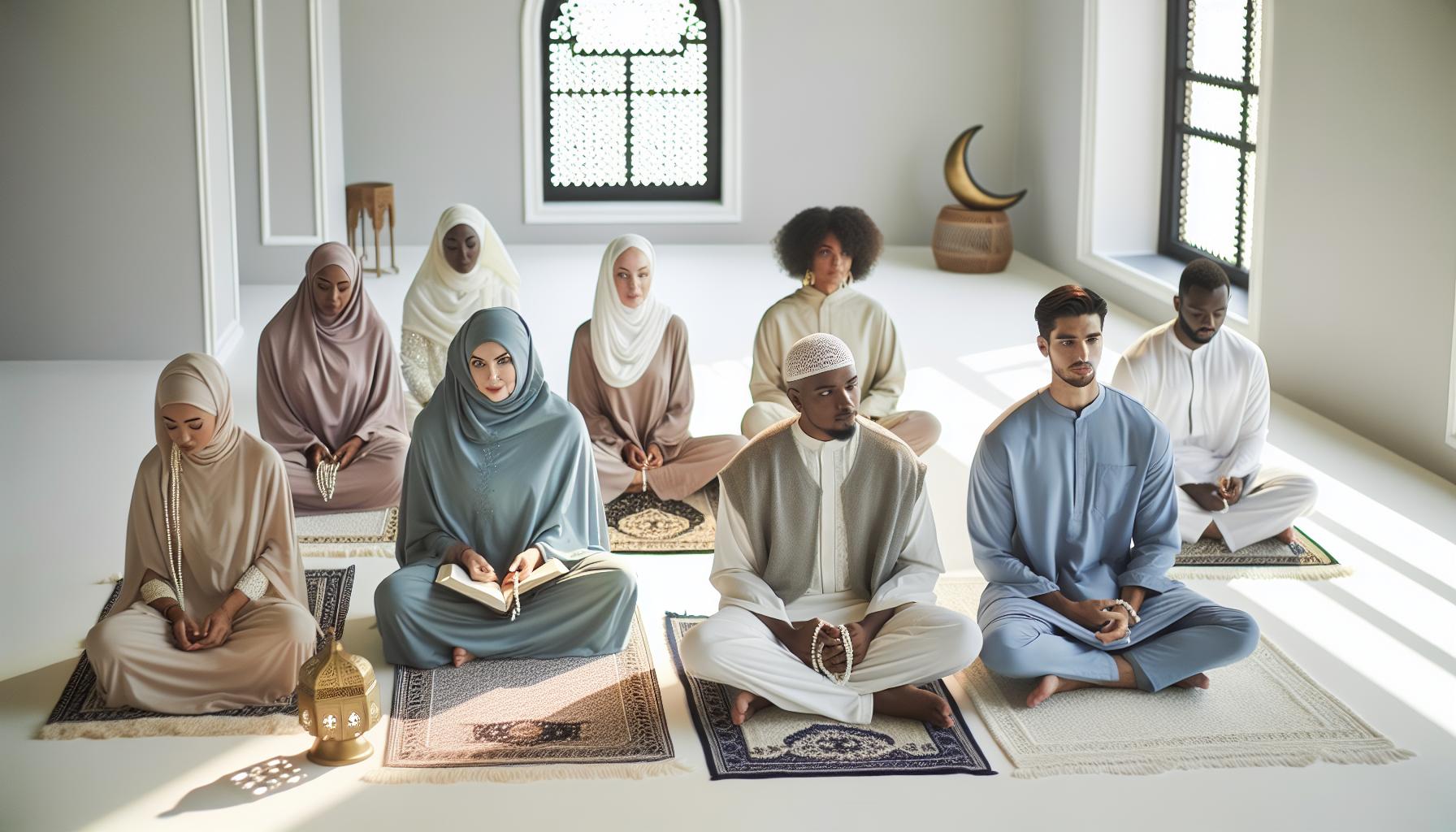
Integrating the spirit of Eid prayers into your daily spiritual practices not only enriches your personal faith journey but also serves to reinforce the core principles of gratitude, compassion, and community that are essential to Christian living. By weaving the essence of these prayers into your everyday routine, you create a harmonious blend of celebration and consistent devotion that can impact your life and the lives of those around you.
To begin, consider establishing a dedicated time each day for prayer that reflects the intentionality found in Eid prayers. This could be in the early morning, where you prepare your heart for the day ahead, or in the evening as you reflect on your blessings. During this time, use the structure of Eid prayer as a model: start with thanks, focusing on the positive aspects of your day and expressing gratitude for the goodness of God in your life. Follow this with intercession, where you pray for the needs of your family, friends, and community, and then conclude with requests for personal growth and understanding. This simple routine can mirror the sacredness of Eid while fostering a deeper connection with God throughout the year.
Incorporating Community in Daily Prayer
Eid emphasizes community-another important aspect you can cultivate. Consider creating a prayer group with family or friends where you share prayers, intentions, and testimonies. Sharing the experience of prayer not only fosters deeper bonds but also helps hold each other accountable in your spiritual journeys. Additionally, initiating prayer challenges or themed prayer days based on the principles of Eid-such as peace, forgiveness, or generosity-can bring fresh vitality to your spiritual practices.
- Daily Gratitude: Start or end each day by writing down three things you are thankful for, reflecting on the blessings that God continuously bestows upon you.
- Weekly Prayer Focus: Each week, choose a specific prayer focus-like your community, global events, or personal struggles-to deepen your prayer life.
- Intentional Kindness: Engage in acts of kindness throughout the week, aligning with the charitable spirit of Eid, making these acts a form of prayer in action.
Through these approaches, you can transform your prayer life into a vibrant, ongoing dialogue with God, reminiscent of the communal and joyful spirit of Eid. As you build these practices into your daily routine, you’ll not only celebrate your faith but also encourage others to join in the journey, fostering a shared commitment to love and support one another in faith.
The Future of Eid Celebrations: Emerging Trends and Practices

As we look toward the horizon of Eid celebrations, it becomes evident that these observances are evolving in response to the contemporary world. One significant trend is the incorporation of technology into Eid prayers and festivities. Virtual gatherings and online platforms have become vital, especially in light of recent global events, allowing families and friends separated by distance or circumstance to join in worship and celebrations collectively. Live-streamed prayers and digital sharing of sermons, as well as virtual community iftars, enable broader participation and inclusivity in cultural practices that were once primarily localized.
Moreover, the emphasis on charitable giving during Eid is witnessing a transformation as well. Many individuals are choosing to dedicate their Eid Zakat and donations to innovative and effective causes, supporting sustainability and social justice initiatives. This shift reflects a growing awareness of the importance of ethical consumption and community welfare, driven by a desire to uplift not only local communities but also those suffering globally. Engaging the next generation in these charitable efforts enhances their understanding of the values that underpin Eid, imbuing them with a sense of purpose and social responsibility.
Environmental Consciousness in Eid Celebrations
Another emerging trend is the movement towards environmentally sustainable Eid practices. From eco-friendly decorations to mindful food preparation and waste reduction, many families are seeking ways to celebrate Eid while honoring their stewardship of creation. This approach to celebrating aligns with biblical teachings on caring for the environment and encourages younger generations to value and respect God’s creation.
- Sustainable Supplies: Opting for reusable or biodegradable materials for celebrations can diminish environmental impact.
- Plant-Based Feasts: Choosing plant-based dishes for Eid meals not only promotes health but also reduces carbon footprints.
- Charity with Purpose: Supporting eco-conscious charities during Eid can help combine faith with a commitment to the planet.
As Eid evolves, its core essence remains rooted in gratitude, community, and faith. By embracing these new practices while holding onto traditional values, families and communities can continue to celebrate Eid in ways that resonate deeply with their spiritual beliefs and contemporary lifestyle aspirations. This adaptability not only strengthens personal faith journeys but also fosters a broader sense of unity and love among diverse communities around the globe.
Q&A
Q: What is the significance of Eid prayers in Islamic tradition?
A: Eid prayers are a vital part of Islamic tradition, symbolizing community and shared faith. They are performed in congregations on the mornings of Eid al-Fitr and Eid al-Adha, serving as a means to thank Allah for his blessings and to seek communal solidarity among Muslims.
Q: Are Eid prayers obligatory for everyone?
A: Eid prayers are not obligatory but are strongly recommended (Sunnah) for all Muslims. While men are encouraged to attend the prayers in large numbers, women are also welcome, though attendance is optional for them.
Q: How are Eid prayers conducted?
A: Eid prayers typically consist of two units (rak’ahs) and include additional Takbir (expressions of God’s greatness). The prayers are usually followed by a sermon (Khutbah) and a special focus on gratitude and communal well-being.
Q: What are common etiquettes to observe during Eid prayers?
A: Common etiquettes include making ghusl (ritual washing) before the prayer, wearing new or best clothes, and consuming a light meal before Eid al-Fitr prayers. It is recommended to give charity (Zakat) before attending prayers as well.
Q: How does the style of Eid prayers vary across cultures?
A: The style of Eid prayers can vary significantly across cultures, reflecting local traditions and practices. While the fundamental prayer structure remains the same, cultural expressions may influence attire, language of sermons, and community celebrations that follow.
Q: Can children participate in Eid prayers?
A: Yes, children are encouraged to participate in Eid prayers as they are a great way to instill a sense of community and faith. Families often bring their children, allowing them to experience the joy and significance of the occasion.
Q: What special prayers are recited during Eid?
A: During Eid, Muslims recite specific Takbir before the prayer starts, expressing gratitude and glorifying Allah. Other prayers focus on peace, prosperity for the community, and requests for mercy and forgiveness.
Q: How can one prepare spiritually for Eid prayers?
A: Preparing spiritually for Eid includes fasting during the month of Ramadan (for Eid al-Fitr) or offering sacrifices (for Eid al-Adha), engaging in additional prayers, reading the Quran, and reflecting on personal growth and gratitude toward Allah.
To Conclude
As we conclude our exploration of “Prayers on Eid: Celebrating Faith Across Traditions,” let’s reflect on the rich diversity of spiritual practices that unite us in faith. Embracing the essence of prayer, whether in solemnity or joy, offers a powerful reminder of our shared devotion and commitment to spiritual growth. Don’t miss the chance to deepen your understanding by diving into our articles on the importance of prayer and how to incorporate faith into daily life.
We encourage you to engage with our community-share your thoughts in the comments or connect with fellow believers through our newsletter for inspiring updates and resources.
Remember, the journey of faith is ongoing, and we’re here to support you at every step. Explore more about practices that enhance your spiritual life or delve into family devotionals that nurture your loved ones. Let’s celebrate this special season together, continuing to uplift each other in faith and fellowship. Your journey toward deeper faith starts now-don’t miss out!