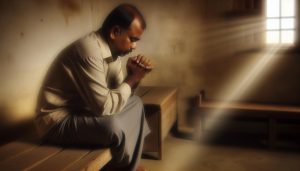
Facing surgery can evoke a whirlwind of emotions: fear, uncertainty, and hope. For many, turning to prayer becomes a powerful source of comfort and strength during these medical trials. “Prayers for Surgery: Trusting God Through Medical Trials” explores the profound impact of faith as we navigate the challenges of health concerns and the healing journey that follows. In times of distress, submitting to God’s will and seeking His guidance can transform our perspective, allowing us to find peace amid chaos. Whether you’re preparing for surgery yourself or supporting a loved one through this experience, understanding the spiritual dimensions of such trials can deepen your faith and foster resilience. Join us as we delve into inspiring stories, biblical encouragement, and practical prayers to uplift your spirit and strengthen your trust in God’s plan, even in the most trying times. Your journey through surgery can become a testimony of faith, reminding us that we are never alone.
Contents
- 1 Praying with Faith: Why Prayer Matters Before Surgery
- 2 Finding Comfort: Biblical Verses for Medical Trials
- 3 Building Trust: Surrendering Your Surgery to God
- 4 The Power of Community: Prayer Chains and Support
- 5 Personal Testimonies: Miracles Through Prayer and Surgery
- 6 Praying for Peace: Managing Anxiety Before Surgery
- 7 Prayers for Healing: Scripture-Based Requests to God
- 8 Daily Devotions: Strengthening Your Faith During Recovery
- 9 Faith in Action: Practical Ways to Support Others Facing Surgery
- 10 God’s Presence in the Operating Room: A Mindset for Hope
- 11 Creating a Prayer Plan: Engaging Family and Friends
- 12 Understanding God’s Will: Trusting the Process of Healing
- 13 Frequently Asked Questions
- 14 Final Thoughts
Praying with Faith: Why Prayer Matters Before Surgery
As you prepare for surgery, the importance of prayer becomes abundantly clear. Engaging in sincere prayer prior to your operation can be a source of profound comfort and strength. It allows you to communicate your fears, hopes, and desires to God, thereby creating a sacred space where you can center your thoughts on His promises rather than the uncertainties ahead. Prayer is more than just a ritual; it’s a relationship, enabling you to draw closer to God and seek His peace that transcends understanding (Philippians 4:7).
When you pray with faith, you acknowledge that God is in control, even in the midst of medical trials. This connection with the Divine fosters a sense of calm, making it easier to surrender your worries. You might consider offering specific requests that detail your needs during this time, whether it’s for the skill of the medical team, the success of the surgery, or your recovery process. Remember, Jesus encourages us to come to Him with our burdens (Matthew 11:28), providing an opportunity for you to cast all anxieties upon Him.
Furthermore, gathering prayer partners can amplify the impact of your prayers. Reaching out to friends and family, asking them to pray alongside you, not only creates a powerful support network but also reinforces your faith through shared spiritual experience. As the community lifts you up in prayer, you can find encouragement in their solidarity and love. Utilizing resources like prayer requests in your church or online prayer chains can also enhance this collective effort, fostering an atmosphere of hope and healing.
Ultimately, the act of praying before surgery is not merely about asking for outcomes; it’s about aligning your heart with God’s will. Trust that He listens, cares, and is actively involved in your healing journey. As you enter the operating room, carry with you the assurance that you are enveloped in prayer, allowing His presence to guide and sustain you through whatever lies ahead.
Finding Comfort: Biblical Verses for Medical Trials
As you navigate the uncertainties and fears that often accompany medical trials, turning to Scripture can provide profound comfort and reassurance. The Bible offers a treasure trove of verses that remind us of God’s presence, His sovereignty, and His unfailing love during challenging times. Engaging with these Scriptures can help shift your focus from anxiety to faith, allowing you to rest in the promises of God.
Healing Promises
One of the most reassuring passages in the Bible comes from Isaiah 41:10, where God reminds us, “So do not fear, for I am with you; do not be dismayed, for I am your God. I will strengthen you and help you; I will uphold you with my righteous right hand.” This verse emphasizes God’s constant presence and support, assuring you that you are not alone as you prepare for surgery. Additionally, Jeremiah 30:17 states, “But I will restore you to health and heal your wounds,” which serves as a powerful declaration of hope for physical healing.
Peace in the Storm
During times of distress, it can be difficult to find peace. Embrace the comforting words of Philippians 4:6-7, which instructs us not to be anxious about anything, but in every situation, by prayer and petition, with thanksgiving, present your requests to God. The promise that “the peace of God, which transcends all understanding, will guard your hearts and your minds in Christ Jesus” offers a divine tranquility that can soothe your anxious spirit.
Strength for Each Day
Facing surgery can feel overwhelming, but remember the encouragement in 2 Corinthians 12:9 where Paul writes, “But he said to me, ‘My grace is sufficient for you, for my power is made perfect in weakness.'” Acknowledging your vulnerabilities allows you to rely on God’s strength, transforming your moment of weakness into a testament of His power.
To further draw strength from Scripture, create a personal list of verses that resonate with you, and consider repeating them as affirmations of faith. Here are some you might include:
- Psalm 34:18: “The Lord is close to the brokenhearted and saves those who are crushed in spirit.”
- Proverbs 3:5-6: “Trust in the Lord with all your heart and lean not on your own understanding; in all your ways submit to him, and he will make your paths straight.”
- Romans 8:28: “And we know that in all things God works for the good of those who love him, who have been called according to his purpose.”
In your journey through medical trials, let these verses serve as a lifeline, offering comfort and anchoring your faith. Engaging with Scripture not only reminds you of God’s promises but also helps solidify your trust in His perfect plan, ultimately leading you toward peace and assurance as you face what lies ahead.
Building Trust: Surrendering Your Surgery to God
As one faces the uncertainty of surgery, the temptation to worry can be overwhelming. However, trusting in God’s plan can provide profound peace and assurance. Surrendering your surgery to God is not merely about accepting the situation; it’s an active, intentional decision to hand over your fears and concerns to the One who knows the entire journey ahead. God invites us to cast our anxieties on Him, as seen in 1 Peter 5:7: “Cast all your anxiety on him because he cares for you.” This act of surrender is both freeing and transformative, allowing you to focus on His goodness rather than your distress.
Building trust involves recognizing that God can see beyond our current circumstances and understands our needs more profoundly than we do. Leaning into Scripture can serve as a source of strength. Reflect on verses like Proverbs 3:5-6, which encourages us to “trust in the Lord with all your heart and lean not on your own understanding; in all your ways submit to him.” This submission is not passive but an acknowledgment that God’s wisdom far exceeds our own. It opens the door for divine intervention and peace, even when the way forward is unclear.
Consider developing a personal prayer strategy as a means to actively engage in this trust-building process. Create a prayer list focusing on your surgery, asking for specific aspects such as skill for the medical team, peace during pre-op moments, and healing post-surgery. Each time you pray for these intentions, you not only express your faith but also reinforce your reliance on God’s sovereign care. You may find it beneficial to journal your prayers and any answers or peace you experience, which can be a source of encouragement on tough days.
Finally, connect with your faith community. Share your surgery plans with fellow believers who can pray with and for you. Engaging others in this journey helps tether your spirit to collective faith and reminds you that you are not alone. Group prayer can be powerful, amplifying your trust as you unite with others who uplift your burdens to God. As you surrender your upcoming surgery to God, do so with the confidence that He holds your future, knowing that His plans for you are good (Jeremiah 29:11).
The Power of Community: Prayer Chains and Support
In times of medical trials, the connection we have with our faith community can provide unparalleled strength and support. The collective prayer of a community transcends individual struggles; it unites believers in faith-filled anticipation of God’s intervention. When we face the uncertainty of surgery, reaching out to others for prayer can create a powerful network of spiritual support-effectively forming a *prayer chain* that amplifies our intentions and bolsters our confidence in God’s providence.
Sharing your upcoming surgery with friends and family can inspire them to join you in prayer. When they pray for you, you not only feel their love and concern but also witness the manifestation of faith in action. Imagine friends sending encouraging messages, scripture verses, and promises of prayer, creating an environment steeped in faith. This backing cultivates a caring atmosphere that wraps you in comfort and reassurance, reminding you that you are not walking this journey alone.
Moreover, the Bible emphasizes the significance of community when it comes to prayer. James 5:16 states, “The prayer of a righteous person is powerful and effective.” Gathering with fellow believers, whether in small groups or through social media platforms, to pray for lifting burdens can make a substantial difference. These actions remind us that each prayer said on our behalf adds to the tapestry of divine support surrounding our situation.
To strengthen this communal bond during your healing journey, consider these practices:
- Set up a prayer schedule: Organize times when friends and family can commit to praying for specific needs related to your surgery.
- Utilize technology: Create a group chat or online platform where you can share updates and prayer requests, making it easy for everyone to remain engaged.
- Express gratitude: After your surgery, take time to thank those who prayed for you, sharing your experiences and any answers to prayer you witnessed.
By actively engaging your community, you foster a spirit of solidarity rooted in faith. This communal aspect not only magnifies the act of prayer but also cultivates patience and unwavering hope as you await your surgery and recovery-remembering that God’s promise to be with us in every season holds true (Isaiah 41:10). In this shared journey, you can experience God’s love reflected through others, making each prayer a stepping stone towards healing and peace.
Personal Testimonies: Miracles Through Prayer and Surgery
In the midst of medical uncertainties, many believers have turned to prayer and have experienced remarkable outcomes that reinforce their faith. Accounts of miraculous recoveries shared by individuals often reveal the profound impact that both personal and communal prayers can have during surgeries and hospital stays. These testimonies serve as powerful reminders of God’s presence in our lives and His capacity to intervene in real and transformational ways.
One poignant example is the story of a woman named Sarah, who faced a major surgery for a life-threatening condition. The days leading up to the operation were filled with anxiety; however, she decided to surrender her fears through fervent prayer. With friends and family gathered around her, they prayed specifically for peace, wisdom for the surgeons, and healing. In a miraculous turn of events, the surgery not only went flawlessly, but Sarah’s recovery was remarkably swift. Her doctors marveled at her progress, attributing it to both skill and the encompassing prayers she had received. Sarah now shares her testimony in her church, urging others to seek God in their trials as she experienced firsthand how prayer is a lifeline to hope and healing.
Another testimony comes from a couple who faced a significant medical challenge together. When the husband was diagnosed with cancer, his wife reached out to their church community, asking for prayer warriors to stand with them. As the church prayed, the couple noted an overwhelming sense of peace that enveloped them, despite the gravity of the situation. After extensive treatment, the husband was declared in remission, and both felt their faith had been deepened not only through the prayers offered but also through the experiences that brought them closer to God and each other.
These stories illustrate the essence of James 5:16, which emphasizes the power and effectiveness of prayer. It reminds us that engaging in prayer, whether on our own or with others, creates an avenue for divine intervention.
To nurture and share such personal testaments of faith, consider the following actions:
- Document your journey: Keep a journal of prayer requests and how God has responded. This can be encouraging for others in similar situations.
- Share your experiences: Use social media or small group meetings to tell others about the miracles you have witnessed or experienced, thus inspiring faith.
- Encourage others: Reach out to those facing health difficulties, sharing not only prayers but also testimonies of hope that could bolster their spirits.
The act of sharing miracles through prayer complements the call to uplift each other, reminding all believers that God is actively working in our lives, even in the bleakest circumstances. Such testimonies, rooted in unwavering faith, can ignite hope and strengthen community bonds as we trust Him through our medical trials.
Praying for Peace: Managing Anxiety Before Surgery
In the moments leading up to surgery, it’s common for anxiety to grip your heart. The uncertainty of what lies ahead can feel overwhelming, but it is in these times that prayer becomes a powerful tool for fostering peace. Through prayer, believers can connect with God, seeking His comfort and assurance as they navigate the emotional turbulence before an operation. Philippians 4:6-7 encourages us not to be anxious but to bring all our requests to God in prayer, promising that His peace will guard our hearts and minds.
As you prepare for surgery, consider establishing a consistent prayer routine that invites God’s presence into your anxiety-filled moments. Take time each day to articulate your fears and concerns while also expressing gratitude for the support you have, whether from family, friends, or healthcare providers. This act of laying down your worries can bring a profound sense of relief. Additionally, incorporating specific scriptures into your prayer can amplify this peace. Verses like Isaiah 26:3 remind us that God keeps in perfect peace those whose minds are steadfast because they trust in Him.
Furthermore, reaching out to your community for prayer can significantly alleviate anxiety. Engaging with others in prayer not only strengthens your faith but also creates a support network that reassures you that you are not alone. Consider initiating a prayer chain, inviting family and friends to pray on your behalf in the days leading up to the surgery. Each prayer lifted becomes a thread of hope woven through your experience, reinforcing the belief that God hears and answers.
Lastly, prepare your heart and mind in the hours leading up to surgery by meditating on God’s promises. Find moments to retreat from the noise and focus on His word. Utilize calming worship music or affirmations of truth to further breathe peace into your spirit. Through prayer and reliance on community, you can transcend anxiety, fostering a mindset rooted in hope and trust as you step into the unknown. Remember, God is with you every step of the way, ready to provide the peace that surpasses all understanding.
Prayers for Healing: Scripture-Based Requests to God
In the face of surgery, the act of prayer serves as both a refuge and a source of strength. Engaging in heartfelt dialogue with God can transform our fear into faith, especially when we anchor our petitions in scripture. The Bible is filled with promises and affirmations of God’s ability to heal and support us during trying times. As you prepare for medical trials, consider making specific prayers for healing integral to your approach, drawing directly from these inspired texts.
When praying for healing, it’s powerful to recite scripture that affirms God’s promise to restore health and provide comfort. For instance, in Jeremiah 30:17, God proclaims, “I will restore you to health and heal your wounds.” You can personalize this verse, praying, “Lord, I trust in Your promise to restore my health during this surgery.” Moreover, James 5:15 offers reassurance that “the prayer of faith will save the one who is sick.” This can encourage you to pray not just for physical healing but for spiritual renewal as well, inviting the Holy Spirit to work through the medical team and fill the operating room with His presence.
Additionally, prayers reflecting gratitude can significantly enhance your healing journey. Expressing thanks in advance, as echoed in 1 Thessalonians 5:16-18, reminds us to give thanks in all circumstances, even those filled with uncertainty. You might say, “Thank You, God, for the medical professionals guiding my care and for the technology that aids in my healing.” This posture not only fosters a positive mindset but also reinforces faith in God’s ultimate plan.
Establishing a prayer routine that includes both spoken and quiet prayers is essential during this time. Consider creating a list of scriptures that resonate with you about healing and hope, and meditate on these throughout your day. Incorporate them into your prayer life by vocalizing your needs, reflecting on God’s truths, and inviting others to join in these prayers through a collective prayer chain or group. Your community can enhance your healing through their prayers, amplifying the belief that God is indeed at work in and through your situation.
In this journey, remember that while the surgeon’s hands will guide the procedure, it is God’s hands that orchestrate healing and restoration. Embrace the deep reassurance found in His Word as you navigate this path to health, and let your prayers be a declaration of trust and faith in the One who promises to never leave you nor forsake you.
Daily Devotions: Strengthening Your Faith During Recovery
There is a profound strength that can be found in daily devotion during recovery, serving as a vital lifeline for those facing the uncertainty of surgery. Each day provides an opportunity to deepen your relationship with God through intentional prayer, reflection, and scripture study. By devoting specific times to seek God, you create a sanctuary of peace amid the storms of medical trials. Engaging with His word not only nurtures your faith but also sustains you emotionally and spiritually as you navigate the recovery process.
Daily Devotional Practices
To strengthen your faith during recovery, consider implementing a structured devotional practice that incorporates prayer and scripture reading. Here are some actionable ways to enhance your daily routine:
- Scripture Meditations: Select key verses that resonate with healing and hope, such as Psalm 147:3, “He heals the brokenhearted and binds up their wounds.” Spend time meditating on these verses, allowing their truth to permeate your spirit.
- Prayer Journaling: Keep a prayer journal where you record your thoughts, prayers, and insights. Writing down your feelings and the specific items for which you are praying can help clarify your thoughts and remind you of God’s faithfulness.
- Gratitude Lists: Each day, list three things for which you are thankful. This practice shifts your focus from anxiety to appreciation, reinforcing your trust in God during this challenging time.
Building a Supportive Community
Incorporating elements of community can significantly amplify the strength you gather through daily devotions. Sharing your journey with trusted friends or family members who can pray with you and for you creates a mutual support system. Consider forming a small prayer group that meets regularly or creates a chat thread where you can encourage each other and share prayer requests.
Embracing God’s Presence
As you engage in your daily devotional practice, remember to invite God’s presence into your recovery journey. Visualize His comforting arms around you as you recover, knowing that He is intimately involved with every aspect of your healing process. By doing so, you align yourself with God’s promises and cultivate an attitude of peaceful surrender. In moments of doubt or fear, recall Isaiah 41:10, “Fear not, for I am with you; be not dismayed, for I am your God; I will strengthen you, I will help you, I will uphold you with my righteous hand.”
Finding solace in daily devotionals can foster resilience and a deeper connection with Christ. As you immerse yourself in His Word and lean into prayer, you will discover the transformative power of faith during recovery, allowing God’s peace to overflow in your heart and mind.
Faith in Action: Practical Ways to Support Others Facing Surgery
In times of medical trials, such as before surgery, your support can serve as a beacon of hope for those grappling with fear and uncertainty. Engaging meaningfully with friends or loved ones facing surgery not only brings comfort but also embodies the love of Christ. Here are some practical ways you can be a source of encouragement for them, fostering a strong sense of community and faith.
Start with intentional prayer. Let the person know they are being covered in prayer, not just in passing but as part of a commitment to walk alongside them spiritually. Consider organizing a prayer chain, where friends and family can each take a specific time to pray. This collective intercession creates a powerful atmosphere where individuals feel surrounded by love and divine support. You can also share specific prayer requests with a group so everyone knows how to pray intentionally for your loved one’s health, strength, and peace of mind.
Next, offer practical assistance that can alleviate stress during this challenging time. Simple acts of kindness, such as preparing meals, running errands, or helping with household tasks, can be incredibly helpful. When someone is preparing for surgery, their focus should be on healing and emotional well-being, so taking care of everyday responsibilities can provide them with the necessary space and energy. Consider setting up a schedule with other friends or family members to ensure that their needs are met consistently.
Additionally, create a space for open communication. Let them know they can talk about their feelings and fears without judgment. Sometimes, just having someone listen can bring immense relief. You might even suggest reading comforting scripture passages together. Verses such as Philippians 4:6-7 remind us to present our requests to God and experience His peace, which surpasses all understanding. This shared experience not only deepens your relationship but also fortifies your collective faith.
Finally, remind them of God’s presence in their journey. Small gestures, such as sending notes with encouraging Bible verses or surprising them with a thoughtful gift, can serve as constant reminders of God’s love. By actively engaging in their life through prayer, practical support, and emotional encouragement, you not only uplift them but also embody Christ’s love, helping them to feel less alone and more grounded in faith.
God’s Presence in the Operating Room: A Mindset for Hope
In moments that feel overwhelmingly daunting, such as when preparing for surgery, it’s crucial to remember that God’s presence can transform the experience into one filled with hope and peace. As believers, we are assured that God is intimately involved in every detail of our lives, even the challenging ones that come with medical trials. It’s during these times that cultivating a mindset deeply rooted in faith can help shift our perspective from fear to comfort, reminding us that we are never alone in our struggles.
Opening the heart to God’s presence in the operating room begins with intentional prayer. This can be more than just a silent wish for safety; it can be a verbal acknowledgment of God’s sovereignty over the situation. Speak to God in simple, sincere words, offering your fears and uncertainties, but also your trust in His plan. Incorporating scriptures into your prayers can be particularly powerful. Consider reciting passages like Isaiah 41:10, “So do not fear, for I am with you; do not be dismayed, for I am your God,” as a reminder of His steadfast love and support.
Additionally, envisioning Christ alongside you during the procedure can be a profound source of hope. Picture Jesus holding your hand, guiding the hands of the surgeons, and filling the operating room with His peace. This imagery can provide a sense of comfort, turning a sterile environment into a sanctuary where God’s healing power is at work. Encourage your loved ones to pray for you as well; their voices joining in prayer can amplify the faith surrounding the situation, creating a spiritual support network that extends beyond the physical realm.
Furthermore, post-surgery reflections can also cultivate gratitude for God’s presence and faithfulness throughout the ordeal. Taking moments to journal your thoughts, noting how you felt during the process and recognizing the prayers answered, can strengthen your faith and serve as a testimony for others. Remember, trusting God in the operating room is not merely about the outcome of the surgery, but about cultivating a relationship with Him that reassures us even in our most vulnerable moments. By inviting God’s presence into this journey, you can transition from anxiety to a hopeful expectancy, confident that He is with you every step of the way.
Creating a Prayer Plan: Engaging Family and Friends
In times of medical uncertainty, the support and prayers of family and friends can be invaluable sources of strength. Creating a prayer plan that engages your loved ones not only encourages collective faith but also fosters a sense of community and shared hope. By inviting others to join in prayer, you build a spiritual safety net that helps to bear the weight of your journey through surgery and recovery.
Start by sharing your specific needs and how people can pray for you. You can create a prayer request list that outlines key points such as your anxiety about the surgery, a desire for skillful hands guiding the surgeons, and peace during recovery. Distributing this list via group messages or shared family calendars can help keep everyone aligned in their prayers. Encourage your loved ones to share specific scriptures that resonate with you, which they can incorporate into their prayers. For example, Psalms 34:4 offers encouragement: “I sought the Lord, and He answered me; He delivered me from all my fears.”
Establishing Prayer Chains
Consider establishing a prayer chain to keep this spirit of prayer ongoing. You can designate someone to be the prayer coordinator, ensuring that prayers are lifted consistently throughout the day leading up to your procedure. Each person in the chain can also take a specific time slot for prayer, creating waves of intercession that flow continuously and envelop you in a blanket of prayer. This creates a powerful atmosphere of unity, reinforcing the truth that you are never alone-even when facing the unknown.
Utilizing Technology for Prayer Engagement
In today’s digital age, technology can also enhance your prayer plan. Group chat applications or social media groups can serve as platforms for sharing updates, prayer requests, and even inspirations or scriptures that may uplift everyone involved. You can set reminders for everyone to pause and pray at specific times, especially as your surgery date approaches.
Don’t underestimate the impact of a simple group call or video chat where everyone can pray together in real time-this can provide a profound sense of connection and shared purpose. Remember, when two or more gather in His name, the Lord is present (Matthew 18:20), and this collective prayer can wield powerful effects during such a vulnerable time in your life.
By fostering an engaged prayer plan with family and friends, you not only prepare spiritually for your surgery but also remind yourself of the community God has placed in your life-a tangible reminder that you are held in love and prayer. This approach transforms the burden of surgery into an opportunity for shared faith, creating a powerful bond that can lead to healing, peace, and encouragement.
Understanding God’s Will: Trusting the Process of Healing
In moments of medical trials, understanding God’s will can often feel daunting, yet it is a profound source of peace when navigating the uncertainties of surgery. Recognizing that God’s plans are ultimately for our good helps us relinquish the struggle for control. Jeremiah 29:11 reminds us, “For I know the plans I have for you,” declares the Lord, “plans to prosper you and not to harm you, plans to give you hope and a future.” Embracing this truth can be transformative, allowing you to trust in His perfect timing and the healing process.
As you prepare for surgery, consider immersing yourself in Scripture, which not only comforts but also clarifies God’s intentions. Reflecting on stories of faith-filled individuals in the Bible who faced trials can enhance your understanding. For instance, the healing of the woman with the issue of blood (Mark 5:34) exemplifies unwavering faith and trust in Jesus’ power to heal. This encourages a mindset of hope, trusting that God is actively working within your situation, regardless of the visible outcomes.
In practice, trusting the process of healing involves frequent prayer and submission to God’s will. Establish a habit of talking to God throughout your day-before meals, during quiet moments, or even while preparing for your surgery. This ongoing dialogue helps foster a personal relationship, and in time, you may find God’s peace settling upon your heart, alleviating feelings of anxiety or fear. Engage with prayer groups or family members who can intercede on your behalf, reminding you that you are not alone in this journey.
Acknowledge that healing may not always align with our expectations; sometimes, it is gradual, or even takes unexpected turns. Embrace these moments with an open heart, looking for the lessons and growth that they bring. In trusting God, you amplify your faith, and in doing so, you become a testament to His love and healing in the lives of those around you. Invite others into your faith journey, sharing your concerns and experiences-they can provide encouragement and help you trust more fully in God’s will during your healing process.
Frequently Asked Questions
Q: What should I pray for before surgery?
A: Before surgery, pray for peace, strength, and wisdom for both yourself and your medical team. Ask God to guide the surgeons’ hands and to provide comfort during the healing process. Incorporate specific biblical verses for encouragement, as discussed in the section on Finding Comfort: Biblical Verses for Medical Trials.
Q: How can prayer help reduce anxiety before surgery?
A: Prayer can help reduce anxiety by fostering a sense of calm and trust in God’s plan. It encourages believers to surrender their worries and fears. Practicing deep breathing while praying can amplify this effect, aligning physical relaxation with spiritual peace.
Q: Are there specific scriptures to include in prayers for surgery?
A: Yes, scriptures such as Psalm 91:15 (“He will call on me, and I will answer him”) and Jeremiah 30:17 (“I will restore you to health”) can be powerful additions to your prayers. These verses affirm God’s promise of healing and His presence in times of need.
Q: How can I create a prayer support network for a loved one facing surgery?
A: You can create a prayer support network by reaching out to family and friends, sharing your loved one’s situation, and asking them to pray at specific times. Use social media or group messaging apps to keep everyone informed and provide updates on the surgery and healing process.
Q: What role does community play in prayer for surgeries?
A: Community plays a critical role in prayer for surgeries by providing encouragement, emotional support, and collective prayer power. Being part of a supportive group fosters a sense of belonging and allows individuals to feel strengthened by the faith of others, as emphasized in The Power of Community: Prayer Chains and Support.
Q: When is the best time to pray for someone undergoing surgery?
A: The best time to pray for someone undergoing surgery is before the surgery, during it, and after for their recovery. This continual prayer covers every phase and emphasizes ongoing support and trust in God’s healing process.
Q: How can I pray for healing after surgery?
A: To pray for healing after surgery, focus on gratitude for the successful procedure and ask God for swift recovery. Include requests for strength, patience, and peace during the healing journey, as referenced in Prayers for Healing: Scripture-Based Requests to God.
Q: What can I do if I feel my prayers are not being answered?
A: If you feel your prayers are not being answered, remember that God’s timing and plans may differ from ours. Continue to pray with faith, seeking to understand His will and stay open to His guidance. Reflecting on personal testimonies can bolster your hope during these times.
Final Thoughts
As you navigate the medical trials ahead, remember that trust in God can be your greatest ally. Through prayer and scripture, you gain the strength and assurance to face surgery with a heart full of faith. We encourage you to explore our resources on building a resilient prayer life and the power of community support during times of uncertainty. Don’t hesitate to read our article on faith-based coping strategies and connect with stories of others who have walked a similar path.
Your journey does not have to be faced alone. Reach out to us for personalized prayer support or to subscribe to our newsletter for ongoing encouragement and biblical insights tailored for your needs. By deepening your faith, you can find peace in the storm and encouragement to share with others. Join our community today-leave a comment sharing your prayer requests, and let us stand together in faith. Remember, every prayer can bring hope and healing as you trust God through this medical trial.