
In a world often swayed by superficial values and fleeting pleasures, the concept of being “godly” stands as a beacon of hope and direction. At its heart, being godly means living in accordance with the teachings of Scripture, embodying a lifestyle that reflects devotion, piety, and obedience to God’s will. This exploration of “What Does Being Godly Mean? 7 Biblical Truths That Transform Lives” invites you to delve into the transformative power of faith. Each biblical truth offers practical insights that not only enrich your spiritual journey but also uplift your daily life. Whether you’re seeking to deepen your prayer life, strengthen your relationships, or cultivate a Christ-centered existence, discovering the essence of godliness will empower you to navigate life’s challenges with grace and purpose. Join us as we uncover these profound truths that can illuminate your path and inspire authentic Christian living.
Contents
- 1 What Does Being Godly Mean?
- 2 Exploring the Biblical Definition of Godliness
- 3 The Essence of Godliness: Character and Conduct
- 4 7 Transformative Biblical Truths You Need
- 5 How Godly Living Influences Your Relationships
- 6 Prayer and Godliness: Strengthening Your Spiritual Life
- 7 Biblical Examples of Godly Behavior in Action
- 8 Cultivating a Godly Mindset in Everyday Life
- 9 Overcoming Challenges to Godly Living
- 10 The Role of Scripture in Developing Godliness
- 11 Practical Steps to Manifesting Godly Qualities
- 12 Encouragement for Your Journey Toward Godliness
- 13 Frequently asked questions
- 14 The Way Forward
What Does Being Godly Mean?
Being godly is not just a label; it encompasses a dynamic lifestyle rooted in a profound relationship with God. At its core, godliness reflects a heart and life that align with God’s principles, following the example set by Jesus Christ. This means exhibiting qualities like love, kindness, humility, and integrity in everyday interactions. The biblical definition of godliness can be understood through a combination of reverence for God and a commitment to live according to His ways, which ultimately transforms character and conduct in remarkable ways.
To cultivate godliness, one might consider the transformative power of prayer and Scripture. Engaging in regular prayer fosters a deep communion with God, allowing His wisdom and guidance to shape our thoughts and actions. The importance of studying the Word cannot be overstated; it serves as both a mirror and a roadmap for living a life that pleases God. For instance, when we meditate on passages like 1 Timothy 3:16, which highlights attributes such as being “manifested in the flesh,” we are inspired to reflect Christ-like qualities in our daily lives. This verse invites us to see godliness as an embodiment of the truth seen in and through Christ.
Moreover, godliness profoundly influences our relationships. When we strive to embody godliness, we become more forgiving, patient, and empathetic, fostering healthier connections with those around us. Practical applications might include showing kindness to a coworker, offering support to a friend in need, or practicing patience with family members. By living out godly principles, we not only honor God but also become beacons of His grace to others, demonstrating the real and lasting impact of a godly life.
In sum, embracing godliness is a holistic journey that enriches our spiritual walk and relationships. It’s about actively choosing to reflect Christ in our lives, making decisions that align with His teachings, and allowing His love to transform us from the inside out. As we pursue godliness, we can be assured that this commitment yields not only personal blessings but also serves as a light to the world around us.
Exploring the Biblical Definition of Godliness
Understanding godliness begins with recognizing that it embodies more than mere religious adherence; it captures a profound, transformative relationship with God Himself. The biblical concept of godliness is intricately linked to one’s reverence for God and the pursuit of a life that mirrors His character. This notion encourages believers to engage in a lifestyle characterized by sincere devotion, ethical living, and heartfelt worship. Godliness is not a static state but a dynamic pursuit that shapes every aspect of a believer’s life.
The Apostle Paul emphasizes the importance of godliness in 1 Timothy 4:7-8, urging us to train ourselves in godliness, noting that it has value for all things, holding promise for both the present life and the life to come. This biblical encouragement underscores the belief that godliness produces fruit, leading to a life rich in spiritual blessings and personal fulfillment. Moreover, it serves as a guiding principle for making daily decisions, nurturing relationships, and handling life’s challenges. When we align our actions and attitudes with God’s will, we become reflections of His love and grace.
The Essence of Godliness
At its core, godliness is about embodying Christian virtues such as love, patience, humility, and integrity. These qualities not only characterize individual believers but also influence their interactions with others. For example, a godly person naturally seeks peaceful resolutions in conflicts, demonstrates kindness in everyday situations, and shows compassion to those in need. These traits reflect the heart of God and invite others to experience His unconditional love.
Furthermore, understanding godliness invites a deepened relationship with Scripture. Engaging with biblical texts allows us to learn more about God’s nature and His expectations for our lives. By internalizing teachings from the Bible, believers find direction and strength to live out godly principles. Daily devotionals and prayerful meditation on Scripture help cultivate a heart sensitive to God’s promptings, enabling us to live authentically in a world that often contrasts with biblical values.
In cultivating godliness, believers are not only encouraged to seek personal growth but also to mentor others in their spiritual journeys. This communal aspect of faith often leads to stronger church communities where accountability and encouragement thrive. When we share our struggles and victories in pursuing godliness, we build a supportive environment that nurtures spiritual growth, helping each other reflect Christ more vividly in our lives.
As you embark on this journey towards godliness, remember that it is not merely about adherence to rules but a heartfelt commitment to reflect Christ in every aspect of your life. Through prayer, study, and fellowship, you are equipped to cultivate a godly lifestyle that transforms not only your life but also the lives of those around you.
The Essence of Godliness: Character and Conduct
In the pursuit of a godly life, it is imperative to understand that godliness is not merely a set of behaviors, but a reflection of one’s character. Character is formed through everyday choices and the cultivation of virtues in the heart. When we embody qualities such as love, patience, integrity, and humility, we mirror the nature of Christ and become living testimonies of His transformative power. This dynamic essence of godliness shapes not only how we view ourselves but profoundly influences how we relate to others, creating a ripple effect that can touch lives and change communities.
To cultivate godliness in our character and conduct, it’s essential to engage with Scripture intentionally and consistently. The Bible serves as a blueprint for righteous living, revealing God’s heart and expectations for our lives. By immersing ourselves in biblical teachings and applying them daily, we train our hearts to respond with grace and wisdom. A practical step toward fostering godly character could include setting aside time each day for scripture reading and reflection. This habit allows us to internalize God’s word, preparing us to act in ways that honor Him amid life’s complexities.
Furthermore, the essence of godliness is reflected in our relationships. As believers, we are called to practice love and forgiveness, to be agents of peace and encouragement. Consider the impact of simple acts of kindness-a smile to a stranger, a helping hand to a neighbor, or a word of encouragement to a friend in need. These actions, rooted in a godly character, can lead to profound relationships grounded in mutual respect and admiration. By fostering an atmosphere where others see God’s love through our conduct, we not only uplift ourselves but also draw others closer to Him.
Ultimately, integrating a lifestyle of godliness into every facet of our lives begins with a commitment to prayer and community. Regular prayer strengthens our relationship with God as we deliberate on His will for our conduct, while fellowship with other believers enriches our growth. Through shared experiences, accountability, and support, we can spur one another on toward love and good deeds. In embracing these practices, our journey toward embodying godliness transforms us and impacts the world around us, exemplifying the profound truth that our character and conduct can indeed change lives.
7 Transformative Biblical Truths You Need
Understanding the profound truths of godliness can radically transform your life and the lives of those around you. Each biblical principle acts as a cornerstone, shaping your faith and guiding your actions in a world that often seems chaotic and unfocused. Here are seven transformative truths to embrace as you strive to live a godly life:
1. Godliness is Rooted in Reverence for God
A deep-seated fear of the Lord is foundational for godliness (Proverbs 1:7). Recognizing His sovereignty and majesty compels us to honor Him in our thoughts, words, and deeds. This reverence invites us to cultivate a lifestyle of worship and obedience, fundamentally altering how we approach life’s challenges.
2. Empowered by the Holy Spirit
Living a godly life is not solely a matter of human willpower; it requires the empowerment of the Holy Spirit (Galatians 5:22-23). By yielding to His leading, we develop the fruit of the Spirit, which equips us to exemplify Christ-like behavior in every situation. Daily dependence on the Spirit transforms our hearts and enables us to respond to challenges with grace and wisdom.
3. The Word of God as Our Guide
Scripture serves as a lamp to our feet and a light to our path (Psalm 119:105). Immersing ourselves in the Bible is essential for understanding God’s character and His expectations for our lives. Regular study and meditation on His Word empower us to live out our faith authentically, providing clarity in decisions and comfort in trials.
4. Authentic Community Matters
We are called to dwell together in unity and support one another in our walk of faith (Hebrews 10:24-25). Engaging in a community of believers fosters accountability and encouragement, allowing us to grow in godliness as we share experiences, prayers, and lives. Surrounding yourself with fellow Christians can provide strength and inspiration, bolstering your commitment to live righteously.
5. Godliness Reflects Our Character
True godliness is manifest in our character. As we cultivate traits such as patience, kindness, and humility, we begin to mirror Jesus (Philippians 2:5). This transformation not only enriches our personal lives but also impacts our relationships and communities. Being diligent in this journey leads to deeper connections and a more profound witness to Christ’s love.
6. Godly Living Requires Sacrifice
Living a godly life often entails sacrificing personal desires for the sake of God’s calling (Romans 12:1). It’s about dying to self and choosing to serve others, thereby reflecting Christ’s servant heart. This aspect of godliness challenges us to evaluate our priorities and motivations, leading to a life that prioritizes eternal values over fleeting pleasures.
7. The Assurance of God’s Promises
Finally, living godly lives encourages trust in God’s promises (2 Peter 1:3-4). Embracing our identity as heirs of His kingdom motivates us to persevere in righteousness. The assurance that God is faithful to His Word gives us hope and strengthens our resolve, no matter how difficult the journey may be.
As you incorporate these truths into your daily life, remember that the path to godliness is not a destination but a lifelong journey of continuous growth and learning. Seek to embody these principles as you navigate your faith, knowing that your transformation not only benefits you but also serves to inspire and uplift those around you.
How Godly Living Influences Your Relationships
Cultivating godliness has a profound impact on our relationships, shaping how we interact with family, friends, and even strangers. When we commit to living a godly life, we not only honor God, but we also reflect His love and grace to others, enhancing the quality and depth of our connections. This transformation begins within us, guiding our actions, thoughts, and words, and rippling outward to those around us.
Strong, authentic relationships thrive on principles such as love, patience, and forgiveness-traits that are hallmarks of godliness. For instance, Ephesians 4:2 encourages us to “be completely humble and gentle; be patient, bearing with one another in love.” When we embody these qualities, our interactions become characterized by understanding and compassion, making our relationships stronger and more resilient to conflict. Godly living teaches us to put aside pride and personal grievances, fostering an atmosphere of trust where open communication flourishes.
Moreover, living a godly life influences our romantic and familial relationships in significant ways. In marriage, embodying God’s principles cultivates a partnership rooted in mutual respect and shared goals. Following biblical guidance in interaction fosters a nurturing environment, particularly in parenting. For example, Colossians 3:21 advises fathers not to embitter their children, helping parents approach discipline with love and encouragement rather than anger. This godly approach promotes a healthy atmosphere of acceptance, enabling children to develop secure attachments and self-esteem.
On a broader scale, fostering relationships with non-believers can also become an avenue for testimony. Our godly behavior, such as showing grace in challenging situations or demonstrating generosity, can intrigue those who do not yet know Christ. As Matthew 5:16 states, “Let your light shine before others, that they may see your good deeds and glorify your Father in heaven.” By living out our faith through our relationships, we not only grow personally but also serve as vessels for God’s love, drawing others closer to Him.
In summary, godly living significantly influences our relationships by promoting qualities like love, respect, and forgiveness. As we strive for these attributes, let us remember the practical steps that reinforce these ideals-praying for our relationships, immersing ourselves in Scripture for guidance, and engaging with our faith community for support. Embracing godliness transforms not just our lives but the lives of those who intersect with ours, creating a network infused with hope, healing, and unconditional love.
Prayer and Godliness: Strengthening Your Spiritual Life
Connecting with God through prayer is not just a ritual; it is the lifeblood of a godly life. Engaging in regular prayer helps to align our hearts with God’s will, allowing us to cultivate a deep, personal relationship with Him. The Bible emphasizes the powerful nature of prayer, reminding us in James 5:16 that “the prayer of a righteous person is powerful and effective.” This promise offers a profound assurance that when we pray, we engage with divine power, transforming not only our circumstances but also our spiritual lives.
The Power of Personal Prayer
Developing a consistent prayer life requires intentionality and dedication. Here are some practical steps to help you strengthen this vital aspect of your walk with Christ:
- Set Aside Time: Establish a specific time each day to pray. Consistency fosters deeper faith and allows you to anticipate this sacred time with God.
- Create a Prayer List: Keep track of prayer requests and praises. This not only helps you stay focused but also encourages you as you see how God answers your prayers.
- Practice Silent Reflection: Incorporate moments of silence and reflection in your prayer time. Listening is key to effective communication with God, and these quiet moments allow Him to speak to your heart.
- Use Scripture in Prayer: Integrate Bible verses into your prayers. Praying Scripture aligns your thoughts with God’s promises and character, reinforcing faith and increasing understanding.
Prayer as a Transformative Tool
Prayer serves as a transformative tool that helps us embody godliness in our daily lives. Through it, we can cultivate humility, wisdom, and love-attributes of the character of Christ. When we pray for others, we learn to love with agape love, moving beyond our selfish desires and reflecting God’s kindness and mercy. For instance, Jesus teaches in Luke 6:28 to pray for those who mistreat us, highlighting that prayer can lead to radical love and forgiveness in our interactions.
Additionally, prayer can provide clarity in decision-making and direction in our personal and spiritual lives. In Philippians 4:6-7, we read, “Do not be anxious about anything, but in every situation, by prayer and petition, with thanksgiving, present your requests to God.” This means that through prayer, we not only bring our worries but also express gratitude, which shifts our perspective and opens our hearts to recognize God’s work in us and around us.
In summary, prayer is essential in nurturing a godly lifestyle. It connects us to the heart of God, empowers us to live out His love, and fosters growth in our spiritual journey. As you seek to deepen your prayer life, remember that God desires to meet you in your vulnerability and to guide you on the path of godliness. Embrace this journey, knowing that your efforts in prayer are not in vain but are a vital part of becoming who God has called you to be.
Biblical Examples of Godly Behavior in Action
A glimpse into the lives of biblical figures reveals a tapestry of behaviors and choices that exemplify godliness, serving as powerful inspiration for believers today. From the unwavering faith of Abraham to the compassionate leadership of Moses, these examples not only illustrate what it means to live godly but also offer attainable models for our own lives. Their stories remind us that godliness is not a distant, unattainable ideal but a practical path we can tread as we navigate our daily challenges.
One remarkable example is Daniel, whose life in Babylon showcases steadfastness in faith and integrity amidst adversity. Despite facing threats to his very life, Daniel remained committed to prayer and obedience to God, as seen in Daniel 6 when he continues to pray publicly, despite it being against the king’s decree. His unwavering dedication led to divine deliverance, demonstrating the power of godly behavior in yielding miraculous outcomes. Like Daniel, believers today are called to stand firm in their faith, making choices that reflect their commitment to God, even when faced with societal pressure.
Another compelling figure is Ruth, whose selfless dedication and loyalty serve as a heartfelt reminder of love and devotion in relationships. By choosing to remain with her mother-in-law Naomi after the death of their husbands, Ruth demonstrated profound commitment and care. Her famous declaration, “Where you go, I will go, and where you stay, I will stay” (Ruth 1:16), exemplifies a godly attitude of love and sacrifice. This story encourages us to reflect on our relationships-whether in marriage, friendship, or community-by fostering bonds built on love, support, and loyalty.
As we engage with these biblical narratives, we find a roadmap for cultivating godliness in our own lives. The journey toward being godly involves daily choices that reflect our commitment to God and to others. Whether through acts of service, choosing integrity in our actions, or embodying love in our relationships, we can develop a lifestyle that mirrors these biblical examples. By studying their lives and applying their lessons, we can transform our current circumstances into opportunities for growth and to glorify God in all we do.
Cultivating a Godly Mindset in Everyday Life
Every day, we face a myriad of choices that shape our thoughts, actions, and ultimately our character. Cultivating a godly mindset amidst life’s challenges is not just about adhering to a set of rules; it’s about transforming how we view the world and our interactions within it. A godly mindset aligns our thoughts with God’s truth, allowing us to engage with life in a way that reflects His love and purposes. Romans 12:2 encourages us to “not be conformed to this world, but be transformed by the renewal of your mind,” highlighting the importance of a mindset grounded in Scripture and the truth of God.
To foster this transformative mindset, we can incorporate several practical steps into our daily routines:
- Regular Prayer and Communion with God: Set aside dedicated time to talk to God. Prayer is not just a ritual but a relational connection that deepens our understanding of His will and His character.
- Engaging with Scripture: Daily Bible reading helps us absorb God’s truths and perspectives. Scriptures can guide our decisions and mold our attitudes. Consider memorizing verses that resonate with you, serving as reminders throughout your day.
- Mindful Reflection: Each day, take a moment to reflect on your thoughts and actions. Ask yourself how they align with God’s teachings. Journaling your insights can also track your growth and understanding.
- Surrounding Yourself with Godly Influences: The company we keep plays a significant role in shaping our mindset. Engage with a community of believers who encourage you and challenge you to grow in your faith.
Transformational Thinking in Action
Practicing a godly mindset also means choosing to see challenges through the lens of faith. For instance, when faced with conflict at work, instead of reacting in frustration, pause and consider how Christ would respond. This shift allows you to address the situation with grace and wisdom rather than emotion. Additionally, in times of anxiety, meditate on Philippians 4:6-7, which reminds us to not be anxious but to present our requests to God, promising that His peace will guard our hearts and minds.
Furthermore, embracing gratitude can profoundly impact our thinking. By intentionally acknowledging the blessings in our lives, even in difficult times, we invite joy and positivity to flourish within us. Keeping a gratitude journal can help you focus on the good, reminding you of God’s faithfulness.
In all these practices, strive not for perfection but for progression in your faith journey. Cultivating a godly mindset is a daily endeavor that requires commitment, but as we align our thoughts with God’s will, we experience transformative changes in our lives that reflect His character. Every thought captured and every choice made in faith draws us closer to embodying the godliness that impacts not only our lives but also those around us.
Overcoming Challenges to Godly Living
When it comes to living a godly life, challenges are part of the journey. It’s essential to recognize that the road toward godliness is often strewn with obstacles-temptations, distractions, and periods of doubt can cloud our path. However, combating these challenges not only strengthens our faith but also refines our character, drawing us closer to the divine purpose God has for us. To successfully navigate these hurdles, we must first acknowledge their presence and be intentional in our responses.
To overcome setbacks, embrace the power of community. Surrounding yourself with fellow believers can provide essential support and accountability. Engage in small groups or church activities where you can share your struggles and victories, and be encouraged in your faith. Galatians 6:2 reminds us, “Bear one another’s burdens, and so fulfill the law of Christ.” This mutual support can fortify your resolve to pursue a godly life amid challenges.
Additionally, cultivating a prayerful attitude is crucial. Regular prayer can anchor you in God’s presence, helping to redirect your focus from your struggles to His promises. When faced with temptation, consider following the example of Jesus in the wilderness. He overcame each temptation by wielding Scripture as a sword (Matthew 4:1-11). Study the Word and memorize verses that resonate with your current challenges, equipping yourself with truth to counteract the lies of discouragement and defeat.
In the face of adversity, remember the transformative power of worship and gratitude. Taking time to reflect on God’s faithfulness through worship can shift your perspective, enabling you to see trials as opportunities for growth rather than setbacks. Philippians 4:6-7 encourages us to present our requests to God with thanksgiving, reminding us that peace and protection come from acknowledgment of His sovereignty.
Lastly, don’t forget that progress, not perfection, is the goal. Celebrate small victories and learn from setbacks without letting them define your faith journey. As you persist in prayer, fellowship, and worship, you’ll find that the challenges you face will not only refine your character but also deepen your relationship with God, ultimately empowering you to live more fully according to His will.
The Role of Scripture in Developing Godliness
Understanding the transformative power of Scripture is essential for anyone desiring to lead a godly life. The Bible is not just a collection of ancient texts; it is the living Word of God that shapes our beliefs, influences our decisions, and provides direction for our daily lives. Engaging consistently with Scripture allows us to cultivate a deeper understanding of God’s character and His will for us, enabling us to reflect His attributes more clearly in our actions and interactions.
One of the primary roles of Scripture in developing godliness is its ability to act as a mirror, reflecting our spiritual state and revealing areas that need growth. James 1:23-25 encourages us to look intently into the perfect law of liberty, suggesting that regular reflection on God’s Word helps us see our shortcomings and encourages us to align more closely with His teachings. As we internalize biblical principles, we are not only admonished but also inspired to embody Christ-like qualities such as love, patience, and humility in our everyday lives.
Moreover, Scripture serves as a powerful weapon against temptation and doubt. Jesus Himself exemplified this truth during His time in the wilderness, countering each temptation with the Word of God (Matthew 4:1-11). In our moments of struggle, studying specific verses can provide strength and reassurance. For instance, when faced with anxiety, Philippians 4:6-7 reminds us to cast our worries on God and embrace His peace. Keeping key verses in our hearts can empower us to navigate life’s trials with a godly perspective.
To further solidify godliness through Scripture, it’s vital to develop practical habits around Bible engagement. Here are a few actionable steps:
- Daily Reading: Set aside a specific time each day for Bible reading to cultivate a consistent habit.
- Memorization: Choose verses that resonate with your current life challenges and memorize them for quick recall in tough moments.
- Discussion: Engage in group studies or discussions with fellow believers to deepen your understanding and application of biblical truths.
- Application: After reading, consider how you can apply the lessons learned in your daily life; this bridges the gap between knowledge and action.
The journey toward godliness is enriched through diligent study and reflection on God’s Word, equipping us to be more effective witnesses of His love and grace in a world that desperately needs it. In embracing Scripture holistically, we allow its transformative truths to permeate our lives, guiding us toward a more enriched relationship with God and a deeper expression of His character in all we do.
Practical Steps to Manifesting Godly Qualities
Embracing a godly life requires intentional action and a heart aligned with God’s will. To truly manifest godly qualities, we must engage in practices that promote spiritual growth and reflect Christ’s character in our lives. Here are some practical steps that can help you cultivate these divine attributes effectively.
Develop Consistent Prayer Habits
The foundation of godly living is a robust prayer life. Setting aside dedicated time each day to communicate with God allows you to seek guidance, express gratitude, and align your desires with His will. Consider using a prayer journal to document your prayers and any revelations you receive; this practice can deepen your understanding of God’s responses and your spiritual journey. Additionally, incorporating prayers of thanksgiving and intercession not only enriches your connection with God but also fosters a compassionate heart towards others.
Engage in Regular Scripture Study
Cultivating godliness is enriched through the study of Scripture. Take time to explore the Word daily, whether through personal devotionals, group studies, or online resources. Meditating on verses that speak to love, humility, and service can help ingrain these values into your heart. Consider memorizing key passages, such as Galatians 5:22-23, which lists the fruits of the Spirit, to keep you anchored in godly virtues throughout your day.
Practice Humility and Servanthood
Living out godliness involves practicing humility in your relationships and interactions. Strive to view others through the lens of Christ’s love, offering kindness and understanding, especially in challenging situations. Getting involved in community service or church activities can help you embody Christ’s message of servanthood, as you put the needs of others before your own. Remember, Philippians 2:3-4 urges us to “not do anything out of selfish ambition or vain conceit,” reminding us to seek the welfare of others.
Create a Supportive Community
Surrounding yourself with fellow believers provides a supportive environment where you can grow spiritually. Join a small group or church ministry where you can share experiences, pray for each other, and encourage one another in your faith journeys. This community not only holds you accountable but also challenges you to pursue a God-centered life actively. Being part of a faith family enhances your opportunities to practice godly qualities through communal worship and service.
By incorporating these steps into your daily routine, you can cultivate and manifest the godly qualities that reflect your commitment to living a life devoted to Christ. Each action taken in faith, whether rooted in prayer, study, service, or community, contributes to your spiritual transformation and strengthens your relationship with God.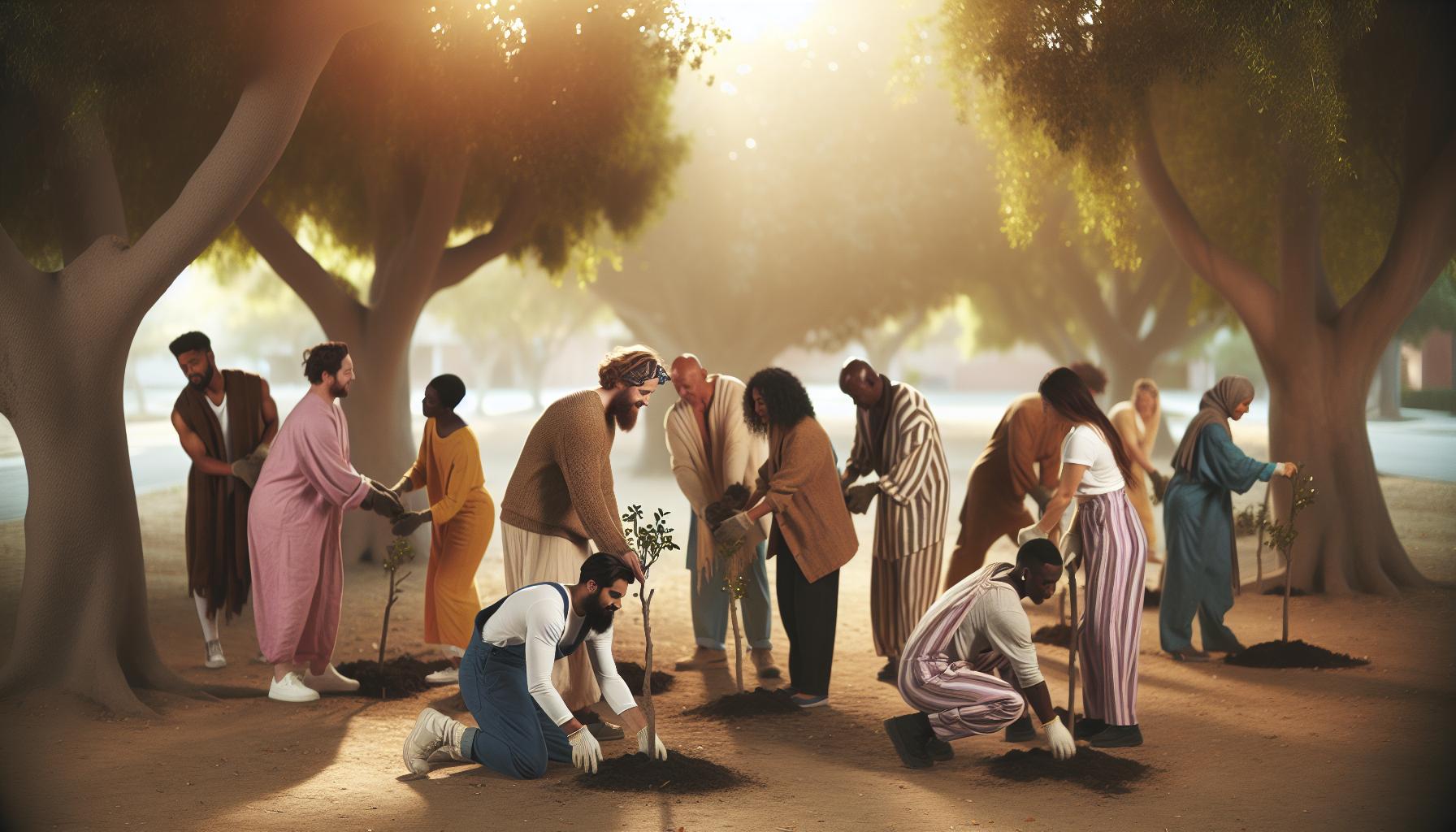
Encouragement for Your Journey Toward Godliness
As you embark on your journey toward godliness, it’s essential to remember that this path is not defined by perfection, but by a sincere desire to grow closer to God and reflect His character in your life. Every step you take, no matter how small, contributes significantly to your spiritual transformation. Drawing on the wisdom of Scripture can empower you to overcome challenges and persist in your quest for a Christ-centered life. Philippians 1:6 reassures us, “He who began a good work in you will carry it on to completion until the day of Christ Jesus.” Embrace this promise as encouragement to keep moving forward.
To sustain motivation on your path, actively engage with spiritual practices that nurture your faith. Consistent prayer and Bible study are vital. Schedule time daily to connect with God; even short prayers throughout your day can refocus your heart and mind. Dive into Scripture not just as a duty but as an opportunity to discover your Creator’s heart and will for your life. You might find journaling your thoughts or insights from your study helpful, allowing you to track how God speaks to you and reveals areas for growth.
Another powerful component of this journey is community. Find fellowship with other believers who can support, challenge, and hold you accountable. Joining a small group or engaging in church activities can create a sense of belonging and encouragement. The body of Christ is meant to uplift each member, reflecting the love and grace of God. As 1 Thessalonians 5:11 reminds us, “Encourage one another and build each other up.” Share your struggles and victories with others; this openness fosters genuine connections and deepens your faith.
Finally, remember that setbacks are part of the journey. God uses these moments to teach and refine us. When you face obstacles, turn to the Word for comfort and guidance. Allow His promises to sustain you and encourage you to keep striving for greater holiness. The pursuit of godliness is a lifelong commitment filled with grace, growth, and the joy of knowing Him more deeply. Celebrate each step and stay hopeful, as you are never alone in this transformative journey.
Frequently asked questions
Q: What are the characteristics of a godly person?
A: A godly person embodies traits such as love, humility, patience, and integrity. These characteristics reflect God’s nature, promoting a lifestyle of service, compassion, and forgiveness. Striving for these qualities encourages deeper relationships with God and others, enhancing your spiritual journey.
Q: How can I cultivate godliness in my daily life?
A: Cultivating godliness involves regular prayer, meditation on Scripture, and surrounding yourself with supportive community. Daily practices like journaling your thoughts on biblical truths can reinforce your commitment to spiritual growth and help manifest godly attributes in your actions.
Q: Why is prayer important for godly living?
A: Prayer is vital for godly living as it fosters a personal relationship with God, provides guidance, and strengthens faith. Engaging in consistent prayer can lead to transformative insights, helping you align your actions with God’s will. Explore more about prayer in your spiritual life in our dedicated section.
Q: What does the Bible say about godliness?
A: The Bible emphasizes that godliness is crucial for believers, instructing followers to pursue righteousness and a life that reflects Christ’s character (1 Timothy 6:11). Scriptures encourage believers to develop qualities such as love, compassion, and self-control to embody true godliness.
Q: How can godliness improve my relationships?
A: Godliness fosters healthier relationships by promoting love, understanding, and forgiveness. When you embody godly qualities, your interactions become more Christ-like, leading to stronger and more meaningful connections with others as discussed in our article on relationships.
Q: What are practical steps to become a more godly person?
A: Practical steps include engaging in regular Bible study, serving others, and practicing gratitude daily. These actions not only enhance your spiritual growth but also enable you to reflect godly qualities in your everyday interactions and decisions.
Q: What challenges might I face in pursuing godliness?
A: Challenges such as worldly distractions, peer pressure, and personal struggles with sin can hinder your pursuit of godliness. Recognizing these obstacles and staying committed through prayer and community support can help you overcome them effectively.
Q: How can I measure my growth in godliness?
A: Growth in godliness can be measured through self-reflection and assessing changes in your thoughts, actions, and relationships. Keeping a journal can help track your spiritual journey, making it easier to notice progress in embodying godly attributes.
For a deeper exploration of each topic discussed here, consider diving into our article on “What Does Being Godly Mean? 7 Biblical Truths That Transform Lives.”
The Way Forward
Thank you for exploring “What Does Being Godly Mean? 7 Biblical Truths That Transform Lives.” Embracing a godly life is more than just a set of rules; it’s about cultivating a heartfelt relationship with Christ that transforms everything. As you reflect on the biblical truths shared, consider how you can implement them in your daily life. Remember, every small step in faith can lead to profound changes.
To dive deeper into your spiritual journey, check out our articles on enriching prayer practices and Bible study methods. Join our newsletter for exclusive content that can elevate your walk with God, and explore insights on Christian marriage and parenting that align with biblical principles. Don’t let today’s insights end here; engage with our community in the comments below or share your thoughts on how these truths resonate with you. Your journey towards a godly life is important-take action today!