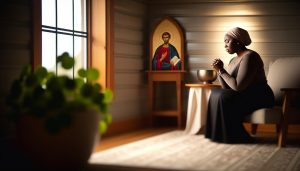
Motherhood is a sacred calling, one that intertwines daily life with spiritual growth and nurturing the hearts of children. Being a godly mother means embodying Christ-like virtues-love, patience, and wisdom-while guiding your family through life’s joys and challenges. As you navigate the complexities of parenting, it’s natural to seek reassurance and direction, desiring to reflect God’s grace in your home. This journey is not just about raising children but cultivating a legacy of faith that shapes future generations. Discover how Biblical principles can empower your parenting, infuse your daily routines with purpose, and strengthen your relationship with God. Embrace the profound impact of your role as a mother and explore practical ways to nurture both your faith and your family, ensuring you walk this path with confidence and joy. Let’s dive deeper into what it truly means to be a godly mother and the enriching blessings that await you on this divine journey.
Contents
- 1 What Does It Mean to be a Godly Mother? Understanding Your Sacred Role
- 2 Embracing Your Spiritual Calling as a Mother
- 3 Qualities of a Godly Mother: Love, Wisdom, and Strength
- 4 Biblical Examples of Godly Mothers: Lessons and Inspiration
- 5 Nurturing Your Child’s Faith Journey: Practical Strategies
- 6 The Power of Prayer in a Mother’s Life
- 7 Balancing Motherhood and a Strong Spiritual Life
- 8 Creating a Faith-Filled Home Environment
- 9 Overcoming Challenges: Godly Guidance for Struggles
- 10 Supporting Your Children’s Spiritual Growth Through Bible Study
- 11 Fostering a Christ-Centered Family: Activities and Rituals
- 12 The Impact of a Godly Mother on Future Generations
- 13 Faq
- 14 To Wrap It Up
What Does It Mean to be a Godly Mother? Understanding Your Sacred Role
To embrace the sacred role of a mother, it is essential to understand that being a godly mother goes beyond mere physical nurturance; it encompasses spiritual guidance, unwavering love, and selfless dedication to raising children in a Christ-centered environment. This divine calling invites mothers to model their faith daily, instilling values and biblical truths that shape the hearts and minds of their children. The journey of motherhood can be both a joy and a challenge, yet it is within this sacred role that mothers can profoundly impact their children’s lives and, in turn, future generations.
A godly mother exemplifies qualities such as love, wisdom, and strength-attributes that not only nurture but also empower. Love motivates a godly mother to care for her family beyond measure, always putting her children’s needs before her own. Wisdom guides her in decision-making, giving her the discernment to address various situations in a manner that reflects biblical principles. Strength, both emotional and spiritual, helps her navigate the inevitable challenges of parenting while holding fast to her faith. By intertwining these qualities with daily interactions, a mother can effectively cultivate a loving and spiritually enriching environment.
Being a godly mother also involves embracing the power of prayer. Regular prayer not only builds a personal relationship with God but also reinforces spiritual connections within the family. It gives mothers the strength to confront daily stresses and the clarity to instill faith in their children. Additionally, mothers can create a faith-filled home by integrating Bible study into family life, setting aside time for devotionals, and engaging in spiritual discussions that cultivate curiosity and faith in their children.
Ultimately, understanding the sacred role of a godly mother means recognizing that it is a continuous journey of faith-a blend of encouragement, patience, and love that transforms both mothers and their children. By fostering these spiritual practices and embodying the qualities of a godly mother, the nurturing environment she creates can resonate throughout her family for generations to come.
Embracing Your Spiritual Calling as a Mother

Being a mother is not just about nurturing your children; it’s a profound spiritual calling that invites you to cultivate their hearts and minds in the ways of the Lord. Embracing this sacred role means recognizing that motherhood is a partnership with God, where you are called to reflect His love, grace, and wisdom in every aspect of your family’s life. Your daily interactions, decisions, and prayers hold the power to shape the spiritual foundation of your children, guiding them toward a lasting relationship with Christ.
One effective approach to embracing your spiritual calling is through devotional practices that integrate faith into everyday life. Setting aside dedicated time for family devotionals can create a rhythm of worship within your home. Whether it’s reading scripture, discussing its application, or engaging in prayer as a family, these moments reinforce that faith is not just an obligation but a source of joy and strength. Consider creating a Bible study plan that includes age-appropriate passages for your children, enabling them to explore God’s Word in ways that resonate with them.
Moreover, fostering a strong prayer life is essential. Encourage your children to express their thoughts, fears, and dreams to God, emphasizing that prayer is a vital conversation, not just a ritual. Sharing personal prayer requests and testimonies within the family can deepen connections and enhance spiritual growth. You might also keep a family prayer journal, allowing each member to record prayer requests and track how God answers them, thus nurturing a sense of gratitude and awareness of God’s presence in their lives.
Lastly, as you navigate motherhood, remember that balance is key. Juggling parenting with a spiritual life can be challenging but is achievable through mindful practices such as carving out time for personal reflection and prayer. Remember that nurturing your spiritual life equips you to better guide and nurture your children’s faith journeys. When you embody a Christ-centered attitude, you not only enhance your own spiritual walk but also model the beauty of faith for your children. By embracing your calling, you open the door for God to work through you, creating an everlasting impact on your family and future generations.
Qualities of a Godly Mother: Love, Wisdom, and Strength

The essence of motherhood transforms into a sacred journey when it is intertwined with God’s principles, and the qualities exhibited by a godly mother can profoundly shape not only her children’s lives but also the generations to follow. Central to this role are three essential qualities: love, wisdom, and strength, each serving as cornerstones for nurturing a faith-filled family environment.
Godly love transcends mere affection; it mirrors the unconditional love God demonstrates towards us. A mother who embodies this love embraces her children wholly, providing them with a sense of security and worth. This kind of love is patient and forgiving, akin to the love described in 1 Corinthians 13:4-7, which emphasizes that love “bears all things, believes all things, hopes all things, endures all things.” By modeling this love, a mother creates a nurturing space where her children feel safe to express themselves, explore their identities, and grow in their unique spiritual journeys.
Along with love, a godly mother displays wisdom-an essential quality in guiding her children through life’s complexities. This wisdom is not just about knowing what to say but involves seeking God’s guidance through prayer and scripture. James 1:5 assures us that if we ask for wisdom, God gives generously, and a mother can tap into this divine knowledge when faced with parenting challenges. By fostering an environment where questions are encouraged and exploration of faith is embraced, she can help her children develop a strong foundation in their own relationship with God.
Moreover, strength is vital for navigating the ups and downs of motherhood. This strength is not merely physical; it encompasses emotional resilience, perseverance, and faithfulness in the face of adversity. Proverbs 31:25 exemplifies this as it highlights a woman who is “clothed with strength and dignity.” A godly mother cultivates her strength through prayer, worship, and community support, allowing her to lead her family through trials while maintaining a focus on God’s promises and love.
Incorporating these three qualities can create a harmonious household where love flourishes, wisdom guides, and strength sustains. As mothers nurture their children in this way, they prepare them not only for the challenges of today but also for the eternal truths of tomorrow, empowering the next generation to follow their own sacred calling in faith.
Biblical Examples of Godly Mothers: Lessons and Inspiration

The lives of many biblical mothers offer us profound lessons and inspiration that illuminate what it means to walk in faith as a godly mother. These women faced unique challenges but remained steadfast in their commitment to raising their children in the ways of the Lord. Their stories encourage modern mothers to cultivate their relationship with God and rely on His guidance in their parenting journey.
Lessons from Notable Biblical Mothers
One of the most notable examples is Hannah, the mother of the prophet Samuel. Her story, found in 1 Samuel 1, showcases a mother’s fervent prayer and deep faith. Hannah was barren and sought God’s favor earnestly, promising that if He blessed her with a son, she would dedicate him to the Lord’s service. Her heartfelt prayer not only demonstrates the power of a mother’s request but also highlights the importance of surrendering one’s desires to God’s will. Hannah’s devotion to raising Samuel according to God’s purpose serves as a reminder for mothers to seek divine guidance in their parenting decisions.
Another inspiring example is Jochebed, the mother of Moses. Faced with the daunting challenge of protecting her son from Pharaoh’s decree to kill Hebrew boys, she displayed tremendous courage and creativity. Jochebed made a waterproof basket to save Moses, demonstrating that a mother’s love often requires bold and innovative actions in the face of adversity (Exodus 2:1-10). Her faith in God’s plan resulted in the preservation of a leader who would guide the Israelites to freedom. This teaches mothers that, even in difficult circumstances, their actions can reflect trust in God’s sovereignty.
Additionally, Mary, the mother of Jesus, embodies the essence of obedience and humility. When faced with the miraculous announcement of Jesus’ birth, she responded with profound faith and acceptance, proclaiming, “I am the Lord’s servant” (Luke 1:38). Mary’s willingness to embrace her sacred role and nurture the Son of God provides an inspiring model of submission to God’s calling and serves as a stark reminder of the joys and trials of motherhood. Her example instills hope that God equips mothers for the tasks set before them, asking only for faith in His promises.
Through these biblical examples, mothers today can draw strength and inspiration from the virtues exhibited by these remarkable women. Key takeaways include:
- Faithful Prayer: Like Hannah, consistently bring your parenting concerns and aspirations before God.
- Courageous Action: Emulate Jochebed’s bravery, knowing that God will guide your decisions, even within uncertainties.
- Submission to God’s Will: Follow Mary’s example by embracing your unique calling with trust and humility.
Incorporating the lessons learned from these godly mothers can deeply enrich your faith journey and empower you to nurture and guide your children toward a lasting relationship with Christ. Your sacred calling as a mother has the potential to impact generations, just as these women did through their steadfast faith and commitment to the Lord’s guidance.
Nurturing Your Child’s Faith Journey: Practical Strategies

Nurturing a child’s faith journey is one of the most transformative roles a mother can fulfill. By integrating faith into everyday life, you have an incredible opportunity to shape not only your child’s understanding of God but also their relationship with Him. This sacred task begins with the simple act of sharing openly about your faith, incorporating prayer and biblical teachings into your daily conversations, and creating rituals that highlight God’s presence.
Encourage your children through age-appropriate Bible stories and immerse them in the lessons found within. For instance, reading from children’s Bibles or using engaging formats like animated videos can help make scripture relatable and exciting. Discuss the stories afterward to help them understand the morals and values being taught. Ask open-ended questions to pique their curiosity, such as “What do you think Hannah felt when she prayed for a child?” or “How do you think Jesus showed love to others?” This not only boosts critical thinking but reinforces the idea that faith is an ongoing conversation.
The Power of Prayer
Incorporating prayer into your routine can profoundly impact your child’s spiritual growth. Establish a family prayer time, perhaps each evening before bed or during meals, allowing everyone to share their thoughts and concerns. Teach your children about different types of prayer-such as gratitude, supplication, and confession-and encourage them to express their ideas to God. You might also introduce them to prayer journals, where they can write down their prayers, thoughts, and reflections. This practice not only helps them articulate their faith but also serves as a tangible reminder of how God answers prayer over time.
Another practical strategy is to model a Christ-centered lifestyle by exemplifying the qualities of love, kindness, and forgiveness. Share stories about your own faith journey, challenges you’ve faced, and how you lean on God for strength. Your vulnerability and authenticity will show them that faith is not just about perfection but also about grace and reliance on God. This approach fosters an environment in which children feel safe to explore their questions and doubts, ultimately strengthening their own faith.
To facilitate further growth in their faith, consider engaging in community activities that align with your values. Support local churches or ministries through volunteer work as a family, allowing your children to put their faith into action. Discuss the importance of service to others, echoing Christ’s teachings about love and compassion. The experiences they gather from serving can be profound and life-changing, teaching them about the joy of selflessness and the value of community.
In every moment you share together, whether in prayer, discussion, or service, you cultivate a nurturing environment where your child can grow in their faith. By investing time and energy into your child’s spiritual journey, you’re equipping them with the tools they need to navigate life’s challenges and to build a lasting, meaningful relationship with God. Remember, through all these strategies, the aim is to cultivate an authentic, heartfelt connection with Christ that they can carry with them throughout their lives.
The Power of Prayer in a Mother’s Life

In the sacred journey of motherhood, prayer emerges as a profound tool for connection with God and a source of strength that mothers can draw upon during both joyful and challenging times. Establishing a vibrant prayer life not only enhances your spiritual growth, but also serves as an invaluable model for your children. When you commit to prayer, you teach your children that turning to God in all circumstances is integral to faith. This simple act can transform ordinary moments into powerful experiences of grace and insight.
Creating routines around prayer in your family can ground your household in faith. Consider setting aside time daily for family prayers or individual quiet moments with God. Encourage your children to share their thoughts, joys, and concerns, helping them understand that prayer is a two-way conversation with the Divine. This space fosters a climate of trust and openness where your children feel comfortable expressing their feelings and asking questions about faith. Examples of different types of prayers-such as prayers of thanksgiving, petitions, or intercessions-help broaden their understanding and strengthen their spiritual muscles.
You might also encourage your children to keep prayer journals. These journals become a profound record of their spiritual evolution. As they write down their prayers and note how God answers them over time, they witness God’s faithfulness firsthand. Your own journaling can set a beautiful precedent, reflecting vulnerability and authenticity as you share your journey with them. Additionally, when sharing personal anecdotes about moments where prayer has been particularly impactful in your life, you provide real-life testimonies of God’s presence and action, making faith tangible for your children.
Lastly, ensure that prayer is followed by action; every prayer should be paired with a heart ready to serve and love others as Christ calls us to do. Engage in service opportunities as a family, demonstrating how active faith can draw us closer to God and one another. The cycle of prayer leading to action deepens the understanding of faith in practical terms and cultivates a family atmosphere rooted in Christ’s love. In embracing the power of prayer, you not only strengthen your own spiritual journey but empower your children to follow in your footsteps-creating a legacy of faith that reverberates through future generations.
Balancing Motherhood and a Strong Spiritual Life
In a world that often celebrates busyness over stillness, finding the balance between motherhood and spiritual life can feel like a daunting task. Yet, embracing this sacred calling is not only possible but essential for nurturing both your children and yourself in faith. An intentional approach allows you to integrate your roles as a mother and a spiritual guide seamlessly. When you prioritize your spiritual health, you serve as a reflection of Christ’s love and strength to your family, creating a nurturing environment where your children will thrive spiritually.
Embrace daily rhythms that incorporate your faith into family life. This might mean including Bible stories during lunch, engaging in family devotionals before bed, or even utilizing your morning coffee time as a moment for quiet reflection and prayer. Your spiritual practices set the tone for your household, illustrating to your children the importance of making God a priority amidst everyday busyness. Consider designating a quiet space in your home for these moments, signaling both to you and your family that this time is sacred.
Moreover, self-care isn’t merely a luxury; it’s a necessity. As you nurture your spirit, remember that a well-fed soul can better care for others. Allocate time for yourself to engage in personal Bible study, journaling, or prayer retreats. Seek out local Bible studies or women’s groups that can provide community support. Networking with other mothers can offer encouragement, practical tips, and foster accountability to maintain your spiritual life while juggling the demands of family life.
Lastly, remember that challenges are a natural part of the journey. Be open about your struggles with your children and use these moments to teach them about grace, forgiveness, and perseverance in faith. Reflect on scriptures such as Philippians 4:13, “I can do all things through Christ who strengthens me,” to inspire resilience and hope. By modeling a genuine spiritual journey, marked by both triumphs and trials, you equip your children to navigate their faith with authenticity, fostering a legacy of strength and devotion.
Creating a Faith-Filled Home Environment

Creating a nurturing environment for your family that emphasizes faith can significantly impact your children’s spiritual development. A faith-filled home isn’t just characterized by religious symbols or scripture on the walls; it reflects the day-to-day realities of love, patience, and the intentional integration of God into your family’s activities. By establishing routines and practices that honor your spiritual beliefs, you can cultivate a space where your family feels secure and supported in their faith journey.
Start by setting the atmosphere of your home. Use prayer before meals not just as a formality, but as a moment to express gratitude and connect with God together. You might consider designating a specific family gathering time, perhaps every Sunday evening, where you discuss weekly life events and reflect on how God has been at work. Introduce a family devotional practice or Bible reading into your evenings, making it a special time where everyone can share insights and ask questions. This encourages openness and helps to weave spiritual discussions into your children’s everyday lives.
Incorporate faith-focused visuals and reminders throughout your space. Hang scripture cards or inspirational quotes in communal areas, such as the kitchen or living room, where they can catch your eye and serve as daily reminders of God’s presence. Creating a designated prayer corner with a small Bible, candles, and journals can provide a sacred space for reflection and prayer, inviting family members to pause and connect with God independently or together.
Additionally, consider activities that foster a deeper spiritual connection. Volunteer as a family at your church or in your community, helping your children learn the value of service and compassion. Celebrate religious holidays with intentionality, incorporating practices that highlight their significance, such as Advent calendars during Christmas or special meals during Passover. These experiences deepen their understanding of faith and make it a lived reality rather than just a concept.
By intentionally , you’re laying a foundation for your children that will resonate throughout their lives. This nurturing atmosphere, bolstered by daily practices and heartfelt discussions, is a powerful testament to the sacred role you play as a godly mother. Your commitment to faith reflects Christ’s love, guiding your family toward spiritual growth and a legacy rooted in faith.
Overcoming Challenges: Godly Guidance for Struggles

Navigating the challenges of motherhood can feel overwhelming at times, but remember that even in the most trying moments, you are not alone. Many mothers-whether seasoned or new-face uncertainties, doubts, and fears. Seeking God’s guidance through prayer and scripture can provide clarity and strength. Embracing your sacred role means understanding that these struggles can also lead to profound spiritual growth-not only for you but for your children as well.
Practical Steps for Overcoming Struggles
In moments of doubt or difficulty, turn to specific scriptures that resonate with your situation. For example, Philippians 4:6-7 encourages us not to be anxious but to present our requests to God, promising peace that transcends understanding. Here are some practical ways to implement this in daily life:
- Start each day with prayer: Dedicate time in the morning to connect with God, laying your worries before Him. This helps set a peaceful tone for the day and prepares your heart for challenges.
- Establish a support network: Connect with other godly mothers in your community or church. Share your struggles and triumphs; the wisdom of others can offer new perspectives and encouragement.
- Set aside time for reflection: Create a weekly ritual for self-examination and prayer. Journaling your thoughts and feelings allows you to track your spiritual journey and see how God has worked through your challenges.
Finding God in Everyday Challenges
When facing hurdles-be it a difficult child-rearing phase, marital strife, or personal exhaustion-lean into the truth that God is present in the midst of these trials. He is a refuge and strength (Psalm 46:1), available to provide comfort and guidance. Consider setting family prayer times to unite your hearts and focus on seeking God’s help together. It’s an opportunity to demonstrate faith in action and show your children that relying on God is essential, not only in times of need but as a daily habit.
Involve your children in your struggles as appropriate. Sharing your journey can teach them resilience and the importance of faith. Explain how you are seeking God’s help, encouraging them to do the same. By modeling this behavior, you instill in them the understanding that struggles are part of life, but faith can carry them through.
By nurturing your spiritual life amid motherhood’s challenges, you pave the way for a deeper connection to God, fostering a dynamic that shapes not only your faith but also the spiritual growth of your family. Embrace each struggle as an opportunity for growth, trusting that God’s perfect plan includes the challenges you face. His grace is sufficient, and your reliance on Him will unfold blessings beyond what you can see.
Supporting Your Children’s Spiritual Growth Through Bible Study

Engaging children in Bible study can be a profoundly rewarding way to support their spiritual growth. As a mother, fostering this practice not only enriches your child’s understanding of faith but also strengthens your bond with them through shared experiences around Scripture. Initiating regular Bible study sessions can create a family atmosphere centered on God’s Word, setting a strong foundation for a life of faith and devotion.
To make Bible study engaging, consider incorporating interactive elements that cater to your children’s ages and learning styles. For younger children, using colorful storybooks that depict biblical narratives can capture their attention while simplifying complex themes. For older kids, you might employ discussion questions that connect the verses to their everyday lives, fostering critical thinking about their faith journey. For instance, after reading a passage, ask, “What would you do in this situation?” or “How does this story relate to challenges you face today?” This encourages them to reflect personally and see the relevance of biblical teachings.
Regularly sharing your experiences related to the lessons learned from Bible study can also enhance your children’s appreciation for Scripture. Relate stories of how specific passages have guided your decisions or provided comfort in difficult times. This not only demonstrates the applicability of biblical teachings but also models a life of faithfulness for your children. Reinforcement through real-life applications encourages them to believe that the lessons shared in church or at home are not just theoretical but practical and vital for daily living.
Another effective way to nurture spiritual growth is to incorporate prayer into your Bible study routine. Start sessions with a short prayer, inviting God to illuminate His Word and guide your understanding. After discussing a passage, conclude with a prayer that highlights the key lessons learned, encouraging your children to express their thoughts and concerns to God. This not only deepens their relationship with Him but also fosters a habit of prayer that they will likely carry into adulthood.
Lastly, integrate Bible study with family traditions or rituals that emphasize God’s teachings throughout the week. For example, create family prayer nights where you collectively pray for each other and discuss how you are applying scriptural teachings in your lives. Embracing interactive study sessions, prayer, and shared experiences solidifies the idea that growing in faith is a journey best traveled together, paving the way for your children to nurture their spiritual lives in the future.
Fostering a Christ-Centered Family: Activities and Rituals
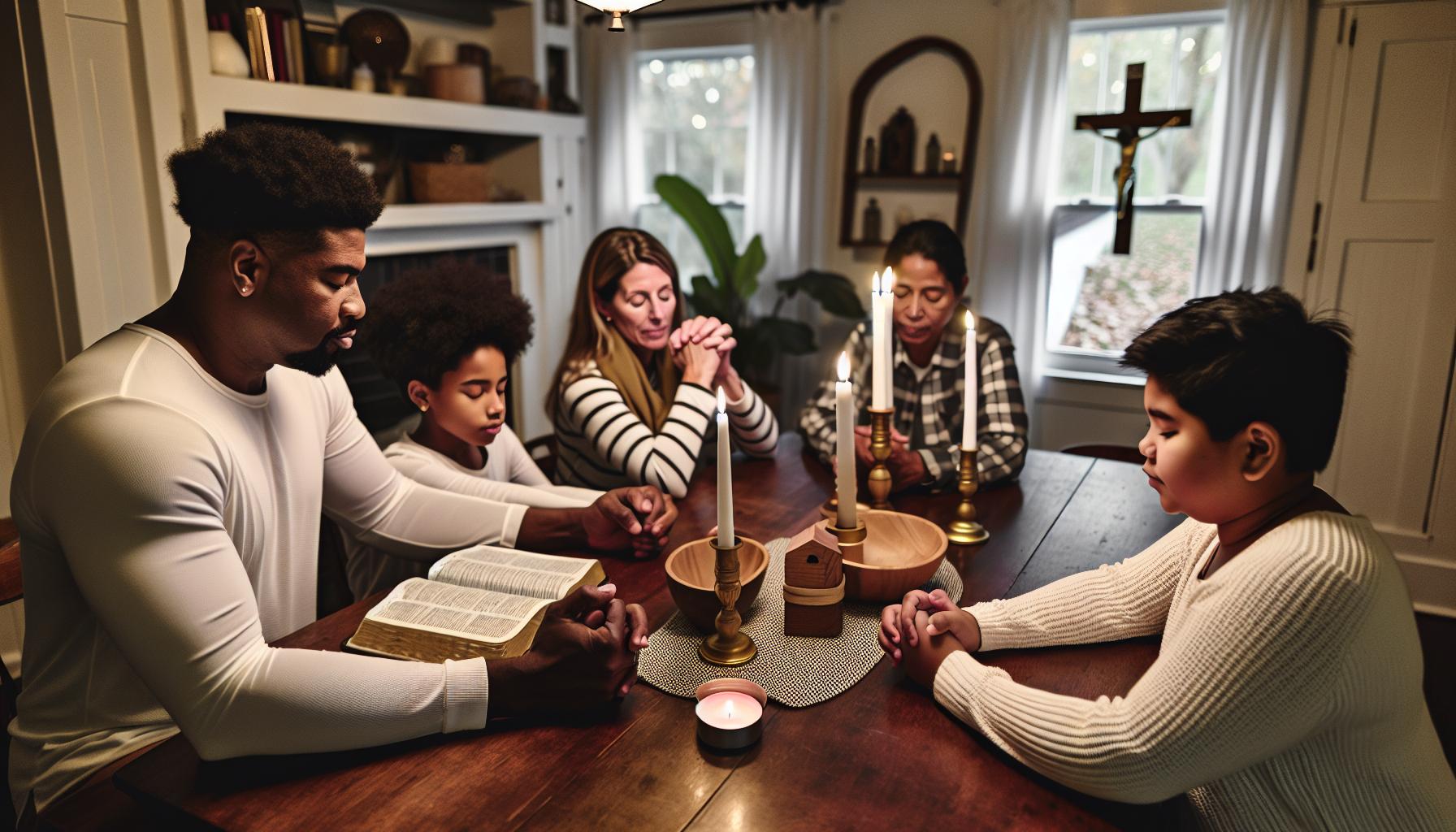
Creating a family atmosphere rooted in Christ is a profound and transformative journey that can shape your children’s faith and values for a lifetime. Engaging in activities and rituals that center around Christ not only nurtures spiritual growth but also strengthens family bonds. This intentional approach to family life cultivates an environment where God’s love and teachings can thrive.
One effective way to foster a Christ-centered family is by establishing regular devotional times. Whether it’s a morning ritual or an evening wind-down, set aside time to read Scripture together and reflect on its meaning. You might choose a verse or a chapter to study and discuss, encouraging each family member to share insights or questions. This practice not only deepens your understanding of biblical truths but also opens the door for meaningful conversations about faith. Consider using a devotional guide designed for families that includes activities and discussion prompts to make the experience interactive and engaging.
In addition to devotional times, incorporating prayer into your family’s daily routine can profoundly impact your collective spiritual journey. Create a family prayer jar where each member can submit prayer requests anonymously. Set aside time each week to gather, read the requests, and pray for one another. This not only promotes transparency and vulnerability but also reinforces the importance of dependence on God and supporting one another through life’s ups and downs.
Equally vital are family traditions that honor your faith. For instance, celebrating Christian holidays with intentionality helps instill an understanding of their significance. Easter egg hunts can be paired with discussions about the resurrection, while Christmas traditions can focus on the gift of Christ’s birth. Engaging in service projects as a family can also emphasize the calling to love and serve others, reflecting Christ’s love in action. Volunteer at a local shelter, organize a community clean-up, or participate in mission trips together, allowing these experiences to become a natural extension of your family’s faith.
Fostering activities and rituals that are centered around Christ creates lasting memories and instills a shared sense of purpose. As you cultivate these practices, your family can grow together in faith, becoming a source of light and love to the world around you. By intentionally weaving Christ into the fabric of daily life, you’ll create a nurturing and spiritually enriching environment where faith can flourish across generations.
The Impact of a Godly Mother on Future Generations

A godly mother is often the cornerstone of faith in her family, instilling values and principles that echo through generations. The impact of nurturing faith in your children cannot be underestimated; research shows that children raised in homes where faith is prioritized are more likely to carry those beliefs into adulthood. A godly mother’s influence can shape not only the spiritual lives of her children but the spiritual legacy of the entire family.
Leading by example, a godly mother embodies the principles she seeks to impart. Through her own prayer life, study of Scripture, and commitment to community, she demonstrates the importance of a strong relationship with God. Regular family devotions can foster an environment where spiritual conversations become a natural part of family life. These practices not only deepen the family’s collective faith but also encourage children to develop their own personal relationship with Christ, grounded in love and understanding.
Furthermore, the qualities of love, patience, and resilience that a godly mother displays resonate profoundly with her children. They learn that faith is not solely about perfect behavior but about seeking forgiveness, offering grace, and growing through trials. When children witness their mother turning to prayer during difficult times or actively engaging in acts of service, they internalize the understanding that faith must be active and lived out daily.
The ripples of a godly mother’s influence extend beyond her own children, impacting future generations in ways that can be difficult to quantify. As children grow into adults, the seeds of faith planted during their formative years often blossom into their own familial practices. This cycle of faith can create a legacy that not only encompasses shared beliefs but also nurtures an environment conducive to spiritual growth and community engagement. The adage “It takes a village” becomes more poignant when a mother leads in faith, influencing her children to be lights in their own communities.
In essence, the calling of motherhood is a sacred journey that not only enriches personal faith but also forms a foundation for generations to come. By actively nurturing faith within the home, godly mothers empower their children to carry forward the light of Christ, ensuring that the impact of their guidance resonates well beyond their immediate family. Through prayer, devotion, and a commitment to living out biblical values, mothers can cultivate a legacy of faith that stands the test of time.
Faq
Q: What qualities define a godly mother?
A: A godly mother embodies love, wisdom, and strength, guiding her children through life with compassion and understanding. She draws on her faith to inspire and nurture her family’s spiritual growth, creating a loving home filled with biblical teachings and prayer. For more on qualities, see “Qualities of a Godly Mother” in the article.
Q: How can a mother nurture her child’s spiritual journey?
A: A mother can nurture her child’s spiritual journey by incorporating daily prayer, engaging in Bible study together, and creating rituals that foster faith. Intentional discussions about faith and regular church attendance also strengthen their spiritual connection. Check the section “Nurturing Your Child’s Faith Journey” for practical strategies.
Q: What role does prayer play in a godly mother’s life?
A: Prayer is vital for a godly mother, serving as a source of strength, guidance, and peace. It helps her seek wisdom in parenting decisions and intercede for her children’s well-being. For deeper insight, explore “The Power of Prayer in a Mother’s Life” in the article.
Q: How can a mother balance her spiritual life with family responsibilities?
A: Balancing spiritual life and family involves scheduling dedicated time for prayer and Bible study, even amidst daily tasks. Prioritizing self-care and setting spiritual goals can help maintain this balance. Refer to “Balancing Motherhood and a Strong Spiritual Life” for more tips.
Q: What is the impact of a godly mother on future generations?
A: A godly mother influences future generations by instilling strong values and faith practices in her children. This legacy shapes their moral compass and spiritual identity, creating a foundation for their own families. Learn more in “The Impact of a Godly Mother on Future Generations.”
Q: How can I create a faith-filled home environment?
A: To create a faith-filled home, incorporate regular family prayers, scripture readings, and discussions about faith. Displaying inspirational verses and participating in faith-based activities can also foster a nurturing spiritual atmosphere. See “Creating a Faith-Filled Home Environment” for detailed guidance.
Q: What are biblical examples of godly mothers?
A: Biblical figures like Hannah and Mary exemplify godly motherhood through their faith and devotion to God. They faced challenges yet remained committed to their children’s spiritual upbringing, offering lessons and inspiration. For more examples, check “Biblical Examples of Godly Mothers.”
Q: How can a mother support her children’s spiritual growth?
A: A mother can support her children’s spiritual growth by engaging in meaningful conversations about faith, encouraging their questions, and modeling a Christian lifestyle. Participating in community activities and service projects further deepens their understanding of faith. For insights, visit “Supporting Your Children’s Spiritual Growth Through Bible Study.”
To Wrap It Up
Thank you for exploring the sacred calling of being a godly mother. Remember, your journey is not just a responsibility; it’s a divine opportunity to shape your children’s lives through love, faith, and prayer. Embrace your role by diving deeper into our resources on parenting guidance and Bible study to strengthen your spiritual practice.
If you’re eager for more, consider signing up for our newsletter for insights on nurturing your family’s faith and deepening your prayer life. Together, we can explore how to embody godliness in every aspect of motherhood. Share your thoughts in the comments below and engage with our community, as your experiences can inspire and uplift others on similar paths. Let’s continue this journey of authentic Christian living together!