
In a world where the role of a father is often challenged, understanding what the Bible says about being a godly father can be both enlightening and transformative. A godly father serves not just as a provider, but as a spiritual leader, mentor, and source of unconditional love for his children. This divine guidance is crucial for nurturing faith, instilling values, and fostering a loving family environment. Many fathers desire to embody these biblical principles but may feel unsure of where to start. By exploring scriptural insights, fathers can find practical, actionable steps to enhance their parenting and deepen their spiritual journey. Join us as we delve into the scriptures for wisdom and encouragement, equipping you to fulfill your role as a godly father and create a legacy of faith for future generations.
Contents
- 1 What Defines a Godly Father in the Bible?
- 2 Key Biblical Characteristics of a Godly Father
- 3 The Role of Prayer in Fatherhood
- 4 Nurturing Spiritual Growth: Fathers as Leaders
- 5 Biblical Examples of Godly Fathers
- 6 Practical Parenting Tips from Scripture
- 7 Balancing Discipline and Grace in Fatherhood
- 8 Strengthening Marriages Through Godly Fatherhood
- 9 The Impact of a Godly Father on Children
- 10 Overcoming Challenges as a Christian Father
- 11 Embracing God’s Love in Your Fatherhood Journey
- 12 Frequently Asked Questions
- 13 Concluding Remarks
What Defines a Godly Father in the Bible?
A godly father is often described in the Bible as a devoted leader, protector, and nurturer who embodies spiritual virtues and seeks to guide his family in faith. This role is deeply rooted in scripture, where fathers are called to reflect God’s love, wisdom, and discipline. One of the most significant descriptions can be found in Ephesians 6:4, which instructs fathers to raise their children “in the training and admonition of the Lord.” This highlights the importance of intentionality in teaching and modeling Christian values, ensuring that children are grounded in their faith from an early age.
In addition to being a teacher, a godly father is a prayerful husband and father, fully recognizing the need for divine guidance in parenting. Prayer is an essential aspect of fatherhood; it not only helps fathers align with God’s will but also equips them to love their families with grace and strength. James 1:5 encourages believers to seek wisdom from God, emphasizing the necessity for fathers to seek guidance through prayer, particularly when navigating the complexities of parenting.
Moreover, godly fathers are called to create an environment conducive to spiritual growth. They are to cultivate a home filled with love, safety, and stability, allowing children to develop their own relationships with God. This involves being present in their children’s lives, engaging in meaningful conversations about faith, and encouraging their participation in church and community activities. Proverbs 22:6 states, “Train up a child in the way he should go; even when he is old he will not depart from it.” This verse not only reinforces the responsibility of fathers to guide their children but also speaks to the lasting impact of a faith-filled upbringing.
In conclusion, a godly father is characterized by devotion to God, a commitment to prayer, and active engagement in the spiritual growth of his children. This role is not merely about authority or discipline but reflects a holistic approach to fatherhood that encompasses leadership, love, and a lifetime of nurturing faith, all while modeling the goodness of God. Each father is invited to embrace this divine call, cultivating a legacy of faith that will influence generations to come.
Key Biblical Characteristics of a Godly Father

A father’s role in the family is pivotal, carrying the weight of influence that can shape a child’s character and faith. In the Bible, several characteristics stand out that define a godly father, painting a picture of a man devoted to his family and to God. At the core of this biblical portrayal is the understanding that a godly father is not merely a parental figure but a spiritual leader, entrusted with the sacred task of guiding his family in the ways of the Lord.
To begin with, a godly father is marked by his commitment to godly virtues. This involves embodying qualities such as love, patience, and integrity, which serve as a daily example for children. The apostle Paul wrote in 1 Corinthians 11:1, “Be imitators of me, as I am of Christ.” This serves as a reminder that fathers are to model Christ-like behavior, helping their children understand what it means to follow Jesus. Acts of service, sacrifice, and expression of unconditional love showcase the father’s commitment to God and his family.
In addition to modeling behavior, a godly father creates a foundation of prayer and scriptural study within the home. Prayer becomes the lifeline for a father seeking wisdom in the daily challenges of parenthood. In family times of devotion, fathers can not only instruct their children in biblical teachings but also invite them into discussions about faith, fostering an atmosphere of spiritual curiosity. Deuteronomy 6:5-7 encourages this practice, stating, “You shall love the Lord your God with all your heart… You shall teach them diligently to your children.” Fathers are thus called to keep faith central in their family life.
Moreover, the impact of a godly father can be seen in how he balances discipline with grace. Hebrews 12:11 reminds us, “For the moment all discipline seems painful rather than pleasant, but later it yields the peaceful fruit of righteousness.” A godly father understands that discipline is necessary for growth and character development, yet it must be administered in a spirit of love and understanding. This balance fosters an environment where children feel safe to express themselves and learn from their mistakes, ultimately producing a deep-seated respect and trust.
In conclusion, the biblical characteristics of a godly father center on spiritual leadership, commitment to prayer, and balanced guidance. Such attributes not only transform the father’s life but also profoundly shape the lives of his children. As they witness firsthand the application of biblical principles in family life, they are encouraged to develop their own faith journeys, equipped with the tools to become pillars of strength in their communities. A godly father leaves an enduring legacy, crafting a pathway for future generations to follow in faith and righteousness.
The Role of Prayer in Fatherhood

A life rooted in prayer is transformative, especially for fathers who seek to fulfill their God-given role. Engaging in regular communication with God not only nurtures a father’s own spiritual growth but also serves as a model for children, illustrating the importance of faith in everyday life. In the Bible, we see countless examples of prayer shaping the leadership and direction of families. For instance, the patriarch Abraham frequently prayed for God’s guidance and interceded for others, exemplifying how powerful prayer can impact familial relationships and decision-making processes.
Creating a culture of prayer within the family can start as simply as setting aside time each day for devotional moments. This could be during meals, bedtime, or at designated times throughout the week. During these times, fathers can lead prayers that express gratitude, seek wisdom for challenges, or intercede for family and friends. By involving children in prayer, whether by asking them to share their own requests or even lead a prayer, fathers instill a sense of ownership in their spiritual lives. They learn that prayer is not just a ritual but a conversation with their Creator, fostering intimacy with God.
Moreover, prayer acts as a source of strength during challenging parenting moments. A godly father, when faced with difficulties-be it behavioral issues, academic pressures, or emotional struggles-can find solace and guidance through prayer. The Bible encourages this in Philippians 4:6-7, where it states, “Do not be anxious about anything, but in everything by prayer and supplication with thanksgiving let your requests be made known to God.” This practice reassures both fathers and their children that they are not navigating life’s challenges alone; God is an active participant in their journey.
Finally, the importance of prayer transcends individual family members. It strengthens the marital bond between spouses, as couples can pray together, aligning their hearts and intentions. This unity not only fosters a deeper connection but also showcases a united front in spiritual leadership. Recognizing that they are partners in parenting and that their fatherhood is rooted in God’s love creates an atmosphere of support and encouragement. By prioritizing prayer, fathers can significantly impact their families, cultivating a legacy of faith, love, and trust that will resonate through generations.
Nurturing Spiritual Growth: Fathers as Leaders
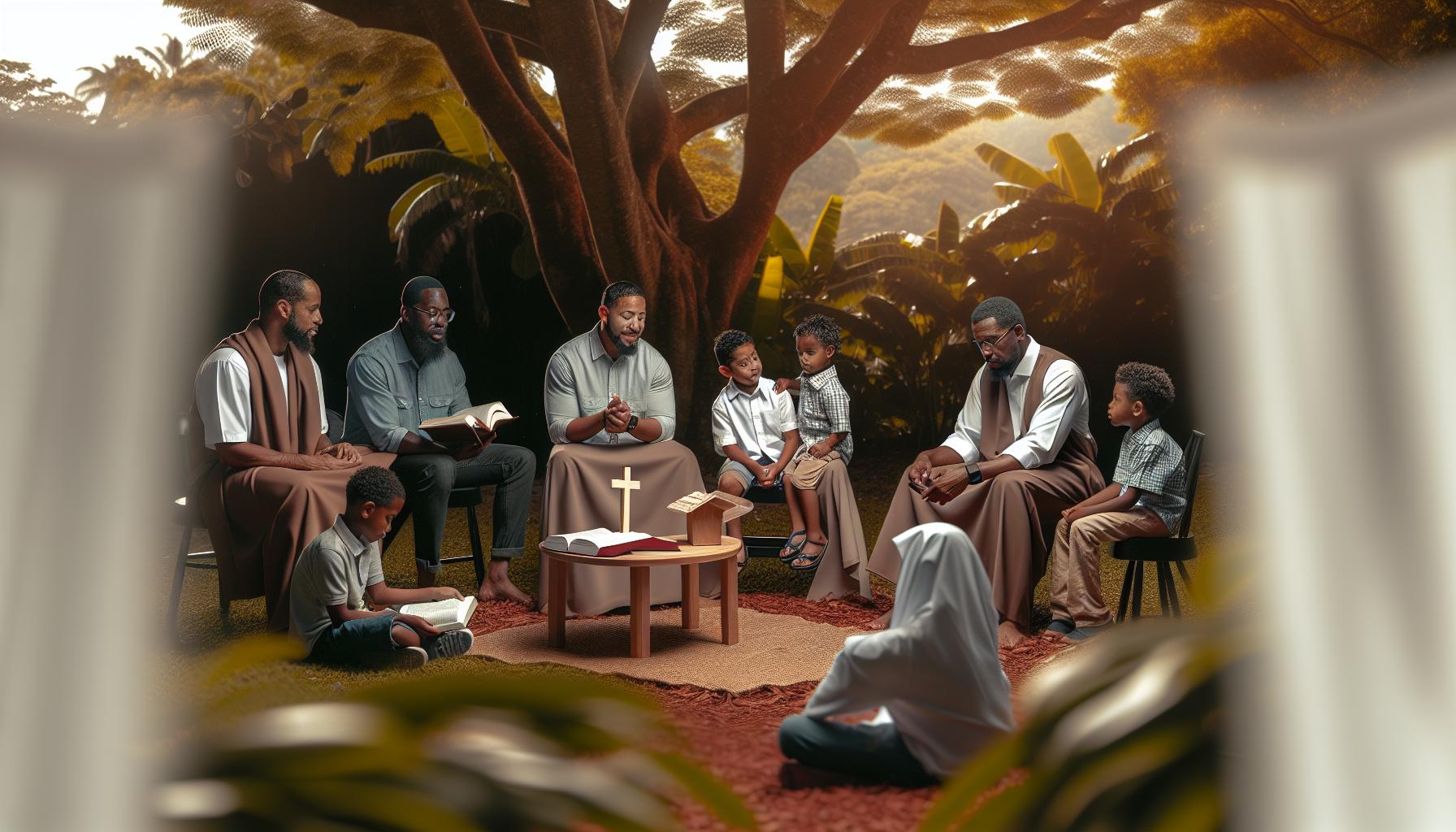
A father’s influence in the spiritual growth of his children is profound and enduring, often shaping their values, beliefs, and relationship with God. As leaders in their families, fathers have the unique opportunity to not only guide their children but also to model a life of faith that illustrates the love and character of God. This calling is reflected in the Scriptures, which present fathers not merely as authority figures, but as spiritual nurturers who cultivate an environment of faith at home.
One of the most vital roles a father can embrace is that of a teacher. Just as Proverbs 22:6 encourages us to “Train up a child in the way he should go,” fathers should actively engage in teaching their children biblical truths and principles. This can be achieved through regular family devotionals, discussing Scripture during everyday activities, or simply sharing personal testimonies about God’s work in their lives. By weaving faith into daily conversations and routines, fathers can help their children internalize these teachings, making faith a natural part of their lives.
Additionally, fathers should aim to be authentic in their spiritual journeys, recognizing that vulnerability can be a powerful tool for connection. When fathers openly share their struggles and victories in faith, children learn that faith is not about perfection, but about a continuous journey of seeking God. This honesty can inspire children to ask questions, express their own doubts, and ultimately develop a deeper relationship with God.
Furthermore, fathers are called to create an atmosphere of grace within their homes. Ephesians 6:4 reminds fathers to “bring them up in the training and admonition of the Lord.” This involves not only teaching boundaries and expectations but doing so with a spirit of love and encouragement rather than strictness and judgment. By balancing love with discipline, fathers help their children grow emotionally and spiritually, guiding them to understand God’s grace and mercy.
In nurturing spiritual growth, fathers also have a unique opportunity to empower their children to embrace their own faith journeys. Encouraging participation in church activities, youth groups, and service projects helps children understand the importance of community and the calling of every believer to serve others. By being involved themselves, fathers demonstrate what it means to live out one’s faith actively and missionally.
Ultimately, embracing the role of a spiritual leader requires intentionality, prayer, and a deep commitment to nurturing the hearts of children. As fathers engage with their family in this way, they set the stage for generations to come, leaving a legacy of faith that solidifies the foundation needed to thrive as followers of Christ.
Biblical Examples of Godly Fathers
Throughout the Scriptures, we find exemplary figures that embody the qualities of a godly father, providing us with models to aspire to in our own parenting journeys. Each of these biblical fathers not only led their families but also imparted faith, wisdom, and strength from their relationship with God. By examining their lives, we glean insights that can help us navigate our own roles as fathers.
One of the most prominent examples is Abraham, often hailed as the father of nations. His unwavering faith in God, illustrated by his willingness to sacrifice Isaac (Genesis 22), showcases a profound trust in God’s promises. Abraham’s life teaches us the value of obedience and trust in God’s plan, even when the path seems unclear. He actively responded to God’s call, and in doing so, he set a spiritual legacy for generations to come. This model encourages fathers today to lead with faith, demonstrating a commitment to God that inspires their children to rely on Him as well.
Another significant figure is King David, who, despite his flaws, was known as a man after God’s own heart (1 Samuel 13:14). David’s relationship with his children, particularly his son Solomon, reflects the importance of mentoring and imparting wisdom. He instilled in Solomon the need to seek God’s guidance above all (1 Chronicles 28:9). A godly father follows David’s example by fostering a relational approach with his children, creating spaces for open dialogue about faith and life, and emphasizing the importance of seeking divine wisdom.
Joseph, the earthly father of Jesus, exemplifies a godly father through his protective and nurturing role. He deeply cared for his family, safeguarding them through challenging times, including their flight into Egypt (Matthew 2:13-15). His obedience to God’s directives showcases the critical nature of responsiveness to divine guidance in a father’s role. Joseph teaches modern fathers the importance of protection and provision-not only physically but also spiritually, by encouraging a home where faith is prioritized.
Lastly, the story of the Prodigal Son (Luke 15:11-32) presents a father whose love transcends failure and rebellion. The father’s willingness to forgive and restore his son emphasizes unconditional love and grace, teaching us that a godly father embraces his children through their mistakes, administering grace that mirrors God’s love for us. This example encourages fathers to cultivate an environment of acceptance and understanding, emphasizing that love can guide their children back to the right path.
In studying these biblical examples, we find that godly fathers embrace faith, teach wisdom, offer protection, and extend grace. By striving to emulate these characteristics, fathers can not only nurture the spiritual growth of their children but also leave a lasting legacy of faith and love that honors God and builds strong familial bonds.
Practical Parenting Tips from Scripture

It’s essential for fathers to align their parenting with biblical principles, creating an environment enriched by faith, love, and guidance. The Scriptures not only provide foundational values but also practical advice that can help fathers navigate everyday challenges while fostering strong, God-centered relationships with their children.
One of the key insights we can glean from the Bible is the importance of consistent communication and teaching in the home. Deuteronomy 6:6-7 instructs parents to impress God’s commandments upon their children and discuss them in daily life. This can be practically applied by setting aside time for Bible study, family devotionals, or even casual conversations about faith during meals or car rides. These moments allow for meaningful discussions, reinforcing spiritual principles in relatable contexts.
Another essential aspect of parenting is demonstrating unconditional love and acceptance, as highlighted in Ephesians 6:4, which advises fathers not to provoke their children to anger. Instead, they are encouraged to bring them up in the training and instruction of the Lord. Fathers can embody this love by showing empathy, actively listening to their children’s concerns, and providing encouragement. Creating an environment where children feel safe to express their feelings nurtures their emotional and spiritual well-being.
Moreover, the practice of prayer plays a vital role in a father’s parenting journey. Philippians 4:6 teaches us to present our requests to God with thanksgiving. Fathers can implement regular family prayer times, inviting their children to share their burdens, dreams, and thanksgivings. This fosters a strong spiritual bond and teaches children the importance of reliance on God in every aspect of life. Additionally, prayers can be tailored to specific challenges the family faces, making faith a living, breathing part of their daily experiences.
Lastly, fathers are encouraged to model integrity and character. Proverbs 20:7 states that a righteous man who walks in his integrity-blessed are his children after him. Dads should strive to embody the principles they wish to teach, as children often learn through observation more than instruction. By demonstrating honesty, kindness, and respect in their interactions, fathers provide their children with a powerful example of living out their faith authentically.
In summary, embracing biblical teachings in parenting involves open communication, unconditional love, committed prayer, and the modeling of virtuous character. These elements crafted together not only empower fathers but also spiritually nurture children, preparing them to walk in faith and integrity throughout their lives.
Balancing Discipline and Grace in Fatherhood

In the journey of fatherhood, finding the balance between discipline and grace is essential to cultivate a nurturing environment for children to thrive. The Bible offers profound guidance on how fathers can navigate this delicate yet impactful responsibility. An effective father understands that discipline is not merely about enforcing rules; instead, it is an opportunity to impart wisdom and instill values that lead children to a deeper understanding of God’s love.
To embrace discipline in a Christ-like manner involves approaching it with a heart full of grace. Hebrews 12:11 states, “No discipline seems pleasant at the time, but painful. Later on, however, it produces a harvest of righteousness and peace for those who have been trained by it.” This verse serves as a reminder that while discipline is necessary, it should be administered in a way that reflects love and compassion, not anger or frustration. Fathers are called to correct their children but also to reassure them of their unconditional love. Open conversations about the reasons behind certain rules and the consequences of their actions can foster a greater understanding and strengthen the bond between father and child.
Moreover, the example of God’s grace is the ultimate model for fathers when it comes to discipline. Ephesians 4:32 encourages us to be “kind and compassionate to one another, forgiving each other, just as in Christ God forgave you.” Incorporating this principle means that while discipline may be enforced when necessary, it should be followed by reconciliation and a moment to reaffirm the relationship. Taking time to discuss what has been learned and praying together can transform a corrective moment into a teaching opportunity that emphasizes forgiveness and growth.
In practical terms, fathers can strive to balance discipline and grace through several actionable steps:
- Set Clear Expectations: Clearly communicate the rules and the reasons behind them, emphasizing that these guidelines are for their benefit.
- Be Consistent: Consistency reinforces security and trust. When children know what to expect, they are more likely to understand the importance of the boundaries set for them.
- Model Appropriate Behavior: Show grace in your own actions. Children learn through observation, so demonstrating forgiveness and humility in your own life is paramount.
- Encourage Open Dialogue: Foster an environment where children feel safe discussing their feelings and thoughts without fear of punitive repercussions.
Ultimately, the balance between discipline and grace creates a foundation for children that mirrors God’s relationship with us-one filled with guidance, correction, and unwavering love. By embodying these principles, fathers can raise children who not only understand the value of discipline but also appreciate the depth of grace found in their heavenly Father. This holistic approach empowers families to grow together in faith, fostering resilience and character that will last a lifetime.
Strengthening Marriages Through Godly Fatherhood

Strengthening the marital bond is a sacred journey that can be profoundly enriched through the lens of godly fatherhood. In the Bible, the importance of a strong marriage is evident, as it reflects Christ’s relationship with the church (Ephesians 5:25). When fathers embrace their godly calling, they not only nurture their children but also cultivate harmony and love within their marriages.
A godly father leads by example, demonstrating love, respect, and honor toward his wife. This foundation of mutual respect fosters an environment where both partners feel valued and cherished. Practicing open communication, rooted in honesty and compassion, is vital. When fathers actively listen to their wives and engage in meaningful conversations, it strengthens their connection and allows for collaborative decision-making in parenting and household matters. As Proverbs 31:28 reminds us, “Her children arise and call her blessed; her husband also, and he praises her.” This acknowledgment reinforces the bond between spouses as they celebrate each other’s strengths.
Incorporating prayer into family life can significantly enhance the marriage relationship. Setting aside time for prayer together not only invites God’s presence into the home but also deepens the spiritual connection between husband and wife. Whether it’s praying for guidance in parenting, support during tough times, or expressing gratitude for each other, such moments cultivate intimacy and unity. James 1:5 encourages believers to seek wisdom from God: “If any of you lacks wisdom, let him ask of God…” By doing so together, couples embrace the divine partnership that God has intended for their marriage.
Moreover, practical acts of service play a crucial role in strengthening relationships. When fathers take an active role in home responsibilities and contribute to the well-being of the family, it lightens the load for their wives and reinforces the idea of partnership. Simple acts like helping with chores, planning family outings, or taking the initiative in parenting responsibilities can foster appreciation and a sense of teamwork in the relationship.
Ultimately, godly fatherhood transcends mere duty; it’s about embodying Christ-like love, which naturally leads to a flourishing marriage. As fathers prioritize their marriage and invest in strengthening their bond with their wives, they set a profound example for their children. By showing a loving, respectful, and supportive relationship, fathers teach their children the essence of healthy partnerships, rooted in faith and love. Embracing this divine calling not only enriches family life but also nurtures a legacy of faithfulness and devotion in future generations.
The Impact of a Godly Father on Children

The presence of a godly father in a child’s life creates a profound and lasting impact that resonates throughout their spiritual and personal development. Within the framework of the Bible, a father is called to be not only a provider but also a spiritual leader and moral compass for his children. This divine role greatly influences how children perceive God, relationships, and their own self-worth.
A godly father exemplifies the characteristics of Christlike love, patience, and wisdom. When fathers engage in regular prayer and teach their children to rely on God’s guidance, they establish a solid spiritual foundation. As Ephesians 6:4 instructs, fathers are to bring their children up in the training and instruction of the Lord. This guidance shapes children’s understanding of faith and encourages them to seek a personal relationship with God. The emotional and spiritual security that arises from a father’s involvement fosters resilience and confidence, allowing children to face life’s challenges with hope and trust in God.
Moreover, the influence of a godly father extends to how children view and navigate relationships. Fathers who model respectful and loving interactions with their spouse set a standard for their children. They teach them the importance of communication, respect, and teamwork within family dynamics. By demonstrating forgiveness, grace, and love, fathers impart lessons that will guide their children in forming their own relationships-whether with friends, family, or future spouses. Proverbs 22:6 beautifully illustrates this concept: “Train up a child in the way he should go; even when he is old he will not depart from it.” The values instilled in the formative years often linger and manifest in future interactions, shaping an individual’s approach to love and connection.
To further cement this impact, fathers are encouraged to engage in practical expressions of love and involvement. Activities such as family devotionals, participation in church, and shared experiences create cherished memories and reinforce spiritual teachings. This intentional time spent together fosters bonds that not only enhance familial love but also provide children with a sense of belonging and identity within their faith community. As a result, children of godly fathers are likely to grow into spiritually aware individuals-a hallmark of a truly blessed legacy.
In summary, the role of a godly father is critical in shaping the emotional, spiritual, and relational wellbeing of children. Through love, teaching, and consistent involvement, fathers can profoundly influence their children’s lives, helping them develop a faith that lasts a lifetime. Embracing this divine calling enriches the family unit and cultivates a legacy of faithfulness that profoundly impacts future generations.
Overcoming Challenges as a Christian Father

Navigating the journey of fatherhood, especially in the Christian context, often comes with unique challenges that demand resilience, understanding, and reliance on God’s guidance. Every father, at some point, may face moments of uncertainty-whether that’s dealing with the pressures of providing for the family, maintaining spiritual integrity, or fostering a nurturing environment for children. However, it is precisely in these challenging moments that fathers can lean into their faith, drawing strength and wisdom from the Scriptures.
To begin with, prayer is an essential tool for overcoming the hurdles of fatherhood. A father who intentionally carves out time for prayer not only cultivates a deeper relationship with God but also models spiritual dedication for his children. Engaging in focused prayer can be as simple as asking God for wisdom in daily parenting decisions or strength in moments of frustration. Philippians 4:6-7 encourages fathers not to be anxious but to present their requests to God, allowing the peace of Christ to guard their hearts and minds. This practice can transform feelings of inadequacy into opportunities for growth and connection with God.
Additionally, embracing the community that surrounds a father can significantly reduce the feeling of isolation during tough times. As Proverbs 27:17 states, “Iron sharpens iron, and one man sharpens another.” Seeking fellowship with other godly men can provide encouragement, accountability, and practical advice. Whether through church groups, men’s retreats, or informal gatherings, sharing experiences can help fathers feel supported in their journey and remind them that they are not alone in their struggles.
In moments of conflict, whether with children or in marital dynamics, remembering to balance discipline with grace is vital. Ephesians 6:4 reminds fathers to not provoke their children to anger but to bring them up in the instruction of the Lord. This means being mindful of the tone and approach used in moments of correction. Practicing patience and empathy can turn potential conflicts into teachable moments, fostering trust and open communication within the family.
Lastly, fathers should not hesitate to seek professional guidance when facing significant challenges. Whether through counseling, family therapy, or mentorship, outside help can provide additional perspectives and strategies, ensuring that the family unit remains strong. This action demonstrates humility and a commitment to growth-a vital lesson for children to learn about handling life’s difficulties.
In embracing these principles, Christian fathers can navigate the complexities of parenthood not merely as a duty but as a divinely appointed journey filled with opportunities for spiritual growth, both for themselves and their families. By upholding the values of prayer, community, grace, and willingness to seek help, fathers can lead with confidence, reflecting God’s love and wisdom in every aspect of their fatherhood journey.
Embracing God’s Love in Your Fatherhood Journey

Embracing God’s love as a father is not just a comforting notion; it is a transformative power that shapes how you lead, nurture, and guide your family. The Scriptures remind us that God is the ultimate model of fatherhood, exhibiting unconditional love, wisdom, and guidance. When you actively reflect on God’s love in your role as a father, you create a strong foundation for your family, making them feel secure and valued. Understanding that you are loved by your Heavenly Father allows you to extend that love to your children, fostering an environment where they can thrive spiritually and emotionally.
To exemplify this, consider incorporating spiritual practices that invite God’s love into your daily life. Engage in regular family devotionals that center on God’s Word, using stories from the Bible to illustrate His love and guidance. These moments can serve not only as teaching opportunities but also as occasions to express affection and vulnerability, demonstrating that even leaders need God’s help. Encourage your children to share their thoughts and feelings about these passages, creating an open dialogue that reflects God’s inclusive love.
Another important practice is intentional prayer. Schedule times for prayer with your family, expressing gratitude, and asking for guidance together. Make prayers personal-thanking God for individual blessings and seeking His support in challenges. This communal approach not only reinforces the importance of faith but also binds your family closer together in love and understanding, as everyone feels involved in the spiritual journey.
Moreover, remember that embracing God’s love also means acknowledging your imperfections and seeking forgiveness. When conflicts arise, approach them humbly, recognizing the moments when you may need to apologize or offer grace. This approach teaches your children that love is not only expressed in times of joy but also in reconciliation, fostering deep-rooted values of humility and compassion.
In summary, embodying God’s love in your fatherhood journey is an active choice that can enrich your family’s spiritual life and emotional wellbeing. By integrating meaningful spiritual practices, engaging in sincere prayers, and modeling grace, you can cultivate a home where God’s love is not only acknowledged but also lived out daily.
Frequently Asked Questions
Q: What qualities make a father godly according to the Bible?
A: A godly father embodies love, leadership, integrity, and humility. He prioritizes faith, nurtures spiritual growth in his children, and practices discipline balanced with grace. Key biblical traits include being a loving provider and a dedicated prayer warrior, reflecting God’s character in his parenting.
Q: How can fathers apply biblical principles in daily parenting?
A: Fathers can apply biblical principles by integrating scripture into family discussions, modeling prayer life, and demonstrating Christ-like love. Regularly engaging in family worship and openly discussing faith helps establish a strong spiritual foundation and encourages children to develop their relationship with God.
Q: What role does prayer play in a godly father’s life?
A: Prayer is essential for a godly father as it fosters a deeper connection with God. It guides decision-making, strengthens faith, and empowers fathers to lead their families spiritually. Regular prayer exemplifies reliance on God and encourages children to cultivate their prayer life as well.
Q: Are there biblical stories that exemplify godly fatherhood?
A: Yes, the stories of Abraham, Job, and Joseph illustrate godly fatherhood. Abraham’s faith, Job’s integrity in trials, and Joseph’s protective guidance of Jesus serve as powerful examples for fathers seeking to lead and nurture their families according to biblical standards.
Q: How can a father balance discipline and grace according to the Bible?
A: Balancing discipline and grace involves setting clear boundaries while demonstrating unconditional love. Ephesians 6:4 advises fathers to bring children up with instruction and discipline, while also ensuring an atmosphere of grace that encourages open communication and forgiveness within the family.
Q: How does a godly father influence his children’s faith?
A: A godly father significantly influences his children’s faith by serving as a spiritual role model. His actions, prayer habits, and discussions about faith instill values in his children, helping them understand the importance of a personal relationship with God as they grow.
Q: What challenges do fathers face in applying biblical teachings?
A: Fathers often face cultural pressures, time management issues, and personal doubts in applying biblical teachings. Addressing these challenges involves seeking community support, committing to personal growth in faith, and staying focused on biblical principles when parenting.
Q: How can fathers support their wives in raising children spiritually?
A: Fathers can support their wives by participating actively in parenting decisions, sharing responsibilities, and fostering open communication about spiritual goals. Collaboration in family worship and regular discussions about child-rearing strategies aligned with biblical teachings strengthen both parenting and marital bonds.
Concluding Remarks
As we reflect on the call to be a godly father, it’s clear that embracing divine guidance is essential for nurturing a fulfilling family life. By grounding ourselves in biblical principles and prioritizing our spiritual practices, we can empower ourselves to lead with love, wisdom, and strength. If you’re seeking to enhance your parenting skills through prayer life, Bible study, and devotionals, consider exploring our resources on parenting guidance and Christian marriage.
Don’t wait to take the next step in your faith journey-subscribe to our newsletter for insights that will inspire and equip you. Share your thoughts in the comments below; we love to hear how you’re applying these teachings in your life. Remember, a godly father’s influence and commitment can transform a family, and with every step grounded in scripture, you’re building a legacy of faith.