
In a world where definitions of manhood can often be unclear, the Bible offers a divine blueprint for what it means to be a godly man. Embracing qualities such as love, integrity, and humility, a godly man models his life after Christ, seeking obedience and service to others. Understanding this concept is crucial for anyone desiring to lead a fulfilling life aligned with God’s will. As you explore this topic, consider how these biblical principles can guide you in your relationships, personal growth, and spiritual journey. This exploration will not only enhance your understanding of masculinity from a biblical perspective but also empower you to live out these truths in everyday life. Dive deeper into what it truly means to embody the character of a godly man, and discover the transformative impact it can have on yourself and those around you.
Contents
- 1 What Does the Bible Say About a Godly Man?
- 2 Core Characteristics of a Godly Man
- 3 The Role of Faith in a Godly Man’s Life
- 4 Biblical Examples of Godly Manhood
- 5 How to Cultivate a Godly Character
- 6 The Importance of Prayer in a Man’s Spiritual Journey
- 7 Leading with Love: Godly Man in Relationships
- 8 Parenting as a Godly Man: Principles and Practices
- 9 Overcoming Temptations: A Godly Man’s Guide
- 10 Devotional Practices for the Modern Godly Man
- 11 Navigating Challenges: Spiritual Warfare for Men
- 12 Building a Community of Godly Men
- 13 Frequently asked questions
- 14 In Retrospect
What Does the Bible Say About a Godly Man?
A godly man is characterized by his deep commitment to Christ and the values found throughout Scripture. The Bible teaches that a man of God lives in obedience to Jesus, modeling his life after the teachings and sacrifice of Christ. According to Romans 10:9-10, a godly man acknowledges Jesus as Lord, leading to a life that reflects faith and dedication. This declaration should manifest in practical ways-committing oneself to righteous living, engaging in acts of compassion, and serving others with a humble heart.
Furthermore, a godly man is one who considers himself “dead to sin, but alive to God” (Romans 6:11). This transformative aspect means he actively resists temptation and seeks purity in all aspects of his life. By understanding that true manhood is defined not by societal standards but by God’s Word, he embraces his identity as a follower of Christ (Ephesians 4:24). His behavior often reflects traits such as integrity, kindness, and self-control, which are essential for anyone striving to lead with godliness in a world that often promotes different values.
In relationships, a godly man exhibits love, patience, and respect. Ephesians 5:25 notes how husbands should love their wives just as Christ loved the church, indicating that love is central to his role. He prioritizes emotional and spiritual support for his family and those around him. Moreover, leading a prayerful life, studying the Bible, and engaging in a community of fellow believers helps him stay anchored in faith, allowing for personal and spiritual growth.
By navigating life’s challenges with the guidance of Scripture and the support of a godly community, a man can exemplify God’s grace and truth. This pursuit of a godly life not only transforms his character but also has lasting effects on his family and society, exemplifying the biblical blueprint for manhood as designed by God.
Core Characteristics of a Godly Man
A man defined by godliness is not simply one who attends church or participates in religious activities; he is marked by a deep, transformative relationship with God that influences every aspect of his life. Central to the identity of a godly man is his unwavering love for God. This love naturally compels him to keep God’s commandments, demonstrating his commitment through actionable faith. As expressed in John 14:15, “If you love me, keep my commands.” This foundational principle undergirds all the other characteristics that radiate from a life surrendered to God.
Moreover, a godly man embodies qualities of integrity, humility, and purity. Integrity requires him to be truthful and trustworthy, even when no one is watching-this principle is beautifully illustrated in Proverbs 19:1, which says, “Better is a poor person who walks in his integrity than one who is crooked in speech and is a fool.” Humility allows him to serve without seeking recognition, while purity drives him to resist temptation, acknowledging the truth of Romans 6:11, being “dead to sin and alive to God.” These traits make him not just a role model for his family but a beacon of hope in his community.
Emotional and Spiritual Leadership
In the realm of relationships, a godly man’s love is anchored in the example set by Christ. Ephesians 5:25 urges husbands to love their wives as Christ loved the church-selflessly and sacrificially. This love extends beyond his immediate family to encompass compassion for friends, colleagues, and even strangers. He actively prioritizes emotional support, listening, and understanding, recognizing that love and respect are foundational for harmony in all relationships.
A vibrant prayer life is another hallmark of a godly man; it not only nurtures his relationship with God but also equips him to face challenges with wisdom and strength. Engaging in consistent Bible study aids in this journey, helping him discern God’s will and deepen his understanding of His Word. As he grows in faith, he cultivates a spirit of generosity, extending grace and blessings to others, reflective of the lavish love God has bestowed upon him.
This divine blueprint for manhood calls for continuous growth-shaping one’s character through regular reflection, accountability with fellow believers, and an unwavering commitment to both personal and communal spiritual practices. In doing so, a godly man becomes a powerful vessel for God’s purpose, influencing not just his own life but also the lives of those around him.
The Role of Faith in a Godly Man’s Life
Faith is not merely a component of life for a godly man; it is the bedrock upon which every aspect of his existence is built. The journey of faith transforms a man’s perspective, guiding his decisions, interactions, and responses to life’s challenges. When faith is robust and vibrant, it fosters a sense of purpose and direction, allowing a man to navigate the complexities of life with grace, confidence, and resilience. Such a foundation encourages consistency in character and inspires others through a compassionate and humble lifestyle.
Daily Practices of Faith
To incorporate faith into daily life, a godly man engages in practices that deepen his relationship with God. Regular prayer forms a vital part of this discipline, allowing him to communicate openly with God and seek His guidance. Prayer can take various forms, from structured devotionals to spontaneous conversations throughout the day, grounding him through all situations. Bible study further supports this journey, as immersing oneself in Scripture reveals timeless truths and practical wisdom that inform decision-making and moral clarity.
Additionally, being part of a community of believers enhances the journey of faith. Sharing thoughts and experiences within a supportive group provides encouragement and accountability, crucial for spiritual growth. Engaging in discussions about faith, attending church, and participating in small groups cultivates a rich spiritual environment where learning and mutual support can flourish.
In navigating the challenges of life, a godly man leans on his faith like an anchor. Trials and temptations become opportunities for growth rather than obstacles to faith. Drawing from Romans 8:28, he trusts that “in all things God works for the good of those who love him,” understanding that challenges can lead to deeper maturity in character and reliance on God.
Moreover, incorporating faith into relationships, particularly in marriage and parenting, reflects the love and grace of Christ. A godly father models faith by teaching his children about prayer and Scripture, demonstrating its relevance through his actions and decisions. As a husband, he exemplifies love and service, establishing a spiritual foundation for the family.
Ultimately, is to cultivate a holistic lifestyle marked by spiritual growth, genuine relationships, and unwavering commitment to God’s calling. By intertwining prayer, study, and community engagement, he develops a resilient faith that not only sustains him but also inspires and uplifts those around him, reflecting the light of Christ in a world that desperately needs it.
Biblical Examples of Godly Manhood
In exploring the divine blueprint of a godly man, the Bible provides profound examples that illuminate what it means to embody godly characteristics. These biblical figures serve as inspiring patterns for how to navigate life with integrity, purpose, and unwavering faith. Their stories are not merely historical accounts; they offer timeless lessons that resonate deeply in our modern context.
One powerful example is Joseph, who faced betrayal and hardship yet maintained his faith in God throughout his trials. Sold into slavery by his brothers, Joseph’s journey could have led him to despair. However, he remained faithful, demonstrating integrity in Potiphar’s house and ultimately rising to a position of influence in Egypt. His ability to forgive his brothers and provide for them during famine reveals the heart of a truly godly man who bears the fruits of mercy and reconciliation (Genesis 50:20).
Another remarkable figure is David, known for his deep relationship with God and his poetic expression of worship in the Psalms. Despite his flaws-such as his sins concerning Bathsheba-David’s heart was continually drawn back to God in repentance, exemplifying humility and a desire for restoration. His leadership was marked by courage, as seen in his confrontation with Goliath, where he relied on God’s strength and faithfulness, reminding us that godly men stand firm against adversities (1 Samuel 17:45-47).
Additionally, Paul the Apostle offers a compelling testament to godly manhood, particularly in how he navigated challenges while remaining steadfast in his mission. His letters provide practical advice and deep theological insights, showing how a godly man lives out his faith in the community and embraces his God-given mission. Paul’s commitment to prayer and encouragement of others in their faith journey through letters, especially in difficult times, highlights the importance of mentorship and community support (Philippians 1:3-5).
These biblical narratives encourage modern men to cultivate godly characteristics-faithfulness, integrity, humility, and a heart for reconciliation. As they study these examples, they can draw practical applications for their daily lives, fostering a lifestyle that mirrors the love and grace of Christ. Ultimately, the stories of Joseph, David, and Paul inspire men to aspire to a standard where their faith influences their actions, relationships, and leadership.
How to Cultivate a Godly Character
Cultivating a godly character is not merely about striving to adhere to a set of rules; it’s about fostering a deep, transformative relationship with God that reflects in all areas of life. This journey requires intentional approaches that align with biblical principles and encourage spiritual growth. Engaging earnestly in prayer, studying Scripture, and seeking the guidance of the Holy Spirit are foundational practices that nurture a heart inclined toward godliness.
To begin this transformative process, it’s essential to establish a robust prayer life. Prayer is the lifeline connecting you to God, allowing you to seek His wisdom, strength, and guidance in every aspect of life. Set aside dedicated time each day for prayer, expressing gratitude, confessing sins, and interceding for others. The practice of journaling your prayers can be an effective way to track your spiritual journey and recognize God’s answers over time.
Another vital component is immersing yourself in Bible study. The Word of God serves as the authoritative source for understanding His character and His expectations for your life. Commit to regular reading and reflection on Scripture, employing devotional materials that resonate with your current spiritual needs. This could involve joining a study group that not only enriches your insight but also fosters accountability among fellow believers.
Additionally, embrace opportunities for service and community engagement. Lending a hand to those in need or supporting church activities can help forge a sense of purpose. Involvement with others who are also striving for godliness creates a support system that encourages adherence to God’s principles and provides motivation during challenging times.
Ultimately, cultivating a godly character involves recognizing that it is a lifelong journey marked by growth and transformation. Seek to embody core characteristics such as love, humility, integrity, and forgiveness, allowing these virtues to shape your interactions and relationships. As you pursue this path, remember the promise in Philippians 1:6: “He who began a good work in you will carry it on to completion until the day of Christ Jesus.” This assurance empowers you to remain steadfast, knowing that God is actively working in you to cultivate His character reflected through your life.
The Importance of Prayer in a Man’s Spiritual Journey
Prayer is not merely an act of speaking to God; it is the very lifeblood of a vibrant spiritual journey for a man striving to embody godliness. As believers, establishing a consistent and meaningful prayer life is pivotal to fostering a deep relationship with God. It is through earnest prayer that a man can align his heart with God’s will, receive clarity in decision-making, and gain strength to face life’s challenges. James 5:16 reminds us, “The prayer of a righteous person is powerful and effective,” emphasizing the transformative power prayer can have in both personal and communal spheres.
To cultivate a robust prayer life, set aside dedicated time daily to engage in communion with God. This intentional practice can involve various forms of prayer, including thanksgiving, confession, and supplication. Consider adopting the ACTS model-Adoration, Confession, Thanksgiving, and Supplication-as a guide to structure your prayers. This approach allows for a holistic conversation with God, fostering a deeper understanding of His character and our own need for grace. Additionally, journaling your prayers can serve as a valuable tool for reflection, helping you to track your spiritual growth and recognize how God answers your requests over time.
A purposeful prayer life can greatly enhance a man’s ability to lead and serve others. In the context of marriage and parenting, prayer can act as a unifying force that brings families closer to God. Regularly praying together as a couple or with children not only strengthens familial bonds but also instills a sense of shared faith. As Ephesians 6:18 encourages, “And pray in the Spirit on all occasions with all kinds of prayers and requests,” integrating prayer into family life promotes a culture of reliance on God’s guidance and protection.
Furthermore, remember that prayer also lays the groundwork for spiritual warfare. Engaging in prayer equips you to confront challenges and temptations with fortitude. Ephesians 6:12 reminds us that our struggles are not against flesh and blood but against the spiritual forces of evil. A robust prayer life acts as our armor, enabling us to stand firm in faith. Building a prayer community with fellow believers fosters accountability and encouragement, empowering you to remain steadfast in righteousness. In every step of your spiritual journey, remain confident that prayer is a vital component that God uses to shape you into the godly man He has called you to be.
Leading with Love: Godly Man in Relationships
In relationships, leading with love is not just about being a dominant partner; it’s about embracing a Christ-centered approach that prioritizes genuine care, respect, and unconditional love. A godly man understands that his role is to cultivate a nurturing environment where both partners can flourish in their spiritual and emotional journeys. This leadership rooted in love reflects the heart of Christ and demonstrates commitment to the relationship, as illustrated in Ephesians 5:25, which instructs husbands to love their wives just as Christ loved the church.
To lead effectively, a godly man must first listen and understand. This means engaging in open, honest communication with his partner, creating a space where she feels heard and valued. Practicing empathy and patience allows the relationship to thrive, and showing vulnerability can strengthen the bond. A godly leader does not shy away from humility; instead, he recognizes that leadership is also about serving. As modeled in Matthew 20:26-28, true greatness in a relationship comes from serving one another with grace and love.
In addition, genuine love in a godly relationship involves continuous growth together spiritually. This can be achieved through shared experiences, such as studying the Bible, engaging in prayer as a couple, and participating in community worship. Such activities deepen the connection and reinforce the foundation of faith upon which the relationship stands. Regularly checking in on each other’s spiritual health, encouraging each other in faith, and even participating in joint ministries can transform the love shared into a steadfast bond that honors God.
Moreover, a godly man must acknowledge and address challenges with both love and strength. Difficult conversations about expectations, boundaries, and potential conflicts are essential to prevent misunderstandings and build resilience. In these moments, turning to prayer and scripture can provide guidance and clarity, enabling both partners to approach issues with a heart aligned to God’s will. By leading with love and maintaining an atmosphere of respect, a godly man embodies the principles of Christ’s teachings, promoting a relationship that reflects His love in all its beauty and depth.
Parenting as a Godly Man: Principles and Practices
In a world rife with challenges and distractions, the role of a father as a godly man is more vital than ever. Parenting provides the unique opportunity for fathers to reflect Christ’s love and character in their daily interactions with their children. A godly man embraces his calling in parenthood, understanding that his influence shapes not only the lives of his children but also the legacy of faith that impacts future generations.
To cultivate a godly environment at home, fathers should prioritize establishing a strong spiritual foundation. This can start by integrating prayer and Bible study into daily routines. Reading scripture together fosters a deep understanding of God’s Word, and praying regularly invites the Holy Spirit into the family dynamic. Traditional prayers, such as those found in Deuteronomy 11:19, encourage parents to teach their children about God as they go about their daily lives, seamlessly weaving faith into the fabric of everyday activities.
Open communication is crucial in building a nurturing atmosphere. A godly father listens intentionally, encouraging his children to share their thoughts and feelings. This practice not only builds trust but also teaches children to articulate their beliefs and struggles. In Proverbs 22:6, parents are reminded to “train up a child in the way he should go,” emphasizing that guidance should be rooted in wisdom and understanding. Fathers can model this by being approachable and empathetic, laying a foundation for healthy relationships throughout their children’s lives.
Moreover, leading by example is essential. In every action-whether displaying patience in challenging moments or demonstrating kindness to others-a father signals to his children what it means to live out one’s faith. Engaging in community service as a family provides practical lessons in love and generosity, allowing children to witness the principles of Christ in action. Drawing from 1 Corinthians 16:14, where Paul encourages believers to “do everything in love,” fathers can teach their children to act in love as a guiding principle in all they do.
Ultimately, a godly man sees parenting as a spiritual journey that reflects God’s grace and truth. Emphasizing the importance of consistency and authenticity in his own spiritual life not only strengthens his relationship with God but also encourages his children to pursue their faith joyfully and authentically. By embracing his role as a godly father, he instills values that empower his children to navigate life’s challenges with faith and resilience, ensuring that their hearts remain aligned with God’s will throughout their lives.
Overcoming Temptations: A Godly Man’s Guide
In a world filled with temptations and distractions, the journey of a godly man often hinges on his ability to recognize and resist these challenges. Overcoming temptations is not just about self-discipline; it involves a heartfelt reliance on God’s strength and a commitment to aligning one’s life with biblical principles. Scripture reminds us that temptation is a common human experience, as stated in 1 Corinthians 10:13: “No temptation has overtaken you that is not common to man. God is faithful, and he will not let you be tempted beyond your ability, but with the temptation, he will also provide the way of escape, that you may be able to endure it.”
To successfully navigate the pitfalls of temptation, developing a robust prayer life is essential. Engaging with God through prayer creates a steady connection that provides strength and wisdom. A godly man can incorporate prayer into his daily routine by setting aside specific times for reflection and communion with God, perhaps using a journaling approach to articulate struggles and victories. This practice not only enhances spiritual resilience but also cultivates a deeper understanding of God’s character and His will for our lives.
Furthermore, immersing oneself in Scripture equips a man to discern right from wrong. Regular Bible study serves as a guard against temptation, allowing a man to internalize God’s truth and promises. Meditating on verses such as Psalm 119:11, “I have stored up your word in my heart, that I might not sin against you,” reinforces the foundation needed to resist the allure of sin. Consider committing verses that speak directly to personal struggles to memory, using them as a quick source of strength during challenging times.
Community also plays a crucial role in this journey. Surrounding oneself with other godly men creates a supportive environment where accountability can thrive. Engage in men’s groups or small gatherings where discussions about faith and temptations are encouraged. Sharing experiences fosters mutual support, and prayer partnerships among friends can fortify one another against vulnerabilities. As Proverbs 27:17 states, “Iron sharpens iron, and one man sharpens another,” highlighting the importance of fellowship in overcoming life’s challenges.
Ultimately, preparing spiritually for temptations also involves recognizing the triggers that may lead to stumbling. A godly man should reflect on his personal habits and environments, seeking to eliminate or alter those that invite temptation. Simple steps, such as avoiding certain online spaces, participating in fewer gatherings that promote ungodly behaviors, or practicing self-control in moments of weakness, can significantly alter one’s capacity to resist.
In all, overcoming temptation is a journey steeped in reliance on God’s grace, the nourishment of His Word, the support of a community, and the strength found in prayer. Being proactive, cultivating a healthy spiritual atmosphere, and seeking divine aid creates a path towards godliness and equips one to reflect Christ in every aspect of life.
Devotional Practices for the Modern Godly Man
In an age where distractions are abundant and the pace of life can be overwhelming, cultivating a strong devotional life is essential for the modern godly man. Engaging in consistent devotional practices not only deepens one’s relationship with God but also provides a solid foundation for navigating life’s complexities with faith and integrity. By dedicating time each day to draw closer to God, a man reinforces his spiritual resilience, allowing him to stand firm in his faith amidst challenges.
Prayer as a Pillar of Devotion
At the heart of every strong devotional life lies prayer, which serves as a powerful means of communication with God. Incorporating structured prayer times into daily routines can be transformative. Consider setting aside specific moments each day to engage in both spoken and silent prayers, reflecting on not just your own needs but also the needs of others. Journaling prayers can add an additional layer of intimacy as it allows for reflection on past prayers and acknowledgment of how God has worked in your life. As Philippians 4:6-7 encourages, “Do not be anxious about anything, but in every situation, by prayer and petition, with thanksgiving, present your requests to God.”
Bible Study and Reflection
Regular Bible study strengthens understanding of Scripture and helps men apply biblical principles to daily situations. Choose a reading plan that resonates with your life circumstances or spiritual goals. Whether it’s a book of the Bible or a topical study, aim to dive deeper into God’s Word and reflect upon key passages. Utilize resources like devotionals that provide commentary and applications of Scripture, helping to bridge the gap between ancient texts and modern life. For instance, meditating on Psalm 119:105-“Your word is a lamp to my feet and a light for my path”-reminds us that God’s Word illuminates our journey.
Building a Devotional Community
While individual practices are vital, the power of community should not be overlooked. Engaging with other believers in group Bible studies, prayer meetings, or accountability partnerships creates an environment that fosters growth and encouragement. Sharing insights and experiences can deepen understanding and provide different perspectives on faith challenges. Proverbs 27:17 teaches us, “Iron sharpens iron, and one man sharpens another.” Regularly meeting with fellow men of faith can transform spiritual routines into dynamic fellowship opportunities.
Practical Steps to Cultivate a Devotional Life
To cultivate a meaningful devotional life, consider the following practical steps:
- Set a schedule: Consistency is key. Choose a specific time each day for your devotionals.
- Create a dedicated space: Find a quiet and comfortable spot in your home for prayer and study to minimize distractions.
- Use technology wisely: Leverage apps and online resources that offer daily devotions, scripture readings, and guided prayers.
- Reflect and apply: After studying, take time to think about how to apply what you’ve learned in your daily life.
In conclusion, building a devotional life is not merely about routine but fostering a genuine relationship with God. By embracing prayer, delving into Scripture, and engaging with community, the modern godly man can equip himself for the challenges of life ahead, embodying Christ’s love and wisdom in every aspect of his journey.
In a world filled with distractions and spiritual opposition, understanding and engaging in spiritual warfare is crucial for any man striving to uphold a godly life. This battle isn’t fought with weapons of the flesh but with divine armor as described in Ephesians 6:10-18. The reality is that every day brings new challenges, temptations, and spiritual attacks designed to pull a man away from his purpose and calling in Christ. Acknowledging this ongoing struggle is the first step toward victory.
To effectively navigate these challenges, it’s essential to ground oneself in prayer. Prayer serves as the frontline in combating spiritual warfare. It’s where strength is drawn and battles are fought. Creating a disciplined prayer life allows men to stand firm against the enemy’s tactics. Engaging in intercessory prayer, where a man not only brings his own concerns to God but also petitions for others, can foster a greater sense of spiritual connection and responsibility. This aligns with James 5:16, which states, “The prayer of a righteous person is powerful and effective.”
Bible study should also be a pivotal component of a godly man’s preparation for spiritual warfare. Familiarity with scripture equips men with the necessary truths to counter lies and temptations. Developing a regimen that includes memorizing key verses related to protection, strength, and God’s promises can serve as a powerful tool in moments of spiritual attack. Verses like 2 Corinthians 10:4 remind us, “The weapons we fight with are not the weapons of the world. On the contrary, they have divine power to demolish strongholds.” Hence, each Bible study session should be approached not just for knowledge but as a strategic preparation for the spiritual battles ahead.
Establishing a supportive community is another critical factor for success in spiritual warfare. Surrounding oneself with men of faith helps to reinforce accountability and encouragement. Engaging in group prayer or smaller accountability groups enables sharing of struggles and prayer requests, fostering an environment where men can rally together against common spiritual adversaries. Proverbs 27:17 highlights the importance of this connection: “As iron sharpens iron, so one person sharpens another.”
Lastly, practicing discernment in everyday situations allows men to remain vigilant. Being aware of the subtle ways temptation can enter one’s life-whether through media, relationships, or personal choices-enables proactive avoidance of pitfalls that lead to spiritual decline. A godly man must commit to continuous awareness, asking the Holy Spirit for insight to recognize when he is being led astray.
By integrating these elements-prayer, Bible study, community support, and discernment-a man can effectively navigate the complex landscape of spiritual warfare. With each of these practices, a deeper reliance on God is fostered, equipping him not just to survive but to thrive in his faith journey. As he aligns himself with God’s Word and seeks His presence daily, he becomes a formidable force against the challenges that seek to detract from his godly calling.
Building a Community of Godly Men
In both challenging times and moments of triumph, the old adage “no man is an island” rings especially true for men of faith. is not merely beneficial; it is essential for spiritual growth, resilience, and accountability. The strength found in numbers can empower men to persevere in their faith journeys, providing support and encouragement as they navigate the trials of life and strive to embody the principles of godly manhood.
Forming meaningful connections with other believers fosters an environment where men can openly share their struggles, victories, and insights. These authentic relationships create a safe space to seek counsel and support, echoing the biblical principle found in Proverbs 27:17: “As iron sharpens iron, so one person sharpens another.” Participating in group discussions or Bible studies allows men to delve deeper into Scripture together, exchanging perspectives that enhance their understanding and application of God’s Word. Engaging in such communal learning not only strengthens individual faith but also cultivates a collective commitment to uphold one another in prayer and service.
Accountability and Brotherhood
Accountability is a significant aspect of a thriving community. Regular check-ins with fellow believers help men stay aligned with their spiritual goals, challenge their complacency, and confront sin with grace and truth. By forming smaller accountability groups, men can create an atmosphere of trust where they can confess weaknesses and receive encouragement without fear of judgment. This intentional vulnerability can foster deep bonds and enhance personal spiritual growth, as articulated in James 5:16: “Therefore confess your sins to each other and pray for each other so that you may be healed.”
Additionally, joining together in prayer amplifies the power of individual requests. When men unite their voices in prayer, they not only intercede for one another but also for their families, churches, and communities. This unity in prayer reinforces a sense of belonging, reminding each man that he is part of the larger body of Christ, as illustrated in 1 Corinthians 12:12-14, highlighting the importance of diverse members coming together to form one cohesive unit.
Practical Steps for Building Community
To cultivate this vital community, here are some practical steps that men can take:
- Join a Men’s Ministry: Many churches offer men’s groups focused on fellowship, study, and service. Getting involved can provide immediate connection and opportunities for growth.
- Start a Bible Study: Gather a group of men interested in exploring the Scriptures together. Use books, devotionals, or video series that align with your group’s goals.
- Participate in Service Projects: Engage in outreach or volunteer opportunities as a group. Serving together strengthens bonds and reflects Jesus’ call to love others.
- Schedule Regular Meetups: Whether for coffee, a sports event, or a meal, consistent get-togethers help nurture friendships and foster deeper discussions about faith.
Through these efforts, men can build a community that encourages each other to pursue godly living wholeheartedly. Each member’s unique experiences enrich the group, helping to create a dynamic environment where growth can flourish. As men band together, they become powerful testimonies of God’s love, mercy, and strength, ultimately reflecting the character of Christ to the world around them.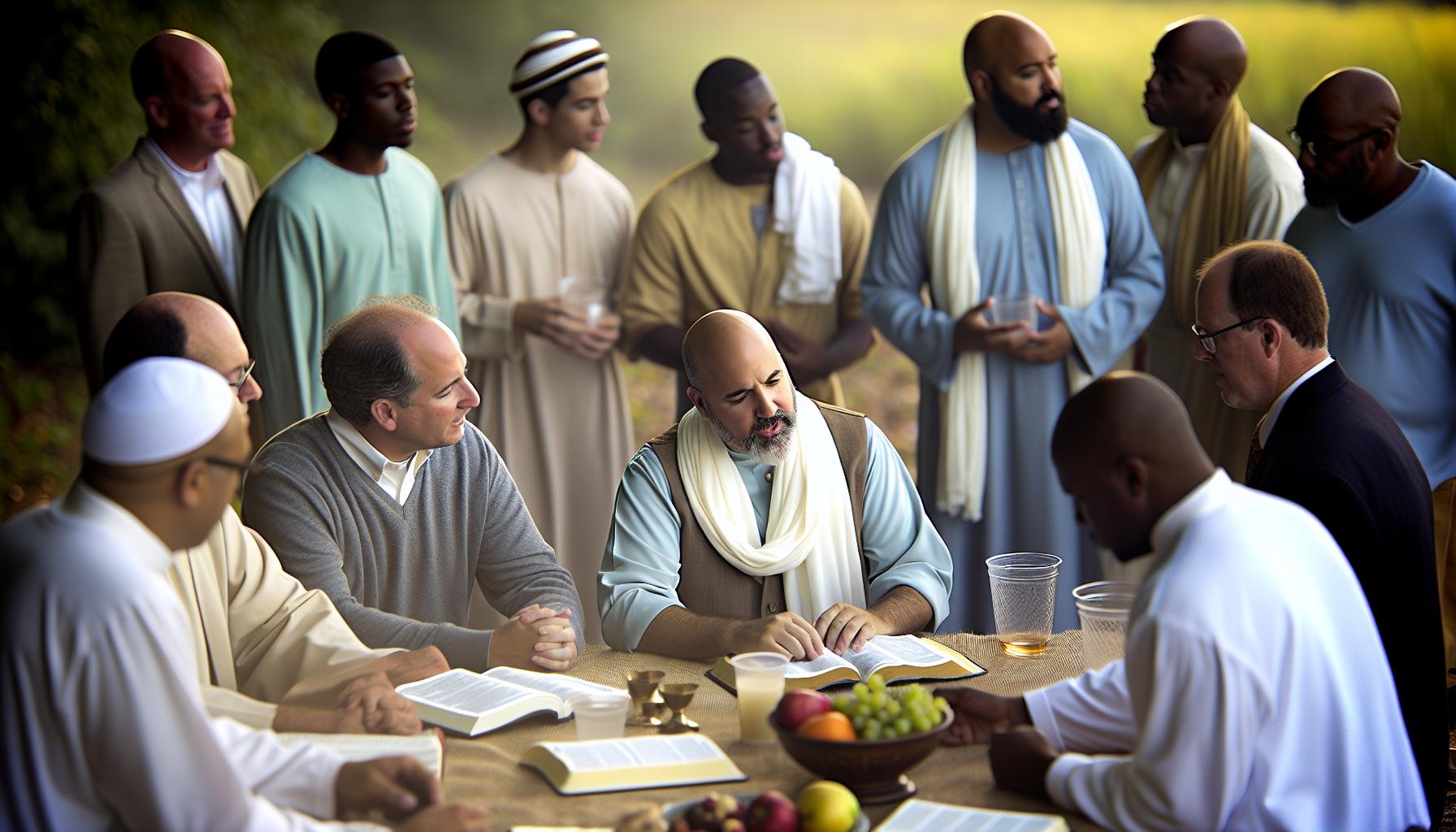
Frequently asked questions
Q: What qualities define a godly man according to the Bible?
A: A godly man embodies characteristics such as integrity, humility, compassion, and strong faith. He seeks to serve others, lives by biblical principles, and prioritizes his relationship with God. These qualities are essential for nurturing his spiritual life and influencing those around him positively.
Q: How can a man cultivate godly character in his life?
A: Cultivating godly character involves regular prayer, studying the Bible, and seeking accountability from fellow believers. Engaging in community service and reflecting on personal growth through scriptural teachings also support the development of a character aligned with God’s values.
Q: What does the Bible say about the role of a godly man in relationships?
A: The Bible teaches that a godly man should lead with love, treating others with respect and kindness. He is called to be a supportive partner, nurturing his relationships with honesty and integrity, embodying Christ-like behavior in all interactions (Ephesians 5:25).
Q: Why is prayer important for a godly man?
A: Prayer is crucial as it strengthens a godly man’s relationship with God, providing guidance, comfort, and wisdom. It serves as a means of communication, allowing him to express gratitude, seek direction, and support others through intercession, ultimately deepening his spiritual journey.
Q: What are the challenges faced by godly men today?
A: Godly men often encounter challenges such as societal pressures, temptations, and moral dilemmas. Navigating these issues requires a strong foundation in faith, reliance on God, and the support of a community of like-minded believers to help resist negative influences and promote spiritual growth.
Q: How can a godly man effectively parent his children?
A: A godly man can effectively parent by modeling Christ-like behavior, teaching biblical values, and fostering an environment of love and support. Engaging in open communication and praying together as a family strengthens their spiritual bond and instills faith in their children.
Q: What scriptural references inspire godly manhood?
A: Key scriptures include Psalm 1:1-3, which highlights the blessedness of a man who delights in God’s law, and 1 Timothy 6:11-12, urging men to pursue righteousness, godliness, faith, love, endurance, and gentleness. These verses serve as a guide for godly living.
Q: How does community support influence a godly man’s spiritual journey?
A: Community support is vital for a godly man, as it provides encouragement, accountability, and opportunities for growth. Being part of a group of believers can foster deeper connections, facilitate shared learning experiences, and create a nurturing environment for personal and spiritual development.
In Retrospect
As we reflect on what it means to be a godly man according to the Bible, remember that this divine blueprint is not just a set of guidelines but a pathway to a fulfilling and impactful life. Embrace the teachings of scripture to cultivate your spiritual life and model Christlike behavior in every aspect, from your relationships to your role as a leader. If you’re eager to deepen your journey, don’t miss our articles on Christian Parenting Guidance and Devotional Practices to further enrich your understanding and application of faith in everyday life.
Now is the time to take action! Subscribe to our newsletter for insights that will empower your faith journey and connect with like-minded believers. Have thoughts or questions? We invite you to share your insights in the comments below; your voice can inspire others. Remember, growth happens through engagement-explore our resources on Biblical Lifestyle Advice to continue this conversation and anchor your faith in practical ways. Together, let’s strive to embody the qualities of a godly man-be the leader, partner, and father God calls you to be!