In a fast-paced world filled with distractions, many Christians seek a deeper connection with their faith. “What Is Faithful Jappa? Ancient Prayers for Modern Christians” explores timeless prayers that bridge the gap between sacred tradition and contemporary spiritual practice. These prayers, grounded in biblical wisdom, not only enrich our personal devotion but also strengthen our collective faith.
As you navigate the complexities of modern life, understanding and incorporating ancient prayers can bring peace, clarity, and guidance. Whether you’re looking to enhance your prayer life, deepen your Bible study, or find meaningful ways to connect with God, this exploration of Faithful Jappa offers practical insights and inspiration for every believer. Join us as we uncover how these powerful prayers can transform your spiritual journey, fostering a faithful connection with God amidst the clutter of daily existence.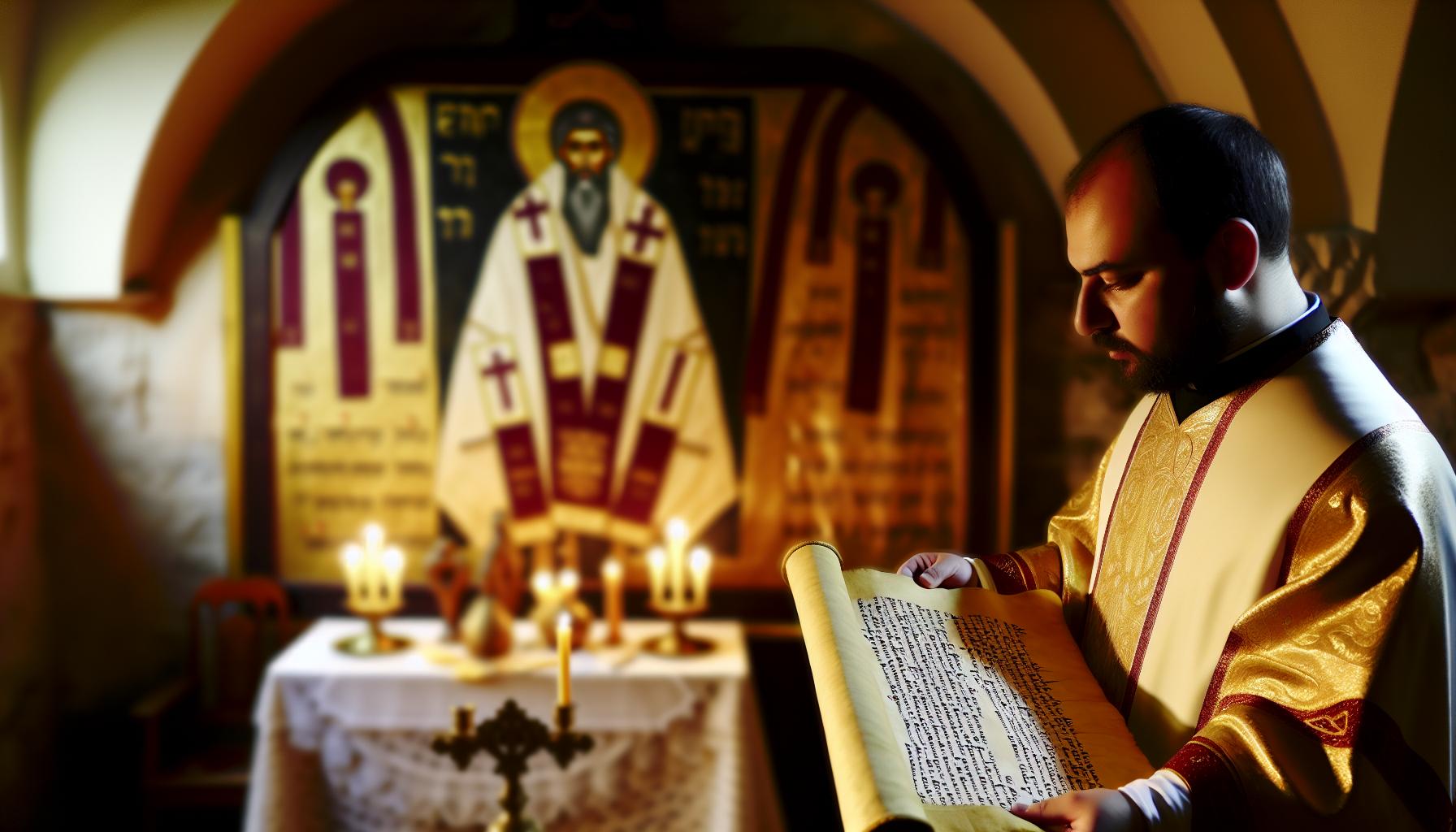
Contents
- 1 What Is Faithful Jappa? Understanding Its Historical Importance
- 2 The Role of Faithful Jappa in Ancient Christian Worship
- 3 Exploring the Structure of Faithful Jappa Prayers
- 4 How Faithful Jappa Can Enrich Your Modern Prayer Life
- 5 Incorporating Faithful Jappa into Daily Devotions
- 6 Faithful Jappa: A Bridge Between Ancient and Modern Faith
- 7 Personal Testimonies: Transformative Experiences with Faithful Jappa
- 8 Guiding Your Family Through Faithful Jappa Prayers
- 9 Faithful Jappa and its Impact on Community Worship
- 10 Adapting Faithful Jappa for Contemporary Christian Practices
- 11 Essential Resources for Deepening Your Faithful Jappa Journey
- 12 Uncovering Related Traditions: Other Ancient Prayers in Christianity
- 13 Frequently asked questions
- 14 Closing Remarks
What Is Faithful Jappa? Understanding Its Historical Importance
The rich tapestry of Christian prayer has long been woven with traditions that connect the faithful to their spiritual heritage. One such practice, known as Faithful Jappa, emerges as a profound expression of devotion, encapsulating both historical significance and contemporary relevance. Historically, Faithful Jappa is believed to have roots in the early church, where communal prayers and repetitive invocations were utilized to foster a deep spiritual connection. This method allowed early Christians to center their hearts and minds on God, aligning with the scriptural call to pray without ceasing (1 Thessalonians 5:17).
Faithful Jappa serves as a bridge between ancient practices and modern spirituality, offering believers a way to engage with their faith that is both rooted in tradition and adaptable to today’s context. The repetitive and rhythmic nature of these prayers aids in meditation, helping individuals carve out sacred space in their busy lives. It encourages a prayer life that is not merely about petitions but is infused with a desire for an intimate relationship with God. Whether recited in solitude or within a community, these prayers remind us of our shared faith journey, echoing the power and purpose of collective worship, as described in Matthew 18:20: “For where two or three gather in my name, there am I with them.”
As modern Christians navigate their spiritual paths, incorporating Faithful Jappa into their prayer lives can enrich their experiences. This practice invokes a sense of peace and continuity, allowing individuals to draw upon the wisdom and faith of generations past. By embracing such traditions, one acknowledges the enduring impact of historical prayer practices while also inviting deeper reflection and connection in their own faith journey. For those looking to deepen their prayer life, exploring Faithful Jappa provides an opportunity to create meaningful rhythms of prayer that resonate with both the heart and spirit, ultimately drawing closer to God in every moment.
The Role of Faithful Jappa in Ancient Christian Worship
The use of repetitive prayer forms in early Christian worship can be traced back to the heart of the community’s desire for a deeper connection with God. Among these practices, Faithful Jappa stands out as a significant mode of expressing faith, rooted in the communal and devotional life of the early church. This practice involved the recitation of specific prayers-in many cases, simple phrases repeated in a rhythmic manner-intended to foster both individual and collective contemplation. The entire congregation would often join together, creating a rich tapestry of voices unified in prayer, echoing the biblical assurance that God dwells where His people gather in His name (Matthew 18:20).
Faithful Jappa served multiple purposes in ancient Christian worship. Firstly, it cultivated a spirit of unity and fellowship among participants. As believers repeated prayers and invocations, they not only deepened their personal connections with God but also reinforced their bonds with one another. This shared experience was vital for the early church, as it navigated periods of persecution and uncertainty; collective prayer became a source of strength and encouragement. Furthermore, the rhythmic nature of these prayers aided worshippers in entering a meditative state, helping them to focus their hearts and minds on divine truths and scriptural teachings.
Additionally, these prayers were often steeped in scriptural foundations and early church doctrine, making them effective educational tools. By engaging in Faithful Jappa, believers were not only participating in worship but also object lessons in the teachings of Christ and the apostles. Phrases that echoed Scripture created a profound connection with God’s Word, reinforcing its teachings within the community’s worship life.
In this way, Faithful Jappa was more than mere repetition; it was a dynamic component of ancient Christian worship that helped shape the believers’ spiritual identities while forming an unbreakable link between the present and the shared history of faith. As such, even today, drawing upon the rich tradition of Faithful Jappa can inspire contemporary worship practices, reminding believers of the collective nature of prayer and the beauty found in shared expressions of devotion.
Exploring the Structure of Faithful Jappa Prayers
In the rich tapestry of Christian prayer traditions, Faithful Jappa stands out not only for its simplicity but also for its profound depth. At its core, the structure of Faithful Jappa prayers revolves around repetitive phrases that evoke a sense of peace and connection to the divine. These prayers are carefully crafted to facilitate both individual and communal worship, allowing participants to focus their hearts and minds on God. The rhythmic nature of these prayers encourages a meditative state, enabling worshippers to truly immerse themselves in the presence of God.
A hallmark of Faithful Jappa is its use of short, scripture-based phrases that can be easily committed to memory. Such phrases often include:
- “Lord, have mercy.”
- “I trust in You, O Lord.”
- “Praise the Lord, for He is good.”
These simple invocations not only enhance the prayer experience but also allow individuals to deepen their understanding of biblical truths. By repeating these phrases, believers reinforce their faith and cultivate a strong spiritual discipline that can accompany them throughout their daily lives. Each repetition serves as a gentle reminder of God’s promises and His unwavering presence.
Moreover, Faithful Jappa prayers encourage communal participation. In early Christian communities, these prayers were often recited in unison, creating a powerful atmosphere of unity and support. This shared experience was vital for nurturing fellowship among believers, especially in times of trial. When participants pray together, their voices merge into a symphony of devotion, reflecting the biblical call for believers to gather in fellowship. The communal aspect of Faithful Jappa not only enriches individual prayer life but also builds a stronger, more connected community of faith.
Lastly, incorporating these prayers into personal devotionals can elevate one’s spiritual journey. Setting aside intentional time to recite Faithful Jappa prayers-whether during quiet moments alone or in family gatherings-can lead to transformative experiences. As you engage with these prayers, consider creating a dedicated space for contemplation, perhaps lighting a candle or playing soft worship music. This structure will help foster an environment conducive to divine connection, making Faithful Jappa a timeless practice that harmonizes ancient tradition with modern spiritual living.
How Faithful Jappa Can Enrich Your Modern Prayer Life
Embracing ancient practices like Faithful Jappa can significantly enhance your modern prayer life, creating a profound space for personal connection with God. Today’s fast-paced world often distracts us from the contemplative silence needed for genuine prayer, but incorporating Faithful Jappa offers a remedy through its repetitive, scripture-based phrases that center our thoughts and hearts on the divine. As you repeat phrases such as, “Lord, have mercy” or “I trust in You, O Lord,” you cultivate an environment ripe for reflection, inspiration, and spiritual rejuvenation.
Utilizing Faithful Jappa in your daily routines can also deepen your understanding of biblical truths. Instead of simply reciting the prayers, take time to meditate on their meanings and implications. For instance, when you utter “Praise the Lord, for He is good,” reflect on the goodness of God in your life. You may choose to journal about experiences of His faithfulness or share these insights with family or friends, opening avenues for discussion and communal learning. This practice can help anchor your faith and encourage others to engage in similar contemplative practices.
Creating a Dedicated Prayer Space
Setting aside a dedicated space for prayer can greatly enhance your experience with Faithful Jappa. Consider creating an altar or a quiet corner in your home. Decorate it with meaningful items-perhaps a candle, Scripture verses, or personal mementos-that inspire a sense of reverence and focus. Lighting a candle when you pray can symbolize inviting God’s presence into that space, thus enriching your encounters with Him. This act transforms your prayer into a sacred ritual, making it easier to engage with the prayers’ rhythm and intent.
Family and Community Engagement
Incorporating Faithful Jappa into family worship or group gatherings can foster unity and deepen communal faith. Families might set aside time each week to pray these phrases together, creating a nurturing atmosphere for both children and adults, where they can share prayer requests and experiences. Consider creating a table where each family member can write down a phrase that resonates with them, and take turns incorporating these phrases into your communal prayers. This shared practice helps reinforce your family’s spiritual foundation while also illustrating the power of collective prayer.
By infusing your prayer life with the timeless practice of Faithful Jappa, you invite a rich heritage of faith into your daily routine, bridging ancient traditions with the realities of modern living. In doing so, you create opportunities for spiritual growth, deeper community connections, and a more vibrant relationship with God.
Incorporating Faithful Jappa into Daily Devotions
Incorporating ancient practices like Faithful Jappa into your daily devotions can be a transformative experience, helping to deepen your relationship with God amidst the distractions of modern life. Integrating these repetitive, scripture-based prayers into your routine creates a rhythm that invites peace and reflection. You don’t need to set aside hours; even just a few moments infused with the heartfelt recitation of these prayers can significantly impact your spiritual life, providing comfort and direction as you navigate your day.
One effective way to integrate Faithful Jappa into your daily routine is through structured times of prayer throughout your day. Consider setting aside specific moments-perhaps in the morning before you start your daily tasks, during lunchtime to re-center your thoughts, or in the evening as you reflect on the day. Use phrases such as, “Thy will be done” or “Lord, have mercy” during these moments to draw your focus back to God. You might also create a prayer journal where you can jot down thoughts and reflections about what these prayers mean to you, which helps personalize and deepen your engagement.
Engaging with Scripture Alongside Prayer
Pairing Faithful Jappa with Scripture can significantly enhance your devotional life. Choose a specific prayer and look up related passages that speak to the themes of your prayer. For instance, when you recite “Lord, I trust in You,” consider reading Proverbs 3:5-6, which encourages trust in the Lord with all your heart. This combination not only enriches your understanding but also reinforces the promises and truths found in God’s Word.
Additionally, why not involve your family in this practice? Encourage family members to select their favorite prayers and share how these resonate with their lives. This not only fosters unity but allows for a diverse expression of faith within the family context. By discussing the prayers and their meanings together, you can cultivate an environment of support and shared spiritual growth.
Incorporating Faithful Jappa into your daily life is more than a ritual; it’s a pathway to deepening your faith and connection to God. As you embrace these prayerful practices, you’ll find that they serve as both a reminder of God’s timeless truth and a guide for your daily walk of faith, fostering both personal and communal growth in a spiritually nurturing way.
Faithful Jappa: A Bridge Between Ancient and Modern Faith
In a world inundated with distractions and rapid changes, ancient practices such as Faithful Jappa can serve as a much-needed anchor, bridging the gap between historical traditions and contemporary faith. This timeless discipline invites believers to connect deeply with their spiritual roots, fostering a relational understanding that transcends the centuries. By engaging with these prayers, modern Christians are able to access profound insights that have been echoed through generations, embracing the same spirit of devotion that inspired early believers.
This practice encourages repetitive meditative prayer, which can cultivate a focused heart and mind amid the clamoring demands of daily life. Engaging with Faithful Jappa allows believers to internalize scripture and reflect on its truths continuously. Each prayer serves as a touchpoint, drawing the faithful back to biblical principles that remain relevant today. For example, repeating phrases like “Lord, have mercy” invites a spirit of humility and dependence on God, reminiscent of the echoes found within ancient liturgies. This cyclical engagement not only enriches individual spiritual journeys but also aligns them with the larger narrative of the Christian faith.
To fully appreciate how Faithful Jappa serves as a bridge between ancient and modern faith, consider how it encourages community worship and relationship-building among believers. Incorporating these prayers into congregational settings can revitalize the worship experience, creating a shared rhythm that resonates with diverse generations. In family contexts, parents can model the practice, teaching children the significance behind the prayers, thus instilling a sense of continuity in faith.
Ultimately, the embrace of Faithful Jappa can unify believers across time, reinforcing the understanding that while cultures and circumstances may shift, the call to connect with God through prayer remains constant. Whether recited individually or communally, these sacred words evoke a rich spiritual heritage that nurtures both personal transformation and collective identity in the body of Christ.
Personal Testimonies: Transformative Experiences with Faithful Jappa
In the journey of faith, personal testimonies often illuminate how ancient practices resonate deeply in modern lives. Many believers have found that engaging with Faithful Jappa not only enriches their spiritual experience but acts as a profound means of transformation. For instance, Sarah, a mother of three, recounts how incorporating these prayers into her family’s evening routine has shifted their dynamic. “At first, it felt repetitive,” she shares, “but soon we found peace in the rhythm. It’s our sacred time where we pause and reconnect with God and each other.” This sense of community and shared faith has not only strengthened their bonds but has also instilled a sense of quietude amid the chaos of their daily lives.
Similarly, individuals like Michael testify to the personal transformation they experience through the repetitive meditative nature of Faithful Jappa. Struggling with anxiety, he turned to these prayers seeking solace. “Reciting ‘Lord, have mercy’ became not just a prayer but a lifeline,” he reflects. “The simple act of repetition allows my heart to slow down, and in that stillness, I can hear God speaking to me.” Michael’s experience reflects how these ancient prayers provide stability, grounding the faithful in truth even amidst life’s uncertainties.
Experiences like these remind us that Faithful Jappa serves not only as a tool for personal reflection but also invites us into deeper community engagements. In group settings, reciting these prayers can foster transparency as individuals share their burdens and joys alike. Elena, who facilitates a weekly prayer group, emphasizes this point: “When we come together and recite the prayers, it becomes a sacred space for healing and encouragement. Each word binds us closer, creating a tapestry of faith.” Such communal practices remind us of the power of shared faith experiences and the call to uplift one another in prayer.
As believers seek to deepen their connection with God and their community, the testimonies of those who embrace Faithful Jappa can serve as a guide. These stories not only highlight the transformative power of prayer but also encourage others to explore how these ancient practices can bring renewal to their spiritual journeys. Through personal dedication and communal support, Faithful Jappa can become a source of strength, inviting individuals and families to forge deeper spiritual connections rooted in time-honored tradition.
Guiding Your Family Through Faithful Jappa Prayers
Incorporating Faithful Jappa prayers into your family’s routine can foster an enriching spiritual atmosphere and deepen connections with God. These prayers, rooted in ancient Christian tradition, offer a structured yet flexible approach to prayer that can bring about unity and reflection within your home. By creating a space for collective worship, you are inviting not only divine presence but also an opportunity for growth in faith and understanding.
To guide your family through Faithful Jappa prayers, consider establishing a dedicated time in your daily or weekly schedule. This could be during family meals, before bedtime, or on a designated prayer night. Consistency is crucial, as it allows everyone in the family to anticipate and prepare for this sacred time. Here are some practical steps to make this prayer time meaningful:
- Set the Atmosphere: Choose a quiet, comfortable space where distractions are minimal. Lighting candles or playing soft worship music can enhance the experience.
- Lead with Scripture: Start with a brief reading from the Bible that resonates with your family. This might be a psalm or a passage that relates to the themes of humility and mercy, setting a reflective tone.
- Practice Repetition: Reciting the same prayers or mantras collectively allows everyone to engage fully and internalize the messages. This repetition can create a comforting rhythm, much like a familiar song.
- Encourage Participation: Allow each family member to contribute by taking turns leading prayers or sharing personal intentions. This helps cultivate an atmosphere of inclusiveness and community.
As you integrate these practices, remind everyone of the essence of Faithful Jappa-its call to mercy and connection with God. Use this time to reflect on the week, express gratitude, and pray for one another’s needs. You might find it valuable to end with a moment of silence, giving space for personal prayers or insights that may emerge during your gathering.
These practices not only enhance spiritual life but also serve the dual purpose of fostering closeness among family members. As your family embraces Faithful Jappa, you’ll find the prayers serve as a bridge, connecting the ancient wisdom of Christianity with the modern faith journey, and planting seeds of spiritual growth that can flourish for generations.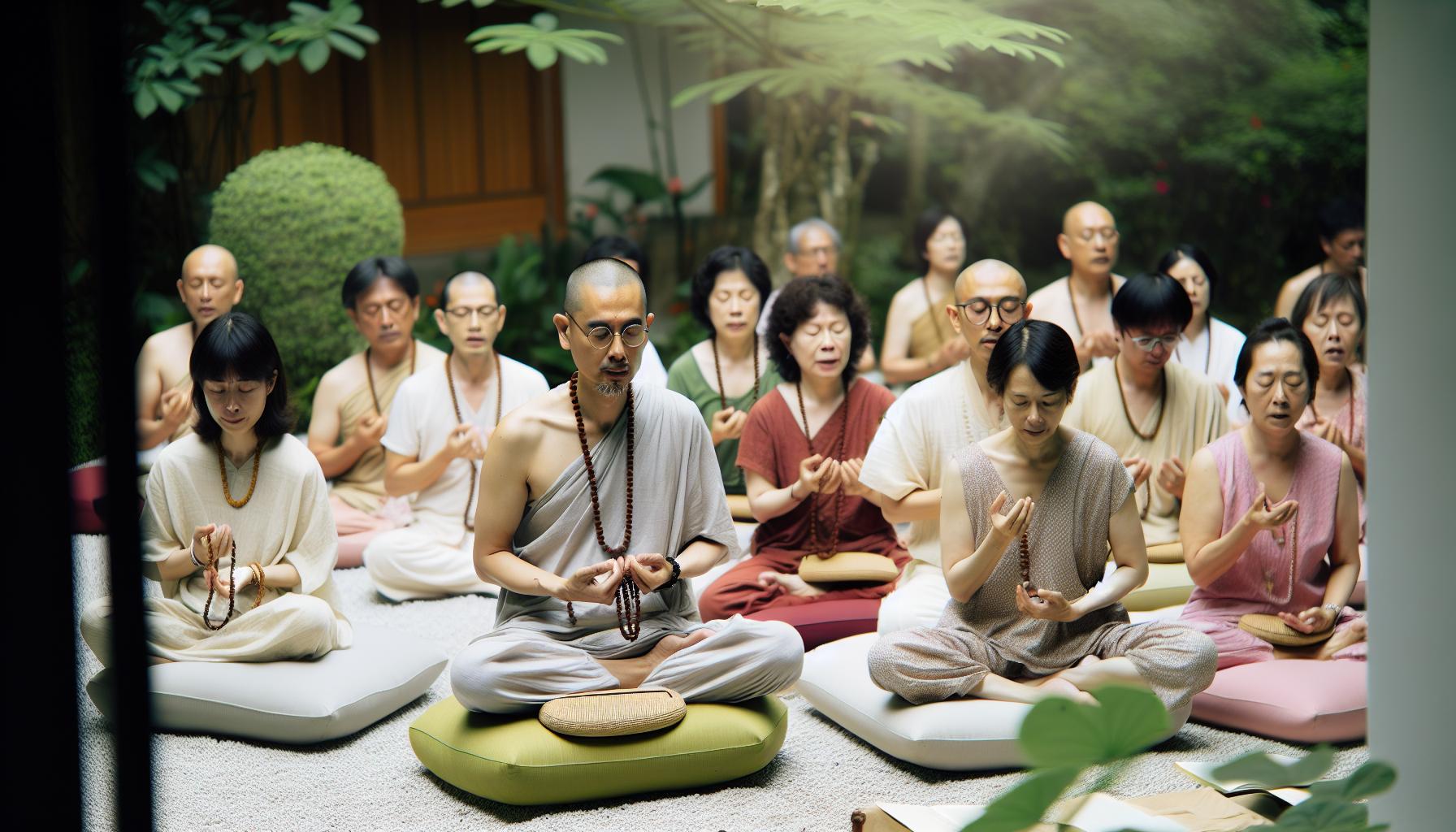
Faithful Jappa and its Impact on Community Worship
Incorporating Faithful Jappa prayers into community worship not only enriches the spiritual atmosphere but also deepens the collective connection among believers. The repetition and familiarity of these ancient prayers create a sense of unity, inviting participants into a shared experience of worship that transcends individual understanding and personal faith journeys. As congregants engage in these structured yet flexible practices, they are reminded of their communal heritage and the communal nature of faith itself.
One of the most impactful aspects of Faithful Jappa in community settings is its ability to foster a sense of belonging and togetherness. When congregations come together to recite these prayers, they collectively affirm their commitment to the teachings and values embodied in the prayers. Here are some practical ways to integrate Faithful Jappa into community worship:
- Community Prayer Nights: Organizing specific nights dedicated to Faithful Jappa prayer can help create anticipation and eagerness among members to participate. This practice strengthens bonds between individuals as they share their journey of faith.
- Thematic Prayers: Aligning Faithful Jappa prayers with specific themes, such as gratitude or healing, can allow congregations to focus their collective intentions and foster deeper discussions about those themes in their lives.
- Intergenerational Participation: Encouraging participation from all ages creates a rich tapestry of voices and expressions within the community. When children, youth, and adults engage with Faithful Jappa, it promotes a sense of legacy and continuity within the faith community.
- Prayer Circles: Breaking into smaller groups for Faithful Jappa prayers encourages intimate sharing and connection, allowing members to pray more personally for one another’s needs and experiences.
By embedding these practices into community worship, Faithful Jappa not only serves as a bridge connecting ancient traditions to modern expressions of faith, but it also cultivates a strong sense of community coherence. It invites members to share their stories, intercede for each other, and witness the transformative power of prayer collectively. Such communal gatherings remind believers of the Scripture’s promise in Matthew 18:20, “For where two or three gather in my name, there am I with them,” highlighting the sacredness of shared worship. Ultimately, the integration of Faithful Jappa into community settings can invigorate spiritual life, strengthen relationships, and grow believers in their shared faith journey together.
Adapting Faithful Jappa for Contemporary Christian Practices
In today’s fast-paced world, incorporating ancient practices like Faithful Jappa into contemporary Christian life offers a refreshing perspective on spiritual growth and discipline. This rich tradition of prayer connects us with the historical roots of our faith, enriching our personal relationships with God while making room for modern expressions of worship. As we seek deeper intimacy with Christ, adapting Faithful Jappa can serve as a transformative approach that enhances both individual devotion and community engagement.
To begin, consider establishing a daily rhythm that integrates Faithful Jappa prayers into your routine. These structured prayers can be woven through moments of stillness during the morning or evening, creating sacred space in your busy day. Utilizing mobile apps or printed prayer cards can facilitate this practice, making it easily accessible. As you recite familiar phrases, take time for reflection, inviting the Holy Spirit to guide your thoughts and intentions. This intentional pause can position your heart and mind towards seeking God’s presence, grounding you in His promises amidst daily distractions.
Additionally, engaging with Faithful Jappa in group settings adds a layer of depth to its practice. Designate times during church gatherings or small group meetings to explore these prayers collectively. You might consider thematic prayer sessions that align with community needs, such as healing, gratitude, or guidance. Encouraging dialogue about the meaning and implications of these prayers can foster not just individual insights but also communal growth. This communal exploration reinforces the interwoven nature of our faith, reminding us that while our journeys are personal, they also flourish in the context of community.
As you navigate the integration of Faithful Jappa with modern practices, remember that the goal is not merely to preserve tradition but to enliven your faith and express it in ways that resonate with contemporary life. By nurturing a balance between ancient prayers and today’s spiritual practices, you create a vibrant tapestry that weaves historical wisdom into the fabric of your everyday faith journey, allowing for a profound experience that speaks both to the past and the present.
Essential Resources for Deepening Your Faithful Jappa Journey
In the pursuit of enriching your spiritual journey, exploring Faithful Jappa can be transformative, allowing believers to connect deeply with God through structured prayer practices. To cultivate a meaningful experience with Faithful Jappa, several resources can guide you on this authentic path, making it accessible and impactful for all stages of your faith journey.
One excellent resource is prayer books specifically tailored to Faithful Jappa. These books often contain historical context, examples of prayers, and reflections that can enhance your understanding and appreciation of the practice. Look for titles like “Faithful Jappa: Ancient Prayers for Modern Believers,” which may offer both written prayers and guidance on how to incorporate them into your daily life.
Another effective tool is mobile applications designed for prayer and meditation. Apps like “PrayerMate” or “Echo Prayer” can help you keep track of your daily prayers and inspirations, making it easier to integrate Faithful Jappa into your routine. With customizable notifications, you’ll be reminded to pause for prayer, allowing you to infuse your day with moments of sacred reflection.
Engaging with online communities can also significantly enhance your Faithful Jappa journey. Websites like forums and social media groups allow you to interact with fellow believers who share insights, experiences, and guidance on the practice. This connection can provide encouragement and motivation as you explore the depths of prayer and worship with others.
Additionally, consider attending workshops or retreats focused on prayer and spiritual growth. These events often include sessions dedicated to ancient practices like Faithful Jappa, allowing you to learn physically and spiritually in a supportive environment. Such experiences can provide new perspectives and deepen your connection to the tradition.
By leveraging these resources, you can create a robust framework for deepening your journey with Faithful Jappa. Embracing these practices fosters not only personal growth but also encourages a vibrant community of faith, enriching your relationship with God and enhancing your overall spiritual life.
Uncovering Related Traditions: Other Ancient Prayers in Christianity
Throughout Christian history, the practice of prayer has woven a rich tapestry of ancient traditions, each designed to draw believers closer to God. Exploring related traditions to Faithful Jappa can enhance our understanding of worship and deepen our personal prayer lives. From the repetitive prayers of the early church to the contemplative practices of monastic life, these ancient forms serve as a reminder of our shared heritage of faith.
One such practice is the Liturgy of the Hours, also known as the Divine Office. This systematic approach to daily prayer comprises specific prayers and readings that mark the hours of the day, creating a rhythm of worship throughout one’s daily life. Historically, it was established by early monastic communities who sought to sanctify each hour with prayer, echoing Paul’s exhortation to “pray without ceasing” (1 Thessalonians 5:17). By incorporating elements of the Liturgy, such as morning and evening prayers, followers of Faithful Jappa can create intentional times for communion with God, thereby enriching their spiritual discipline.
In addition, the Rosary, rooted in centuries of tradition, serves as a meditative prayer that invites believers to reflect on the life of Christ and the Virgin Mary. Each bead represents a prayer – the Our Father, Hail Mary, and Glory Be – helping practitioners focus their minds and hearts. For those exploring Faithful Jappa, elements of repeated prayer found in the Rosary can complement their journey by introducing communal and meditative practices that foster a deep sense of connection with God and others.
Another influential ancient prayer form is the Jesus Prayer, a simple yet profound invocation that has been used through Orthodox Christian communities for centuries: “Lord Jesus Christ, Son of God, have mercy on me, a sinner.” This prayer encapsulates a deep reliance on Christ and encourages believers to cultivate a habit of penitence and humility in their daily lives. By repeating this prayer throughout the day, followers can meditate on their need for God’s grace, which aligns beautifully with the principles of Faithful Jappa.
Incorporating these ancient prayers into your exploration of Faithful Jappa not only honors historical practices of the faith but also opens doors to personal renewal and deeper connection with God. Whether through structured prayers or quiet moments of reflection, these traditions can serve as bridges to a fuller and more engaged spiritual life, reminding us that we are part of a legacy of faith that transcends time.
Frequently asked questions
Q: What are the key themes of Faithful Jappa prayers?
A: Key themes of Faithful Jappa prayers include faithfulness, supplication, and reverence for God. These prayers emphasize the importance of spiritual connection and historical continuity in Christian worship, blending ancient traditions with contemporary practices. For deeper insights, check “The Role of Faithful Jappa in Ancient Christian Worship.”
Q: How can I start using Faithful Jappa in my prayer routine?
A: To incorporate Faithful Jappa into your prayer routine, start by selecting a few prayers that resonate with you. Set aside dedicated time for prayer, focusing on the historical significance and spiritual intent of each prayer. This practice will enrich your daily devotional life and enhance your relationship with God.
Q: What makes Faithful Jappa distinct from other prayer forms?
A: Faithful Jappa is distinct because it preserves ancient Christian prayer traditions while adapting them for modern believers. It bridges the gap between historic worship practices and contemporary faith expressions, promoting a deeper understanding of Christian spirituality. Explore more about this in “Faithful Jappa: A Bridge Between Ancient and Modern Faith.”
Q: Can Faithful Jappa improve my understanding of Christian spirituality?
A: Yes, practicing Faithful Jappa can significantly enhance your understanding of Christian spirituality by connecting you to the rich heritage of prayer in the Church. By engaging with these prayers, you can gain insights into the heart of historical faith practices and how they apply today.
Q: How do I choose the right Faithful Jappa prayers for my family?
A: Choose Faithful Jappa prayers that resonate with your family’s spiritual journey and needs. Consider prayers that address specific concerns or celebrations in your life. Involve family members in the selection process to encourage participation and deepen collective faith, referencing “Guiding Your Family Through Faithful Jappa Prayers.”
Q: Are there resources to help me deepen my practice of Faithful Jappa?
A: Yes, there are numerous resources available for deepening your practice of Faithful Jappa, including books, online courses, and community groups. Engage with these materials to better understand the prayers and their historical context, leading to a more fulfilling spiritual experience.
Q: How can Faithful Jappa influence community worship today?
A: Faithful Jappa can enhance community worship by fostering a shared understanding of traditional prayers and encouraging congregational participation. Incorporating these prayers into services can create a rich worship experience that honors both history and contemporary faith practices.
Q: What are some personal testimonies related to Faithful Jappa?
A: Many individuals report transformative experiences with Faithful Jappa, citing greater peace, clarity, and spiritual growth. Personal testimonies highlight how these prayers have deepened relationships with God and enriched their prayer lives, as discussed in “Personal Testimonies: Transformative Experiences with Faithful Jappa.”
Closing Remarks
As we conclude our exploration of “What Is Faithful Jappa? Ancient Prayers for Modern Christians,” remember that integrating these timeless prayers into your life can deepen your spiritual journey and enhance your Christ-centered practices. We encourage you to take the next step: revisit our articles on enhancing your prayer life and discover the power of devotionals that can transform your daily routines.
Don’t miss out on our free resources tailored for enriching your Bible study and for Christian parenting guidance-tools that support you as you nurture your faith family. Join our newsletter for ongoing inspiration, and feel free to share your thoughts in the comments below; we love hearing how ancient prayers resonate in your modern life. Your journey matters, and we’re here to walk alongside you. Dive deeper into your faith today!