
In a world striving for meaning, understanding what constitutes a “godly heritage” can profoundly shape our lives and those of future generations. A godly heritage encompasses values, teachings, and traditions rooted in faith that nurture spiritual growth and resilience. As believers, we often wrestle with the desire to leave a lasting impact, both in our communities and within our families. By exploring the concept of godly heritage, we can uncover practical ways to embed faith into our everyday lives-through prayer, scripture study, and acts of love-creating a legacy anchored in Christ. This journey isn’t merely about what we leave behind but how to lead lives that inspire those who follow us. Join us as we delve into the essence of godly heritage and discover how you can cultivate a legacy that endures through faith, love, and divine purpose.
Contents
- 1 What Is Godly Heritage and Its Importance?
- 2 The Biblical Foundation of Legacy Building
- 3 Key Principles for Leaving a Lasting Legacy
- 4 Nurturing a Godly Heritage in Your Family
- 5 Impact of Faith on Future Generations
- 6 Stories of Faith: Inspiring Examples of Godly Heritage
- 7 Practical Steps to Develop a Spiritual Legacy
- 8 Incorporating Prayer and Worship in Daily Life
- 9 Teaching Values through Christian Parenting
- 10 Creating a Supportive Church Environment
- 11 Overcoming Challenges in Building a Legacy
- 12 Embracing God’s Promises for Future Generations
- 13 Frequently asked questions
- 14 Insights and Conclusions
What Is Godly Heritage and Its Importance?
Building a legacy that endures beyond our lifetime is a profound calling for every believer. A godly heritage serves as the framework for this legacy, knit together by faith, values, and the teachings of Scripture. It encapsulates not just what we leave behind materially, but the spiritual imprints that shape the lives of our descendants and the community around us. In a world that often prioritizes fleeting achievements and material wealth, establishing a godly heritage invites families to invest in a richer, more meaningful inheritance-a legacy founded on love, righteousness, and unwavering faith in God.
Understanding the significance of a godly heritage begins with recognizing its biblical roots. Scripture is replete with examples of families who honored their faith and passed down their spiritual beliefs through generations. Consider the stories of Abraham, Isaac, and Jacob; their lives illustrate how commitment to God and His promises can create a lineage marked by faithfulness. This act of legacy building is not merely a task but an ongoing journey, filled with intentional decisions that reflect God’s love and teachings. By nurturing an environment steeped in prayer, worship, and scriptural study, families can cultivate a spiritual foundation that resonates through the ages.
To effectively nurture a godly heritage, families should focus on several key practices. First, regularly engaging in prayer and incorporating it into daily activities lays a strong foundation for spiritual growth. Parents can encourage their children to share their prayer requests and to see God’s hand in the answers received. Additionally, prioritizing family devotional time not only fosters spiritual discussions but also helps children understand biblical narratives and apply them to their lives.
Moreover, cultivating a supportive church environment enhances a family’s spiritual journey. Being involved in a church community allows families to connect with fellow believers, share in collective worship, and support one another in faith-building activities. This communal aspect of faith enriches the legacy of godly heritage, reminding us that we are part of a greater family in Christ. As families gather around these principles, they are reminded that their choices today will reverberate into future generations, echoing the importance of nurturing faith as both a personal and collective legacy.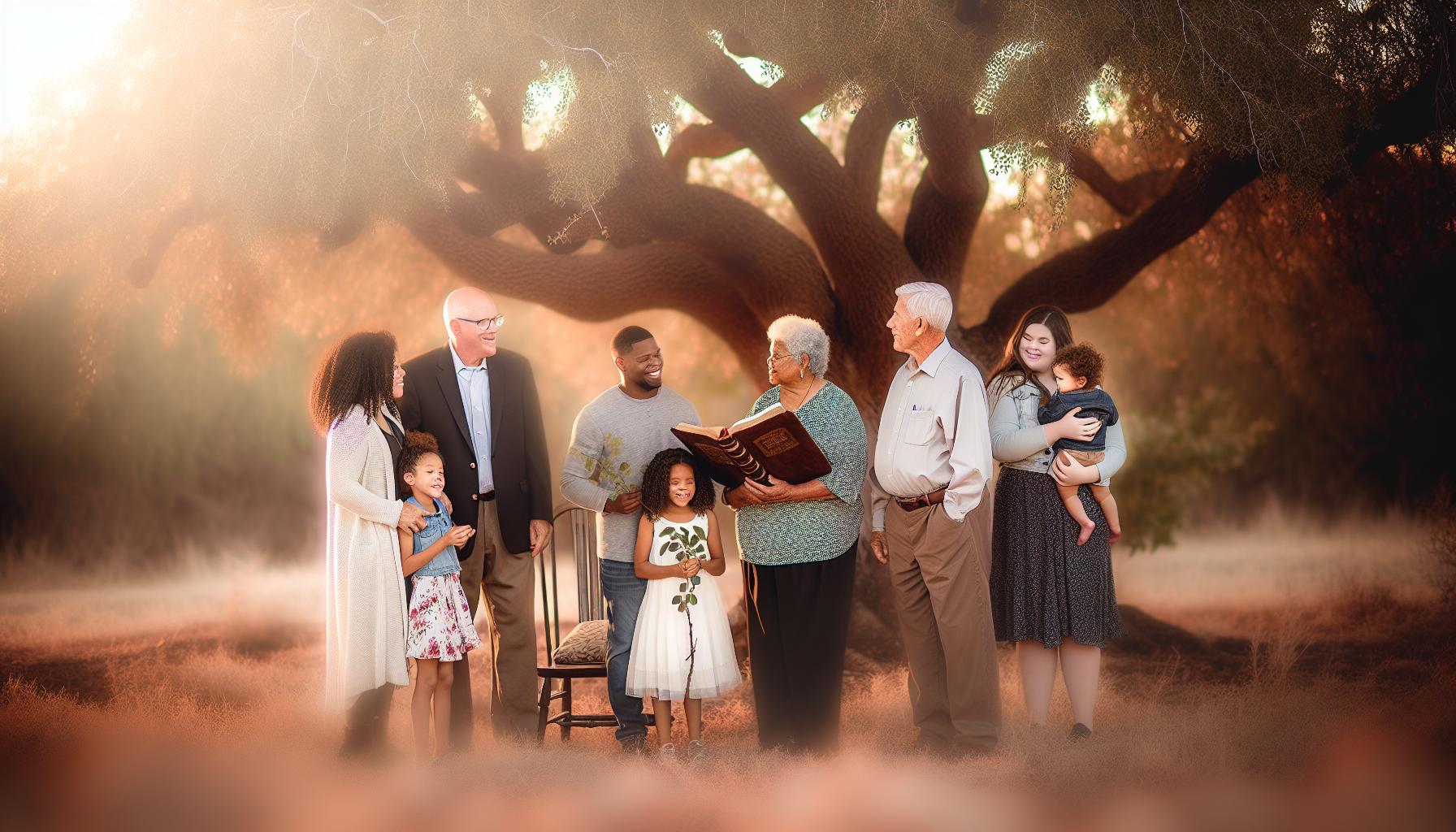
The Biblical Foundation of Legacy Building
Our understanding of legacy is deeply rooted in Scripture, where we find countless examples of individuals and families who built their lives around their faith and passed those values down through generations. A godly heritage, thus, is not merely a reflection of our material possessions or achievements; it is an embodiment of our commitment to God and the impact of that commitment on our lineage. The Bible invites us to consider the profound implications of our spiritual choices today and how they resonate within our families, shaping the beliefs and values of those who follow us.
One of the most powerful narratives in Scripture is that of Abraham, Isaac, and Jacob. Their lives illustrate how a deep commitment to God can create a legacy marked by faithfulness and obedience. Abraham, known as the father of faith, navigated challenges that tested his trust in God, ultimately setting a precedent for his descendants. In Genesis 18:19, God recognizes Abraham’s faithful stewardship, declaring that he will instruct his children and his household to keep the way of the Lord. This intended guidance reflects the pivotal role of intentionality in building a spiritual legacy.
To cultivate a strong biblical foundation for our legacy, families can engage in several vital practices:
- Consistent Prayer: Integrating prayer into daily life fosters a culture of reliance on God and teaches children the importance of communication with their Creator.
- Family Devotions: Regular family devotionals can reinforce biblical teachings and create space for open dialogue about faith, offering children opportunities to ask questions and express their beliefs.
- Modeling Christ-like Behavior: Parents serve as primary examples of faith. By embodying Christ’s teachings in their actions, they instill these values within their children.
The heart of a lasting legacy lies in these moments of connection, whether through shared readings from the Bible or discussions of how God has worked in daily life. These foundational practices help families chart a course toward building a heritage that, rooted in faith and devotion, will echo through generations. As we reflect on our personal and family history, let us remember that every choice we make has the potential to influence not just our immediate surroundings but also the spiritual trajectory of our descendants. Embracing this responsibility means actively participating in God’s promise to bless and multiply the faith of those who come after us.
Key Principles for Leaving a Lasting Legacy
Leaving a legacy that resonates with future generations is not merely an act of goodwill; it’s a divine calling to shape the lives of those who follow us. A godly heritage is crafted through intentional choices that reflect our faith and commitment to God’s ways. By establishing key principles that guide our actions and teachings, we not only nurture our spiritual growth but also create an enduring impact that extends beyond our lifetime.
One foundational principle is the importance of intentional discipleship. This involves investing time in teaching biblical truths to our children and loved ones. Providing them with the tools to understand Scriptures and how to apply them in their daily lives is crucial. Regular family gatherings for prayer, study, and devotion serve to reinforce these teachings, creating an environment where faith can flourish. This deliberate engagement will help instill a strong Christian worldview in the hearts and minds of the next generation.
Another essential principle is the modeling of authentic faith. Our actions often speak louder than words, and demonstrating a life rooted in Christ-like behavior can have a profound effect. As parents and mentors, when we live out our convictions-showing love, humility, and forgiveness-we set a powerful example. Sharing our testimonies of God’s faithfulness in difficult times can provide hope and encouragement, reminding our families that God is with them through every trial.
Moreover, the practice of community involvement cannot be overlooked. Being an active participant in a supportive church environment encourages not just individual growth but collective spiritual nurturing. Involvement in church activities and service to others models the love of Christ in action, reinforcing the importance of serving God’s kingdom. This allows families to witness faith in action, demonstrating that a godly legacy is not just about belief, but about living that belief transparently in community.
Lastly, letting go of past mistakes and embracing God’s grace is vital to leaving a lasting legacy. We all fall short, but teaching our families about the power of redemption and forgiveness enables them to navigate life’s challenges without the burden of guilt. By focusing on growth rather than perfection, we can cultivate resilience in faith and encourage future generations to lean on God’s promises confidently.
In summary, leaving a lasting spiritual legacy is about fostering a culture of faith through intentional discipleship, authentic living, community service, and embracing grace. Such principles, deeply rooted in our daily lives, will echo through time, shaping the beliefs and actions of generations yet to come.
Nurturing a Godly Heritage in Your Family
Creating a godly heritage within your family is one of the most profound responsibilities entrusted to you as a parent or guardian. It is not merely about imparting knowledge of scripture but about embedding a deep-rooted sense of faith in the very fabric of your family. When you actively nurture a godly heritage, you are laying down a legacy of spiritual strength, resilience, and love that will serve your children and their descendants throughout their lives.
To start cultivating this heritage, consider the essential role of consistent prayer and worship in daily life. Setting aside specific times for family prayer helps to unify the household under God’s presence, cultivating an atmosphere of reverence and dependency on Him. Families that pray together become more than just a unit; they form a community centered around Christ. Use daily routines-mealtime, bedtime, or commuting-as opportunities for prayer or reading Scripture together. This practice not only strengthens family bonds but also teaches children the importance of faith in all aspects of life.
Equally important is the modeling of genuine faith. Children watch their parents closely; thus, it is vital to be authentic in your walk with Christ. Share your struggles, victories, and how God’s grace has played a role in your life. Let your family see your dependence on God through active engagement in your faith. Show them what it means to live out Christian values in the workplace, community, and home. The prayers they witness, the discussions on moral and ethical dilemmas, and even your responses to daily challenges will teach them more than any words alone could convey.
Additionally, creating moments for family discussions about faith can greatly enhance your family’s spiritual heritage. Designate a day each week to delve into a specific Bible story or thematic lesson that can be discussed openly. Encourage your children to express their thoughts and feelings about the material, fostering a safe space to explore doubts and deepen their understanding. This communal exploration not only reinforces the principles of faith but also builds their confidence in articulating their beliefs.
As you embark on this journey of nurturing a godly heritage, remember that small, intentional acts accumulate over time, culminating in powerful spiritual legacies. With every prayer, every shared story, and every commitment to live authentically in faith, you are shaping your family’s narrative. You are instilling values that guide your family through life’s storms while also brightening their path in times of tranquility. Ultimately, embracing this calling invites God’s transformative power into your family, ensuring that the legacy you leave is one that honors Him and inspires future generations to walk in His ways.
Impact of Faith on Future Generations
The influence of faith on future generations cannot be overstated; it shapes not only the spiritual lives of children but also their moral compass and character. When parents intentionally nurture a godly heritage, they instill values and beliefs that echo through time, impacting not just their children but also their grandchildren and beyond. According to Deuteronomy 6:6-7, God commands us to impress His words on our children, ensuring that the principles of faith are a constant part of family life. This isn’t merely passive teaching but an active, engaging process that involves prayer, discussion, and living out faith through daily actions.
To foster this profound impact, it is essential to create a family culture steeped in spirituality. This can include setting aside specific times for family devotionals where Bible stories are read, discussed, and applied to everyday situations. Encouraging open dialogue about faith helps children feel comfortable asking questions and exploring their own beliefs, which is vital for developing a personal relationship with God. As they observe their parents living out Christian principles-such as love, forgiveness, and service-they learn to embody these values themselves.
Furthermore, involving children in church community activities can reinforce their understanding of faith and its importance. When they see a community engaged in worship, service projects, and fellowship, it reinforces the idea that faith is not just a personal journey but also a communal one. Encouraging participation in church events, youth groups, or mission trips allows them to connect with other believers, fostering friendships that encourage their spiritual growth.
Ultimately, the legacy of faith is not just about passing down knowledge; it actively involves walking alongside the next generation, guiding them in the path of righteousness. By creating a home and community where faith is lived out authentically and vibrantly, parents lay a solid foundation for their children that will influence their choices and attitudes, guiding them toward a life that honors God. The spiritual investments made today will bear fruit in their lives and the lives of future generations, making the pursuit of a godly heritage a truly transformative endeavor.
Stories of Faith: Inspiring Examples of Godly Heritage
Many families have stories of faith that illuminate the profound impact of a godly heritage. One such inspiring tale is that of the Graham family, particularly Billy Graham, whose steadfast commitment to faith left an undeniable legacy. Raised in a Christian household, Billy’s parents instilled in him the values of humility, service, and a deep relationship with God. Throughout his lifetime, Billy exemplified these principles, passionately sharing the Gospel and encouraging others to develop their own faith. His legacy continues today through the countless lives transformed by his ministry, reminding us that the impact of a godly heritage can ripple through generations.
Another compelling example is the family of Charles Spurgeon, the renowned preacher known as the “Prince of Preachers.” His upbringing fostered an environment rich in spiritual depth. His mother played a significant role, beginning his education in scripture at an early age, teaching him to immerse himself in the Bible and prayer. Spurgeon’s devotion to God shaped not only his life but also inspired countless believers to embrace their faith passionately. He often emphasized the importance of maintaining a close relationship with God, illuminating that a godly heritage is cultivated through consistent spiritual practices.
Stories like these serve as a beacon of hope and encouragement for families today. By reflecting on the legacies left by those who have gone before us, we gain a clearer picture of how impactful faith can be when nurtured intentionally. Here are a few practical steps families can take to develop their own stories of faith:
- Engage in Family Devotions: Set aside time each week for family prayer and Bible study, creating space for open dialogue about faith.
- Share Personal Testimonies: Encourage family members to share their faith journeys, reinforcing the idea that every story matters.
- Participate in Service Projects: Involve the family in community service, linking faith with action and demonstrating love in practice.
- Encourage Mentoring Relationships: Connect with other families in the church to share experiences and support one another in building a godly heritage.
By actively nurturing these spiritual practices, families can create a lasting legacy of faith that not only influences their immediate household but also leaves a mark on future generations. Remember, just as the lives of Billy Graham and Charles Spurgeon illustrate, the legacy of faith is most powerful when it is lived out in everyday life.
Practical Steps to Develop a Spiritual Legacy
Creating a spiritual legacy that resonates through generations requires intentional actions grounded in faith. One powerful practice is to weave prayer and Bible study into the fabric of daily life. Families can establish a rhythm of engaging in these practices together, reinforcing their commitment to God and each other. By dedicating time each week for family devotions, individuals open the door for meaningful discussions about faith, allowing personal revelations and insights to enrich their spiritual journey.
Another effective approach is the active sharing of personal testimonies within the family. This practice not only reinforces the idea that each family member’s faith story is significant but also cultivates an atmosphere of vulnerability and encouragement. Such openness can inspire younger generations to cultivate their relationships with Christ and boldly share their own experiences, fostering a culture of faith within the household.
Involving the family in community service projects can bridge the gap between faith and action, demonstrating the love of Christ in practical ways. Serving together not only brings families closer but also sets a powerful example for children about the importance of compassion and stewardship. Additionally, encouraging mentorship relationships with other families can provide a support system, offering shared experiences and lessons learned in building a godly heritage.
These practical steps, rooted in prayer, testimony, service, and community, not only help families develop a lasting spiritual legacy but also equip the next generation to carry that heritage forward. As families embrace these practices, they cultivate an environment rich in faith and love, ensuring that their spiritual legacy not only endures but thrives for years to come.
Incorporating Prayer and Worship in Daily Life
Incorporating prayer and worship into daily life is a transformative practice that lays a strong foundation for a godly heritage. It’s through these spiritual routines that families can deepen their relationship with God while infusing their household with values that resonate through generations. Imagine a family where, amidst the hustle and bustle of modern life, prayer is not just an act reserved for mealtime or bedtime, but a vital rhythm that underpins their daily interactions and decisions.
To effectively integrate prayer and worship into everyday activities, families can adopt a few practical strategies. One of the simplest yet most profound methods is to start the day with a morning prayer. This can be as short as a few moments of gratitude, inviting God’s presence into the day’s endeavors. For parents, leading this practice demonstrates the importance of prioritizing God in all things, while teaching children to lean on their faith as they face the challenges of the day ahead. Additionally, setting aside a specific time each evening for family prayer or worship helps to build consistency and unity, creating sacred space amid busy schedules.
Reading scripture together can further enhance family bonds and spiritual growth. Choosing a family devotional that resonates with everyone helps foster discussions about faith, values, and how to live out biblical principles. These moments can spark meaningful conversations that encourage children to ask questions, share insights, and develop their understanding of God’s word. Such practices not only enrich the spiritual atmosphere in the home but also instill a respect for the Bible as a guiding light in life.
Let’s not forget the power of music in worship. Singing hymns or contemporary Christian songs together can become a joyful expression of faith. Consider creating a family playlist for car rides or evenings at home that features uplifting songs. This music serves as a reminder of God’s love and can help to reinforce positive, faith-filled attitudes. Whether through spontaneous worship moments or structured family worship nights, these activities create lasting memories and generational ties built on love for Christ.
By fabricating a culture of prayer and worship in daily life, families not only cultivate their own spiritual health but actively participate in building a legacy that honors God. This intentional practice empowers each member to grow in faith and encourages them to carry forward these rich traditions into their own families, perpetuating a cycle of faith that lasts well beyond one generation.
Teaching Values through Christian Parenting
In the journey of nurturing a godly heritage, the role of Christian parenting cannot be overstated. As parents, there is a divine calling to instill values that not only reflect biblical principles but also serve to guide children in their moral and spiritual development. Every moment spent with your children offers an opportunity to teach them about love, kindness, integrity, and faithfulness-core tenets that build a strong foundation for their lives.
One effective way to teach these values is through modeling behavior. Children learn by observing, so it is essential for parents to live out the qualities they wish to instill. For instance, embodying forgiveness when conflicts arise, or demonstrating generosity through acts of kindness can powerfully convey the importance of these Christian values. When children witness their parents resolving a disagreement peacefully or helping someone in need, they learn that these are behaviors to emulate.
Incorporating scripture and stories from the Bible into everyday conversations can also deepen children’s understanding of godly values. Sharing parables such as the Good Samaritan or the Prodigal Son allows parents to discuss themes of compassion and redemption. Engaging in family discussions about the choices characters made and their consequences reinforces critical thinking and spiritual insights. Additionally, setting aside regular time for family devotions helps cultivate a shared space for learning and growth, where questions can be asked, and faith can be explored together.
Parents can enhance this journey by providing practical experiences and opportunities for service. Organizing family volunteer days at local shelters, participating in church outreach programs, or even small acts of kindness within the community serve as hands-on lessons in compassion and service. Such experiences not only teach children the value of giving but also demonstrate the joy and fulfillment that comes from serving others.
Ultimately, by purposefully teaching values through both example and experience, Christian parents can create an enduring legacy of faith that will shape their children’s lives and impact generations to come. This vital aspect of nurturing a godly heritage infuses every interaction with purpose and meaning, leading children to develop a personal relationship with God and a strong moral compass guided by His Word.
Creating a Supportive Church Environment
Creating a nurturing environment within your church community can be a powerful foundation for fostering a godly heritage that lasts for generations. A supportive church environment not only enhances individual faith journeys but also cultivates a collective spirit of love and encouragement, vital for raising children in Christian values. Strong relationships within the church provide the essential support system that families need, anchoring them in faith and equipping them to navigate the challenges of life with a Christ-centered perspective.
To establish a robust support system, churches can implement various initiatives aimed at engaging families and facilitating spiritual growth. Regular family-oriented events, such as picnics, retreats, and worship nights, create opportunities for fellowship and connection. These gatherings allow families to build friendships rooted in faith, fostering an atmosphere where they can share challenges, encouragement, and practical advice grounded in Scripture. Additionally, promoting small groups focused on different life stages can provide tailored support. For example, a group for parents of young children can share insights on instilling biblical values in daily life, while a group for teens can navigate the challenges of faith in a secular world.
Furthermore, mentorship programs pairing experienced church members with younger families can be incredibly impactful. These relationships foster opportunities for discipleship and personal growth. As Scripture reminds us in Titus 2:3-5, older women are encouraged to teach and encourage younger women, providing a model of godly living. Such mentorship can empower parents to navigate their spiritual responsibilities, offering practical wisdom on prayer, study, and integrating faith into the fabric of family life.
Importantly, churches should prioritize teaching and preaching that emphasizes the importance of godly heritage. Sermons and Bible studies focusing on legacy-building can inspire congregations to view their faith as a transformational gift to be passed down. From sharing personal testimonies of faith to highlighting biblical characters who exemplified godly legacies, the church plays a crucial role in shaping the collective understanding of what it means to leave a lasting impact through faith.
By cultivating a supportive church environment that prioritizes connection, mentorship, and biblical education, families will feel equipped to instill a strong spiritual legacy in their children. Such efforts will not only reinforce their individual faith journeys but also contribute to the wider mission of the church to nurture and guide believers in a life dedicated to God’s purpose.
Overcoming Challenges in Building a Legacy
Building a lasting legacy rooted in godly principles is a noble pursuit that can simultaneously present various challenges. In today’s fast-paced world, the distractions and demands of everyday life can lead families to prioritize immediate concerns over long-term spiritual investments. However, overcoming these challenges is essential for establishing a heritage that honors God and influences future generations.
One significant hurdle is the conflict between secular values and a Christian worldview. As parents and church leaders, it is vital to remain anchored in Scriptural truth while also engaging with the culture around us. Actively tackling this challenge involves creating a family framework that prioritizes biblical teachings in daily life. This can mean intentionally setting aside time for family devotions, engaging in prayer, and discussing current events through the lens of faith. Leveraging resources such as Bible studies, podcasts, and books can also help strengthen understanding and commitment to God’s Word.
Another prevalent challenge in building a legacy is the isolation many experience in today’s society. Connections within the church community can sometimes dwindle, leaving families to navigate their spiritual paths alone. Combatting this involves fostering intergenerational relationships within the church, as older members can provide wisdom and encouragement to younger families. Creating small groups focused on shared life stages allows for authentic fellowship where challenges can be openly discussed, and practical solutions can be offered. Churches can also host workshops that equip families with tools to reinforce their spiritual foundations, thus creating a culture of mentorship and support.
Many families also face the pressure of time constraints, leading to feelings of inadequacy regarding their ability to leave a spiritual legacy. In such instances, it’s essential to understand that building a godly heritage does not require grand gestures but rather consistent, everyday actions. Simple practices, such as sharing a meal together, cultivating an attitude of gratitude, and engaging in acts of service, can embody faith and teach essential values. Incorporating prayer and Scripture into regular family routines emphasizes the importance of these practices as fundamental to a vibrant spiritual life.
The road to establishing a lasting godly legacy may be fraught with challenges, but it is also filled with opportunities for growth and connection. By remaining vigilant against societal pressures, fostering community support, and prioritizing daily spiritual practices, families can build a robust heritage that enduringly reflects God’s love and truth. As Philippians 4:13 reminds us, “I can do all things through Christ who strengthens me,” so too can we tackle the challenges of legacy building with confidence in His provision.
Embracing God’s Promises for Future Generations
is a transformative journey that can bolster our faith and nurture a rich spiritual legacy. Understanding that God’s promises transcend time brings hope, allowing families to anchor their values and beliefs in the unwavering truth of Scripture. For example, Psalm 100:5 reminds us, “For the Lord is good and his love endures forever; his faithfulness continues through all generations.” Such assurance encourages families to communicate God’s faithfulness and love, ensuring that each generation understands the depth of God’s commitment to them.
One practical way to embody these promises in everyday life is through the power of prayer. Making prayer a family tradition not only strengthens connections but also fosters a culture of reliance on God. Families might choose specific verses about God’s promises to pray over together, such as Jeremiah 29:11, which assures us of His plans for welfare and hope. Establishing a “promise jar,” where family members write down instances of God’s faithfulness or specific prayers that have been answered, serves as a tangible reminder of His goodness and sets an example for children about living a life of faith and gratitude.
Incorporating Scripture into daily routines further lays a foundation for embracing these promises. Regular family devotions can include reading sections of the Bible that focus on God’s covenant with His people, discussing its implications on daily life, and encouraging each family member to share experiences or testimonies of how they’ve seen God’s promises fulfilled. This practice can instill a sense of identity and belonging rooted in the truth of God’s Word, and help children navigate life with the confidence that they are part of a divine narrative.
As families invest time in nurturing their spiritual legacy, it’s important to connect with a church community that emphasizes God’s promises and unwavering support. This can involve actively engaging in intergenerational mentorship, where older members share their wisdom and experiences regarding God’s faithfulness, reinforcing the message that God’s love is timeless. By teaching and modeling a promise-filled life, families can ensure that future generations not only inherit their faith but also carry it forward, enriched by the assurance of God’s enduring presence. Embracing these truths positions families to face challenges with courage, secure in the knowledge that God’s promises are a firm foundation for all they pursue.
Frequently asked questions
Q: What are the key characteristics of a godly legacy?
A: A godly legacy is characterized by faithfulness, integrity, and love for others. It reflects biblical values and teachings, prioritizes spiritual growth, and fosters a supportive family environment that nurtures faith. (Refer to “Key Principles for Leaving a Lasting Legacy” for more insights.)
Q: How can I start building a legacy that reflects my faith?
A: Begin by actively incorporating prayer, Bible study, and Christian values into your daily life. Engage your family in these practices to create a strong foundation for a spiritual legacy. Developing habits of worship and community involvement is important too.
Q: Why is it important to leave a godly heritage for future generations?
A: Leaving a godly heritage is crucial as it instills strong moral values and faith in future generations. This foundational support can guide them through life’s challenges, fostering resilience and a deeper relationship with God.
Q: How do I teach my children about godly heritage?
A: Teach your children about godly heritage through stories from the Bible and real-life examples of faith. Engage them in family discussions about faith and values, and set practices like regular family prayer to reinforce these teachings. (See “Teaching Values through Christian Parenting.”)
Q: What role does prayer play in nurturing a godly heritage?
A: Prayer is vital in nurturing a godly heritage as it connects your family to God. It demonstrates reliance on Him for guidance and strength, encourages spiritual openness, and cultivates an environment of faith. Incorporate prayer consistently in your family practices.
Q: How can I overcome obstacles when building a godly legacy?
A: Overcoming challenges in building a godly legacy involves perseverance in prayer, seeking support from a church community, and staying committed to your values. Recognize obstacles as opportunities for growth and learning. (Refer to “Overcoming Challenges in Building a Legacy.”)
Q: What examples of godly heritage exist in the Bible?
A: The Bible provides numerous examples, including Abraham, who modeled faith for his descendants, and Timothy, who learned from his mother and grandmother. These stories illustrate the impact of godly teaching across generations. (Check “Stories of Faith” for more inspiration.)
Q: How can a supportive church environment aid in leaving a legacy?
A: A supportive church environment nurtures faith through community, resources, and spiritual guidance. Involvement in church activities helps solidify values and provides accountability, strengthening the legacy you build within your family.
Insights and Conclusions
As we reflect on the immense value of a godly heritage, remember that leaving a legacy that lasts is within your reach. By embracing the principles of faith, love, and intentional parenting, you can cultivate a home that honors God and inspires future generations. Don’t wait-take action now by exploring our resources on Biblical Parenting, Prayer Life, and Scripture Study to deepen your understanding and enhance your spiritual practices.
Your journey toward a lasting legacy begins today! Share your thoughts in the comments below or subscribe to our newsletter for ongoing encouragement and insight. Together, let’s build a heritage grounded in Christ and empower others to do the same. Remember, your faith journey is significant, and every step you take can influence lives for eternity. Let’s continue this exploration-including tools for spiritual growth and practical faith applications that reinforce your commitment. Your legacy awaits!