
In a world filled with uncertainty and turmoil, the concept of godly hope emerges as a vital anchor for our souls. This hope, grounded in faith, promises to sustain us through life’s storms and challenges. It goes beyond mere optimism; it encompasses a deep-rooted assurance in God’s promises and His ultimate goodness. Whether you’re navigating personal trials, family struggles, or emotional upheaval, understanding what godly hope truly means can transform your perspective and provide comfort. As we explore this profound topic, we’ll uncover ways to cultivate a hope that is not only resilient but also reflective of our walk with Christ. Join us as we delve into the transformative power of godly hope, and discover how it can enhance your spiritual journey and enrich your life.
Contents
- 1 What Is Godly Hope: A Biblical Definition
- 2 The Importance of Hope in Christian Faith
- 3 Understanding Godly Hope in Times of Trials
- 4 How Hope Anchors Your Soul During Life’s Storms
- 5 Examples of Godly Hope in the Bible
- 6 Building a Strong Foundation of Hope in Prayer
- 7 Transforming Despair into Hope Through Scripture
- 8 Daily Practices to Cultivate Godly Hope
- 9 The Role of Community in Nurturing Hope
- 10 Hope as Motivation for Purposeful Living
- 11 Overcoming Doubt: The Strength of Godly Hope
- 12 Experiencing Hope Through Christ’s Promises
- 13 Frequently asked questions
- 14 In Summary
What Is Godly Hope: A Biblical Definition
Godly hope, at its core, is a profound assurance that transcends mere optimism or desire. It is founded on the unwavering promises of God, rooted in a divinely inspired faith that sees beyond present circumstances into a future filled with possibilities as assured by scripture. This hope is not passive; it actively engages believers in their journey through life’s trials and tribulations, instilling a sense of strength and purpose even amidst chaos. Romans 15:13 beautifully encapsulates this concept with the affirmation that God is the source of all hope, urging believers to abound in hope through the Holy Spirit.
This hope is characterized by a deep-seated trust in God’s faithfulness and a recognition of His sovereignty. While human hope may falter, Godly hope remains steadfast, reminding us that our circumstances do not dictate our outcomes. Instead, it calls us to cling to the promises found in God’s Word, assuring us that He is working all things for our good (Romans 8:28). This perspective encourages us not to despair but to view challenges as opportunities for spiritual growth and a deeper reliance on God’s grace.
Understanding Godly hope gives us a framework to navigate life’s storms. It empowers believers to stand firm with the assurance that God is present in every trial, guiding and supporting us through His promises. Ultimately, cultivating this Godly hope requires intentionality-regular engagement with scripture, committed prayer life, and the nurturing of relationships within the Christian community to serve as both encouragement and accountability on our faith journey.
The Importance of Hope in Christian Faith
Hope serves as an essential cornerstone in the Christian faith, acting as both a lifeline and a compass during the inevitable storms of life. It is not a mere wishful thinking or blind optimism; rather, it is a confident expectation grounded in God’s promises. As the Apostle Paul reminds us in Romans 5:3-5, suffering produces perseverance, perseverance character, and character hope. This gospel-driven understanding of hope becomes a source of strength that enriches our spiritual journey and connects us deeply with the divine.
Hope in the Christian context empowers believers to navigate through trials with a perspective that transcends immediate challenges. It encourages us to view hardships not simply as obstacles but as opportunities for growth and deeper faith. When we anchor ourselves in Godly hope, we cultivate an inner resilience that helps us endure difficulties without losing sight of the future, as emphasized in Jeremiah 29:11, where God assures us of His plans to prosper us and give us hope.
Moreover, nurturing hope demands an active engagement with our faith. Regular prayer, studying scripture, and immersing ourselves in fellowship with other believers are practical ways to cultivate a steadfast hope. These practices not only reinforce our understanding of God’s promises but also create a supportive community where encouragement flows freely. As we reflect on the stories of hope found in the Bible-like Joseph, who maintained hope in God’s plan despite betrayal and imprisonment-we are reminded that God is always at work, even when the path seems unclear.
Incorporating hope into our daily lives transforms the way we approach struggles. It shifts our focus from what is to what can be through Christ, energizing us to live purposefully. Living with hope invokes a deep sense of joy and responsibility, inspiring us to act according to our faith and to share this hope with others. By doing so, we not only anchor our own souls but become vessels of hope for those who may be facing their own storms, embodying the living witness of Christ’s promises in a world that is often filled with uncertainty.
Understanding Godly Hope in Times of Trials
In difficult times, when challenges seem insurmountable, Godly hope emerges as a profound source of strength and encouragement. Rather than simply wishing for better days, this type of hope is firmly anchored in the unchanging character and promises of God. It reminds us that even in our darkest moments, when despair threatens to engulf us, we have a Savior who walks beside us, illuminating the path ahead. As Psalm 42:5 states, “Why, my soul, are you downcast? Why so disturbed within me? Put your hope in God, for I will yet praise him, my Savior and my God.” This scripture serves as a powerful affirmation that we can turn our focus away from our troubles and fix our eyes on the Lord.
Navigating trials with Godly hope involves a shift in perspective. Instead of viewing our circumstances through the lens of despair, we can see them as opportunities for God to reveal His faithfulness and power in our lives. Consider the story of Job, who experienced unimaginable suffering yet chose to place his hope in God’s goodness. Despite his questions and pain, Job proclaimed, “Though he slay me, yet will I hope in him; I will surely defend my righteousness before his throne” (Job 13:15). His unwavering hope amidst trials teaches us that when we anchor ourselves in God’s promises, our faith can withstand the fiercest storms.
To cultivate this Godly hope, it is essential to immerse ourselves in prayer and scripture. Engaging with the Word of God allows us to internalize His promises and truths, which in turn strengthens our hope. Regularly reflecting on passages that speak of God’s faithfulness-such as Romans 15:13, which says, “May the God of hope fill you with all joy and peace as you trust in Him”-can transform our mindset and outlook. Additionally, sharing our struggles within a supportive Christian community reminds us that we are not alone and that others can strengthen our hope through their testimonies and prayers.
Ultimately, Godly hope is a choice we make daily, especially in the face of adversity. It requires a heart willing to embrace God’s plans, even when they are not clearly visible. By focusing on His promises and engaging with our faith community, we can cultivate a hope that not only anchors our souls but also shines brightly to others who may be facing their own storms. Just as Jesus calmed the storm for His disciples, He can bring peace and hope into our turbulent lives, encouraging us to hold fast to the assurance that He is always working for our good.
How Hope Anchors Your Soul During Life’s Storms
In the midst of life’s storms, when uncertainty and turbulence threaten to overwhelm us, Godly hope serves as our anchor-a steadfast reminder of God’s unwavering presence and His promises. This hope is not rooted in fleeting emotions or circumstances, but rather in the eternal truth of God’s Word. Just as Hebrews 6:19 states, “We have this hope as an anchor for the soul, firm and secure,” we find that it stabilizes us, allowing us to navigate the tempests of life with a sense of peace and purpose.
One of the most powerful aspects of Godly hope is its ability to shift our perspective. When faced with challenges, our natural inclination may lean towards fear and despair. However, hope encourages us to look beyond our immediate struggles and recognize God’s sovereignty. For example, consider the life of the Apostle Paul, who endured shipwrecks, persecution, and imprisonment. Despite these trials, he wrote in Romans 5:3-4 that suffering produces perseverance; perseverance, character; and character, hope. This progression illustrates how adversity can refine our faith, deepening our reliance on God and reinforcing our hope in His goodness.
To cultivate this anchoring hope, we must engage regularly with scripture and prayer. By immersing ourselves in the promises of God, we are reminded of His faithful track record-His provision, guidance, and love. Reflecting on passages such as Jeremiah 29:11, which assures us that God has plans to prosper us, can transform our outlook during troubled times. Pairing scripture reading with prayer allows us to express our fears and frustrations, while also inviting God to speak His peace into our chaos.
Moreover, connecting with a community of believers can significantly enhance our hope. Sharing testimonies of God’s faithfulness with others fosters encouragement and strengthens our collective faith. When we hear how God has moved in others’ lives, we are reminded that we are not alone in our struggles, and that the same God who helped them will help us. By building these supportive relationships, we create a robust network that serves as a lifeline during life’s storms, reassuring us that hope is not just an individual journey but a shared experience. In this way, Godly hope truly anchors our souls, equipping us to face life’s storms with courage and joy.
Examples of Godly Hope in the Bible
The Bible is replete with powerful examples of Godly hope, showcasing how individuals anchored their lives in God’s promises despite the storms they faced. One striking example is found in the story of Job. In the midst of immense suffering and loss, Job expressed unwavering faith, declaring, “Though he slay me, yet will I hope in him” (Job 13:15). Job’s hope was not based on his circumstances but on his deep belief in God’s righteousness and sovereignty. This narrative reminds us that even in our darkest hours, hope in God can illuminate the way forward.
Another noteworthy illustration is evident in the life of Hannah, who fervently prayed for a child. Despite years of barrenness, her hope was steadfast. She poured her heart out to God in the temple, believing He would hear her plea (1 Samuel 1:10-11). When God granted her request, she dedicated her son Samuel to the Lord, acknowledging that her hope had been met with divine response. Hannah’s story inspires us to cultivate hope through prayer, trusting that God listens and will fulfill His promises in His perfect timing.
The Apostle Paul also exemplifies a life rooted in Godly hope. In Romans 15:13, he writes, “May the God of hope fill you with all joy and peace as you trust in him, so that you may overflow with hope by the power of the Holy Spirit.” Paul faced numerous trials, including imprisonment and persecution, yet his hope remained unshaken. His letters are filled with encouragement for believers to hold onto hope, illustrating that it can not only sustain us but also inspire others around us.
Finally, the life of David offers a profound testament to Godly hope. In Psalm 42:11, he asks, “Why, my soul, are you downcast? Why so disturbed within me? Put your hope in God, for I will yet praise him, my Savior and my God.” David’s raw honesty about his struggles combined with his declaration of faith serves as a powerful reminder that hope is an active choice, one that we can embrace even in times of despair. By calling our souls to remember the goodness of God, we can anchor ourselves in His promises, enabling us to persevere through life’s challenges with courage and resilience.
These examples illustrate that Godly hope is not a passive sentiment but a dynamic force that empowers believers to face challenges with a heart of trust and an unwavering spirit. Embracing Godly hope lays a strong foundation for spiritual growth and prepares us to navigate the tempests of life with assurance and joy.
Building a Strong Foundation of Hope in Prayer
In moments of uncertainty and turmoil, prayer serves as a powerful lifeline, a means by which we can cultivate and strengthen our hope. Engaging in prayer not only connects us to God but also helps solidify our trust in His promises, allowing hope to flourish despite our circumstances. Recognizing that prayer is both a conversation and a conduit for receiving divine assurance can transform our perspective during challenging times.
To build a strong foundation of hope through prayer, consider incorporating specific practices that deepen your connection with God:
- Consistency in Prayer: Establish a routine that allows you to come before God daily. This can be early in the morning or right before bed-whatever suits your lifestyle. Regular communication with God helps create a habit of seeking His guidance and comfort.
- Intentionality: Approach your prayer time with intention. Begin by expressing gratitude for what you have, then lay out your concerns, fears, and hopes before Him. As you articulate your thoughts, expect to receive His peace that surpasses all understanding (Philippians 4:7).
- Scriptural Integration: Incorporate passages from the Bible into your prayers. For instance, praying the promises found in Scripture can reinforce your faith as you remind yourself of God’s faithfulness. You might pray, “Lord, I trust in Your word that says You will never leave me nor forsake me” (Hebrews 13:5).
- Listening and Reflecting: After offering your prayers, spend quiet moments in His presence. Listening for God’s voice, whether through thoughts, feelings, or Scripture, cultivates a deeper understanding of His will and strengthens your hope.
These practices help anchor your hope in a God who sees, hears, and responds to the cries of His children. When you actively involve prayer in your life, it serves not only to express your desires but also to embrace God’s plans for you, especially during the storms of life. As demonstrated in James 5:16, “The prayer of a righteous person is powerful and effective,” prayer becomes a source of strength enabling us to rise above hardships with renewed hope.
Moreover, making prayer a community effort can enhance your hope even more. Gather with fellow believers to pray for each other’s burdens, share testimonies of hope, and support one another through life’s journey. In this communal aspect, you will witness how your faith can inspire others and, in turn, be uplifted by theirs, reinforcing the truth that we are never alone in our struggles.
Ultimately, building a strong foundation of hope through prayer is about creating an unwavering connection with God, where trust and reliance on His goodness can bloom beautifully, regardless of the storms we face.
Transforming Despair into Hope Through Scripture
In the midst of trials and pain, Scripture emerges as a powerful tool for transforming despair into hope. Often, when life feels heavy and burdensome, immersing ourselves in God’s Word can illuminate the path ahead, reminding us of His promises and faithfulness. The Bible serves not only as a source of comfort but as a guide that redirects our focus from our present struggles to the unshakeable truths of who God is and what He has promised.
One of the most effective ways to integrate Scripture into our journey from despair to hope is by identifying key verses that resonate during difficult times. For example, Romans 15:13 encourages us with the affirmation, “May the God of hope fill you with all joy and peace as you trust in Him.” This promise reminds us that hope is not simply a feeling but a divine gift that flows from our relationship with God. Taking the time to meditate on these words, perhaps writing them down or memorizing them, helps reinforce our faith and cultivate a mindset of expectancy in God’s deliverance.
In addition to personal reflection, engaging in communal Bible study can amplify this transformation. When we gather with fellow believers to explore Scripture, we benefit from diverse perspectives and shared experiences that can illuminate how others have navigated their own journeys of despair through hope. Hearing testimonies of God’s faithfulness can serve as a catalyst for our spiritual growth, reminding us that we are not alone in our struggles and that God is constantly at work, transforming our trials into testimonies.
Moreover, consider incorporating Scripture into your daily practices. Reading devotional literature that highlights key biblical texts can create a routine that feeds your soul. Journaling your reflections after reading can also deepen your understanding and personal application of God’s Word, documenting how your despair is gradually transformed into a confident hope anchored in Him. This active engagement not only nurtures your growth but also reinforces the belief that God’s promises are ever true and reliable, providing a firm foundation to weather life’s storms.
Daily Practices to Cultivate Godly Hope
In moments of uncertainty and trial, the act of nurturing hope can profoundly transform our perspective and attitudes. Cultivating godly hope is not just a passive wish for better circumstances; it’s an intentional process that requires daily commitment to faith practices that uplift the soul. This journey starts with establishing a habit of Scripture engagement, allowing God’s Word to speak into your life regularly. Consider dedicating a specific time each day, perhaps in the morning, to read and meditate on passages that reinforce hope, such as Jeremiah 29:11, where God assures us of His plans for our future.
Another effective practice is the incorporation of prayer into your daily routine. When you pray, express your worries and desires to God, but also take time to listen for His guidance and reassurance. Writing down your prayers can help track how God answers them over time, building a testimony of His faithfulness that encourages you to trust Him more deeply. Reflect on the examples of figures in the Bible, such as David, whose heartfelt prayers and praises remind us to anchor our hope in God’s character and promises.
Engaging in community is also vital to sustaining hope. Surround yourself with believers who share your faith journey; their testimonies and encouragement can serve as vital lifelines in challenging times. Organize or participate in Bible studies, groups, or even casual meetings where spiritual discussions flow freely. This fellowship creates a supportive environment where you can share, pray for one another, and witness how collective faith can uplift spirits and renew hope.
Lastly, consider integrating hope-centered practices into your family life, emphasizing the importance of hope in your marriage and parenting. Dedicate evenings to family devotionals where you explore stories of hope from the Bible. Encourage your children to discuss what hope means to them and how they can apply it daily. Building these practices not only fortifies your family’s faith but also creates a legacy of hope that transcends generations. By engaging actively in these spiritual disciplines, you cultivate a resilient hope that holds firm in every storm.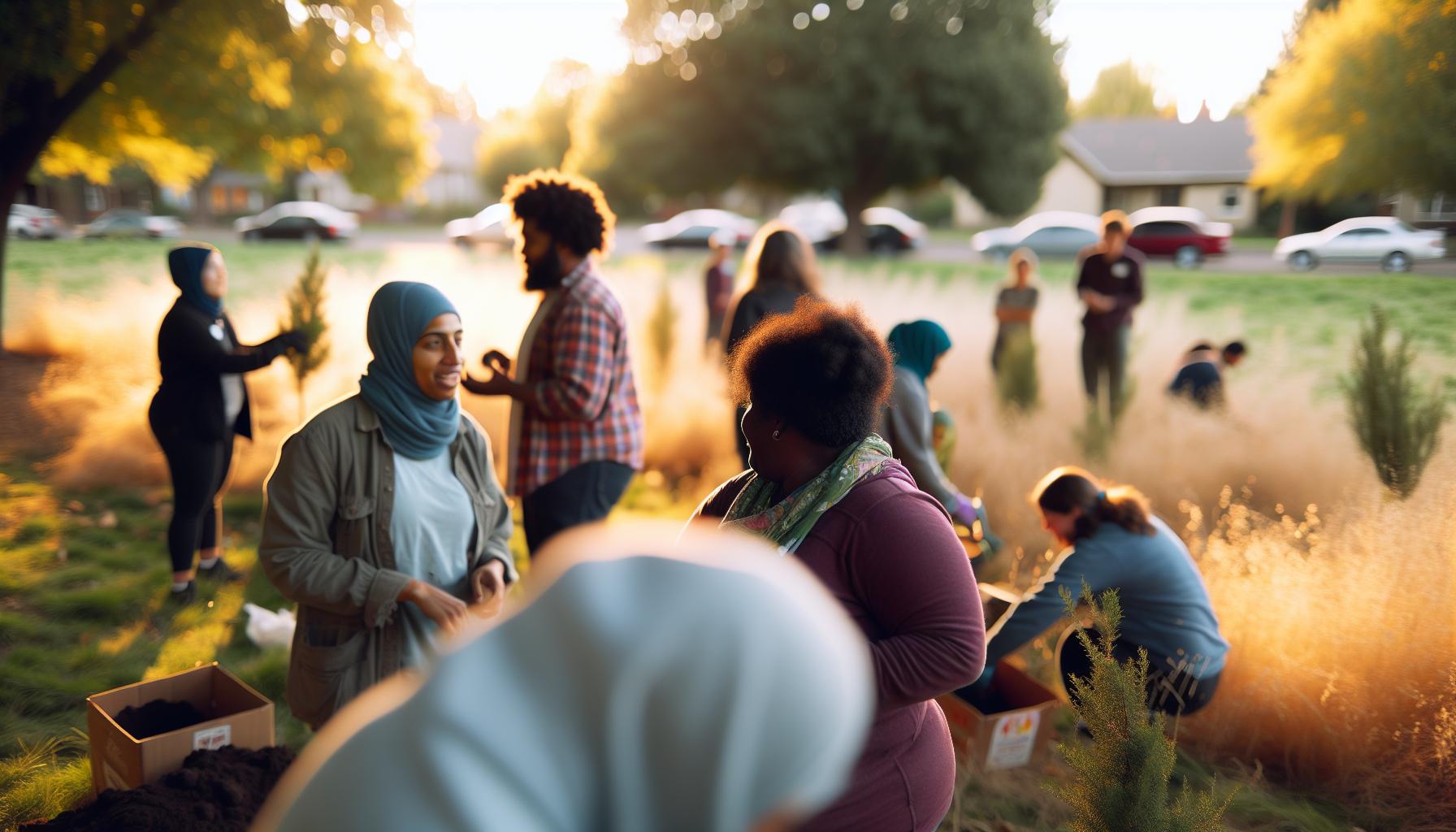
The Role of Community in Nurturing Hope
In the journey of nurturing godly hope, the vital role of community becomes clear, illuminating how we are never meant to walk this path alone. Scripture emphasizes the importance of fellowship; Hebrews 10:24-25 encourages believers to spur one another on toward love and good deeds, not neglecting to meet together. These gatherings, whether formal or informal, provide not just spiritual support but also a remarkable strength that comes from shared faith experiences. When we unite with fellow believers, we create an environment where hope can thrive and where each person’s unique struggles can be met with encouragement and prayer.
Creating and participating in a supportive community involves several practical steps. Start by seeking out or forming small groups focused on Bible study, prayer, or accountability. Support can be fostered through various activities, such as regular prayer meetings, where individuals can bring their burdens before God and share their hopes. In these intimate settings, testimonies of God’s faithfulness can ignite hope in others, reminding them of the divine promises that sustain us all. Fellowship offers a unique space to not only pray for one another but to bear one another’s burdens (Galatians 6:2), which can be particularly uplifting during challenging times.
Moreover, families can also enhance their collective hope through shared experiences. Family devotionals that focus on scripture passages related to hope can provide enrichment and foster deeper connections. Encourage discussions on how to apply biblical truths within the family, allowing children to express their thoughts and questions about hope. These conversations help solidify the understanding that hope is not merely an abstract concept but a tangible reality shaped by faith and community support.
In times of personal struggle, the warmth of fellowship can serve as a lifeline. The Bible provides numerous examples of how community support transformed moments of despair into hope and encouragement, as seen in the early church (Acts 2:42-47). Engaging in community life not only builds up the individual believer but also strengthens the entire body of Christ, catalyzing a cultural shift that honors faith, love, and hope. By coming together in faith, we cultivate an atmosphere that fosters resilience and anchors us in God’s promises, ensuring that our hope remains bright, even amidst the storms of life.
Hope as Motivation for Purposeful Living
In a world that often feels chaotic and uncertain, the power of hope can propel us toward a life of purpose and meaning. Hope serves as a profound motivator, inspiring us to rise above our circumstances and align our lives with God’s greater plan. This divine assurance enables believers to see beyond the immediate challenges-reminding us that our journey is not without promise and potential. As Hebrews 11:1 states, “Now faith is confidence in what we hope for and assurance about what we do not see.” Embracing this perspective helps us to live purposefully, driven not by fear or doubt but by the belief that God’s plans for us are good.
Finding Direction Through Godly Hope
This hope motivates us to take action in our lives. When we trust that God has a unique purpose for us, we start to view our daily tasks as opportunities to reflect His love and grace. Whether it is in our careers, relationships, or community engagements, living with godly hope transforms our focus. It encourages us to set goals that align with God’s will and to serve others selflessly. For example, volunteering in local shelters or mentoring youth not only glorifies God but also ignites our spirits, reinforcing our purpose. When our actions stem from a place of hope, we can impact the lives of those around us, knitting deeper connections within our families and communities.
The Practice of Hope-Fueled Living
Integrating hope into our daily routines requires intentionality. Here are a few practical ways to cultivate this hopeful mindset:
- Prayer and Meditation: Spend time in prayer, asking God to fill you with hope and clarity about your purpose. Reflect on scripture passages that resonate with hope, such as Romans 15:13.
- Bible Study: Engage in regular Bible study to explore stories of biblical figures who exemplified hope in their challenges, drawing lessons that can inspire you today.
- Set Goals: Write down personal and spiritual goals that align with your faith. Use these goals as a guide to motivate you toward purposeful action.
- Community Engagement: Surround yourself with fellow believers who uplift and encourage you. Share your hopes and dreams with them, creating a support network that fosters growth.
By actively nurturing hope, we build a resilient faith that not only sustains us through trials but also encourages us to step boldly into the call God has placed on our lives. Each day becomes an opportunity to live purposefully, reflecting the hope that anchors our souls amid life’s storms. Cultivating this hope will not only motivate our actions but will also inspire others as they witness a life motivated by the powerful assurance found in Christ.
Overcoming Doubt: The Strength of Godly Hope
In moments of doubt, when fear and uncertainty threaten to overwhelm our spirits, godly hope emerges as a powerful counterbalance. It offers a firm foundation that reassures us of God’s promises, guiding us through the shadows of our doubts. This hope is not merely wishful thinking; it is anchored in the unwavering truth of Scripture. Romans 15:13 encourages us with the assurance that “the God of hope fills us with all joy and peace as we trust in Him, so that we may overflow with hope by the power of the Holy Spirit.” As we meditate on these words, we find strength in the realization that our hope is a divine gift, equipping us to face challenges with confidence rather than trepidation.
To harness the strength of godly hope, it is essential to actively confront our doubts with biblical truths. One practical approach is to keep a journal where you document your struggles along with relevant scriptures that speak to each situation. For example, when grappling with fear of the unknown, passages like Jeremiah 29:11 remind us that God has a purpose and a plan for our lives. Regularly reviewing these truths helps to cultivate a mindset focused on the positivity of God’s plans-transforming our doubts into opportunities for deeper faith.
Moreover, surrounding ourselves with a supportive community of fellow believers can bolster our resolve against doubt. Sharing our concerns with trusted friends or mentors allows us to gain fresh perspectives and offers the encouragement we often need. Engaging in conversations about faith can facilitate new insights, strengthening our collective hope in God’s goodness. As Hebrews 10:24-25 advises, we ought to “consider how we may spur one another on toward love and good deeds,” fostering an environment where hope flourishes in community.
Ultimately, godly hope reshapes our perception of challenges, calling us to embrace a future filled with promise rather than uncertainty. By anchoring ourselves in prayer, immersing in scripture, and leaning on supportive relationships, we can overcome our doubts. Each step taken in faith, even amidst uncertainty, not only strengthens our own hope but also acts as a beacon for others seeking assurance and direction. In every storm, let us remember that our hope in Christ is an anchor for our souls, empowering us to rise above life’s tribulations with grace and confidence.
Experiencing Hope Through Christ’s Promises
In a world often overshadowed by uncertainty and distress, particularly during challenging times, the promises of Christ serve as a beacon of hope for believers. This hope is not merely a fleeting feeling but a profound assurance rooted in God’s faithfulness. Scriptures remind us that God’s timing and plans are perfect, providing a solid foundation to lean on when life’s storms rage around us. For instance, in John 16:33, Jesus encourages us with the words, “In this world, you will have trouble. But take heart! I have overcome the world.” This promise reassures us that while difficulties may come our way, our victory is secured in Him.
To actively experience hope through Christ’s promises, it’s essential to immerse ourselves in His Word. Scripture is replete with affirmations of God’s steadfast love and promises. Consider meditating on passages like Psalm 42:11, which states, “Why, my soul, are you downcast? Why so disturbed within me? Put your hope in God, for I will yet praise Him, my Savior and my God.” Incorporating such verses into your daily reflections can transform your perspective, encouraging a cycle of praise and hope in your heart. Regularly engaging with the Bible not only deepens our understanding of God’s character but also fortifies our spirit against discouragement.
In addition to personal scripture study, prayer becomes a powerful tool for experiencing hope. Approaching God with an open heart allows us to express our fears and uncertainties while inviting His peace into our lives. A suggested practice is to dedicate a specific time each day for prayer, focusing on areas where you seek hope. As you pray, claim God’s promises over your circumstances, anchoring your faith in His Word. By doing so, you invite divine intervention, transforming your worries into opportunities for growth and trust.
Surrounding ourselves with a community of believers can further enhance our experience of hope. Engaging in fellowship and sharing testimonies of God’s goodness can uplift spirits and reinforce the belief that God is at work, even in the most trying seasons. Whether through small groups, church services, or prayer gatherings, sharing and listening to others’ stories of hope can ignite a collective faith that reassures us of God’s unfailing promises. As we encourage one another, we can grasp the truth that we are not alone in our struggles, but part of a larger narrative of hope and redemption through Christ.
Ultimately, is a transformative journey. It calls us to lean into God’s Word, engage in prayerful practices, and actively participate in community that celebrates faith. By anchoring ourselves in these spiritual disciplines, we open our hearts to the abundant hope that can sustain us through life’s storms, reminding us that with Christ, our futures are bright and filled with purpose.
Frequently asked questions
Q: What does the Bible say about hope?
A: The Bible describes hope as a confident expectation rooted in faith and trust in God. In Romans 15:13, it emphasizes that God is the source of hope, filling believers with joy and peace as they trust in Him. This hope serves as an anchor for the soul, especially during difficult times.
Q: How can I cultivate godly hope in daily life?
A: Cultivating godly hope can be achieved through regular prayer, meditation on Scripture, and surrounding yourself with a supportive faith community. Engage with uplifting devotional materials and incorporate daily practices that remind you of God’s promises, enhancing your spiritual resilience.
Q: What is the difference between hope and wishful thinking?
A: Hope is rooted in faith and trust, looking towards the future with assurance in God’s promises, while wishful thinking is merely hoping for something without any solid foundation. Godly hope creates a sense of peace and motivation, contrasting with the uncertainty found in wishful thoughts.
Q: How does Godly hope help during tough times?
A: Godly hope provides strength and comfort during trials by reminding believers of God’s unfailing promises. It helps anchor the soul, fostering resilience and enabling individuals to endure hardships with the assurance that God is in control and working for their good (Romans 8:28).
Q: Why is community important in nurturing hope?
A: Community plays a pivotal role in nurturing hope as it offers support, encouragement, and accountability. Being surrounded by fellow believers can strengthen faith, provide shared experiences of God’s faithfulness, and inspire hope through collective prayer and worship.
Q: How can scripture transform despair into hope?
A: Scripture is powerful in transforming despair into hope by reminding believers of God’s faithfulness and presence. Verses like Psalm 42:11 encourage the soul to hope in God, shifting focus from difficulties to divine promises and affirmations of His love and sovereignty.
Q: What role does prayer play in sustaining hope?
A: Prayer is essential for sustaining hope, as it fosters a personal relationship with God, allowing believers to express their fears and anxieties. Through prayer, individuals can receive peace and clarity, reinforcing their hope as they align their desires with God’s will (Philippians 4:6-7).
Q: How does hope motivate purposeful living?
A: Hope motivates purposeful living by instilling a sense of direction and intention in daily actions. When believers have hope, they are inspired to serve others, pursue their God-given callings, and live with the intent of glorifying God, knowing their future is secure in Him.
For deeper engagement and insights, feel free to explore each of these topics further in the article sections dedicated to prayer, community, and the transformative power of Scripture.
In Summary
As we conclude our exploration of “What Is Godly Hope? Anchor for Your Soul in Every Storm,” remember that this hope is not just a feeling; it’s a profound assurance rooted in God’s promises. Let this understanding inspire you to embrace each day with renewed faith. If you feel compelled to deepen your relationship with God, consider diving into our resources on prayer or exploring our Bible study articles, which can further enhance your spiritual journey.
Now is the time to take action! Share this message with someone who might need a reminder of God’s unwavering hope today. Join our community by signing up for our newsletter, where you’ll receive uplifting content straight to your inbox, guiding you through life’s storms.
For more transformative insights, don’t miss our articles on Christian marriage and parenting guidance that can enrich your family life. Your faith journey is unique and important-embrace it wholeheartedly, and keep returning for more encouragement and practical wisdom to help you shine Christ’s light in the world.