
In a world filled with distractions and uncertainties, many seek clarity on what it means to live a godly life according to the Bible. Godly living is not just a set of rules; it’s a fulfilling journey that leads us to discover our true purpose in Christ. By embracing biblical principles, we cultivate a lifestyle that reflects God’s love, fosters meaningful relationships, and nurtures our spiritual growth. Understanding God’s roadmap for our lives helps us navigate the challenges we face, from parenting and marriage to personal devotion and community involvement. This exploration of godly living equips you with practical guidance and spiritual insights, encouraging you to deepen your faith and embrace a life rich in purpose and joy. As you delve into this vital topic, you’ll find encouragement and inspiration to pursue a life that honors God and impacts those around you. Join us as we uncover the beautiful tapestry of what it means to live purposefully in alignment with God’s Word.
Contents
- 1 What Does Godly Living Mean in Scripture?
- 2 Core Principles of a Godly Lifestyle
- 3 Practical Steps to Embrace Godly Living
- 4 Biblical Examples of Godly Individuals
- 5 Nourishing Your Spiritual Life with Prayer
- 6 The Role of Scripture in Godly Living
- 7 Cultivating a Heart of Worship and Devotion
- 8 Godly Living in Relationships and Community
- 9 Parenting with Purpose: A Godly Approach
- 10 Overcoming Challenges in Your Faith Journey
- 11 Living Out Godly Values in Today’s World
- 12 Finding Your Unique Purpose Through Faith
- 13 Faq
- 14 Closing Remarks
What Does Godly Living Mean in Scripture?
What does living a godly life truly entail according to Scripture? At its core, godly living represents a lifestyle that reflects the character and priorities of God. The Bible offers rich insights into what it means to embody this way of life, emphasizing a relationship with God that permeates every aspect of existence. Engaging deeply with God’s Word leads believers to understand that godly living is not merely a checklist of moral behaviors; it is an authentic expression of faith manifesting compassion, integrity, and service.
To paint a clearer picture, godly living is characterized by walking in love, as highlighted in Ephesians 5:2, where Paul encourages believers to “live a life of love, just as Christ loved us and gave himself up for us.” This principle of self-giving love underpins many of the actions and decisions that define a godly life. It urges individuals to consider the needs of others, be generous with their time and resources, and embody the fruits of the Spirit (Galatians 5:22-23), such as kindness, goodness, and faithfulness.
In practical terms, godly living involves making conscious choices that reflect one’s values, including honesty in dealings, seeking justice, and exercising humility. It calls for an active pursuit of righteousness, as shown in Matthew 5:6, which states, “Blessed are those who hunger and thirst for righteousness, for they will be filled.” Being filled with a desire to seek God’s will in every situation fosters a lifestyle that consistently honors Him. Additionally, godly living encourages accountability within a community, where believers support and challenge one another in their spiritual journeys, thus enriching their faith and collective testimony.
Ultimately, godly living is a dynamic journey, rooted in love for God and neighbor, that transforms not just individuals but entire communities, reflecting God’s kingdom here on earth.
Core Principles of a Godly Lifestyle

Living a godly life is fundamentally about embodying the character of Christ in our daily actions and choices. At its heart, a godly lifestyle is built on several key principles that are deeply rooted in Scripture and designed to draw us closer to God and to one another. These principles not only reflect our commitment to God but also guide us in navigating the complexities of life with grace and purpose.
One core principle is love, which is the foundation of all godly behavior. Jesus taught us to love God with all our heart, soul, and mind, and to love our neighbors as ourselves (Matthew 22:37-39). This selfless love challenges us to prioritize relationships, act with compassion, and serve others without expecting anything in return. It’s about seeing people as God sees them and responding to their needs thoughtfully and generously.
Another essential principle is integrity. Proverbs 10:9 states, “Whoever walks in integrity walks securely.” A godly lifestyle requires us to align our words and actions with our values, enabling us to build trust within our communities. Integrity fosters honest communication, accountability, and a clear witness to others of God’s truth. Additionally, it means making choices that reflect our faith, even when faced with difficult situations or temptations.
Furthermore, seeking righteousness plays a crucial role in godly living. This involves a commitment to pursue what is morally right and just, as encouraged in Matthew 5:6, which says, “Blessed are those who hunger and thirst for righteousness, for they will be filled.” We are called to actively engage with the world around us, advocating for justice and demonstrating a commitment to ethical living in our workplaces, schools, and homes.
Finally, cultivating a vibrant spiritual life through prayer and Scripture study is vital for growing in our faith. Regular engagement with God’s Word helps us discern His will and strengthens our relationship with Him. In turn, this empowers us to live out godly principles in every aspect of our lives.
By embracing these core principles-love, integrity, righteousness, and spiritual vitality-we can truly reflect the essence of godly living, impacting not only our own lives but also those of the people around us.
Practical Steps to Embrace Godly Living

Embracing a godly lifestyle requires intentionality and practical steps that align with biblical teachings. By embedding faith in everyday activities, individuals can cultivate a spirit that reflects God’s character. One of the first actionable steps is to establish a consistent prayer life. Communication with God fosters a relationship that is foundational to spiritual growth. Start with a daily commitment to prayer, even if only for a few minutes. Consider using a prayer journal to record requests, reflect on answered prayers, and document spiritual insights. This practice will not only enhance your relationship with God but also deepen your awareness of His presence in daily life.
Another significant step is immersing oneself in Scripture. The Bible serves as a guide for navigating challenges and moral decisions. Setting aside time each day for reading and meditation can transform one’s understanding and application of faith. Use devotionals or study guides that correlate with your personal experiences or challenges. Engaging with a group can also provide support and different perspectives, helping to strengthen biblical knowledge and accountability in your journey.
Additionally, reflecting godliness in relationships is essential. Begin with simple acts of kindness towards family, friends, and even strangers. Prioritize love, patience, and forgiveness, which are crucial to building strong, Christ-centered connections. Engage in community service or church activities that focus on love in action, allowing you to create bonds while serving others. This not only exemplifies your faith but also serves as a testimony to those around you.
Lastly, maintaining a spirit of worship and gratitude transforms daily life into an act of devotion. Incorporate worship music, scripture memorization, or nature walks into your routine to nurture a heart consistently poised for praise. Remember, embracing a godly lifestyle is not just about isolated actions but rather creating an overarching attitude rooted in love, faith, and community. These practical steps will help you journey toward a life filled with purpose and joy, reflecting Christ’s love in every area of your life.
Biblical Examples of Godly Individuals

Throughout Scripture, individuals who exemplified godly living provide us with invaluable insights into what it means to walk closely with God. These biblical figures, though often flawed, demonstrated unwavering faith, repentance, and an earnest desire to glorify God in their lives. Their stories serve as a roadmap for believers seeking to cultivate a deeper relationship with the Lord and to embody His character in their everyday interactions.
One of the most notable examples is Joseph, whose life is documented in Genesis. Sold into slavery by his brothers, Joseph maintained his integrity and faith in God despite facing numerous trials, including wrongful imprisonment. His perseverance through suffering and ultimate rise to power in Egypt highlight the importance of trusting God’s plan even when circumstances seem dire. Joseph’s ability to forgive his brothers and serve them during a time of famine exemplifies compassion and grace, which are essential qualities of godly living.
Similarly, the life of Moses illustrates obedience and leadership grounded in faith. Called by God to lead the Israelites out of slavery in Egypt, Moses initially hesitated, doubting his abilities. Yet, through persistent reliance on God and focused prayer, he became one of the greatest leaders in biblical history. His profound encounters with God on Mount Sinai culminated in receiving the Ten Commandments, underscoring that godly living is anchored in a robust relationship with the Divine, adherence to His commandments, and a commitment to guide others toward righteousness.
Another compelling example is Esther, whose bravery and wisdom saved her people from destruction. When faced with the opportunity to approach the king and plead for the lives of the Jews, Esther showcased faith over fear, declaring, “If I perish, I perish” (Esther 4:16). Her story emphasizes the significance of courage, as well as the role of godly living in making difficult choices for the sake of others. Esther’s constant awareness of God’s sovereignty and her willingness to act reflect a life devoted not only to personal holiness but also to advocacy and protection of her community.
In our contemporary journey, we can draw inspiration from these biblical figures. By emulating their faithfulness, courage, and compassion, we can become conduits of God’s love and truth in our lives. As we meditate on their stories and the lessons they impart, we cultivate a lifestyle that mirrors Christ’s heart, ultimately fulfilling our unique purpose in the world. Embrace the challenge of living out your faith, using the examples of Joseph, Moses, and Esther as guiding lights on your path to godly living.
Nourishing Your Spiritual Life with Prayer

Nourishing your spiritual life through prayer is akin to watering a garden; it nurtures your soul and helps you grow closer to God. In a world filled with distractions and challenges, dedicating time to pray not only strengthens your relationship with the Lord but also aligns your heart with His purposes. As Philippians 4:6-7 reminds us, “Do not be anxious about anything, but in every situation, by prayer and petition, with thanksgiving, present your requests to God.” Through prayer, we release our worries and embrace peace that transcends understanding.
One effective way to embrace prayer is by establishing a consistent practice. Consider setting aside a specific time each day-perhaps in the morning to prepare for the day or in the evening to reflect. Use this sacred time not only to present your petitions but also to listen for God’s voice. Journaling your prayers can also be a transformative activity. Writing out your thoughts and concerns allows for deeper reflection and can serve as a record of God’s faithfulness over time. As you revisit your entries, you’ll see how God has answered your prayers in ways you might not have initially expected.
Incorporating scripture into your prayer life enhances its effectiveness. You can use God’s Word as a guide, praying through the Psalms or other passages that resonate with your current situation. For example, if you’re seeking comfort, Psalm 23 serves as a powerful reminder of God’s presence: “Even though I walk through the darkest valley, I will fear no evil, for you are with me.” By praying these scriptures, you not only meditate on their truths but also invite His promises into your life.
As you deepen your connection through prayer, be mindful of how it impacts your relationships, both with God and others. Practicing prayers of gratitude can shift your perspective, allowing you to recognize and celebrate blessings, big and small. Additionally, pray for others, asking God to meet their needs or uplift them in challenging times. This practice cultivates a heart of compassion and strengthens the community of faith, reflecting godly living in action.
In a fast-paced world, the act of prayer provides a necessary pause, drawing you closer to God while enriching your spiritual journey. It is not merely about speaking to God but also about fostering a relationship where you can experience His love and guidance throughout your life. By , you embrace not only a personal dialogue with God but also a profound commitment to living out your faith in every aspect of life.
The Role of Scripture in Godly Living

The Bible serves as a foundational guide for those seeking to live a godly life, offering wisdom, direction, and strength through its teachings. Engaging with Scripture is not merely a ritual; it is a dynamic process that transforms the heart, mind, and spirit. As Psalm 119:105 states, “Your word is a lamp for my feet, a light on my path,” illustrating how Scripture illuminates our lives and helps us navigate moral and ethical challenges.
To truly embrace the role of Scripture in our daily lives, one must actively study and meditate on God’s Word. This involves more than casual reading; it calls for deep reflection and application of biblical truths. Create a daily routine that includes Bible reading, where you can explore different passages and seek understanding. Consider utilizing study tools such as commentaries, devotionals, or guided reading plans to deepen your comprehension and connection to the text. Journaling your insights and questions can also create a fruitful dialogue with God, enhancing your understanding of how His Word pertains to your life.
Furthermore, integrating Scripture into your daily conversation and actions is vital for authentic godly living. This can be practiced through memorization of key verses that resonate with your personal journey or current challenges. For instance, if you’re facing anxiety, dwelling on Philippians 4:6-7 can remind you to bring your worries before God and experience His peace. In addition, applying biblical teachings in relationships and decision-making processes fosters a greater alignment with God’s will.
Lastly, community plays an essential role in Scripture engagement. Participating in Bible studies or small groups allows for shared insights and encouragement, helping you to not only understand Scripture better but also to live it out collectively. When Christians come together to discuss and apply the teachings of the Bible, they can uplift one another and hold each other accountable, strengthening their walk with Christ. Utilizing these practices will ensure that Scripture remains central to your faith journey, guiding you in your pursuit of godly living.
Cultivating a Heart of Worship and Devotion

is essential for deepening one’s relationship with God and living out a godly lifestyle. Worship is not confined to Sunday services or singing songs; it permeates every aspect of a believer’s life. In Romans 12:1, Paul urges us to offer our bodies as “living sacrifices, holy and pleasing to God,” which means that our daily activities, decisions, and interactions can all be forms of worship when done with the right heart posture.
To foster this heart of worship, consider the following practical steps that can transform your spiritual life:
- Establish a Routine of Worship: Set aside time each day to engage in worship, whether through music, prayer, or meditation on Scripture. This routine will create space for God to work in your heart and mind.
- Incorporate Praise into Daily Life: Make a habit of recognizing and voicing gratitude in your daily tasks. Whether it’s a morning commute or household chores, turn your attention to God’s goodness and faithfulness.
- Seek Community Worship: Join a local church or group that values collective worship. Experiencing worship in community can deepen your devotion and provide encouragement from fellow believers.
- Reflect on God’s Character: Regularly meditate on His attributes-His love, grace, justice, and mercy. Understanding God more intimately fosters a natural response of devotion and worship.
Moreover, making worship a lifestyle involves aligning our actions with God’s will in our relationships, work ethic, and even our parenting. This means treating others with respect and kindness, embodying the fruits of the Spirit in our interactions, and leading our families in ways that draw them closer to God. For instance, parents can create a family culture centered around worship by incorporating prayer times, discussing biblical principles, and modeling love and forgiveness.
Remember, a heartfelt devotion doesn’t have to be perfect; it simply has to be authentic. As you engage in worship, allow God’s grace to cover your shortcomings and rejoice in the joy that comes from a heart inclined toward Him. Through these practices, cultivating a heart of worship not only enriches your spiritual journey but also radiates God’s love and truth in a world that desperately needs it.
Godly Living in Relationships and Community

Engaging in godly living within relationships and community is essential for nurturing a thriving Christian life. As we interact with others, our actions and attitudes serve as a reflection of our faith, making it imperative to embody Christ-like qualities. The Bible encourages us in 1 Peter 4:8 to “above all, love each other deeply, because love covers over a multitude of sins.” This profound truth serves as a guiding principle for how we should approach our interactions, emphasizing that love must be at the heart of our relationships.
To cultivate godly relationships, consider the following practical steps:
- Practice Active Listening: Show genuine interest in others by listening attentively. This demonstrates respect and fosters trust. James 1:19 advises us to be “quick to listen, slow to speak and slow to become angry,” reminding us to prioritize understanding before responding.
- Extend Grace and Forgiveness: Just as God forgives us, we are called to forgive one another. Ephesians 4:32 encourages us to “be kind and compassionate to one another, forgiving each other, just as in Christ God forgave you.” Practicing forgiveness often leads to healing and reconciliation.
- Serve Others: Engage in acts of service within your community. Whether volunteering at local shelters or helping a neighbor, Matthew 20:28 reminds us that even the Son of Man came “not to be served, but to serve.” Serving cultivates humility and reflects God’s love to those around us.
- Build a Culture of Encouragement: Speak life into others by offering encouragement and support. Hebrews 10:24-25 implores us to “consider how we may spur one another on toward love and good deeds.” A community grounded in encouragement fosters growth and strength.
When it comes to family dynamics, applying these principles can create an environment rich with godly values. For instance, in Christian marriages, prioritizing mutual respect and open communication reflects Ephesians 5:33, where husbands and wives are encouraged to love and respect one another deeply. Parenting also presents an opportunity to model godly living; teaching children about kindness, honesty, and service helps instill these virtues in their lives.
Living out godly values in community requires intentionality and the power of the Holy Spirit. When we align our relationships with God’s teachings, we not only contribute to individual growth but also strengthen the body of Christ as a whole. Through fostering deep, meaningful connections laden with love and grace, we exemplify the beautiful tapestry of godly living, influencing others to seek a deeper relationship with God.
Parenting with Purpose: A Godly Approach

In a world filled with distractions and challenges, parenting with intention and purpose rooted in faith can transform not just the lives of children but also the family unit as a whole. As parents, we are entrusted with a profound responsibility to nurture our children spiritually, guiding them to embrace values that reflect God’s love and truth. By committing to a God-centered approach to parenting, we lay a strong foundation that encourages our children to grow into compassionate, resilient individuals who navigate life’s journey with hope and integrity.
One of the most effective ways to infuse purpose into parenting is by modeling godly behavior and attitudes in our daily interactions. Children learn more from what they see than from what they hear, so exemplifying Christ-like qualities in our lives is crucial. Acts of kindness, patience in difficult situations, and consistent practice of forgiveness go a long way in demonstrating the heart of God to our children. We can reflect this principle through simple, everyday moments: sharing forgiveness when they make mistakes, or practicing gratitude as a family during meals. By doing this, we create a nurturing environment that thrives on love and support.
Intentional Teaching moments
Incorporating spiritual lessons into family life is another powerful way to nurture a Godly lifestyle. This can take the form of setting aside regular times for Bible study and prayer, where all family members can participate and share their insights. Engaging children in discussions about biblical stories and their applications fosters a deep understanding of faith. Additionally, using teachable moments-times when questions arise or situations occur-can allow discussions about God’s principles. For example, when a child faces disappointment, we can discuss how God’s plans often differ from our own, reminding them of Romans 8:28, where we learn that God works all things together for good.
Building Community
Lastly, encouraging involvement in the church community can significantly enhance a child’s Godly upbringing. Participation in youth groups, volunteering, or engaging in family ministries creates opportunities for children to connect with others who share their values. It also allows them to witness faith in action, building a sense of belonging within the larger body of Christ. Emphasizing the importance of serving others, as instructed in Galatians 5:13, cultivates a generous spirit in children, making them aware of both their blessings and their capacity to bless others.
By consciously instilling these practices within family life, we craft a nurturing environment that not only reflects God’s love but also prepares our children to embrace their unique purposes and navigate the journey of life with faith and resilience.
Overcoming Challenges in Your Faith Journey
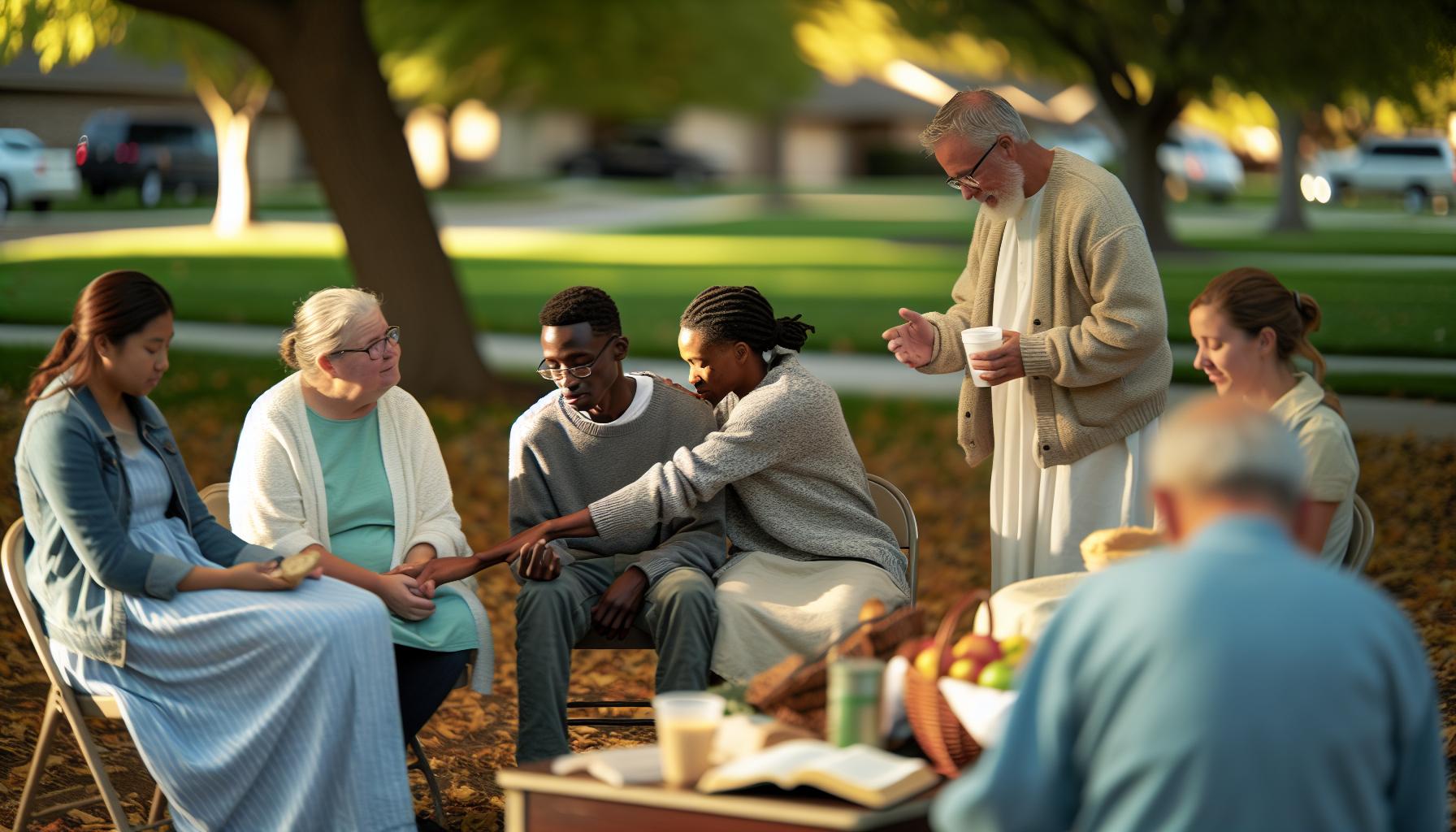
In the journey of faith, challenges are often viewed as obstacles to overcome but can also serve as invaluable opportunities for growth and deeper reliance on God. Every believer faces moments of doubt, fear, and confusion, and it is during these times that the strength of our faith is tested. Embracing the struggles we encounter and recognizing them as a part of our spiritual development can lead to a more profound relationship with the Lord.
Recognizing that trials are a natural part of the Christian walk is crucial. James 1:2-4 encourages believers to consider it pure joy when facing trials because the testing of faith produces perseverance. This perspective transforms our challenges into moments of spiritual refining. As we navigate difficulties, we can employ several practical strategies to strengthen our faith:
- Engage in Prayer: Make prayer a daily priority, expressing your feelings, fears, and hopes to God. Let prayer be a refuge where you seek His guidance and comfort.
- Study the Word: Delve into Scripture, especially passages that speak to resilience and faith. Psalms can provide solace, while the Gospels remind us of Christ’s example in adversity.
- Connect with the Community: Surround yourself with fellow believers who can offer support, encouragement, and accountability. Sharing your struggles in a safe environment can lighten burdens and reinforce your faith.
- Reflect on Past Victories: Remind yourself of previous challenges God has helped you overcome. Identifying how He has been faithful in the past builds a foundation of trust for future difficulties.
Each step we take in faith, despite the obstacles, allows us to cultivate a character resembling that of Christ. Moreover, it is essential to maintain a heart of worship even in challenging times. Worship shifts our focus from our problems to God’s greatness, preparing us to face our fears with grace and fortitude.
In your faith journey, remember that challenges are not signs of abandonment or failure but invitations to experience God’s grace more profoundly. “For I know the plans I have for you,” declares the Lord (Jeremiah 29:11). By aligning your heart with His promises, you’ll find the strength to navigate the storms of life, ultimately leading to a more purposeful and vibrant spiritual walk. Through every trial, remember that He is with you, and in every challenge, there is potential for profound growth and increased purpose.
Living Out Godly Values in Today’s World
In a world filled with shifting values, standing firm in your faith takes determination and action. Living out godly values today means actively reflecting Christ in every aspect of life, from your home to the workplace, and even in your online interactions. It’s about being a beacon of hope and love in a society often marked by division and uncertainty. Each decision, conversation, and interaction can be an opportunity to witness through our actions and choices.
To truly embody a godly lifestyle, consider these core principles:
- Authenticity: Be genuine in your faith. Show your true self-warts and all-so others can see God’s grace at work in you. This authenticity can foster meaningful relationships and invite discussions about faith.
- Love Generously: John 13:34-35 urges us to love one another as Christ loves us. This love transcends boundaries and prompts us to act in kindness, patience, and understanding, especially in challenging situations.
- Practice Integrity: Uphold ethical standards in your decisions and actions, reflecting the character of Christ. Whether in business dealings or personal relationships, let honesty and fairness guide your interactions.
- Serve Others: Embrace a servant’s heart. Galatians 5:13 encourages us to serve one another in love. Engage in acts of service, whether through community volunteering or small acts of kindness that impact those around you.
- Seek Justice: Stand for what is right. Micah 6:8 reminds us to act justly, love mercy, and walk humbly with God. Advocate for those who cannot advocate for themselves, standing up for truth and righteousness.
Additionally, practical steps can enhance your commitment to living godly values:
Engaging with Scripture
Make daily scripture reading a priority. This practice equips you with God’s Word to navigate the complexities of daily living and provides insight into how to respond to modern challenges.
Nurturing Relationships
Foster relationships within your community of faith. Share your struggles and successes with others, creating a support system that helps you remain accountable and encourages godly living.
Daily Reflection
Consider setting aside time each day for reflection. Journaling about your experiences and God’s workings in your life can deepen your understanding and commitment to His principles.
While the world may offer many distractions, a commitment to living authentically and actively engaging with biblical values equips you to contribute positively in every area of life. By doing so, you become an ambassador of Christ’s love, grace, and truth, demonstrating that Godly living impacts not just personal growth but the community and world around you.
Finding Your Unique Purpose Through Faith

In the journey of faith, discovering your unique purpose can be one of the most fulfilling aspects of a godly life. Each believer is crafted with intention, shaped by experiences, talents, and spiritual gifts that reflect God’s creativity and purpose. Ephesians 2:10 beautifully encapsulates this truth: “For we are God’s handiwork, created in Christ Jesus to do good works, which God prepared in advance for us to do.” Embracing this idea leads to a deeper understanding of how you can live out your faith in practical ways that align with God’s will for your life.
Identifying your purpose often begins with intentional self-reflection and prayer. Ask God to reveal the passions and skills He has instilled in you. Consider the activities that bring you joy and fulfillment-these may be indicators of how you can serve others and glorify God. Additionally, seek guidance through scripture, where countless stories of individuals demonstrate how divine calling can manifest in various life paths. For instance, Moses, despite his initial hesitations, ultimately became the leader who guided the Israelites out of Egypt, showcasing that our weaknesses can become strengths when surrendered to God.
Creating a Life of Purpose
- Engage in Community: Find a church or group where you can immerse yourself in a community of faith. Serving alongside others not only enhances your sense of belonging but also opens doors to discovering how your unique abilities can contribute to the body of Christ.
- Explore Your Gifts: Take time to identify your spiritual gifts. Tools like spiritual gift assessments can provide insights into areas where you can thrive and make an impact. Remember, your gifts are meant to be shared and utilized in service to others.
- Pursue Continuous Learning: Immerse yourself in Bible studies, devotionals, and teachings that challenge and inspire you. The more you grow in your knowledge and understanding of God’s Word, the clearer your sense of purpose will become.
- Be Open to Change: Understand that your purpose may evolve over time. Life experiences and changing seasons can reshape how you serve God and others. Stay flexible and willing to adapt your path as you sense God’s leading.
As you embark on this journey, maintain an attitude of prayerfulness and openness. God desires to lead you into a purpose-filled life, one that reflects His love and light to those around you. By consistently seeking His guidance and trusting in His timing, you will find that aligning your life with His divine plan not only brings fulfillment but also impacts the world in profound ways. Embrace the adventure of discovering your unique calling, and let your faith guide you to a life that resonates with God’s greater purpose.
Faq
Q: What are the key characteristics of godly living according to the Bible?
A: Key characteristics of godly living include loving others unconditionally, practicing humility, showing integrity, pursuing righteousness, and seeking a relationship with God through prayer and scripture. Implementing these traits can help you align with biblical teachings and foster a more fulfilling life. For deeper insights, see the section on Core Principles of a Godly Lifestyle.
Q: How can I incorporate godly values into my daily life?
A: Incorporating godly values involves setting aside time for prayer and reflection, engaging in acts of kindness, and making choices that reflect Christian principles. Start with small, manageable actions such as volunteering or studying scripture daily. For practical steps, refer to the article’s section on Practical Steps to Embrace Godly Living.
Q: Why is community important in godly living?
A: Community is vital in godly living because it provides support, accountability, and opportunities for service. Engaging with fellow believers enhances your faith journey, fosters encouragement, and allows for the sharing of spiritual gifts. Explore the section on Godly Living in Relationships and Community for more.
Q: What does the Bible say about maintaining a spiritual life?
A: The Bible emphasizes the importance of nurturing your spiritual life through prayer, reading scripture, and fellowship with other believers. Regularly engaging in these practices strengthens your faith and deepens your relationship with God. For further guidance, see Nourishing Your Spiritual Life with Prayer.
Q: How can I overcome challenges in my faith journey?
A: Overcoming challenges in your faith requires reliance on God through prayer, seeking wisdom from the scriptures, and seeking support from your church community. Remember, trials can strengthen your faith and resolve. For personal growth strategies, review Overcoming Challenges in Your Faith Journey.
Q: What is the role of prayer in godly living?
A: Prayer is central to godly living as it fosters communication with God and deepens your relationship with Him. It is a time for guidance, strength, and expressing gratitude. To cultivate a richer prayer life, consult the section on Nourishing Your Spiritual Life with Prayer.
Q: How do I find purpose through faith in God?
A: Finding purpose through faith involves seeking God’s guidance through prayer, understanding His word, and embracing your unique talents. Engage in community service and align your actions with biblical principles for clarity. For personalized insights, explore Finding Your Unique Purpose Through Faith in the article.
Q: What does it mean to live out godly values in today’s world?
A: Living out godly values today means integrating faith into everyday decisions, demonstrating love and compassion, and standing firm in moral truths despite societal pressures. This may require courage and wisdom. For practical applications, check out Living Out Godly Values in Today’s World.
Closing Remarks
As you embark on your journey toward understanding “What Is Godly Living in the Bible? Your Roadmap to Purpose,” remember that living a life aligned with biblical principles is not just a destination-it’s a continuous path of growth and discovery. Reflect on the invaluable lessons and embrace practices that enhance your prayer life, Bible study, and devotionals. Urgency beckons; take the next step today by exploring related resources on Christian marriage and parenting guidance to enrich your family life, or delve into our articles on spiritual warfare for deeper understanding.
We invite you to join our community! Subscribe to our newsletter for ongoing insights that will help navigate your faith journey or check out our consultation services for personalized guidance. Let us know your thoughts in the comments below-your engagement fuels our mission to create empowering content. Remember, true fulfillment comes as you align your life with God’s Word, so let’s walk this path together, continually discovering the richness of a Christ-centered existence.