Lutheran faith, deeply rooted in the teachings of Martin Luther, emphasizes salvation by grace through faith and the transformative power of Scripture in believers’ lives. Did you know that today, Lutheranism represents one of the largest branches of Protestant Christianity? Understanding this faith journey can address your spiritual queries and potentially deepen your relationship with Christ. As you explore Lutheran beliefs, consider how they resonate with your personal faith experience and the role they play in guiding everyday life, from prayer and Bible study to family dynamics. Join us as we delve into the rich legacy of Martin Luther, revealing how his principles continue to inspire millions in their walk with God today. Your journey through this faith can illuminate not only your understanding of salvation but also provide practical applications for nurturing your spiritual life and those of your loved ones.
Contents
- 1 What is the Lutheran Faith? Understanding Its Core Beliefs
- 2 The Historical Roots of Lutheranism: Martin Luther’s Influence
- 3 Major Doctrines of Lutheranism Explained
- 4 Comparative Analysis: Lutheranism vs. Other Christian Denominations
- 5 The Role of Scripture in Lutheran Beliefs
- 6 Understanding the Sacraments in Lutheran Theology
- 7 Lutheran Worship: Traditions and Practices
- 8 Living Out the Lutheran Faith: Daily Spiritual Disciplines
- 9 Lutheran Perspectives on Grace and Salvation
- 10 The Impact of Lutheranism on Modern Christianity
- 11 Community Life in the Lutheran Church: Fellowship and Service
- 12 Navigating Challenges: Lutheran Responses to Contemporary Issues
- 13 Faq
- 14 Closing Remarks
What is the Lutheran Faith? Understanding Its Core Beliefs
The Lutheran faith is rooted in the profound teachings of Martin Luther, who transformed the religious landscape of his time by emphasizing a personal relationship with God through faith and Scripture. Central to Lutheranism is the belief that salvation is a gift from God, granted through grace alone, received through faith alone, and founded on Scripture alone. This focus on grace is a comforting assurance for believers, allowing them to approach God with humility, recognizing their need for His mercy and love without the burden of trying to earn salvation through deeds.
Lutherans uphold the authority of the Bible as the sole source of divine revelation, which shapes their theological perspectives and daily lives. This reliance on Scripture influences their practices of prayer, Bible study, and devotionals, encouraging individuals to engage deeply with God’s Word. Daily spiritual disciplines are seen as vital for nurturing faith, as believers are called to cultivate a personal relationship with Christ through consistent prayer practices, meditation on Scripture, and community involvement.
Furthermore, Lutheranism embraces the sacraments of baptism and communion as means of grace. Baptism is viewed as the sacrament of initiation into the Christian faith, while communion is celebrated as a proclamation of Christ’s sacrifice and presence among the congregation. These sacraments not only strengthen individual faith but also unite believers in a shared identity as members of the body of Christ.
As individuals navigate their faith journeys, practical living in accordance with Lutheran beliefs means embodying grace, extending love, and fostering community. This commitment to living out the implications of faith reflects the teachings of Jesus and demonstrates that faith is not merely a private matter but a calling to actively engage with others in service and fellowship, reinforcing the communal aspect of Christian life that Luther emphasized. The journey of faith is thus a collective experience, marked by the encouragement and support of fellow believers, grounded in the hope and joy found in Christ.
The Historical Roots of Lutheranism: Martin Luther’s Influence
Martin Luther’s bold actions in the 16th century sparked a seismic shift in Christianity that continues to resonate today. Posting his Ninety-Five Theses in 1517 not only challenged the practices of the Catholic Church, particularly the sale of indulgences, but also ignited a broader movement toward religious reform. Luther’s conviction that faith alone-not deeds-grants salvation reshaped how believers approach their relationship with God. This foundational belief in justification by faith became a cornerstone of Lutheran theology, underscoring God’s grace as a divine gift rather than a reward for human effort.
Luther’s emphasis on Scripture as the sole authority in the life of a believer encouraged the translation of the Bible into vernacular languages, making it accessible to all. This accessibility fostered a personal connection between individuals and God, empowering them to engage with the Word through personal reflection and community study. Luther believed that every believer should interpret Scripture for themselves, leading to a more personal and dynamic faith journey rooted in daily engagement with God’s teachings.
Additionally, Luther’s influence extended to the sacraments, redefining their significance in the Christian life. While recognizing the importance of both baptism and communion, he highlighted these rites as means of grace to enhance spiritual growth rather than mere rituals to be performed. For Lutherans today, baptism signifies not just an initiation into the faith but an ongoing reminder of God’s promises, while communion represents a communal remembrance of Christ’s sacrifice and presence.
As you navigate your faith journey, reflect on Martin Luther’s enduring legacy. Embrace daily practices such as reading Scripture, participating in communal worship, and engaging in prayer. By following Luther’s example and deepening your understanding of grace and faith, you cultivate a resilient and joyful relationship with God that not only honors His gift of salvation but also enriches your community life through shared beliefs and practices. Embrace this transformative journey, knowing that you are part of a long tradition that uplifts both the individual and the collective body of Christ.
Major Doctrines of Lutheranism Explained
The heart of Lutheranism beats with a profound understanding of key doctrines that shape the faith and practice of its believers. At the core lies the principle of justification by faith alone, which asserts that salvation is a gift from God received through faith, rather than earned by human actions. This liberating belief allows individuals to approach God without fear of inadequacy, knowing that their standing in grace is rooted in Christ’s righteousness, not their own works. Lutherans embrace this doctrine with the assurance that God’s grace is sufficient, empowering them to live out their faith joyfully and freely.
Another pivotal doctrine is the priesthood of all believers. This concept, grounded in the New Testament, affirms that every Christian has direct access to God and is called to live out their faith in every aspect of life. It dismantles the notion that only clergy hold spiritual authority, emphasizing the responsibility of all believers to share their faith, serve in their communities, and engage in the mission of the Church. This communal aspect of faith encourages believers to foster growth not only in their own lives but also in their families and church communities, strengthening bonds through shared experiences of grace and service.
The sacraments of baptism and communion hold significant importance in Lutheran doctrine. Baptism is seen as a means of grace, marking the believer’s initiation into the community of faith and serving as a lifelong reminder of God’s promises. Lutherans teach that through this sacred act, individuals are united with Christ and receive the Holy Spirit. Similarly, communion is cherished as both a remembrance of Christ’s sacrifice and a means of receiving His real presence, providing believers with spiritual nourishment and communal unity. In small groups or family settings, gathering to participate in these sacraments can deepen relational and spiritual connections.
Ultimately, these doctrines inspire Lutherans to lead lives that reflect their faith in real and practical ways. Engaging in daily prayer, scripture study, and devotion not only strengthens their own faith but also fosters a vibrant community. As they navigate the complexities of modern life, Lutherans are called to model Christ’s love, embracing opportunities for service and fellowship that reflect their understanding of grace. By grounding themselves in these core beliefs, they become beacons of hope and encouragement, shining light in a world that often seeks understanding and connection.
Comparative Analysis: Lutheranism vs. Other Christian Denominations
When exploring the landscape of Christianity, it becomes clear that Lutheranism holds a unique position that features both continuity and divergence from other Christian denominations. One striking aspect of Lutheran belief is its emphasis on justification by faith alone, a tenet that sets it apart among Protestant traditions. While many denominations affirm faith as essential to salvation, Lutherans assert that this faith must be completely grounded in grace and not reliant on human merit or works. This doctrine liberates adherents, allowing them to approach God with confidence because their relationship with Him is anchored in Christ’s righteousness, not their own efforts. This fundamental distinction echoes throughout Lutheran worship and practice, reinforcing a deep sense of reliance on God’s grace in all aspects of life.
The role of the sacraments further illustrates Lutheranism’s unique stance. Unlike some denominations that may view sacraments as merely symbolic, Lutherans hold a view known as consubstantiation, where the presence of Christ is genuinely found in the elements of communion. This contrasts with the Roman Catholic belief in transubstantiation and the memorial views held by many Evangelical groups. Lutherans regard both baptism and communion as vital means of grace that impart spiritual nourishment and community. Understanding these differences can deepen one’s appreciation for how diverse interpretations impact worship and daily faith practices across denominations.
Moreover, the priesthood of all believers is central in Lutheran communities, contrasting with traditions that maintain a more hierarchical structure within the Church. This doctrine empowers every member to participate actively in both faith and service, promoting a communal approach where all believers are invited to contribute their unique gifts to the body of Christ. In light of this, Lutherans may engage in active discussions about scripture and social issues as peers rather than mere recipients of clergy-led teachings. This accessibility nurtures a vibrant community life that can be attractive to those seeking connection and purpose in their spiritual journey.
Lastly, navigating contemporary issues reveals further differences among Christian traditions. For instance, while some denominations may focus heavily on moralism, Lutheranism prioritizes grace, emphasizing the need for continual reliance on God’s work rather than personal piety alone. This grace-filled perspective encourages Lutherans to respond to societal challenges with compassion and service, understanding that all are in need of God’s mercy. This loving stance can be distinctly reassuring in a world rife with division, reminding believers of their central call to reflect Christ’s love in their communities.
In summary, Lutheranism’s distinctive beliefs about salvation, sacraments, and community engagement not only highlight its place within the broader Christian context but also provide a nurturing and encouraging framework for believers striving to live out their faith authentically in today’s world.
The Role of Scripture in Lutheran Beliefs
The Bible holds a central place in Lutheran faith, a cornerstone that symbolizes not only communication from God but also the foundation for belief and practice. Martin Luther famously proclaimed, “The Bible is the cradle wherein Christ is laid,” emphasizing that the Scriptures reveal God’s will and the person of Jesus Christ as the Savior. Lutherans are encouraged to engage deeply with Scripture, incorporating its teachings into every aspect of life, thus nurturing their faith and understanding of God’s grace.
One of the defining elements of Lutheranism is the principle of *sola scriptura*, which asserts that Scripture alone is the ultimate authority in matters of faith and practice. This belief fosters an environment where believers are empowered to read and interpret the Bible in their own lives. Regular engagement with the Word can take several forms, such as individual study, group discussions, and sermons that dive into the meaning and application of biblical texts. These practices not only help clarify theological concepts but also foster communal growth and personal spiritual development.
To practically live out this engagement, Lutherans often implement various spiritual disciplines that focus on Scripture, including:
- Bible Study: Small groups or individual studies provide structured opportunities to delve into the Word, learn from one another, and apply lessons daily.
- Memorization: Committing verses to memory empowers believers to carry God’s promises and truths with them, serving as a source of strength in challenging moments.
- Devotional Reading: Many utilize devotional materials that accompany daily scripture readings, enhancing their understanding and connection to the text.
- Prayerful Reflection: Combining prayer with Scripture can lead to deeper insights and a more intimate relationship with God, allowing His Word to transform thoughts and actions.
Lutheran worship also richly integrates Scripture, with readings often forming the backbone of services. Hymns and liturgies are drawn from biblical texts, reinforcing the connection between the community’s worship and the Word of God. This dedication to Scripture encourages adherents to see the Bible not just as a historical document but as a dynamic guide for living faithfully in today’s world.
By understanding and valuing the role of Scripture, believers can find assurance and direction in their daily walk. As they study and meditate on the Bible, they can experience the transformative power of God’s Word, which equips and encourages Christians to reflect His love and grace in a world longing for hope and healing.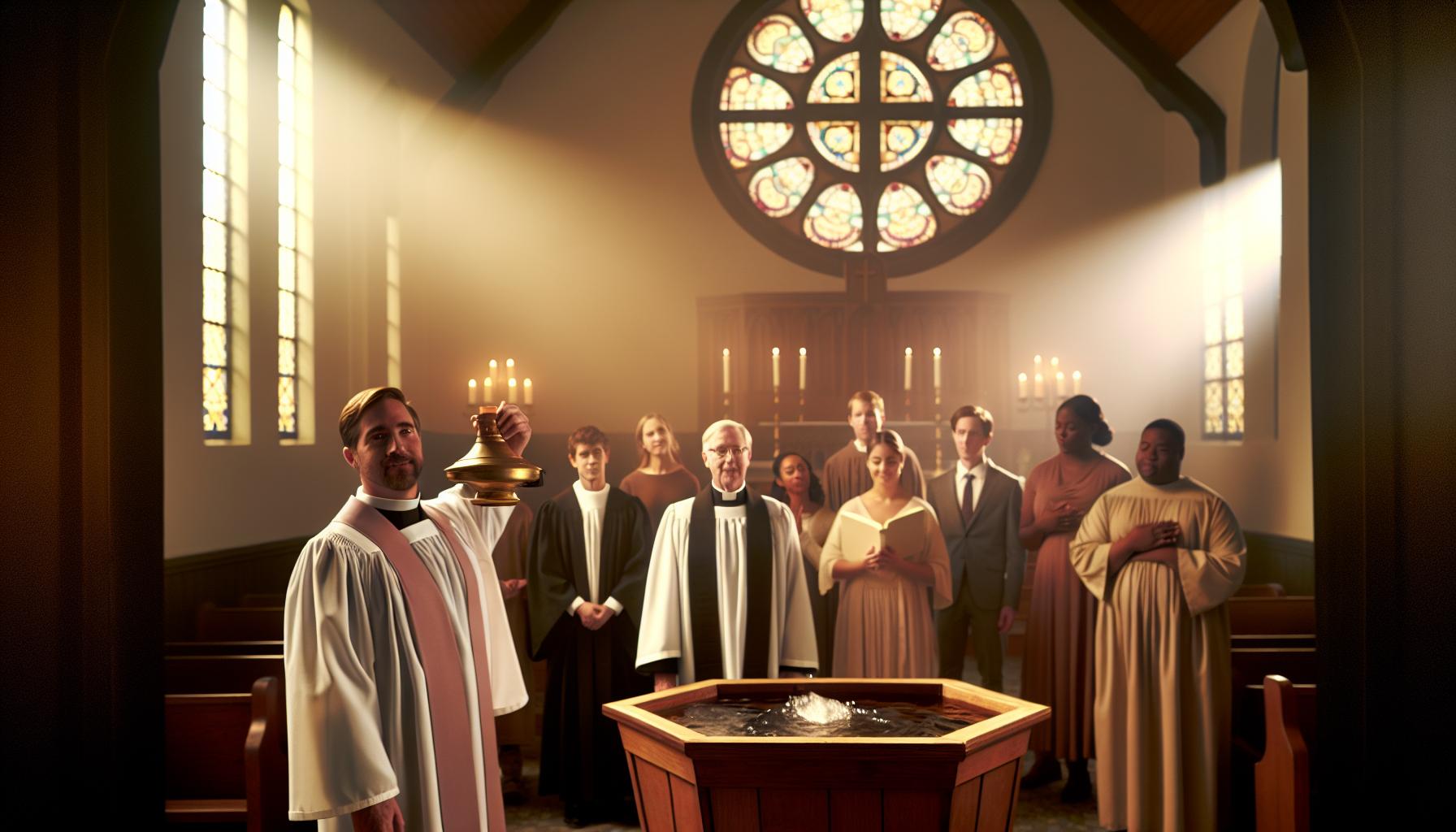
Understanding the Sacraments in Lutheran Theology
In the heart of Lutheran theology lies a profound appreciation for the sacraments, which serve as vital means of grace connecting believers with God. Martin Luther’s insights into the sacraments transformed their understanding and practice within the Christian community. For Lutherans, the sacraments are not merely symbolic acts; they are powerful expressions of faith that convey divine grace and assurance. The two sacraments recognized in Lutheranism, Baptism and Holy Communion, invite believers into a deeper relationship with Christ and each other.
Baptism: A Sign of God’s Promise
Baptism stands as a rite of initiation into the Christian faith, symbolizing the washing away of sin and the new life found in Jesus. Lutherans believe that through baptism, believers receive the Holy Spirit and become part of the Church, which is the body of Christ. This sacrament underscores God’s promise of grace, irrespective of a person’s age or understanding. The act itself, involving water and the Word, illustrates God’s work of saving individuals and includes both infants and adults as recipients of His love. Engaging in baptismal preparation can be particularly enriching, providing families with cherished moments to reflect on God’s faithfulness and commitment to their spiritual journey.
Holy Communion: Feasting on Grace
Holy Communion, also known as the Eucharist or the Lord’s Supper, is another cornerstone of Lutheran worship, emphasizing Christ’s real presence in the elements of bread and wine. Lutherans affirm the belief in *consubstantiation*, meaning that while the bread and wine remain bread and wine, they also coexist with the true body and blood of Christ. This recognition allows believers to partake in a deeply spiritual experience where they receive forgiveness, life, and salvation. Regular participation in Communion nurtures community and cultivates a sense of belonging as members gather together, united in faith and fellowship.
Understanding the theological significance behind these sacraments can enrich a believer’s spiritual life. By regularly participating in baptism and Holy Communion, individuals experience God’s grace tangibly in their lives, reminding them of His promises and unfaltering love. To fully embrace these sacramental moments, believers are encouraged to prepare their hearts through prayer, reflection, and community engagement. These practices can help deepen their understanding, allowing them to approach the sacraments with reverence and gratitude.
In an age where spiritual practices can sometimes feel routine, Lutheran sacramental theology invites believers to view these sacred acts anew. As they engage with Baptism and Holy Communion, they encounter the living and active presence of God in a way that empowers their daily faith journey, encouraging them to reflect Christ’s grace to a world in need.
Lutheran Worship: Traditions and Practices
In Lutheranism, worship forms the heart of community life and spiritual growth, steeped in history yet vibrantly contemporary. Rooted in Martin Luther’s reforms, Lutheran worship emphasizes both the Word and the sacraments as essential means of grace, enabling believers to connect with God and each other. One captivating aspect of Lutheran worship is its liturgical structure, which often includes a rhythmic pattern of confession, word, and communion, inviting congregants into a holistic experience of faith every week.
Liturgical Elements
Lutheran worship typically features rich liturgical elements that guide the congregation through a journey of reflection and adoration. Key components often include:
- Confession and Forgiveness: This opening element fosters a spirit of humility, allowing worshippers to acknowledge their sins and receive God’s grace through corporate confession.
- The Word: Scripture readings, along with a sermon, are central, providing theological grounding and applying biblical truth to daily life.
- The Sacraments: Baptism and Holy Communion are celebrated regularly, reinforcing the connection between faith and the tangible presence of Christ.
- Prayer: Congregational prayers, including intercessions and thanksgivings, keep the community united in purpose and focus.
Music and Hymnody
Another hallmark of Lutheran worship is the integral role of music, which enhances spiritual expression. Hymns, often rich in theological depth, serve not only as expressions of praise but also as teaching tools that convey core beliefs and stories of faith. Many hymns have been passed down through generations, connecting worshippers to a broader Christian heritage. Lutheran congregations frequently use the hymnal, which hosts a wide range of traditional and contemporary songs, allowing for vibrant musical worship that resonates across ages and backgrounds.
Community and Fellowship
Worship in the Lutheran tradition transcends the service itself, extending into community life. Fellowship gatherings, Bible studies, and service projects are common manifestations of faith at work. These offerings create a nurturing environment where believers support one another through shared experiences and spiritual growth. In families, centered worship practices, such as regular devotionals, prayer, and discussions about faith, foster a culture of faith that extends beyond Sunday services. Encouraging meaningful interactions through various ministries fortifies community bonds while reflecting Christ’s love in action.
By engaging deeply with the traditions and practices of Lutheran worship, believers not only fulfill their spiritual needs but also participate in a rich tapestry of faith that celebrates God’s continual presence and grace in their lives. Whether through communal singing, the preaching of the Word, or the shared experience of the sacraments, Lutherans find both inspiration and empowerment to live out their faith fully in today’s world.
Living Out the Lutheran Faith: Daily Spiritual Disciplines
The journey of faith is not just a Sunday experience; it’s an everyday endeavor that flourishes through daily spiritual disciplines. For Lutherans, the practices that anchor their faith are not only acts of devotion but also pathways to a deeper relationship with God. Embracing these disciplines can transform routine moments into opportunities for spiritual growth and renewal, enriching one’s life with grace.
Prayer Life
At the heart of Lutheran spirituality lies a robust prayer life. Martin Luther emphasized the importance of personal prayer, encouraging believers to engage in open conversations with God. Daily prayer can include structured times in the morning and evening to reflect, thank, and intercede. Using resources like Luther’s Small Catechism provides a framework, offering prayers that align with biblical teachings and fostering a deeper devotion. Additionally, incorporating prayers for one’s family, community, and global issues invites believers to connect their spiritual insights with real-world challenges.
Bible Study
Engaging with Scripture is another cornerstone of Lutheran daily disciplines. Regular Bible study allows individuals to immerse themselves in God’s Word, deepening understanding and application in daily life. This can involve personal study, where one reflects on passages, or group settings that foster discussion and mutual growth. Consider starting with the Book of Psalms or the Gospels to cultivate familiarity with essential biblical themes, exploring how they shape personal faith journeys. Journaling insights and prayers related to Scripture can also serve as a powerful reflection tool.
Devotionals and Spiritual Practices
Setting aside time for devotionals enriches one’s spiritual journey, creating dedicated space to encounter God’s presence. Many Lutherans find encouragement in daily devotionals that include scripture readings, reflections, and prayers. These can be tailored to individual life stages, whether navigating parenting, marriage, or personal struggles. Incorporating spiritual practices such as meditation on Scripture, gratitude journaling, and acts of service fosters a holistic faith that influences every aspect of life.
Family and Community Guidance
Living out the Lutheran faith also extends into family dynamics. Parents can create faith-filled environments by starting family devotion times, sharing Bible stories, and encouraging discussions about faith-related topics. Couples are encouraged to pray together, strengthening their bond while centering their relationship on Christ. Moreover, engaging with the church community through fellowship activities, service projects, and study groups fosters connections that reflect Christ’s love and compassion.
In summary, these daily spiritual disciplines are not mere checkboxes on a to-do list but vibrant expressions of faith that echo Martin Luther’s legacy. They invite believers into a deeper relationship with God, empower them to live authentically, and cultivate a community grounded in love, service, and grace. The beauty of Lutheran faith flourishes when these practices are woven into the fabric of daily life, nurturing a resilient faith that can navigate life’s challenges with hope and assurance.
Lutheran Perspectives on Grace and Salvation
The essence of Lutheran faith is deeply rooted in the understanding of grace and salvation, concepts that Martin Luther passionately championed during the Reformation. Central to Lutheran belief is the conviction that salvation is a gift from God, bestowed freely upon believers through faith in Jesus Christ. This pivotal tenet, often referred to as *sola gratia* (grace alone), emphasizes that no human effort or merit can earn God’s favor. Instead, it is through grace that individuals are reconciled with God, affirming the radical notion that His love and acceptance are not based on our actions but solely on His unchanging nature.
The Transformative Power of Grace
Grace in the Lutheran perspective is not merely an abstract concept but a transformative force in the lives of believers. It engenders a profound sense of security and hope, freeing individuals from the burdens of guilt and fear of judgment. As Luther wrote, “Grace is living and active,” and it influences not only how believers relate to God but also how they engage with one another. This understanding invites individuals to live in light of their salvation, leading to a life marked by gratitude and acts of love. Lutherans are encouraged to reflect this grace in their interactions-promoting forgiveness, compassion, and service to others, thereby fulfilling the Christ-like model of love.
Faith as a Form of Response
While grace is a divine gift, faith serves as the human response to that gift. Lutherans believe that faith is not an isolated act of belief but a living trust in God’s promises. Romans 10:17 reminds us that “faith comes from hearing, and hearing through the word of Christ.” Thus, engaging with Scripture is vital in nurturing faith. Regular Bible study fosters a deeper understanding of God’s will and reinforces the reality of His grace. Practical applications of this can manifest in various forms, such as family discussions about faith and the importance of integrating spiritual lessons into daily decision-making. Parents can model this by sharing their faith journeys with their children, creating fertile ground for conversations about grace and salvation.
This approach to grace and salvation encourages believers to view their lives through a lens of gratitude and service, discovering the profound joy that stems from a relationship with Christ. By embracing grace as an active, empowering presence, Lutherans can navigate the complexities of life with renewed hope, knowing that they are loved and accepted unconditionally. As they cultivate their faith, they invite others into this life-changing experience, extending the reach of grace in the world around them.
The Impact of Lutheranism on Modern Christianity
Throughout history, the Lutheran faith has significantly shaped the landscape of modern Christianity, echoing Martin Luther’s transformative ideals and fostering a deeper understanding of grace and scripture. One of the most notable impacts is the focus on the authority of Scripture, which has encouraged countless believers across various denominations to engage with the Bible personally and intimately. The principle of *sola scriptura*, meaning that Scripture alone is the basis for faith and practice, has inspired a revival of biblical literacy, prompting individuals and congregations to prioritize personal Bible study and communal discussions, thereby cultivating a more informed and vibrant faith community.
Renewed Emphasis on Grace
Lutheranism’s profound teachings on grace continue to resonate, particularly in a world often marked by performance-driven ideologies. The belief that salvation is a free gift from God helps to alleviate burdensome expectations many Christians face, inviting them into a relational faith rooted in love rather than obligation. This understanding encourages individuals to live out their faith more authentically, not just as a set of doctrines to be learned but as a transformative journey to be experienced. In practical terms, this can manifest as communities that practice radical hospitality and service, reflecting God’s unconditional love through outreach and support to their local neighborhoods.
Practical Application in Daily Life
In the modern context, Lutherans embody their faith through various spiritual disciplines that enhance their daily lives. Prayer, for instance, is a vital component, providing believers with a means to communicate daily with God, seek guidance, and cultivate a heart of gratitude. Devotional practices, whether individual or communal, are also essential, enabling believers to meditate on Scripture, apply its teachings, and foster accountability within their relationships. This holistic approach to faith nurtures a sense of purpose and belonging within the church community, allowing individuals to navigate life’s challenges with the assurance of God’s grace.
By embracing Luther’s legacies, such as justification by faith and the priesthood of all believers, modern Christians can experience a radical reorientation towards community and spiritual growth. They are encouraged not merely to attend church but to actively participate in a faith journey that values each person’s contribution to the body of Christ. As the effects of Lutheran teachings ripple throughout Christianity, they continue to inspire believers to explore their unique gifts and callings, promoting a vibrant, grace-filled expression of the faith that transcends denominational boundaries.
Community Life in the Lutheran Church: Fellowship and Service
In the Lutheran tradition, community life serves as a vital cornerstone for fostering faith and fulfilling the mission of the church. This communal aspect is not merely a social gathering; it is a manifestation of the body of Christ, where believers come together to support one another spiritually and practically. Engaged in fellowship, Lutherans reflect the love of Christ through shared experiences, worship, and service, echoing Martin Luther’s belief in the priesthood of all believers.
The Essence of Fellowship
Fellowship within the Lutheran church is characterized by deep relational connections. Regular gatherings-such as Bible studies, prayer groups, and community meetings-encourage members to engage in meaningful discussions about faith and life. These interactions not only strengthen individual beliefs but also create an environment where spiritual growth is nurtured collectively. Introducing new members and ensuring they feel welcome and integrated into the community can happen through events like potlucks, game nights, or volunteer opportunities, which showcase the church’s commitment to inclusivity and relationship-building.
Service as a Reflection of Faith
Service projects are integral to the Lutheran faith, embodying the call to love and serve one’s neighbor. Whether through organized outreach programs-such as food drives, tutoring, or elder care-or individual acts of kindness, Lutherans are encouraged to live out their faith actively. These initiatives not only meet immediate community needs but also allow church members to exercise their gifts and talents for God’s glory. Participating in service fosters a collective identity as a church that seeks to reflect Christ’s love in tangible ways, reinforcing the notion that being a Christian goes beyond personal salvation and extends to community involvement.
Practical Daily Expressions
To actively live out their faith within the community, Lutherans often engage in various spiritual disciplines. Prayer is emphasized both individually and collectively, providing a foundation for all activities undertaken in the church. Regular devotions and scriptural studies equip members with the tools to apply biblical principles in their lives and relationships. Incorporating family-oriented events and resources for marriage, parenting, and personal discipleship promotes holistic growth, ensuring that every aspect of life is influenced by faith.
As believers navigate contemporary challenges, the support of their church community proves invaluable. Addressing issues such as mental health, family dynamics, or societal pressures becomes a shared journey rather than an isolated struggle. By embodying fellowship and service, Lutherans bridge the gap between faith and daily living, affirming that the legacy of Martin Luther not only shapes theological understanding but also inspires dynamic and involved community life.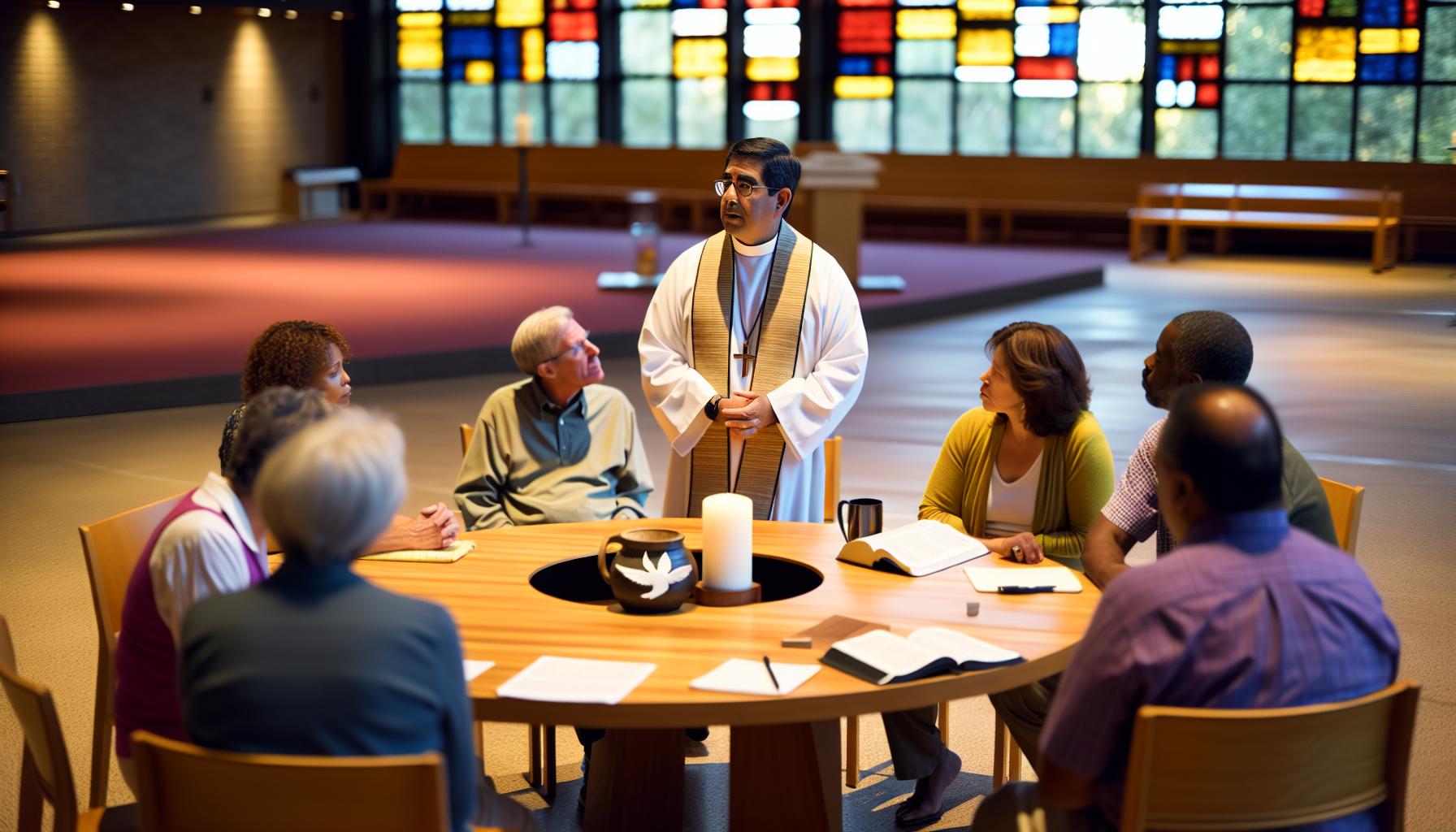
In today’s complex world, many believers find themselves searching for guidance and solace amid the noise and turmoil of contemporary issues. The Lutheran community embodies a rich tradition of engaging with these challenges through both faith and action. Rooted in the teachings of Martin Luther, Lutherans acknowledge the importance of a firm spiritual foundation while also striving to respond meaningfully to the realities of life. By embracing a Christ-centered approach, they find relevant strategies for navigating issues such as mental health struggles, societal pressures, and family dynamics.
Prayer and Support Systems
Prayer is a cornerstone of Lutheran practice and a vital tool for facing challenges. Lutherans are encouraged to bring their concerns to God both individually and collectively. Setting up regular prayer meetings offers a platform for the community to pray for one another, fostering an atmosphere of support. Small groups focusing on specific challenges-whether mental health, marital issues, or parenting struggles-provide safe spaces for individuals to share their experiences and seek counsel grounded in Scripture. By intertwining faith with communal support, Lutherans can collectively navigate life’s difficulties, reminding each other of God’s promises and sustaining one another through prayer.
Biblical Guidance for Daily Living
Strengthening one’s faith through daily devotional practices equips believers with the wisdom to confront contemporary issues. Engaging with the Bible allows Lutherans to reflect on how scriptural teachings can be applied to today’s challenges. For instance, passages from Philippians 4:6-7 encourage individuals to cast their anxieties onto God, assuring them that prayer can lead to peace that transcends understanding. Regular Bible study cultivates a deeper understanding of God’s purpose, inspiring saints to approach challenges with grace and resilience, knowing they are supported by a loving community.
Engaging with the Community
The Lutheran Church’s emphasis on community involvement encourages members to extend their faith into the broader world. This outward focus enables congregations to address social issues such as poverty, injustice, and mental health awareness. Volunteering for local outreach programs or supporting advocacy efforts can empower believers to stand against societal pressures and demonstrate Christian love in action. Additionally, mental health resources and workshops can be organized to educate the church community on sensitive issues, fostering awareness and empathy toward those facing such battles.
In a world that can often feel isolating, Lutheran responses to contemporary issues are rooted in a rich tradition of prayer, scriptural guidance, and communal support. By leaning into God’s Word and nurturing healthy relationships within their church community, Lutherans strengthen their resilience against life’s trials, assuring themselves and others that they are not alone in their struggles. With a commitment to living out their faith, Lutherans can rise above challenges, reflecting the love of Christ through authentic engagement in both personal and communal life.
Faq
Q: What are the key beliefs in Lutheranism?
A: Lutheranism centers on justification by grace through faith in Jesus Christ, emphasizing Scripture alone (“sola scriptura”) as the authority for faith and practice. It also highlights the importance of the sacraments of baptism and Holy Communion as means of grace. For deeper insights on core beliefs, refer to the section on “What is the Lutheran Faith?” in the article.
Q: How did Martin Luther’s actions shape modern Christianity?
A: Martin Luther’s 95 Theses sparked the Protestant Reformation, leading to the establishment of various denominations centered around faith alone for salvation. His translations of the Bible into the vernacular made Scripture accessible to the laity, fundamentally altering Christian worship and understanding. Explore more in the “Historical Roots of Lutheranism” section.
Q: What is the significance of the Book of Concord in Lutheranism?
A: The Book of Concord serves as a key doctrinal standard for Lutherans, detailing core teachings and confessions of faith. It encompasses the Lutheran Confessions that define beliefs and practices, providing unity across different Lutheran congregations. More about its role can be found under “Major Doctrines of Lutheranism Explained.”
Q: How do Lutherans view the sacraments?
A: Lutherans recognize two sacraments: baptism and Holy Communion. They believe these are vital means of grace instituted by Christ. Baptism initiates believers into the faith, while Communion provides spiritual nourishment. Look into the section “Understanding the Sacraments in Lutheran Theology” for detailed explanations.
Q: What is the role of faith and works in Lutheran beliefs?
A: Lutheranism teaches that salvation comes through faith alone (“sola fide”), and while good works are important, they are seen as a natural response to faith rather than a means to achieve salvation. This fundamental belief is outlined further in “Lutheran Perspectives on Grace and Salvation.”
Q: How does Lutheran worship differ from other denominations?
A: Lutheran worship is characterized by liturgical elements that emphasize Scripture and sacraments. The service often includes readings from the Bible, hymns, and a structured order of service that reflects a historical heritage, distinct from more contemporary worship styles seen in other denominations. This can be explored in-depth in “Lutheran Worship: Traditions and Practices.”
Q: What community aspects are central to the Lutheran faith?
A: Community life in Lutheranism emphasizes fellowship, service, and support among members. This includes participating in congregational activities, outreach programs, and mutual encouragement in faith. For more on communal values, see “Community Life in the Lutheran Church: Fellowship and Service.”
Q: How can someone new to Lutheranism learn more about its beliefs?
A: Newcomers can explore Lutheran teachings through Bible study groups, attending worship services, and reading key texts like the Book of Concord. Online resources and community education programs are often available through local Lutheran churches. The article’s section on “Living Out the Lutheran Faith” offers practical tips for engagement.
Closing Remarks
As you reflect on the essence of Lutheran faith and Martin Luther’s enduring legacy, remember that this path not only emphasizes belief but also actionable living grounded in scripture. Embrace the vibrant traditions of prayer, Bible study, and devotion that can enrich your daily walk with Christ. Whether you’re seeking guidance on Christian marriage or parenting, or looking for enriching faith resources, we invite you to explore our related articles on prayer life and spiritual warfare to deepen your journey.
Don’t hesitate to share your thoughts in the comments below or connect with others on this transformative path-your experiences matter! For more insights and practical tips, subscribe to our newsletter and stay engaged with our community. Together, let’s continue to cultivate a faith that inspires and uplifts. Your journey in faith starts here; let’s walk it together!