Have you ever pondered the divine influences in your life and how they shape your journey? “Who Is My Godly Parent Greek: From Mythology to Christ” invites you to explore the rich tapestry of Greek mythology and its fascinating parallels with Christian teachings. Understanding the archetypal figures of Greek gods can illuminate your spiritual path, reinforcing how these ancient narratives intertwine with modern faith. As you seek your own spiritual heritage, the exploration of godly parentage uncovers profound insights into your identity and purpose. This journey connects the ancient with the eternal, helping you discover your place in God’s grand design. Join us as we unravel these compelling connections and guide you towards a deeper relationship with your true Creator.
Contents
- 1 Who Are the Greek Gods and Goddesses?
- 2 Understanding the Concept of a Godly Parent
- 3 The Influence of Mythology on Spirituality
- 4 From Greek Mythology to Christian Beliefs
- 5 Identifying Your Godly Parent: A Step-by-Step Guide
- 6 How Greek Mythology Shaped Early Christianity
- 7 The Role of Divine Parentage in Personal Identity
- 8 Connecting with Your Godly Parent Through Prayer
- 9 The Impact of Ancient Myths on Modern Faith
- 10 Exploring the Parallels Between Gods and Biblical Figures
- 11 Embracing Your Spiritual Heritage in Today’s World
- 12 Finding Strength and Guidance Through Your Godly Parent
- 13 Frequently asked questions
- 14 The Way Forward
Who Are the Greek Gods and Goddesses?
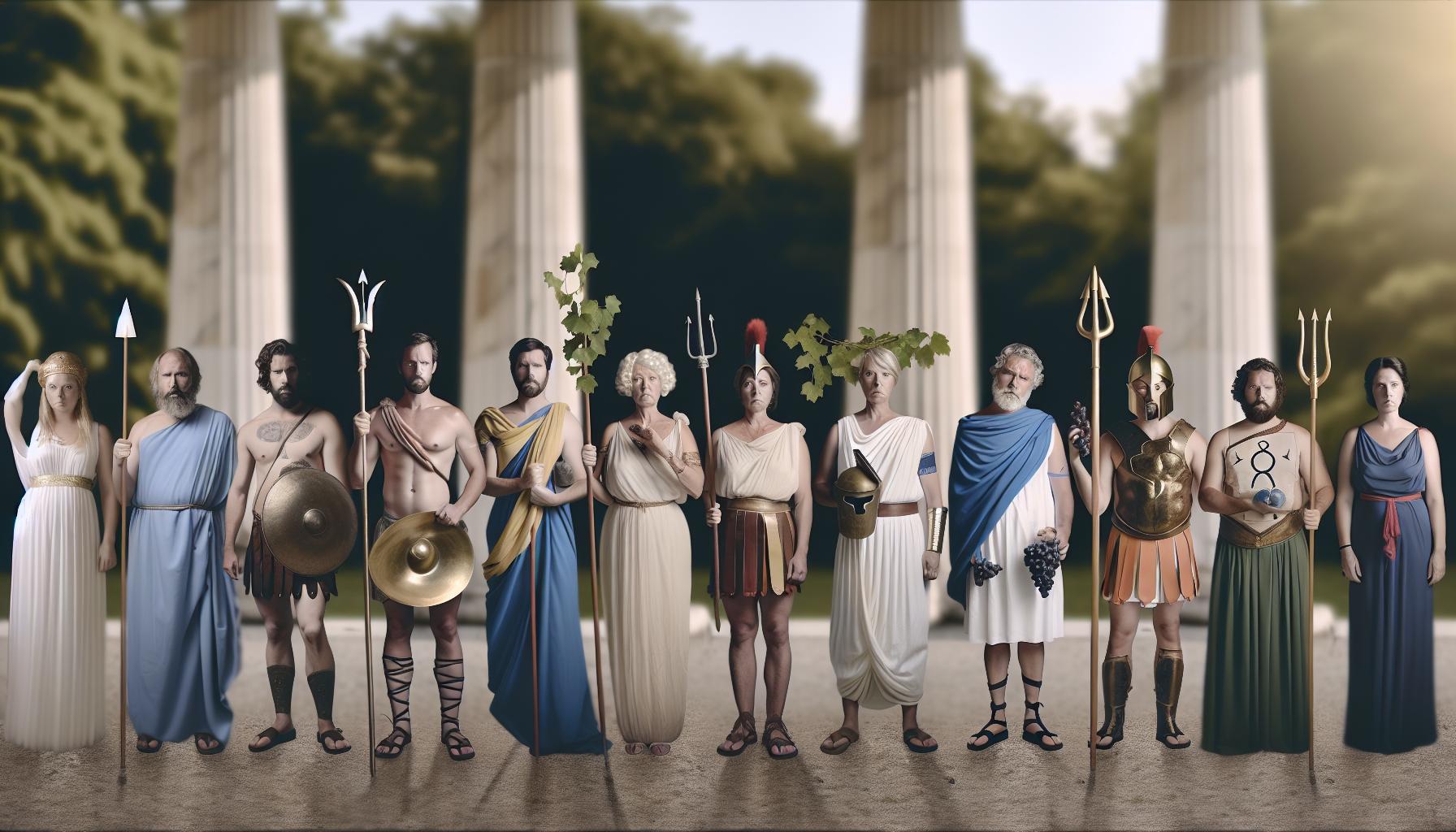
The Greek pantheon is rich and diverse, comprising deities who symbolize various aspects of the human experience, from love and war to wisdom and the harvest. Central figures like Zeus, the king of the gods, embody authority and governance, while goddesses such as Athena represent wisdom, courage, and strategy. Each deity played a crucial role in shaping the beliefs and cultural practices of ancient Greeks, influencing everything from daily life to significant rituals. Understanding these gods and goddesses provides insight into a complex web of relationships, attributes, and stories that served to explain the natural world and the human condition.
At the foundation of Greek mythology are the twelve Olympian gods, each governing distinct spheres. For instance, Poseidon ruled over the sea, while Hades presided over the underworld. The stories of these gods were not mere fables; they resonated with people on a spiritual level, serving as a guide for understanding their place in the world. Worshiping these deities often involved rituals meant to gain their favor, protect against misfortune, and seek blessings. Engaging with these ancient narratives can be a profound way to connect with the concept of divine parentage, mirroring modern faith experiences where believers might look for guidance from a higher power or spiritual parent.
The deep influence of Greek mythology is still felt today, not only within literary and artistic traditions but also in the spiritual journeys many embark upon. As individuals seek to identify their own “godly parents” or spiritual guides, they might reflect on the qualities and attributes of these ancient gods and goddesses that resonate with them personally. This quest for understanding one’s spiritual heritage underscores the timeless relevance of mythology and its capacity to inform contemporary beliefs and practices, bridging the gap between ancient stories and modern faith journeys.
In this light, reflecting on the traits of Greek gods can guide individuals in identifying their personal divine parentage. For example, someone drawn to creativity and inspiration might feel a connection to Apollo, the god of art and prophecy. Embracing these connections can foster a richer prayer life and deepen one’s spiritual journey as believers seek strength and guidance from their godly figures, reinforcing the importance of divine influence in navigating life’s challenges.
Understanding the Concept of a Godly Parent
Understanding the ties that bind us to our divine parentage can be a profound aspect of personal identity and spiritual journey. In Greek mythology, the concept of a godly parent encompassed not only the attributes of the deities but also the potential influence and blessings bestowed upon their offspring. This notion resonates deeply within the framework of modern Christianity, where believers often seek connection with their spiritual parent through prayer and faith.
At its core, recognizing your godly parent-whether defined by a Greek deity or an aspect of the Christian God-invites reflection on the qualities that resonate with you personally. Perhaps you feel a connection to Athena, the goddess of wisdom and strategy, inspiring you to pursue knowledge and integrity in your endeavors. Similarly, in the Christian faith, recognizing God as a loving Father or nurturing figure helps shape one’s understanding of their identity and purpose. It highlights that, just like the Greek gods influenced their children, believers are called to reflect God’s love and grace in their own lives.
To delve deeper into this connection, consider engaging in practices that foster understanding of divine traits. Reflect on key scriptures that speak to your relationship with God, such as Romans 8:15, which reminds us that we are adopted into His family. Embrace a regular prayer routine-whether it’s through meditative moments or structured prayer-seeking guidance, wisdom, and support as you navigate your journey. Keep a journal to document your reflections, noting feelings, inspirations, or challenges that arise as you explore this divine connection.
Ultimately, the journey of uncovering your godly parentage can bolster your faith and understanding of who you are meant to be. As you engage with both mythological figures and biblical teachings, allow this exploration to enrich your spiritual life, encouraging growth and a deeper relationship with the divine.
The Influence of Mythology on Spirituality

Exploring the interconnections between mythology and spirituality invites a treasure trove of understanding regarding how ancient beliefs continue to shape our faith journeys today. The stories of Greek gods, with their rich narratives of love, conflict, and morality, offer a unique lens through which we can examine our own spiritual walks. Just as Greek mythology imbued individuals with lessons about virtue, courage, and the consequences of choices, so too does the Christian faith call believers to reflect on their divine parentage and the qualities imparted from above.
In both Greek mythology and Christianity, the concept of a godly parent isn’t merely symbolic; it reflects profound truths about our identity and the inheritance we receive. The Greek gods often served as archetypes that echoed human experiences, showcasing a range of emotions and actions. For instance, Athena’s wisdom can inspire believers to seek knowledge and make decisions aligned with God’s will. Within Christianity, God as a Father figure emphasizes relational aspects, whereby believers are not just subjects to be governed but cherished children invited into intimacy with their Creator (Ephesians 2:19).
| Greek Deity | Significant Trait | Connection in Christianity |
|---|---|---|
| Athena | Wisdom | Seeking God’s wisdom (James 1:5) |
| Hecate | Magic and Protection | God’s protective power (Psalm 91:1-2) |
| Zeus | Authority | God’s sovereignty (Romans 13:1) |
To make these ancient narratives relevant in modern life, believers are encouraged to engage in practices that invoke this shared spiritual heritage. Start by integrating daily prayers that align with the virtues of the traits you feel resonate with you from both Greek mythology and your faith. Meditation on scripture that connects to these qualities can deepen your understanding and growth. For example, reflecting on Proverbs 3:5-6 can encourage trust in divine guidance, just as followers of Athena would have sought her counsel.
Additionally, participating in community discussions or study groups can enhance your understanding of how these themes intertwine, fostering a more comprehensive view of spirituality that honors both historical and modern insights. This blending of mythological wisdom with Christian truths can enrich not only personal faith but also contribute to a broader dialogue about what it means to be made in the image of a divine parent. Ultimately, this exploration can cultivate a more profound appreciation for the spiritual elements that guide our lives, encouraging a sense of belonging and purpose as we navigate our journeys of faith.
From Greek Mythology to Christian Beliefs
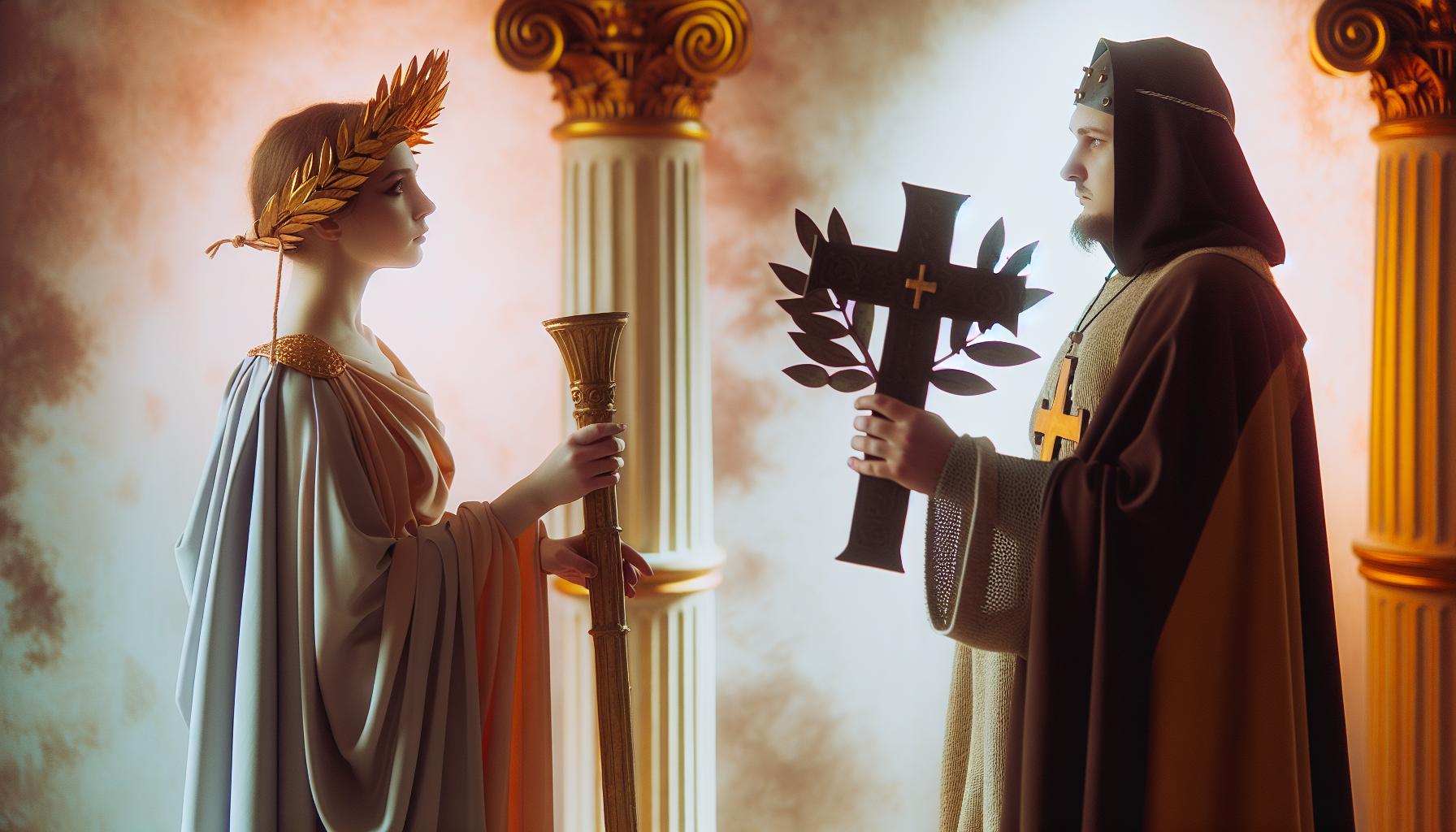
Throughout history, the narrative of divine parentage has served as a powerful metaphor, shaping the beliefs and values of cultures around the world. In Greek mythology, gods and goddesses embody human traits and experiences, presenting a vibrant tableau of morality, love, conflict, and wisdom. This rich tapestry influences not only ancient traditions but also modern spiritual practices, with many people drawing parallels between these mythological figures and biblical characters. By examining the narratives of Greek deities alongside the teachings of Christianity, we can discover insights that resonate deeply within our personal faith journeys.
One striking example lies in the attributes of various Greek gods and their implications for contemporary beliefs. For instance, Hermes, the messenger god, symbolizes communication and connection. Similarly, Christians believe in the importance of prayer as a means of divine communication. Engaging with the virtues embodied by these ancient figures can illuminate our understanding of scriptural teachings. By looking at their stories and the lessons they impart, we can develop a multifaceted approach to our spiritual lives that honors both heritage and faith.
As believers navigate their spiritual paths, the concepts of virtue and guidance from ancient narratives can be integrated into daily practices. For example, incorporating prayer that reflects the wisdom of Athena can encourage followers to seek guidance in their decision-making processes. Reflecting on stories of empathy and strength from both myths and scripture can foster a deeper sense of belonging and connection to one’s faith community. Furthermore, understanding these shared themes allows believers to appreciate the continuity of divine inspiration throughout history, uniting diverse traditions under the umbrella of divine parentage.
Ultimately, the journey enriches our understanding of identity and spiritual growth. By connecting ancient archetypes with contemporary faith practices, believers can cultivate a more profound relationship with their godly parent, enhancing their spiritual heritage. Through prayer, reflection, and community engagement, individuals can find solace and strength in the stories that have shaped humanity’s connection with the divine, leading to an authentic expression of faith in today’s world.
Identifying Your Godly Parent: A Step-by-Step Guide

Identifying your divine parent can be a transformative journey, blending the rich tapestry of Greek mythology with contemporary Christian faith. Many people find comfort and guidance in exploring who their godly parent might be, connecting with the traits and stories of these ancient figures. To take this journey, consider the following steps that can help you uncover and connect with your spiritual lineage.
Explore the Attributes of the Gods
Begin by familiarizing yourself with the various Greek gods and goddesses, each possessing distinct characteristics and virtues. For instance, if you feel a strong connection to wisdom and strategy, Athena may resonate with you. If you identify with themes of love and beauty, then Aphrodite’s attributes might speak to your heart. Reflect on your personal traits-what values or strengths do you hold dear? Take some time to write these down and see which deity aligns with your individual characteristics the most.
Engage in Prayer and Reflection
Once you’ve identified a possible godly parent, incorporate prayer and reflection into your routine. Ask for guidance and clarity regarding your connection to this figure. For example, consider praying, “Lord, help me understand the qualities I share with [God/Goddess]. Guide me to embody these traits in my daily life.” Keep a journal to document your feelings and insights during this process; writing can often lead to deeper understanding and awareness.
Seek Wisdom Through Scripture
As you explore the narratives surrounding your chosen godly parent, parallel those stories with biblical teachings. Reflect on how the attributes of your divine parent can complement your journey of faith. Scripture often offers profound insights into how we can embody the qualities found in both Greek mythology and Christian teachings. For instance, consider Proverbs 2:6, which states, “For the Lord gives wisdom; from His mouth come knowledge and understanding.” This reinforces the notion that the pursuit of wisdom, much like that of Athena, is a worthy endeavor.
Integrate Insights into Your Daily Life
Finally, take action by integrating the wisdom gained from this exploration into your life. Develop practical habits that honor the traits of your godly parent. For example, if your divine parent exudes courage like Ares, involve yourself in opportunities that require bravery, whether in personal relationships or in your career. Surround yourself with a community that helps you grow spiritually and recall that this journey enriches both your identity and your faith walk.
By actively engaging in these steps, you can cultivate a more profound relationship with your godly parent, finding strength and guidance that resonate deeply within your faith. Remember, this journey is not only about uncovering connections to ancient tales but also about enhancing your spiritual heritage as you deepen your walk with Christ.
How Greek Mythology Shaped Early Christianity

The transition from Greek mythology to early Christianity is a fascinating journey that illuminates how ancient beliefs laid a foundation for new faith perspectives. As Christianity began to spread throughout the Roman Empire, it encountered a rich tapestry of Greek mythological concepts. Many of these ideas were reinterpreted, allowing early Christians to engage with existing cultural narratives while establishing their own beliefs. For instance, themes of resurrection and afterlife, prevalent in Greek mythology, found new expression in the teachings of Christ, emphasizing hope and eternal life.
A prime example is the parallel between mythological figures and Christ. Greek myths often featured gods who embodied virtues like wisdom, love, and sacrifice, concepts that resonated deeply within Christian doctrine. Early Christian writers frequently drew upon these stories to communicate spiritual truths. This overlap helped early believers connect with the teachings of Christ by framing them within familiar cultural contexts. As a result, many found a sense of continuity between their mythological heritage and the emerging Christian message, fostering a more inclusive understanding of faith.
Understanding this intersection is crucial for contemporary believers seeking to embrace their spiritual identity. Recognizing how Greek mythology influenced Christian beliefs can empower individuals to reflect on their own spiritual heritage. By examining these ancient narratives alongside biblical scripture, one can appreciate the interconnectedness of God’s story through different lenses. For instance, considering the attributes of deities like Athena for wisdom or Aphrodite for love can enrich one’s understanding of God’s work in personal lives today.
As we acknowledge the parallels between ancient myths and biblical accounts, we can uncover deeper meanings that encourage growth in our faith journeys. Engaging with these stories not only enriches personal spirituality but also cultivates an appreciation for the historical complexities of belief systems. In doing so, we honor our spiritual past while firmly rooting ourselves in the transformative love and guidance of Christ.
The Role of Divine Parentage in Personal Identity

Exploring the depths of divine parentage can significantly enrich our understanding of personal identity, especially when viewed through the lens of faith. Just as ancient Greek mythology presents gods as influencers of human destiny-each with their own traits and domains-modern believers can similarly view their relationship with God as fundamental to their spiritual journey. Recognizing that God can be our divine parent not only fosters a sense of identity but also provides a source of strength, hope, and purpose.
The concept of divine parentage offers unique insights into how individuals can navigate their identities amid life’s challenges. When one sees God as a loving and guiding parent, it can reshape their self-perception and encourage them to reflect on divine qualities within themselves. For instance, embracing the idea that one is a child of the King-an heir to His blessings and promises-instills a profound sense of worth and divine purpose. This identity empowers believers to pursue virtues like love, grace, and forgiveness, mirroring the attributes of their heavenly Father.
- Embrace your identity: Acknowledge the gifts and character traits God has instilled in you as His child.
- Seek connection through prayer: Establish a personal dialogue with God to deepen your understanding of His expectations and love.
- Live out your faith: Let your identity as a child of God influence how you interact with others, reflecting Christ’s love in your daily actions.
In the context of Christianity, these principles align closely with biblical teachings. Scripture reminds us of our identity in Christ, emphasizing that we are not merely inhabitants of the Earth but beloved children of God (1 John 3:1). This perspective can profoundly influence how we view ourselves and our relationships with others. By understanding divine parentage, believers are encouraged to rely on God’s guidance in their lives, fostering resilience amid trials.
Ultimately, acknowledging God as your divine parent transforms your spiritual journey, blending ancient wisdom with modern faith. As you actively engage with your spiritual practices, such as prayer, Bible study, and community service, you enhance the relationship with your heavenly Father, allowing His love to shape your personal identity. By embracing this truth, you can find strength and guidance, living confidently in the light of your divine heritage.
Connecting with Your Godly Parent Through Prayer

To truly connect with your divine parent, prayer serves as a powerful and transformative tool. It is not merely a routine practice, but rather a heartfelt dialogue that invites the presence of God into our lives. Just as we might seek to understand a parent more deeply by sharing our thoughts, prayers allow us to articulate our hopes, fears, and aspirations. This intimate exchange nurtures our faith and enriches our understanding of who God is-an ever-loving Father who desires a close relationship with His children.
In the moments you spend in prayer, you can cultivate a greater awareness of your identity as a child of God. This can be done by simply expressing your gratitude for His guidance and support. Begin your conversation by acknowledging His greatness and the blessings He has lavished upon you. Reflecting on scriptures such as Philippians 4:6-7, which encourages us to present our requests to God with thanksgiving, can guide your heart toward a spirit of appreciation and reliance on His love.
Additionally, consider incorporating structured prayers that help you focus your intentions. Here are a few practices you might find impactful:
- Journaling: Keep a prayer journal where you can write down your prayers, thoughts, and the ways God responds to them. This habit helps you track your spiritual journey and deepen your connection.
- Scripture Reflection: Pair your prayers with relevant Bible verses that resonate with your struggles or aspirations. This practice bridges your dialogue with God and His Word, reinforcing His promises in your life.
- Group Prayer: Join a small group or prayer circle where you can pray with others. This community support can amplify your connection with God and provide additional encouragement and inspiration.
By recognizing that God is both a divine parent and a source of wisdom, your conversations through prayer can become avenues of healing and strength. Embrace the promise found in Jeremiah 29:12-13, where God invites us to call on Him and promises that we will find Him if we seek Him with all our heart. Such assurance not only empowers your spiritual journey but reinforces your identity as a cherished child of the King. Through committed prayer, you can grow in confidence and conviction, knowing that you are never alone as you walk in faith.
The Impact of Ancient Myths on Modern Faith
Ancient Greek mythology, rich in tales of gods and heroes, still resonates profoundly within modern spirituality, often shaping our understanding of the divine. The vivid narratives surrounding figures like Zeus, Athena, and Apollo have not only entertained but also provided frameworks for exploring our own relationships with the divine. These age-old stories reflect human experiences, emotions, and aspirations, which continue to inform contemporary belief systems and spiritual practices.
Many individuals today find parallels between the attributes of the Greek gods-such as love, wrath, wisdom, and triumph-and the qualities ascribed to God within Christian beliefs. For instance, the compassion seen in the stories of the goddess Demeter echoes the nurturing nature of Christ towards His followers. As believers draw on these mythic qualities, they create a deeper connection to their faith traditions, bridging the attributes of ancient gods with the character of the one true God. Reflecting on scripture, James 1:17 reminds us that “every good gift and every perfect gift is from above,” suggesting a continuity from the attributes celebrated in mythology to the blessings we recognize in our spiritual lives today.
Moreover, exploring these myths offers a unique opportunity for self-discovery. Understanding the themes of heroism and divine parentage present in Greek mythology encourages believers to contemplate their own identities as children of God. Just as many Greek heroes grappled with their legacies and destinies shaped by their divine parents, Christians can reflect on the profound implications of their identity as heirs of Christ. This exploration fosters a sense of belonging, urging individuals to embrace their spiritual heritage as a vital part of their life journeys.
To integrate these insights into everyday spirituality, consider practicing the following:
- Story Reflection: Reflect on a myth and identify how its themes resonate with your life. How can you apply the lessons of courage, resilience, or love to your current circumstances?
- Prayer for Insight: Use the attributes of Greek gods as a springboard for prayer. Ask God to reveal how His character is mirrored in these myths and how you can emulate those divine qualities in your own life.
- Community Discussions: Engage in discussions with peers about the parallels between ancient myths and personal experiences of faith. Sharing stories can deepen understanding and foster a sense of community.
By exploring , believers not only gain deeper insights into their spiritual identities but also enrich their faith journeys through meaningful reflections on heroism, divine qualities, and the enduring connection between human experiences and the divine. Embracing these narratives can lead to a more profound appreciation of one’s relationship with God, encouraging a deeper exploration of faith that respects both ancient wisdom and contemporary beliefs.
Exploring the Parallels Between Gods and Biblical Figures
The stories of ancient Greek mythology and the figures of the Bible both reflect humanity’s quest to understand the divine and its influence on our lives. Greek gods such as Zeus, Athena, and Apollo symbolize various human traits and experiences. Similarly, biblical figures like Moses, David, and Mary offer lessons in faith, resilience, and devotion. The interplay between these two rich traditions reveals a tapestry of shared themes that resonate with us today.
For instance, consider the concept of divine wisdom. Athena, the goddess of wisdom and warfare, represents the pursuit of knowledge and strategy. In Christian scripture, Proverbs 2:6 states, “For the Lord gives wisdom; from his mouth come knowledge and understanding.” Both perspectives underscore the importance of seeking wisdom in our lives, illustrating how we can draw from both mythological and biblical sources to guide our decisions and actions. By reflecting on the qualities of these figures, we can explore our own aspirations for wisdom in a world filled with uncertainty.
Moreover, the nurturing aspects of the Greek goddess Demeter, who embodies motherhood, strikingly parallel the compassionate qualities of Mary, the mother of Jesus. Both figures are deeply connected to themes of love and sacrifice, demonstrating how divine parentage can shape lives. Just as Demeter’s love led to the changing of the seasons, Mary’s unwavering faith and acceptance of her divine role brought forth hope through Christ. Engaging with these narratives allows us to explore our identities as spiritual children and invites us to emulate these attributes in our lives.
When reflecting on these parallels, consider incorporating practices into your routine that deepen your understanding of both mythological and biblical influences. Here are some steps to guide you:
- Journaling Journey: Write down the characteristics that you admire in both Greek gods and biblical figures. Reflect on how these traits manifest in your life and how you can cultivate them in your relationships and spiritual practice.
- Group Discussions: Share your insights and reflections in a small group or study circle. Discuss how each tradition informs your understanding of faith and the divine, fostering community and shared learning.
- Prayerful Reflection: Pray for insight and guidance as you seek to connect with the traits embodied by both divine figures. Ask God to help you channel wisdom, compassion, and courage into your daily interactions.
In embracing these narratives and recognizing the parallels between mythological gods and biblical figures, we discover a more profound appreciation for our spiritual heritage. These stories serve not only as ancient lessons but also as contemporary guides on our journeys of faith, helping us navigate life’s complexities with grace and purpose.
Embracing Your Spiritual Heritage in Today’s World

In a world that often feels fragmented, recognizing and embracing our spiritual heritage can bring profound clarity and purpose. The journey from ancient Greek mythology to modern Christian beliefs illustrates humanity’s deep-rooted quest for understanding divine parentage and connection. Just as Greek gods symbolize various human experiences and virtues, the Christian faith invites believers to seek intimacy with God, the ultimate divine Parent. This relationship can shape our identities, guide our decisions, and influence our interactions with others, offering a rich framework for navigating life’s complexities.
As you explore your spiritual heritage, consider incorporating daily practices that help nurture this connection. Start with prayer as a fundamental aspect of your routine. Just as the ancient Greeks would seek guidance from their gods, prayer serves as a direct line to God, allowing you to express your desires, seek wisdom, and foster a deeper relationship. Colossians 4:2 reminds us to “Devote yourselves to prayer, being watchful and thankful.” Setting aside a specific time each day for prayer can cultivate a greater sense of peace and understanding.
Engaging with the Bible is another powerful tool to help you embrace your spiritual lineage. Scripture provides a wealth of stories and lessons that echo the themes found in mythology, yet they are rooted in a living faith. By studying characters like Mary, the mother of Jesus, or figures such as Paul, you can see how divine parental guidance and grace manifest in practical ways. Make a habit of reflecting on passages that resonate with your experiences, perhaps through a devotional study booklet that combines daily readings with reflections on your journey.
To further enrich your understanding, consider joining a community or group focused on spiritual growth. In these settings, you can share your insights, questions, and experiences related to both mythological and biblical figures, fostering a sense of belonging and support. This communal approach mirrors the ancient practice of storytelling, where knowledge and wisdom were passed through generations, creating deeper connections within your faith.
Ultimately, embracing a life that merges the lessons of Greek mythology with the tenets of Christianity empowers you to cultivate character traits that resonate with both traditions. By striving for virtues like wisdom, kindness, and sacrifice-qualities embodied by figures such as Athena and Christ-you can navigate today’s world with confidence and grace. As you reflect on your journey and what it means to have a Godly parent, remember that this exploration is not only about heritage but also about the ongoing formation of your identity as a beloved child of God.
Finding Strength and Guidance Through Your Godly Parent

In the journey of faith, seeking strength and guidance through the concept of a divine parent can transform our lived experiences. Much like the ancient Greeks turned to their gods for support, Christians today can look to God as their ultimate parent, a source of wisdom, comfort, and direction. In times of uncertainty or distress, recognizing this divine relationship can offer profound reassurance and clarity. Just as Athenian citizens sought the wisdom of Athena, we are called to approach God, our loving Father, with our needs and struggles, confident that He listens.
One effective way to strengthen this relationship is through persistent prayer. Engaging in heartfelt communication with God not only allows us to share our worries but also opens our hearts to receive His guidance. Consider setting aside specific times each day for prayer, framing your requests not just as needs but as conversations-expressing gratitude, seeking clarity, and listening for His still small voice in your life. As James 1:5 encourages, “If any of you lacks wisdom, you should ask God, who gives generously to all without finding fault, and it will be given to you.” This promise reassures us that our divine parent yearns to provide wisdom and strength to navigate life’s challenges.
Incorporating biblical study into your spiritual routine can also deepen your connection with God. The pages of Scripture contain countless narratives of divine guidance, illustrating how God has interacted with humanity throughout history. Reflecting on stories such as the patience of Job or the leadership of Moses can provide context and comfort during your own trials. Join or form a Bible study group where sharing insights can foster a deeper understanding and strengthen communal ties among believers, echoing the supportive networks seen in ancient mythological traditions.
Moreover, practical steps can be taken to embody the virtues that resonate with both Greek mythology and Christian teachings. By embodying qualities like love, courage, and forgiveness-mirroring Christ’s teachings and the heroic attributes of Greek figures-we can become better reflections of our divine parent. Regularly practicing acts of kindness and engaging in service for others can empower individuals to find purpose and strength in their faith. This approach not only helps in personal development but also in fulfilling the call to love one another, a fundamental aspect of Christian living.
Through intertwining these practices-prayer, scripture study, and virtuous living-believers can find renewed strength and guidance from their Godly parent, navigating the complexities of life with grace and assurance.
Frequently asked questions
Q: What are the characteristics of a Greek godly parent?
A: Greek godly parents typically embody specific traits like wisdom, strength, or creativity. They influence their children’s destinies, reflecting their divine powers in areas such as intuition, intellect, or emotional resilience. Understanding these characteristics helps in identifying which god or goddess resonates with one’s personal journey.
Q: How can I identify my Greek godly parent?
A: To identify your Greek godly parent, reflect on your innate qualities and interests. Consider aspects of your personality that align with the attributes of various gods or goddesses. Engaging in self-discovery through meditation or prayer can also reveal deeper connections that guide you toward your divine lineage.
Q: What role do Greek myths play in identifying a godly parent?
A: Greek myths provide insight into the traits and fables of gods and goddesses, offering a framework for identifying one’s godly parent. Each story illustrates specific characteristics and life lessons, acting as a mirror for personal reflection and self-understanding, which can deepen your spiritual journey.
Q: How do Greek beliefs about godly parents compare to Christian beliefs?
A: Both Greek mythology and Christianity explore themes of divine parentage, yet they differ in context. Greek mythology focuses on literal parentage and attributes, while Christianity emphasizes spiritual fatherhood through God’s relationship with believers. Understanding these differences enriches one’s spiritual awareness and reinforces the interconnectedness of faith.
Q: Can my godly parent influence my life today?
A: Yes, engaging with your godly parent can provide guidance, inspiration, and a sense of purpose. Practices such as prayer, meditation, and reflection can help strengthen this bond, allowing you to draw upon their attributes in daily life. This connection can also foster a deeper understanding of your spiritual identity.
Q: How do I pray to my Greek godly parent?
A: To pray to your Greek godly parent, start by finding a quiet space to meditate. Speak openly about your thoughts and feelings, expressing gratitude for their influence in your life. You may also wish to recite or create personalized prayers that reflect your connection to their divine traits.
Q: What can I learn from the stories of Greek gods about personal growth?
A: Greek myths offer lessons in resilience, courage, and creativity. By examining the challenges and triumphs faced by the gods, you can discover strategies for overcoming obstacles in your own life. These narratives also emphasize the importance of embracing one’s uniqueness, reflecting on how you can apply these lessons today.
Q: Why is understanding my godly parent important for personal identity?
A: Understanding your godly parent enhances your sense of personal identity by connecting you to a rich tradition and spiritual lineage. This knowledge fosters self-acceptance and empowerment, guiding you to navigate life’s challenges with confidence, anchored in the divine attributes of your parent figure.
For further insights, explore sections such as “Identifying Your Godly Parent: A Step-by-Step Guide” or “Finding Strength and Guidance Through Your Godly Parent” in the main article. Embrace this journey of discovery as an enriching aspect of your spiritual heritage.
The Way Forward
Discovering your godly parent through Greek mythology is not just an intellectual journey; it’s a pathway to deepen your faith and understanding of Christ’s teachings. As you reflect on your connection to biblical principles, remember that the inspirations you gain from this exploration can enrich your prayer life and enhance your devotionals. Don’t miss out on the opportunity to integrate these insights into your daily spiritual practices.
To dive deeper, check out our articles on prayer life and biblical lifestyle advice for practical guidance on living authentically as a believer. Subscribe to our newsletter for ongoing support and resources that empower your faith journey. Whether you seek to understand your divine heritage or strengthen your marital and parenting foundations through scripture, we invite you to continue exploring and growing with us. Your journey toward a more profound spiritual life starts now-share your thoughts in the comments, and let’s embark on this transformative path together!