Yom Kippur, the Day of Atonement, is the holiest day in the Jewish calendar, marked by deep reflection, prayer, and a heartfelt desire for forgiveness. During this sacred time, the prayers serve not only as a means of seeking absolution but as a powerful reminder of our shared humanity and the grace of reconciliation. Engaging in the prayers of Yom Kippur invites us to reflect on our actions over the past year, fostering a deeper connection to our faith and the community around us.
As we ponder the meaning behind these solemn prayers, we can find solace in the opportunity to start anew, letting go of past burdens and embracing hope for the future. This journey into Yom Kippur prayers beckons us to confront our struggles, seek forgiveness, and cultivate a renewed spirit. Join us as we explore these sacred reflections that guide us toward personal and communal atonement, illuminating a path to spiritual renewal and growth.
Contents
- 1 Yom Kippur: Understanding Its Spiritual Significance
- 2 The Importance of Prayer on Yom Kippur
- 3 Exploring Traditional Yom Kippur Prayers
- 4 Key Biblical Texts for Yom Kippur Reflection
- 5 Themes of Repentance and Forgiveness
- 6 Creating a Personal Reflection Plan
- 7 How to Prepare Spiritually for Yom Kippur
- 8 Emotional and Spiritual Benefits of Fasting
- 9 Incorporating Modern Practices into Yom Kippur
- 10 Meditative Practices During Yom Kippur
- 11 Community and Family Involvement in Prayers
- 12 Stories of Transformation through Atonement
- 13 Faq
- 14 Closing Remarks
Yom Kippur: Understanding Its Spiritual Significance
Yom Kippur, the Day of Atonement, stands as one of the most spiritually significant days in the Jewish calendar, inviting a profound reflection on one’s relationship with God and the community. This sacred day encapsulates the themes of atonement and reconciliation, calling individuals to pause and engage in sincere introspection and repentance. The atmosphere is charged with the weight of collective responsibility, urging believers to confront their wrongdoings and seek forgiveness-not only from God but also from one another. It’s a powerful reminder that spiritual renewal begins with humility and a genuine desire to transform one’s heart.
As each participant embarks on this solemn journey, prayer becomes the cornerstone of the observance. Yom Kippur prayers are structured to guide worshippers through various facets of contrition and commitment, culminating in a plea for divine mercy. The communal recitation of the Vidui (confession) allows individuals to voice their regrets as part of a larger body, emphasizing the importance of shared experiences in the journey toward forgiveness. This spiritual practice creates an environment where the faithful can connect deeply with God and one another, fostering a sense of unity and support.
The biblical roots of Yom Kippur are richly woven through scripture, providing a foundation for reflection and spiritual growth. Key texts from Leviticus and the Prophets highlight the themes of sin, redemption, and the promise of renewal. These passages serve as a framework for understanding our shortcomings and the divine grace that awaits us when we earnestly seek reconciliation. Engaging deeply with these texts can enlighten the observer’s spiritual journey, cultivating a sincere longing for transformation.
In preparation for Yom Kippur, embracing various spiritual practices can enhance the experience. Creating a reflective plan that incorporates prayer, meditation, and community involvement can lead to a more profound engagement with the day’s significance. Seeking to understand the emotional and spiritual benefits of fasting is another layer of preparation that can deepen one’s connection with God. As participants navigate through the day, they are invited to embrace stories of transformation, both ancient and personal, reminding them of the enduring power of atonement in shaping lives. Through these experiences, the hope remains that each heart can find solace, healing, and a renewed commitment to the path of righteousness.
The Importance of Prayer on Yom Kippur
Engaging in prayer during Yom Kippur offers a profound opportunity for spiritual transformation and renewal. This solemn day serves as a reminder that prayer isn’t merely a traditional practice but a vital conduit for connecting with God. As believers immerse themselves in prayer, they not only reflect on their past actions but also open their hearts to divine grace and forgiveness. The structured prayers of Yom Kippur, rich with meaning and ancient wisdom, guide worshippers through a landscape of emotion, prompting sincere confessions and a deep longing for reconciliation.
The importance of communal prayer during Yom Kippur cannot be overstated. When individuals gather to recite prayers such as the Vidui (confession), a collective spirit emerges, binding believers in their shared desire for atonement. This communal dimension exemplifies the biblical teaching found in Matthew 18:20: “For where two or three gather in my name, there am I with them.” In these moments, the act of confession transforms from a personal plea into a communal catharsis, fostering a sense of unity and mutual support among worshippers.
As you prepare for this sacred day, consider incorporating personal elements into your prayer life. Beyond the traditional prayers, crafting your own heartfelt petitions can enhance your spiritual journey. You might include specific areas where you’ve struggled, alongside intentions for how you wish to grow in the coming year. Engage with scripture that resonates with themes of forgiveness and repentance, such as Psalm 51, which beautifully articulates the yearning for a clean heart and renewal of spirit.
Incorporating silence and meditation into your prayer time can also deepen your experience. Taking moments of quiet reflection allows space for the Holy Spirit to move, guiding your thoughts and enabling a more profound connection with God. Whether through breathing exercises or moments of stillness, these practices can greatly enrich your time on this holy day, helping you cultivate a deeper sense of repentance, gratitude, and hope for the future. By embracing the fullness of prayer on Yom Kippur, you can experience the transformative power of atonement, leading to healing and restored relationships with God and others.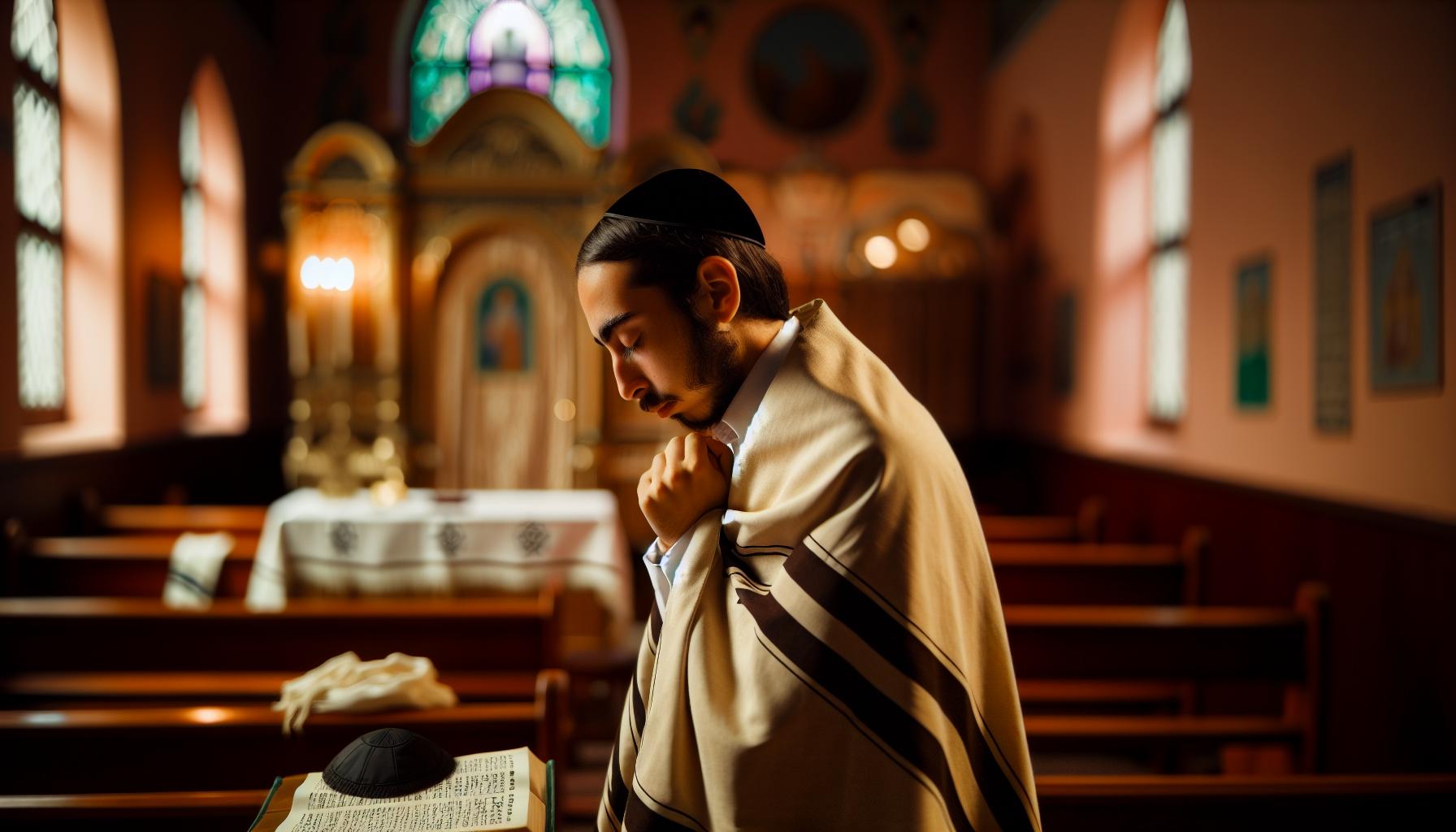
Exploring Traditional Yom Kippur Prayers
Yom Kippur, often referred to as the Day of Atonement, is a time for profound spiritual reflection, and its traditional prayers form the backbone of the day’s observances. These prayers encapsulate centuries of Jewish tradition, inviting worshippers into a deeper commitment to repentance and renewal. The ritual structure not only guides attendees through a process of self-examination and confession but also fosters a communal atmosphere where individuals unite in their shared quest for forgiveness and spiritual growth.
The most iconic prayer of Yom Kippur is the Kol Nidrei, which is recited on the evening of the holiday. This prayer, which translates to “All vows,” speaks to the heart of the human experience-acknowledging promises that have been made and perhaps broken. It’s a poignant reminder that God understands our imperfections and offers His mercy as we approach Him in humility. Following Kol Nidrei, the services include Shacharit, Musaf, Mincha, and Ne’ilah, each service steeped in meaningful liturgy and reflection. During these services, worshippers engage in prayers such as the Vidui (confessional prayers), which articulate communal and personal transgressions, illustrating the importance of accountability and the longing for atonement.
Throughout the prayers, there is a recurring theme of forgiveness and transformation. The Aseret Yemei Teshuvah (Ten Days of Repentance), which begins with Rosh Hashanah leading into Yom Kippur, emphasizes the opportunity for renewal as individuals are called to assess their actions from the past year. Each prayer encourages the faithful to connect deeply with their convictions and consider how they can embody the principles of love and forgiveness exemplified in scripture. In addition, the use of communal recitations not only reflects personal desires for atonement but also strengthens the bonds of community among those gathered for worship.
Engaging with these traditional prayers allows individuals to open themselves to divine grace. While some might feel daunted by their past mistakes, the words of the prayers remind us that no transgression is beyond God’s ability to forgive. As worshippers reflect on their lives, they are called to envision a future marked by intentionality and spiritual maturity. Incorporating these prayers into personal reflection-whether through journaling about their meanings or discussing them with family-can enhance the experience, making the journey towards atonement not just a solitary task but a shared pursuit of grace and understanding.
By embracing the sacredness of these prayers, believers find a unique opportunity for introspection and hope, culminating in a spiritually enriched Yom Kippur that heralds a new chapter of renewal and divine connection.
Key Biblical Texts for Yom Kippur Reflection
The Day of Atonement invites deep reflection on mercy, forgiveness, and the transformative power of confession. Central to this sacred occasion are the biblical texts that serve as guiding lights, illuminating the path toward spiritual renewal. Key passages offer insights that resonate across ages, helping individuals understand the significance of repentance and the promise of atonement. By engaging with these texts, worshippers immerse themselves in the heart of Yom Kippur, allowing Scripture to shape their thoughts and prayers.
Among the foundational texts are Leviticus 16:30-31 and Isaiah 58:6-7. Leviticus emphasizes the importance of atonement and purity, stating, “For on this day shall atonement be made for you, to cleanse you; from all your sins shall you be clean before the Lord.” This verse reminds us that God’s grace is accessible, urging us to seek purification through honest confession and heartfelt repentance. Coupled with this, Isaiah provides a powerful vision of true fasting, calling believers to engage in acts of compassion and justice, thus integrating the spiritual journey with practical expressions of love: “Is not this the kind of fasting I have chosen: to loose the chains of injustice and untie the cords of the yoke?”
In addition to these foundational texts, the psalms are rich resources for contemplation on Yom Kippur. Psalms such as Psalm 51, where David pleads for mercy after his sins, encapsulate a profound longing for redemption. The heartfelt cry, “Create in me a clean heart, O God, and renew a right spirit within me,” resonates deeply during this sacred time, reflecting a desire for inner transformation and closeness to God. Such verses encourage believers to articulate their own petitions for forgiveness and renewal, fostering a deeper connection with the divine.
As you prepare for Yom Kippur, consider meditating on these passages. Reflect on the ways God’s word calls you to repentance and shapes your understanding of mercy. Incorporating Scripture into your prayers and confessions not only enriches your spiritual practice but also aligns your heart with God’s desire for reconciliation and grace. Let these biblical texts guide you in developing a personal reflection plan that resonates with your journey, fostering a profound experience of atonement and renewal during this sacred time.
Themes of Repentance and Forgiveness
The journey of repentance and forgiveness is a foundational theme during Yom Kippur, creating an opportunity for believers to reflect deeply on their spiritual lives and relationships. This day emphasizes the belief that no one is beyond the reach of God’s mercy. It is a sacred reminder that the act of seeking forgiveness is not merely about acknowledging wrongdoing but also about a heartfelt desire for transformation and renewal. Through prayer and sincere confession, individuals can experience the liberating power of repentance, paving the way for healing and restored relationships with God and others.
Throughout scripture, are richly woven together, highlighting their interdependence. In the Old Testament, the act of repentance-known as teshuvah-is an invitation to return to God with a contrite heart, recognizing one’s failures while confidently seeking His grace. This concept is echoed by the New Testament teachings, which celebrate the profound act of Christ’s sacrifice, offering ultimate atonement for sins. As believers engage in prayer during Yom Kippur, incorporating scriptures like 1 John 1:9, “If we confess our sins, He is faithful and just to forgive us our sins and to cleanse us from all unrighteousness,” can ground their reflections in the promise of divine forgiveness and restoration.
To cultivate a spirit of forgiveness, it is crucial for believers to not only seek forgiveness but also extend it to those who have wronged them. This reciprocal nature of forgiveness reflects the profound grace of God and can bring emotional healing to both parties involved. Practical steps, such as writing letters of forgiveness (even if never sent), meditating on the Lord’s Prayer, which emphasizes forgiveness, or engaging in communal prayers of reconciliation, can deepen one’s understanding of this theme.
Moreover, the observance of Yom Kippur can serve as a catalyst for ongoing spiritual practices that encourage repentance and forgiveness throughout the year. Establishing regular moments for self-examination, prayer, and accountability within community can lead to meaningful transformations in personal faith journeys. As believers embrace the themes of Yom Kippur, they can strengthen their connections to God, themselves, and others, ultimately embodying the love and grace that define the Christian walk.
Creating a Personal Reflection Plan
for Yom Kippur can transform this sacred occasion into a deeply meaningful experience. It’s an opportunity to introspect, allowing the weight of one’s actions to settle and prompting a renewed commitment to faith and growth. As you prepare for this Day of Atonement, consider structuring your reflections around several key components to facilitate a holistic approach to personal growth and alignment with God’s purpose for your life.
Begin with self-examination, a core element of Yom Kippur. Carve out time for a quiet, uninterrupted space where you can consider the past year’s actions. Reflect on the ways you’ve sought- or failed- to embody Christ’s teachings. Ask yourself thought-provoking questions such as: What areas of my life have I neglected spiritually? Where do I need to seek forgiveness from God and others? Start journaling your thoughts to clarify your feelings and intentions. Practical Tip: Dedicate a specific time and place in your home where you can consistently approach this reflection with prayer and focus throughout the day leading up to Yom Kippur.
Next, incorporate scripture and prayer into your plan. Using passages that resonate with the themes of repentance and forgiveness-like Psalm 51 or Luke 6:37-can provide a deeper understanding of your journey. Create a list of scriptures that speak to your heart and relate them to your reflections. Integrate focused prayer into each session, allowing for both confession and thanksgiving. Example: After reflecting on a specific area of your life, pray through your insights, seeking God’s guidance and strength to overcome any challenges moving forward.
Engage in communal aspects of Yom Kippur to enrich your personal experience. While the journey of atonement is often solitary, involving your community, whether family or fellow believers, can offer support and encouragement. Consider establishing a family or small group prayer night before Yom Kippur, sharing reflections and praying for one another’s burdens. This can create a communal atmosphere of grace and unity, embodying the call to forgive and support each other in faith.
Finally, remember to set actionable goals for the coming year. Reflecting is beneficial, but transformation comes with intention. Identify specific steps you can take to enhance your spiritual practices, such as regular prayer times, joining a Bible study group, or serving in your community. Write these down and revisit them frequently to maintain focus and accountability. This plan not only guides your Yom Kippur experience but lays the foundation for continuous spiritual growth beyond the holiday.
By weaving these elements together-self-examination, prayer, community engagement, and actionable goals-you can cultivate a rich and transformative experience that aligns your heart with God’s, fostering a spirit of renewal as you move into a new year filled with hope and faith.
How to Prepare Spiritually for Yom Kippur
As Yom Kippur approaches, many believers feel a deep call to prepare their hearts and minds for this sacred time of reflection and atonement. This preparation can be a transformative process, cultivating a spirit of humility and gratitude, which enhances the overall experience of this Day of Atonement. Engage in intentional practices that not only deepen your understanding of repentance and forgiveness but also strengthen your relationship with God.
Begin with self-examination-a fundamental aspect of spiritual preparation. Allocate specific time each day leading up to Yom Kippur to sit in silence, allowing your thoughts to flow without interruption. Reflect on your actions over the past year, contemplating where you have strayed from your values and where you seek reconciliation. Ask yourself poignant questions such as: What relationships require mending? Are there unresolved conflicts that need addressing? Writing these reflections in a journal can provide clarity and set a tone of earnest desire for transformation.
Incorporating scripture and prayer into your spiritual regimen can enrich your reflective journey. Verses such as Isaiah 58:6-7, which emphasize true fasting and social justice, can be powerful reminders of God’s call for both inner and outward change. Craft a focused prayer list that highlights both confessional aspects-seeking forgiveness-and thanksgiving for the grace you have received. Engaging in prayerful dialogue with God about your reflections will help solidify your intentions.
Moreover, consider the power of community engagement. While the journey of repentance may feel solitary, sharing your reflections with family or close friends can provide encouragement and support. Create a communal environment by organizing a prayer night to gather with loved ones ahead of Yom Kippur, allowing everyone to share what they hope to bring to God during this sacred time. This sense of unity can foster a deeper collective spirit of atonement and forgiveness.
Lastly, establish actionable goals for your spiritual growth beyond Yom Kippur. Reflect on insights gained during this preparation period. What specific steps can you take over the coming year to continue nurturing your faith? Perhaps committing to a regular devotional time, participating in community service, or joining a study group can provide clarity and continued motivation. Write these goals down and revisit them often, ensuring that your journey of faith remains vibrant and focused on intentional transformation.
By combining practices of self-examination, scriptural meditation, community involvement, and goal setting, you can cultivate a spiritually enriching atmosphere that prepares your heart and mind for the profound meaning of Yom Kippur-the Day of Atonement.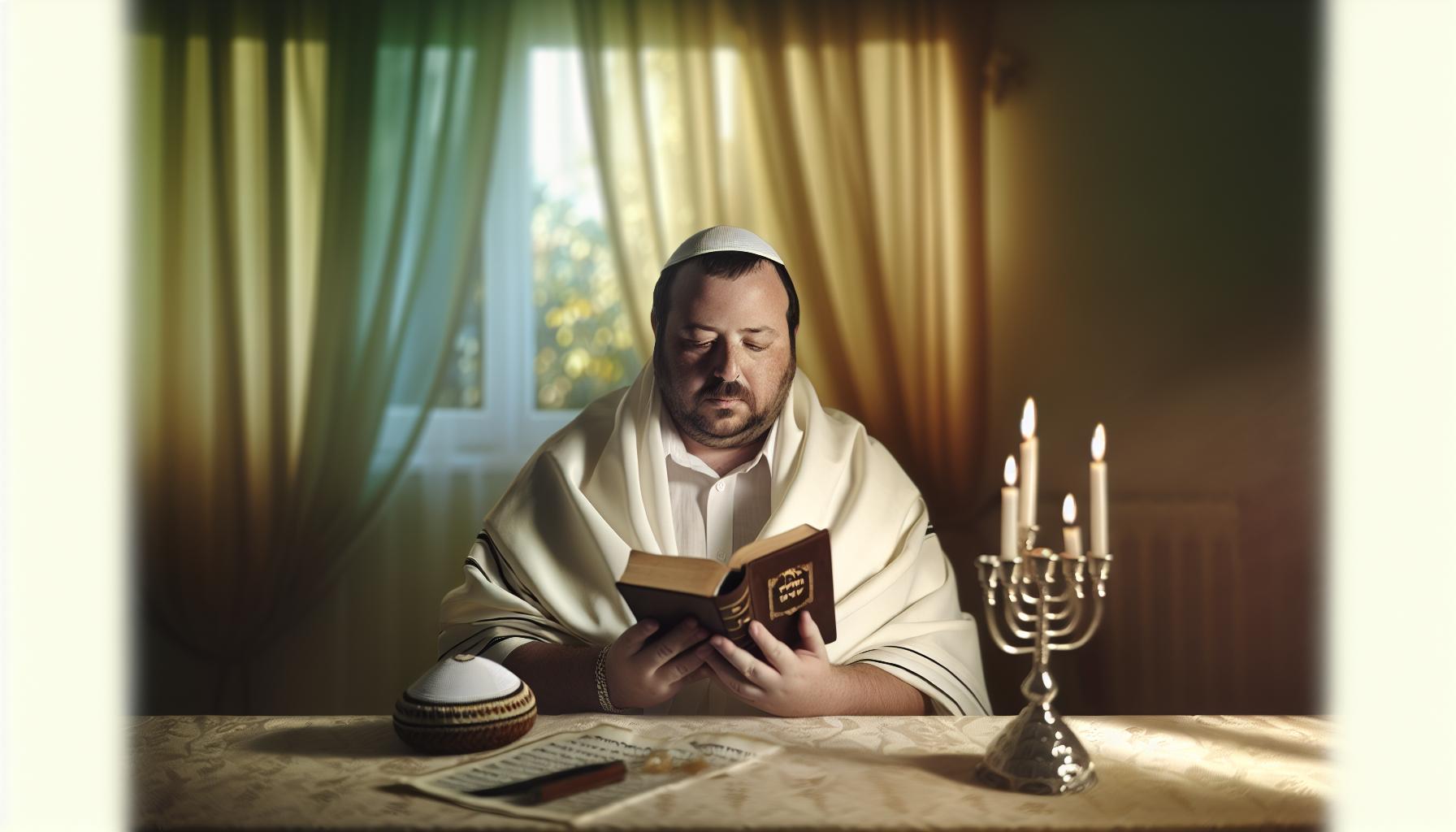
Emotional and Spiritual Benefits of Fasting
Fasting during Yom Kippur holds profound significance, not only as a religious observance but also as a pathway to emotional and spiritual rejuvenation. The act of fasting creates a physical space that allows believers to turn their focus inward, fostering a connection with God that is often overshadowed by the chaos of daily life. By temporarily abstaining from food and physical comforts, individuals can engage in deep self-reflection and consider their spiritual state, aligning themselves with the themes of atonement and renewal central to this sacred day.
Through fasting, one experiences a range of emotional benefits that can promote a clearer state of mind. The physical act of depriving oneself of sustenance encourages participants to redirect their energies and consciousness toward their spiritual needs. This process may bring clarity to personal struggles, temptations, or unresolved conflicts with others. As the body is deprived of its usual comforts, the heart and mind can become more attuned to the still, small voice of God, prompting sincere prayers of repentance and gratitude. Fatigue from fasting can lead to humility, as believers may find themselves more dependent on divine grace during this vulnerable state.
Moreover, fasting is a communal experience, often shared among family and friends, which can strengthen bonds and create a spirit of collective repentance. Sharing in the experience of fasting can foster discussions about personal faith journeys and the communal aspect of seeking forgiveness. Narratives of transformation often emerge from these shared moments, incentivizing individuals to support one another in their spiritual growth. As people come together in communal prayer and reflection, the environment becomes enriched with a sense of unity that enhances both individual and collective atonement.
Ultimately, the on Yom Kippur extend far beyond the practice itself. It acts as a vehicle for deeper understanding, a means to connect personally with God and the community, and a catalyst for sincere repentance. As you prepare your heart for this sacred day, embrace the intentional act of fasting not merely as a ritual but as a transformative experience that can lead to lasting spiritual growth and renewal in your faith journey.
Incorporating Modern Practices into Yom Kippur
Incorporating modern practices into the observance of Yom Kippur can enrich the spiritual experience and make it more relevant to contemporary believers. As traditional rituals provide a grounding foundation, integrating personal and communal innovations can enhance devotion and reflection during this sacred time. One approach is to focus on technology and mindfulness, enabling participants to connect with their faith in ways that resonate with today’s lifestyles.
Embracing Digital Tools
Utilizing digital resources can facilitate deeper engagement with Yom Kippur prayers and teachings. Many apps provide access to prayer books, including the Machzor, which can be advantageous for those who may not feel comfortable navigating traditional texts. Audio recordings or guided meditations centered around Yom Kippur themes can enhance focus and comprehension. Virtual prayer groups can also bring a diverse set of voices together, allowing for broader perspectives and shared experiences that may lead to profound insights during this time of atonement.
Mindfulness and Reflection
Incorporating practices of mindfulness can align beautifully with the reflective nature of Yom Kippur. Engaging in guided reflections that encourage silence and inner contemplation can help individuals connect more meaningfully with their prayers and intentions. Setting aside time for journaling can facilitate a personal examination of one’s heart and motivations, aiding the process of introspection and accountability. This practice can create a record of one’s spiritual journey, making it easier to see growth and areas needing attention over the years.
Community and Connectivity
Although fasting and prayer often emphasize personal experiences, the communal aspect of Yom Kippur can be invigorated through modern social practices. Organizing community service projects around this time can embody the spirit of repentance-acting in service of others as part of the atonement process. Additionally, using social media platforms to share thoughts, prayers, or reflections can create connections among community members, fostering a sense of unity that transcends physical boundaries.
Including modern practices into Yom Kippur not only sparks renewed interest amongst younger generations but also enhances the overall depth of the experience for all involved. By marrying tradition with innovation, believers can create a rich tapestry of faith expression that honors the sacredness of the day while making room for personal growth and community bonds.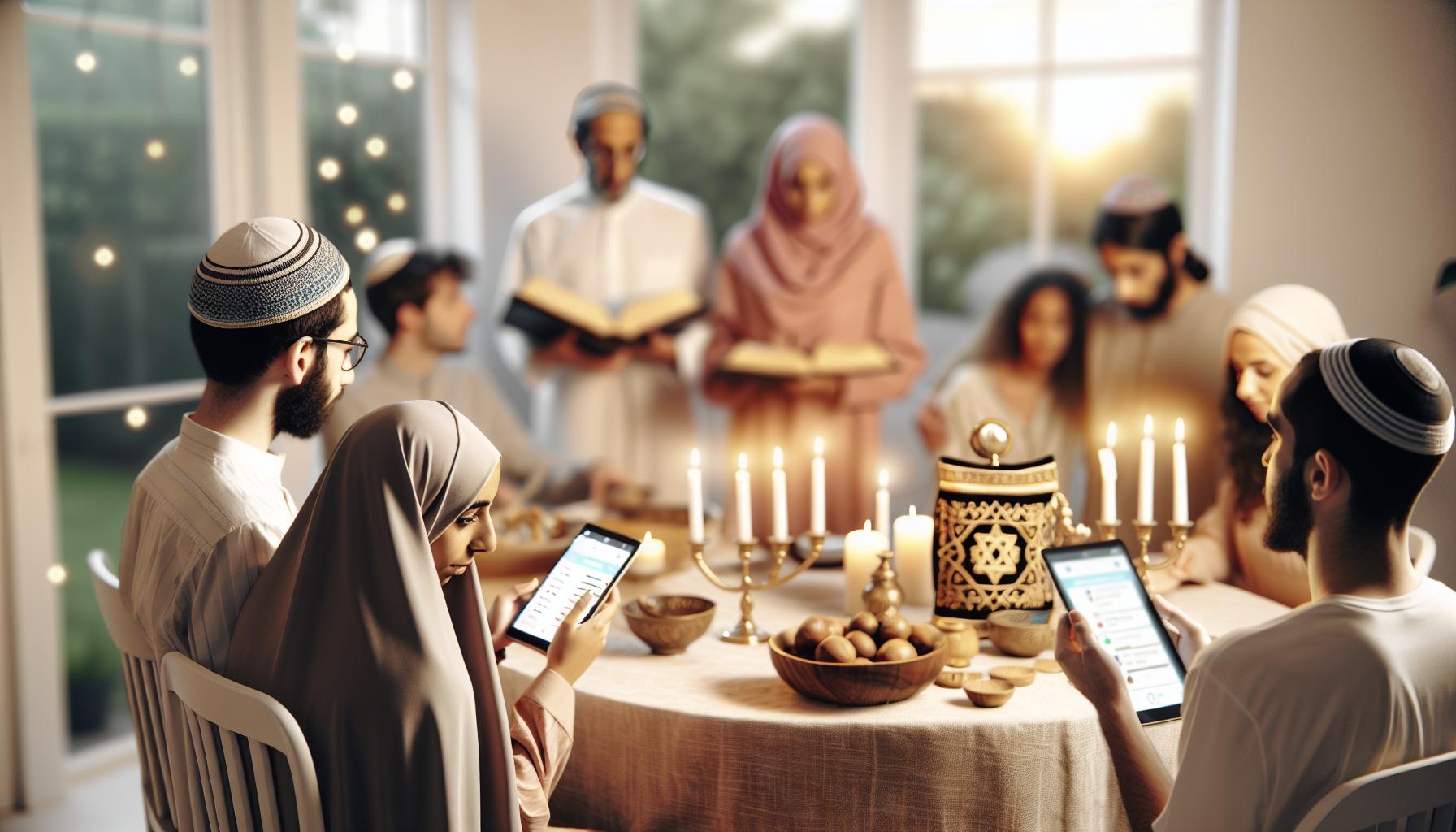
Meditative Practices During Yom Kippur
offer a profound way to deepen one’s spiritual journey, inviting believers to reflect and connect intimately with their faith. This Day of Atonement is not merely about fasting or communal prayer; it encompasses an opportunity for individual contemplation and renewal. Engaging in meditation can help create a sacred space where participants can encounter God’s presence and explore their hearts, fostering transformation that extends beyond this holy day.
One of the most accessible forms of meditation is focused breathing. Devote a few moments to sit quietly and concentrate on your breath-inhale deeply, then exhale slowly. This practice aligns your mind and spirit, allowing you to release distractions while opening your heart to God’s guidance. As you breathe, think of a word or phrase that embodies your desire for repentance, such as “forgive,” “heal,” or “renew.” This mantra can serve as a focal point to invite divine clarity as you meditate on your relationship with God.
Connect Through Scriptural Reflection
Incorporating Scripture into your meditative practices enhances your understanding of Yom Kippur’s significance. Choose passages that speak to themes of forgiveness and redemption, such as Psalm 51 or Isaiah 58. Spend time reading these texts slowly, allowing their meanings to resonate within you. Consider journaling your thoughts or feelings as you meditate on these sacred words, providing a tangible record of your spiritual growth and insights.
While personal reflection is crucial, engaging in group meditation can amplify the experience. Gather with family or friends who share in the observance of Yom Kippur. Together, set the intention to reflect on the collective journey of atonement. You might choose to meditate on a specific prayer or theme, such as the idea of community repentance, and share your reflections. This practice fosters a sense of connection, supporting each member’s spiritual path while reinforcing the communal aspect of Yom Kippur.
By embracing meditative practices, believers can transform Yom Kippur into a deeply personal experience of repentance and renewal. Whether through silent contemplation, scriptural engagement, or communal gatherings, these practices invite individuals to draw closer to God, facilitating a journey toward authentic healing and restoration. Recognize that this sacred time can be both a solitary journey and a communal tapestry, woven together by shared hopes for forgiveness and redemption.
Community and Family Involvement in Prayers
The observance of Yom Kippur is profoundly enriched through community and family participation in prayer, creating a tapestry of shared devotion that deepens the significance of this sacred day. When individuals come together to pray, they not only enhance their own spiritual journeys but also reinforce bonds within their communities and familial structures. This collective experience fosters a sense of belonging and shared purpose, vital elements in the practice of repentance and atonement.
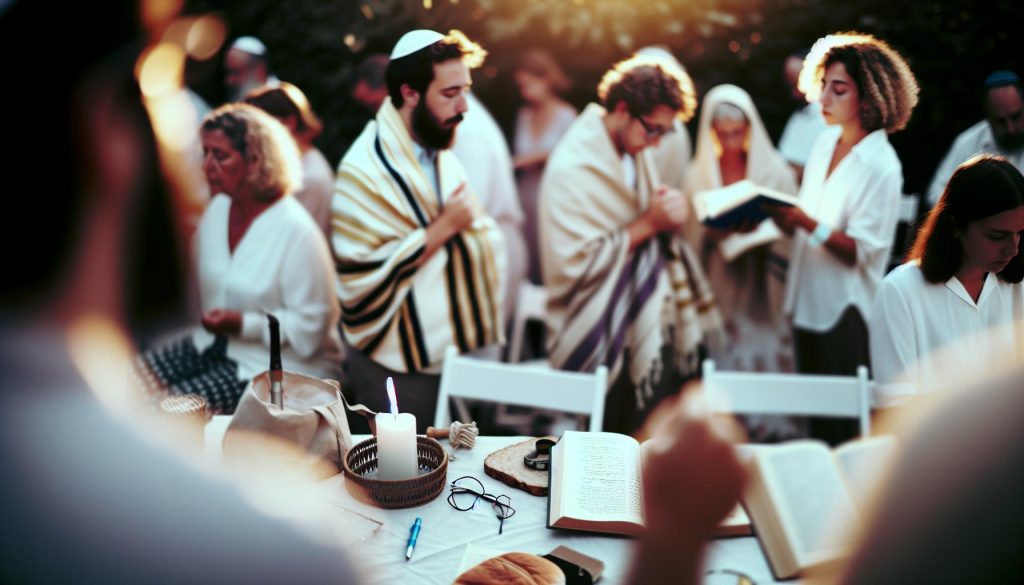
During Yom Kippur, families often gather to reflect on their collective actions and seek forgiveness together. This can involve engaging in the *Al Chet* confessional prayers, where families acknowledge not just individual failures but also those of their broader relationships. Participating in rituals such as lighting candles or sharing meals before the fast creates an atmosphere of unity and introspection that prepares hearts for the solemn nature of the day. Consider setting aside time in the days leading up to Yom Kippur for discussions about personal and family values, encouraging each member to express their feelings and intentions for repentance.
Creating Sacred Spaces for Family Prayer
Designating specific spaces within the home for prayer can significantly enhance the Yom Kippur experience. Here are some practical ideas to consider:
- Prayer Circles: Arrange a space where family members can sit together in a circle, fostering a sense of closeness while praying and meditating.
- Family Reflections: Encourage each member to share personal reflections and intentions aloud, creating a dialogue that enriches the family dynamic.
- Visual Reminders: Use symbols, such as a shofar or a bowl of stones, to represent the weight of sins and the commitment to change.
This physical representation of spiritual intentions can provide a powerful backdrop to the day’s rituals, reminding everyone of their commitment to grow in faith together.
Engaging in Community Prayers
Beyond the family unit, participating in community services further elevates the significance of Yom Kippur. Local synagogues or faith groups often host gatherings that include special prayers such as *Kol Nidrei* and the *Ne’ilah* service. Engaging in these services not only connects individuals to their faith but also invigorates the sense of community, drawing energy from shared hopes and collective memories. As participants unite in prayer, they become part of a larger narrative of atonement that transcends individual experiences.
Involvement in communal prayers is a vital practice that encourages accountability among members, creating a support system that underscores the commitment to repentance and positive change. Whether through structured prayer services or informal gatherings, the power of shared faith on Yom Kippur is an uplifting reminder that believers are not alone on their spiritual journeys. This sense of togetherness reinforces the understanding that everyone plays a role in the collective pursuit of atonement and grace.
Stories of Transformation through Atonement
Transformative stories often emerge during Yom Kippur, the Day of Atonement, when individuals confront their past actions and embrace a path toward renewal. One compelling example is that of a congregant who spent years harboring resentment against a family member. This burden weighed heavily on her spirit, leading to emotional turmoil that seeped into various aspects of her life. As Yom Kippur approached, she decided to confront these feelings and took the brave step of writing a letter of forgiveness. The act of penning her thoughts became cathartic, allowing her to express her pain and extend compassion. During the Yom Kippur services, she felt the profound power of collective prayer, which inspired her deeper resolve to reconcile. This year marked not just atonement but a new beginning, as the family member responded positively, resulting in a heartfelt reunion.
These moments of transformation are often sparked by the reflective nature of Yom Kippur prayers. The profound words of the *Al Chet* prayer, which list transgressions, create an environment ripe for introspection. Individuals use this time to confront their shortcomings and seek God’s guidance for improvement. Another story illustrates a man whose religious observance had become routine and devoid of meaning. This Yom Kippur, while reciting the *Vidui* (confessional prayer), he experienced a profound emotional shift. As he confessed his missteps, he not only acknowledged his wrongs but also felt a sense of liberation. The vulnerability he expressed during prayer ignited a passion for spiritual growth, leading him to start a new Bible study group aimed at encouraging others on their journeys.
Collective narratives of atonement further serve as a testament to the healing power of community involvement on Yom Kippur. Sharing stories of change during communal prayers fosters a supportive atmosphere, allowing participants to witness transformations beyond their personal experiences. These collective testimonies illuminate the path of grace that God offers, inspiring individuals who struggle with their own burdens to take similar steps toward atonement.
These stories remind us that Yom Kippur is not merely a day of fasting and solemnity; it is a powerful opportunity for reflection, connection, and transformation. As believers engage in meaningful prayer, the potential for personal growth and healing is immeasurable, affirming the transformative nature of repentance that extends into daily life. As we navigate our faith journeys, let us embrace these opportunities to cultivate deeper relationships with God and one another.
Faq
Q: What types of prayers are performed on Yom Kippur?
A: On Yom Kippur, traditional prayers include the Vidui (confessional prayers), Ne’ilah (the closing service), and Avodah (the service of the High Priest). These prayers focus on repentance, seeking forgiveness, and spiritual cleansing, emphasizing the day’s themes of atonement and reflection.
Q: How can I prepare for Yom Kippur prayers?
A: Preparing for Yom Kippur prayers involves setting a spiritual intention, reflecting on personal shortcomings, and seeking forgiveness from others. Creating a quiet space for meditation and familiarizing yourself with traditional prayers can enhance your experience during the service.
Q: What is the significance of the Yom Kippur confessional prayers?
A: The Vidui, or confessional prayers, allow individuals to acknowledge their sins and express remorse. This ritual fosters self-reflection and facilitates a deeper connection with God, making reconciliation and atonement central to Yom Kippur’s spiritual journey.
Q: How can community involvement enhance Yom Kippur prayers?
A: Community involvement during Yom Kippur prayers fosters a sense of unity and collective repentance. Participating in communal services encourages shared reflection and support, highlighting the importance of relationships in spiritual growth and healing.
Q: What themes should I focus on during personal reflections on Yom Kippur?
A: Focus on themes of repentance, forgiveness, and renewal during personal reflections on Yom Kippur. Consider how your actions affect others and how you can commit to positive changes in the coming year, aligning your heart with the day’s principles of atonement.
Q: How do prayers on Yom Kippur emphasize forgiveness?
A: Prayers on Yom Kippur explicitly seek forgiveness from God and others, highlighting the importance of internalizing compassionate actions. The act of seeking forgiveness cultivates humility and promotes reconciliation within the community, aligning with the day’s overarching themes of atonement.
Q: What modern practices can enhance Yom Kippur prayers?
A: Incorporating modern practices like guided meditation or personal journals can deepen Yom Kippur prayers. These approaches encourage individual reflection and allow for a more personalized experience of the day’s spiritual significance.
Q: Why is fasting included in Yom Kippur rituals?
A: Fasting on Yom Kippur serves as a physical manifestation of atonement, promoting self-discipline and focus on spiritual matters. It allows individuals to detach from worldly comforts, enhancing their connection with God through prayers and reflection.
Closing Remarks
As you reflect on the profound significance of Yom Kippur and engage deeply with the prayers of atonement, remember that each moment of introspection draws you closer to faith and renewal. Our collection of prayers not only guides you through this sacred day but also serves as a vital tool for ongoing spiritual growth. If you found the themes of repentance and forgiveness resonating with you, explore our resources on personal prayer life and Bible study to deepen your journey further.
Don’t miss the opportunity to immerse yourself in our broader spiritual guides that support a fulfilling faith journey. Consider signing up for our newsletter for updates on new articles and community events that foster connection and growth. Let us walk together in this path of faith, nurturing hearts and minds as we pursue authentic Christian living in today’s world. Share your experience and thoughts in the comments below; your insights could inspire others on their journey.