
In a world buzzing with distractions and fast-paced living, nurturing a child’s faith can feel overwhelming. “Children’s Devotional: Fun Bible Stories Kids Actually Love” dives into engaging stories that make it easy for kids to connect with God. These vibrant narratives not only capture their imagination but also lay a strong biblical foundation, making spiritual exploration enjoyable. By providing relatable lessons and exciting characters, this devotional helps parents instill values of kindness, love, and faith in their children, fostering a lifelong relationship with God. As you journey through each story, expect to find delightful surprises that spark curiosity and deepen understanding, making both reading and learning a joyful experience. Join us in discovering how these beloved tales can inspire young hearts to embrace their Christian faith with enthusiasm!
Contents
- 1 Children’s Devotional: Engaging Bible Stories for Kids
- 2 Why Bible Stories Matter for Children’s Faith
- 3 Top 10 Fun Bible Stories Kids Adore
- 4 How to Make Bible Stories Relatable for Kids
- 5 Creative Ways to Share Bible Stories at Home
- 6 Incorporating Memorable Lessons from Scripture
- 7 Interactive Activities that Enhance Bible Storytelling
- 8 Using Visuals and Crafts to Teach Bible Stories
- 9 Encouraging Kids to Connect with Scripture
- 10 Tips for Age-Appropriate Bible Story Selection
- 11 The Importance of Prayer in Children’s Spiritual Growth
- 12 Building a Family Devotional Time Around Bible Stories
- 13 Faq
- 14 In Retrospect
Children’s Devotional: Engaging Bible Stories for Kids
Engaging children with Bible stories is a powerful way to nurture their faith and understanding of God’s love. Through captivating narratives, children can learn about important values such as kindness, bravery, forgiveness, and faithfulness. Bible stories not only provide lessons for living but also open the door for placing God at the center of everyday life, fostering a deeper relationship with Him. When children hear the remarkable accounts of biblical figures, they discover that they too can be a part of God’s grand narrative.
To make these stories resonate with kids, it helps to incorporate elements that are relatable to their life experiences. For instance, transforming a story like David and Goliath into a discussion about facing fears can help them see the relevance in their own challenges. Using a child’s perspective, ask them questions that prompt critical thinking and personal application, such as, “What is a challenge you’ve faced, and how did you find courage?”
In addition to narratives, sharing Bible stories through creative methods can further captivate young hearts. For instance, reenactments, puppetry, or drawing activities can make the lessons more tangible. Parents and educators can encourage children to participate in storytelling by letting them act out the scenes or create artwork that represents their understanding of the story. This not only makes the experience enjoyable but also reinforces their comprehension and retention of the lessons learned.
By embracing a variety of storytelling methods-such as interactive activities, relatable applications, and creative expressions-children are not merely passive listeners; they become active participants in their faith journey. They learn to connect with Scripture in meaningful ways that encourage ongoing exploration and growth in their relationship with God.
Why Bible Stories Matter for Children’s Faith
Engaging children’s hearts with Bible stories is not just about entertaining them; it is a vital element in nurturing their spiritual growth and anchoring their faith in God. These tales are rich in life lessons and moral teachings, each unlocking profound truths about God’s character and His relationship with humanity. From David’s courage in facing Goliath to the compassion of the Good Samaritan, these narratives not only entertain but also challenge children to reflect on their own lives, instilling values such as kindness, bravery, love, and forgiveness.
When children hear about biblical figures overcoming obstacles, they begin to see the world through a lens of faith. These stories serve as a framework for understanding their emotions and experiences. For instance, the story of Noah can be a powerful conversation starter about obedience and trust in God, even when circumstances seem uncertain. Encouraging children to draw parallels between their own lives and the lives of biblical characters allows them to grasp that they too are part of God’s story, fostering a sense of belonging and purpose.
Moreover, Bible stories lay a foundation for spiritual development through the teachings of Jesus, urging children to embody His teachings in everyday interactions. Reading and discussing these stories equips kids with the understanding that they are never alone; they are under the protection and guidance of a loving God. As they explore the narratives, children learn the importance of praying and seeking God’s wisdom, reinforcing the practice of turning to Him in times of need.
To maximize the impact of these stories, it’s crucial to incorporate elements that resonate with children’s lives, making them relatable and engaging. This can be achieved through interactive storytelling methods, discussions that evoke personal connections, and practical applications of the lessons learned. By creating a rich environment where Bible stories are central to family discussions and daily life, parents and educators can provide children with a solid spiritual foundation that equips them to navigate the complexities of life with faith and confidence.
Top 10 Fun Bible Stories Kids Adore
Engaging young hearts and minds with Bible stories not only entertains but also plants the seeds of faith and character development in children. The narratives in the Bible offer rich opportunities for learning and connection, filled with adventure, miracles, and divine lessons. Here’s a list of ten Bible stories that capture the imagination of kids and inspire them to learn about God’s love and guidance.
Top Fun Bible Stories for Kids
- The Creation Story (Genesis 1-2) – Children are fascinated by the idea of how the world began. This story introduces them to the majesty and creativity of God as they learn about the wonders of the universe.
- Noah’s Ark (Genesis 6-9) – With a massive flood, a giant boat, and loads of animals, this vibrant story captivates children and teaches them about obedience and trust in God’s plans.
- David and Goliath (1 Samuel 17) – The tale of a young shepherd defeating a giant with just a sling and a stone is a classic. It empowers children to believe in their abilities and that God can help them conquer their challenges.
- Daniel in the Lions’ Den (Daniel 6) – This thrilling story gives children a glimpse of bravery and faith as Daniel trusts God amidst danger, showing them that faith can prevail in difficult situations.
- Jesus Calms the Storm (Mark 4:35-41) – A powerful reminder that Jesus cares for them in any circumstance, this story encourages kids to trust God’s presence during storms, both literal and metaphorical.
- The Good Samaritan (Luke 10:25-37) – Through this parable, children learn about kindness and helping others regardless of their background, reinforcing the importance of love and compassion.
- Moses and the Red Sea (Exodus 14) – The dramatic escape from Egypt and the parting of the sea captivates children’s imaginations, demonstrating God’s miraculous intervention and protection.
- Joseph and His Colorful Coat (Genesis 37; 39-45) – This colorful tale of ups and downs teaches children about perseverance, forgiveness, and God’s plan working through challenges.
- Jesus Feeds the 5,000 (John 6:1-14) – The miraculous feeding of the multitude shows the power of sharing and God’s provision, emphasizing that even small contributions can have a massive impact.
- Esther Saves Her People (Book of Esther) – This inspiring story of bravery highlights how one person can make a difference and encourages children to stand up for what is right.
Each of these stories provides valuable lessons that children can relate to and cherish. Parents and educators can enhance the telling of these stories through creative activities, crafts, and discussions, making the lessons unforgettable. Encourage children to see themselves in these narratives, emphasizing that they are part of God’s ongoing story and encouraging a personal relationship with Him. As they explore these tales, they not only learn about biblical events but also apply the timeless lessons in their own lives, strengthening their faith and character.
How to Make Bible Stories Relatable for Kids
Kids are naturally curious and imaginative, making them perfectly poised to connect deeply with Bible stories. To help children appreciate the relevance of these ancient narratives, it’s crucial to present them in a manner that resonates with their everyday experiences and emotions. Stories like David and Goliath or Jesus calming the storm can come alive when you draw parallels to a child’s own life challenges and triumphs, creating an engaging and meaningful connection that fosters their faith.
One effective way to bridge the gap between biblical times and today is to ask open-ended questions that relate the story to a child’s life. For example, while sharing the story of Esther, you might ask, “Have you ever had to stand up for someone else? How did it feel?” This line of questioning not only brings the story’s lessons into the present but also encourages children to share their thoughts and experiences, making the lesson memorable. Additionally, incorporating modern examples of kindness, bravery, or forgiveness can demonstrate how these timeless principles impact our lives today.
Utilizing interactive elements can also enhance relatability. Consider incorporating role-play opportunities based on a story’s key themes. Let the children act out the story of the Good Samaritan, encouraging them to express empathy and compassion through their performances. This active participation allows them to physically engage with the material, reinforcing the moral messages through experiential learning.
Moreover, the use of visuals, such as colorful illustrations or animated Bible story videos, can captivate a child’s attention and pique their interest in the narrative. Children often recall what they see or do more than what they hear; creating visual connections allows them to engage their imagination fully. Crafting simple projects related to the story-like making a rainbow for Noah’s Ark or crafting a small slingshot for David and Goliath-can reinforce their understanding through creativity.
By intertwining relatable questions, interactive activities, and visual aids, Bible stories can transform into vibrant, living lessons that guide children in their faith journey. Encouraging kids to discuss their thoughts and feelings about these stories will deepen their understanding, illuminate their personal experiences, and help them grasp the significance of God’s messages in their lives. The stories will not just remain tales from the past but will become relevant teachings that inspire them to live out their faith daily.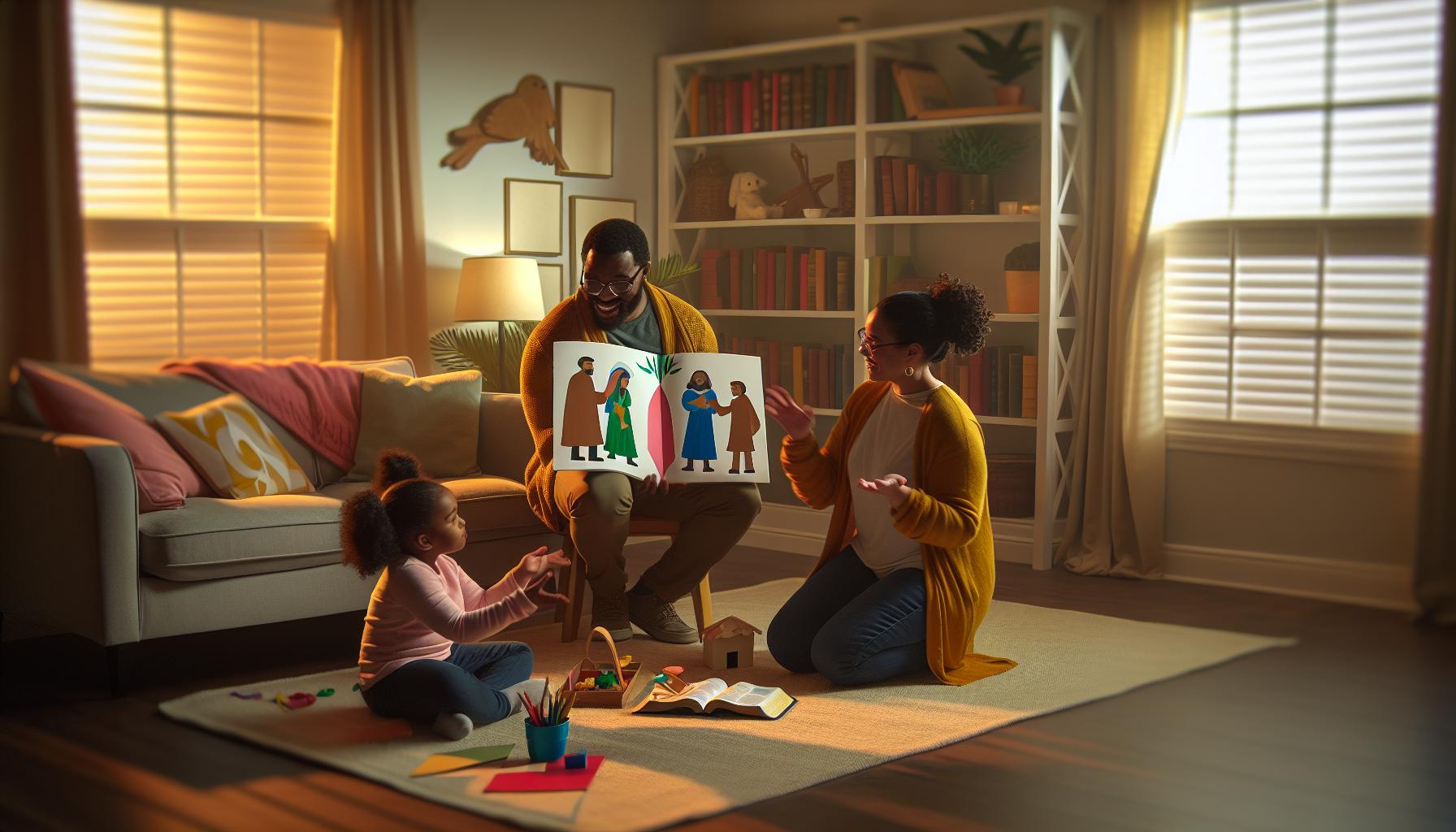
Sharing Bible stories at home can be a vibrant and interactive experience, allowing children to connect deeply with their faith and the lessons embedded in Scripture. As you introduce these sacred narratives, consider transforming your storytelling into an engaging adventure that sparks their imagination and fosters understanding. For instance, you can create an atmosphere of excitement by integrating themed activities that resonate with the specific stories you share. If you’re discussing the story of Jonah and the whale, consider a “fishing” day where kids can use rods (or even just their hands!) to “catch” treats or toys symbolizing what Jonah might have experienced. Such activities bridge the gap between the ancient text and modern-day experiences, making the biblical account come alive.
Another creative approach is to implement a storytelling ritual in your household. Designate a specific day and time each week for Bible storytelling, turning it into a family event everyone looks forward to. To enhance this special time, incorporate various storytelling techniques. Use puppets or play props related to the stories, or invite family members to take on roles of different characters. This participatory method not only captivates children’s attention but also encourages them to express their own understanding of the narrative. As they play the roles of biblical figures, children will internalize the lessons in ways that are meaningful and memorable.
Utilizing technology can also enrich your Bible storytelling sessions at home. Numerous fantastic apps and websites provide animated videos and interactive stories that can grab children’s attention. For example, platforms like YouTube have animated adaptations of Bible stories that can serve as an engaging visual aid. Encouraging a family discussion about these videos can lead to deeper insights and personal applications of the lessons learned. To reinforce the messages, consider creating a digital scrapbook where children can add pictures, crafts, and reflections on each story you explore together. This integration of creativity and technology not only makes Bible study fun but also personalizes their faith journey.
Ultimately, the goal of sharing Bible stories at home is to nurture faith and understanding in children. Through engaging activities, creative storytelling methods, and the use of modern technology, families can create an environment where Scripture comes alive, fostering spiritual growth and a love for God’s Word. By growing together in faith as a family, you lay a strong foundation for a lifelong relationship with God, providing your children with the tools they need to navigate their spiritual journeys with confidence and joy.
Incorporating Memorable Lessons from Scripture
Incorporating lessons from Scripture into children’s lives doesn’t have to feel like a chore; instead, it can be a wonderful opportunity for growth, understanding, and connection. Children are naturally curious, and their inquisitive minds can be gently guided to grasp the underlying principles found in Bible stories. For example, the story of David and Goliath not only highlights David’s bravery and faith but also teaches children about the significance of trusting God in the face of challenges. Through relatable narratives and applicable morals, Scripture can become a foundation for children’s character development.
To make lessons from Scripture memorable, consider using specific themes that resonate with children. This could involve showcasing qualities like kindness, honesty, or perseverance found in various stories. Engaging children with activities related to these themes can solidify their understanding. For instance, after reading the story of the Good Samaritan, you might encourage kids to create “kindness cards” to give to others, embodying the essence of the story in their everyday lives. Such practical applications reinforce the idea that God’s word is not just a tale from the past but a living guide for current behavior and attitudes.
Bringing in real-life examples can also enhance the teaching experience. Share stories of modern-day heroes who exemplify biblical virtues, such as those who help others in need or stand up for what is right. This not only makes the biblical lessons more relatable but also shows children that they, too, can make a difference in their communities. Encourage discussions about how they can practice the lessons learned from Scripture, creating a safe space for them to express their thoughts, feelings, and applications.
Moreover, make a habit of reflecting on these lessons continuously. Set aside time for family discussions centered on what they’ve learned through the week’s stories, or create a “lessons learned” wall where children can share insights and experiences related to the biblical narratives. This ongoing interaction fosters a richer understanding of scripture, helping the lessons take root in their hearts and guiding their spiritual growth. Ultimately, transforming stories into actionable lessons ensures that they are not only remembered but also lived out in meaningful ways.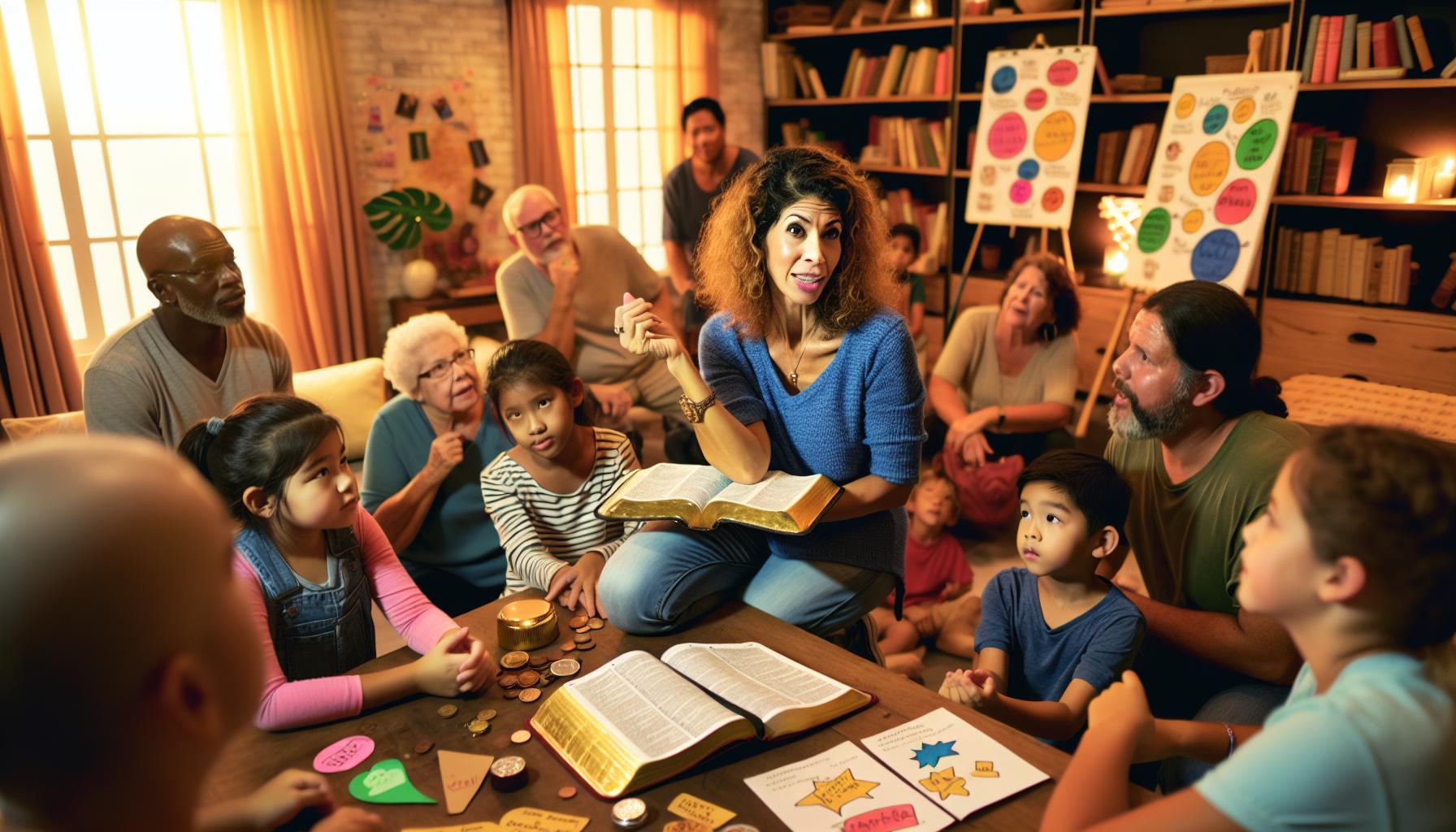
Interactive Activities that Enhance Bible Storytelling
Engaging children in Bible stories can transform their understanding and appreciation of the Scriptures, making them come alive in fun and meaningful ways. One effective method is through interactive activities that not only captivate children’s attention but also reinforce the lessons they learn from the stories. By incorporating hands-on experiences, kids can play an active role in their faith journey, deepening their connection to the biblical narratives.
Story Dramatization
Encourage children to act out their favorite Bible stories. This can be done by assigning roles, creating simple costumes, and using props. For instance, after reading the story of Noah’s Ark, children can construct a mini-ark using boxes and stuffed animals to represent the animals that boarded. Such dramatizations help them understand the emotions, actions, and choices of biblical characters, making the lessons more relatable and memorable.
Bible Story Crafts
Craft projects allow children to express creativity while learning about Scripture. After discussing the story of David and Goliath, kids can create slingshots using popsicle sticks and rubber bands. This hands-on activity can lead to discussions about faith and courage as they recall David’s bravery in facing Goliath. Similarly, making colorful paper lanterns can be tied to the story of Jesus as the Light of the World, creating a visual reminder of His presence in their lives.
Interactive Bible Quiz Games
Transform lessons into fun learning sessions by creating Bible quizzes. You can organize team-based games where children answer questions based on stories they’ve learned. Incorporating elements like buzzers or timed responses can heighten excitement and engagement. This not only reinforces their retention but also allows a healthy competition that enhances camaraderie among peers.
Outdoor Bible Story Scavenger Hunt
Plan a scavenger hunt that corresponds to a specific Bible story, where each clue leads to the next, relating back to the narrative. For example, in a hunt inspired by the Good Samaritan, each stop could represent a step in Jesus’ parable, with various tasks or questions to answer before receiving the next clue. This interactive experience promotes teamwork, critical thinking, and a deeper understanding of the story’s message.
Incorporating these interactive activities will create a rich and enjoyable atmosphere for learning about the Bible. Children not only grasp the narratives better but also internalize the associated values and teachings, making their engagement with Scripture a joyous and meaningful part of their spiritual growth journey. Each activity serves as a reminder that learning about God’s word can be an exciting adventure filled with creativity and community.
Using Visuals and Crafts to Teach Bible Stories
Visuals and crafts can transform Bible stories into engaging and memorable experiences for children, enhancing their understanding and enjoyment of Scripture. When children see and touch representations of biblical narratives, these stories become more tangible and relatable. By incorporating visual elements such as illustrations, puppets, or physical models, you can create a dynamic learning environment that captivates young hearts and minds, encouraging their connection with God’s Word.
Using craft projects as a tool for storytelling can be especially effective. For example, after telling the story of Jesus feeding the 5,000, involve kids in creating a basket filled with paper fish and loaves of bread. This hands-on activity not only reinforces the miraculous event but also provides a visual reminder of how God provides for us. Making a simple craft, like a rainbow bracelet after discussing God’s promise to Noah, can serve as a lasting symbol of that covenant, allowing children to wear their faith proudly.
Fun Visual Aids
Incorporating visual aids is another powerful strategy. Consider using storyboards that illustrate key scenes of the Bible, or create flashcards depicting different characters, such as Moses, Esther, and David, which children can use in games or activities. These resources engage visual learners, aiding memory retention and understanding. For instance, you can set up a colorful display with images of the plagues of Egypt, inviting kids to act out each plague as they learn about God’s power and deliverance.
Additionally, interactive powerpoint presentations or animated videos can make Bible stories come alive in a way that holds children’s attention. Integrating multimedia can cater to different learning styles, allowing kids to both see and hear the stories of their faith, and prompting a deeper reflection on the lessons being conveyed.
Engaging in these visually-rich crafts and activities not only aids comprehension but also nurtures creativity and self-expression in children’s spiritual journeys. As they weave their understanding of Bible stories into tangible forms, you help them build a firm foundation for their faith, fostering an environment where learning about God’s Word is both fun and impactful.
Encouraging Kids to Connect with Scripture
Encouraging children to form a meaningful connection with Scripture can be one of the most rewarding aspects of nurturing their faith. Kids are naturally curious and imaginative; leveraging this tendency can turn Bible stories into engaging, relatable experiences. To ignite their interest in God’s Word, consider incorporating storytelling techniques that captivate young minds, making the Scriptures come alive in ways they can appreciate and understand.
One effective method is to create a narrative environment where children can participate actively. Instead of merely reading a story, invite them to act it out or participate as characters. For instance, during the story of David and Goliath, children can take turns being David, Goliath, and even the Israelite army, encouraging them to express their understanding through action. This physical involvement builds a deeper comprehension and emotional connection to the biblical characters’ struggles and triumphs.
Personal Reflection and Discussion
Another important aspect is fostering a space for personal reflection and discussion. After sharing a Bible story, ask open-ended questions that stimulate thinking and allow children to express how they feel about the lessons learned. Questions like, “What do you think it was like for David to face Goliath?” or “How can we show kindness like Jesus did?” not only deepen their understanding but also encourage them to apply these principles in their daily lives.
Regular Bible Exploration
Make scripture exploration a routine part of their life by establishing a dedicated time each week where they can delve deeper into specific stories or characters from the Bible. Incorporate relevant themes that resonate with their experiences, such as friendship or courage, and explore how Scripture addresses these themes. Utilize resources, such as child-friendly Bible apps or interactive study guides, to make these sessions enjoyable and educational. The key is consistency, turning these moments into cherished family traditions that help instill a lifelong love for Scripture.
In all these efforts, let your own enthusiasm for the Word of God shine through. Show them that studying the Bible is not just an obligation but a source of joy and wisdom. As they grow in their understanding and relationship with Jesus, they will develop a faith that is personal, resilient, and deeply rooted.
Tips for Age-Appropriate Bible Story Selection
Incorporating Bible stories into a child’s learning journey can be immensely rewarding, yet selecting the right stories for their developmental stage is crucial. Each age group has unique perspectives and comprehension levels, making it important to tailor selections that resonate with their experiences and encourage deeper faith exploration. Choosing age-appropriate stories not only captivates young minds but also fosters a genuine interest in Scripture, shaping children into thoughtful and engaged believers.
For younger children, stories that emphasize simple, relatable themes like love, kindness, and friendship are often the most impactful. Classic tales like Noah’s Ark and the Good Samaritan illustrate these concepts beautifully and are easy for toddlers and preschoolers to grasp. Their vivid imagery and straightforward morals can create lasting impressions, easing children into the rich landscape of biblical teachings.
As children grow into elementary school age, you can introduce slightly more complex narratives that incorporate moral dilemmas and character development. Stories like David and Goliath or Esther showcase bravery and faith in challenging situations. Engaging them with questions during or after the storytelling can enhance their understanding and help them connect lessons to their daily lives. For instance, asking, “What would you have done if you were in Esther’s shoes?” encourages them to think critically and relate to the characters.
Consider utilizing a variety of formats while selecting stories-picture books, animated videos, and simple children’s Bibles can cater especially well to visual learners. Interactive methods can also work wonders, such as acting out stories or using props, to maintain their enthusiasm and interest. By actively involving children in the storytelling process, you can reinforce their ability to remember and apply biblical lessons.
Finally, be mindful of the emotional and intellectual maturity of your child; ensure the stories you choose do not include violent or overly complex themes that could confuse or frighten them. As a parent or caregiver, having open conversations about the stories’ themes and their relevance to real-life situations helps cement these teachings in their hearts. Opting for age-appropriate stories not only makes learning enjoyable but also nurtures a lifelong love for Scripture, equipping children to embrace their faith confidently as they grow.
The Importance of Prayer in Children’s Spiritual Growth
Establishing a life of prayer is integral to nurturing a child’s spiritual growth. Engaging in prayer teaches children that they can communicate openly with God and depend on Him for guidance, comfort, and strength. As young believers learn to express their thoughts and emotions through prayer, they also begin to develop a personal relationship with the Lord that can profoundly influence their faith journey.
Providing children with simple yet profound ways to pray can empower them to connect with God meaningfully. Encouraging spontaneous prayers, where kids can express their feelings and thoughts, helps foster a sense of ownership in their spiritual practice. Additionally, you can introduce structured prayers, such as “thank you” prayers for everyday blessings or “please” prayers for help in challenging situations, to help them articulate their needs and gratitude. Sharing prayers that align with the Bible stories they admire can also deepen their understanding and engagement. For instance, after reading about Daniel in the lion’s den, prompting a prayer of courage can connect the narrative to their lives.
Building prayer into your family’s daily routine also reinforces its importance. Here are some creative ways to incorporate prayer:
- Meal Times: Encourage children to take turns thanking God for the food and those who prepared it.
- Bedtime Rituals: Conclude the day with prayers that reflect on the day’s events, seeking forgiveness for any missteps and offering gratitude.
- Prayer Jar: Use a jar where family members can drop in prayer requests and take turns praying for them during family devotionals.
Encouraging children to pray not only enhances their understanding of faith but also builds resilience. As they learn to bring their challenges, joys, and fears before God, they cultivate a sense of trust and reliance on His love and guidance. Establishing a strong prayer foundation sets the stage for a life-long journey of faith, helping them navigate the complexities of life with a trusting heart and a clear mind-attributes that are essential in today’s world.
Building a Family Devotional Time Around Bible Stories
Establishing a family devotional time around Bible stories can create a sacred space where faith is nurtured, questions are encouraged, and bonds are strengthened. This intentional time not only serves as a wonderful opportunity to deepen understanding of God’s Word but also engages children in a meaningful exploration of their faith. Children absorb lessons more readily when they are connected to their everyday lives, and Bible stories present powerful narratives that can resonate deeply with their experiences.
To effectively build a family devotional around Bible stories, consider crafting a routine that includes reading, discussing, and applying the teachings. Start with a captivating storytelling session where you not only read the Bible stories but also bring them to life by using expressive voices and gestures. Afterward, encourage children to share what they learned and how they can apply these lessons in their daily lives. Ask open-ended questions like, “What do you think God wants us to learn from this story?” or “How can we show the same kindness that Jesus showed?” This dialogue fosters critical thinking and personal reflection, making the stories more relatable.
In addition to discussion, incorporating creative activities can enhance the learning experience. You might create a Bible story mural or a simple art project related to the narrative, allowing the children to express their creativity while deepening their understanding of the story. Alternatively, use role-play to act out scenarios from the stories, helping children to empathize with the characters and learn important moral lessons through experiential learning.
To further enrich this devotional time, set aside moments for prayer that connects to the stories discussed. For example, after sharing the story of the Good Samaritan, prompt children to pray for those in need or think of individuals they can help. Establishing this routine not only reinforces what they learn but also weaves prayer into the fabric of your family life, nurturing a habit of turning to God in various situations.
Ultimately, is about creating an atmosphere of love and openness where faith flourishes. By engaging with Scripture together, discussing its relevance, and integrating creative expressions, you cultivate a rich spiritual environment that encourages children to grow in their faith and relationship with God.
Faq
Q: What are the best Bible stories for kids?
A: The best Bible stories for kids include Noah’s Ark, David and Goliath, and Jesus calming the storm. These engaging stories are relatable and teach valuable lessons about faith, courage, and God’s love. Consider using them in family devotionals or creative activities to make learning fun.
Q: How can I engage my child with Bible stories?
A: Engage your child with Bible stories by using interactive methods like storytelling with visuals, crafts, or puppet shows. Discuss the lessons in a relatable way, encouraging questions and reflections. This helps children connect meaningfully with Scripture and builds their faith during family devotionals.
Q: Why is it important to read Bible stories to children?
A: Reading Bible stories to children is crucial for fostering faith, teaching moral values, and helping them understand God’s love and care. These stories instill a foundation for spiritual growth and create bonding moments during family devotional time, enhancing their relationship with God.
Q: What age is appropriate for introducing Bible stories?
A: Introducing Bible stories can start as early as preschool, but tailor the depth of the stories to the child’s age and understanding. Simple, interactive stories with engaging visuals work well for younger children, while older kids can handle more complex narratives and lessons.
Q: How can I make Bible stories more relatable for kids?
A: To make Bible stories relatable, connect the themes to everyday life. Use modern scenarios that reflect the lessons in the Bible. Incorporate discussions about feelings and challenges similar to those in the stories, enhancing understanding and relevance in their daily lives.
Q: What activities help reinforce Bible stories for kids?
A: Activities like crafts, games, and role-play can reinforce Bible stories for kids. For instance, reenacting a story or creating related artwork helps solidify the lesson. Consider dedicating family devotionals to these activities for a hands-on experience that deepens understanding and enjoyment.
Q: How do I choose age-appropriate Bible stories?
A: Choose age-appropriate Bible stories by considering the child’s comprehension level and interests. Younger children benefit from simple, colorful tales with clear morals, while older kids might appreciate deeper messages and character development. Tailoring stories enhances engagement and spiritual growth.
Q: What is a good way to start a family devotional time?
A: Start a family devotional time by selecting a consistent day and time each week. Begin with a simple prayer, followed by reading an engaging Bible story. Encourage family discussions, share personal reflections, and incorporate fun activities or crafts to keep the engagement high and meaningful.
In Retrospect
Thank you for joining us on this journey through “Children’s Devotional: Fun Bible Stories Kids Actually Love.” We hope you discovered engaging stories that spark joy and curiosity in the hearts of young ones while nurturing their spiritual growth. Remember, each story is not just a tale, but a valuable lesson that can guide children on their faith journey. Don’t miss out-explore more on prayer life, biblical parenting tips, and practical faith resources in our Family Devotionals and Parenting Guidance sections.
Ready to continue this adventure? Sign up for our newsletter to get the latest in faith-based content delivered right to your inbox! Share your thoughts in the comments below and let us know which Bible story resonated the most with your family. Together, we can build a vibrant community centered on faith and Scripture. Your input could inspire others on their walk with Christ! Explore further, engage, and let’s grow in faith together.