In the journey of life, we all encounter challenges that can feel overwhelming, leaving us searching for hope and renewal. “Turning Point Daily Devotion: Hope When Life Gets Hard” focuses on understanding the profound hope found in Christ during our toughest moments. This devotion serves as a reminder that even in our darkest hours, God’s love and strength can lead us through. Many individuals grapple with feelings of despair and uncertainty, making it essential to explore the peace that surpasses all understanding. As you read on, you’ll discover practical insights and scriptural wisdom designed to uplift your spirit and strengthen your faith, guiding you back to a place of hope. Embrace this opportunity to cultivate resilience, and learn how to lean into God’s promises when life gets tough.
Contents
- 1 Hope Amidst Life’s Challenges: Finding Strength in Scripture
- 2 The Role of Prayer in Hard Times: Connecting with God
- 3 Encouraging Bible Verses for Difficult Seasons
- 4 Overcoming Doubt: Building Resilience in Faith
- 5 Practical Tips for Maintaining Hope Amid Adversity
- 6 The Power of Community: Leaning on Others for Support
- 7 Faith in Action: Serving Others During Tough Times
- 8 Navigating Grief and Loss: Biblical Comfort and Guidance
- 9 Cultivating a Hopeful Mindset: Strategies for Daily Living
- 10 Lessons from Biblical Figures Who Faced Hardship
- 11 Transforming Trials into Testimonies: Sharing Your Story
- 12 Q&A
- 13 In Retrospect
Hope Amidst Life’s Challenges: Finding Strength in Scripture
Life can often feel overwhelming, especially when we face challenges that test our faith and resilience. During such times, turning to Scripture can provide not only comfort but also renewed hope. The Bible is rich with verses that remind us of God’s unwavering presence and promises, urging us to anchor our hearts in truth amidst chaos. For instance, in Isaiah 40:31, we are promised that those who hope in the Lord will renew their strength, enabling them to rise above their circumstances like eagles soaring in the sky. This powerful imagery serves as a reminder that hope isn’t simply wishful thinking; it is an active choice to trust in God’s capacity to intervene in our lives.
In moments of hardship, we can find solace in God’s Word by meditating on passages that emphasize His faithfulness and love. Psalms, in particular, are a treasure trove of encouragement. Psalm 42:11 asks us to hope in God, for we will yet praise Him, a reminder that even in sorrow, worship opens pathways to strength and restoration. Engaging with these scriptures not only uplifts our spirits but also deepens our connection with God, reinforcing the belief that He walks alongside us through difficult seasons.
Consider integrating daily scripture readings into your routine, focusing on verses that resonate personally. A practical approach could involve creating a “Hope Journal” where you write down verses, reflections, and prayers. This practice can serve as a tangible reminder of God’s promises and help you actively reflect on His goodness, especially when faced with life’s trials. Surrounding ourselves with God’s Word cultivates a mindset that views challenges as opportunities for growth, further strengthening our faith.
Ultimately, finding strength in Scripture comes down to recognizing the incredible power of hope-an anchor for our souls during life’s storms. It reminds us that we are not alone; God’s promises uplift us, guiding us back to tranquility and assurance, even in our darkest hours. Embrace the hope found in Scripture, and let it nourish your spiritual journey, renewing your strength in the face of every challenge.
The Role of Prayer in Hard Times: Connecting with God
In the midst of life’s storms, prayer serves as our lifeline, a direct connection to the God who not only hears us but actively engages with our struggles. When circumstances seem unyielding, the act of praying transforms our focus from the overwhelming nature of our trials to the boundless love and strength of God. By simply opening our hearts in prayer, we invite divine intervention into our situations. As Philippians 4:6-7 reminds us, we can present our requests to God, who promises to guard our hearts and minds in Christ Jesus, filling us with peace that surpasses all understanding.
During hard times, the content of our prayers can vary widely. Some days we may pour out our fears and insecurities, while on others, we might find ourselves in a space of gratitude even amidst adversity. One powerful approach is to engage in conversational prayers; these informal dialogues with God allow us to express our emotions authentically and draw us closer to His presence. Incorporating Scriptures into our prayers can also enrich this experience. For instance, claiming promises found in Romans 8:28-where we are reminded that all things work together for good-can help us to anchor our hope even in the fiercest trials.
Integrating prayer into daily routines can further solidify our reliance on God. Setting aside dedicated times for prayer, whether through morning devotionals or quiet moments amid a busy day, creates an intentional space for connection. Many find journaling prayers profoundly beneficial; this practice not only serves as a record of God’s faithfulness but also provides a platform for self-reflection and growth. Highlighting specific requests and noting God’s responses fosters an attitude of gratitude and strengthens our spiritual resilience.
Finally, remember that you are not alone in your journey. Connecting with prayer groups or simply reaching out to fellow believers can provide invaluable support during challenging seasons. As James 5:16 encourages us, confiding in one another and praying together brings healing and empowerment. Thus, through prayer, we reaffirm our faith and nurture a profound sense of community, all the while deepening our understanding of God’s faithfulness and love in every situation we face.
Encouraging Bible Verses for Difficult Seasons
In the midst of life’s trials, Scripture offers a powerful source of encouragement and hope. The Bible is filled with verses that remind us of God’s unwavering presence, His promises, and the strength He provides during difficult times. Whether you’re facing health challenges, financial struggles, or emotional turmoil, these passages can serve as a lighthouse guiding you through your storms.
Empowering Verses for Difficult Seasons
Consider memorizing or meditating on the following scriptures to help you maintain your hope and perspective:
- Isaiah 41:10: “So do not fear, for I am with you; do not be dismayed, for I am your God. I will strengthen you and help you; I will uphold you with my righteous right hand.” This verse reassures us that we are never alone in our trials; God is always by our side, providing strength.
- Psalm 34:18: “The Lord is close to the brokenhearted and saves those who are crushed in spirit.” Let this verse comfort you in knowing that God draws near when we are at our lowest.
- Romans 15:13: “May the God of hope fill you with all joy and peace as you trust in him, so that you may overflow with hope by the power of the Holy Spirit.” Trusting in God fills us with joy and helps us exude hope to those around us.
- 2 Corinthians 12:9: “But he said to me, ‘My grace is sufficient for you, for my power is made perfect in weakness.'” Embracing our weaknesses allows God’s strength to shine through, showcasing His grace.
Applying Scripture in Daily Life
Incorporating these verses into your daily routine can make a significant difference in your mindset. Consider writing them on sticky notes and placing them where you will see them regularly or including them in your prayer journal. Reflecting on these promises can anchor your heart when life’s waves threaten to overwhelm you.
Additionally, share these verses with loved ones who may be facing their own hardships. Encourage open discussions about how these scriptures speak personally to your circumstances. This not only strengthens your faith but builds a community of support rooted in God’s word. As you navigate life’s challenges, let the wisdom of Scripture be a reminder that even in our darkest moments, God’s light can lead us to hope and healing.
Overcoming Doubt: Building Resilience in Faith
In the journey of faith, doubt can often feel overwhelming, especially during life’s toughest moments. It’s essential to recognize that having doubts does not make us any less faithful; rather, it’s an opportunity to deepen our relationship with God and build resilience. Just as pressed flowers reveal vibrant colors once dried, our struggles with doubt can unfold new layers of understanding in our spiritual lives.
One effective way to overcome doubt is through intentional prayer. Engage in open conversations with God about your uncertainties. Pour your heart out, ask Him questions, and express your feelings freely. Such candid dialogue can bring clarity and peace. Additionally, consider setting aside dedicated time for prayer and meditation. This practice not only cultivates a habit of communication with God but also allows you to listen for His guidance and assurances amidst your doubts.
In tandem with prayer, immersing yourself in Scripture can be profoundly transformative. Read about biblical figures who grappled with doubt-like Thomas, who needed proof of Jesus’ resurrection, or Peter, who faltered on the water. These stories remind us that we are not alone in our struggles. Surround yourself with uplifting verses that speak directly to your doubts. For instance, James 1:5 states, “If any of you lacks wisdom, let him ask of God, who gives to all liberally and without reproach, and it will be given to him.” Such affirmations can fortify our faith, reminding us of God’s love and support.
Lastly, community plays a pivotal role in overcoming doubt. Connect with fellow believers to share your struggles and to hear about their journeys. Engaging in small group studies or prayer circles can provide encouragement and remind you of the collective strength found in faith. As you share and hear testimonies, you may find that doubts diminish when faced with the unwavering hope of a supportive Christian community. Each step you take in faith, no matter how small, contributes to building resilience and trust in God’s promises, ultimately leading you to a place of renewed hope.
Practical Tips for Maintaining Hope Amid Adversity
In the midst of life’s challenges, maintaining hope can often feel like an uphill battle. Yet, hope is not merely a feeling; it’s a choice grounded in faith, resilience, and the promise of God’s presence in our lives. To cultivate and sustain this hope during tough times, it’s essential to implement deliberate practices that remind us of God’s faithfulness and love.
Start by creating a routine that includes daily prayer and Scripture reading. Set aside a specific time each day to connect with God, asking Him to fill your heart with hope. As you read the Bible, focus on verses that provide encouragement and assurance. For example, Romans 15:13 tells us, “May the God of hope fill you with all joy and peace as you trust in Him.” Reflect on this promise during your prayer time, allowing it to permeate your thoughts and outlook.
Engage in gratitude practices to counteract despair. Keeping a gratitude journal can help you focus on the blessings in your life, no matter how small. List three things you are thankful for each day, and revisit these entries whenever you feel overwhelmed. This simple act of acknowledgment shifts your perspective from what you lack to what you already possess, reinforcing a hopeful mindset.
Leverage the power of community in your journey. Surround yourself with encouraging friends and fellow believers who can uplift you when you feel down. Engage in small groups or church activities where you can share your struggles and victories. Regularly attending these gatherings allows you to witness how God works in others’ lives, fostering an environment rich in shared hope. Proverbs 27:17 reminds us, “As iron sharpens iron, so one person sharpens another,” emphasizing the importance of collective encouragement.
Finally, consider implementing service into your routine. Helping others can reignite your own hope, as it shifts your focus away from personal challenges. Volunteer at your church, in local shelters, or anywhere your efforts can make an impact. Acts of kindness serve as a powerful reminder of God’s love and can cultivate a greater sense of purpose during difficult seasons.
By establishing these practical habits, you will not only sustain hope but also deepen your faith, allowing God’s light to shine brightly even in the darkest moments. Each small step forward creates a foundation of hope that can lift your spirit and guide you through adversity.
The Power of Community: Leaning on Others for Support
The journey through life’s hardships can often feel isolating, yet engaging with a community of believers transforms the experience of struggle into one of shared hope and support. When we lean on others, we reflect the relational nature of our faith, which emphasizes both love and interconnection. The body of Christ is designed to function in unity, helping to bear each other’s burdens and fostering an environment where healing and encouragement can flourish.
Engaging with a supportive community can take many forms. Small groups provide intimate settings where you can share prayer requests, offering a platform to express vulnerabilities and testimonies. These interactions not only deepen relationships but also create opportunities for collective prayer, which James 5:16 highlights by stating, “The prayer of a righteous person is powerful and effective.” By participating in Bible studies or church events, you gain access to shared wisdom, allowing you to learn from the experiences of others who have walked similar paths.
It’s essential to seek out relationships that uplift and challenge us to grow in our faith. Building connections with fellow believers-be it through church services, fellowship events, or volunteer platforms-allows us to experience the tangible love of Christ. In times of trouble, remember the admonition found in Ecclesiastes 4:9-10: “Two are better than one, because they have a good return for their labor: If either of them falls down, one can help the other up.” This scripture beautifully encapsulates the necessity and power of community support.
Moreover, sharing your own story of hope during difficult times can encourage others and foster a resilient faith culture. When we articulate how God has moved in our lives, we become witnesses of His goodness, inspiring confidence in those who may be struggling with doubt. Countless examples from biblical narratives illustrate how God used community to shape lives-like Moses with Aaron, or Ruth with Naomi. Embrace these communal ties and allow them to nurture your spirit, reinforcing the truth that you are never alone in your journey.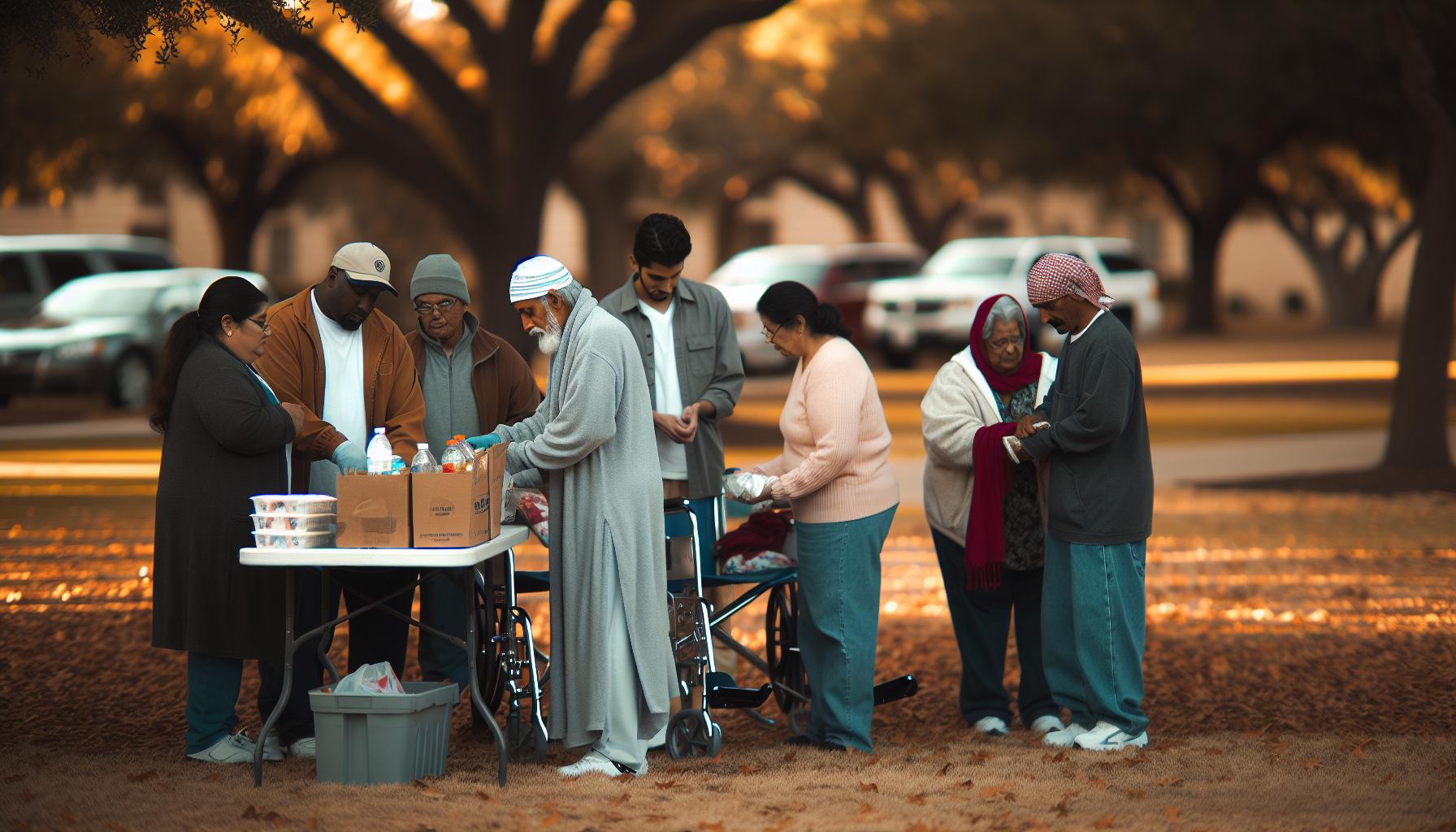
Faith in Action: Serving Others During Tough Times
In challenging times, turning outward and lifting others can often be the lifeline we need to regain our perspective and hope. When we serve those around us, we reflect the heart of Christ and allow His love to flow through our actions. This selfless act not only helps those in need but also reminds us of our purpose and connection to a greater community. Serving others-whether through volunteering, offering a listening ear, or providing practical assistance-can transform our feelings of isolation into a sense of belonging and empowerment.
Finding Purpose through Service
Serving others can provide a renewed sense of purpose, especially when we ourselves are facing hardships. This is anchored in Matthew 25:35-40, where Jesus reminds us that serving the least among us is akin to serving Him. Here are some actionable ways to serve during tough times:
- Volunteer for local charities: Your time and efforts can significantly impact those in need. Consider soup kitchens, shelters, or food banks-these organizations often have ongoing needs that can further your connection with the community.
- Support fellow believers: Whether through church projects, prayer groups, or fellowship activities, offer to assist others in your congregation who might be going through tough times.
- Share your talents: If you have particular skills-like cooking, teaching, or crafting-use these to bless someone else. This not only serves others but also reinforces your value and capabilities, often reminding you of the joy in your own gifts.
The Joy in Giving
While serving others, it’s important to remember the joy that comes from selflessness. Acts 20:35 teaches us that “It is more blessed to give than to receive.” Engaging in acts of kindness can uplift our spirits, reminding us that even in the face of adversity, we can positively impact the lives of those around us. For instance, a simple phone call to check on a friend or writing a note of encouragement can be incredibly uplifting to someone who is struggling.
In the midst of your trials, seek opportunities where you can extend a helping hand. As you lean into the act of serving, watch how God transforms your perspective, igniting hope not only in others but also within your own heart. By embodying the love of Christ through service, you’re actively participating in a divine cycle of support and encouragement that builds a resilient faith community. Let your faith lead you to action-your service to others might just be the very source of hope and renewal you seek.
Navigating through grief and loss can often feel like an overwhelming journey filled with countless questions and deep sorrow. Yet, in these moments of heartache, the Bible offers profound comfort and guidance, reminding us that we are never alone in our suffering. Jesus Himself wept at the death of Lazarus, demonstrating that grief is a natural and shared human experience-it is okay to mourn, and God meets us in our pain.
To find solace in scripture during these difficult times, turning to passages that underscore God’s faithfulness can be immensely uplifting. For instance, Psalm 34:18 says, “The Lord is close to the brokenhearted and saves those who are crushed in spirit.” This verse reassures us that God is intimately aware of our struggles and stands by us as we grapple with loss. Meditating on such verses can provide a spiritual anchor, grounding us in the hope that while grief is a journey of valleys, there are also peaks of restoration and peace to be found.
Practical actions can also help us navigate our grief. Consider creating a memory journal where you can express your feelings and capture cherished memories of your loved one. Writing letters to them, sharing your thoughts and everyday life updates, can foster a continued connection that honors their memory. Additionally, don’t hesitate to reach out for support-whether from friends, family, or local church groups. Community is essential in grief; sharing our stories and receiving encouragement can significantly ease the burden we bear.
Lastly, remember that grief is a process, not a destination. As you walk this path, lean into prayer, asking God to guide your heart toward healing. Philippians 4:6-7 encourages us to bring our anxieties to God in prayer, promising that His peace, which transcends all understanding, will guard our hearts. As you commit your feelings to Him, trust that each step taken in faith, however small, moves you closer to hope and healing. Whether through prayer, scripture, or supportive relationships, let the Lord lead you through your grief, transforming your pain into a testimony of faith and resilience.
Cultivating a Hopeful Mindset: Strategies for Daily Living
In times of hardship, cultivating a hopeful mindset is essential for navigating life’s challenges with grace and resilience. Every day presents opportunities to embrace a perspective that aligns with our faith, transforming our outlook from one of despair to one of hope. The Bible reminds us in Jeremiah 29:11 that God has plans for us-plans to prosper us and not to harm us, plans to give us hope and a future. Holding onto this promise can drastically change how we approach daily struggles.
To maintain a hopeful mindset, consider incorporating these practical strategies into your daily life:
- Start Your Day in Prayer: Begin each morning by dedicating your day to God through prayer. Asking for wisdom, strength, and clarity will set a positive tone, allowing you to face challenges with a grounded spirit.
- Engage with Scripture: Regularly read the Bible to immerse yourself in God’s promises. Verses like Romans 15:13 remind us that God is the source of hope. Keeping scriptural reminders at hand can encourage you throughout the day.
- Practice Gratitude: Cultivate an attitude of gratitude by listing things you are thankful for each day. This simple practice shifts your focus from your problems to the blessings God has provided, fostering a sense of hope and positivity.
- Surround Yourself with Encouragement: Build relationships with fellow believers who uplift and inspire you. Joining a small group or Bible study not only deepens your faith but provides a support system during tough times.
It’s also vital to actively dismantle negative thoughts. Engage in self-reflection to identify lies you may believe about your circumstances, and replace them with truths grounded in Scripture. For instance, when feeling inadequate, remember Philippians 4:13: “I can do all things through Christ who strengthens me.” By taking these thoughts captive (2 Corinthians 10:5), you can reshape your mindset to focus on God’s power rather than your limitations.
Lastly, incorporate acts of service into your routine. Serving others not only helps those in need but also shifts your focus away from personal struggles and toward a greater purpose. Whether volunteering at a local shelter or simply offering a listening ear to a friend in need, serving is a tangible reminder of God’s love and a beautiful way to cultivate hope in your life and the lives of others.
By integrating these strategies into your daily living, you can foster a hopeful mindset that not only deepens your faith but empowers you to inspire hope in those around you, reflecting Christ’s love in a world that desperately needs it.
Lessons from Biblical Figures Who Faced Hardship
In the tapestry of Scripture, many biblical figures illustrate resilience in the face of adversity, providing rich lessons on hope. These stories reveal how faith can illuminate the darkest valleys and transform trials into pathways of divine purpose. Consider Joseph, whose journey from favored son to a prisoner in Egypt was fraught with betrayal and hardship. Yet, through it all, he clung to his faith, ultimately rising to power and saving many from famine. Joseph’s story teaches us that even when circumstances seem bleak, God’s hand is at work, weaving our difficulties into something beautiful (Genesis 50:20).
Similarly, Job stands as a poignant example of unwavering faith amidst profound loss. Despite losing his wealth, health, and family, Job refused to curse God. Instead, he lamented, questioned, and finally found renewed hope in the understanding of God’s sovereignty (Job 42:5-6). This narrative underscores the importance of being honest with God in our struggles while reinforcing that true hope can emerge through profound trials when we maintain our relationship with Him.
The life of Esther also offers valuable insights. Faced with the peril of her people, Esther’s courage to step into uncertainty is a powerful reminder of how God places us in critical positions for a purpose. Her famous declaration, “If I perish, I perish,” reflects a faith-driven resolve to act for the greater good, illustrating that hope often requires bravery and a willingness to serve others even when risks are involved (Esther 4:16).
Drawing inspiration from these biblical figures, we are reminded that hardship can refine our character and deepen our reliance on God. Embracing their stories encourages us to cultivate a steadfast spirit, believing that our struggles can serve a greater narrative-the narrative of God’s unfailing love and redemptive plan. In our own moments of despair, let us remember that we are not alone; God is at work, orchestrating hope in the midst of our challenges.
Transforming Trials into Testimonies: Sharing Your Story
In life’s most challenging moments, our trials can serve as a powerful catalyst for transformation, both in our own lives and in the lives of others. Sharing our stories of resilience can illuminate the path for those who may feel lost in their own darkness. Each narrative of struggle and triumph is akin to a beacon of hope, reflecting the truth that God is present in our pain, working through it to create testimonies that testify to His grace and faithfulness. When we allow ourselves to be vulnerable and speak openly about our hardships, we not only affirm our experiences but also encourage others to find strength in their own trials.
Understanding the Power of a Testimony
Testimonies are more than mere recounts of struggles; they are declarations of God’s goodness amid adversity. In Revelation 12:11, we are reminded that we “overcome by the blood of the Lamb and by the word of our testimony.” This scriptural truth emphasizes the significance of sharing our journeys. When we articulate how we navigated through difficulty with faith, we inspire hope in others who may be wrestling with similar challenges. Consider how the story of the blind man in John 9 resonates through the ages; his simple proclamation, “One thing I do know, that though I was blind, now I see,” encapsulates the transformative power of personal testimony when we point to Christ as the source of our healing.
- Engage in Community: Join a small group or support group where individuals can share their experiences in a safe environment. This allows for mutual encouragement and healing as people learn from each other’s journeys.
- Write or Talk About Your Experience: Whether through a blog, a personal letter, or a conversation, expressing your story can have a profound impact on others. Share how your faith sustained you through specific trials.
- Serve Others: Use your experiences to support those currently facing similar challenges. By volunteering or mentoring, you can offer tangible hope to others while reinforcing your own recovery and growth.
- Incorporate Scripture: Ground your personal story in biblical truths. Scriptures like Psalm 30:11-12 remind us that God turns our mourning into dancing, and those verses can amplify our testimonies with divine assurance.
Sharing our stories is not merely an act of recounting past hardships but a profound way of living out our faith. It fosters community, nurtures hope, and reveals the unyielding love of Christ amidst our struggles. As we offer our testimonies to the world, we fulfill our calling to be vessels of hope, inviting others into the redemptive narrative that God is weaving through each of our lives.
Q&A
Q: What is Turning Point Daily Devotion: Hope When Life Gets Hard?
A: Turning Point Daily Devotion: Hope When Life Gets Hard is a Christian devotional that provides inspiration and guidance for navigating life’s challenges through scripture, prayer, and faith-based reflections. It encourages readers to find hope and strength during difficult times.
Q: How can prayer help during tough times?
A: Prayer serves as a vital tool for connecting with God, providing comfort, and fostering resilience during hard times. Regularly engaging in prayer can deepen one’s faith and offer clarity and peace, as discussed in the article’s section on the role of prayer.
Q: What are practical tips for maintaining hope in adversity?
A: Practical tips for maintaining hope include daily scripture reading, practicing gratitude, and seeking community support. These practices can help reinforce a positive mindset and provide a foundation of hope, as highlighted in the article’s section on practical tips.
Q: Why is community important during challenging times?
A: Community plays a significant role in providing emotional and spiritual support during hardships. Leaning on others for encouragement and practical help can alleviate feelings of isolation and strengthen one’s faith, as mentioned in the article’s section about the power of community.
Q: What encouraging Bible verses can I rely on when life gets tough?
A: Encouraging Bible verses such as Philippians 4:13 (“I can do all things through Christ who strengthens me”) and Isaiah 41:10 (“Fear not, for I am with you”) can provide hope and reassurance in difficult seasons, as explored in the article.
Q: How can I develop a hopeful mindset?
A: Developing a hopeful mindset involves intentional practices such as positive self-talk, meditation on God’s promises, and surrounding yourself with uplifting influences. These strategies promote resilience and maintain focus on God’s goodness, as outlined in the article on cultivating a hopeful mindset.
Q: What lessons can we learn from biblical figures who faced hardship?
A: Biblical figures like Job and Joseph show resilience, faith, and the importance of trusting God through trials. Their stories illustrate that hardships can lead to deeper faith and purpose, as discussed in the lessons from biblical figures section of the article.
Q: How can I turn my trials into testimonies?
A: Turning trials into testimonies involves sharing your experiences of overcoming challenges with others, highlighting the role of faith in your journey. This not only provides encouragement to others but also solidifies your own growth and connection with God, as noted in the article.
In Retrospect
As we conclude this session of “Turning Point Daily Devotion: Hope When Life Gets Hard,” remember that hope is not just a feeling; it’s a promise from God. Even when challenges arise, your faith can be your anchor. Consider exploring our articles on prayer life and practical faith resources to deepen your spiritual journey.
Don’t let this moment pass by-take action now! Sign up for our newsletter for daily inspiration right in your inbox, and join our community to share your experiences and encouragement with others. Your journey matters, and your story could inspire someone else.
Reflect on these words from Romans 15:13 as you move forward: “May the God of hope fill you with all joy and peace as you trust in Him.” Keep seeking and sharing, and check back for more uplifting content as you navigate your faith journey!