
In today’s digital landscape, gaming transcends mere entertainment; it offers a unique platform for spiritual exploration. “Shadowed Prayers DD2: Finding Light in Gaming’s Spiritual Quest” reveals how faith can intersect with gaming, illuminating paths for deeper reflection and connection with God. As you navigate virtual realms, discover how scripture, prayer, and community support can enrich your spiritual journey. This exploration embraces the challenges gamers face, turning them into opportunities for growth and understanding. In a world often overshadowed by distractions, let this guide unveil the transformative power of intertwining your gaming passion with meaningful faith practices. Ready to embark on a quest that lights your way through the shadows?
Contents
- 1 The Spiritual Journey of Gaming: An Overview
- 2 Exploring Prayer Themes in Gaming
- 3 Finding Meaning: Spiritual Symbolism in DD2
- 4 Character Development and Spiritual Growth
- 5 Community and Connection: Building Faith in Gamers
- 6 Engaging with Scripture through Gameplay
- 7 The Role of Faith-Based Game Design
- 8 Gamifying Prayer: Innovative Approaches
- 9 Inspiration from Biblical Stories in Gaming
- 10 Overcoming Spiritual Challenges in Gaming Worlds
- 11 Creating a Personal Spiritual Practice within Games
- 12 The Future of Faith in the Gaming Industry
- 13 Q&A
- 14 The Way Forward
The Spiritual Journey of Gaming: An Overview
In the immersive worlds of gaming, players often embark on journeys that transcend mere entertainment; they explore profound themes of faith, hope, and redemption. Each level, quest, or character development can serve as a metaphor for the spiritual paths we travel in real life. Just like the protagonist in a sprawling narrative, gamers encounter challenges that mirror personal trials and triumphs, offering opportunities for reflection and growth. This unique blend of interactive storytelling and spirituality reveals that gaming can be more than an escape-it can be a profound spiritual quest that resonates with our innermost desires for connection, meaning, and purpose.
Gaming’s capability to weave prayer and reflection into its narrative fabric is increasingly recognized. As players navigate landscapes filled with moral dilemmas, complex characters, and overarching themes of sacrifice and salvation, they find themselves engaging not just with the game, but with their own faith journeys. For instance, moments where characters make difficult choices can ignite a player’s own contemplations about moral integrity and faithfulness. This interactive medium allows individuals to experience their spirituality in a dynamic way, encouraging deep engagement with their beliefs while fostering hefty discussions about faith within gaming communities.
Moreover, the spiritual journey within gaming isn’t confined to solo experiences. It extends to building a vibrant community around shared experiences and discussions. As gamers gather to tackle challenges, they often form bonds that uplift and inspire, echoing the essence of fellowship found in spiritual practices. Through cooperative gameplay, players can support one another not just in-game but also in navigating life’s spiritual landscapes, creating spaces where faith can flourish within the gaming context.
Ultimately, as we navigate these digital realms, the potential to develop a richer, more authentic spiritual life evolves, with gaming serving as a medium through which players can explore their beliefs, engage in self-reflection, and cultivate connections that reinforce their faith amid the chaos of the modern world. The intersections of gaming and spirituality invite players to find light and depth in their journeys, challenging them to reflect on their values, relationships, and the larger narrative woven into their lives.
Exploring Prayer Themes in Gaming
Throughout the gaming landscape, themes of prayer emerge as integral components that resonate deeply with players on their spiritual journeys. Game developers have increasingly woven these themes into narratives, allowing players to engage in personal reflections and foster their faith while navigating complex worlds. For instance, moments when characters whisper heartfelt prayers before facing difficult challenges can serve as powerful reminders of our own reliance on faith and the comfort that comes from communication with God. These instances not only enhance the story but also inspire players to consider their prayer life outside the game.
In many ways, prayer in gaming acts as a bridge connecting the player to their spiritual needs. Engaging with prayer themes prompts players to reflect on their own conversations with God, whether they are seeking guidance, strength, or peace. Many games present prayer not just as a dramatic plot device but also as a daily practice that characters engage in, mirroring real-life routines. This representation can encourage players to incorporate similar practices into their own lives, leading to a richer, more authentic prayer life.
Furthermore, players can find innovative ways to gamify their spiritual practices. Creating a virtual prayer journal within a game setting or using in-game characters as prayer partners can transform routine prayers into an engaging and interactive experience. For example, players can set personal intentions at the start of a gaming session, using the game’s narrative to guide their prayers and reflections. Coupling gameplay with daily prayer not only nurtures spiritual growth but also creates a supportive community where players can share their experiences and encourage one another in their faith journeys.
In this digital age, the opportunities to explore prayer themes in gaming are vast, and their significance should not be underestimated. Games become spaces where players can encounter God in their struggles and victories, reminding them that prayer is not merely a practice but a vital aspect of their relationship with the divine. As gamers embark on quests in virtual realms, they carry with them the essence of prayer, discovering light and hope amid shadows, thus enriching their spiritual lives in profound ways.
Finding Meaning: Spiritual Symbolism in DD2
In the immersive world of DD2, players encounter a rich tapestry of spiritual symbolism that echoes the journeys of faith many undertake in their daily lives. Each character, quest, and environment is meticulously crafted to not only entertain but also provide deeper insights into the spiritual battles we face, making it a compelling backdrop for personal reflection. The layers of meaning, from the radiant light that signifies hope to the deep shadows that represent despair, invite players to explore their own spiritual landscapes amid the challenges presented in the game.
The environments in DD2 are particularly noteworthy for their illuminating contrasts. Bright, serene landscapes can symbolize moments of divine peace and clarity-reminiscent of biblical verses such as Philippians 4:7, which speaks of the peace of God guarding our hearts. In stark contrast, chaotic, shadow-laden realms represent the trials faced in Christian life, where faith is tested. Within these settings, players may encounter challenges that echo personal struggles-doubt, fear, and the feeling of being lost. Navigating through these trials encourages players to rely on their faith, drawing parallels to relying on God’s strength in times of trouble.
The characters in DD2 serve as pivotal symbols of spiritual growth. Each hero embodies distinct virtues-courage, compassion, wisdom-that resonate with Christian teachings. For instance, players can identify with characters who exemplify endurance through adversity, echoing Romans 5:3-4, which teaches that suffering produces perseverance, character, and hope. As players witness these traits in their heroes, they are inspired to cultivate similar qualities within themselves, reinforcing the message that personal growth in faith often comes through adversity and challenges.
Moreover, the quests in DD2 often reflect a deeper quest for meaning and connection with the divine. Players embark on missions that can parallel their own life journeys, seeking to uncover truths about themselves and their relationships with others. This narrative structure invites players to not only engage in the gameplay but also to reflect on their own spiritual quests, considering how they can apply the lessons learned in-game to real life. The spiritual symbolism in DD2 thus becomes a powerful reminder that the journey through darkness often leads to a profound discovery of light, echoing the transformative experiences promised by God in our own lives.
In conclusion, the spiritual symbolism woven throughout DD2 offers players a unique lens through which they can explore and enrich their faith journey. By engaging with these narratives, players are encouraged to reflect on their spiritual lives and embrace the transformative power of faith, creating an enriching cycle of gameplay that extends far beyond the screen.
Character Development and Spiritual Growth
In the intricate weave of character development in DD2, players find an evocative representation of spiritual growth that mirrors their own faith journeys. Each character, carefully crafted with distinct virtues, serves not just as a player’s avatar but as a reflection of the various qualities we are called to embody in our Christian walk. For example, the character of Valor exemplifies courage in the face of adversity, inviting players to consider their own moments of fear and uncertainty. This connection allows players to reflect on biblical teachings such as Joshua 1:9, which reassures us to be strong and courageous, encouraging a personal reclamation of resilience through gameplay.
Engaging with these characters enables players to confront and overcome their personal struggles. Many heroes encounter trials that require them to lean on their faith, drawing parallels to our own lives where faith can be tested. As they navigate through challenges that echo Roman 5:3-4-where suffering leads to perseverance, character, and ultimately hope-players are reminded that their spiritual growth is often a product of facing difficulties and trusting God’s plan. The values depicted through character actions can inspire players to cultivate similar traits, fostering a deeper commitment to their faith and a greater understanding of what it means to support one another in a community of believers.
Additionally, the intricate backstories of these characters weave rich narratives that resonate with themes of redemption and forgiveness-central tenets in Christian theology. As players delve into these stories, they are reminded that spiritual growth is not a solitary journey, but one that intertwines with the narratives of others. This encourages players to extend grace and compassion towards others, reflecting on Ephesians 4:32 which calls us to be kind and compassionate, forgiving one another, just as Christ forgave us. Such reflections enrich the gaming experience, transforming it into a powerful nurturing ground for spiritual maturity.
Ultimately, the character development in DD2 isn’t merely an aspect of gameplay; it’s a pathway for players to explore and enhance their personal faith journeys. By relating to the trials and triumphs of these heroes, players are invited to integrate their gameplay experiences into their real-life struggles and victories, thereby fostering a holistic understanding of their spiritual growth. This engagement lays the groundwork for an enriching cycle where gaming becomes a profound avenue for spiritual reflection and personal transformation.
Community and Connection: Building Faith in Gamers
In the realm of gaming, the sense of community often transcends virtual boundaries, creating an environment where players can not only engage with the game but also with each other on a deeper spiritual level. Particularly in games like DD2, the interactions within gaming communities can serve as a strong catalyst for building faith among players. As players join together to conquer challenges, they also forge connections that may lead to meaningful discussions about their journeys of faith.
A crucial aspect of fostering this community is open communication about spiritual experiences relating to the game. Players can create forums or chat groups where they share personal testimonies or discuss how the game’s narrative parallels their spiritual journeys. For instance, after completing a challenging quest, a player might reflect on James 1:2-4, which encourages believers to consider it pure joy when facing trials because it produces perseverance. This kind of dialogue not only strengthens individual faith but also promotes a collective understanding that each player’s journey is part of a larger tapestry woven by God’s grace.
Moreover, organizing community events, such as co-op play sessions or Bible study nights themed around gameplay, can enhance connections. These gatherings not only allow players to strategize together in-game but also provide opportunities to discuss biblical principles and encourage one another in their faith. Games can be structured to facilitate discussions around topics like forgiveness and redemption, resonating with the biblical narrative. Engaging prayer activities before or after gameplay can deepen the participants’ relationships with each other and God, creating a spiritually enriching space where gaming becomes an extension of their faith walk.
Ultimately, building a faith-centered community within gaming helps players support each other on their spiritual paths. By embracing the communal aspects of gaming, believers can encourage each other to grow in their faith, share insights, and navigate the complexities of life together. As they play, reflect, and pray together, gamers cultivate a nurturing environment where spiritual growth flourishes, reminding them that they are not alone in their quest for faith amidst the adventures and trials of the gaming world.
Engaging with Scripture through Gameplay
In the dynamic world of gaming, the ability to engage with Scripture through gameplay offers a unique opportunity for personal reflection and spiritual growth. Many players may find themselves facing challenges in the game that mirror their real-life struggles, making it an ideal platform for drawing parallels with biblical teachings. Recognizing these moments can transform gameplay into a spiritual quest, enriching both the gaming experience and the player’s faith journey.
One practical approach to integrating Scripture into gameplay is through the intentional selection of verses that resonate with the themes encountered in the game. For instance, if a player is navigating a particularly difficult quest that involves perseverance, they might take inspiration from Philippians 4:13, which states, “I can do all things through Christ who strengthens me.” Reflecting on such passages during gameplay can provide strength and encouragement, fostering a deeper connection to both the game and the faith that underpins it. Players can keep a list of impactful verses handy to reference during key moments in the game, helping to solidify the lessons learned within the gaming context.
Additionally, creating a “Bible study” segment after each gaming session can facilitate meaningful discussions among players. As they gather to discuss their in-game experiences, they can also explore how those experiences align with biblical narratives or principles. For example, they might examine the concept of sacrifice in the game and compare it with Christ’s ultimate sacrifice, as reflected in John 3:16. By bridging these connections, players can engage in rich discussions that explore their personal beliefs and encourage deeper understanding of Scripture.
Furthermore, incorporating prayer into gameplay can serve as a grounding practice that centers players spiritually. Before starting a gaming session, players can take a moment to pray for wisdom, clarity, and strength in their gameplay. This practice not only brings a sense of peace but also aligns their gaming experience with their spiritual goals, creating a holistic approach to both gaming and faith.
In essence, allows players to intertwine their spiritual journeys with their love for gaming. By focusing on biblical themes, sharing insights with fellow gamers, and establishing prayer routines, players can turn their gaming experiences into powerful moments of reflection and faith-building. This not only enhances their enjoyment of the game but also strengthens their relationship with God in the process.
The Role of Faith-Based Game Design
In a world filled with complex narratives and diverse gameplay mechanics, the design of video games has a profound ability to foster spiritual reflection and growth, particularly within the realm of faith-based gaming. Faith-based game design intentionally integrates core biblical principles and themes, allowing players to engage with their spirituality in a meaningful and entertaining way. This approach not only captures the attention of gamers but provides a platform for exploring deeper spiritual truths through interactive storytelling and immersive experiences.
One hallmark of faith-based game design is its commitment to authenticity; developers often draw from Scripture and the teachings of Jesus to create storylines that resonate with players on a personal level. For example, games like Journey and Shadow of the Colossus encapsulate themes of sacrifice, redemption, and exploration-principles central to the Christian faith. By embedding these principles into gameplay mechanics and narratives, developers invite players to undertake spiritual journeys that parallel their own faith experiences.
Moreover, effective faith-based game design encourages players to reflect on their decisions and the moral implications of their in-game actions. Incorporating scenarios where players must choose between right and wrong not only heightens engagement but serves as a tangible reminder of everyday choices that affect their spiritual walk. By facing moral dilemmas in-game, players can explore how biblical teachings might guide them in their real lives. Engaging with these scenarios within a gaming context cultivates a deeper understanding of the complexities of faith and the choices that shape our paths.
In addition to narrative depth, the collaboration between faith communities and game developers has resulted in more resources designed to enrich the player experience further. These resources may include companion guidebooks, devotional materials that coincide with gameplay, or even community events that encourage players to gather, share, and grow together in their faith. Such initiatives create a supportive network that nurtures spiritual development, fostering connections that extend beyond the game world.
Ultimately, is an invitation for gamers to embark on a journey of discovery, reflection, and growth. By weaving together immersive gameplay, authentic narratives, and opportunities for moral reflection, these games serve as powerful tools for spiritual engagement, encouraging players to find light amidst their gaming adventures. By intentionally creating environments that reflect Christian values and beliefs, developers contribute to a flourishing community of gamers seeking to intertwine their gaming experiences with their faith journeys.
Gamifying Prayer: Innovative Approaches
In the ever-evolving landscape of video gaming, prayer-a pivotal aspect of the Christian faith-offers a unique opportunity for innovative engagement. Gamifying prayer allows players to not only immerse themselves in gameplay but also deepen their spiritual lives in powerful ways. By integrating prayer mechanics into gaming experiences, developers are creating spaces where players can communicate with God, reflect on their faith, and express their devotion contextually. This approach presents an exciting fusion of spirituality and interactivity, breathing new life into traditional prayer practices.
One fascinating example of this innovation can be found in games that feature dedicated spaces for prayer reflection. These could be serene environments where players encounter virtual alters, allowing them to pause and engage in personal prayer or meditation. Encouraging players to create their own prayer experiences-perhaps by writing their intentions or thoughts directly into the game-adds a layer of personalization that can be deeply fulfilling. Mechanics that allow players to interact with these spaces will not only enhance their gameplay but invite them into meaningful spiritual dialogues.
Moreover, integrating communal prayer elements can build connections among players, fostering a sense of community and shared faith. Developers could implement features like prayer circles, where players can join together to pray for specific in-game challenges or personal life situations, encouraging a supportive network of believers. Such practice not only strengthens communal ties but embodies the biblical principle of praying together, as mentioned in Matthew 18:20: “For where two or three gather in my name, there am I with them.” This sense of collective spirituality can significantly enhance the overall gaming experience, contributing to a rich tapestry of faith and fellowship.
Additionally, games designed with prayer in mind can include guided prayer prompts throughout the storyline, helping players align their thoughts and actions with core spiritual teachings. This could take the form of reflective questions or Scripture-based challenges that align gameplay with moments of prayer and gratitude. By weaving these elements into the narrative arc, players are reminded to cultivate their prayer lives amidst the thrill of the adventure. This experiential connection between gameplay and prayer encourages a holistic approach to faith that resonates with today’s gamers, reinforcing their journey toward spiritual growth while balancing fun and profound reflection.
Inspiration from Biblical Stories in Gaming
Incorporating inspiration from Biblical stories within gaming offers an enriching pathway for players to engage with cherished narratives while exploring their spiritual journeys. This melding of faith and gameplay not only entertains but also invites introspection, drawing players closer to the heart of Scripture. Many games today, including those in the Dungeon Defenders series, pull elements from these timeless stories, reimagining them in immersive worlds that resonate with the themes of hope, redemption, and divine intervention.
Throughout Christian teachings, narratives like the journey of David and Goliath teach courage in the face of seemingly insurmountable challenges. Players can find parallels to their own lives when facing tough in-game obstacles that require faith and trust in their abilities, mirroring how David confronted fear with divine strength. By embedding these Biblical principles into the design of gaming mechanics-such as offering characters power-ups in moments of courage or reward systems for choices that echo faith-based values-developers can create meaningful connections between gameplay and foundational spiritual truths.
Moreover, games that feature narratives inspired by parables can ignite reflections on moral choices and ethical dilemmas. For instance, a storyline echoing the Good Samaritan can encourage players to choose empathy over self-interest, demonstrating how even small acts of kindness can lead to impactful outcomes. These integrated messages not only enhance the narrative experience but also encourage gamers to reflect on their actions within the game and, by extension, in their real lives. This type of gameplay fosters a culture of compassion and understanding, echoing the call of Christians to love one another as Christ loved us.
Ultimately, the power of storytelling, especially through the lens of Biblical narratives, serves as a dynamic bridge for players to explore complex themes of faith and personal growth. Encouraging players to engage with these themes within a gaming framework equips them with insights and lessons that extend beyond the screen, fostering a richer spiritual journey. As players navigate through quests and challenges, they can ponder deeper spiritual questions and come to realize that their in-game experiences can illuminate their paths in faith, forming a deeper connection to the teachings of the Bible. This innovative approach to game design not only captivates the mind but also nourishes the soul, allowing gamers to encounter life lessons through enchanting virtual worlds.
Overcoming Spiritual Challenges in Gaming Worlds
In the expansive landscapes of gaming worlds, players often encounter challenges that can mirror the spiritual struggles faced in real life. The quest for enlightenment, perseverance, and growth can transform a player’s experience from mere entertainment to a profound spiritual journey. This fusion of gameplay and faith allows individuals to confront their doubts, fears, and challenges within a safe yet immersive environment, offering them tools to navigate their spiritual lives more effectively. As players embark on these adventures, they can find solace and strength in Scripture, learning how to translate their in-game experiences into real-world applications.
One practical approach to overcoming spiritual challenges in gaming is through intentional prayer and reflection. Players can pause amidst the action to offer prayers for strength and discernment, grounding their gameplay with a focus on God’s guidance. This practice not only enhances their gaming experience but allows them to cultivate a deeper connection with their Creator. After a challenging quest or confrontation, taking a moment to reflect can help players align their victories and losses with biblical teachings, allowing them to see beyond the immediate thrill of the game.
Here are some actionable steps to overcome spiritual challenges while gaming:
- Integrate Prayer into Gameplay: Before starting a gaming session, spend a few moments in prayer, asking for clarity, focus, and the ability to reflect God’s love through your actions.
- Engage in Reflection: After completing gaming sessions, take time to reflect on your choices within the game. How did your decisions align with your values? What parallels can you draw to your life?
- Discuss with a Community: Join or create a group with fellow gamers who share similar faith values. Sharing experiences can foster growth and understanding, allowing for deeper conversations about faith and gameplay.
- Explore Faith-Based Games: Seek out games designed with spiritual themes or biblical narratives. These games can provide insights and reflections that resonate with your personal faith journey.
As players traverse through virtual landscapes, it’s essential to remember that mastering worldly clashes often involves overcoming internal battles as well. Games can sometimes amplify feelings of inadequacy, frustration, or anxiety. In such moments, players can recall Philippians 4:13: “I can do all things through Christ who strengthens me.” This reminder can be a powerful motivator, encouraging gamers to view each obstacle as an opportunity for growth instead of a defeat.
Ultimately, by leveraging the spiritual frameworks provided in gaming narratives and engaging in mindful practices, players can rise above the challenges encountered in their quests. Embracing these moments enables gamers to emerge stronger, fostering a resilient spiritual journey that transcends the screen and roots them deeper in their faith. Through these immersive experiences, believers can learn valuable lessons about character, perseverance, and the importance of community-all of which are pivotal in their walk with Christ.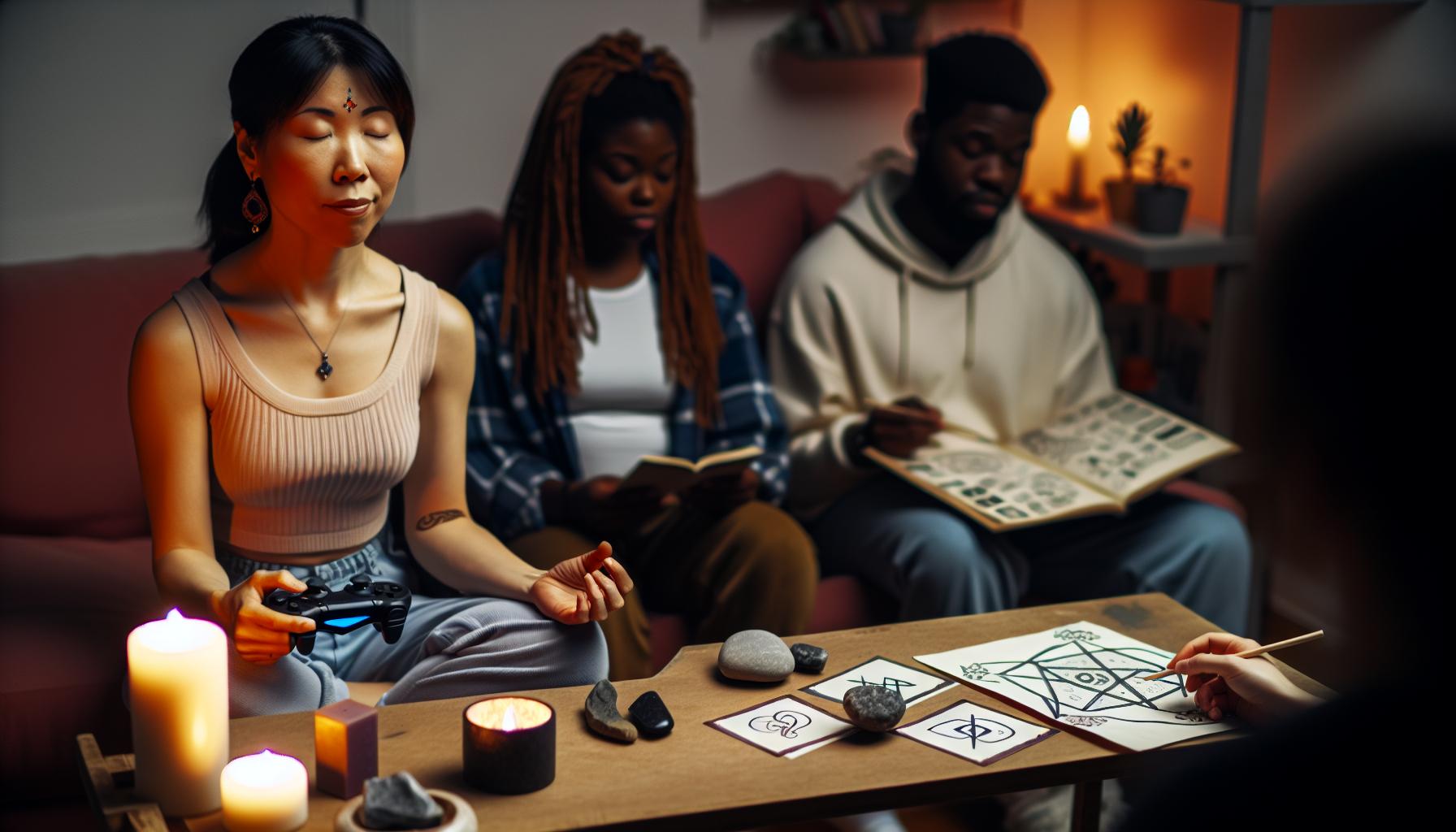
Creating a Personal Spiritual Practice within Games
In the ever-evolving world of gaming, personal spiritual practices can serve as guiding lights that illuminate paths filled with both challenge and growth. By weaving elements of faith into gaming experiences, players can cultivate a reflective approach that not only enhances gameplay but also strengthens their relationship with God. This journey isn’t just about distraction; it’s about intentional reflection and integrating one’s faith into the fabric of gaming adventures.
To create a rich personal spiritual practice within games, consider the following foundational steps:
- Set Intentions: Before engaging in gameplay, take a moment to set intentions. Ask God for insight and clarity, tuning your heart to be receptive to lessons and experiences that may align with your spiritual journey.
- Incorporate Scripture: Identify specific Scriptures that resonate with the themes of the game you’re playing. Reflect on how these verses can provide wisdom as you navigate challenges. For example, playing a game focused on overcoming obstacles can parallel verses about perseverance, such as James 1:2-4.
- Create Rituals: Develop rituals that cue spiritual reflection. This could involve a brief prayer before a gaming session, journaling thoughts afterward, or sharing insights with friends. Such practices can create a sense of sacredness around your gaming environment.
- Foster Community: Engage with fellow gamers who share your faith values. Create a group or forum to discuss not only gaming strategies but also how spiritual themes intersect with gameplay. This encourages accountability and growth as a community.
Within the landscape of games, players can discover moments of clarity and divine guidance that resonate deeply with their spiritual commitments. By practicing mindfulness, gamers can turn moments of challenge into opportunities for prayer and contemplation. As they traverse in-game challenges-whether it’s saving a kingdom or solving intricate puzzles-players can reflect on their own life’s “quests” and seek God’s guidance for strength and wisdom.
Ultimately, transforms the way players interact with their virtual experiences. By intertwining faith and gameplay, gamers not only enrich their spiritual lives but also develop resilience in facing real-world struggles. Embracing this holistic approach fosters a deeper relationship with Christ, as each game played becomes an avenue for growth, community, and spiritual reflection. Through this lens, even the simplest gaming moments can illuminate profound truths about faith and life.
The Future of Faith in the Gaming Industry
As the gaming industry continues to expand, a unique convergence of faith, spirituality, and interactive entertainment is emerging. Developers and players alike are recognizing the profound potential for gaming to serve as a medium for spiritual exploration and guidance. This evolution signals an exciting future where faith-based narratives and experiences can flourish, providing gamers with opportunities to deepen their spiritual journeys while engaging with their favorite pastime.
Incorporating faith into the fabric of gaming can take many forms, from narratives that reflect biblical themes to gameplay mechanics that encourage prayer and reflection. For instance, game developers are beginning to produce titles that not only entertain but also challenge players to think critically about their faith and values. As this trend grows, we may witness an increase in games designed with collaboration from theologians, offering rich storylines that present moral dilemmas and spiritual growth opportunities. Furthermore, the rise of indie game developers has led to a fresh wave of creativity, enabling unique faith-based projects to reach audiences who are eager for such content.
Community engagement will also play a pivotal role in shaping the future of faith in gaming. As players connect through online platforms, they can explore discussions around spiritual themes present in games, share insights, and foster connections grounded in shared beliefs. This communal aspect will be essential, creating spaces where players can support one another in their spiritual quests and hold each other accountable in their faith journeys. With platforms like Discord and forums dedicated to gaming, players can easily form groups that not only tackle gaming challenges but also delve deeper into faith discussions.
Ultimately, hinges on a commitment to authenticity and inspiration. By prioritizing genuine representations of faith that resonate with players, developers can ignite conversations and contemplative moments that align with Christian values. As the landscape of gaming continues to evolve, embracing this synthesis of play and spirituality can lead to transformative experiences that uplift and encourage believers at all stages of their journeys. The possibilities are endless, and in this realm of interactive storytelling, players might just find the divine calling they’ve been seeking.
Q&A
Q: What is the main theme of “Shadowed Prayers DD2: Finding Light in Gaming’s Spiritual Quest”?
A: The main theme of “Shadowed Prayers DD2” centers around the spiritual journey within gaming, exploring how prayer and faith can enhance the gaming experience. It highlights the intertwining of gameplay and spiritual growth, making it a quest for deeper meaning in both realms.
Q: How does “Shadowed Prayers DD2” incorporate biblical stories into gameplay?
A: “Shadowed Prayers DD2” creatively integrates biblical stories by using narratives and characters that reflect spiritual lessons. Players can engage with these stories while navigating the game’s challenges, reinforcing their faith and understanding of scripture through interactive experiences.
Q: Can gaming be a form of spiritual practice according to “Shadowed Prayers DD2”?
A: Yes, “Shadowed Prayers DD2” presents gaming as a potential spiritual practice. It encourages players to integrate prayer into their gaming sessions, treating gameplay as a time for reflection, meditation, and connection with their faith, thereby enriching their spiritual life.
Q: What are the spiritual challenges faced by players in “Shadowed Prayers DD2”?
A: Players in “Shadowed Prayers DD2” encounter spiritual challenges such as grappling with moral dilemmas, facing doubts, and overcoming negativity. The game provides tools and narratives that help players navigate these challenges, fostering personal growth and resilience in their spiritual journey.
Q: Why is community important in “Shadowed Prayers DD2”?
A: Community is vital in “Shadowed Prayers DD2” as it fosters connection among players who share similar beliefs. Engaging with other gamers allows for shared experiences, support, and encouragement in both gameplay and spiritual practices, enhancing the overall gaming experience.
Q: How can players find personal meaning in “Shadowed Prayers DD2”?
A: Players can find personal meaning in “Shadowed Prayers DD2” by reflecting on their gameplay experiences, connecting characters’ journeys to their own lives, and applying spiritual lessons learned from the game to their daily routines and faith practices.
Q: What innovative prayer approaches are presented in “Shadowed Prayers DD2”?
A: “Shadowed Prayers DD2” offers innovative prayer approaches, such as interactive prayer quests and symbolic tasks that encourage players to explore their faith actively. These methods make prayer engaging and relevant within the context of gaming, enhancing spiritual engagement.
Q: How does “Shadowed Prayers DD2” inspire gamers to reflect on their faith?
A: “Shadowed Prayers DD2” inspires gamers to reflect on their faith by embedding spiritual themes throughout the gameplay. Through character development and narrative choices, players are prompted to consider their beliefs and the real-world implications of their actions and decisions.
The Way Forward
As we conclude our journey through “Shadowed Prayers DD2: Finding Light in Gaming’s Spiritual Quest,” remember that the principles we’ve explored together can enrich both your gaming experience and your spiritual life. Engaging with games through a purpose-driven lens can lead you to deeper reflections on faith, purpose, and community. Don’t let this moment pass-take action today by exploring our resources on prayer life and Bible study to strengthen your spiritual practice further.
We invite you to join the conversation by sharing your thoughts below, or dive into our other articles on Christian marriage and parenting guidance. For continual encouragement, consider signing up for our newsletter, where you’ll receive daily insights to support your faith journey. Embrace the light in your gaming and beyond, and remember, you’re not alone on this path. Together, let’s seek the divine in every aspect of our lives!