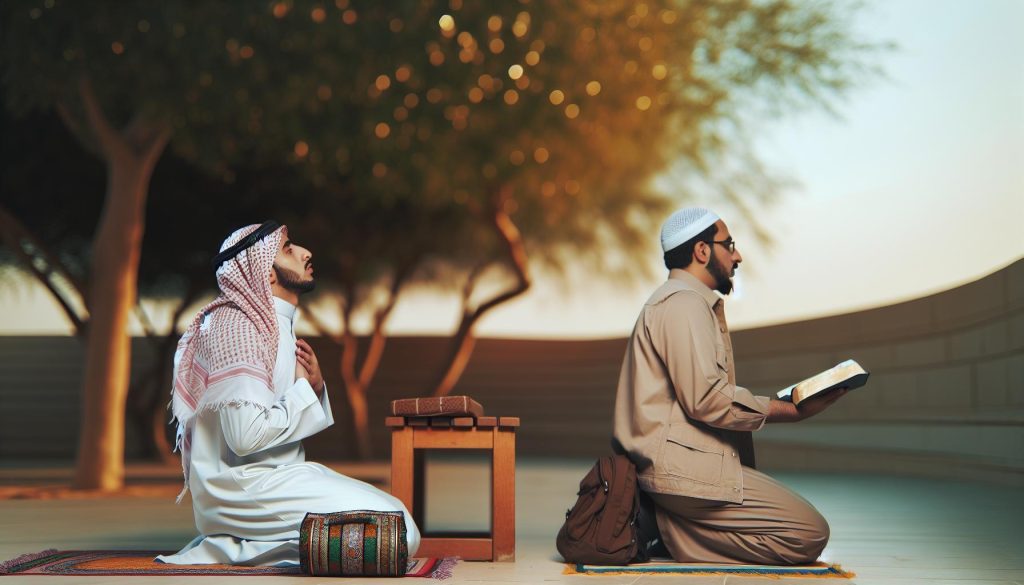
In a world where faith shapes our identities and influences our family dynamics, understanding the religious practices of Arabic fathers-particularly in Islam and Christianity-can offer invaluable insights. Both faiths emphasize the importance of community, prayer, and moral upbringing, providing tools for nurturing strong, faith-driven families. As we explore the unique expressions of devotion within these cultures, we will uncover the shared values that strengthen family bonds and prepare children for a life of righteousness. This exploration invites you to reflect on the universal themes of love, guidance, and faith, and their vital roles in parenting across different backgrounds. Join us on this enlightening journey to discover how these fathers integrate their beliefs into everyday life, fostering resilience and hope in their children.
Contents
- 1 Exploring Islamic Beliefs Among Arabic Fathers
- 2 Understanding Christian Faith in Arabic Communities
- 3 Comparative Practices: Islam vs. Christianity
- 4 Cultural Influences on Religious Faith in Arabic Dads
- 5 The Role of Prayer in Arabic Parenting
- 6 Rituals and Traditions: Islamic Perspectives
- 7 Christian Parenting Principles in Arabic Families
- 8 Shared Values Between Islam and Christianity
- 9 Challenges Faced by Arabic Dads in Faith Practices
- 10 Building Interfaith Relationships in Arabic Communities
- 11 Impact of Religion on Family Structure and Dynamics
- 12 Community Support: Faith-based Resources for Arabic Fathers
- 13 Frequently Asked Questions
- 14 The Way Forward
Exploring Islamic Beliefs Among Arabic Fathers
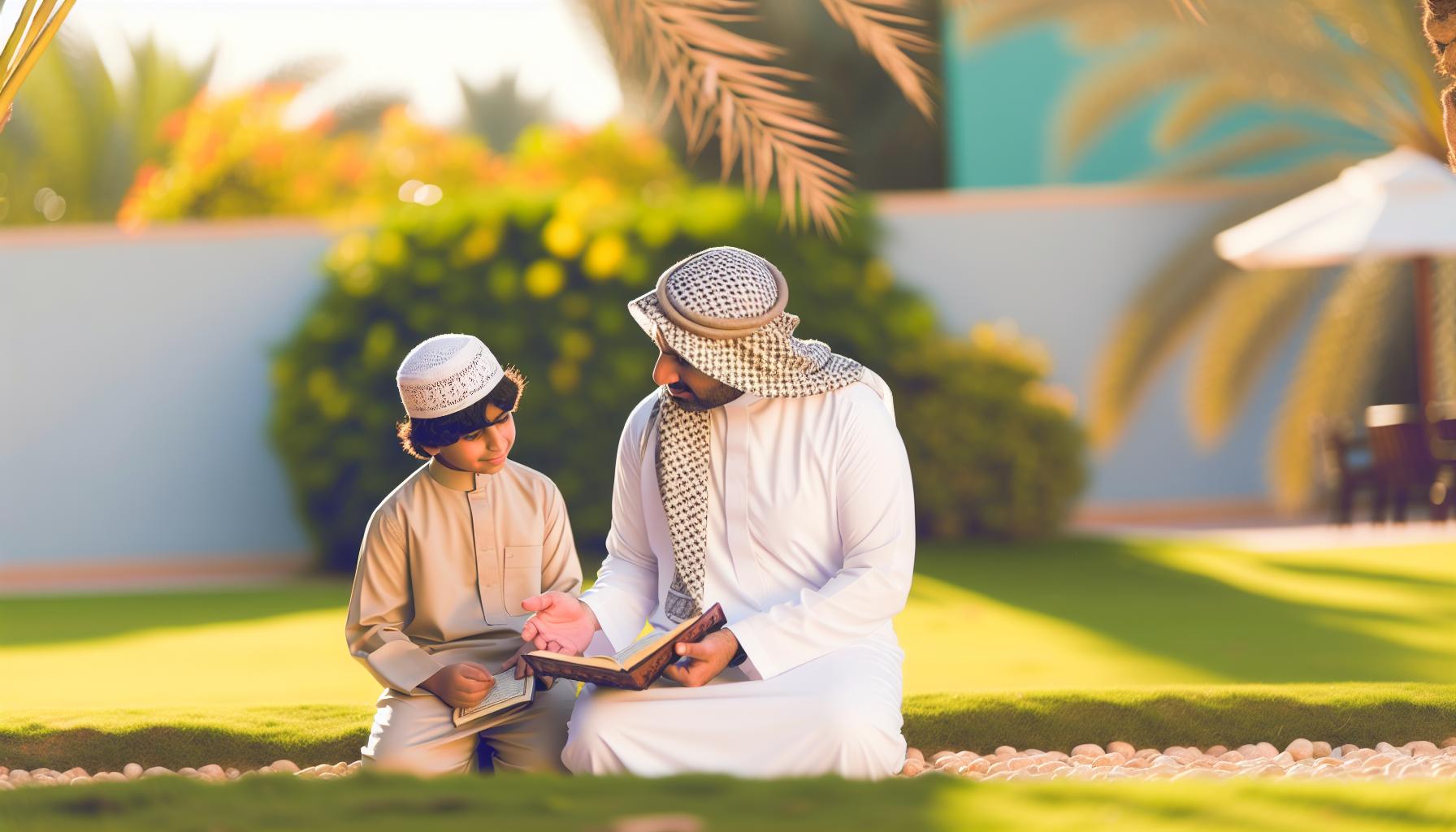
Islam plays a significant role in shaping the beliefs and practices of many Arabic fathers. The core tenets of Islam, such as belief in the oneness of Allah, the importance of prayer (Salah), fasting during Ramadan, and community involvement, are central to the lives of these fathers. Observing these practices not only serves to strengthen their personal faith but also sets a foundational example for their children, fostering an environment where Islamic values are deeply embedded in family life.
Many Arabic fathers actively engage their children in religious traditions, sharing stories from the Quran and discussing its teachings. This is not merely about religious obligation; it often enhances familial bonds and creates a rich cultural identity. For example, fathers might lead their families in prayers or involve them in the fasting month of Ramadan, turning these practices into opportunities for shared experiences that promote unity and spiritual growth within the family unit.
Moreover, Arabic fathers often navigate the challenges of integrating traditional Islamic values within modern societal contexts. Some may find it difficult to balance the expectations of their faith with contemporary lifestyles, especially when raising children in diverse environments. Encouragingly, many fathers draw strength from their community’s support, relying on mosques and social groups to reinforce their beliefs and find fellowship in shared experiences.
Through such involvement, Arabic fathers not only guide their families in faith but also contribute to a broader understanding of Islamic beliefs in a multicultural society. By committing to their faith, they model a lifestyle of devotion that their children can inherit, ensuring the continued observance of Islam across generations.
Understanding Christian Faith in Arabic Communities
In many Arabic communities, the Christian faith is a source of rich tradition and profound community spirit. These communities often emphasize the core principles of Christianity, which include love, compassion, and the redemption offered through Jesus Christ. The integration of faith into daily life is evident in the practices of family, worship, and service, reflecting a commitment to both spiritual and communal values that have been passed down through generations.
Arabic Christians typically engage in a variety of spiritual practices that underpin their faith journey. Regular prayer and Bible study are foundational activities that encourage a deeper relationship with God. These practices foster personal growth and a sense of belonging within the community. Families often come together for evening prayers or devotional times, wherein they reflect on scripture and share personal testimonies. This nurtures both faith and family bonds, illustrating how spiritual belief and daily life intertwine.
Spiritual Practices and Parenting
For Arabic Christian fathers, the role of leading a spiritually centered home is paramount. Integrating biblical teachings into parenting helps shape children’s values and moral compass. This might involve:
- Sharing Bible stories that illustrate faith and virtue.
- Encouraging participation in church activities, which reinforces community ties.
- Modeling Christian principles such as forgiveness, love, and service to others.
These practices not only instill faith in children but also allow fathers to demonstrate Christ’s teachings through actions and examples.
Community and Support
Interpersonal support within Arabic Christian communities is vital. Churches serve as communal hubs where families gather for worship, social events, and educational programs, reinforcing the importance of togetherness and shared faith. Festivals and holy days, such as Christmas and Easter, are celebrated with great joy and unity, allowing families to participate in the larger narrative of their faith.
By understanding and nurturing the Christian faith within Arabic communities, fathers have the opportunity to model a life of grace and love, preparing their children to carry on these values and maintain their spiritual heritage. This commitment not only strengthens individuals but also fortifies the entire community, making it resilient in the face of contemporary challenges.
Comparative Practices: Islam vs. Christianity
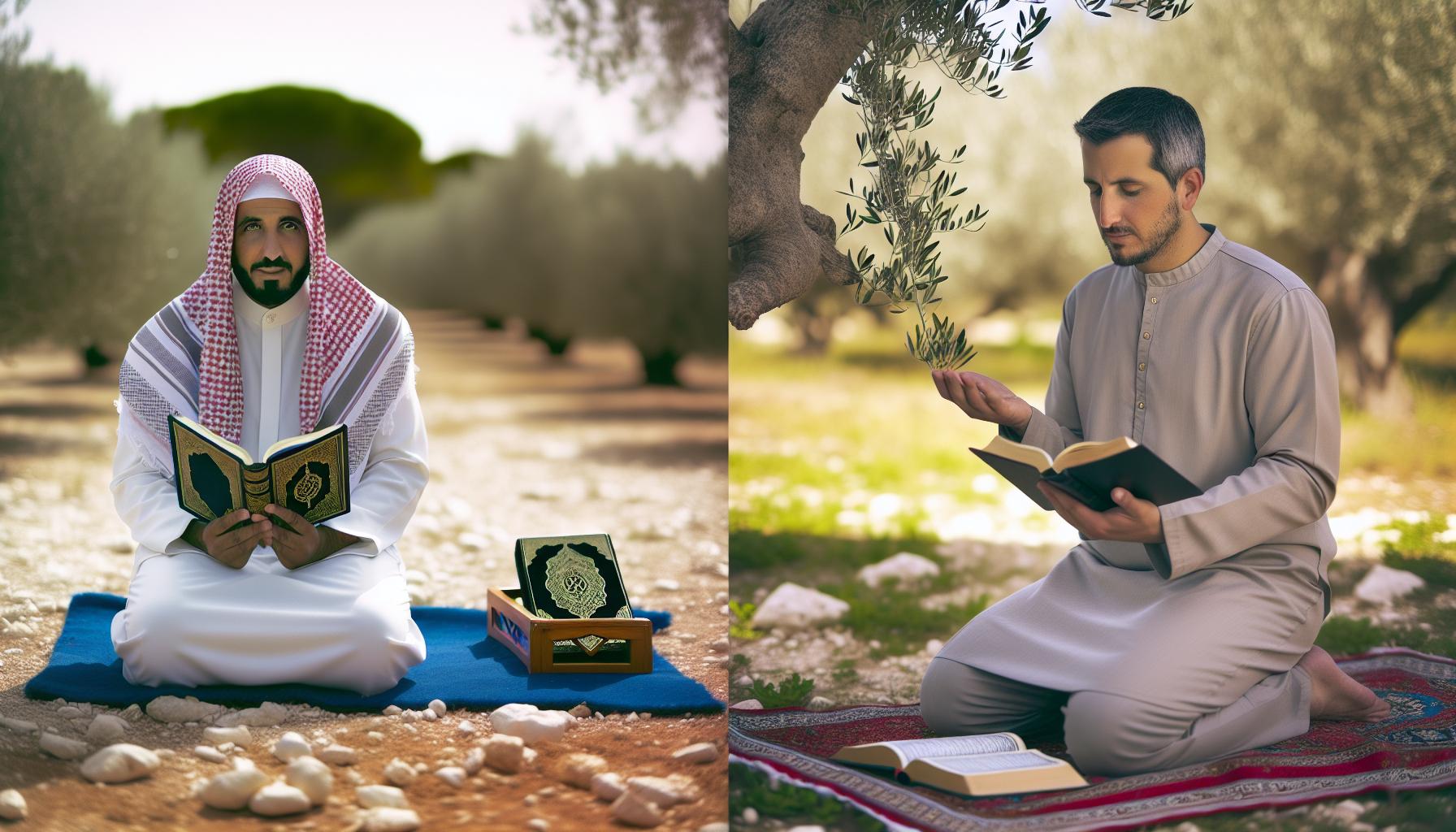
In the rich tapestry of faith among Arabic dads, both Islam and Christianity offer unique yet sometimes overlapping practices that shape their spiritual lives and parenting styles. Understanding these practices can illuminate how fathers from these faiths nurture a holistic approach to family life and spirituality. While key doctrinal differences exist between these two religions, the ways in which they engage their communities and instill values in their children provide common ground that can foster appreciation and understanding.
Muslim fathers often emphasize the importance of daily prayers, known as Salah, which are performed five times a day and serve as a constant reminder of their commitment to God. This practice is foundational in Islam, establishing a rhythm of spiritual discipline and connection. In parallel, Christian fathers typically engage in regular prayer, often incorporating family prayers into their daily routines. Evening devotions and prayer times can serve to strengthen familial bonds while guiding children toward a relationship with God. Both faiths highlight the influential role of prayer as a pivotal component of personal and communal life, encouraging fathers to lead by example.
Scripture Engagement
When it comes to scripture, Arabic Muslims revere the Quran as the ultimate source of guidance, while Arabic Christians deeply value the Bible. In both traditions, fathers are encouraged to teach their children about their sacred texts. Muslim fathers may share stories from the Quran that convey moral lessons and values, while Christian fathers can offer engaging Bible stories that emphasize love, faith, and the teachings of Jesus Christ. Both practices foster a deep-rooted understanding of their respective faiths and impart lessons that resonate through generations.
Community and Celebrations
Community plays a crucial role in both faiths. For Muslims, attending the mosque and participating in communal prayers, particularly on Fridays, fosters a sense of belonging. Similarly, Christian fathers often take their families to church services on Sundays, where worship, fellowship, and participation in religious activities enhance their communal ties. Moreover, celebrations within both religions, such as Eid al-Fitr and Christmas, provide not just religious significance but also opportunities for family gatherings and communal joy. These moments are pivotal for teaching children about the tenets of their faith while building lasting memories.
In fostering interfaith understanding, it’s essential to appreciate these diverse practices as pathways to strengthening families. Encouraging dialogue about these rituals can inspire respect and warmth between communities, allowing Arabic dads of both faiths to collaborate in nurturing values of love, compassion, and unity in their children. By sharing their journeys and practices, they can promote a spirit of brotherhood that transcends doctrinal differences, reinforcing the shared human experience of faith in shaping moral characters and family dynamics.
Cultural Influences on Religious Faith in Arabic Dads

In the diverse landscape of Arabic communities, the cultural context profoundly influences the religious practices and faith journeys of fathers, whether they identify as Muslims or Christians. This interplay between culture and faith shapes how they approach parenting, community involvement, and expressions of spirituality, creating a rich tapestry of beliefs and practices. For Arabic dads, cultural traditions often intertwine with religious observance, offering unique perspectives and challenges that inform their parenting and community engagement.
Arabic tradition places a strong emphasis on family and community, which often translates into the religious life of a father. For instance, cultural gatherings frequently coincide with religious celebrations, fostering a sense of unity and identity through shared rituals. During events like Eid al-Fitr or Christmas, fathers from both faith backgrounds play a vital role as they maintain family bonds through shared meals, prayers, and storytelling. These occasions serve not only as religious observances but also reinforce cultural heritage, encouraging dads to pass down stories and values to their children that are rooted in both cultural and religious significance.
Balancing Tradition with Modernity
As globalization continues to influence Arabic societies, many fathers find themselves at a crossroads, balancing traditional values with modern ideals. This tension can be particularly evident in parenting styles, where older generations emphasize a more traditional approach-firm values, community responsibility, and religious adherence-while younger fathers often look to integrate contemporary parenting practices that encourage open dialogue and emotional expression. Consequently, many Arabic dads navigate these complexities by seeking to blend the teachings of their faith with modern parenting techniques.
For instance, a Christian father might use parables from the Bible to teach lessons about kindness, while also encouraging his children to engage in contemporary discussions about emotional intelligence and mental health. Similarly, a Muslim father may incorporate the principles of compassion and sharing from the Quran while also promoting critical thinking and interactivity in learning. This blending of old and new not only enhances the spiritual upbringing of children but also prepares them to thrive in a rapidly changing world.
The Role of Community Support
Community support remains a cornerstone for Arabic dads practicing their faith. Both Muslim and Christian fathers often rely on their respective faith communities for guidance, resources, and fellowship. In instances where they may feel overwhelmed or encounter challenges in raising their children in a rigorous faith environment, community connections can provide affirmation and encouragement. Many fathers engage in support groups or church/mosque gatherings where they can share experiences, seek advice, and cultivate friendships that reinforce their spiritual journeys.
Ultimately, the cultural influences on Arabic dads’ religious faith manifest in their day-to-day interactions and parenting approaches, grounding their families in a rich heritage while navigating the complexities of modern life. By embracing both their cultural roots and their faith, Arabic fathers foster environments of love, respect, and spiritual growth, encouraging their children to appreciate the beauty of their diverse backgrounds. This not only strengthens family bonds but also creates a sense of unity among the broader community, reinforcing values of compassion, understanding, and mutual respect across different faiths.
The Role of Prayer in Arabic Parenting
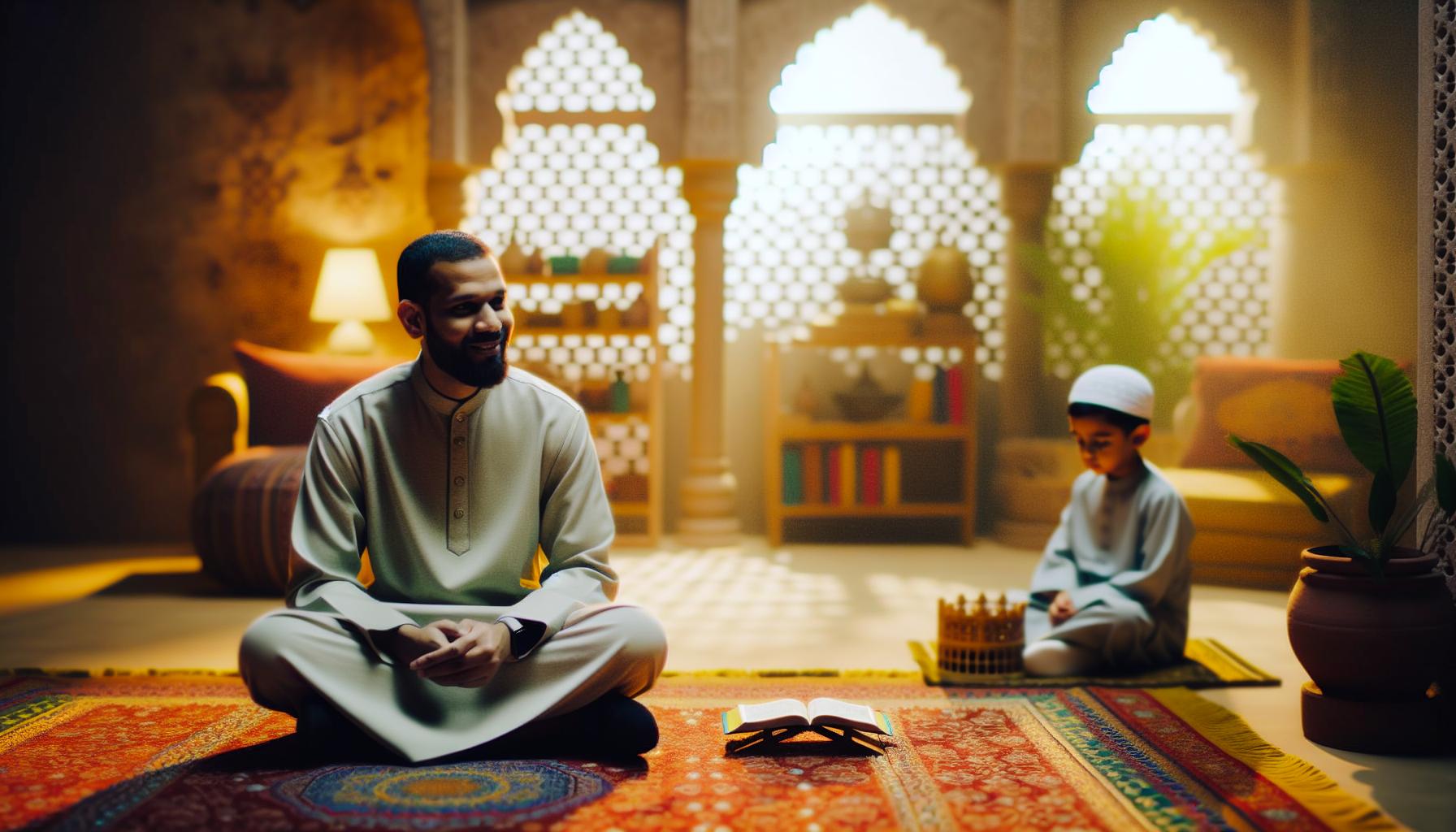
In both Islamic and Christian traditions, prayer stands as a sacred practice that not only fosters a deeper connection with God but also serves as an essential guide in parenting. For Arabic fathers, incorporating prayer into daily routines nurtures a spirit of gratitude and reliance on divine guidance, allowing them to navigate the challenges of parenthood with faith and assurance. The rhythm of prayer provides a framework within which families can grow spiritually and emotionally, reinforcing the values that are central to both Islam and Christianity.
For Muslim fathers, the five daily prayers (Salah) serve as a pivotal practice that instills discipline and a sense of community. This regular engagement with prayer becomes a powerful teaching tool, demonstrating to children the importance of devotion and mindfulness. Fathers often encourage their children to participate in prayer, which not only strengthens familial bonds but also instills in them the practice of connecting with God throughout the day. This habit lays a foundation for spiritual resilience, preparing children to face life’s uncertainties with faith.
Christian fathers also emphasize prayer as a cornerstone of their parenting. Setting aside time for family prayer fosters a nurturing environment where children feel loved and supported. Often, fathers will lead their families in prayer before meals or bedtime, inviting their children to express their thoughts and needs to God. This practice teaches children about the importance of communication with the divine as well as gratitude for the blessings they have received. Moreover, reading scripture together can complement these prayer times, providing biblical principles that guide family interactions and decisions.
Fatherhood in Arabic communities is deeply influenced by these rich traditions of prayer, where both Muslim and Christian practices offer a pathway to instilling values of compassion, love, and respect in their children. By modeling a prayerful life, Arabic dads encourage their children to seek comfort and guidance in prayer, equipping them with a powerful tool for personal and spiritual development as they journey through life’s challenges.
Rituals and Traditions: Islamic Perspectives
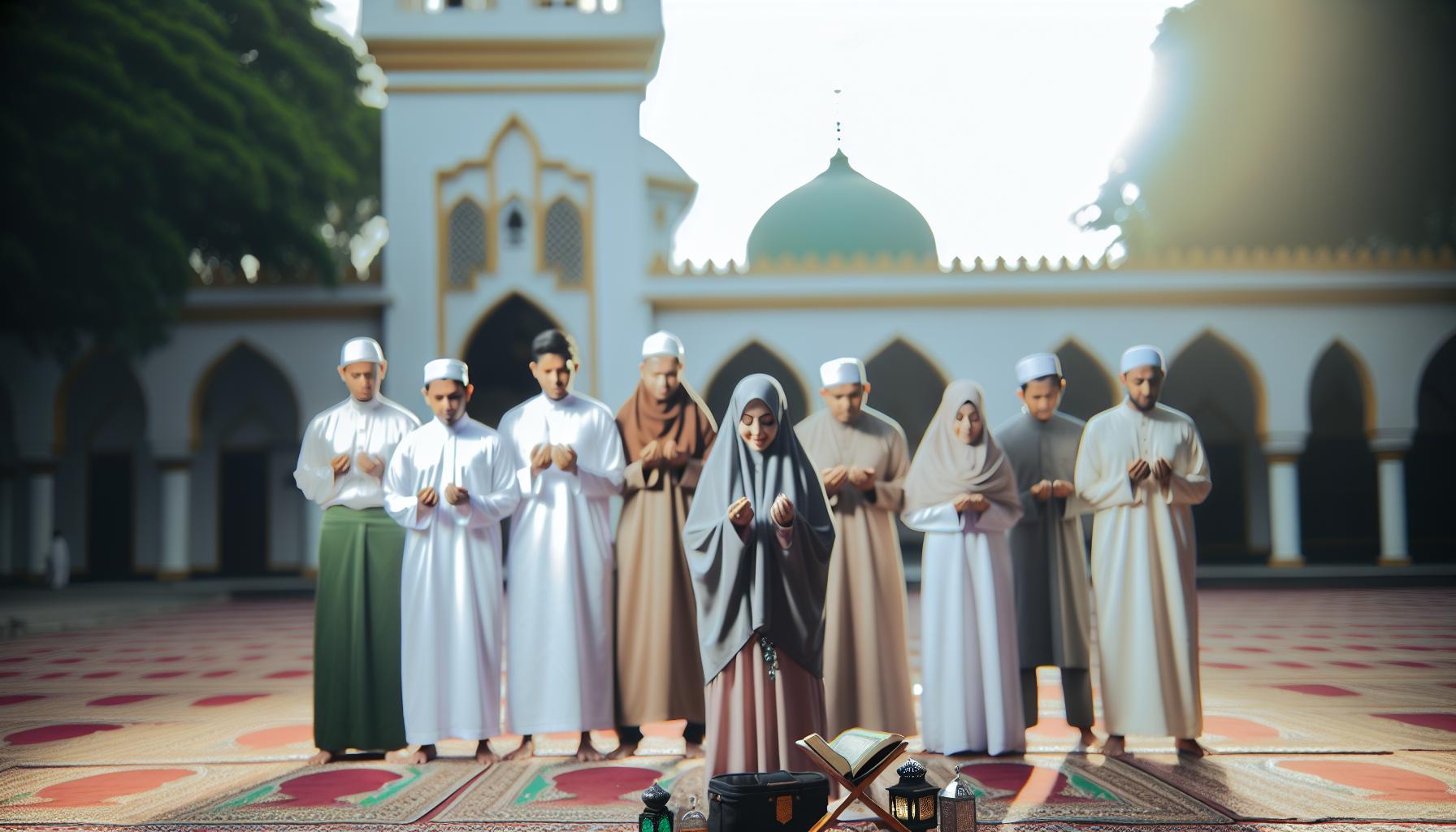
The rich tapestry of Islamic rituals and traditions plays a pivotal role in shaping the faith experience of Arabic fathers and their families. Central to Islamic practice is the observance of the Five Pillars of Islam, which not only guide individual believers but also foster a sense of community and family bonding. Among these pillars, Salah (prayer), Sawm (fasting), and Zakat (charity) stand out as practices deeply embedded in the daily lives of Muslims, especially within Arabic families.
The Five Daily Prayers
For Arabic fathers, the practice of Salah forms a cornerstone of their spiritual life. The five daily prayers are not merely personal rituals; they are communal obligations that encourage fathers to teach their children the importance of discipline and devotion. By modeling this practice, fathers help instill a routine that enhances connection with God and reinforces Islamic values. They often involve their children in these prayers, transforming the act into family gatherings that nurture unity and spiritual growth.
- Fajr: The pre-dawn prayer that begins the day with a moment of reflection and gratitude.
- Dhuhr: The midday prayer providing an ideal pause from daily activities for contemplation.
- Asr: An afternoon prayer that serves as a reminder of God’s presence.
- Maghrib: The evening prayer, performed just after sunset, which marks the end of the day.
- Isha: The night prayer, often performed as families gather, promoting communication about the day’s experiences.
Celebrations and Community Engagement
Islamic holidays such as Eid al-Fitr and Eid al-Adha also play a significant role in family life. These days are filled with rituals that facilitate family gatherings, feasts, and charity, reinforcing the bonds among family members and the wider community. During Eid al-Fitr, for instance, after a month of fasting during Ramadan, families come together to share meals and give gifts, creating cherished memories for children. The act of giving Zakat during these celebrations teaches kids about compassion and social responsibility, highlighting the importance of helping those in need.
Moreover, gatherings at mosques during these festivals allow fathers to demonstrate the strength of community, showing their children the importance of maintaining connections within their faith. These experiences cultivate a sense of identity and belonging in the younger generation, laying a foundation for their future as engaged and compassionate members of society.
Through these practices and traditions, Arabic fathers not only strengthen their own faith but also ensure that their children inherit a profound understanding of their cultural and religious identity. The integration of rituals into family life serves as an enriching journey, guiding children to grow into adults who embrace the values of Islam with confidence and sincerity.
Christian Parenting Principles in Arabic Families
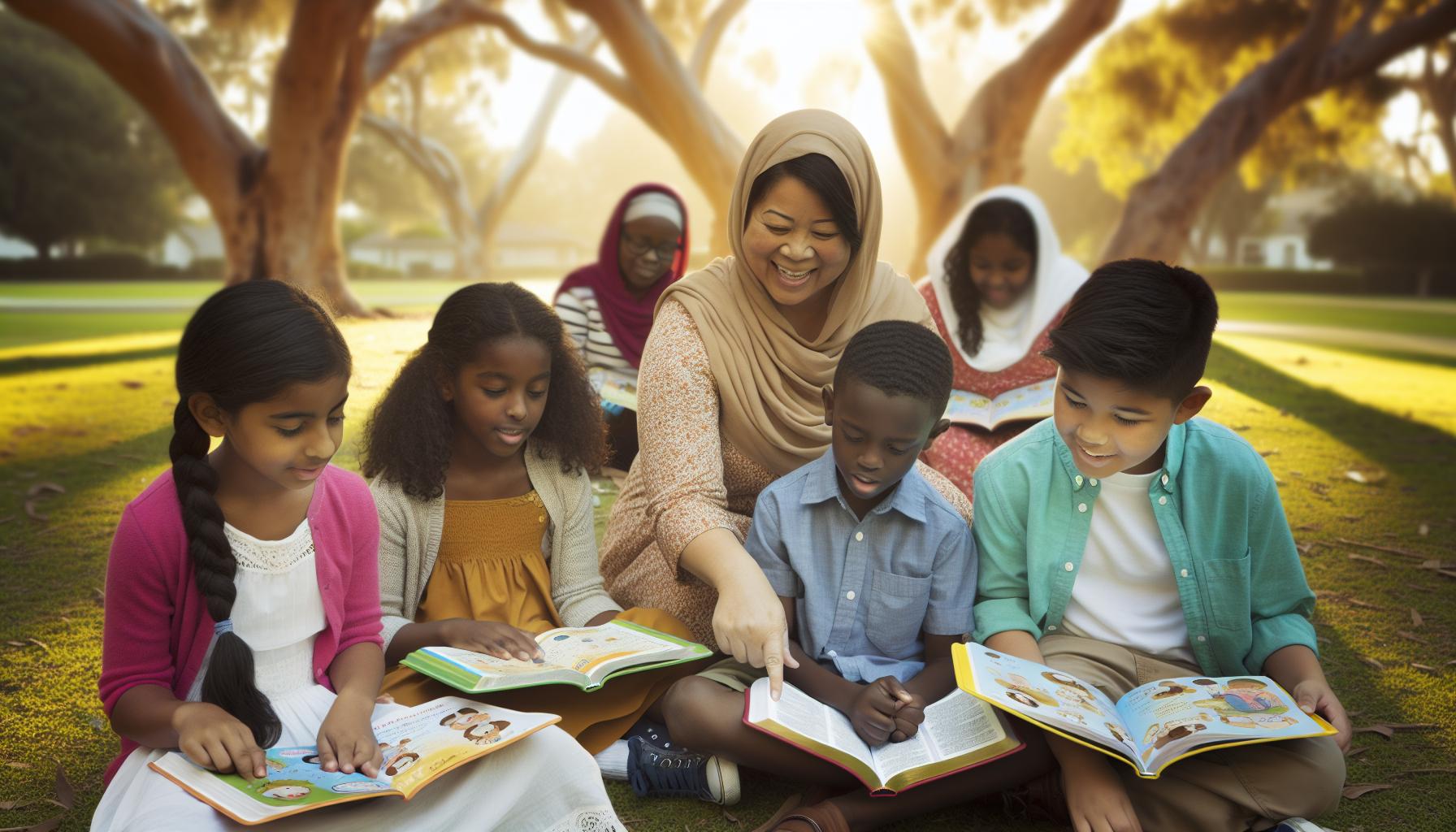
In the vibrant tapestry of Arabic Christian families, parenting is deeply interwoven with faith, emphasizing the nurturing of spiritual values as a core component of family life. This spiritual foundation often sets the tone for relationship dynamics, guiding parents in fostering a loving, faith-centered environment where children can thrive. For many Arabic fathers, modeling a Christ-like lifestyle is pivotal, not merely as a directive but as an embodiment of faith that enriches daily interactions and decisions within the household.
A cornerstone of Christian parenting is the practice of prayer, which serves as both a personal and communal activity. Fathers are encouraged to lead their families in prayer, creating moments where gratitude, supplication, and praise to God are expressed openly. This practice not only deepens individual faith but also builds a sense of community within the family. Here are some practical ways in which prayer can be integrated into daily life:
- Family Devotionals: Setting aside time in the morning or evening for family devotionals can help establish a routine that encourages discussion about faith and its relevance in daily life.
- Praying Together: Inviting children to join in prayer before meals or at bedtime fosters a sense of belonging and instills the importance of conversing with God.
- Celebrating Milestones: Marking important life events or achievements with prayer reinforces the notion that every aspect of life is under God’s guidance and care.
Engaging with Scripture is another important principle for Christian parenting. Arabic fathers are encouraged to read the Bible with their children, not only to impart knowledge but also to cultivate a love for God’s word. Family Bible studies can become a cherished tradition, allowing children to ask questions and explore their faith in a safe environment. Through storytelling and discussion, fathers can help their children connect biblical teachings to practical life situations, instilling moral values that resonate throughout their lives.
Christian parenting principles also emphasize the importance of fostering a supportive and loving home environment. Fathers are called to exemplify Christ’s love through patience, kindness, and forgiveness. As fathers model these traits, children learn to mirror them in their interactions with others, promoting a culture of respect and empathy. Moreover, it’s vital to create an atmosphere where children feel safe expressing their thoughts and feelings, allowing them to flourish spiritually and emotionally.
In building a legacy of faith within Arabic Christian families, it is essential to celebrate community life. Church involvement and participation in congregation activities can enhance the family’s spiritual journey, encouraging children to engage with their faith alongside peers. These experiences not only provide opportunities for learning and growth but also help in establishing lasting friendships within the Christian community, further nurturing faith in both family and social contexts.
By prioritizing prayer, Scripture study, and a Christ-centered lifestyle, Arabic fathers can profoundly influence their children’s spiritual development and understanding of faith, equipping them with the tools they need to navigate life’s challenges and grow into compassionate and faith-driven adults.

In the intricate landscape of faith, Arabic fathers who embrace both Christianity and Islam often find themselves navigating shared values that transcend their individual beliefs. At the heart of both traditions lies a deep reverence for community, compassion, and the pursuit of justice, which serve as cornerstones for fostering strong family bonds and nurturing children’s growth. This shared ethical foundation not only enriches their spiritual lives but also cultivates a harmonious environment where diverse faith perspectives can coexist and flourish.
Both Islam and Christianity uphold the significance of prayer as a vital means of connecting with God. In families where either faith is practiced, prayer becomes an essential ritual that fosters spiritual awareness and unity. Arabic fathers, whether leading Christian prayers or Islamic salah, often instill the importance of regular communication with God, reflecting a shared belief in divine guidance. By creating dedicated times for prayer, families reinforce the spiritual fabric of their home and set a profound example for their children, encouraging them to develop their own personal relationships with God.
Moreover, an emphasis on charity and caring for others is a unifying principle between the two faiths. Both Islam and Christianity advocate for acts of kindness and generosity towards the less fortunate, emphasizing that caring for others is a reflection of one’s faith. Arabic fathers are often seen teaching their children the value of giving and compassion, whether through Islamic zakat (almsgiving) or Christian charitable acts. Such practices not only nurture a spirit of generosity in children but also foster a sense of social responsibility that is crucial for building a compassionate community.
Family relationships are also core to both traditions, highlighting love, respect, and accountability. Respecting parents, cherishing children, and nurturing relationships with extended family members are seen as integral aspects of a faith-centered life in both Islam and Christianity. Arabic fathers, drawing upon these values, often strive to create a loving and supportive atmosphere at home, reinforcing the idea that strong family ties reflect one’s devotion to their faith. This commitment to family serves as a powerful reminder that, regardless of denominational differences, the ultimate goal of both beliefs is to foster love and unity within the family and beyond.
By embracing these shared values, Arabic fathers can cultivate an enriching environment that fosters spiritual growth and emotional well-being, fostering respect and understanding for both their own faith and that of others. In doing so, they not only nurture their children’s spiritual journeys but also contribute to a broader community characterized by mutual respect, kindness, and love.
Challenges Faced by Arabic Dads in Faith Practices

Navigating faith can be a profound journey filled with both joy and challenges, particularly for Arabic fathers who embrace both Christianity and Islam. These dads often face the unique struggle of balancing their spiritual practices while fostering a unified family life. As they seek to pass down their beliefs and values to their children, they encounter a variety of obstacles that can test their commitment and influence their family dynamics.
One significant challenge is the potential discord that can arise from differing religious practices within the household. Arabic fathers often grapple with maintaining harmony while honoring their faith commitments, especially when family members practice different religions. This may involve negotiating prayer times, religious observances, and the incorporation of rituals unique to each faith. For instance, while daily Islamic prayers (salah) might be a routine aspect for one parent, the other may emphasize Bible reading as a part of family devotionals, leading to conflicting schedules and expectations. It’s essential for these fathers to foster open dialogue about their beliefs, creating a shared understanding of each faith’s significance amidst these differences.
Additionally, cultural expectations can place a heavy burden on these fathers, as they navigate broader societal norms alongside personal beliefs. Many Arabic communities hold strong traditions that may clash with modern practices or with principles from another faith. Fathers may feel pressure to conform to cultural rituals or practices that they may not fully embrace, creating an internal conflict. This situation may lead to feelings of inadequacy or the fear of not fulfilling their roles as spiritual leaders in their families. To combat this, fathers are encouraged to seek clarity in their desires for their children’s spiritual journeys, fostering an environment where their kids can explore and embrace their own faith paths, rather than feeling confined to rigid expectations.
Moreover, the impact of external influences-such as societal views on interfaith relationships-can further complicate the parenting dynamic. Arabic dads may encounter skepticism or resistance from their communities regarding their dual faith practices, which can instill doubts about their parenting decisions. It’s crucial for these fathers to cultivate a supportive network of friends and mentors who share their experiences, offering encouragement and understanding as they navigate these challenges. Through community support, they can validate their choices and reinforce their dual-faith approach as a source of strength rather than a divisive element in their family life.
By addressing these hurdles with grace and open heartedness, Arabic fathers can create an enriched spiritual environment for their families, acknowledging the beauty and complexity of their interwoven faiths. Leaning on practices such as family devotionals that highlight shared values-like love, forgiveness, and community-will not only strengthen their family’s bond but also enhance their children’s understanding of both faiths in a safe and nurturing manner. As they model this commitment, these fathers can inspire their children to embrace a journey of faith characterized by inclusion, respect, and understanding.
Building Interfaith Relationships in Arabic Communities
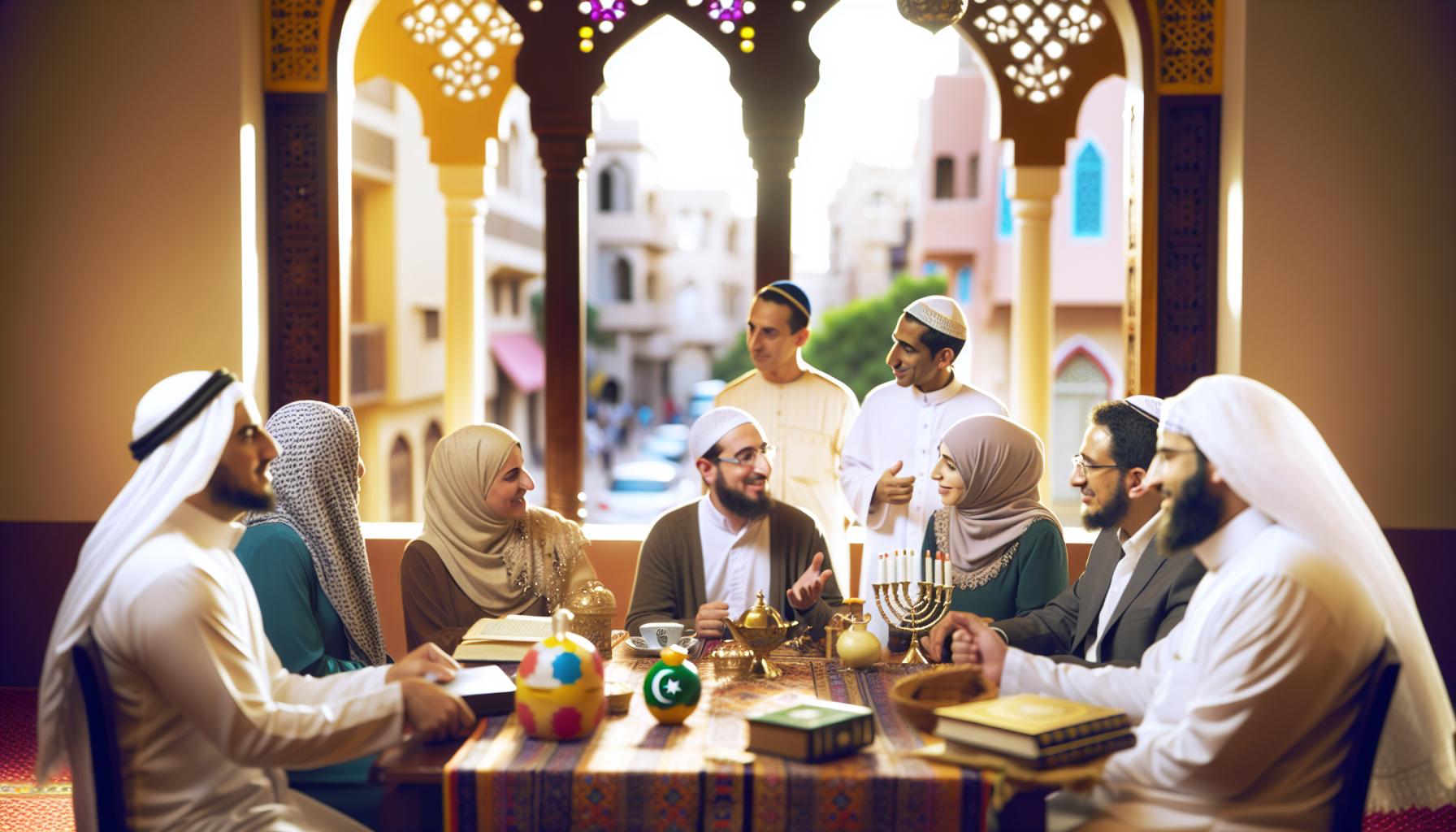
involves navigating a rich tapestry of cultural and religious beliefs, particularly when families embrace both Christianity and Islam. This unique blend can create a beautiful, yet challenging, environment in which both faiths can coexist, each offering its own set of values, traditions, and practices. Acknowledging the strength in diversity, Arabic fathers play a crucial role in fostering a family atmosphere that respects and honors the beliefs of both parents.
To successfully build interfaith relationships, open communication is vital. This means creating a safe space where both partners can express their beliefs and values without fear of judgment. Regular discussions about how each faith influences their lives can lead to a deeper understanding and appreciation for the different perspectives within the family. For instance, one practical approach could be to schedule regular “faith talks” where parents discuss key tenets from both Islam and Christianity, showcasing their shared messages of love, forgiveness, and compassion. This not only educates the children but also empowers them to embrace a multifaceted identity.
Another essential aspect of nurturing interfaith relationships is shared rituals that reflect both traditions. Consider combining elements from each faith into family celebrations, creating a unique blend that honors both heritage and spirituality. For example, during special occasions like holidays, families might engage in activities that incorporate both Islamic practices, such as fasting or prayer, and Christian traditions, such as family prayer or Bible readings. Additionally, emphasizing shared values such as compassion, generosity, and respect for others can further unite the family under common goals, regardless of faith differences.
Moreover, community support can significantly bolster the success of interfaith relationships. Engaging with groups that focus on interfaith dialogue can provide Arabic fathers with the resources and networks needed to strengthen their family bond. Workshops, discussion groups, and faith-centered community events allow parents to connect with others navigating similar challenges, fostering a sense of belonging and shared experience. These interactions can provide valuable insights, tips, and encouragement, enabling fathers to model faith-based resilience for their children.
As Arabic fathers create a balanced spiritual environment that embraces both Christianity and Islam, they not only nurture their family’s faith journey but also set a precedent for their children. By illustrating the importance of respect, love, and understanding, they lay the foundation for their children to thrive in a diverse world where interfaith relationships are increasingly common. Encouraging children to embrace both faiths as enriching aspects of their identity can foster a greater sense of community and shared purpose, ultimately leading to a harmonious familial landscape.
Impact of Religion on Family Structure and Dynamics
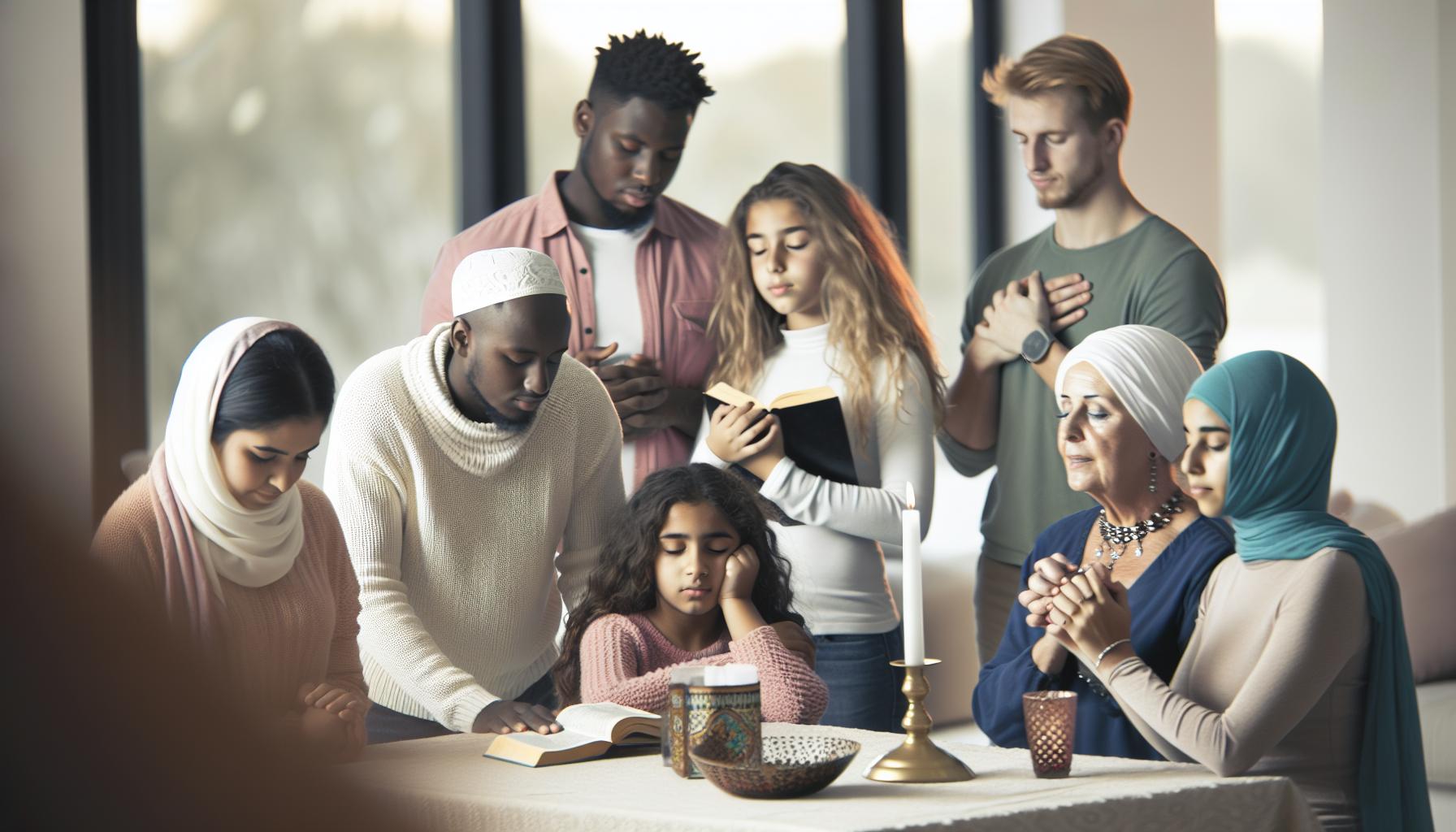
The intertwining of faith within family structures profoundly impacts how Arabic dads navigate their roles, especially when balancing both Islamic and Christian teachings. Religion often serves as the backbone of family dynamics, influencing everything from moral values to parenting styles. For many Arabic fathers, their religious beliefs dictate both their leadership in the family and the spiritual education of their children, shaping a unique environment of loving guidance and ethical grounding.
Understanding the complementary aspects of Islam and Christianity fosters a sense of harmony within mixed-faith families. For instance, both religions emphasize core values such as love, respect, and compassion, providing a strong foundation around which families can rally. Arabic fathers might co-create practices that reflect the beauty of both traditions, such as incorporating Bible readings alongside Islamic prayers during family gatherings. This not only enriches their spiritual lives but also models inclusivity and respect for their children. Encouraging open dialogue about religious practices allows families to understand each faith’s significance while instilling a sense of unity and shared purpose.
The role of prayer is paramount in these families, shaping the spiritual fabric that binds them together. Integrating both Islamic prayers and Christian devotions into the daily or weekly rhythm of family life can help establish healthy spiritual habits. This practice promotes a strong prayer life that nurtures individual faiths while simultaneously cultivating a shared spiritual journey. Engaging in prayer together, regardless of religious affiliation, can foster deeper connections and strengthen family bonds. It’s essential to encourage children to appreciate both faiths, providing them with tools to navigate their unique identity as part of an interfaith household.
Challenges will inevitably arise in this complex landscape-whether it’s navigating differing religious customs or addressing external perceptions. However, by prioritizing faith-based discussions and practices, Arabic fathers can create a nurturing atmosphere where children feel safe exploring their spiritual identities. As they witness their fathers embody a commitment to both faiths, children will learn important values of empathy, tolerance, and love, which are essential for thriving in a diverse world. Ultimately, the implications of religion on family structure are profound, guiding Arabic dads as they establish a strong, faith-driven family dynamic that celebrates both their Islamic and Christian heritages.
Community Support: Faith-based Resources for Arabic Fathers
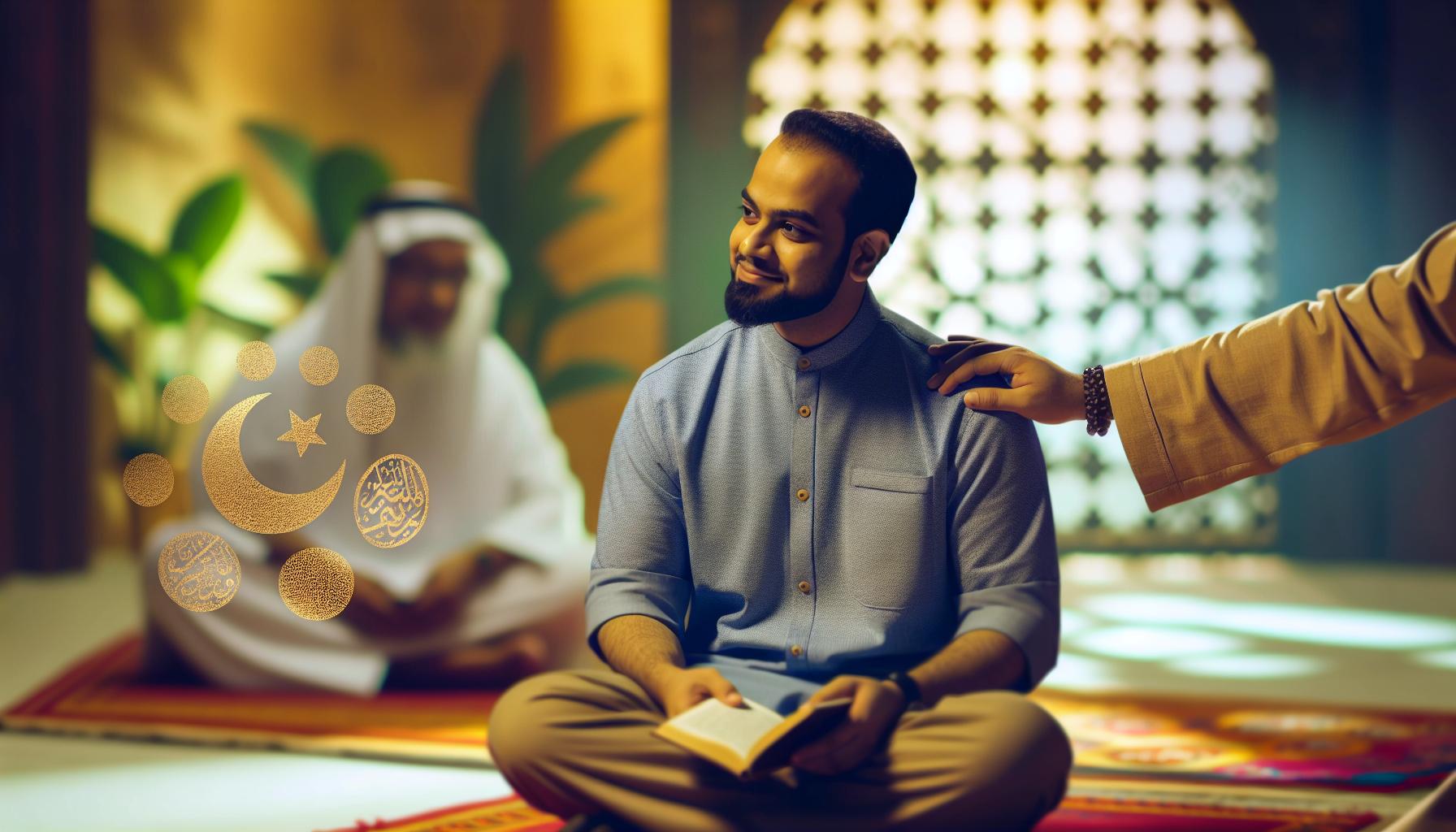
Arabic fathers navigating their roles in a diverse faith landscape often seek community support that aligns with their spiritual journey. Finding resources that foster their growth as parents while respecting both Islamic and Christian teachings is essential. This engagement can take many forms, from local faith-based organizations to online communities dedicated to bridging the gap between these two rich traditions.
One of the most valuable resources is participation in interfaith parenting groups. These forums allow fathers to share experiences, challenges, and strategies for raising children in a mixed-faith environment. By exchanging ideas on how to celebrate both Ramadan and Christmas, for instance, Arabic dads can learn to incorporate meaningful rituals from both sides. Additionally, engaging with local faith communities through workshops and seminars can provide practical tools for fostering spiritual development in children.
Moreover, the importance of prayer cannot be overstated. Arabic fathers can benefit from resources that encourage a strong prayer life, such as devotionals that merge Islamic and Christian prayers. Families may create a shared prayer space at home, where both faiths are honored. This not only strengthens familial bonds but also teaches children the significance of both traditions.
Helpful Resources for Arabic Fathers:
- Books and Devotionals: Seek out literature that discusses parenting from both Christian and Islamic perspectives, providing daily encouragement and wisdom.
- Online Communities: Websites and forums that cater to interfaith couples can offer a wealth of advice, experiences, and coping strategies.
- Faith-based Activities: Local events such as community picnics or family nights can provide a platform for fathers to bond with their children while promoting unity across faiths.
By tapping into these resources, Arabic fathers can create meaningful spiritual environments for their families, fostering growth, love, and acceptance. Ultimately, the journey involves continuous learning and sharing, equipping them and their children to embrace the beauty and richness of both Islamic and Christian faiths.
Frequently Asked Questions
Q: What role does prayer play in the lives of Arabic dads practicing Islam?
A: Prayer is a fundamental aspect of Islamic faith among Arabic dads. It is performed five times daily and serves not only as a religious obligation but also as a means of building a strong spiritual connection with God. Fathers often teach their children the importance of prayer from a young age, reinforcing family unity and values.
Q: How do Arabic Christian fathers balance cultural traditions with their faith?
A: Arabic Christian fathers often strive to maintain cultural traditions while practicing their faith. This includes incorporating religious ceremonies within cultural celebrations and ensuring that their children understand both their heritage and their beliefs. Active involvement in church groups can also help foster a strong community bond.
Q: What challenges do Arabic dads face in practicing their faith?
A: Arabic dads may face challenges such as societal pressures, cultural expectations, and potential discrimination, especially in non-Arab environments. Balancing work, family life, and religious obligations can also be tough. Engaging in community support systems can alleviate some of these stresses.
Q: How do Islamic and Christian teachings influence parenting styles among Arabic dads?
A: Both Islamic and Christian teachings emphasize moral values, respect, and compassion in parenting. Arabic dads often rely on religious teachings to guide their parenting style, instilling discipline, kindness, and a strong moral compass in their children through both scripture and tradition.
Q: What are the common rituals followed by Arabic dads for their religious practices?
A: Common rituals among Arabic dads include daily prayers, fasting during Ramadan for Muslims, and partaking in religious sacraments such as baptism and communion for Christians. These rituals reinforce faith, create community bonds, and teach children about their religious heritage.
Q: How do Arabic dads approach interfaith relationships in their families?
A: Arabic dads navigating interfaith relationships often prioritize open communication and mutual respect. They strive to educate their children about both faiths while emphasizing shared values. This approach fosters understanding and acceptance in multicultural families.
Q: Why is community support important for Arabic dads in faith practices?
A: Community support is vital for Arabic dads as it creates a sense of belonging and shared responsibility. Faith-based resources, such as father groups or family-oriented church activities, provide encouragement and a network for sharing parenting strategies, enhancing spiritual growth, and connecting with others facing similar challenges.
Q: How do Arabic dads teach their children about their faith?
A: Arabic dads typically share their faith through daily practices, storytelling, and participation in religious gatherings. They often lead by example, encouraging children to engage in rituals and teachings while discussing their personal faith journeys, reinforcing the importance of religion in daily life.
For further insights into the intersection of faith and parenting in Arabic communities, explore our sections on the Role of Prayer in Arabic Parenting and Understanding Christian Faith in Arabic Communities.
The Way Forward
As we reflect on the rich tapestry of faith practices among Arabic dads, it’s clear that whether through Islam or Christianity, the essence of devotion is central to their lives. Understanding these spiritual journeys not only enriches our perspectives but inspires meaningful conversations in our communities. If you’re eager to deepen your faith or explore parenting guidance rooted in biblical principles, check out our articles on prayer life and devotionals that nurture your spiritual growth.
We invite you to share your thoughts or experiences in the comments below-your insights could ignite a conversation that brings us all closer. Don’t miss out on valuable resources designed to support your faith journey; subscribe to our newsletter for the latest articles on Christian living and spiritual warfare, ensuring you feel equipped and inspired. Thank you for joining us, and may your path be filled with grace and truth as you navigate these profound faith practices.