
In a world where myths captivate our imaginations and biblical truths anchor our souls, the exploration of godly parentage through “Percy Jackson vs. Biblical Truth” is both timely and vital. This intriguing comparison invites readers to reflect on their understanding of divine guidance and parental influence, especially as our children navigate cultural narratives and timeless teachings. As fans of fantasy may find themselves drawn to the enchanting tales of demigods and heroes, it’s essential to contrast these with the rich truths of Scripture that provide real-life wisdom, faith, and direction. What does it mean to have a heavenly Father who cares deeply for us, compared to the whimsical portrayals of divine parental figures in popular literature? Join us as we delve into this captivating topic, encouraging a deeper understanding of our faith and a stronger connection to our Creator. Your spiritual journey awaits!
Contents
- 1 Who Is Percy Jackson? Understanding the Character
- 2 Exploring the Concept of Godly Parents
- 3 Biblical Truths About Divine Parentage
- 4 Percy Jackson and Greek Mythology Explained
- 5 Contrasting Mythology with Scriptural Insights
- 6 How Divine Heritage Shapes Identity in Fiction
- 7 Lessons on Faith from Percy Jackson’s Journey
- 8 The Role of Heroes in Christianity vs. Mythology
- 9 Parenting in a Biblical Context vs. Greek Myths
- 10 Cultural Impact of Percy Jackson on Faith Discussions
- 11 Finding Your Spiritual Parent: A Personal Guide
- 12 Integrating Fiction with Real-Life Faith Practices
- 13 FAQ
- 14 Key Takeaways
Who Is Percy Jackson? Understanding the Character
Percy Jackson is not just a fictional character; he symbolizes the journey of a young individual grappling with extraordinary heritage while navigating the ordinary world. As a demigod, the son of Poseidon, Percy embodies the challenges and triumphs of growing up amidst the struggles of his dual identity. His story resonates with many young readers who may feel torn between their everyday lives and the unique callings that arise from their backgrounds, whether those are familial, cultural, or spiritual. Each challenge Percy faces is laden with lessons that can be applied to our own walks of faith and identity.
Understanding Percy Jackson requires acknowledging the profound themes interwoven throughout his adventures: heroism, loyalty, friendship, and the longing for acceptance. Through his encounters with mythological creatures and gods, Percy learns to embrace his strengths while coming to terms with his vulnerabilities. This mirrors the Christian journey, where embracing one’s identity in Christ is crucial to living authentically. Just as Percy must learn to wield his powers responsibly, believers are called to recognize and hone their gifts for the glory of God.
In contrasting Percy’s experiences with biblical truths, we find that both narratives address the significance of divine parentage. Just as Percy grapples with the expectations of being the son of a god, Christians are encouraged to understand their identity as children of God-a powerful truth that shapes their sense of purpose and belonging. Recognizing God as our heavenly parent emboldens us to step into our calling and dedicate our lives to serve Him, much like Percy does in his quests.
Ultimately, Percy Jackson’s character invites readers to explore the intersection of myth, faith, and personal identity. His journey serves as a reminder that our heritage shapes who we are, but it doesn’t define us. Instead, we can look to scriptural truths-and the grace found in Christ-despite the chaos of our circumstances. By embracing this narrative, we can cultivate a deeper understanding of who we are in God’s eyes, empowered to forge our paths with courage and faith.
Exploring the Concept of Godly Parents
The journey of understanding godly parentage is as intricate as the mythology itself. In the Percy Jackson series, the concept of godly parents becomes a powerful narrative device that illustrates the struggles and triumphs of youth discovering their identities. Percy, the half-blood son of Poseidon, encounters a world where divine lineage shapes not only his abilities but also his purpose. This narrative invites readers to reflect on their own spiritual heritage and the implications of being a child of God.
Just as Percy learns to navigate the complexities of his identity within the mythological realm, believers engage in a journey of self-discovery rooted in their relationship with a divine parent-God. This relationship is highlighted in scripture, emphasizing that those who accept Christ are adopted into God’s family. Galatians 4:4-7 clearly states, “But when the set time had fully come, God sent his Son, born of a woman, born under the law, to redeem those under the law, that we might receive adoption to sonship. Because you are his sons, God sent the Spirit of his Son into our hearts, the Spirit who calls out, ‘Abba, Father.’ So you are no longer a slave, but God’s child; and since you are his child, God has made you also an heir.”
In both narratives, the themes of identity, purpose, and belonging are central. Within Percy Jackson’s world, the demi-gods often grapple with the expectations placed upon them by their divine parents. This resonates deeply with Christian believers who sometimes feel the weight of expectations-both perceived and real-of living out their faith authentically. Just as Percy learns to wield his inherited powers responsibly, believers are called to cultivate their spiritual gifts through practices such as prayer, Bible study, and the seeking of guidance from the Holy Spirit.
Recognizing God as our heavenly parent fundamentally shapes how we view ourselves and our place in the world. This understanding can encourage believers to embrace their strengths and vulnerabilities, much like Percy does throughout his adventures. By prioritizing a personal relationship with God, one can cultivate a spiritually enriching life that acknowledges divine heritage while simultaneously building a robust Christian identity. Embracing this journey can inspire confidence and a profound sense of belonging in a chaotic world, reminding us of the assurance that comes from being children of the Almighty.
Biblical Truths About Divine Parentage
Understanding the concept of divine parentage reveals profound truths that resonate deeply within the Christian faith. In the world of Percy Jackson, the offspring of gods are imbued with extraordinary abilities and significant expectations, mirroring an ongoing struggle for identity and purpose. Likewise, the Bible portrays believers as children of God, adopted into His family through Christ-a truth that is both liberating and empowering. This divine adoption allows Christians to experience a relationship with God that is intimate and nurturing, akin to that of a loving parent.
The Bible emphasizes that being a child of God grants believers certain rights and privileges, much like the children of the Greek gods. Romans 8:15 reminds us, “The Spirit you received brought about your adoption to sonship. And by him we cry, ‘Abba, Father.'” This passage illustrates the familial bond available to all believers and emphasizes God’s desire for a close, personal relationship with His children. In contrast to the often capricious relationships found in mythology, where divine parents may abandon or neglect their offspring, God’s love is unfailing, steadfast, and transformative.
Moreover, understanding one’s spiritual identity as a child of God encourages believers to live out their faith boldly. The Bible outlines practical steps for nurturing this relationship, such as engaging in personal prayer, immersing oneself in Scripture, and participating in community worship. These practices not only deepen one’s understanding of God but also fortify believers to embrace their divine heritage. As they navigate the complexities of life, Christians can draw from the strength of their identity rooted in God’s love, which can provide comfort in trials and bolster their resolve to fulfill His purpose.
Finally, the narrative of Percy Jackson serves as a compelling backdrop to illustrate the importance of guidance from one’s divine parent. Just as Percy learns from mentors and allies in his quest, Christians benefit from spiritual guidance through the Holy Spirit and the church community, enhancing their journey of faith. This divine mentorship fosters growth, equipping believers to wield their spiritual gifts and fulfill their God-given calling with confidence and grace. Embracing this identity as a beloved child of God not only inspires personal transformation but also invites others to explore the depth of God’s love in their own lives.
Percy Jackson and Greek Mythology Explained
In the world of Percy Jackson, Greek mythology serves as a vibrant backdrop, bringing ancient tales of gods and heroes to life while exploring themes of identity, destiny, and power. The character Percy Jackson himself is a demigod, the son of Poseidon, one of the Twelve Olympian gods. This connection to a divine parent not only grants him extraordinary abilities but also embroils him in the ongoing conflicts of the mythological world, where the legacies of gods shape the lives of mortals in profound and often perilous ways.
Percy’s journey offers readers a glimpse into the complexities of divine parentage. Demigods, like Percy, are caught between two worlds-human and divine-and often grapple with expectations set by their godly parents. These narratives echo the biblical concept of being a child of God, where believers are endowed with an identity that comes with profound implications. Just as Percy learns to navigate the challenges of being a son of Poseidon and a hero of Olympus, Christians experience the journey of discovering their identity as children of God, embraced by His love and called to fulfill His purpose.
The mythological landscape in which Percy operates is populated with familiar figures such as Athena, Zeus, and Hades, each representing different aspects of human experience-wisdom, authority, and the afterlife. This rich tapestry of characters provides fertile ground to discuss the nature of good, evil, and moral choices. As believers navigate their own spiritual journeys, they can draw parallels with these mythological tales and reflect on the wrestle between faith and personal desires, underscoring the biblical truths about human nature and divine guidance.
Furthermore, the stories woven through Percy’s adventures highlight the importance of mentorship and guidance, just as believers find wisdom and clarity in their spiritual lives through prayer, scripture study, and community. The council of the gods, much like the church community, plays a crucial role in offering support and guidance. By understanding the elements of Percy Jackson’s narrative through the lens of mythology, readers can gain insights into their own lives and faith journeys, recognizing that being part of a divine family carries both privileges and responsibilities. This ongoing interplay between mythology and biblical truth encourages believers to embrace their identity as children of God, fostering resilience and courage in a complex world.
Contrasting Mythology with Scriptural Insights
In the enchanting worlds of literature and faith, the rich tapestry of mythology intertwines with deep spiritual truths, illuminating the contrasting narratives of Greek mythology’s Percy Jackson and biblical teachings about divine parentage. At first glance, one might see these stories as mere tales of adventure and heroism. However, digging deeper reveals profound insights into what it truly means to belong to a divine lineage. In Percy Jackson’s universe, children of the gods navigate complex identities, facing trials that stem from their heritage. This dynamic reflects a critical aspect of the Christian faith, where believers are described as children of God, embraced not just as heirs, but as participants in a life defined by love, grace, and a distinct purpose.
Exploring Identity and Purpose
In Greek mythology, Percy Jackson’s challenges often center around the whimsical yet capricious nature of the gods, whose interventions can propel him into danger or deliverance. The expectations placed upon demigods can feel overwhelming, as their identity teeters precariously between the human realm and the divine. In contrast, the biblical view offers a consistent and loving foundation in God’s character. Romans 8:15-17 beautifully articulates this by stating, “For you did not receive a spirit of slavery to fall back into fear, but you have received a spirit of adoption as sons, by whom we cry, ‘Abba! Father!'” Here, the emphasis is on a loving relationship with a divine Parent who desires an intimate connection, one free from the instability often found in mythological relationships.
The Nature of Divine Influence
While the Olympian gods in Percy’s narrative are often embroiled in their own intrigues, resulting in unpredictable impacts on their offspring, scripture presents a model of divine parenting characterized by unwavering support and clear guidance. Believers are called to live out their identity as children of God through obedience, a concept markedly different from the often self-serving motivations of mythological gods. In Philippians 2:15-16, Paul encourages believers to “shine as lights in the world,” suggesting that the identity of a child of God comes with a mandate to reflect His character in every action.
Practical Application for Today’s Believers
These contrasting views on divine parentage offer valuable life lessons for modern believers. Embracing our identity as children of God encourages us not only to cultivate a personal relationship through practices like prayer, meditation, and communal worship, but also to recognize the responsibilities that accompany that identity. Each day, we can ask ourselves how we can embody the virtues of love, truth, and courage, as seen in both Percy’s adventures and the teachings of Christ.
Ultimately, whether through the trials faced by a demigod or the spiritual journey of a believer, the quest for understanding one’s place within a divine narrative is a universal theme. By reflecting on these contrasts, we can draw inspiration and direction, discovering that our heritage as children of God is not just about privilege; it’s about participating in a greater story, grounded in truth and exemplified by a Savior who calls us His own.
How Divine Heritage Shapes Identity in Fiction
In the narratives crafted by Rick Riordan, the character of Percy Jackson embodies the profound struggles of identity faced by those with divine heritage. His adventures illuminate how the legacy of godly parentage shapes not only his destiny but also his understanding of self-worth, purpose, and belonging. Often caught in the tides of expectations set by his father, Poseidon, Percy navigates a treacherous landscape where his identity as a demigod can be both a blessing and a curse. This dynamic mirrors the broader theme of identity in fiction, where characters grappling with their heritage offer readers valuable reflections on their own lives.
The dichotomy between Percy’s experiences as a child of a god and those of biblical figures rooted in divine parentage highlights meaningful differences in how identity is formed in these narratives. In the world of Greek mythology, a godly parent can be a source of inexplicable power, often accompanied by overwhelming responsibilities and the whims of their divine lineage. This relationship can foster insecurity and conflict, as seen through Percy’s struggles against the chaotic influences of the gods. In contrast, the biblical concept of being a child of God emphasizes unconditional love and acceptance. Scriptures like Galatians 4:6-7 poignantly declare, “Because you are sons, God has sent the Spirit of his Son into our hearts, the Spirit who calls out, ‘Abba, Father.’ So you are no longer a slave, but God’s child; and since you are his child, God has made you also an heir.” This foundation of safety and belonging fosters a healthier understanding of identity, rooted in the stability of a loving relationship rather than the capricious nature of divine expectations.
As readers engage with these contrasting frameworks, they are invited to reflect on their own identities and roles within their spiritual narratives. The struggle for acceptance and understanding that Percy faces is relatable for many navigating personal and spiritual journeys, revealing a common yearning for affirmation and purpose. Incorporating practices such as prayer and reflection can help individuals align their self-identity with the truths found in scripture, fostering a deeper understanding of being a child of God. By embracing their divine heritage, believers can cultivate a sense of fulfillment and operationalize their identity through acts of kindness, love, and service.
Ultimately, the exploration of divine heritage in both Percy Jackson’s world and the biblical narrative offers critical insights into identity formation. Whether through fantastical adventures or spiritual growth, each story reveals the importance of understanding one’s roots and the ultimate calling that accompanies them. This can inspire every believer to recognize their unique identity in Christ, empowered by grace and motivated to shine as reflections of divine love in a world that desperately needs hope.
Lessons on Faith from Percy Jackson’s Journey
While traversing the thrilling escapades of Percy Jackson, readers discover profound lessons about faith that resonate beyond the realm of mythology. Despite his origin as the son of Poseidon, Percy’s journey is deeply grounded in themes of courage, loyalty, and the quest for true identity-principles that align closely with biblical teachings. His adventures demonstrate that every individual, regardless of their background or divine lineage, is on a unique quest for belonging and purpose, beautifully illustrating that our identities can be shaped by how we respond to the challenges we face and the choices we make.
Finding Strength in Community
Percy’s travels are marked by the importance of friendship and community. Just as Peter, Paul, and other biblical figures emphasized the strength found in fellowship, Percy learns that he does not have to face his battles alone. The camaraderie with his friends, such as Annabeth and Grover, mirrors the relationships encouraged within the faith community. This highlights the biblical truth that we are called to support one another in our journeys. Hebrews 10:24-25 encourages believers to “consider how we may spur one another on toward love and good deeds, not giving up meeting together.” By fostering relationships rooted in faith, individuals can draw strength and encouragement much like Percy and his friends do amidst their perilous adventures.
Overcoming Adversity with Faith
Throughout Percy’s journey, he encounters numerous obstacles that test his mettle and resolve. These experiences remind us of James 1:2-4, which encourages believers to “consider it pure joy whenever you face trials of many kinds.” Just as Percy faces his fears and embraces his identity, Christians are invited to trust in God’s plan even when circumstances feel overwhelming. This faith in the face of hardship can manifest through prayer and studying scripture, providing a solid foundation that echoes Percy’s reliance on his instincts and the guidance of his friends.
The Importance of Identity
Percy’s exploration of his identity as a demigod compels readers to consider their own spiritual heritage. Just as he grapples with the expectations placed on him by his divine parentage, individuals today are encouraged to explore their identity as children of God. This is rooted in the profound truth found in 1 John 3:1, which states, “See what great love the Father has lavished on us, that we should be called children of God!” Understanding this identity can liberate believers from feeling defined solely by their past or the pressures of society.
Incorporating these lessons into daily life can be transformative. Engaging in consistent prayer and reflection, actively building a supportive faith community, and embracing one’s identity as a beloved child of God can empower individuals to navigate the complex landscape of modern life with fortitude and grace. Through Percy’s trials and triumphs, we witness not just the struggles of a mythical hero, but the universal journey towards faith and understanding that beckons all believers.
The Role of Heroes in Christianity vs. Mythology
The idea of heroes permeates both mythology and Christianity, illustrating how humanity seeks models for courage and virtue. In the realm of Greek mythology, figures like Percy Jackson embody traits of resilience and bravery, often overcoming overwhelming odds through wit, strength, and the help of divine parentage. Contrastingly, Christian heroes, such as biblical figures, exemplify selflessness, faith, and a reliance on God rather than personal prowess. While Percy’s lineage grants him extraordinary abilities as a demigod and shapes his identity, biblical heroes draw their strength from their relationship with God, demonstrating that true power lies in faith and obedience.
In Percy Jackson’s world, heroes often come from complicated divine backgrounds, where their identities are tangled with the expectations set by their godly parents. For example, Percy, being the son of Poseidon, must navigate not only the physical challenges of his quests but also the emotional weight of living up to his lineage. This narrative invites readers to ponder their own godly parentage, particularly within a Christian context. Scripture teaches in Romans 8:16 that “the Spirit himself testifies with our spirit that we are God’s children.” This establishes a profound connection between believers and their identity as heirs to the kingdom of God, lending a sense of purpose grounded in love rather than the weight of divine expectation.
Moreover, the challenges faced by characters in both realms frequently reflect a hero’s journey that involves personal growth through trials and tribulations. Percy learns over time that true heroism is about making the right choices-helping friends, fighting for justice, and acting with integrity. Similarly, biblical heroes like David or Esther face significant challenges that test their faith and character. These stories serve as powerful reminders that regardless of the mythological or supernatural elements surrounding them, the essence of a hero fundamentally revolves around their choices and their heart’s alignment with righteousness.
Ultimately, both mythology and Scripture provide valuable insights into what it means to be a hero, but they approach this concept from different angles. Myths may focus on the individual’s prowess in overcoming adversities, whereas the Bible emphasizes the necessity of faith, love, and collective community support. As modern readers, we can take inspiration from both traditions, striving to incorporate lessons from these heroes into our lives, understanding that our spiritual lineage equips us to face life’s challenges with courage, grounded in the strength that our faith provides. Engage with scripture, derive inspiration from these narratives, and prayerfully seek guidance in your journey to embody the qualities of true heroism in today’s world.
Parenting in a Biblical Context vs. Greek Myths
Parenting plays a pivotal role in shaping the identities of children, whether in the rich narratives of Greek mythology or through the teachings of the Bible. In the world of Percy Jackson, godly parentage is often portrayed as a double-edged sword. While it grants characters extraordinary abilities and a sense of destiny, it also imposes heavy expectations and burdens. For instance, Percy, as the son of Poseidon, grapples with his identity and the pressure to live up to the legacy of a god. This reflects mythological themes where children must often navigate the complexities of their lineage while battling formidable adversaries, leading to personal growth shaped by their experiences and conflicts.
In stark contrast, biblical teachings present a nurturing model of divine parenting that emphasizes love, guidance, and grace. The scripture reminds us that believers are children of God, with a heavenly Father who intimately cares for His children. In Ephesians 1:5, we are told, “He predestined us for adoption to sonship through Jesus Christ, in accordance with his pleasure and will.” This affirms that our identity comes not from our efforts or lineage but through our relationship with God. Unlike the tumultuous relationships seen between demigods and their divine parents, biblical parenting offers a stable foundation built on unconditional love and acceptance.
Furthermore, understanding the distinctions in parenting approaches can guide readers in observing how parental influence reflects on personal character developments. Greek gods often model flawed behaviors, frequently engaging in capricious acts that affect their offspring’s journeys, instilling a sense of conflict and struggle within their children. In contrast, biblical narratives promote virtues like patience, forgiveness, and steadfastness, encouraging believers to cultivate these qualities in their own familial relationships. By actively choosing to embody these attributes, parents can create an environment where their children feel secure in their identity as cherished members of the family of God.
Ultimately, the contrasts between parenting in Greek myth and the biblical context provide a backdrop for exploring one’s own spiritual lineage and relationship with God. While Percy Jackson’s adventures highlight the trials of navigating expectations from divine heritage, believers can find hope in the reassuring truth of their identity: they are loved children of a compassionate Father. Embracing this understanding can empower individuals to weave these biblical truths into their parenting practices, fostering a nurturing environment that models the heart of God and encourages growth rooted in faith and love.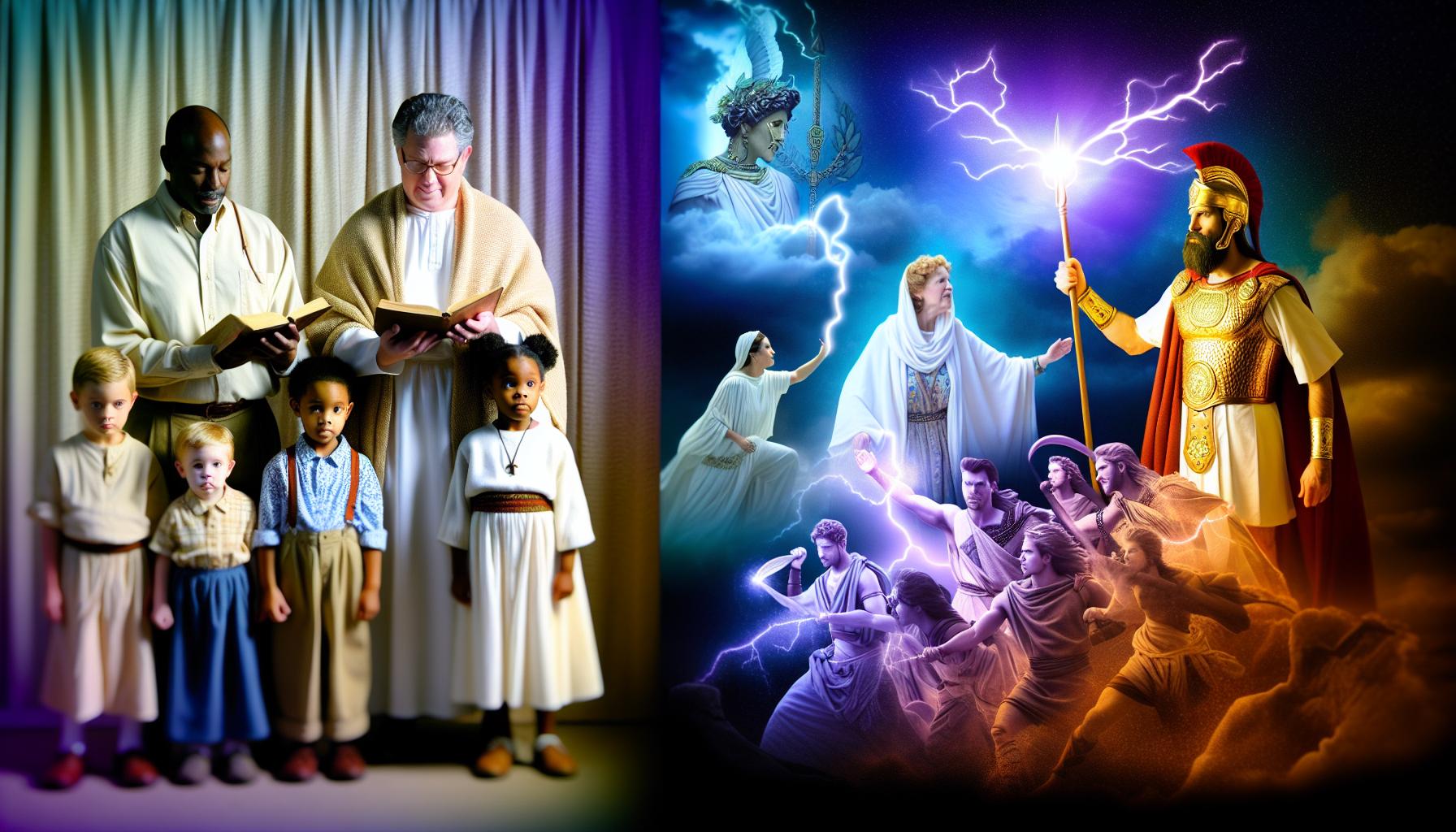
Cultural Impact of Percy Jackson on Faith Discussions
The fervor surrounding the Percy Jackson series has sparked rich discussions about identity, destiny, and the nature of divine parentage in both secular and faith contexts. As readers engage with Percy’s trials and triumphs as the son of Poseidon, they find themselves grappling with deeper questions about their own spiritual heritage. This intersection of youthful adventure and profound themes offers a unique lens for exploring faith, encouraging readers to consider who their true “godly parent” might be.
In the realm of culture, Percy Jackson serves as a bridge to exploring modern interpretations of mythology through a Christian perspective. His story encourages young readers to understand the complexities of their identities as they relate to their own backgrounds and familial expectations. Many find that the gods’ imperfections mirror real-world struggles-leading to discussions about how these narratives reflect the challenges of relationships, both divine and earthly. For parents and youth leaders seeking to foster engaging conversations, exploring the themes of loyalty, bravery, and sacrifice in Percy’s journey can open pathways to discussing Biblical truths about our identity as children of God.
Central to these discussions is the realization that, unlike the often tumultuous and flawed relationships that demigods have with their divine parents, the Bible presents a narrative of unconditional love and acceptance. Encouraging readers to look beyond the surface of both mythological and Biblical stories highlights the contrasts between flawed characters and the perfect nature of God. As they explore these narratives, they can glean valuable insights that inform their understanding of faith and divine guidance.
To facilitate deeper exploration, readers can ask reflective questions such as:
- How does Percy’s journey of self-discovery parallel your own spiritual journey?
- What qualities do you see in the gods of mythology that contrast with the characteristics of God in the Bible?
- In what ways can understanding your spiritual heritage empower you in your daily life?
By engaging with these themes, the cultural impact of Percy Jackson encourages not just an appreciation for storytelling but also invites a deeper understanding of one’s place within the lineage of faith. Readers can draw parallels between their own experiences and the lessons illustrated in both the series and the Bible, fostering growth in their spiritual lives while navigating contemporary challenges with faith and resilience.
Finding Your Spiritual Parent: A Personal Guide
In the journey of self-discovery, many find themselves reflecting on their familial ties-not just to their earthly parents but also to their spiritual heritage. Just as Percy Jackson grapples with his identity as the son of Poseidon, so too can you explore your connection with the divine as a child of God. Understanding who your spiritual parent is can significantly impact your sense of self-worth, purpose, and direction in life. For Christians, this means acknowledging God as your Heavenly Father, who provides unconditional love, guidance, and acceptance.
To start this reflective journey, consider the attributes of your spiritual parent based on Biblical scripture. 1 John 3:1 tells us, “See what great love the Father has lavished on us, that we should be called children of God!” This powerful declaration affirms your identity and your standing within God’s family. Understanding this aspect of divine parentage can guide your choices and actions, as it teaches you to mirror God’s love, grace, and mercy in your everyday life.
Moreover, identifying your spiritual parent helps in contextualizing personal challenges. In the same way that Percy’s challenges as a demigod stem from his mixed heritage, you may find that your struggles are opportunities for growth and deeper understanding of your identity in Christ. Reflect on how each situation in life can be viewed through the lens of being a child of God.
As you delve into these themes, consider engaging in practices such as prayer and meditation that focus on your relationship with God. Regular prayer can deepen that connection, providing you with clarity and strength. Scripture reading, particularly passages that celebrate God’s nature (like Psalms and the Gospels), will enrich your understanding and relationship with your spiritual parent. In doing so, remember to connect with a community of believers for support, encouragement, and shared worship.
Ultimately, just like Percy’s journey leads to bravery and heroism influenced by his understanding of his parentage, your journey can be filled with strength and resilience as you acknowledge and embrace your identity as a beloved child of God. Whether through daily devotionals, Bible study, or engaging discussions in a fellowship setting, these practices will keep you anchored in your faith and aware of your divine connection.
Embrace this identity, and recognize that as a child of God, you have access to His love and guidance, which can help you navigate life’s complexities with confidence and hope.
Integrating Fiction with Real-Life Faith Practices
In today’s fast-paced world, storytelling serves as a powerful tool for understanding complex concepts, especially in the realm of spirituality. Just as Percy Jackson navigates a world filled with gods and myths, you can explore your own faith journey through the lens of fiction. Integrating the themes from the Percy Jackson series into your personal faith practices can cultivate a deeper understanding of your own divine heritage and encourage a vibrant spiritual life.
One practical way to achieve this integration is by engaging with scripture alongside the narratives of your favorite fictional characters. For instance, consider how Percy’s struggles with identity and belonging mirror biblical themes found in Ephesians 1:5, which illustrates the concept of being adopted as children of God. This connection can enrich your Bible study by prompting discussions around identity, love, and acceptance. Create a dedicated time for scriptural reflection, focusing on stories that resonate with mythological themes, and see how they can offer insights into your own life.
Prayer and Reflection Inspired by Fiction
Incorporating elements of Percy Jackson’s journey into your prayer life can also be transformative. As Percy faces trials and triumphs, use his adventures as a framework for expressing your own challenges to God. You might find it helpful to journal your reflections, writing prayers that acknowledge both the heroism and the vulnerability present in your life. This approach not only builds a connection to your spiritual inheritance but also encourages honesty in your dialogue with God.
You can also create a weekly devotional that combines biblical passages with themes from Percy Jackson, exploring concepts like bravery, loyalty, and sacrifice. Reflect on questions like: What does it mean to be a hero in your spiritual journey? How can you embody the qualities of courage and strength in your daily life?
Community Engagement
Don’t hesitate to share these reflections within your faith community. Consider starting a discussion group where members can explore the intersections of faith and popular literature, drawing wisdom from both worlds. This setting can serve as a nurturing environment for members to express their beliefs and learn from one another’s experiences.
By aligning your spiritual practices with the narratives you love, you not only deepen your understanding of your divine parentage but also encourage a fulfilling, faith-centered lifestyle. Like Percy, who discovers his unique place in the world, you will uncover your identity as a cherished child of God, empowered to live out your faith boldly.
FAQ
Q: How does Percy Jackson’s portrayal of godly parents compare to biblical teachings?
A: Percy Jackson presents godly parents as mythical figures that bestow powers and identities, while biblical teachings emphasize a direct relationship with one God as a loving parent. Understanding the contrast highlights the unique spiritual insights offered by scripture versus popular fiction, encouraging deeper exploration of faith.
Q: What lessons can we learn about identity from the concept of godly parents in Percy Jackson?
A: The concept of godly parents in Percy Jackson illustrates how one’s heritage can influence personal identity. Readers can reflect on their spiritual lineage and adopt a biblical understanding of identity rooted in God’s love, which promotes self-acceptance and fosters a Christ-centered life.
Q: Can beliefs about divine parentage from Percy Jackson be integrated into Christian faith?
A: While Percy Jackson’s fictional themes can spark interest, integrating these beliefs into Christian faith should be approached with discernment. Use their narratives as tools to discuss faith, reinforcing biblical truths about God’s parental nature and our identity as His children through scripture and prayer.
Q: Why do many people resonate with the idea of having mythological godly parents?
A: The appeal of mythological godly parents lies in their grand narratives of adventure and identity. They provide a sense of belonging and destiny, which can be compelling. This resonates with readers, especially younger audiences seeking purpose, encouraging them to seek their true identity in Christ.
Q: How should Christians interpret the portrayal of heroes in Percy Jackson versus biblical heroes?
A: Christians can view Percy Jackson’s heroes as relatable figures facing struggles, mirroring biblical heroes who also faced trials. Both sets of characters can inspire believers, but biblical heroes exemplify faith in God, encouraging a reliance on divine strength rather than solely personal abilities.
Q: What role do cultural impacts of stories like Percy Jackson play in understanding faith?
A: Stories like Percy Jackson can bridge cultural gaps, making discussions about faith more accessible. They invite dialogue that connects biblical truths with contemporary narratives, helping individuals understand their faith journey and traditions in a cultural context that resonates with them.
Q: How does the role of parenting differ in Percy Jackson compared to biblical examples?
A: In Percy Jackson, parenting often involves divine power dynamics and mythical creatures, while biblical examples focus on nurturing, guidance, and unconditional love from God. This contrast encourages examining our own parenting styles through a biblical lens, emphasizing love and moral teaching in a spiritual context.
Q: Where can I find more resources on balancing fiction with faith?
A: For resources that balance fiction with faith, visit sections on integrating fiction with real-life faith practices. Books, podcasts, and community discussions can provide insights into connecting your love for stories like Percy Jackson with your spiritual walk. Consider engaging with church groups for collective exploration.
Key Takeaways
As we explore the fascinating dynamics between the mythical and the biblical in “Who Is My Godly Parent: Percy Jackson vs Biblical Truth,” we hope you’ve discovered insights that resonate deeply with your spiritual journey. Remember, understanding your spiritual heritage can greatly influence how you navigate life’s challenges. Are you seeking deeper connections through prayer or insights into biblical characters? Consider diving into our articles on prayer life and devotionals for more enriching content.
Don’t miss our resources on strengthening Christian marriages and parenting guidance, which can further illuminate your path. Take action today-subscribe to our newsletter for ongoing insights and join our community discussion in the comments below. Your thoughts matter, and we want to hear your story!
Explore further by looking into our emerging topics on spiritual warfare and practical faith resources. Let’s continue this faith-filled journey together, anchored in the truth of scripture. Your Godly parentage is not just a tale; it’s an empowering truth waiting to be unearthed!