
As you embark on the journey toward marriage, understanding the biblical foundations that support a godly union is essential. Recent studies suggest that couples who prepare spiritually tend to experience more fulfilling and resilient relationships. By embracing ten key biblical principles, you can cultivate a loving, Christ-centered marriage that withstands life’s challenges and honors God. Whether you’re single and seeking or engaged and excited, these guidelines will not only strengthen your relationship but also deepen your faith. Join us as we explore how these timeless truths can shape your preparation for a marriage filled with joy, love, and spiritual growth. Discover the importance of prayer, communication, and mutual respect, and take confident steps toward a blessed and harmonious partnership.
Contents
- 1 Understanding God’s Purpose for Marriage
- 2 Key Biblical Principles for a Strong Foundation
- 3 The Importance of Prayer in Marriage Preparation
- 4 Developing Character Traits for a Godly Partner
- 5 The Role of Faith in Building a Lasting Relationship
- 6 Navigating Conflict with Biblical Wisdom
- 7 Establishing Healthy Communication in Your Marriage
- 8 Creating a Shared Spiritual Life Together
- 9 Setting Boundaries for a Godly Courtship
- 10 The Significance of Community Support in Marriage
- 11 Preparing for Life’s Challenges Through Scripture
- 12 Cultivating a Heart of Service in Your Relationship
- 13 Frequently Asked Questions
- 14 Insights and Conclusions
Understanding God’s Purpose for Marriage
Understanding God’s design for marriage can profoundly transform the way you approach your relationship. At its core, marriage is not merely a social contract or a romantic partnership; it is a divine institution ordained by God. This sacred bond serves as a reflection of the relationship between Christ and His Church, establishing a deep connection founded on love, commitment, and mutual respect. As you embark on the journey of preparing for a godly marriage, grasping this purpose will guide your decisions and actions, ensuring they align with His will.
God’s purpose for marriage encompasses several key elements. First, it is a means of sanctification, where spouses help each other grow spiritually. As it says in Ephesians 5:25-27, husbands are called to love their wives as Christ loves the church, nurturing them and guiding them toward holiness. This idea invites couples to recognize their role in each other’s spiritual journeys, fostering an environment rich in grace and understanding.
Moreover, marriage is designed to provide companionship and support. Genesis 2:18 tells us that it is not good for man to be alone; hence, God created a partner. This partnership is meant to be a source of strength in times of trials and a celebration during joyous moments. Couples should strive for a relationship that mirrors this divine purpose, where they uplift each other and walk together in faith, leaning on God as their cornerstone.
Looking forward, embracing God’s purpose in your marriage prepares you to face challenges more resiliently. It encourages communication rooted in love and respect, forming a strong foundation on which to build a life together. As you prepare for this lifelong commitment, remember that understanding and aligning with God’s intentions for marriage could be the key to experiencing the fullness of joy and fulfillment He has in store for you.
Key Biblical Principles for a Strong Foundation
Understanding and applying biblical principles is essential for building a strong foundation in marriage. In a world that often prioritizes fleeting emotions and external appearances, turning to Scripture provides timeless guidance that instills purpose and direction in the relationship. One of the key elements is mutual respect. Ephesians 5:33 calls for husbands and wives to love and respect one another sincerely. This mutual honor fosters an environment where both partners feel valued and encourages open communication.
Moreover, the value of servanthood cannot be overstated. Jesus exemplified servant leadership, reminding us that in serving each other, we fulfill our roles in marriage (Mark 10:45). By prioritizing the needs and well-being of your partner, you create a nurturing space that not only strengthens your bond but also cultivates a spirit of love and sacrifice-the essence of Christ-like marriage. This dynamic nurtures a sense of unity as both individuals become intentional about supporting each other’s spiritual and emotional growth.
Being grounded in prayer is another critical principle. A couple that prays together stays together, and seeking God’s guidance through prayer invites His presence into the relationship. Philippians 4:6-7 encourages us to not be anxious but to present our requests to God. Establishing a routine of prayer, whether through morning devotionals or nightly reflections, solidifies your bond with God and ensures that He remains the center of your relationship.
Additionally, regular engagement with Scripture is imperative. Developing a habit of studying the Bible together can profoundly influence your marriage. Not only does it foster deeper understanding and discussions about faith, but it also generates opportunities for accountability, where you can encourage one another to align your lives with biblical teachings. Incorporating these principles leads to a marriage rooted in God’s love and wisdom, preparing you for the inevitable challenges that come with life while celebrating the joys of unity in Christ.
By embracing these biblical principles-mutual respect, servanthood, prayer, and Scriptural engagement-you lay a solid foundation that can withstand life’s storms while flourishing in God’s blessings.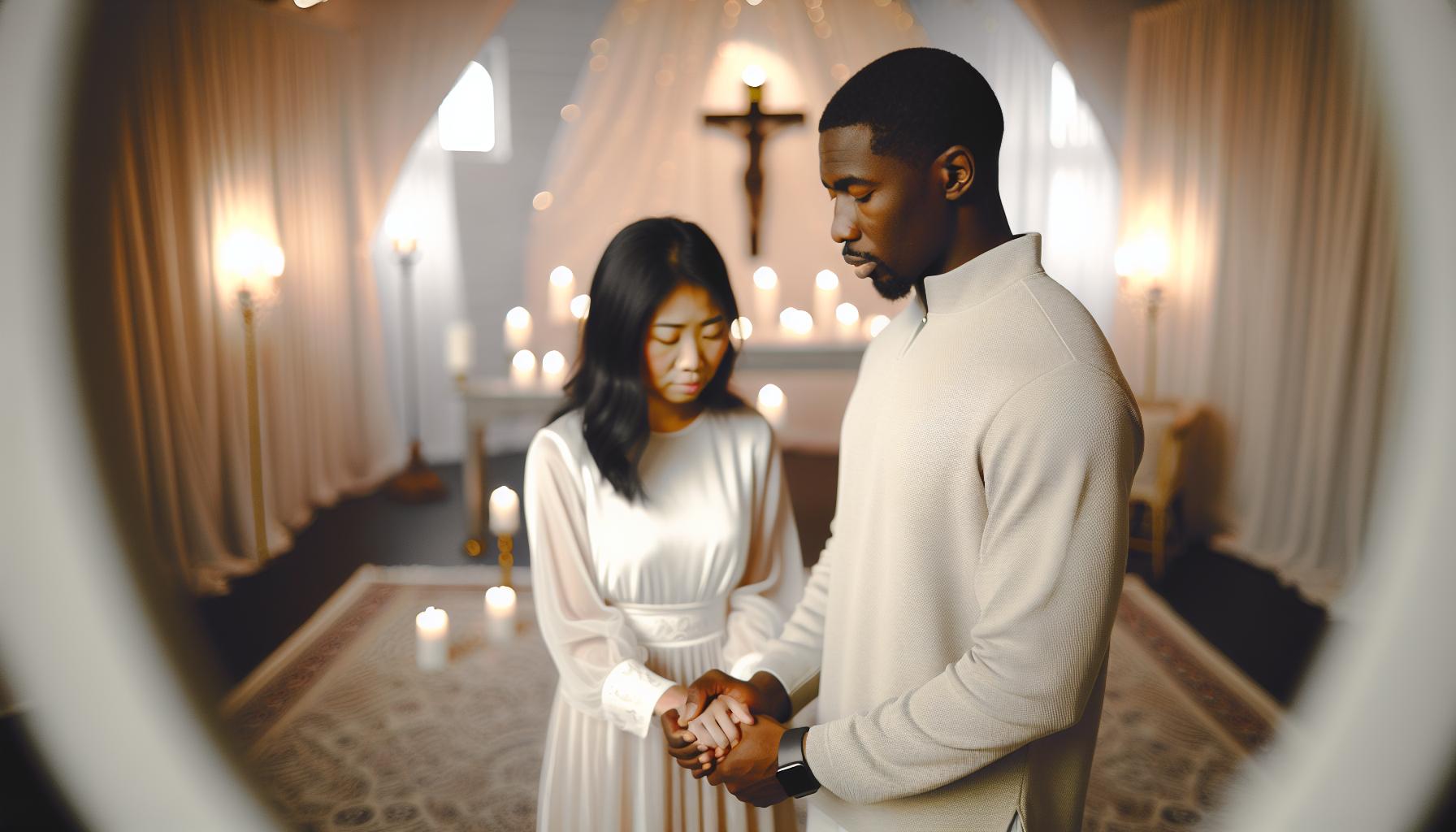
The Importance of Prayer in Marriage Preparation
In the journey of preparing for a godly marriage, prayer serves as a vital compass that guides both partners toward a shared purpose and deeper intimacy with God. Couples who prioritize prayer not only cultivate a sacred space for God to work in their hearts but also fortify their relationship against the trials and tribulations that life may bring. The act of pouring out your hearts to God-individually and together-transforms your preparation into a profound spiritual journey, laying the groundwork for a resilient marital bond.
As you pray, invite God into every aspect of your relationship. Whether you’re discussing your future, addressing concerns, or simply expressing gratitude for each other, prayer enriches your conversations with divine wisdom. Philippians 4:6-7 encourages us to bring our requests to God and assures us that peace will follow. This divine peace can be a powerful anchor when faced with the uncertainties that come with planning a life together. Sharing not only your joys but also your fears in prayer enables both partners to grow in empathy and support, fostering a climate of trust and openness.
Utilizing prayer as a cornerstone also equips couples with tools for accountability and spiritual growth. Consider incorporating elements like joint prayer devotions, where you both intentionally seek God’s clarity and purpose together. This can involve setting specific prayer goals, such as praying for your future together, your families, or your shared values. By scheduling regular times for prayer, like a weekly prayer meeting or daily check-ins, couples can maintain a rhythm of spiritual unity. This practice fosters deeper discussions and strengthens the commitment made before God, creating a foundation firmly rooted in His love and guidance.
Moreover, engaging in prayer allows couples to seek God’s insight into character formation. As you pray for each other, you may find areas in yourself and in your partner that require growth. You can address these with love and understanding, asking God to shape you into the partners He desires you to be. By nurturing a life steeped in prayer, you not only prepare for the union of a godly marriage but also build a relationship that reflects God’s faithfulness and love, enriching your shared spiritual journey as partners in faith.
Developing Character Traits for a Godly Partner
In the quest for a godly partner, developing the right character traits is foundational to building a marriage that honors God and flourishes in love and grace. A godly partner reflects qualities that not only create a harmonious relationship but also align with biblical principles. As you prepare for a life together, it is essential to cultivate these attributes within yourself while also seeking them in your future spouse.
Start by embodying qualities such as love, humility, and patience. These traits are not merely desirable; they are reflective of Christ’s character and essential for lasting relationships. In 1 Corinthians 13:4-7, we read that love is patient and kind, which serves as a reminder that these qualities must be woven into the fabric of your interactions. Assess where you can grow in these areas:
- Love: Practice selfless love by serving your partner and placing their needs alongside your own. Look for opportunities to express love through acts of kindness.
- Humility: Maintain an attitude of humility that values your partner’s perspective and acknowledges your own limitations. Embrace open communication about strengths and weaknesses.
- Patience: Foster a spirit of patience, knowing that growth takes time and that misunderstandings can arise. Approach conflicts as opportunities to deepen your understanding of one another.
Additionally, cultivating integrity and faithfulness is vital. Scripture emphasizes the importance of honesty in Proverbs 12:22, which states, “The Lord detests lying lips, but he delights in those who tell the truth.” Nurturing integrity means being truthful, even when difficult, and upholding commitments. This builds a robust foundation of trust-a crucial element for any marriage. Consider how you can demonstrate faithfulness, not just in romantic gestures but in your everyday actions and decisions.
Furthermore, the ability to forgive is a non-negotiable trait. Ephesians 4:32 reminds us to be kind and compassionate, forgiving each other just as Christ forgave us. Practice forgiveness in small grievances to develop a resilient spirit that can handle more significant challenges in the future.
In your preparation, focus on these character traits both through personal growth and joint spiritual practices, such as studying scripture together or engaging in community service. Surround yourselves with other believers who exemplify these qualities, allowing their witness to inspire and affirm your journey toward a godly marriage. As both partners cultivate Christ-like traits, the relationship will not only thrive but will also serve as a powerful testimony of faith in action.
The Role of Faith in Building a Lasting Relationship
Building a lasting relationship is deeply rooted in faith, transforming the ordinary into the extraordinary. When two individuals commit to anchoring their marriage on a solid foundation of faith, they invite a divine presence that enriches their lives in ways beyond human understanding. This faith not only brings couples closer to God but also to each other, fostering a bond that withstands the challenges of life.
Cultivating a vibrant spiritual life as a couple can manifest through shared activities such as prayer, Bible study, and worship. Regular prayer together allows partners to express their hopes, fears, and dreams, creating an intimate space where vulnerability can flourish. Incorporating daily devotionals can also help in aligning visions and understanding each other’s spiritual journey. For instance, setting aside specific times to read together and discuss relevant scripture empowers both partners to seek God’s guidance in their decisions and deepens their connection.
Another key aspect of faith in a relationship is the practice of forgiveness. Faith teaches partners to emulate Christ’s love and grace, navigating the inevitable conflicts with kindness and compassion. Ephesians 4:32 encourages believers to “be kind and compassionate to one another, forgiving each other, just as in Christ God forgave you.” This active pursuit of forgiveness is vital; it liberates couples from past grievances and paves the way for a future filled with grace.
Finally, cultivating a heart of service towards each other and the community can significantly enhance marital unity. Engaging in acts of service together not only embodies Christ’s teachings but also strengthens the bond by allowing couples to reflect on their purpose as partners serving a greater good. Whether it’s volunteering at a local charity or supporting each other’s personal ministry, these acts deepen the understanding of selflessness in love, proving that the journey of marriage is a shared mission rooted in faith.
In the journey of preparing for a godly marriage, nurturing faith as a central component enriches the relationship, fostering an atmosphere of love, respect, and divine support.
In every marriage, conflict is inevitable, but how couples navigate these disagreements can define the strength and resilience of their relationship. Drawing from biblical wisdom, partners can approach conflicts not as adversaries but as teammates working towards understanding and reconciliation. Ephesians 4:26-27 reminds us, “In your anger do not sin: Do not let the sun go down while you are still angry,” highlighting the importance of addressing issues promptly without allowing resentment to fester.
Embrace Open Communication
Effective communication is vital when navigating conflicts. Begin by establishing a safe space where both partners feel comfortable expressing their feelings. Use “I” statements to convey emotions without assigning blame; for instance, “I feel hurt when…” instead of “You always…”. This approach fosters a constructive dialogue and encourages a problem-solving mindset rather than defensiveness.
Seek Wisdom from Scripture
When facing conflicts, turning to Scripture can provide clarity and guidance. Proverbs 15:1 states, “A gentle answer turns away wrath, but a harsh word stirs up anger.” Practicing a calm demeanor during disputes can de-escalate tensions and promote a healthier dialogue. Consider dedicating time for mutual prayer, asking for God’s guidance in your conversation, and seeking His wisdom to handle disputes gracefully.
The Power of Forgiveness
Forgiveness is a central tenet of the Christian faith and is essential in resolving conflict. Holding onto grudges can create barriers between partners, whereas forgiving one another opens the door to healing and restoration. Colossians 3:13 instructs us to “bear with each other and forgive one another if any of you has a grievance against someone. Forgive as the Lord forgave you.” Emphasizing a culture of forgiveness in your marriage not only reflects Christ’s love but also creates an environment where both partners can grow and thrive.
Incorporating these principles into your conflict-resolution strategies can significantly enhance your marital relationship. By grounding your approach in biblical truths, you establish a partnership that seeks to honor God while navigating the complexities of life together.
Establishing Healthy Communication in Your Marriage
Open, honest communication is the bedrock of a healthy and God-centered marriage. As partners embark on this sacred journey together, they must prioritize the quality of their interactions. Engaging in communal dialogue not only fosters intimacy but also invites God’s presence into the relationship. The Bible emphasizes the significance of communication in Proverbs 27:17, “As iron sharpens iron, so one person sharpens another.” This highlights how effective communication can enhance your partnership, refining both individuals in their walk with Christ.
Establishing healthy communication starts with creating an atmosphere of safety and trust. Here are some practical tips to encourage openness:
- Practice Active Listening: Make it a habit to listen more than you speak. Show genuine interest in your partner’s thoughts and feelings by nodding, maintaining eye contact, and responding empathetically.
- Avoid Assumptions: Clarify doubts by asking questions rather than jumping to conclusions. This prevents misunderstandings and demonstrates your commitment to truly knowing your partner.
- Share Vulnerability: Openly share your fears, hopes, and dreams with each other. This vulnerability fosters deeper connections and allows both partners to feel seen and valued.
In addition, it’s crucial to incorporate God into your communication practices. Consider dedicating time for prayer before important conversations, inviting the Holy Spirit to guide your words and thoughts. Scripture can also serve as a source of wisdom. Ephesians 4:15 instructs us to “speak the truth in love,” a guiding principle that ensures honesty doesn’t come at the expense of kindness. By aligning your communication with biblical teachings, you lay a foundation for relationships marked by understanding and grace.
Finally, remember that healthy communication is an ongoing process. Just as we grow individually in faith, so too can our ability to communicate effectively. Engage in regular check-ins with one another, reflecting on what’s working and where improvements are needed. As you prioritize this vital aspect of your relationship, you will cultivate an environment where both partners flourish spiritually and emotionally, echoing God’s love and light in each interaction.
Building a shared spiritual life is not merely an enhancement to your marriage; it’s a fundamental necessity for creating a strong, Christ-centered partnership. When couples prioritize their spiritual journey together, they unite not just in love but also in purpose, forging deeper emotional bonds and nurturing a relationship that mirrors God’s design for marriage. This shared commitment becomes the bedrock upon which a resilient union can thrive, with faith serving as a guiding light through both challenges and celebrations.
Embarking on this journey involves intentional practices that draw both partners closer to God and to each other. Here are some actionable ways to cultivate a shared spiritual life:
- Regular Prayer Together: Set aside time daily or weekly to pray as a couple. This could be as simple as sharing your individual prayer requests, praising God for His blessings, or seeking His guidance in specific areas of your lives. By inviting God into your conversations and decisions, you foster a sense of unity that is profoundly spiritual.
- Bible Study: Choose a book of the Bible or a devotional guide that resonates with both of you, and commit to studying it together. Discuss what you learn and how it applies to your lives. This practice deepens your understanding of Scripture and allows you to see how God’s word actively influences your relationship.
- Attend Church Together: Make it a priority to worship together weekly. Being part of a church community not only nurtures your individual faith but also strengthens your bond as a couple. Engage in church activities, volunteer together, and partake in fellowship that uplifts and encourages both of you.
- Create Spiritual Traditions: Establish special traditions that cultivate your faith as a couple. This could be lighting an Advent candle during the Christmas season, participating in Lent, or celebrating spiritual milestones together. These rituals can reinforce your commitment to grow spiritually as a team.
As you pursue these practices, remember that cultivating a shared spiritual life is an ongoing journey. There will be seasons of growth and moments of challenge. Embrace each phase with grace, and encourage one another in faith. Philippians 1:6 assures us that “He who began a good work in you will carry it on to completion until the day of Christ Jesus.” Lean on this promise, fostering an environment where both partners feel supported and encouraged to grow spiritually, individually, and as a couple.
Setting Boundaries for a Godly Courtship
In the pursuit of a godly courtship, establishing clear boundaries is essential to honor not only your partner but also God’s design for relationships. Boundaries serve as protective measures that enable you both to navigate the emotional and spiritual landscape of your courtship effectively, keeping your focus on what truly matters-a foundation grounded in love, respect, and faith. By setting these limitations, you create an environment where each partner can grow both individually and collectively, fostering a relationship that is both healthy and sustainable.
To set effective boundaries in your courtship, consider the following key areas:
- Emotional Boundaries: It’s important to discuss how you will each handle emotional intimacy. Ensure that both partners feel safe sharing their thoughts and feelings without crossing lines that could lead to deeper emotional entanglement. This means being clear about what you are comfortable discussing and how you will support each other through challenges.
- Physical Boundaries: Establishing physical boundaries is vital in a courtship. Discuss what is acceptable behavior and what crosses the line. This not only includes intimacy levels but also how you interact physically in public and private settings. The goal is to uphold the sanctity of your future marriage while avoiding situations that may lead to temptation.
- Spiritual Boundaries: As you embark on your courtship journey, prioritize your spiritual growth together. Agree on how you will incorporate prayer, Bible study, and worship into your relationship. This commitment not only reinforces your spiritual lives but also aligns your hearts with God’s purpose for your union.
- Social Boundaries: Consider the role that friends and family will play in your relationship. Discuss how you will involve others while maintaining your bond as a couple. Setting social boundaries can help mitigate external pressures and allow you to focus on your relationship’s development.
Remember, boundaries are not restrictive but rather serve as a protective framework to fortify your relationship. By clearly communicating these limits with each other, you can foster a sense of trust and mutual respect. Proverbs 4:23 teaches us to guard our hearts, for everything we do flows from it. In establishing boundaries, you are effectively safeguarding your hearts, putting both God and your intended partner at the center of your courtship journey. This faith-based approach not only honors your relationship but also prepares you for the lifelong covenant of marriage you aspire to build together.
The Significance of Community Support in Marriage
Building a strong marriage is not a journey meant to be traveled in isolation. The role of community support cannot be overstated; it serves as a vital lifeline that connects couples with friends, family, and fellow believers who can offer encouragement, wisdom, and accountability. In a world where marriage can be viewed as a personal matter, it is essential to remember that God designed community as an integral part of our relationships. As Ecclesiastes 4:9-10 reminds us, “Two are better than one, because they have a good reward for their toil. For if they fall, one will lift up his fellow.”
Engaging with a supportive community strengthens the foundation of your marriage in numerous ways. Firstly, friendships with other couples can foster a sense of belonging and shared experience. Observing how others navigate the challenges of marriage provides practical insights and inspiration. Regular gatherings, such as Bible study groups or couples’ retreats, offer opportunities for spiritual growth and connection. You can affix your marriage to a sturdier framework by absorbing lessons from those with different life experiences, enriching your perspective and approach to conflict, communication, and intimacy.
Moreover, community support can serve as a protective measure during challenging times. Life is filled with trials, from financial difficulties to family issues, and the presence of a supportive community can help ease those burdens. Couples who embrace accountability from trusted friends often find themselves in healthier relational patterns when navigating difficulties. Engaging in prayer with and for one another elevates the moral and spiritual focus of your marriage, anchoring it firmly in Christ.
Lastly, creating opportunities for service as a couple within your faith community is a powerful way to deepen your bond while also fulfilling God’s commandments to love others. Engage in volunteer work, participate in church events, or mentor younger couples together. Such activities not only strengthen your relationship as you work towards a common purpose, but they also enable you to model a godly partnership to those around you.
In conclusion, cultivating a robust support network is essential for nurturing a godly marriage. Seek out relationships within the body of Christ that can encourage spiritual growth, promote accountability, and create a sense of security. Remember, your marriage is part of a larger community designed to uplift, nurture, and challenge you both to grow in faith and love.
Preparing for Life’s Challenges Through Scripture
In every relationship, the likelihood of encountering challenges is a certainty. However, cultivating a solid foundation through Scripture can empower couples to navigate life’s various trials with confidence and faith. The Bible is replete with teachings that offer guidance and encouragement, laying a path for couples preparing for marriage to face future challenges together. Reflecting on these scriptural truths transforms one’s perspective on adversity, allowing trials to be viewed as opportunities for growth and deepening commitment.
One practical way to prepare is by establishing a shared practice of engaging with Scripture regularly. Consider setting aside time each week for Bible study, where you can explore passages relevant to marriage and conflict resolution. Verses like Philippians 4:6-7 remind us to present our worries to God in prayer, leading to peace that surpasses all understanding. This can be especially valuable when facing uncertainties as a couple, helping to foster a sense of trust in God’s providence.
Furthermore, integrating Scripture into your daily life can be a source of encouragement during tough times. Memorizing key verses, such as Ecclesiastes 3:1, which acknowledges the appointed times for everything, can remind you both that challenges are part of God’s divine plan. This biblical perspective fosters patience and understanding, essential attributes in a thriving marital relationship.
Additionally, seeking counsel and support from your church community can significantly bolster your resolve. Shared experiences and wisdom from seasoned couples can offer practical insights into overcoming life’s hurdles. Resources such as marriage workshops or counseling can also be beneficial, providing tools rooted in biblical principles that facilitate healthy discussions and resolution strategies.
Embracing these practices not only strengthens your individual faith but also fortifies the bond between you as partners. Through prayer, study, and community engagement, couples can develop resilience against life’s challenges, anchored firmly in God’s Word.
Cultivating a Heart of Service in Your Relationship
Cultivating a spirit of service in your relationship is essential for fostering a deep, lasting bond that reflects Christ’s love and humility. Service in marriage is not merely about performing acts of kindness; it’s about adopting a mindset that prioritizes your partner’s needs above your own, embodying the biblical principle found in Philippians 2:3-4: “Do nothing out of selfish ambition or vain conceit. Rather, in humility value others above yourselves, not looking to your own interests but each of you to the interests of the others.” Embracing this perspective can transform your relationship, nurturing a cycle of love and support that strengthens your union.
One practical way to cultivate a heart of service is by actively listening to your partner’s needs and aspirations. Open, genuine communication lays the groundwork for understanding what your spouse truly values. This could involve setting aside regular time to discuss not only your goals but also how you can support one another in achieving them. A simple practice, such as weekly check-ins, can help ensure both partners feel valued and understood. Remember to ask open-ended questions such as, “How can I support you this week?” or “What are some small things I can do to make your day easier?” These inquiries can prompt meaningful dialogue, leading to deeper connection and intentional acts of service.
Additionally, incorporating service into your daily routines can create a culture of love and care. This might look like taking on household tasks that your partner typically handles, cooking their favorite meal, or simply leaving a note of encouragement when they need it most. Small gestures of love not only brighten your partner’s day but also reinforce the idea that you are in this together, committed to serving one another. As you demonstrate love through service, you reflect Christ’s heart for His Church, enhancing your spiritual connection and reinforcing the covenant you share.
Lastly, make it a habit to serve together. Find opportunities to volunteer as a couple, whether at your church, community events, or missions. Engaging in shared acts of service not only strengthens your bond but also aligns your marriage with a higher purpose, deepening your relationship with each other and with God. When couples unite to serve, they create a shared experience centered around love and generosity, which ultimately enriches the foundation of their marriage. Remember, serving one another is not just an act; it’s a way of life that mirrors the love of Christ, fostering a marriage that thrives on mutual respect, compassion, and faith.
Frequently Asked Questions
Q: What are the key elements to focus on when preparing for a godly marriage?
A: The key elements include understanding God’s purpose for marriage, embracing prayer, developing godly character traits, and nurturing a shared faith. Building healthy communication and establishing community support are also crucial for a strong foundation in your future marriage.
Q: How can couples build a strong spiritual foundation before marriage?
A: Couples can build a strong spiritual foundation by engaging in regular Bible study together, participating in prayer, and discussing their faith perspectives. This creates alignment in values and beliefs, reinforcing their commitment to a Christ-centered marriage.
Q: Why is community important in preparing for a godly marriage?
A: Community offers support and accountability, essential for a healthy marriage. Surrounding yourselves with other believers can provide guidance, encouragement, and resources that strengthen your relationship. Active involvement in a church community can also help establish shared values and foster deeper connections.
Q: What role does conflict resolution play in preparing for a godly marriage?
A: Conflict resolution is crucial in preparing for a godly marriage as it builds skills for understanding and compassion. Learning to navigate disagreements using biblical principles helps establish a healthy communication pattern that promotes harmony and unity in the relationship.
Q: How can individuals develop the character traits necessary for a godly partner?
A: Individuals can develop necessary character traits by engaging in personal prayer and Bible study, seeking mentorship, and reflecting on their behavior. Traits like kindness, patience, and forgiveness, grounded in scripture, are essential for nurturing a healthy partnership.
Q: When should couples start discussing their spiritual goals for marriage?
A: Couples should begin discussing their spiritual goals early in their relationship, ideally before engagement. This includes topics like prayer practices, church involvement, and how they envision sharing faith with future children, ensuring alignment in their spiritual journey.
Q: How can prayer impact the preparation for a godly marriage?
A: Prayer is vital in marriage preparation as it fosters deeper intimacy with God and each other. Regularly praying together enhances spiritual unity, encourages vulnerability, and nurtures a heart to seek God’s will for the relationship, laying a solid foundation for the future.
Q: What proactive steps can couples take to handle life’s challenges together?
A: Couples can proactively prepare for challenges by discussing potential issues, setting mutual goals, and studying relevant scriptures. Establishing open communication and a united approach to problem-solving ensures that both partners feel supported and equipped to tackle challenges together.
Insights and Conclusions
As you embark on the journey to prepare for a godly marriage, remember that incorporating these 10 biblical foundations is essential for building a relationship that honors God and thrives in faith. Reflect on the importance of prayer, mutual respect, and commitment to growth together. Don’t wait-start applying these principles today to cultivate a fulfilling partnership centered on Christ.
For further insights, explore our articles on strengthening your prayer life or discover parenting guidance that aligns with biblical values. If you’re eager to deepen your understanding, consider signing up for our newsletter for regular updates on practical faith resources and spiritual practices. Your marriage can flourish when it’s built on the solid foundation of God’s Word. Join the conversation and share your thoughts below-we’d love to hear how you’re implementing these principles in your own life!