
As Christian rap continues to rise in popularity, many believers find themselves pondering an important question: Is it a godly expression of faith or just another genre? This exploration of Christian rap invites readers to consider its roots in biblical principles, honesty in artistry, and its role in fostering spiritual growth. In a world where music heavily influences culture, understanding the intersection of hip-hop and faith becomes vital for discerning listeners. This article aims to provide a thoughtful biblical perspective on the art form, empowering believers to appreciate its potential for encouragement and ministry, while navigating their own faith journeys. Are you ready to discover how Christian rap might resonate with your pursuit of a Christ-centered life? Let’s dive deeper into this dynamic and evolving conversation.
Contents
- 1 Exploring the Roots of Christian Rap
- 2 Biblical Foundations of Hip-Hop Culture
- 3 Evaluating Lyrics: Godly Messages in Christian Rap
- 4 The Impact of Christian Rap on Faith Communities
- 5 Navigating Controversies: Is Hip-Hop Faithful?
- 6 Parental Guidance: Christian Values in Hip-Hop
- 7 Interviews with Christian Rap Artists
- 8 The Role of Christian Rap in Youth Ministry
- 9 Authenticity vs. Commercialism in Christian Rap
- 10 Comparative Analysis: Christian Rap vs. Secular Hip-Hop
- 11 Creating Worship Through Christian Hip-Hop
- 12 Future of Christian Rap: Trends and Directions
- 13 Frequently asked questions
- 14 In Conclusion
Exploring the Roots of Christian Rap
Christian rap has emerged as a compelling fusion of faith and art, deeply rooted in cultural expressions that resonate with communities searching for truth and meaning. The origins of this genre can be traced back to the 1980s when artists began to blend the vibrant beats of hip-hop with messages of hope, redemption, and spiritual awakening. This innovative form of musical worship serves as a bridge, connecting the messages of Christianity with the language and culture of younger generations who may feel alienated from traditional forms of worship.
As we delve into the roots of Christian rap, it’s essential to recognize that this art form is more than just music; it is a prophetic voice that speaks to contemporary issues faced by believers and non-believers alike. Many Christian rappers draw from their personal experiences, using their lyrics to narrate stories of struggle and grace, ultimately pointing listeners toward God’s enduring love and mercy. Their songs often reflect the struggles depicted in the Gospel, emphasizing themes like perseverance, forgiveness, and hope-elements vital to the Christian faith.
Furthermore, the biblical perspective on hip-hop can be illuminated by examining scripture that advocates for using music to glorify God. For instance, Psalm 150 calls for praise through a variety of instruments and dance, highlighting that artistic expression can be a profound means of worship. Christian rap embodies this call, inviting believers to engage with their faith actively and authentically-often challenging cultural norms while creating a space for dialogue about spirituality in modern society.
As we explore this genre, it’s crucial to embrace the diverse narratives it encompasses. The artists in this space are not just musicians; they are ministers, poets, and storytellers, each contributing to a collective narrative that seeks to inform and uplift. Their creative expressions create dynamic conversations within faith communities, assisting in bridging the gap between the sacred and the secular while reinforcing the importance of authenticity and transparency in one’s faith journey. Whether through recorded lyrics, live performances, or community outreach efforts, Christian rap paves the way for vibrant youth ministry and a renewed exploration of what it means to live out the Gospel in today’s world.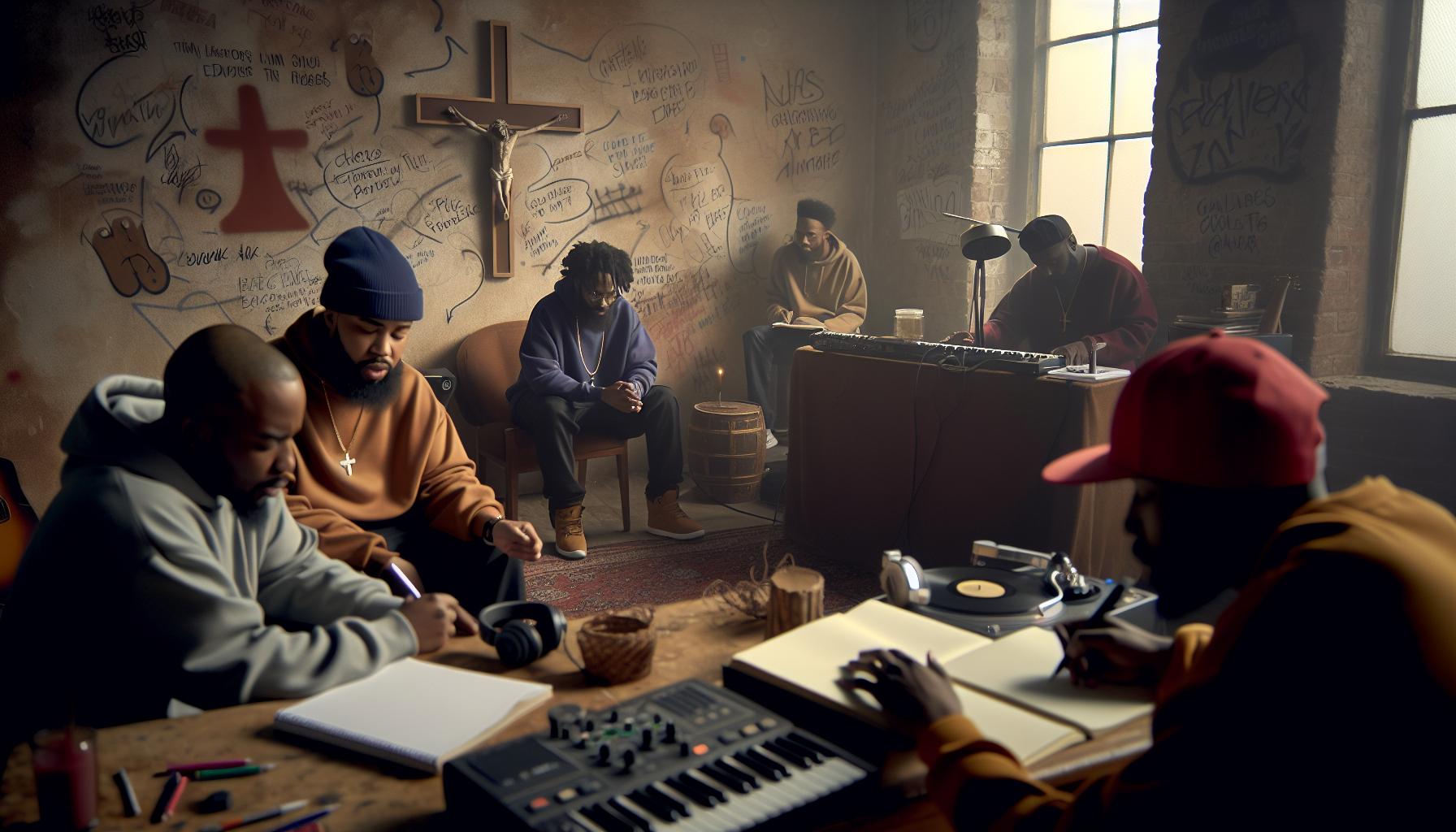
Biblical Foundations of Hip-Hop Culture
The intersection of biblical teachings and hip-hop culture provides a profound basis for understanding the essence of Christian rap. At its core, the genre seeks to communicate the gospel through rhythms and rhymes that resonate with contemporary audiences. This approach draws on scriptural principles, emphasizing the value of artistic expression as a means of worship. Ecclesiastes 3:4 reminds us that “there is a time to weep, and a time to laugh, a time to mourn, and a time to dance,” reinforcing the idea that music, including rap, can elevate our spiritual engagement.
Christian rap artists frequently harness the storytelling tradition found throughout the Bible. Similar to the parables of Jesus, they share personal narratives that encapsulate truths about grace, redemption, and the struggles of faith. For instance, artists like Lecrae and Trip Lee have made significant contributions to the genre by openly discussing their journeys, struggles with identity, and the transformative power of Christ. These stories resonate with listeners who may face similar challenges, offering them hope and encouragement through familiar beats and relatable lyrics.
Moreover, hip-hop culture itself contains many elements that align with biblical principles. The community aspect, often highlighted in artist collaborations and collective efforts, mirrors the early church’s practices of fellowship and support found in Acts 2:44-47. This communal spirit not only strengthens the artists but also extends to their audiences, fostering a sense of belonging and shared purpose among believers. As listeners engage with this music, they are invited into a larger narrative that transcends the individual, calling them to participate in God’s mission through various forms of creativity.
Ultimately, embracing hip-hop as a valid expression of faith encourages believers to explore new avenues of worship. Engaging with Christian rap can broaden understanding and cultivate an appreciation for how diverse formats-like spoken word, poetry, or dance-can glorify God. Colossians 3:23-24 encourages us to “work at it with all your heart, as working for the Lord,” reminding us that our passion for music can become a powerful testament to our faith and a platform for sharing the gospel with a generation hungry for authenticity. Through this lens, Christian rap emerges as not just music but as a vital element of worship and an instrument for spiritual growth.
Evaluating Lyrics: Godly Messages in Christian Rap
The lyrical content of Christian rap serves as a powerful medium for conveying profound biblical truths in a relevant and accessible manner. Many artists within this genre elevate their message by intertwining their personal testimonies with scripture, creating songs that not only entertain but also inspire and encourage listeners in their spiritual journeys. These artists, like Lecrae, Trip Lee, and NF, often explore themes of faith, redemption, struggle, and hope through their music, drawing from their own life experiences and challenges.
In evaluating the lyrics of Christian rap, one can recognize several key elements that highlight the godly messages embedded within them:
- Personal Testimony: Many artists share their struggles with sin, doubt, and the grace they have found in Jesus. This vulnerability resonates with listeners facing similar battles, reinforcing the idea that they are not alone in their journey.
- Biblical References: Numerous songs incorporate direct scripture references or biblical themes, providing a grounding for their messages. For instance, Lecrae’s “Blessings” speaks to the idea of recognizing God’s hand in our successes, which echoes the gratitude called for in 1 Thessalonians 5:18.
- Encouragement and Hope: Through their lyrics, artists often convey messages of hope, emphasizing God’s love and forgiveness. This aligns with the encouragement found in Romans 15:13, which tells us that God is the source of hope.
The style of Christian rap fosters not only artistic expression but also a deeply relational approach to faith. By employing storytelling techniques reminiscent of biblical parables, these artists engage listeners in transformative narratives that affirm God’s presence in the everyday realities of life. Furthermore, the communal aspect of hip-hop culture, celebrated in collaborative songs and projects, enhances the collective experience of worship and spiritual growth within faith communities.
While some may question the authenticity of hip-hop as a vehicle for Godly messages, it’s crucial to discern the fruit produced by the music. Do the messages lead listeners closer to Christ, give glory to God, and encourage a lifestyle reflective of biblical teachings? If yes, then Christian rap not only holds a valid place in contemporary worship but also becomes an essential tool for reaching a generation eager for engaging and relatable discourse around faith.
The Impact of Christian Rap on Faith Communities
The influence of Christian rap on faith communities is profound and multi-faceted, providing a modern means of sharing biblical truths and fostering spiritual growth. One striking aspect of this genre lies in its ability to engage younger generations, who often find traditional forms of worship less relatable. Christian rap serves as a bridge, connecting individuals who might feel disconnected from conventional church settings. By incorporating culturally relevant styles and themes, artists like Lecrae and NF resonate with listeners on a personal level, inviting them into a community of faith.
The lyrical content of Christian rap often mirrors the struggles and triumphs of everyday life, delivering messages that speak directly to listeners’ experiences. These songs frequently touch on issues such as hope, grace, and the journey of faith, making them both impactful and accessible. When artists share their personal testimonies through their music, they invite listeners to reflect on their own spiritual journeys, further encouraging community dialogue and fellowship. This process fosters an environment where believers can openly discuss their faith, share their victories, and support one another in times of uncertainty.
Encouraging Community and Worship
Moreover, Christian rap has the potential to enhance worship experiences within faith communities. Many churches have begun incorporating this genre into their worship services, recognizing its ability to usher in a spirit of joy and celebration. This artistic expression not only engages the congregation but also encourages a new generation of worshippers to participate actively. As they groove to the beats and lyrics that reflect their beliefs, they are drawn deeper into the communal aspect of worship-a vital component of spiritual growth.
By embracing the culture of hip-hop, churches can also utilize Christian rap as a tool for outreach. Engaging with local artists and hosting events that spotlight Christian rap brings awareness to the church’s role in the community while simultaneously providing a platform for artists to share their faith. In turn, this creates opportunities for dialogue, discipleship, and the introduction of attendees to the healing message of Christ, thereby expanding the church’s reach and impact.
In conclusion, Christian rap acts as a transformative force within faith communities, engaging listeners in a unique way while promoting a deeper connection to biblical teachings and one another. As believers continue to explore and incorporate this genre, they embody the call to spread the Gospel in ways that resonate with today’s culture, fostering an inclusive environment for all ages.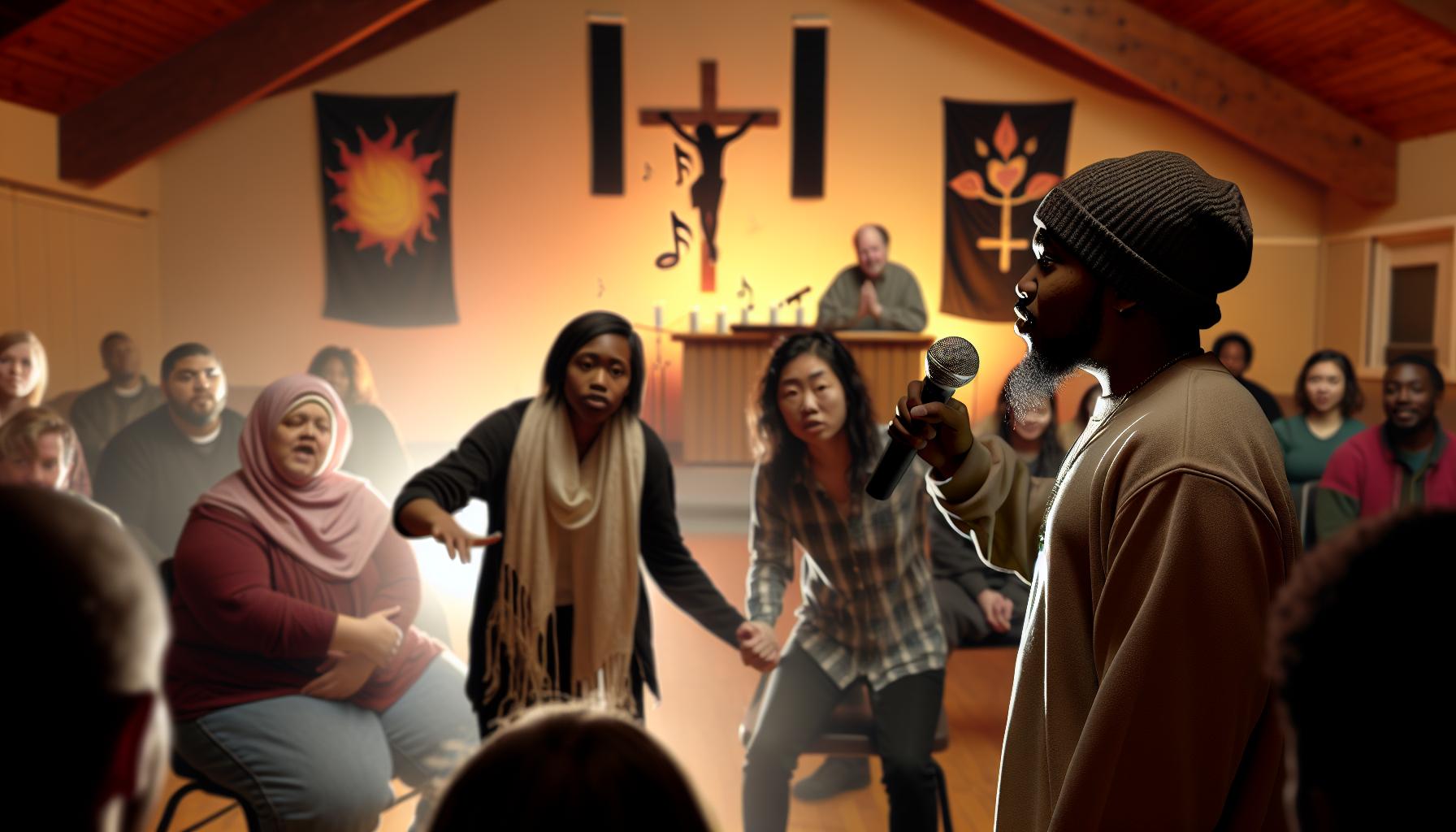
In the vibrant landscape of Christian rap, many believers grapple with the question of whether this genre remains faithful to its biblical roots. With its rhythmic beats and contemporary lyricism, Christian rap presents a modern platform for expressing faith, yet it also stirs debates within the church about authenticity and appropriateness. The juxtaposition of hip-hop culture, often associated with secular themes, alongside messages of faith can create a complex dynamic that requires careful navigation.
Understanding the nuances of this genre is essential for discerning its alignment with Christian values. For many artists, the core of their music is rooted in personal testimonies and scriptural truths. Christian rap can serve as a powerful evangelistic tool, reaching audiences with messages of hope, redemption, and the transformative power of God. For instance, Lecrae’s lyrics often reflect his struggles and milestones as he seeks to live out his faith authentically, weaving narratives that resonate with a diverse audience. This authenticity can facilitate meaningful conversations about faith and spirituality, bridging gaps that traditional forms of worship might not cover.
Nevertheless, concerns about content remain pertinent. Some critics argue that certain aspects of hip-hop culture might clash with biblical teachings-such as the glorification of materialism or explicit language. To address these concerns, audiences and church leaders can encourage a critical evaluation of lyrics, challenging believers to engage thoughtfully with the music. When assessing whether hip-hop is godly, it can be helpful to consider the intent behind the message and the values it promotes. Believers are encouraged to test everything against Scripture (1 Thessalonians 5:21), discerning whether what they consume aligns with their faith.
Ultimately, Christian rap presents both a challenge and an opportunity for believers. By supporting artists who strive for biblically faithful content and engaging in open dialogues about the messages conveyed, communities can foster a more profound understanding of hip-hop as a legitimate expression of worship and witness. In doing so, they create spaces where faith and culture intersect, allowing the Gospel to be communicated in fresh, impactful ways.
Parental Guidance: Christian Values in Hip-Hop
In today’s world, hip-hop culture permeates many aspects of youth life, making it crucial for parents to understand its intersection with Christian values. Christian rap offers a unique avenue for expressing faith, encouraging deeper conversations about spirituality among young people. As Christian parents, engaging with the music your children listen to can open doors to discussions about faith, morals, and the importance of aligning one’s lifestyle with biblical principles.
One effective approach is to actively listen to Christian rap together with your children. This not only serves as an opportunity to introduce them to faith-based messages within hip-hop but also allows you to discuss the lyrics and themes presented in the songs. For instance, examining how artists like Lecrae or NF articulate their struggles and triumphs through their music can help young listeners understand that faith isn’t about perfection, but about a journey characterized by redemption and growth.
Here are some practical tips for navigating hip-hop music as a family:
- Discuss the Lyrics: Encourage open discussions about the content of the songs. What messages do the artists convey? How do those messages align with biblical teachings?
- Encourage Critical Thinking: Teach your children to evaluate music critically. Can they identify themes of hope, love, and redemption in the lyrics? How do those themes connect to Scripture?
- Model Discernment: Share your own thoughts on the music you listen to, demonstrating how to discern which messages reflect Christian values and which do not.
- Promote Uplifting Music: Curate playlists that feature not only Christian rap but also other genres that contain values such as integrity, compassion, and resilience.
By fostering an environment where music is discussed openly, parents can empower their children to make thoughtful choices about the media they consume. Additionally, incorporating prayer and Bible study to reflect on the messages can enrich these conversations. Encourage your children to ponder how the themes in Christian rap can be applied to their lives, reminding them of the importance of living a faith-filled life that resonates with Christ’s teachings.
As you navigate the influence of hip-hop culture, remember that the ultimate goal is to build a foundation of faith that inspires your children to pursue a life aligned with God’s word, using every opportunity-whether that be through music, conversation, or shared experiences-to strengthen their spiritual journey.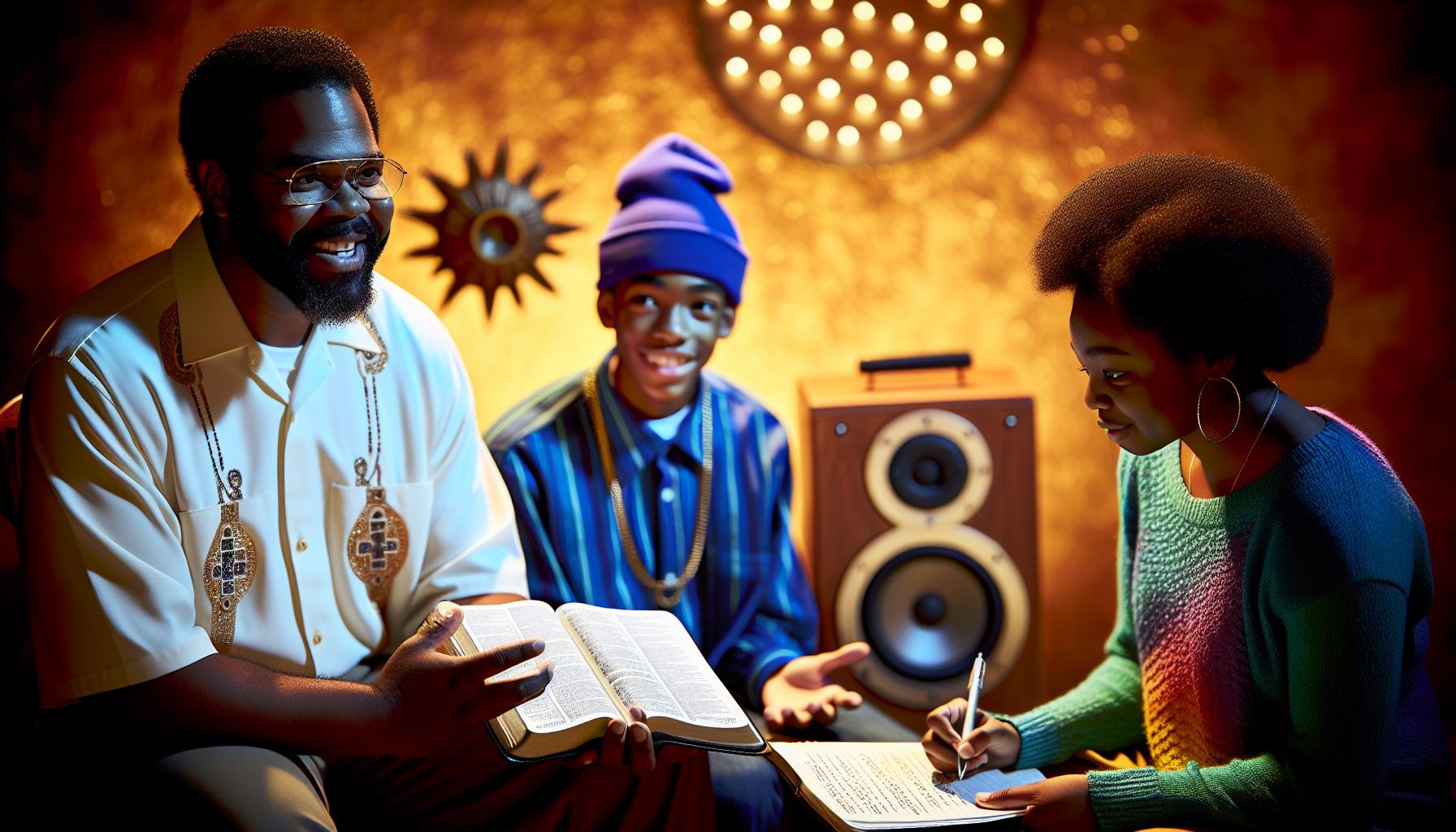
Interviews with Christian Rap Artists
In a world where the rhythm of hip-hop resonates with youth culture, provide invaluable insights into the unique confluence of faith and music. These artists often share personal testimonies, illustrating how their faith journeys inform their lyrics and artistic expressions. For instance, Lecrae, a well-known figure in the genre, often emphasizes the importance of vulnerability and authenticity in his music. He believes that sharing struggles and triumphs helps listeners understand that faith is a continuous journey of growth and redemption, rooted deeply in biblical principles.
Many Christian rappers also discuss the challenges they face in maintaining their integrity while navigating the secular music industry. For them, it’s not just about making music but serving as ambassadors for Christ in a realm that is often contradictory to their values. Artists like NF articulate the tension of being in the spotlight while trying to live a life aligned with scripture. They emphasize having a solid prayer life and engaging with the Word to ground themselves amidst external pressures. Their stories often illustrate how faith becomes a source of strength, enabling them to craft lyrics that resonate with hope, love, and the promise of God’s grace.
Moreover, the impact of their work on listeners is profound. Many fans share transformative experiences of how specific songs brought them closer to God or offered solace in times of trouble. Interviews often highlight the feedback these artists receive from their audience, noting how important it is for them to communicate messages that align with biblical teachings while still engaging with contemporary issues that many youth face today.
As listeners explore the rich landscape of Christian rap, engaging with the stories of its artists can inspire a deeper appreciation of their faith-filled messages. It’s a reminder that music is not just entertainment; it can be a powerful tool for ministry and discipleship, molding hearts and minds in alignment with God’s kingdom. By cultivating relationships with these artists through their interviews and testimonies, fans can find encouragement in their own spiritual journeys, recognizing that they are not alone in their struggles and aspirations.
The Role of Christian Rap in Youth Ministry
In an era where technology and culture profoundly shape the views and behaviors of young people, Christian rap offers a compelling medium through which the gospel can be shared in relatable ways. This genre of music beautifully fuses powerful beats, contemporary themes, and biblical truths, creating a language that resonates with today’s youth. In the realm of youth ministry, integrating Christian rap can bridge generational gaps, encouraging engagement and connection that traditional methods might not achieve.
can be substantial. It serves as a conversation starter, opening doors for discussions about faith, personal struggles, and societal issues. Artists like Lecrae and NF have navigated complex themes such as identity, purpose, and mental health within their lyrics. By incorporating these themes into youth discussions and activities, leaders can foster an environment where students feel understood and empowered to share their own experiences. Listening to and analyzing the lyrics can also be an engaging way to study and reflect on scripture, facilitating deeper conversations about how faith intersects with real-life challenges.
Moreover, utilizing Christian rap in ministry settings can be impactful for teaching biblical principles. When youth hear the gospel message delivered through the lens of modern culture, it can make the teachings of Christ feel more accessible and applicable. Leaders can create events around music, such as rap battles or songwriting workshops, which not only uplift but encourage creativity and collaboration. This approach allows for a unique fusion of worship, artistry, and community-building, making faith a central theme of youth experiences.
Overall, the inclusion of Christian rap in youth ministry is not merely about the music; it’s a relational strategy aimed at fostering authenticity and spiritual growth. By encouraging youth to explore their faith through this vibrant art form, ministries can cultivate a life-long connection to Christ, equipping the next generation with tools to navigate their spiritual journeys confidently. As 1 Timothy 4:12 reminds us, “Do not let anyone look down on you because you are young, but set an example for the believers in speech, in conduct, in love, in faith and in purity.” Embracing contemporary expressions like Christian rap can empower youth to lead in their own unique ways, shining the light of Christ in their circles.
Authenticity vs. Commercialism in Christian Rap
In the landscape of modern music, the rise of Christian rap has sparked a dynamic dialogue surrounding authenticity and commercialism. Many artists find themselves at a crossroads, grappling with the desire to remain true to their faith while simultaneously navigating the commercial pressures of the music industry. This tension raises the question: can an artist maintain a genuine voice amidst the allure of fame and financial gain?
Authenticity in Christian rap doesn’t merely mean rapping about faith; it requires an honest reflection of one’s relationship with God and how that intersects with life’s struggles and triumphs. For instance, artists like Lecrae have openly shared their journeys, including doubts and challenges in their faith, which resonates deeply with listeners. By embracing vulnerability and addressing real-life issues-such as mental health, identity, and societal pressures-they create a space for others to engage in meaningful conversations about faith and their personal experiences.
In contrast, commercialism often leads artists to prioritize marketability over message. While success and popularity can amplify their platform, it can also dilute their authenticity. The challenge lies in finding a balance between reaching a wider audience and staying rooted in biblical principles. Christian rap has the unique potential to uplift and encourage through impactful lyrics, but it risks becoming another voice in a crowded space if it succumbs to superficiality.
For budding artists and fans alike, it’s crucial to discern the heart behind the music. Encouraging spiritual growth involves more than enjoying a catchy beat; it’s about engaging with the message and understanding the artist’s intent. Emphasizing prayer and scripture study can help individuals cultivate a deeper appreciation for the artform, leading to a more profound encounter with God through music. Ultimately, whether as artists or listeners, we are called to uphold the truth of the Gospel and embrace the lessons that come from this vibrant expression of faith. Through this journey, we find that the most impactful art is birthed from a sincere place, offering hope and light to a world in need.
Comparative Analysis: Christian Rap vs. Secular Hip-Hop
In the evolving landscape of music, one of the most compelling points of discussion is the contrast between Christian rap and secular hip-hop. While both genres utilize rhythmic and lyrical creativity, they diverge significantly in their underlying themes, intentions, and the messages they convey. Understanding these differences can foster a deeper appreciation for the art form and guide listeners in choosing music that aligns with their values and spiritual journey.
Christian rap artists often embed their lyrics with biblical references and faith-based messages, aiming to inspire and uplift their audience. By drawing from scripture and personal faith experiences, they provide a source of encouragement and hope that resonates deeply, especially with young believers searching for identities aligned with their Christian values. For example, songs may focus on themes of redemption, grace, and community, emphasizing verses such as Philippians 4:13 (“I can do all things through Christ who strengthens me”) as a source of motivation. This positive spirit not only serves to engage believers but also extends an invitation to non-believers, showcasing the love and transformative power of faith.
In contrast, secular hip-hop often reflects the complexities of life, including struggles with identity, socioeconomic issues, and the pursuit of personal ambition. While many secular artists aim to convey authentic experiences and highlight social injustices, they may occasionally glorify behaviors or lifestyles that conflict with Christian teachings. Lyrics might delve into themes of violence, excess, or relationships devoid of commitment, which can present challenges for Christian audiences striving to adhere to biblical principles. This dichotomy places emphasis on discernment; it encourages listeners to critically evaluate the messages they consume and understand the broader implications of the music they enjoy.
While both Christian rap and secular hip-hop can be powerful forms of expression, the pivotal distinction lies in their messages and intents. Believers must be intentional about the media they engage with, seeking out music that fosters their spiritual growth and reflects their values. This doesn’t mean rejecting secular music entirely, but rather approaching it with a mindset anchored in faith and discernment. Ultimately, the heart behind the music we choose plays a crucial role in shaping our thoughts and actions, offering an opportunity to reflect on what nurtures our souls in a world filled with varying influences. As Paul advises in Philippians 4:8, “Whatever is true, whatever is noble, whatever is right, whatever is pure, whatever is lovely, whatever is admirable-if anything is excellent or praiseworthy-think about such things.” By aligning our choices with this guiding principle, we contribute meaningfully to our faith journey while enjoying the rhythms and lyrics of both Christian rap and secular hip-hop.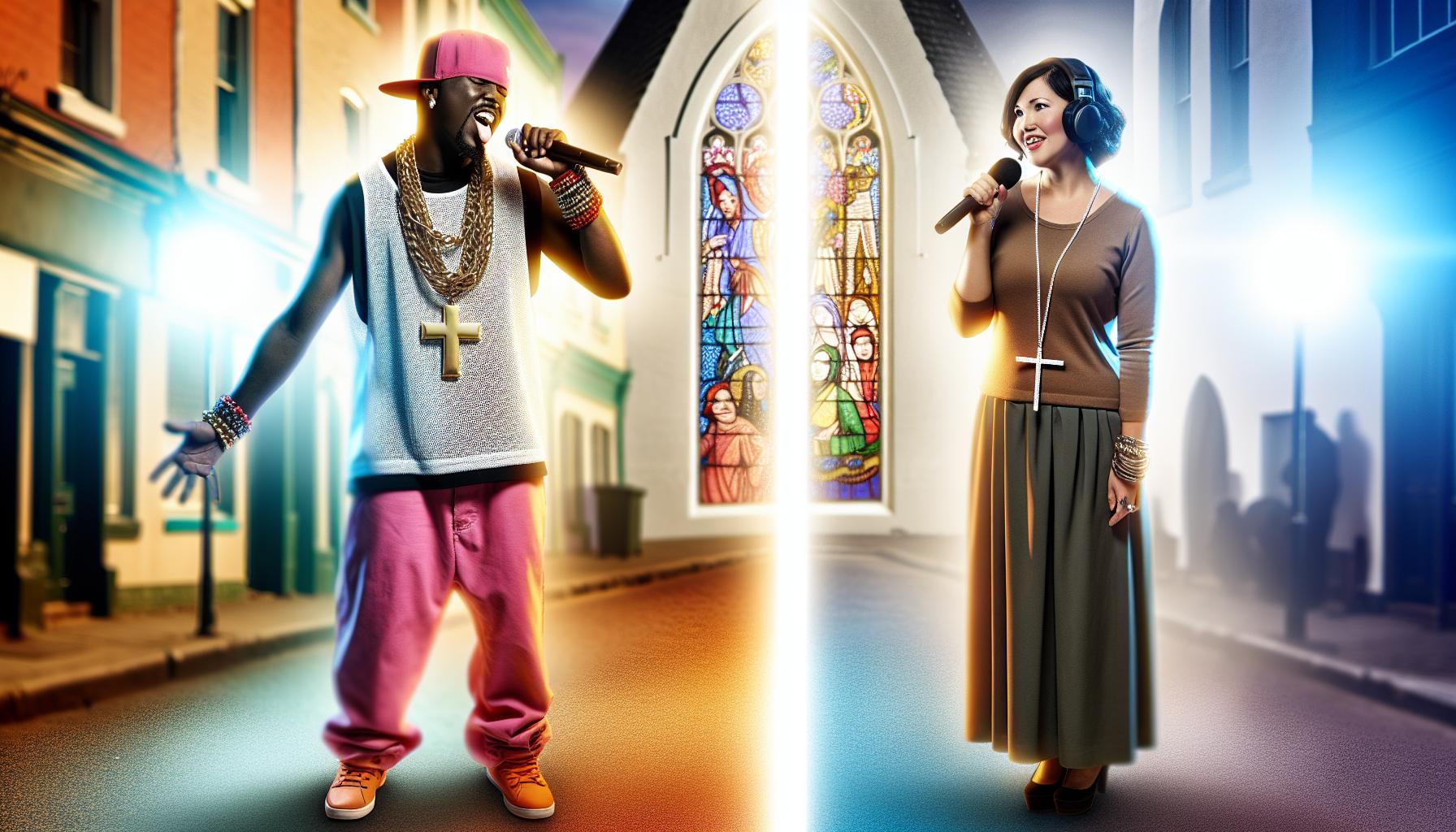
Creating Worship Through Christian Hip-Hop
In the rich tapestry of worship practices, Christian hip-hop emerges as a powerful medium for expressing faith and devotion, blending contemporary rhythms with time-honored truths. This genre not only entertains but also facilitates a deep engagement with scripture and spiritual themes, making it a unique vehicle for worship. Many artists, such as Lecrae and NF, craft their music with the intent to glorify God, using their platforms to spread messages of hope, redemption, and love, grounded in biblical teachings. By harnessing the energy and appeal of hip-hop, they create an environment where the Holy Spirit can move and where listeners can connect with their faith authentically.
One effective way hip-hop fosters worship is through the integration of scripture into lyrics, which can serve as a form of modern-day psalmody. Artists often quote or paraphrase biblical verses, framing their personal narratives within the grand story of God’s salvation. This approach not only reinforces the message but invites listeners to reflect on their own faith journeys through the lens of hope and renewal. For example, tracks may include themes of overcoming struggles, much like the journey described in the book of Psalms, encouraging believers to see their trials as part of a larger divine plan.
Implementing Worship in Daily Life
Embracing Christian hip-hop as part of your spiritual practice can enhance your worship experience. Here are some practical steps to incorporate it into your daily routine:
- Create a Worship Playlist: Curate a playlist of your favorite Christian hip-hop tracks to listen to during quiet time, exercise, or commutes. This auditory backdrop can uplift your spirit and prompt prayerful reflection.
- Engage with Lyrics: Take time to study the lyrics of the songs you love. Use a devotional approach by selecting one song a week, focusing on its message and how it relates to your life circumstances.
- Attend Live Shows: Participate in Christian hip-hop concerts and events. These gatherings often create a community atmosphere that enhances worship, allowing you to unite with others in praise and fellowship.
- Practice Scripture Memorization: Many hip-hop artists weave scripture into their songs; choose verses from your favorite tracks to memorize. This practice can deepen your understanding of God’s Word and its application in your daily life.
Christian hip-hop creates a unique opportunity to worship God in a language that resonates with many modern believers. By embracing this dynamic genre, individuals can enrich their faith journey, encountering the truth of Scripture through vibrant, life-affirming art. Remember, worship is not confined to traditional forms-through hip-hop, believers can engage with their Creator in new, transformative ways that celebrate both joy and authenticity.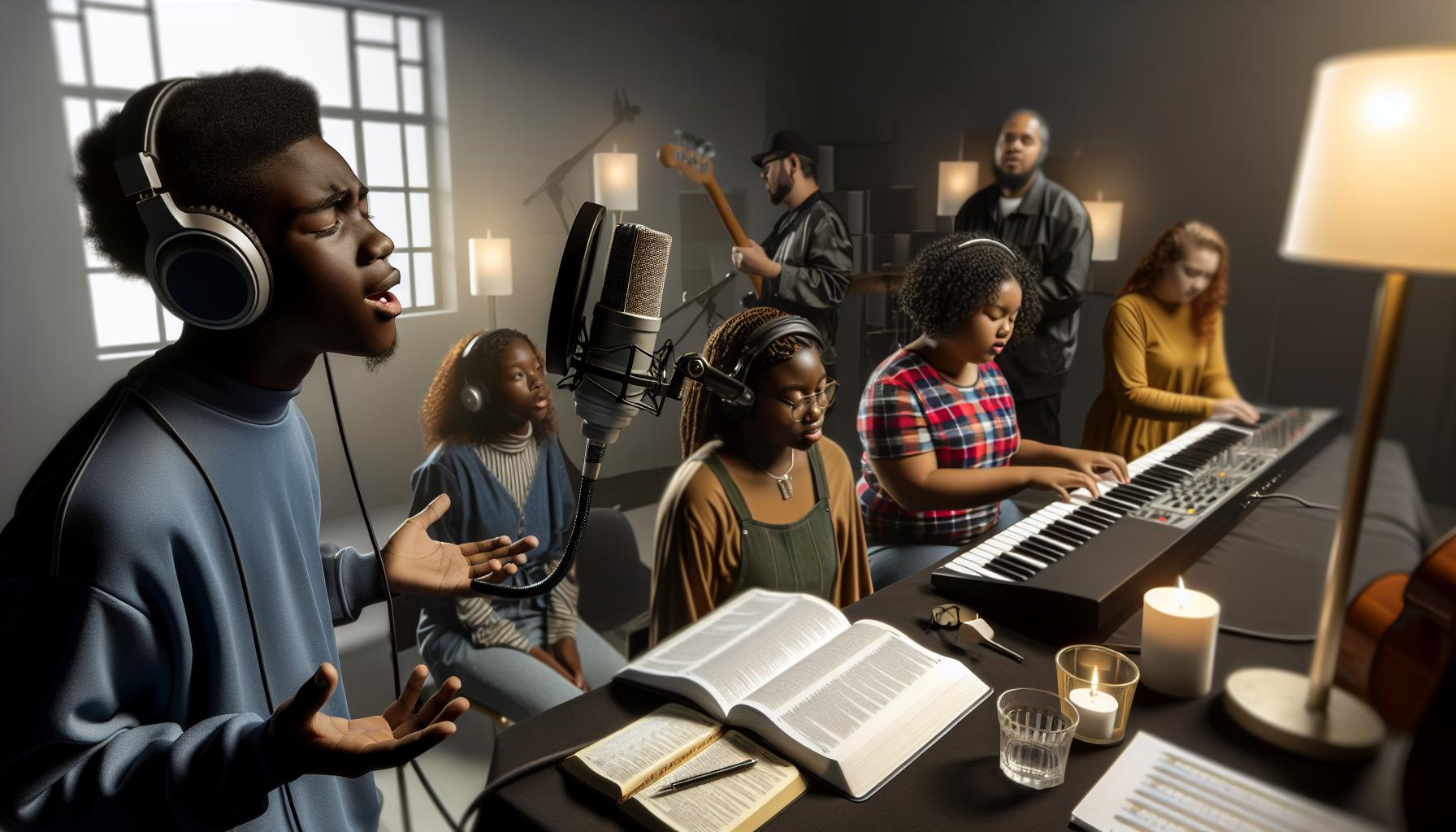
Future of Christian Rap: Trends and Directions
The Christian rap genre continues to evolve, embracing new styles and messages that resonate with contemporary audiences while remaining rooted in faith. As we look to the future, it is essential to discern the trends shaping this dynamic landscape. One significant trend is the increased blending of genres. Artists are experimenting with sounds from pop, rock, R&B, and even electronic music, broadening their appeal and providing more diverse worship experiences. This fusion not only attracts a wider demographic but also enriches the lyrical content, allowing artists to express their faith through various artistic lenses.
Moreover, the accessibility of music production technology has democratized the music-making process. Many aspiring Christian rappers can create and share their work without the need for expensive studio time. This shift leads to a surge of new voices and perspectives in the Christian hip-hop space, bringing fresh testimonies and narratives that speak to a younger generation searching for authenticity in their spiritual journeys. With social media platforms playing a critical role in distribution and discovery, these new artists are more empowered than ever to connect directly with their listeners.
Spiritual Engagement and Community Building
The future of Christian rap also points toward a greater emphasis on community building and engagement. Concerts and events are shifting from mere performance venues into interactive spaces where worship and fellowship occur simultaneously. This communal aspect allows believers to support one another, share their experiences, and grow in their faith together. Local churches may increasingly incorporate Christian rap into their outreach programs and youth ministries, thus bridging the gap between traditional worship and modern expressions of faith.
As the genre progresses, there is a growing acknowledgment of the need for sound theological foundations in songwriting. Artists are becoming more intentional about ensuring their lyrics align with biblical teachings, addressing contemporary issues and challenges while remaining anchored in scriptural truths. This emphasis not only uplifts the faith community but also provides a counter-narrative to secular hip-hop, which often glamorizes materialism and despair. Believers are eager for content that reflects their values and encourages a deeper relationship with God.
In contemplating the future of Christian rap, it’s clear that the genre will continue to adapt and flourish as it resonates with a generation eager to experience God’s love and truth in a language and style that speaks to their hearts. By embracing innovation, fostering community, and maintaining a commitment to biblical integrity, Christian rap is poised to play a vital role in spiritual life for many years to come.
Frequently asked questions
Q: What defines Christian rap as a genre?
A: Christian rap is characterized by its focus on themes of faith, spirituality, and biblical messages. It aims to inspire and uplift listeners through lyrics that reflect the artist’s relationship with God, differentiating it from secular hip-hop by its dedication to conveying Christian values and teachings.
Q: How can parents introduce Christian rap to their children?
A: Parents can introduce Christian rap by selecting age-appropriate artists and songs that highlight positive messages and values. Encouraging discussions about the lyrics can help children understand the faith-based themes while fostering a love for music that aligns with their beliefs [[6]].
Q: What role does Christian rap play in youth culture today?
A: Christian rap plays a significant role in connecting with youth through relatable content and engaging rhythms. It can serve as a tool for ministry, promoting conversations about faith and encouraging spiritual growth in a language that resonates with younger audiences [[7]].
Q: Are there controversies surrounding Christian rap?
A: Yes, controversies often arise regarding authenticity, commercialization, and the blending of secular and sacred themes. Critics question whether some artists compromise message integrity for mainstream success, prompting discussions about what it means to be faithful in music [[8]].
Q: How does Christian rap compare to secular rap in terms of messages?
A: While secular rap often focuses on personal struggles, social issues, and materialism, Christian rap emphasizes hope, redemption, and God’s love. This fundamental difference shapes the overall impact and purpose of the music in listeners’ lives [[9]].
Q: What biblical principles can be found in Christian rap lyrics?
A: Christian rap lyrics frequently embody principles such as love, forgiveness, and grace. Artists may reference scripture or biblical narratives to convey messages of hope and faith, making them accessible through contemporary music styles [[10]].
Q: How can Christian rap be used in worship settings?
A: Christian rap can be incorporated into worship through live performances, youth events, or church programs, creating an engaging atmosphere that resonates with a diverse congregation. It allows for creative expression while worshiping God [[11]].
Q: What are the future trends for Christian rap?
A: Future trends in Christian rap may include increased collaboration with mainstream artists, blending genres, and adapting to digital platforms. This evolution aims to reach broader audiences while maintaining the core message of faith and inspiration [[12]].
In Conclusion
As we conclude our exploration of “Is Christian Rap Godly: Biblical Perspective on Hip-Hop Faith,” it’s clear that this vibrant genre serves as a powerful tool for sharing faith and fostering community. The insights presented reaffirm that Christian rap can align with biblical truths while reaching hearts through relevant cultural expressions. If you found our discussion enriching, we encourage you to dive deeper by exploring our articles on prayer life and contemporary Christian music to enhance your spiritual journey.
Don’t miss out on gaining further insights-subscribe to our newsletter for updates on faith-based resources and new content that can elevate your understanding of God’s word in different contexts. We’d love to hear your thoughts! Share your experiences with Christian rap in the comments below, or connect with us on social media. Together, let’s continue to explore how faith and creativity can inspire positive change in our lives and communities.