
In today’s fast-paced world, the quest for a fulfilled and loving marriage is more crucial than ever. A Godly marriage is built on biblical principles that center around love, faith, and mutual respect, ultimately reflective of Christ’s love for the Church. By understanding these foundational elements, couples can create a relationship that not only endures but flourishes through challenges. This journey of building a Christ-centered relationship brings couples closer to God while strengthening their bond with each other. As we explore the characteristics and practices that define a Godly marriage, readers will uncover practical wisdom that can lead to deeper intimacy, powerful prayer practices, and a partnership truly rooted in faith. Join us as we delve into the essence of what it means to cultivate a godly marriage and how it can transform both your relationship and your spiritual journey.
Contents
- 1 What Is a Godly Marriage? Understanding the Foundation
- 2 The Biblical Definition of Marriage According to Scripture
- 3 Key Traits of Christ-Centered Relationships
- 4 How Prayer Strengthens Your Marriage
- 5 Building Trust Through Faith and Communication
- 6 The Importance of Shared Spiritual Practices
- 7 Navigating Conflict with Godly Wisdom
- 8 Cultivating Love Through Acts of Service
- 9 Raising Children in a Christ-Centered Home
- 10 Navigating Life’s Challenges Together in Faith
- 11 The Role of Forgiveness in a Godly Marriage
- 12 Creating a Lifelong Commitment to Grow Together in Christ
- 13 Faq
- 14 Key Takeaways
What Is a Godly Marriage? Understanding the Foundation
A godly marriage serves as a testament to the transformative power of love infused with faith, acting as a foundation for individuals and families to thrive. At the heart of a Christ-centered relationship lies the belief that marriage is not merely a legal contract but a sacred covenant established by God. This divine union encourages spouses to support each other as they grow spiritually and individually, navigating life’s trials together in prayer and devotion. When couples embrace this understanding, they find that their relationship is not solely built on romance but is rooted deeply in mutual respect, understanding, and a shared commitment to God’s purpose for their lives.
One of the essential elements that establishes a strong foundation for a godly marriage is the practice of open and honest communication. Couples should feel free to express their thoughts and feelings in a safe environment, fostering an atmosphere where vulnerability is met with empathy and love. Scripture reminds us in Ephesians 4:29 to use our words to uplift one another, which serves as a guiding principle for interactions within the marriage. By engaging in heartfelt conversations and listening actively, spouses not only strengthen their bond but also create an environment where God’s presence can be actively felt, allowing them both to grow spiritually.
Incorporating spiritual practices into daily life is another vital aspect of a godly marriage. Participating in joint prayer, Bible study, and community service not only deepens spiritual intimacy but also aligns the couple’s vision and purpose. These shared experiences cultivate a partnership that mirrors Christ’s love, emphasizing service, sacrifice, and unconditional support. Couples who establish rituals around these practices are not just enriching their souls but are also creating a legacy of faith that can be passed down to future generations, deepening the roots of their family tree in God’s love. By lifting each other in prayer and seeking God’s guidance together, partners weave a divine tapestry that underpins their relationship, helping them withstand the winds of adversity while rejoicing in the blessings of unity and love.
The Biblical Definition of Marriage According to Scripture
The biblical definition of marriage reveals a divine institution crafted by God for purpose, partnership, and reflection of His love. Scripture states in Genesis 2:24, “Therefore a man shall leave his father and mother and be joined to his wife, and they shall become one flesh.” This verse encapsulates the foundational aspect of marriage as a sacred covenant between a man and a woman, establishing a bond that transcends mere companionship or societal expectation. In this union, spouses become allies, spiritually intertwined to fulfill God’s plan for their lives and families.
A godly marriage is characterized by its covenant nature, unlike a contract, which can be easily broken. God designed marriage to represent His unwavering commitment to humanity. This is beautifully illustrated in Ephesians 5:25-33, where the relationship between Christ and the church serves as the model for how husbands and wives should relate to one another, emphasizing love, sacrifice, and respect. As husbands are called to love their wives as Christ loved the church, wives are encouraged to respect their husbands, creating a harmonious dynamic rooted in faith and love.
Moreover, a Christ-centered marriage recognizes the need for spiritual unity. Couples are encouraged to grow together spiritually, engaging in practices like prayer, Bible study, and worship, which not only fortify their relationship but also enable them to seek God’s guidance collectively. As stated in Ecclesiastes 4:12, “Though one may be overpowered, two can defend themselves. A cord of three strands is not quickly broken.” This scripture underscores the importance of including God in the marriage journey, reinforcing that He is the anchor that holds both partners together.
In this context, the biblical definition of marriage encourages couples to approach their relationship with a mindset of service, compassion, and joy. It serves as a vibrant picture of God’s love and faithfulness, drawing upon the attributes of grace and forgiveness that are essential for any relationship to thrive. By understanding and embracing this divine blueprint, couples can cultivate a flourishing marriage that stands the test of time and honors God in all aspects of their lives.
Key Traits of Christ-Centered Relationships
Building a relationship that reflects Christ’s love and teachings is essential in a godly marriage. A Christ-centered partnership thrives on several key traits that serve as the foundation for deep and lasting connections between spouses. These traits not only enhance the couple’s bond but also align their relationship with biblical principles, fostering a strong spiritual and emotional connection.
One fundamental trait of Christ-centered relationships is unconditional love. This mirrors the love Christ has for His church, characterized by selflessness, patience, and kindness. In practice, this means loving one’s spouse even during difficult times, choosing to prioritize their needs, and showing grace when mistakes are made. Spouses can cultivate this love by regularly expressing appreciation and affection, and by making concerted efforts to support each other’s goals and dreams.
Another essential trait is effective communication. Open and honest dialogue lays the groundwork for trust and understanding between partners. Couples are encouraged to create an environment where both individuals feel safe to share their thoughts and feelings without fear of judgment. This openness can be nurtured through regular check-ins wherein couples discuss their emotional and spiritual states. Ephesians 4:15 encourages believers to “speak the truth in love,” which is vital in resolving conflicts and deepening intimacy.
Shared spiritual practices also significantly enrich a Christ-centered relationship. When couples pray together, engage in Bible study, and participate in church activities as a team, they not only grow individually but also strengthen their bond with each other. This acts as a reminder that their union is founded on Christ, who serves as the pivotal center of their lives. Engaging in these activities can help couples navigate challenges with a unified mindset, drawing from the strength of their faith.
Lastly, the aspect of forgiveness is paramount in any relationship, especially in a marriage. Just as Christ forgives us unconditionally, spouses must practice forgiveness, letting go of grievances and past hurts. This might look like replacing silent resentment with constructive discussions and reaffirmations of love. As Colossians 3:13 states, “Forgive as the Lord forgave you,” fostering a culture of grace transforms not just the couple but their relationship into a space of healing and growth.
By embracing these traits, couples can build a resilient partnership that not only withstands the tests of time but also reflects the light of Christ in their lives. A godly marriage becomes a testament to what happens when two individuals commit to honoring God and each other through love, communication, shared spiritual practices, and forgiveness. In doing so, they create a nurturing environment that impacts not just their relationship but the lives of those around them, serving as an inspiring example of Christ-centered love.
How Prayer Strengthens Your Marriage
In the journey of marriage, prayer serves as a lifeline, connecting partners not only to each other but also to their faith. When spouses join together in prayer, they invite God into their relationship, acknowledging Him as the foundation and source of their love. This sacred act creates a spiritual bond that deepens their commitment and provides a steadfast refuge, reinforcing their unity during times of joy and hardship alike.
One of the extraordinary benefits of prayer is its ability to foster open communication. When couples pray together, they share their hearts and concerns with God and each other. This shared vulnerability encourages honesty, allowing partners to express their needs and struggles in an atmosphere of trust. Philippians 4:6-7 reminds us to present our requests to God, which in turn helps couples articulate their feelings and aspirations more clearly to one another. This practice promotes a sense of security and understanding, laying the groundwork for stronger emotional intimacy.
Moreover, prayer cultivates a spirit of humility and forgiveness. It reminds partners that they are both fallible and dependent on God’s grace. When couples pray for each other, they begin to see their spouse through God’s eyes, fostering empathy and compassion. This perspective can be transformative when conflicts arise. Instead of reacting defensively, spouses are encouraged to approach disagreements with a more loving and understanding mindset. As Ephesians 4:32 urges, “Be kind and compassionate to one another, forgiving each other, just as in Christ God forgave you,” prayer nurtures a culture of grace within the marriage.
### Practical Ways to Pray Together
To integrate prayer more deeply into your marriage, consider these practical approaches:
- Establish a routine: Set aside specific times daily or weekly for prayer together. It could be in the morning over breakfast or at bedtime.
- Pray over your goals: Whether it’s financial decisions, parenting, or career changes, bring these topics before God together.
- Share a prayer journal: Record prayer requests and answered prayers. This will help both of you see God’s faithfulness over time.
- Use Scripture: Consider praying through specific Bible verses that resonate with your relationship or life circumstances.
Incorporating prayer into daily life not only strengthens the couple’s bond but also helps them align their goals and desires with God’s will, making their journey together more fruitful and fulfilling. A marriage enveloped in prayer becomes a testament to God’s presence and active work in their lives, illustrating the truth of James 5:16: “The prayer of a righteous person is powerful and effective.” By inviting God into your relationship through prayer, you lay a solid foundation for a thriving, Christ-centered marriage.
Building Trust Through Faith and Communication
Building a strong foundation of trust in a marriage is essential for cultivating a lasting, Christ-centered relationship. Trust is not merely a feeling but a choice grounded in faith-faith in God and faith in each other as spouses. As partners rely on their spiritual beliefs to guide their actions and decisions, they create a sanctuary within their relationship where honesty and transparency can thrive. The intertwining of faith and communication fosters an environment that allows love to flourish, even during life’s inevitable trials.
One vital aspect of building trust through faith is the embrace of vulnerable communication. Sharing fears, hopes, and dreams opens the door to deeper intimacy. As James 1:19 advises, “Everyone should be quick to listen, slow to speak and slow to become angry.” This approach encourages couples to listen attentively to one another’s needs and perspectives, promoting understanding rather than judgment. When issues arise, approach them collaboratively with prayer and reflection, inviting God’s wisdom into conversations.
Additionally, practicing faith together can strengthen the bond of trust between you. Engaging in joint spiritual activities-such as reading the Bible, attending church, or participating in a couples’ devotional-helps partners to align their thoughts and actions with God’s purposes for their marriage. These shared experiences can diminish misunderstandings and build a mutual reliance on God’s guidance. When couples navigate challenges with a unified front, their trust in one another deepens, knowing they are not just relying on their strength but on God’s power to see them through.
It’s also significant to acknowledge that building trust is an ongoing process. As life evolves, circumstances and challenges change, and what once worked may need adjustment. Regular check-ins-a simple conversation over dinner or a dedicated time for open dialogue-can help partners feel secure in their relationship. During these times, focus on affirming each other’s strengths and addressing any concerns in love. Keep in mind Colossians 3:14: “And over all these virtues put on love, which binds them all together in perfect unity.” By integrating this principle into your communication, you create a partnership that thrives on faith, grace, and patience.
Ultimately, the journey of in a marriage is about creating a space where both partners feel safe and cherished. By actively engaging in open dialogue, leaning on Scripture, and nurturing your spiritual practices, you strengthen not only your relationship with each other but also with God-the ultimate source of love and trust.
In a world filled with distractions and demands, fostering a strong spiritual connection between partners is essential for a thriving marriage. Engaging in shared spiritual practices not only strengthens the bond between spouses but also helps cultivate a deeper relationship with God. These practices serve as a foundation that nurtures love, respect, and understanding, allowing couples to navigate the complexities of life together.
Practicing faith together can take many forms. Regular activities such as prayer, Bible study, and devotional readings can deepen emotional intimacy and align partners’ hearts with divine guidance. Consider establishing a dedicated time each week to explore Scripture together. Reflecting on biblical passages can lead to insightful discussions on God’s will for your relationship and everyday challenges. For instance, consider reading Ephesians 5, which emphasizes love and respect in marriage, and discussing how these principles can manifest in your daily lives.
- Enhanced Communication: Engaging in spiritual practices creates opportunities for meaningful conversations. Couples can openly discuss their thoughts, struggles, and victories in faith, fostering a safe space for vulnerability.
- Unified Purpose: Sharing faith helps couples align their goals and aspirations with God’s plan. This unity creates a powerful bond that can withstand external pressures while reinforcing a shared commitment to one another and to God.
- Conflict Resolution: When conflicts arise, a foundation built on shared faith provides couples with tools to navigate disagreements with grace. Inviting God into these moments can foster forgiveness and humility, guiding spouses toward reconciliation.
Additionally, incorporating shared spiritual practices into family life can have a profound effect on children. Raising children in a Christ-centered home equips them with values and principles that will guide their own relationships in the future. Hosting family devotionals, setting aside time for collective prayer, or even attending church as a family reinforces a collective commitment to living out one’s faith.
Incorporating these shared spiritual practices into a marriage requires commitment and intentionality, but the rewards-both spiritually and relationally-are immeasurable. By nurturing each other’s faith and encouraging spiritual growth, couples not only strengthen their marital bond but also create a love that reflects Christ’s unconditional love for His church.
In any relationship, conflict is inevitable, but how you approach disagreements can either strengthen or weaken your marital bond. means stepping back to seek clarity through prayer, communication, and a mutual desire to reflect Christ’s love in your marriage. When tension arises, it’s crucial to remember that both you and your spouse are on the same team. This mindset fosters collaboration rather than opposition, transforming potential disputes into opportunities for growth and understanding.
Effective conflict resolution begins with a humble heart. Philippians 2:3 urges us to “do nothing out of selfish ambition or vain conceit. Rather, in humility value others above yourselves.” Approaching conflict with humility allows both partners to express their needs and feelings without fear of judgment. A productive way to initiate this process might be to set aside time for an open dialogue. During these moments, each spouse can share their perspective, while the other listens without interrupting. This practice not only validates each person’s feelings but also demonstrates respect and commitment to resolving the issue together.
Prayer plays an essential role in navigating conflicts wisely. By inviting God into your discussions, you create a sacred space that invites peace and guidance. Before addressing a disagreement, take a moment to pray together, asking for wisdom to communicate effectively and for hearts willing to forgive. This spiritual practice can soften hurt feelings and lead both partners toward mutual understanding and reconciliation. Additionally, turning to Scripture for guidance-such as James 1:19, which advises us to be “quick to listen, slow to speak, and slow to become angry”-can provide biblical wisdom that aligns both partners with God’s will.
It’s important to remember that conflict is not always negative; rather, it can serve as a catalyst for growth when navigated with care. As challenges arise, consider employing strategies such as focusing on the specific behavior or issue rather than attributing blame to your spouse’s character. Use “I” statements to communicate feelings without casting judgment, which can promote a more constructive dialogue. For example, instead of saying “You never listen to me,” try “I feel unheard when our conversations don’t seem to flow.”
Ultimately, means striving for reconciliation while drawing closer to each other and to Christ. With prayerful hearts and a commitment to love, couples can transform disagreements into stepping stones that enrich their relationship, deepen their faith, and honor their covenant before God.
Cultivating Love Through Acts of Service
In a world that often equates love with feelings and fleeting moments, offers a deeply enriching approach to nurturing a Christ-centered marriage. Serving one another not only reflects the selfless love Christ demonstrated but also creates a tangible bond that strengthens your relationship. Acts of service become a powerful expression of love, as they reveal commitment, care, and an understanding of each other’s needs.
One of the most beautiful aspects of love is that it often flourishes when it is actively demonstrated. Simple acts, whether big or small, can make a significant difference in how each partner feels valued and appreciated. Examples include helping with household tasks, planning thoughtful surprises, or even writing notes of encouragement for your spouse. Ephesians 5:25 reminds husbands to love their wives as Christ loved the church-which was a sacrificial love that actively involved service. When both partners engage in serving each other, it fosters a nurturing environment where love and respect grow.
Creating a culture of service within your marriage requires intentionality. Here are several ways to cultivate love through acts of service:
- Identify Each Other’s Needs: Engage in regular conversations about your individual needs and preferences. Understanding what your spouse values helps in providing meaningful service.
- Practice Gratitude: Regularly express appreciation for the small things your partner does. Acknowledgment fuels the desire to serve even more.
- Set Specific Goals: Consider setting goals for how you want to serve each other. This could be a weekly date night planned by one partner or daily chores covered by the other.
- Volunteer Together: Serving your community or church as a couple can deepen your bond. It allows both partners to unite around a common purpose, reinforcing the love you share.
By incorporating acts of service into your daily routine, you not only obey Christ’s command to love one another but also forge a path towards a deeply fulfilling marriage. Remember, love is not merely a feeling; it is a choice and a commitment that is nurtured through actions. As you practice serving one another, you will notice how it brings joy, fosters unity, and exemplifies the very essence of what it means to love in a godly way.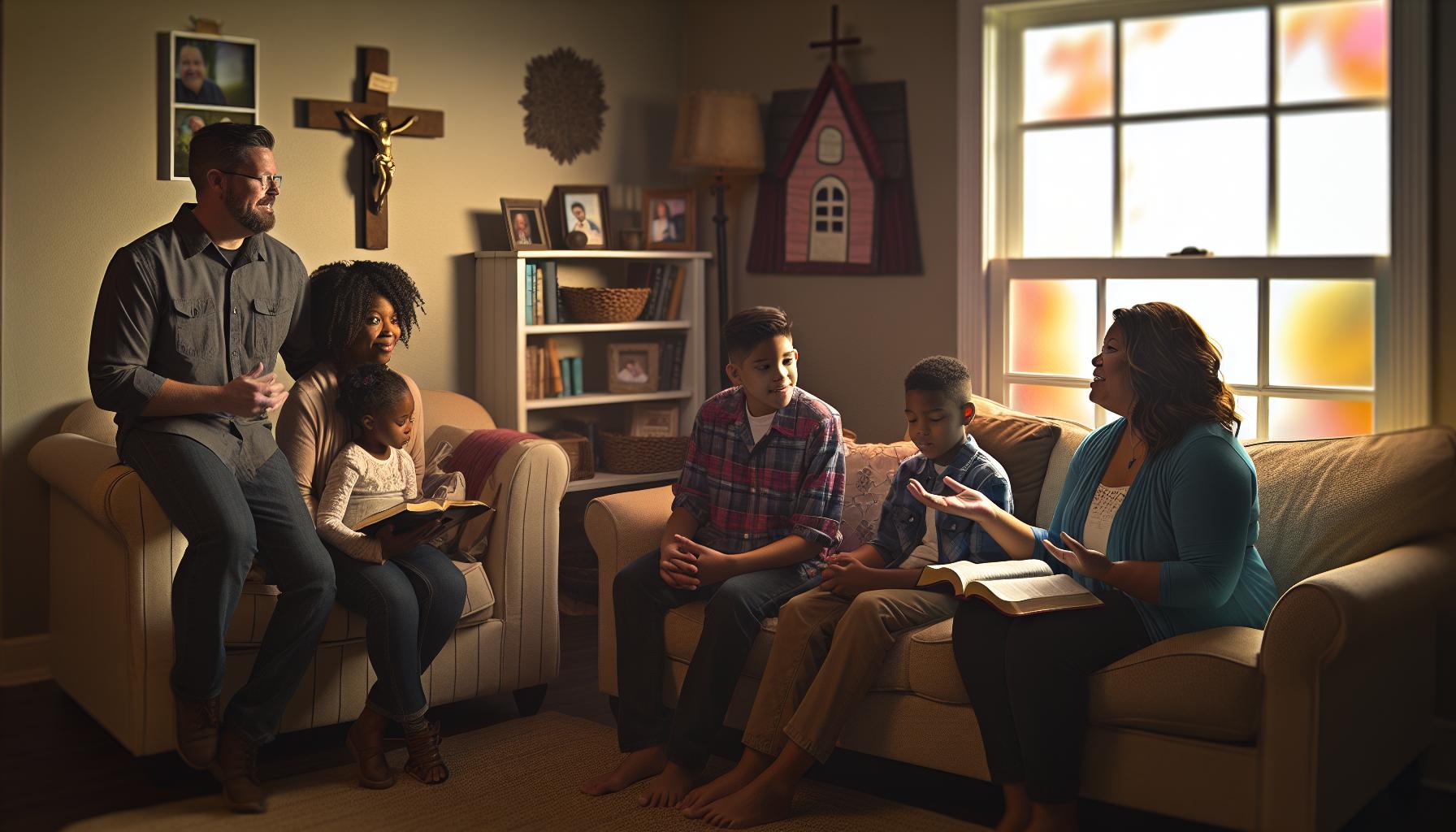
Raising Children in a Christ-Centered Home
Creating a nurturing environment for children within a Christ-centered home is one of the most profound responsibilities and joys of parenting. As families embark on this journey, it’s crucial to recognize that the values and teachings that parents embody will likely influence their children’s faith and character for a lifetime. Raising children in a way that honors God not only cultivates a spirit of love and service but also instills deep-rooted values that guide their actions and decisions as they grow.
To lay a solid foundation for a Christ-centered upbringing, engaging in regular family prayers and devotions can create a culture that prioritizes faith as foundational to daily life. This commitment helps to ensure that biblical principles are woven into the fabric of family interactions. Having a set time each day for Bible reading and prayer not only brings the family together but also reinforces the importance of God’s Word. Children can learn to articulate their thoughts and feelings to God, enhancing their personal relationship with Him.
Practical Steps for Raising Children in Faith
Consider the following practical ways to cultivate a Christ-centered home:
- Model Christ-like Behavior: Children are observant and often emulate the attitudes and behaviors of their parents. By demonstrating qualities such as kindness, patience, and forgiveness in everyday situations, parents can teach valuable lessons about living a life in accordance with Christ’s teachings.
- Incorporate Faith into Daily Activities: Whether it’s through blessing meals, sharing meaningful stories during family time, or discussing how to apply biblical teachings to real-life decisions, integrating faith into everyday life creates a seamless connection between belief and action.
- Encourage Open Conversations About Faith: Create an open and inviting atmosphere where children feel comfortable asking questions and discussing their thoughts about God, the Bible, and life’s challenges. Compassionate dialogue can strengthen their understanding and personal beliefs.
- Engage in Service Together: By volunteering as a family-whether at a local charity, church event, or community service project-children learn the importance of helping others and putting faith into action. This practice models the love and servitude of Christ.
In fostering a Christ-centered environment, parents also play an essential role in preparing their children to face life’s challenges. Encouraging them to lean on their faith in times of difficulty cultivates resilience and provides peace. Remind them that God’s promises are a source of strength, and teach them to pray through their struggles.
Ultimately, the goal is to raise children who embody the faith they see at home, equipped to navigate the complexities of life while reflecting Christ’s love and truth. As parents commit to walking this journey together, they strengthen not only their own faith but also build a legacy of spiritual richness for generations to come.
In the journey of marriage, couples inevitably face various challenges that test their faith and commitment to each other. Navigating these obstacles together is not only essential for personal growth but also for strengthening the bond between partners. A Christ-centered marriage empowers couples to approach life’s difficulties with hope, reliance on faith, and a unified heart. When both partners prioritize their spiritual connection, they can weather any storm, knowing they are underpinned by God’s promises.
One of the most vital practices to navigate challenges effectively is the power of prayer. Together, couples can establish a habit of praying for one another, asking for God’s guidance, and seeking wisdom in times of uncertainty. James 1:5 encourages believers to ask God for wisdom, reminding us that He generously provides to those who seek it. Setting aside dedicated time each day for prayer fosters open communication and reinforces a shared reliance on God’s strength. Furthermore, participating in regular Bible study, whether through personal devotionals or mutual discussions, helps couples find scriptural truths that resonate with their current struggles. Engaging with God’s Word shapes perspectives and provides insights that often lead to resolutions and peace.
To ensure that faith remains the bedrock during tough times, creating a supportive environment where both partners can express their feelings is crucial. Couples might consider establishing a regular check-in time where they can share their thoughts, concerns, and prayer requests without judgment. This practice not only builds trust but also transforms conflict into opportunities for deeper connection. Acts of service can further manifest love during difficult periods; small gestures of kindness remind partners of their commitment and reinforce the idea that they are a team.
Finally, it’s essential to remember the abundant grace available through Christ. When challenges arise, practicing forgiveness, as emphasized in Colossians 3:13, can lift emotional burdens and facilitate healing. Couples should strive to grant grace, knowing that just as God has forgiven them, they too can extend that same love to one another. By consistently focusing on their faith and the example of Christ’s love, couples create a resilient partnership, equipped to navigate life’s challenges together and grow in their relationship every step of the way.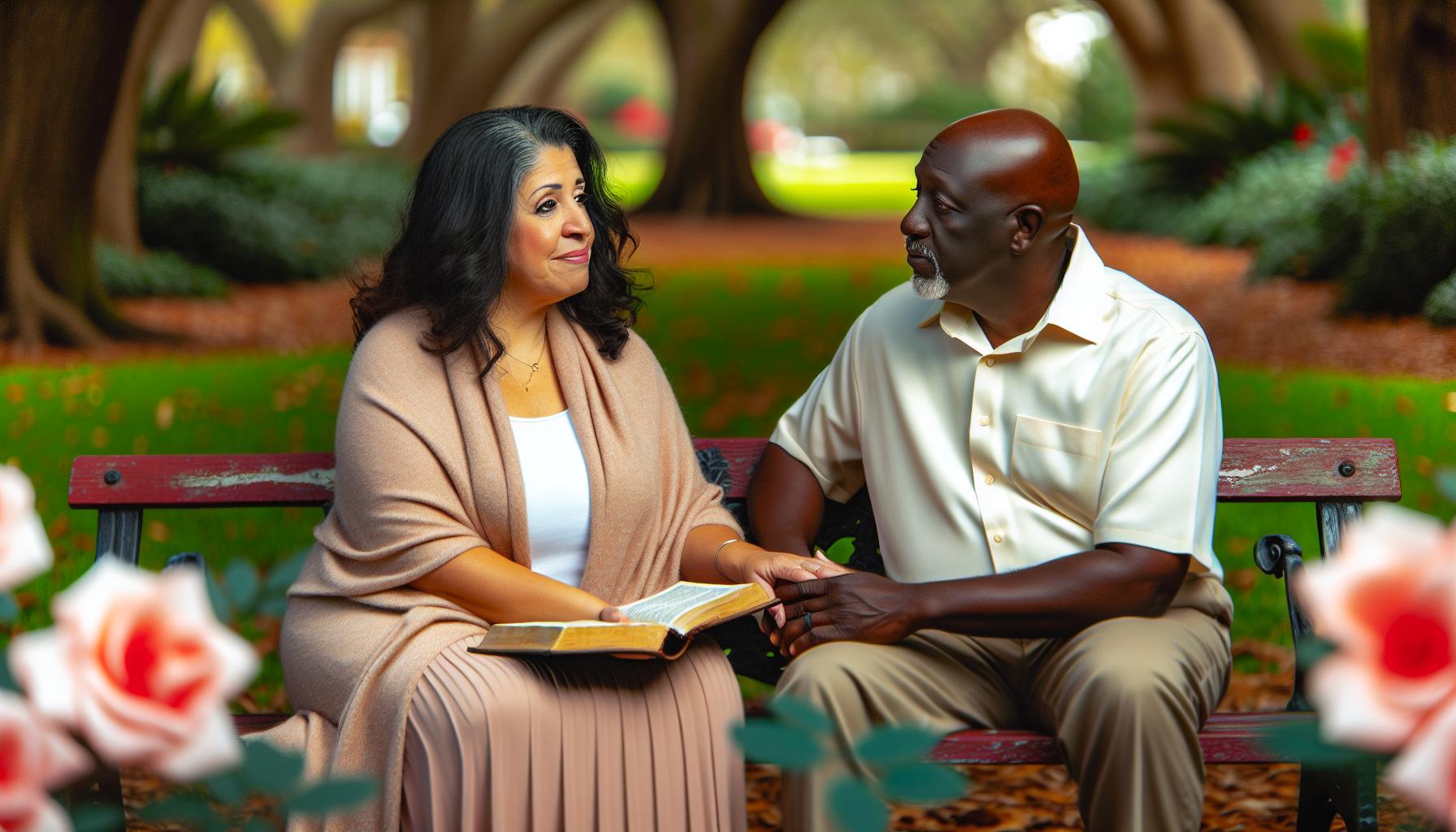
The Role of Forgiveness in a Godly Marriage
In any marriage, the journey often involves navigating misunderstandings, disagreements, and even significant hurt. However, the distinguishing feature of a godly marriage is the commitment to forgive, mirroring the grace that Christ extends to us. The act of forgiveness is essential not only as a means of restoring peace but also as a fundamental expression of love that promotes spiritual growth within the relationship. As stated in Ephesians 4:32, being kind and compassionate to one another, forgiving each other, just as in Christ God forgave you, enriches the marital bond and fosters a deeper emotional connection.
When faced with times of conflict, understanding the importance of forgiveness can transform situations that could otherwise lead to bitterness or resentment. Practicing forgiveness requires vulnerability, humility, and a readiness to acknowledge one’s own shortcomings. Couples can benefit from establishing a culture of open communication where they regularly express their feelings and seek understanding rather than proving a point. Engaging in heart-to-heart conversations can serve as a powerful step toward healing, often leading to an atmosphere where forgiveness is freely given and received.
For instance, consider creating intentional moments to discuss grievances-as difficult as that may seem. Couples might schedule a “forgiveness talk” where each partner has the opportunity to share their hurt and why it matters to them, ensuring that the focus remains on healing rather than blame. During these conversations, prayer can play a vital role. Begin your discussion by inviting God into the moment, seeking His guidance to soften hearts and clear any misunderstandings. This mutual reliance on God can produce an atmosphere rich in empathy and love.
Furthermore, reminding oneself of Christ’s sacrifice can provide perspective when feelings of anger or resentment bubble to the surface. Reflecting on how He forgave those who wronged Him-including carrying the weight of our sins-can propel partners toward offering grace to each other. Finally, couples should remember that forgiveness is not a one-time act but an ongoing commitment. In moments of renewed hurt or old wounds surfacing, revisiting the decision to forgive is necessary, ensuring that the marital relationship remains rooted in love, grace, and mutual respect. Through this practice, a couple not only strengthens their bond but also exemplifies the love of Christ in their daily lives.
Creating a Lifelong Commitment to Grow Together in Christ
is a divine journey that transforms a marriage into a powerful testament of faith. When both partners prioritize their individual and collective relationships with God, they create a foundation that nurtures love, respect, and spiritual growth. The essence of this commitment lies in aligning personal goals with a shared vision steeped in biblical principles, as highlighted in Ecclesiastes 4:9-10, which reminds us that “Two are better than one because they have a good return for their labor: If either of them falls down, one can help the other up.”
To cultivate this steadfast growth, engaging in shared spiritual practices can be particularly transformative. Here are some practical approaches that couples can incorporate into their lives:
Daily Prayer and Devotion
Making prayer a daily ritual fosters intimacy and openness. Couples can dedicate time each day to pray together, sharing their hopes, concerns, and gratitude with one another and God. This practice not only deepens their spiritual connection but also cultivates an atmosphere of vulnerability and trust. Beyond daily prayers, exploring devotionals that focus on specific aspects of marriage or spiritual growth can offer fresh insights and encourage thoughtful discussions.
Joint Bible Study
Studying scripture together enriches both individual and marital faith journeys. Couples may set aside regular time to read and explore the Word, discussing its relevance to their lives and marriage. They may consider using study guides that focus on themes like love, forgiveness, and unity-key elements of a Christ-centered relationship. This not only strengthens their understanding of God’s will for their lives but also enhances their ability to support one another through trials.
Participating in Community
It’s beneficial for couples to engage with their church community, whether through small groups, Bible studies, or service projects. Doing so provides accountability and encouragement from fellow believers, fostering a sense of belonging and purpose. The collective faith experience helps couples grow stronger both spiritually and relationally, illustrating 1 Corinthians 12:12-27, where the church is described as one body with many parts, emphasizing unity and interdependence.
By intentionally committing to grow together in Christ, couples not only strengthen their bond but also serve as a beacon of hope and light to others. They cultivate a love that reflects God’s unconditional love, ensuring their marriage is not just a partnership but a ministry that glorifies Him. As they journey together, they’ll encounter challenges, but with a focus on their faith, they’ll learn to navigate life’s complexities hand in hand, continually growing closer to one another and to God.
Faq
Q: What should be the primary focus in a godly marriage?
A: The primary focus in a godly marriage should be to honor and reflect God’s love and teachings. This involves mutual respect, shared faith practices, and striving to grow together spiritually. Engaging in prayer and Bible study can help strengthen this foundation, fostering a deeper connection as described in our article.
Q: How can couples effectively communicate in a Christ-centered relationship?
A: Couples can communicate effectively in a Christ-centered relationship by prioritizing honesty, empathy, and active listening. Couples should actively involve prayer in their conversations, seeking God’s guidance for wisdom and understanding. This aligns with building trust through faith and communication as discussed in our article.
Q: What role does forgiveness play in a godly marriage?
A: Forgiveness is crucial in a godly marriage, enabling couples to heal from conflicts and misunderstandings. It reflects Christ’s unconditional love and grace. By practicing forgiveness, couples can promote a nurturing environment, fostering peace and growth as explored in the section on the role of forgiveness in our main article.
Q: How can couples integrate spiritual practices into their daily lives?
A: Couples can integrate spiritual practices by setting aside time for daily prayer, engaging in joint Bible study, and participating in worship together. These practices not only deepen their faith but also create lasting bonds, as highlighted in the Importance of Shared Spiritual Practices section of our article.
Q: What are some tips for navigating conflict biblically?
A: To navigate conflict biblically, couples should prioritize open communication and seek scriptural guidance on resolving disputes peacefully. It’s important to remain humble and empathetic, focusing on understanding each other rather than winning an argument. This aligns with our discussion on navigating conflict with godly wisdom.
Q: How can couples grow together spiritually over time?
A: Couples can grow together spiritually by committing to regular prayer, engaging in community church activities, and exploring faith-based resources together. Regular reflection and devotionals can also enhance their spiritual journey as a couple, which is discussed in our article on lifelong commitment.
Q: Why is it important to raise children in a Christ-centered home?
A: Raising children in a Christ-centered home instills values of faith, love, and service in their upbringing. It provides them a strong moral foundation and helps them develop their own relationships with God. This topic is elaborated upon in the section focused on nurturing a Christ-centered family in our article.
Q: What are the characteristics of a strong, godly marriage?
A: A strong, godly marriage is characterized by mutual respect, a deep commitment to each other and God, effective communication, and a passion for serving together. These success traits create a loving and supportive relationship, as detailed in the key traits of Christ-centered relationships in our main article.
Key Takeaways
As you reflect on the essence of a Godly marriage, remember that at its core lies a commitment to a Christ-centered relationship, built on love, faith, and mutual respect. It’s vital to nurture this bond daily through prayer, Bible study, and open communication. With practical tools and spiritual resources, you can strengthen your marriage and deepen your connection with one another and God.
To explore more about living out your faith in everyday life, check out our articles on prayer life and devotionals. Don’t miss out on invaluable parenting guidance that aligns with biblical principles – it could be the perfect next step in your journey together. Join our community by subscribing to our newsletter for ongoing support and encouragement. Engage with us below by sharing your thoughts or experiences, and let’s continue to grow in faith and love as we build Christ-centered relationships!