
In a world that often feels chaotic and demanding, the tradition of evening prayers in the Catholic faith offers a sacred space to pause, reflect, and reconnect with God. Evening prayers not only serve as a closing ritual for the day but also provide an opportunity to express gratitude, seek forgiveness, and find peace amidst life’s challenges. As you embrace this time of reflection, you’ll discover how these prayers can transform your evenings into moments of divine encounter. Whether you find solace in familiar litanies or explore new prayers, engaging with this sacred practice cultivates a deeper relationship with God and fosters a spirit of tranquility. Join us as we delve into the beauty and significance of evening prayers, guiding you to end your day enveloped in sacred peace and renewed faith.
Contents
- 1 Evening Prayer Practices for Daily Reflection
- 2 The Importance of Ending Your Day with Prayer
- 3 Scriptural Inspiration for Evening Prayers
- 4 Creating a Serene Space for Evening Worship
- 5 Guided Prayer Examples for Peaceful Evenings
- 6 Incorporating Silence and Meditation in Prayer
- 7 Encouraging Family Prayer Time Before Bed
- 8 Prayers for Gratitude and Forgiveness Each Night
- 9 How Evening Prayer Supports Spiritual Growth
- 10 Explore Traditional Catholic Evening Prayers
- 11 Using Evening Prayer for Mental Clarity and Peace
- 12 Personalizing Your Evening Prayer Routine
- 13 Frequently asked questions
- 14 Insights and Conclusions
Evening Prayer Practices for Daily Reflection
Ending the day with a thoughtful prayer can create a transformative experience that fosters a sense of gratitude, peace, and reflection. Evening prayer practices can serve as a spiritual anchor in the busy lives many lead, providing an opportunity to connect with God and recalibrate our hearts and minds. These moments allow believers to pause, reflect on the day’s events, and seek God’s guidance and forgiveness, all while acknowledging His presence in our lives.
To effectively incorporate evening prayer into your routine, consider these practices:
- Establish a Consistent Time: Designate a specific time each evening to pray, creating a habit that will deepen your spiritual life.
- Use Scripture: Integrate passages from the Bible that resonate with you, allowing God’s Word to inform your prayers and reflections.
- Reflect on the Day: Spend a moment considering what went well, what challenges you faced, and where you could have shown more love and kindness.
- Invite Family Participation: Encourage your family to join you in evening prayers, fostering a sense of unity and shared faith.
You can personalize your prayer practice by keeping a journal to record your thoughts and prayers, studying the lives of saints known for their prayerfulness, or even using guided prayers specifically designed for evening reflection. These practices not only enhance your evening routine but also help anchor your spiritual growth. As your relationship with God deepens, you will find comfort and clarity, ultimately leading to a more peaceful and fulfilling life. As you choose to end each day in prayer, you embrace the sacredness of resting in God’s presence, preparing your mind and spirit for the renewal that the night offers.
The Importance of Ending Your Day with Prayer
In the hustle and bustle of daily life, the importance of setting aside time for evening prayer cannot be overstated. When the day draws to a close, engaging in this sacred practice allows individuals to center their minds and hearts, creating a peaceful transition into restfulness. Evening prayer serves as a moment to disengage from the distractions of the world and draw closer to God, acknowledging His guidance throughout the day. Those who consistently practice evening prayers often report a renewed sense of clarity and calm, which can profoundly impact their overall well-being.
One of the most beautiful aspects of evening prayer is its capacity to cultivate gratitude. Reflecting on the day’s experiences, believers can identify blessings that might have gone unnoticed in the busyness. This act of thanksgiving not only honors God but also shifts our focus from worries or regrets to thankfulness and hope. By consciously choosing to end the day with a heart full of gratitude, faithful individuals prepare themselves for restful sleep, confident in the knowledge that they are held in divine love.
Moreover, evening prayer holds significant potential for spiritual growth. The quietude of the night provides fertile ground for introspection, allowing individuals to examine their actions and motivations. This reflection is a vital step toward spiritual maturity, as it encourages repentance, forgiveness, and a commitment to embodying Christ-like values in daily life. By praying for strength to overcome challenges and grace to extend to others, believers actively participate in their transformation and deepen their relationship with God.
As the world quietens and the night envelops us, let your evening prayer be a consistent anchor for your spirit. Whether you choose to recite traditional prayers, engage in spontaneous conversation with God, or reflect on Scripture, this time can enrich your faith journey and fortify your resilience against life’s trials. Make it a priority to reconnect with God at the end of each day-this commitment not only nurtures a sense of peace but also enhances your understanding of His love and purpose in your life.
Scriptural Inspiration for Evening Prayers
As the sun dips below the horizon, the sacred practice of evening prayer invites us to reflect on the day’s experiences and seek solace in God’s word. The Bible offers rich verses that can inspire and guide this reflective time, creating a meaningful connection with the divine as we transition into rest. The uplifting power of Scripture not only calms our thoughts but also infuses our prayers with focus and intention.
Among the most comforting passages to integrate into your evening prayers is Psalm 4:8, which states, “In peace, I will both lie down and sleep; for you alone, O Lord, make me dwell in safety.” This verse serves as a beautiful reminder of God’s protective presence, encouraging us to surrender our worries and trust in His care as we prepare for sleep. Moreover, reflecting on Philippians 4:6-7 can be transformative: “Do not be anxious about anything, but in everything by prayer and supplication with thanksgiving let your requests be made known to God.” This calls us to bring our concerns to Him, exchanging anxiety for peace, cultivating a heart of gratitude that enhances our evening reflections.
To create a more enriching prayer experience, consider following these scriptural themes:
- Gratitude: Begin your evening prayer by thanking God for the specific blessings of the day, guided by Psalm 107:1, “Give thanks to the Lord, for he is good; his love endures forever.”
- Introspection: Use Lamentations 3:40, “Let us examine our ways and test them, and let us return to the Lord,” to inspire self-reflection. Assess actions and attitudes from the day and seek God’s forgiveness where needed.
- Strength for Tomorrow: Turn to James 1:5, which encourages us to ask God for wisdom. Pray for guidance and clarity for the challenges of the upcoming day, trusting in His provision.
As you weave these scriptures into your evening prayer, remember that the goal is to foster a tender closeness with God. Allow the verses to settle in your heart, transforming your prayer time into a serene ritual filled with peace and purpose. Let each evening prayer be an opportunity to connect deeply with your faith, nurturing your spiritual journey as you seek to end each day in sacred peace.
Creating a Serene Space for Evening Worship
Creating an environment conducive to evening worship can transform your prayer experience, making it not just a routine but a sacred ritual that nurtures your spirit and deepens your connection with God. First and foremost, it is essential to choose a specific location in your home where you feel comfortable and can focus without distractions. This could be a quiet corner in your living room, a cozy chair by a window, or even a designated prayer room if space permits. Aim for a spot where you can engage with God free from the interruptions of daily life.
Enhancing the atmosphere in your space can also be beneficial. Consider lighting a candle or using soft lighting to create a calming ambiance. The gentle flicker of a candle can serve as a visual reminder of Christ, the Light of the World. You may wish to incorporate meaningful items such as a cross, a Bible, or a journal where you can jot down your prayers and reflections. Having these elements around you can help center your thoughts and draw you into a more profound worship experience.
Incorporating soothing music can further enhance your time of prayer. Playing instrumental worship music or soft hymns can create a serene backdrop that encourages reflection and relaxation. This ambiance invites you to leave behind the busyness of the day and enter into a space of peace and connection with God. You might also find it helpful to set a consistent time for your evening prayers, as this builds a rhythm and expectation in your day.
Additionally, making an effort to declutter your space can symbolize the desire to declutter your mind. Just as you want to clear the physical space around you, invite God to remove the mental distractions that may hinder your focus during prayer. Engage in a few moments of silence, allowing your thoughts to settle before you begin your conversation with God. This intentional practice lays the foundation for a meaningful time of worship, allowing your heart to be open and receptive to the peace that comes with trusting in His presence.
Guided Prayer Examples for Peaceful Evenings
Finding serenity at the end of the day is essential for nourishing your spirit and preparing your heart for rest. Evening prayers not only help us reflect on the day’s events but also invite God’s peace into our lives. Here are some guided prayer examples that can enhance your evening routine and foster a deeper connection with God.
Begin your evening by expressing gratitude for the day. A simple prayer might include: “Dear Lord, thank you for the blessings of today-the opportunities, the people I encountered, and the lessons I learned. Help me to always recognize your hand in my life.” This act of thanksgiving sets a positive tone, allowing you to reflect on God’s goodness rather than the challenges you faced.
Next, consider incorporating a prayer for peace. This can be particularly soothing after a tumultuous day: “Heavenly Father, I lay my burdens before you. Please grant me peace that surpasses all understanding. Help me to release my worries and trust in your divine plan.” This moment of vulnerability opens your heart to God’s comforting presence, guiding you into stillness.
Additionally, engaging in prayers of intercession-where you pray not only for yourself but also for others-can deepen your sense of community. For example, “Lord, I lift up my family, friends, and those in need. May they feel your love and support tonight.” This practice shifts the focus from personal struggles to the collective hope that God hears all prayers.
Lastly, concluding your evening with a prayer for forgiveness emphasizes the importance of grace: “Father, forgive me for my shortcomings today and help me to forgive others who may have wronged me. Let your mercy wash over me as I prepare for a new day.” Such reflections ensure that you go to bed with a heart lightened by grace, enabling a restful night.
Incorporating these guided prayers into your evening routine can transform your prayer life, facilitating a sacred space where you can connect more deeply with God and find peace at the end of each day.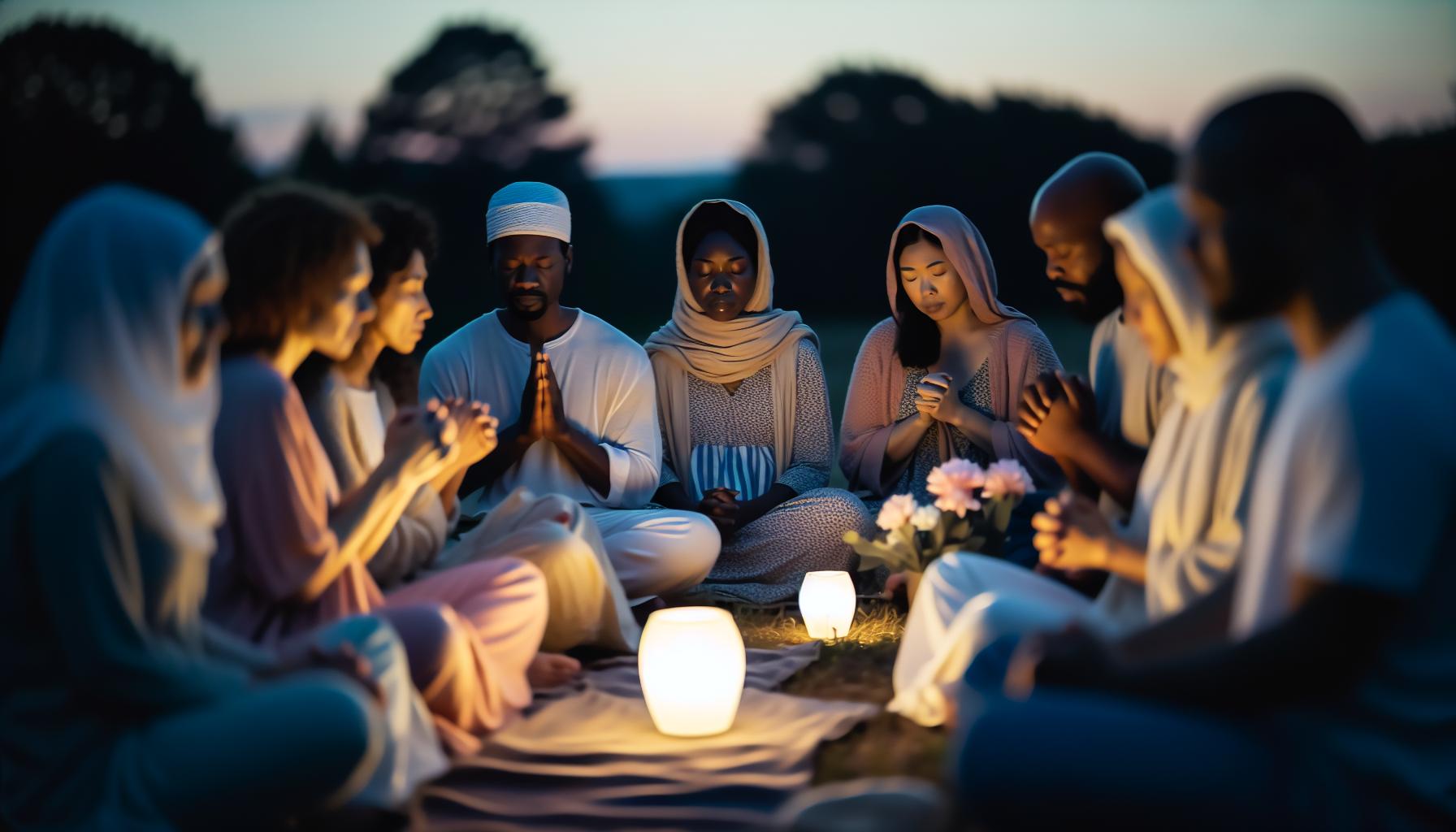
Incorporating Silence and Meditation in Prayer
Finding moments of silence and meditation amidst our busy lives can be transformative, especially as we prepare to end our day in prayer. Incorporating quiet time into your evening prayers allows for a deeper connection with God, fostering an environment where His peace can flourish. As you transition from the hustle of the day to a more restful state, embracing silence can serve as both an invitation for God’s presence and an opportunity for self-reflection.
To begin, create a designated space in your home where you can engage in this practice without distractions. This could be a cozy corner with soft lighting, comfortable cushions, or a dedicated prayer altar. As you settle into this space, take deep breaths to center your thoughts and calm your spirit. This rhythmic breathing serves not only to relax the body but also prepares your heart for meaningful prayer and meditation.
During this time of silence, you might choose to meditate on specific scriptures that bring you comfort and strength. Reflecting on verses such as Philippians 4:6-7, which encourages us to present our requests to God and promises His peace, can be particularly grounding. Allowing these words to resonate within you during your quiet moments creates a bridge for God to speak into your life. Remember that our God is a God who delights in our stillness; in these quiet spaces, He can reveal insights, offer comfort, and inspire your heart.
Additionally, after your period of silence, consider journaling any thoughts or revelations that arise. Writing them down not only captures these feelings and insights but also allows you to revisit them in the future, creating a rich tapestry of your spiritual journey. This practice of incorporating silence and meditation into your evening prayer routine not only enhances your spiritual life but also nurtures a heart attuned to God’s voice and presence, preparing you for the rest you seek at the end of each day.
Encouraging Family Prayer Time Before Bed
Creating a family prayer time before bed can enhance spiritual bonds and invite God’s presence into your home. By gathering together at the end of the day, family members can share their experiences, express gratitude, and support one another in prayer. This sacred practice not only fosters a peaceful atmosphere but also instills a sense of unity and shared purpose among loved ones.
To make this time truly special, designate a cozy area in your home where everyone feels comfortable and engaged. This could be a serene room lit softly by candles or a favorite space in the living room. Encourage each family member to bring their own thoughts or specific prayer requests. As you settle in, consider starting with a short scripture reading, which serves as an anchor for your prayers. For instance, you might read Psalm 4:8, which proclaims, “In peace, I will lie down and sleep, for you alone, Lord, make me dwell in safety.” Following this, create a circle for prayer, allowing everyone to take turns speaking their hearts.
Incorporating various elements can also enrich your family prayer time. You might include songs, a brief discussion about the highs and lows of the day, or even light a candle as a symbol of Christ’s light in your lives. Encourage even the youngest members to contribute; children’s innocent prayers can be powerful reminders of faith.
Each night can be an opportunity for gratitude and forgiveness. As part of the prayer, you might ask each family member to express one thing they are thankful for and one person they would like to forgive. This practice promotes emotional healing and helps to cultivate a forgiving spirit, aligning with Ephesians 4:32, which encourages us to “be kind and compassionate to one another, forgiving each other, just as in Christ God forgave you.”
Ending your day with intentional family prayer fosters a nurturing atmosphere filled with love and faith. By making prayer a regular part of your nightly routine, you not only deepen your individual relationships with God but also strengthen the spiritual foundation of your family. Be encouraged that these moments of togetherness can lead to profound growth and an enduring sense of peace that accompanies you all into the night.
Prayers for Gratitude and Forgiveness Each Night
Every evening presents a sacred opportunity to reflect on the day, to acknowledge God’s grace, and to prepare our hearts for peace amidst life’s challenges. Incorporating prayers of gratitude and forgiveness into your nightly routine can transform the end of each day into a sacred moment of connection with God. This practice not only fosters a deeper relationship with Him but also nurtures emotional and spiritual well-being within ourselves and our families.
To cultivate a heart of gratitude, encourage each family member to articulate at least one thing they are grateful for from that day. This simple act can help shift focus from daily stresses to the blessings that often go unnoticed. Consider keeping a gratitude journal where family members can write down their praises; this tangible acknowledgment can serve as a reminder of God’s faithfulness and goodness in your lives. Scripture encourages this mindset, as seen in 1 Thessalonians 5:18: “Give thanks in all circumstances; for this is the will of God in Christ Jesus for you.”
Equally important is the practice of forgiveness. As you gather to pray, invite each person to reflect on someone they may need to forgive or seek forgiveness from. This may include interpersonal conflicts or even personal struggles with guilt and resentment. Aligning this practice with Ephesians 4:32 can facilitate healing and peace within your family dynamic: “Be kind to one another, tenderhearted, forgiving one another, as God in Christ forgave you.” Create space for open dialogue regarding these feelings, as processing them together can strengthen familial bonds and cultivate a spirit of understanding.
Incorporating both gratitude and forgiveness into your evening prayers frames the day with a positive mindset and opens pathways to spiritual healing. As you close your prayer session, emphasize the importance of carrying these sentiments into the next day. This intentional focus lays a foundation for peaceful sleep, as you’ve offered your thoughts, burdens, and joys to God. Ending your night with this sacred practice not only prepares your hearts for the challenges of tomorrow but also deepens your family’s spiritual legacy.
How Evening Prayer Supports Spiritual Growth
Evening prayer is more than a bedtime ritual; it is a lifeline that can transform your spiritual journey. By dedicating the close of each day to prayer, individuals invite God into their nightly reflections, creating fertile ground for spiritual growth and renewal. This sacred time encourages believers to unwind, acknowledge their day’s experiences, and cultivate a deepened awareness of God’s presence in their lives. Engaging thoughtfully in evening prayers can serve as a powerful catalyst for personal development, enhancing one’s faith and relationship with God.
As you settle into the evening, consider how gratefulness and introspection during prayer facilitate spiritual progress. Taking time to thank God for daily blessings fosters joy and satisfaction, reminding us of His unwavering love and mercy. This practice not only cultivates a positive mindset but also empowers us to see beyond life’s challenges. Scripture such as Philippians 4:6-7 encourages us to present our requests to God, thus layering our prayers with trust-essential for personal growth in faith. Strengthening this connection lays a foundation for resilience, offering peace that surpasses understanding even amid trials.
Moreover, evening prayer creates an opportunity for self-examination, which is vital for spiritual maturity. Examining our actions, intentions, and emotions in the light of Scripture allows us to identify areas for growth. This practice aligns with Psalm 139:23-24, inviting God to search our hearts and lead us in His ways. By actively engaging in this reflective process, believers can turn their focus towards spiritual principles, aligning daily living with their faith values. Regular self-reflection during prayer nurtures humility and encourages believers to seek a closer relationship with God, offering a practical means to integrate faith into everyday experiences.
In addition to individual benefits, evening prayer serves as a family anchor, creating a unifying experience that can support spiritual growth among loved ones. As family members share their reflections and prayer needs, they cultivate accountability and mutual encouragement. This communal atmosphere of prayer not only strengthens familial bonds but also nurtures a shared faith journey, providing opportunities for teaching and spiritual leadership within the home. By promoting a culture of prayer, families can grow together in faith, nurture empathy, and cultivate a Christ-centered environment that supports ongoing spiritual growth.
Ultimately, the habit of evening prayer embodies a profound commitment to spiritual cultivation. It reinforces the believer’s identity in Christ, invites continual growth, and fosters a profound peace that flows from trusting God with every aspect of life. As we prioritize this sacred practice each night, we unlock doors to deeper understanding, greater purpose, and a richly woven tapestry of faith that embraces both joys and challenges.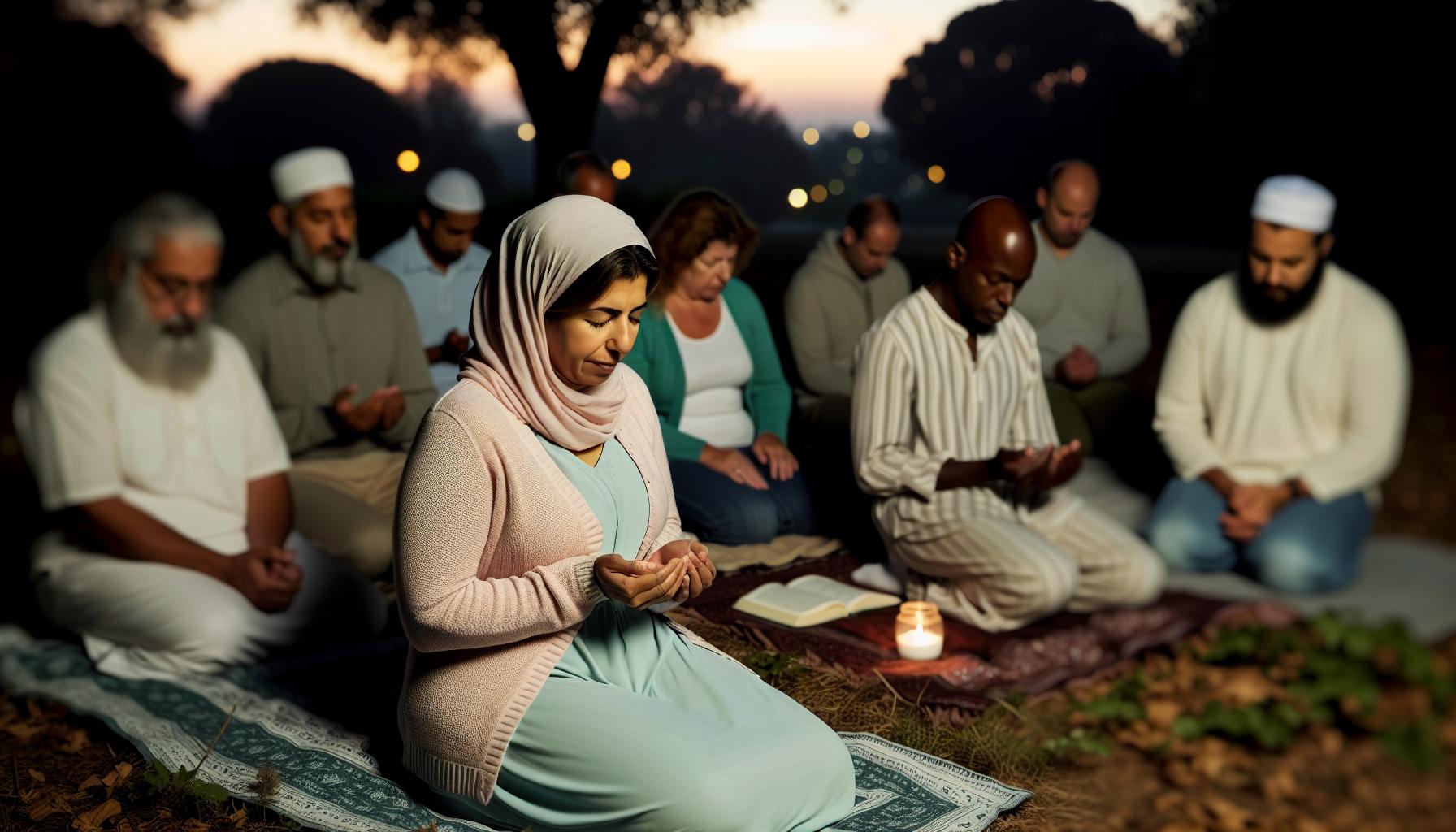
Explore Traditional Catholic Evening Prayers
Ending the day with traditional Catholic evening prayers offers not just a sense of closure, but also a profound way to connect with God as we reflect on the day’s events. These prayers serve as a spiritual anchor, allowing believers to express gratitude, seek forgiveness, and ask for protection in the stillness of the night. Engaging in this sacred practice cultivates a peace that envelops the heart, reminding us of God’s presence as we transition from the busyness of the day to restful sleep.
One of the most cherished prayers is the Night Prayer (Compline) from the Liturgy of the Hours. This prayer encapsulates a spirit of surrender and trust, encouraging us to place our worries into God’s hands. It traditionally includes passages of Scripture that inspire comfort, such as Psalm 91, which affirms God as our refuge. By integrating these time-honored traditions into your own evening routine, you can create a richer prayer experience and draw from the strength that has supported the faith community for generations.
In addition to Night Prayer, Catholics often recite the Memorare and Act of Contrition in the evening, allowing space for petitioning for the intercession of Mary and for seeking God’s forgiveness. Consider structuring your evening prayer time to include personal reflections and intentions, perhaps journaling your thoughts to encapsulate the day’s blessings and struggles. This practice not only encourages a habit of gratitude but also simplifies the process of self-examination, aligning with Psalm 139:23-24, where we invite God to “search us and know our hearts.”
Adopting traditional prayers can also foster family unity during evening worship. Gather your loved ones to share prayer intentions, read Scripture, and offer expressions of thanks, thereby reinforcing familial bonds and mutual support in faith. The shared experience can deepen relationships and promote spiritual growth, as each family member learns to articulate their faith through the lens of prayer. By nurturing this environment, you create not just a nightly ritual, but a meaningful practice that sustains and enriches your family’s spiritual journey throughout the years.
Using Evening Prayer for Mental Clarity and Peace
Using evening prayer can profoundly enhance your mental clarity and peace as you prepare for rest. At the end of a hectic day, our minds often buzz with thoughts, worries, and distractions. Engaging in the sacred practice of evening prayer helps to quiet these inner tumult, allowing us to surrender our concerns to God. This intentional act of reflection creates a balance in our spiritual lives and fosters a serene environment conducive to peaceful sleep.
One effective way to cultivate mental clarity is through structured prayer. Begin with a moment of silence to ground yourself, tuning out external noises and internal chatter. As you settle in, consider offering a prayer of gratitude, thanking God for the blessings experienced throughout the day. This practice aligns with Philippians 4:6-7, which encourages us to present our requests to God, promising that His peace will guard our hearts and minds. You might follow this with a prayer of reflection, inviting God to illuminate any areas where you felt challenged or uneasy, creating space for self-examination and insights.
Incorporating scriptural passages can also enhance your evening prayer routine. Verses such as Psalm 4:8 invite us to lay down in peace, knowing that God watches over us. Reading and meditating on these scriptures fosters trust and reassurance as you transition into sleep. You may also consider using guided prayers specifically designed for mental clarity, which often focus on peace, letting go of the day’s worries, and seeking divine guidance for tomorrow’s challenges. Such practices align perfectly with meditative methods like deep breathing, helping to lower stress levels and promote a sense of calm.
Lastly, remember that making this a family practice can deepen relational ties and enhance collective spiritual growth. Encourage family members to share their highs and lows of the day, followed by a communal prayer that encompasses these experiences. This not only provides support but also strengthens the understanding that you are not alone in your struggles. By creating an atmosphere of open dialogue and prayer, you nurture a home where faith and peace coexist, leading to a more tranquil end to each day.
Personalizing Your Evening Prayer Routine
To cultivate a meaningful and personalized evening prayer routine, it’s essential to create an atmosphere that nurtures your spirit and deepens your connection with God. Here are some practical steps to help you design a prayer experience that resonates with your unique faith journey, ensuring it becomes a cherished ritual in your daily life.
Begin by setting aside a specific time and space for your evening prayers. This could be a quiet corner of your home adorned with soft lighting, a comfortable chair, or even a cozy spot on your bed. A designated area fosters a sense of sanctity and signals your mind and body that it’s time to engage in spiritual reflection. Incorporate elements that inspire you, such as candles, religious images, or a small altar with meaningful items that remind you of God’s presence in your life.
Next, consider the format of your prayer. Personalizing this can be as simple as adding elements that resonate with you. For instance, you may choose to start your prayer with gratitude, reflecting on the day’s blessings, followed by moments of silence or meditation. As you pray, utilize scripture that speaks to your heart, and don’t hesitate to incorporate hymns or affirmations that uplift your spirit. You might find writing a journal page an effective way to express your thoughts, prayers, and reflections, making the experience more intentional.
Involve different themes for your nightly prayers to keep your routine dynamic and engaging. One night could focus on gratitude, while another may center on forgiveness or intercession for others. Here’s a simple outline you might consider:
- Monday: Gratitude for the blessings of the past week.
- Tuesday: Reflection on areas needing forgiveness-both to others and for yourself.
- Wednesday: Prayer for loved ones and community.
- Thursday: Seeking guidance for upcoming challenges.
- Friday: A celebration of the week with praise and worship.
- Saturday: Reflecting on personal growth and lessons learned.
- Sunday: A time of preparation for the week ahead.
Consider how you can engage with your family as part of your evening prayer routine. Sharing in prayer not only strengthens family bonds but also allows each member to contribute their thoughts and intentions, creating a shared atmosphere of faith. This communal aspect can be particularly powerful as it encourages everyone to articulate their experiences and seek collective peace.
Remember, the goal of personalizing your evening prayer is to cultivate a deeper relationship with Christ. Allow your routine to evolve and adapt as you grow in your faith, ensuring that it remains authentic and meaningful to your spiritual life. In this way, your evening prayers can transform into a sanctuary of peace, guiding you through the trials of each day while embodying the love and grace of God.
Frequently asked questions
Q: What are the main benefits of praying in the evening?
A: Evening prayers provide a moment of reflection and gratitude, allowing individuals to unwind from the day’s stresses. They foster a sense of peace and create a spiritual connection with God, enhancing emotional well-being and spiritual growth through practices like gratitude and forgiveness.
Q: How can I create a peaceful environment for evening prayers?
A: To create a serene space for evening prayers, choose a quiet location with minimal distractions. Use soft lighting, play calming music, or light a candle to promote relaxation. This environment can help transition your mind into a sacred space for reflection and connection with God.
Q: When is the best time to perform evening prayers?
A: The best time for evening prayers is shortly before bedtime. This aligns your mind and spirit with a calming routine, allowing you to reflect on your day and prepare for restful sleep. Establishing a consistent time each night can enhance the significance of your prayer time.
Q: What scripture can I use for evening prayers?
A: You can include scriptures such as Psalm 4:8, “In peace, I will lie down and sleep, for you alone, Lord, make me dwell in safety.” Incorporating verses like this provides grounding and reinforces themes of peace, safety, and gratitude in your evening prayers.
Q: How can evening prayers promote family bonding?
A: Evening prayers can strengthen family bonds by encouraging shared spiritual experiences. Gathering as a family to pray fosters open communication, gratitude, and love. Consider incorporating time for each member to express their thoughts or prayers, enhancing unity and spiritual growth within the family.
Q: Why is it important to express gratitude in evening prayers?
A: Expressing gratitude in evening prayers helps shift focus from stress to thankfulness, fostering a positive mindset. It invites peace and contentment, allowing you to end the day on a hopeful note. Regular gratitude practice can significantly enhance overall emotional well-being and spiritual health.
Q: How can I personalize my evening prayer routine?
A: Personalizing your evening prayer routine can involve selecting specific prayers that resonate with you, incorporating family traditions, or including personal reflections from your day. You might also use varied prayer methods, such as journaling, meditative silence, or creative expressions, to enrich your experience.
Q: What are some common evening prayers in the Catholic tradition?
A: Common evening prayers in the Catholic tradition include the “Guardian Angel Prayer” and “Night Prayer” (Compline). These prayers focus on protection and peace, helping to soothe the heart and mind as you reflect on the day and seek God’s guidance for the night ahead.
Feel free to explore sections in the article for deeper insights and practices to enrich your evening prayer routine!
Insights and Conclusions
As you conclude your day with “Evening Prayers Catholic: Ending Your Day in Sacred Peace,” remember the transformative power of prayer to bring divine peace and clarity into your life. This sacred practice not only strengthens your relationship with God but also offers a moment of reflection and gratitude. Embrace the peace that comes from surrendering your day and concerns to God, trusting that His love surrounds you as you rest.
Don’t miss out on deepening your prayer life-explore our related articles on daily devotionals and strength in faith. Sign up for our newsletter to receive uplifting content and resources tailored to enrich your spiritual journey. Engage with our community by sharing your prayer experiences in the comments below, and consider following our guidance on spiritual practices that promote a fulfilling Christian lifestyle. Together, let’s nurture our faith and encourage one another in God’s grace.