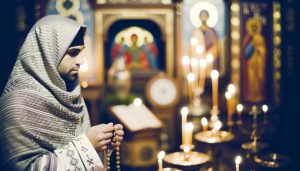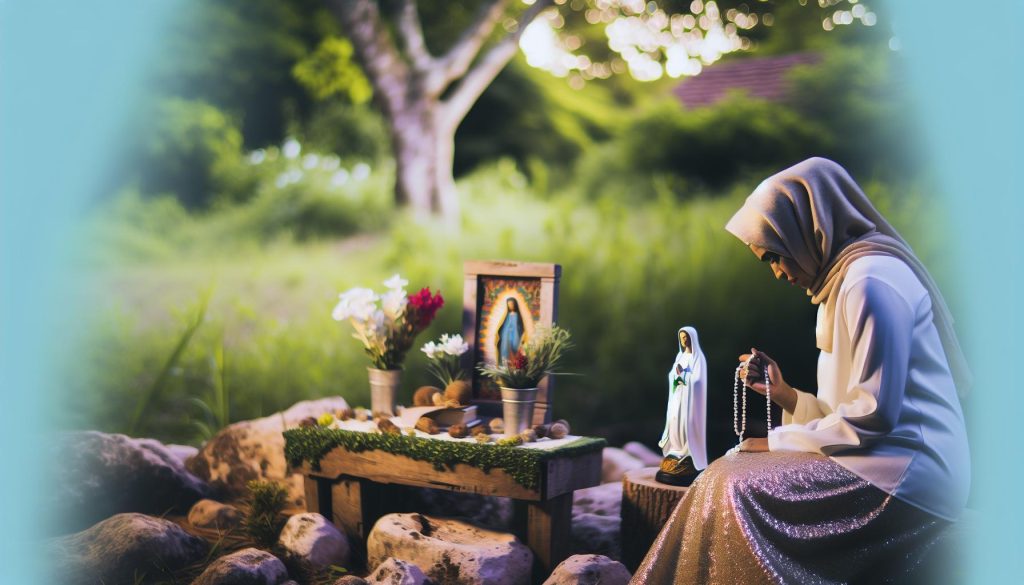
In a world filled with uncertainty and challenges, the messages of hope and mercy from the Fatima prayers resonate deeply within our hearts. Originating from the miraculous apparitions in 1917, these prayers convey Mary’s powerful intercession, reminding us of our call to conversion and the salvation of souls. Each prayer invites us to nurture our spiritual journeys, strengthening our faith amid life’s difficulties. As you explore “Fatima Prayers: Mary’s Powerful Messages for Today’s World,” reflect on the transformative power of prayer in your daily life, fostering a deeper connection with God and inspiring others. Delve into these divine teachings and discover how they can guide you toward peace, purpose, and joy in your spiritual walk.
Contents
- 1 Fatima Prayer Origins: A Journey Through History
- 2 The Message of Our Lady: Key Themes Explored
- 3 The Spiritual Significance of Fatima Prayers
- 4 How Fatima Prayers Impact Daily Life Today
- 5 Understanding Prophecies: Hope for the Future
- 6 The Role of Prayer in Spiritual Warfare
- 7 Personal Testimonies: Transformations Through Fatima
- 8 Incorporating Fatima Prayers into Daily Devotionals
- 9 Fatima and the Call to Action in Today’s World
- 10 Creating a Family Prayer Tradition Around Fatima
- 11 Mary’s Guidance: Lessons for Modern Christians
- 12 Exploring the Connection Between Fatima and the Bible
- 13 Frequently asked questions
- 14 Key Takeaways
Fatima Prayer Origins: A Journey Through History
Throughout history, the prayers associated with the apparitions at Fatima have emerged as powerful expressions of faith, built upon the urgent messages delivered by Our Lady to three shepherd children in 1917. At the heart of these prayers lies a profound call to repentance, devotion, and intercession. The “Fatima Prayer,” often recited after each decade of the Rosary, encapsulates this message succinctly: “O my Jesus, forgive us our sins, save us from the fires of hell, lead all souls to Heaven, especially those who are in most need of Thy mercy” [1]. This prayer is not only a plea for mercy but also a reminder of the spiritual battle each believer engages in as they navigate the complexities of life.
The origins of Fatima prayers can be traced back to the requests made by the Virgin Mary during her apparitions. She asked that the faithful turn to prayer, particularly the Rosary, as a means of seeking divine assistance and fostering peace in a world plagued by strife. The children, Lucia dos Santos, Francisco, and Jacinta Marto, received these revelations in a humble setting, yet their impact would resonate globally, reminding generations of the power of simple, sincere prayer.
As believers today contemplate the spiritual significance of these prayers, they discover a timeless relevance that speaks to the human experience. The call to pray for others, to seek forgiveness, and to trust in God’s mercy is as vital in contemporary society as it was in the early 20th century. By integrating these prayers into daily devotional practices, individuals can foster a deeper relationship with God and intercede for a world in dire need of hope and healing. The legacy of Fatima continues to inspire a vibrant prayer life, encouraging the faithful to reflect on their own journeys and the divine assistance available through sincere prayer.
The Message of Our Lady: Key Themes Explored
The messages delivered by Our Lady during the apparitions at Fatima resonate deeply with the struggles and hopes that individuals face today. Central to these messages is a profound call for personal conversion and a return to spiritual roots. Mary emphasized the importance of prayer, particularly the Rosary, not just as a ritual but as a lifeline to divine grace. This emphasizes the need for a consistent prayer life, which acts as a shield against the adversities and spiritual challenges of modern living.
Another key theme that emerges from Fatima is the urgent call for penitence and reconciliation. Mary urged the children to pray for sinners and highlighted the need for the faithful to seek God’s mercy. This focus on repentance resonates with biblical principles found in James 5:16, which encourages believers to confess their sins and pray for one another. In today’s world, where the pace of life can lead to spiritual complacency or distraction, the call to acknowledge our faults and seek forgiveness remains as relevant as ever. Encouraging families to embrace the Sacrament of Reconciliation can foster an atmosphere of accountability and growth in faith.
Mary’s clarion call for peace is also a significant aspect of her message. The historical context of the Fatima apparitions-during World War I-underscores the timelessness of her words. She reminded the faithful that peace begins within each heart, urging individuals to be agents of peace in their communities. In a world marred by conflict, embracing Mary’s message can inspire believers to work towards harmony, embodying the teachings of Christ in their interactions with others. Practical steps, such as community prayer gatherings or serving the less fortunate, can facilitate peace and demonstrate the living expression of faith in action.
Ultimately, Mary’s messages speak to the intrinsic need for hope in turbulent times. By reflecting on the messages from Fatima, believers can gain the strength to face daily challenges with renewed faith and purpose. Engaging with these themes through prayer, community service, and a deeper understanding of the faith can transform lives, not only enhancing individual spiritual journeys but also echoing the loving guidance of Our Lady into the wider world.
The Spiritual Significance of Fatima Prayers
The calls from Mary during the Fatima apparitions resonate with contemporary believers seeking deeper spiritual connections. Each Fatima prayer serves as a conduit of grace, inviting individuals into a richer encounter with Christ. This profound spiritual significance is encapsulated in Mary’s insistence on prayer as a remedy for the chaos of the world and a pathway to divine mercy. Through these prayers, believers find a model for engaging in personal and communal intercession, reinforcing the reality that prayer, especially as exemplified in the Fátima Prayer, holds transformative power.
At the heart of Fatima’s messages is a reminder of God’s unyielding mercy. The Fatima Prayer reflects this theme by articulating a heartfelt plea for forgiveness. This serves as an important inquiry into our own habits of introspection and confession. As Christians, embracing this element of penitence can lead to both personal healing and community restoration. It’s a practical call-encouraging moments of reflection through daily prayer, thereby promoting a consistent dialogue with God that can illuminate areas in need of growth. Believers are urged to share these insights within their families, cultivating an environment of accountability and love through regular prayer sessions.
Moreover, extends to fostering unity. In a world rife with division and conflict, Mary’s encouragement to pray for peace echoes strongly, inviting believers to become active peacemakers. Engaging with the Fatima prayers not only enhances personal relationship with God but also sends rippling waves of grace into broader communities. Taking it a step further, organizing local prayer gatherings can solidify a sense of fellowship among believers, paving the way for collective actions that echo the teachings of Christ in the world. This collective spirit amplifies hope, reminding us that prayer can lead to meaningful change, deeply rooted in faith.
Ultimately, incorporating Fatima prayers into one’s spiritual life offers a beautiful tapestry of tradition, community, and personal transformation. The simplicity and depth of these prayers galvanize efforts towards a deeper understanding of God’s love and mercy in our lives, inviting us to be vessels of that very same grace. By holding steadfast to this spirit, Christians can actively embody the messages of Fatima, allowing their faith to flourish in every aspect of their daily lives.
How Fatima Prayers Impact Daily Life Today
In a world that often feels chaotic and fragmented, the prayers revealed at Fatima provide a wellspring of hope and guidance for Christians today. These simple yet profound prayers serve not only as personal invocations to God but also as communal affirmations of faith. They encourage believers to seek divine intervention in their daily lives, emphasizing the deep significance of petitioning for mercy, peace, and healing. When incorporated into our daily routines, these prayers can shift our perspectives, creating an atmosphere of spiritual mindfulness that permeates every aspect of life.
Daily Integration of Fatima Prayers
To experience the full impact of the Fatima prayers, consider integrating them into your daily or weekly devotional practices. This could involve designating specific times for communal prayer with family or friends, thereby fostering a sense of unity and shared purpose. Each prayer not only evokes Mary’s gentle intercession but reinforces our communal bond as followers of Christ. You might choose to pray the Fatima prayers before meals, as part of evening reflections, or during special gatherings, such as family celebrations or church services. This consistent practice brings a rhythm to life that echoes the spiritual themes of reliance and grace found in scripture.
The Power of Intercession
Moreover, these prayers are uniquely positioned for intercessory roles. In moments of crisis-whether personal or within the community-invoking the Fatima prayers can rally hearts toward hope and healing. Consider organizing prayer circles or community events centered around these prayers during difficult times, such as collective grief or collective joy. The connection you foster through such gatherings mimics the early Church’s practices, where prayer not only provided solace but also catalyzed communal transformation.
Encouraging Reflection and Action
Additionally, the Fatima prayers promote a culture of reflection that can lead to action. Reflecting on the messages of Fatima encourages believers to examine their own lives and engage with the world compassionately. It challenges us to embody the love and mercy that Mary exemplifies by advocating for peace in our families and communities. Start conversations about the actionable implications of these prayers-how can they inspire changes in our daily actions to be more aligned with God’s will? Whether through volunteering, advocating for justice, or simply offering kindness, the Fatima prayers can serve as impactful catalysts for a life lived authentically in faith.
In conclusion, embracing the Fatima prayers within our daily lives serves as a dynamic tool for personal and communal spirituality. Through consistent practice, intentional community-focused prayer, and active reflection, believers can cultivate a nurturing environment that uplifts not only themselves but also those around them. This holistic approach to faith encourages a deeper relationship with God, sets a precedent for loving interactions with others, and ultimately fosters a legacy of peace and hope in today’s world.
Understanding Prophecies: Hope for the Future
The messages revealed during the apparitions at Fatima in 1917 carry profound implications for believers grappling with uncertainties in today’s world. Central to these visions is a call to repentance, prayer, and conversion, echoing the timeless relevance of prophecy. In a time when many are searching for signs of hope amidst chaos, the Fatima messages remind us that divine guidance is ever-present, inviting us into a deeper relationship with God.
Prophecies shared by Our Lady of Fatima articulated the need for prayer and penance, particularly in light of global conflicts and societal upheaval. One of the key components of the Fatima message is the assurance that through fervent prayer-especially the recitation of the rosary-believers can intercede for peace and divine mercy. This call to action is not just a passive request; it’s an encouragement to be active participants in God’s plan, emphasizing that prayer has the power to influence the course of events. By engaging in daily prayer and fostering a spirit of community, believers can become instruments of hope in their families and communities.
Moreover, there is a unique opportunity in understanding prophecies as frameworks for living out one’s faith actively. As believers gain insight into Mary’s messages, they are encouraged to reflect on their personal spiritual journeys and to respond with a commitment to conversion. Practically speaking, taking time for regular reflection on the Fatima messages can lead to transformative actions in everyday life. This might include initiating prayer groups focused on Fatima, integrating its messages into family discussions, or creating opportunities for communal acts of charity and support.
In embracing the hope that the Fatima prophecies offer, Christians are called to live lives that reflect their faith in tangible ways. Whether through personal devotionals, community outreach, or even just a kind word to a stranger, every action inspired by the spirit of Fatima can ripple out, touching hearts and making a real difference. As we carry forward these messages of hope and prophecy, we nurture not just our own faith but inspire others to find solace and purpose in their spiritual journeys, ultimately fostering an environment of love, peace, and reconciliation in a world that desperately needs it.
The Role of Prayer in Spiritual Warfare
In the ongoing battle against the spiritual forces of darkness, prayer emerges as a powerful weapon that every believer can wield. The Fatima prayers, rooted in the messages from Our Lady of Fatima, underscore the importance of addressing the hidden battles that shape our lives. Through these prayers, we invite divine protection and intercession while embedding ourselves in the providence of God, making prayer not just a ritual but a pivotal strategy in spiritual warfare.
Prayer serves as a direct line of communication with God, allowing us to seek guidance, strength, and healing in times of trial. It is through fervent prayer that we fortify our souls against despair and temptation, grounding ourselves in the peace that comes from Christ. In the context of Fatima, these specific prayers offer a framework that can enhance our spiritual resilience. As we recite the Fatima prayers, particularly the Pardon Prayer and the Salutation of the Angel, we align our intentions with God’s will and plead for mercy-not just for ourselves, but for others ensnared by sin. By doing so, we actively participate in the spiritual fight against the evils that plague our world.
Moreover, incorporating the Fatima prayers into our daily lives provides a means to transform ordinary moments into powerful acts of spiritual warfare. Consider setting aside specific times during the day to recite these prayers, whether alone or with family. This practice nurtures a community of faith, reinforcing our collective strength against the divisive forces of darkness. Furthermore, engaging in communal prayers, such as prayer groups dedicated to Fatima, can amplify our spiritual efforts, fostering unity and shared purpose as we intercede for peace, healing, and conversion.
Ultimately, is not merely about protection; it is also about transformation. As we confront the challenges of today’s world, let us remember that our prayers are both a shield and a sword, enabling us to combat negativity and despair with the light of hope and faith. By actively embracing the Fatima prayers, we not only fortify ourselves but also contribute to the broader mission of reconciliation and love in a world longing for divine intervention. In surrendering our struggles to God through prayer, we become bearers of His grace, empowered to illuminate the path for ourselves and for those around us.
Personal Testimonies: Transformations Through Fatima
The remarkable stories of transformation through the Fatima prayers resonate deeply, highlighting the profound impact of Mary’s messages in the lives of countless individuals. Many believers have shared their testimonies about how these prayers have brought about healing, peace, and a renewed sense of hope. For example, one devotee recounts how regularly praying the Pardon Prayer, “Oh my Jesus, forgive us our sins, save us from the fires of Hell…” helped them overcome a prolonged season of anxiety and despair. This prayer not only became a source of comfort but also a pivotal turning point in their faith journey, leading them to a deeper relationship with Christ and a commitment to serve others in their community.
Another inspiring testimony comes from a family who decided to incorporate the Fatima prayers into their daily routine. They began dedicating a few moments each evening to pray together, reciting the Salutation of the Angel and the other Fatima prayers. This simple act transformed their home into a place of peace and unity. They noticed that conflicts diminished, and they felt a remarkable sense of protection and guidance in their decisions. As they shared their story with others, they encouraged fellow families to embrace a similar practice, witnessing the tangible difference that consistent prayer can make in re-establishing a loving and harmonious environment.
Moreover, the Fatima prayers have been instrumental in helping individuals facing significant life challenges. A parishioner battling a terminal illness shared how praying the “Prayer of Consecration” to the Immaculate Heart of Mary provided not just solace but also a perspective shift. They found strength in surrendering their fears and pain to God, allowing them to embrace their situation with grace and hope. They became a witness to others in the hospital, sharing their transformative experience with prayer, which encouraged many to explore the Fatima prayers for themselves.
In each of these testimonies, the underlying theme is the transformative power that flows from unceasing prayer and the intercession of Mary. It serves as a reminder that through the Fatima prayers, believers can harness a deeply spiritual shield against life’s challenges while drawing closer to God’s love and mercy. As you reflect on these stories, consider how you might invite the Fatima prayers into your own life, whether through personal devotion or by nurturing a family prayer tradition, allowing Mary’s guidance to illuminate your path and inspire transformation.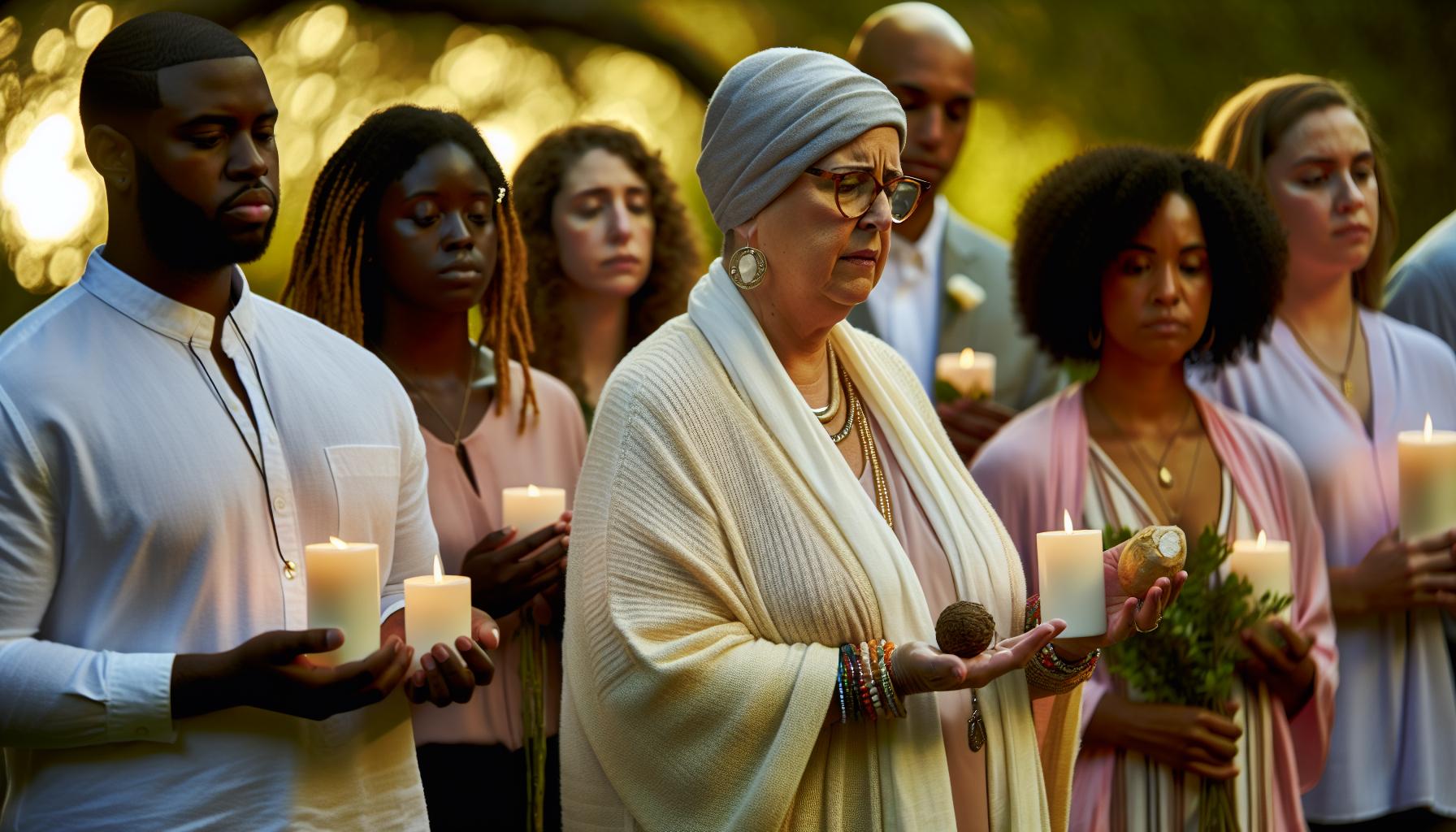
Incorporating Fatima Prayers into Daily Devotionals
Incorporating the Fatima prayers into daily devotionals can create a profound connection with God’s guidance and Mary’s intercession. By weaving these powerful prayers into your everyday routine, you open your heart to a wealth of spiritual nourishment that uplifts your spirit and strengthens your faith. These prayers, given during the Marian apparitions in 1917, are not just historical relics but living prayers that resonate with the struggles and joys of contemporary life.
To begin incorporating these prayers, consider setting aside a specific time each day dedicated to meditation and prayer. This could be early in the morning, during lunch, or in the evening when the day winds down. Establishing a routine not only helps cultivate a habit of prayer but also sets a sacred time where you can focus on your relationship with God. You might start with a simple invocation, asking for Mary’s intercession, followed by reciting the Pardon Prayer, the Angel’s Prayer, or the Fatima Prayer for Conversion.
Simplifying Your Prayer Experience
Keep your prayer time accessible by creating a structured yet flexible framework. Here are some practical steps to guide your devotion:
- Create a Prayer Journal: Document your thoughts, prayers, and any reflections on the Fatima messages. This can be a powerful way to track your spiritual growth.
- Engage with Scripture: Link the Fatima prayers with selected Bible verses that emphasize themes such as forgiveness, mercy, and hope. For example, reflecting on 1 Peter 5:7 (“Cast all your anxiety on Him because He cares for you”) while praying the Pardon Prayer can deepen your understanding of God’s love.
- Involve Family Members: Make it a family affair! Gather your loved ones for a few minutes of prayer, fostering unity and encouraging the spiritual growth of each family member. You can each take turns leading the prayers or sharing personal reflections.
- Utilize Visual Reminders: Place images of Our Lady of Fatima or prayer cards in your living space to remind you of the importance of your prayer time. This serves as an invitation to pray whenever you pass by.
Another beautifully enriching practice is praying a Rosary of Fatima, which integrates prayers from the Fatima apparitions into the traditional Rosary format. This not only deepens your meditation on the life of Christ through Mary’s eyes but also enhances your connection to the messages of Fatima.
Integrating the Fatima prayers into daily life will undoubtedly foster a deeper relationship with the Holy Spirit while encouraging you to draw upon Mary’s example of faith. As you begin this journey, approach it with an open heart, asking the Holy Spirit to guide you in your prayers. Allow these prayers to enhance your spiritual warfare, fortifying your faith in challenging times and multiplying the blessings of peace and hope available to you through Mary’s intercession.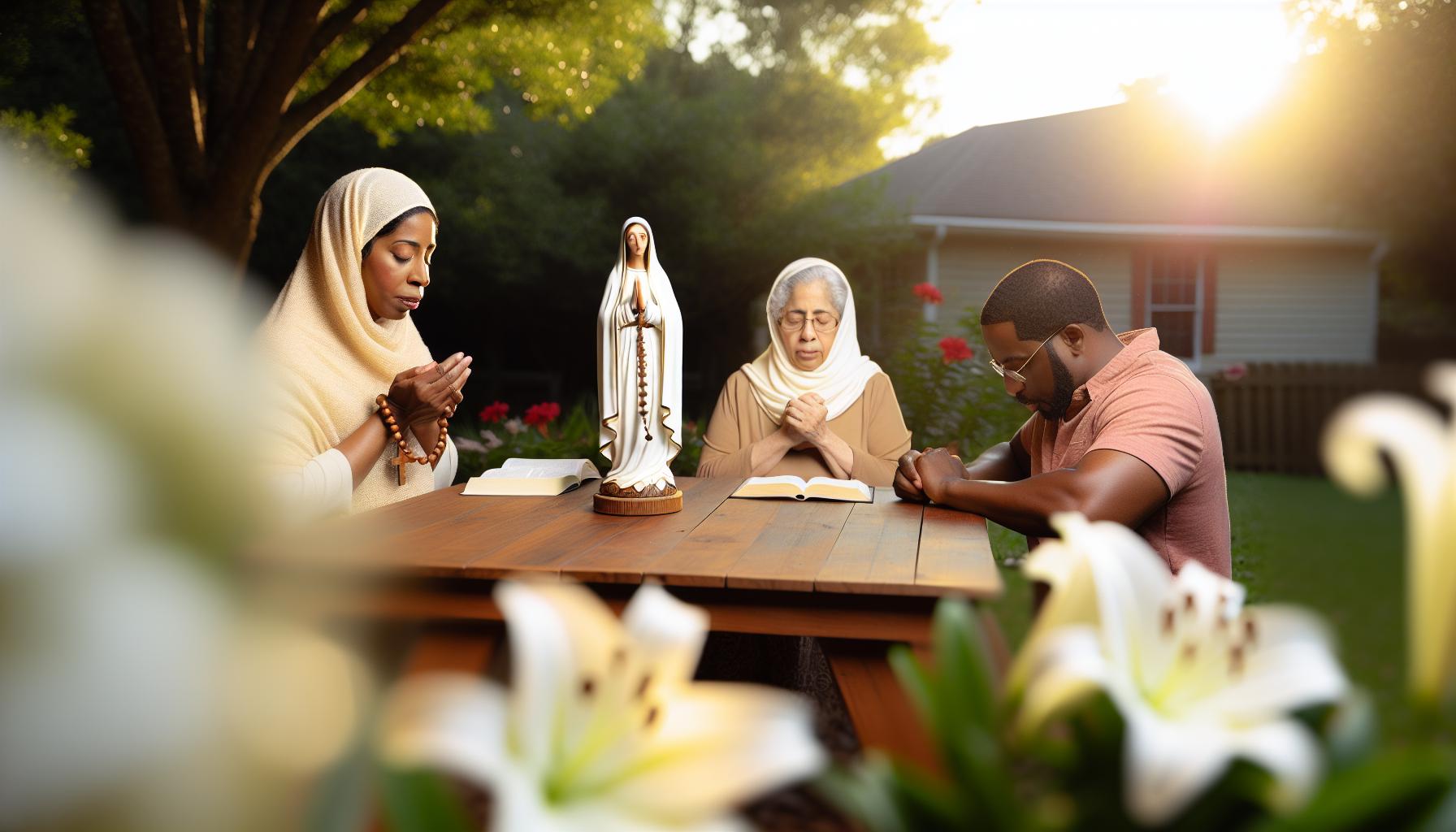
Fatima and the Call to Action in Today’s World
In a world marked by turmoil and uncertainty, the messages delivered at Fátima serve as a clarion call for action among believers. The urgent pleas from Our Lady emphasize the importance of prayer, repentance, and a commitment to living out our faith, reminding us that we each have roles in fostering peace and love in our communities. As modern Christians, it is vital that we respond to these calls not just in personal devotion, but as a collective effort to bring about transformative change in our world today.
One of the most poignant aspects of the Fátima message is its focus on prayer as a tool for healing and reconciliation. The prayers taught by Mary, particularly the Pardon Prayer and the Fatima Prayer for Conversion, remind us of our need for God’s mercy and the imperative to extend that mercy to others. Engaging actively in these prayers-whether alone or in community-can revive our spirits and focus our hearts on compassionate action. When we pray, we align ourselves with the divine purpose of love and reconciliation, reinforcing our commitment to be instruments of peace.
Additionally, the call to action transcends personal piety and extends into our daily lives. This involves promoting social justice, addressing inequities, and advocating for the marginalized. As we integrate the teachings of Fátima into our everyday interactions, we become more attuned to the needs of those around us. For example, involvement in community service, advocating for ethical practices in our workplaces, and promoting family values grounded in love and respect can embody the spirit of Mary’s messages.
Moreover, creating spaces for dialogue and understanding, whether through community gatherings or family discussions, fosters a culture of peace. As Scripture states in Ephesians 4:32, “Be kind and compassionate to one another, forgiving each other, just as in Christ God forgave you.” When put into practice, this teaches us to embrace our differences while working collaboratively toward a common good, thus acting on the messages of Fátima in explicit, meaningful ways.
By taking these steps, we not only honor the legacy of the Fátima apparitions but also unleash the transformative power of Mary’s guidance in today’s world. As we respond to her call, we embody a faith that is active and dynamic, one that seeks justice, mercy, and love in every facet of our lives.
Creating a Family Prayer Tradition Around Fatima
Incorporating Mary’s messages from Fatima into your family prayer life can cultivate a nurturing environment grounded in faith, compassion, and hope. As you and your loved ones gather in prayer, draw upon the rich tradition inspired by the apparitions of Our Lady. This practice not only deepens spiritual connections but also instills a sense of community and shared purpose. Consider establishing a dedicated time, perhaps at the end of the day or during family meals, to engage collectively in the prayers that have resonated through generations.
Creating a Fatima Prayer Routine
To facilitate a prayerful atmosphere, you can create a simple routine that might include the following:
- Choose a Specific Prayer: Select prayers like the Fatima Prayer: “Oh My Jesus, forgive us our sins…” to emphasize the themes of mercy and salvation.
- Designate a Prayer Space: Set up a small altar or prayer corner with images of Mary and other sacred symbols to create a physical reminder of your devotion.
- Involve Everyone: Assign different family members to lead the prayers on various days, encouraging everyone to participate actively.
- Reflect and Discuss: After prayers, take time to discuss the themes of the prayers and how they relate to your daily lives, fostering deeper understanding and commitment.
Integrating these elements can transform your home into a sanctuary of prayer, providing a weekly rhythm that celebrates the importance of faith in your family’s life.
Real-Life Applications
Praying together as a family not only honors the messages of Fatima but also invites God’s grace into various aspects of daily life. For instance, during challenging moments, reciting the Pardon Prayer can serve to remind your family of the importance of forgiveness and unity. You might also create special family events around significant dates related to Fátima, such as the anniversary of the apparitions, where you can pray and reflect together.
Additionally, create a tradition of candlelight prayer, where each family member lights a candle while naming someone for whom they wish to pray. This can be paired with the Fatima prayers, reinforcing the sense of support and love within your family. Through these shared experiences, you cultivate not only a personal relationship with God but also a united front of prayer that reflects the essence of Mary’s teachings-compassion, healing, and hope for the world.
By embedding Fatima prayers into your family traditions, you foster an environment that aligns with the call to action from Our Lady of Fatima, encouraging each member to live a life of faith-filled service and love.
Mary’s Guidance: Lessons for Modern Christians
In an age marked by uncertainty and moral challenges, the messages from Our Lady of Fatima resonate profoundly, offering timeless lessons for modern Christians. At the heart of these messages lies a call to repentance, prayer, and the embodiment of Christian virtues-strengths that serve as guiding lights for our daily life. Through her apparitions in Fatima, Mary emphasized the importance of turning back to God and fostering a personal relationship with Him, thereby encouraging believers to draw strength from prayer and communal worship.
Engaging with Mary’s guidance offers practical steps to enrich one’s spiritual journey. First and foremost, incorporating structured prayer into daily routines can create a strong spiritual foundation. Devotions such as the Rosary can be particularly powerful, allowing individuals and families to meditate on the mysteries of Christ’s life while simultaneously invoking Mary’s intercession. This practice not only deepens personal faith but also cultivates a spirit of family unity and a shared commitment to prayerful living. Consider setting aside specific times during the week dedicated to communal prayer or reflection on the messages of Fatima, fostering an environment where faith is openly discussed and lived out.
Moreover, the call to a life of service and compassion is another vital lesson encapsulated in Fatima’s messages. Mary urged the children of Fatima to pray for sinners and emphasized being agents of peace and love in a world fraught with conflict. Modern Christians can heed this call by actively engaging in community service, supporting charitable works, and treating others with kindness and respect, reflecting Christ’s love in tangible ways. By embodying these virtues in everyday interactions-whether through volunteerism, supporting local charities, or simply being a listening ear to someone in need-believers can translate Mary’s messages into actions that foster hope and healing in their immediate surroundings.
To fully embrace the lessons of Fatima, it’s also essential to engage with scripture and contemporary teachings to deepen understanding. Regular Bible study can provide insights into how Mary’s messages align with biblical principles, encouraging believers to explore themes such as mercy, forgiveness, and the importance of prayer. By creating a small group or study session focused on the messages of Fatima and their scriptural roots, Christians can come together in fellowship, sharing insights and experiences that invigorate their faith journey.
By weaving together these practices-structured prayer, acts of compassion, and the study of scripture-modern Christians can experience transformative growth. They can not only enhance their personal relationship with God but also contribute to a culture of faith that uplifts and inspires those around them, fulfilling Mary’s timeless call to action in today’s world.
Exploring the Connection Between Fatima and the Bible
The profound messages delivered by Our Lady of Fatima not only resonate through history but also find deep roots in the Scriptures. These connections enhance our understanding of the Marian apparitions and provide a framework for integrating Fatima’s teachings into our daily lives. The essence of Mary’s messages-an invitation to prayer, repentance, and divine mercy-mirrors significant biblical themes that have shaped the Christian faith for centuries.
One of the key biblical connections to Fatima is the theme of prayer. In her messages, Mary continuously urged the children and believers to pray, especially the Rosary, as a means of seeking peace and salvation. This echoes the teachings of Jesus, who often withdrew to pray and instructed His followers to maintain a consistent prayer life (Luke 18:1). Just as Jesus modeled the importance of prayer, Mary emphasizes its necessity, inviting us to deepen our relationship with God through consistent communion with Him.
Moreover, the call to repentance is a critical component of both the messages at Fatima and many biblical passages. The Old Testament prophets constantly urged Israel to turn back to God, echoing God’s desire for reconciliation. For instance, in 2 Chronicles 7:14, we are reminded that if we humble ourselves and pray, seeking God’s face, He will heal our land. Mary’s messages at Fatima reflect this same call to humility and repentance, urging us to pray for sinners and recognize our need for divine mercy.
Another important aspect of the Fatima message is the emphasis on the importance of hope and trust in God’s plan. In the biblical narrative, figures such as Abraham and Mary herself exemplified profound trust in God amidst uncertainty. At Fatima, Mary reassured the children and believers of God’s love and the promise of salvation, encouraging them to trust in Him even in trying times. This message serves as a reminder that faith is not passive but an active engagement in a relationship that can sustain us through life’s challenges.
To reflect on these connections, consider integrating the teachings of Fatima with regular Bible study. Creating small group discussions centered on scriptural insights and how they align with Our Lady’s messages can foster both community and deeper spiritual understanding. This dual focus can enrich prayer life and promote a more profound commitment to living out one’s faith in today’s world.
In sum, the connection between Fatima and the Bible is not just a historical curiosity but a living tradition that invites modern Christians to engage deeply with their faith. By weaving together the teachings of Mary and the truths of Scripture, believers are empowered to lead lives marked by prayer, repentance, and active trust in God’s unwavering love and mercy.
Frequently asked questions
Q: What are the main themes of the Fatima prayers?
A: The main themes of the Fatima prayers include repentance, spiritual warfare, and the call to personal holiness. They emphasize the importance of turning away from sin, seeking peace through prayer, and fostering a deeper relationship with God and Mary, which can profoundly impact daily life and spiritual growth.
Q: How can Fatima prayers be incorporated into daily life?
A: Fatima prayers can be easily integrated into daily routines by setting aside dedicated time for prayer, using specific prayers from Fatima during rosaries, or including them in family prayer traditions. For practical tips on implementation, refer to the section on “Incorporating Fatima Prayers into Daily Devotionals.”
Q: What role do the Fatima prayers play in spiritual warfare?
A: The Fatima prayers are regarded as powerful spiritual tools for protection against evil. They encourage believers to seek refuge in God’s mercy and strength, aiding them in resisting temptation and spiritual attacks. This is elaborated upon in the “The Role of Prayer in Spiritual Warfare” section of the main article.
Q: Are there any personal testimonies about the effect of Fatima prayers?
A: Yes, many personal testimonies highlight the transformative effects of Fatima prayers. Individuals often recount experiences of deeper faith, healing, and renewal in their spiritual lives. For more inspiring stories, check out the “Personal Testimonies: Transformations Through Fatima” section.
Q: How do Fatima prayers connect to biblical teachings?
A: Fatima prayers often resonate with biblical principles, such as repentance, faith, and trust in God. They encourage believers to reflect on the teachings of Jesus, making the connections clear in the “Exploring the Connection Between Fatima and the Bible” section of the main article.
Q: When were the Fatima prayers revealed, and by whom?
A: The Fatima prayers were revealed by Our Lady of Fatima and an angel to three shepherd children in 1917. These heavenly messages emphasize God’s call for conversion and the urgency of prayer, especially in our contemporary world.
Q: Why are Fatima prayers considered significant today?
A: Fatima prayers are seen as significant today due to their messages of hope and urgency amidst global challenges. They serve as reminders of God’s love and mercy, inspiring believers to engage in prayerful actions for peace and reconciliation in today’s society.
Q: How can families create traditions around Fatima prayers?
A: Families can create prayer traditions around Fatima by setting a specific time to pray together, reciting the Fatima prayers daily or weekly, and discussing the messages of Fatima. Engaging children in understanding the prayers fosters spiritual growth and community. For more ideas, see “Creating a Family Prayer Tradition Around Fatima.”
Key Takeaways
Thank you for joining us as we explored “Fatima Prayers: Mary’s Powerful Messages for Today’s World.” Remember, the transformative power of prayer can deepen your faith and guide you through life’s challenges. If you felt inspired, consider diving deeper into our resources on prayer life and Bible study, or discover parenting guidance that aligns with biblical teachings.
Act now! Subscribe to our newsletter for uplifting content delivered right to your inbox, or explore our extensive library of articles on spiritual practices and devotional insights. By engaging with these topics, you’re not only nurturing your soul but also enriching your spiritual journey.
Your voice matters! Share your thoughts, experiences, or questions in the comments below. We invite you to return often, as we continue to provide supportive and enriching content that empowers your faith journey. Together, let’s grow in our understanding and love for God’s messages in our lives.