In the sacred practice of Latter-day Saints, the sacrament prayers hold profound significance, serving as a pivotal reminder of our covenant with God. These prayers not only express our gratitude but also renew our commitment to follow Jesus Christ. They encapsulate the essence of faith, inviting individuals to reflect on their personal relationship with the Savior during each communion service.
As we participate in this sacred ordinance, it becomes more than a ritual; it transforms into a deeply meaningful dialogue with our Heavenly Father. In a world filled with distractions, the act of focusing on these sacred words can foster spiritual renewal and growth. This article will delve into the origins and significance of the LDS sacrament prayers, equipping you with insights that enhance your understanding and connection to this vital aspect of worship. Join us on this journey to discover how these sacred words can uplift your spirit and deepen your covenant relationship with Christ.
Contents
- 1 Understanding the LDS Sacrament Prayers and Their Importance
- 2 The Structure of the LDS Sacrament Prayers
- 3 Meaning Behind the Words: Exploring Sacred Intent
- 4 How Sacrament Prayers Renew Your Covenant with God
- 5 The Role of Personal Reflection in Receiving Sacrament
- 6 Tips for Truly Engaging with Sacrament Prayers
- 7 Sacrament Prayer Variations Across LDS Worship Services
- 8 Common Questions About LDS Sacrament Prayers
- 9 Encouraging Children to Appreciate Sacrament Prayers
- 10 Personal Testimonies: Transformative Power of Sacrament Prayers
- 11 Prayers of Commitment: Deepening Your Spiritual Journey
- 12 Q&A
- 13 Wrapping Up
Understanding the LDS Sacrament Prayers and Their Importance
In the context of The Church of Jesus Christ of Latter-day Saints, the sacrament prayers hold profound significance as they encapsulate the essence of covenant renewal. These prayers are not merely formalities; they symbolize a sacred interaction between the worshippers and God, establishing a powerful connection rooted in faith. The sacrament, representing the body and blood of Christ, serves as a reminder of His atoning sacrifice and invites participants to reflect on their personal relationship with the Savior. This sacred act offers an opportunity for introspection and spiritual renewal, allowing individuals to recommit to their covenant promises.
The structure of the sacrament prayers is designed with intentionality, fostering a communal spirit of worship. Each phrase holds weight, from the invocation of God as “O God, the Eternal Father” to the specific requests made for the bread and water. In these requests, members not only seek blessings upon the elements but also express a desire for those consuming them to receive spiritual nourishment and strength. By participating in this sacred ordinance, members can feel the influence of the Holy Ghost in their lives, prompting them to live more closely to Christ’s teachings and example.
To deepen this spiritual experience, personal reflection is critical. As congregation members partake of the sacrament, it is a moment to ponder personal shortcomings, seek forgiveness, and embrace the grace that Christ offers. Those moments of silent reflection can transform the sacrament from routine to life-changing, connecting believers more intimately with their Savior.
Encouraging engagement with the sacrament prayers can significantly enhance an individual’s worship experience. Families can discuss the meaning behind the prayers at home, allowing children to ask questions and develop an appreciation for this sacred practice. By grounding participation in understanding and reflection, members of all ages can create a more meaningful connection to the sacrament, turning it into a cherished highlight of their worship. Embracing this sacred act not only fulfills a commandment but also deepens one’s faith journey, renewing each person’s commitment to live in accordance with Christ’s teachings.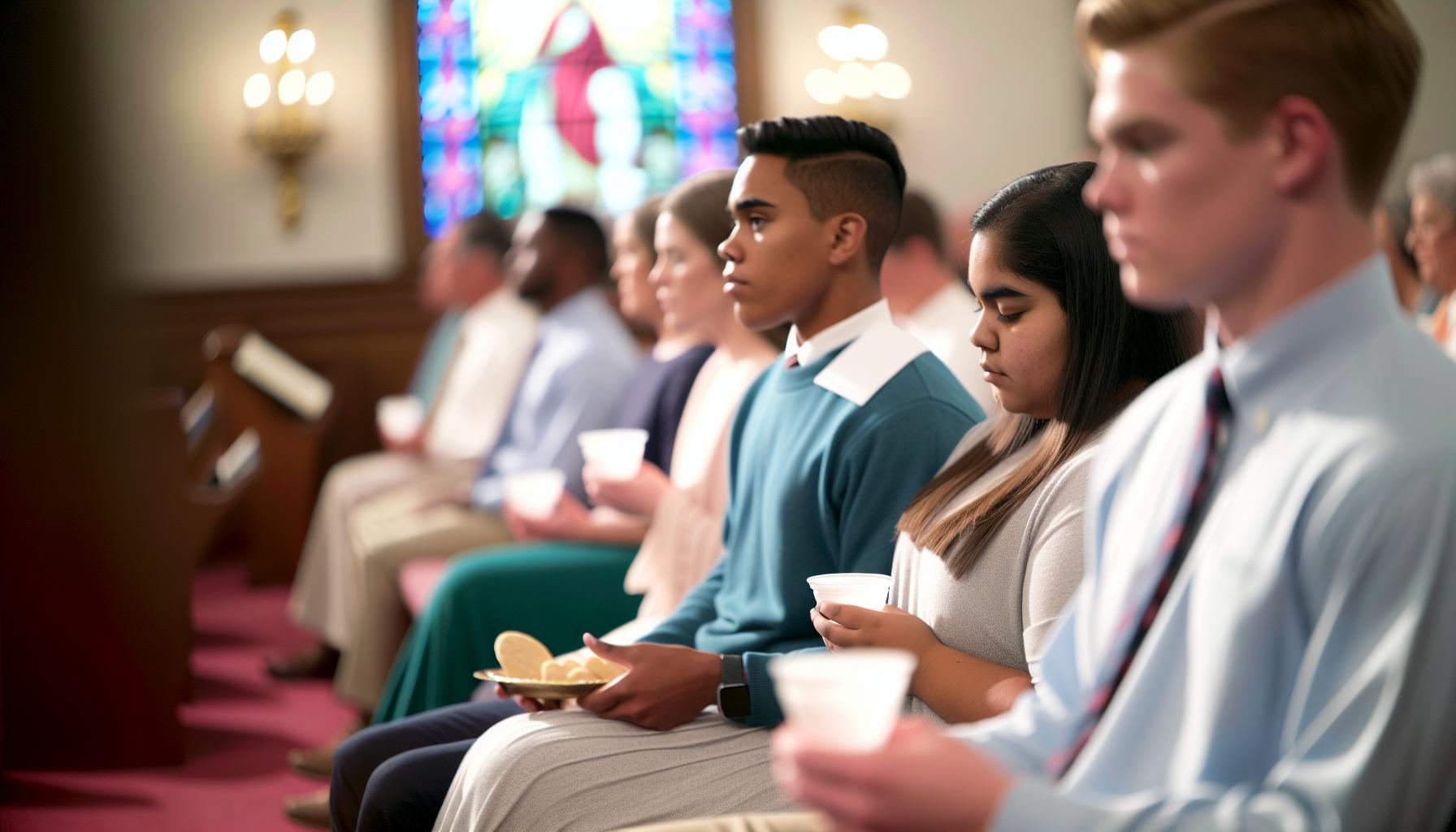
The Structure of the LDS Sacrament Prayers
The sacrament prayers within the context of The Church of Jesus Christ of Latter-day Saints are structured with a profound intentionality that enhances the worship experience and deepens the understanding of the covenant between God and His people. Each prayer consists of distinct elements that carefully articulate the purpose of the sacrament, turning a simple act of partaking into a sacred and transformative experience.
The prayers are composed of an invocation to the “Eternal Father,” which serves to remind worshippers of the divine relationship they are partaking in. This respectful acknowledgment sets the tone for the sacred act. Following the invocation, the substance of the prayers shifts to specific requests: the blessing and sanctification of the bread and water, which are symbols of Jesus Christ’s body and blood. This crucial step reflects an earnest aspiration not only for the objects being blessed but also for the hearts and souls of those participating. The wording is deliberate; when members request that the elements promote spiritual nourishment and strength, they express a desire for personal growth and divine guidance in their lives.
The structure of the prayers also emphasizes the importance of covenant renewal. Each line of the prayers guides the participants in reaffirming their commitment to follow Christ’s teachings. The phrases spoken during the prayers can become a daily reminder of the path of discipleship, encouraging members to live in accordance with Christ’s example. “We are willing to take upon us the name of thy Son” is more than a pledge; it captures the essence of what it means to be a follower of Jesus Christ. The repeated acknowledgment of Christ’s sacrifice invites the congregation into a deeper reflection on their personal covenants and the significance of discipleship.
To engage more meaningfully with the sacrament prayers, members can practice mindfulness during the service. Taking time to reflect on each phrase can transform the sacrament from a routine act into a profound moment of connection with God. When congregants thoughtfully consider the blessings sought for themselves and their fellow worshippers, they open their hearts to the influence of the Holy Ghost, facilitating a richer, more personal worship experience. This engagement not only nurtures individual spirituality but also fosters a supportive environment within the community, where shared faith acts as a catalyst for growth and discipleship.
Meaning Behind the Words: Exploring Sacred Intent
When we engage with the sacrament prayers of The Church of Jesus Christ of Latter-day Saints, we encounter a rich tapestry of meaning woven into each word and phrase. These sacred petitions do not merely serve a functional purpose; rather, they encapsulate profound spiritual truths that can elevate our understanding of Christ’s sacrifice and our relationship with God. As we reflect on the language of these prayers, we uncover layers of intent that can inspire deeper devotion and commitment to our faith.
The sacrament prayers begin with an invocation to God as the “Eternal Father,” establishing a reverent tone that calls worshipers to recognize His omnipotence and love. This acknowledgment serves as a reminder that we are entering into a sacred conversation, inviting us to approach the moment with humility and grace. Following this invocation, the prayers make specific requests for the bread and water to be blessed and sanctified. Each element symbolizes the body and blood of Christ, emphasizing the significance of His atonement in our lives. When we request that these elements “…bless and sanctify this bread,” we are not only focusing on the physical items but also seeking a transformation within ourselves, yearning for spiritual nourishment and guidance.
Furthermore, the prayers themselves articulate a commitment to discipleship, inviting us to reflect on our personal covenants with God. Phrases such as “We are willing to take upon us the name of thy Son” serve as reminders of our dedication to following Christ’s teachings. Engaging with these phrases invites a personal introspection; it challenges us to consider what it truly means to embody the spirit of the Savior in our daily lives. By pondering the weight of these words, we allow them to resonate within our hearts, renewing our purpose in our spiritual journey.
To deepen this meaningful engagement, consider incorporating personal reflection into your worship. Take moments during the sacrament to meditate on the intentions behind the prayers, allowing the Holy Ghost to bring fresh insights and revelations. This practice can transform a routine act into a profound spiritual milestone, further anchoring your faith. Ultimately, the sacrament prayers serve as not only a script to follow but also as a catalyst for personal and communal commitment, nurturing our spiritual growth as we draw nearer to God. Embrace the sacred intent found in these words, and let them guide you on your sacred journey of faith.
How Sacrament Prayers Renew Your Covenant with God
As you partake in the sacred sacrament prayers within The Church of Jesus Christ of Latter-day Saints, it becomes evident that these words not only invoke spiritual nourishment but also renew your covenant with God in profound ways. Each sacrament prayer affirms a commitment to live as disciples of Christ. When you listen to the invocation-calling upon the “Eternal Father”-there is an immediate recognition of your relationship with the divine, fostering a space where you can genuinely contemplate the significance of your faith journey.
The sacrament prayers invite you to make specific commitments alongside your fellow congregants. When you affirm the willingness to “take upon us the name of thy Son,” you are acknowledging a conscious decision to embody Christ’s teachings in your daily actions and interactions. This profound statement invites reflection on how you represent the principles of love, service, and grace in every aspect of life. In doing so, you actively engage in a relationship with the Savior, creating a cycle of renewal that strengthens your faith and commitment.
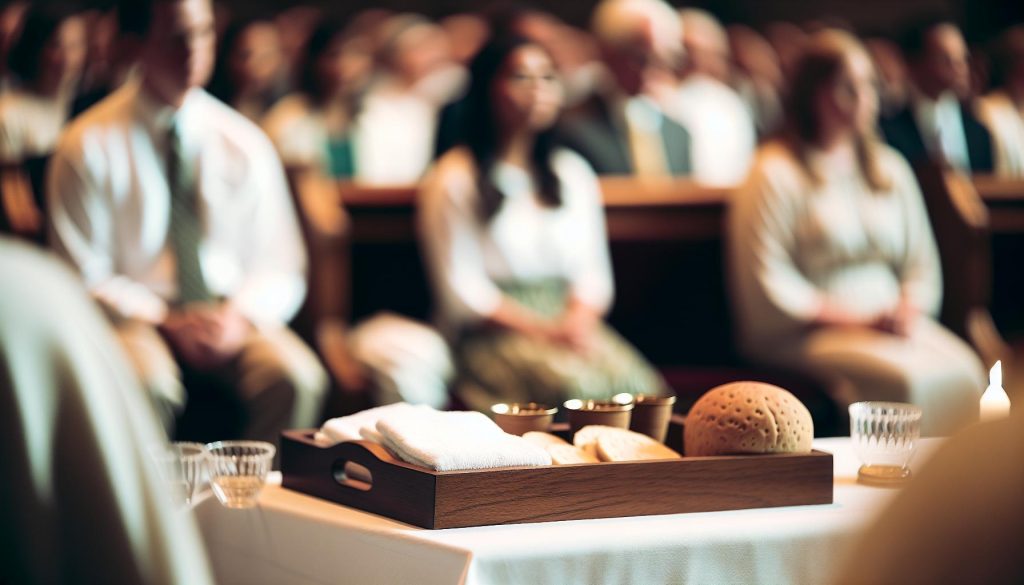
Moreover, the elements of bread and water serve as tangible symbols of this covenant. By partaking of these sacred items, you are reminded of Christ’s atonement and the profound gift of His sacrifice. This physical act becomes a powerful spiritual testament, reinforcing the promises you make to follow Him. In these moments of communion, you are not merely going through the motions; rather, you are actively participating in a divine exchange that rejuvenates your spirit and deepens your reliance on God’s grace.
Incorporating personal reflection during this sacred time can further enrich the experience. Take a moment to meditate on what the act of renewing your covenant means to you personally. Ask yourself how you can integrate the teachings of Christ into your life moving forward. This intentional engagement with the sacrament prayers ensures that the experience transcends the ritual, nurturing a deep spiritual connection that will carry you through the challenges of daily life and beyond. Embrace this journey of renewal with an open heart, allowing the sacred words to guide and strengthen your walk with God.
The Role of Personal Reflection in Receiving Sacrament
As you take part in the sacrament, engaging in personal reflection can transform the experience from a mere ritual into a deeply enriching spiritual encounter. The moment you hold the bread and water, consider the significance of each element and the covenants you are renewing. This is not just a physical act; it is a manifestation of your commitment to follow Jesus Christ, a commitment that deserves your full attention and thoughtful consideration. Reflection allows you to connect more profoundly with the sacred prayers-the blessings over the bread and water-and the promises embedded within them.
Personal reflection serves multiple purposes during this sacred time. First, it invites introspection regarding your relationship with Christ. Consider how you live out His teachings daily. Are you displaying love, kindness, and service to others? Reflecting on these questions can bring clarity and motivation to embody the principles of the gospel more fully. You may even find it helpful to write down your thoughts, intentions, or specific areas for growth to hold yourself accountable.
Additionally, taking time to meditate on the Atonement can deepen your gratitude and recognition of the Savior’s sacrifice. Musing on how Christ’s teachings impact your life prepares your heart to receive the sacrament meaningfully. As you partake, you might silently express your desires to improve and seek guidance in living a Christ-centered life. Engaging in this level of personal reflection opens a dialogue with the Lord, inviting the Holy Spirit to instruct, comfort, and inspire your journey.
Practical approaches for cultivating this reflective atmosphere could include setting aside moments of silence before the sacrament begins or finding a quiet corner in the chapel to gather your thoughts. Whether through prayer, journaling, or simply sitting in meditation, you create space to explore what the sacrament truly means for your faith. As your understanding deepens, so does your commitment to live in accordance with the promises you make. Embrace the beautiful journey of reflection as an integral part of receiving the sacrament, allowing it to enrich your spiritual life and drawing you closer to God.
Tips for Truly Engaging with Sacrament Prayers
Engaging meaningfully with sacrament prayers can significantly enrich your spiritual experience during this sacred ordinance. These prayers are not merely words recited; they encapsulate profound promises and principles that can guide you through your faith journey. To truly connect with these prayers, it’s essential to cultivate an intentional approach that fosters reflection and reverence.
Prepare Your Heart and Mind
Before the sacrament begins, take a moment to center your thoughts and emotions. Find a quiet space, whether it’s your pew or a designated spot in the chapel, and give yourself time to settle. Close your eyes, take a few deep breaths, and invite the Holy Spirit to be with you. This preparation can help clear away the distractions of the week and allow you to focus on the sacredness of the moment. As you listen to the sacrament prayers being offered, try to visualize the Savior’s Atonement and how it relates personally to you.
Reflect on the Meaning of the Words
As the words of the prayers are spoken, meditate on their significance. For example, when you hear the words “to bless and sanctify this bread,” contemplate what it means for something ordinary to become a symbol of Christ’s body. This understanding deepens your appreciation of the sacrament itself. Consider keeping a journal where you can write down your thoughts about each sacrament meeting, noting insights you receive about the prayers and how they apply to your life. This practice can enhance your understanding and retention of spiritual truths.
Embrace a Spirit of Gratitude
During the sacrament, allow yourself to express gratitude for the Savior and the gifts of grace and redemption He offers. A thankful heart opens the door to deeper revelations and encourages a sense of peace. You might find it helpful to think of specific instances in your life where you have felt God’s love or guidance, making this season of reflection personal and poignant. Gratitude not only enriches your experience but also aligns your heart with the sacred commitments you are making.
Incorporate Personal Commitments
Finally, use the time following the sacrament to make personal commitments to live out the teachings of Christ more fully. After partaking of the bread and water, reflect on your behavior over the past week. Consider what things you might want to improve and pray for strength to uphold those commitments. Whether it’s increasing your acts of service, showing more love in your family relationships, or deepening your study of the scriptures, setting specific goals can transform the sacrament from a routine observance into a motivational force in your life.
By applying these strategies, you can enhance your connection to the sacrament prayers, fostering a more enriching experience that draws you closer to Christ and His teachings. Each time you partake, you have the opportunity to reaffirm your commitment to follow Him, receiving the spiritual nourishment necessary for your journey.
Sacrament Prayer Variations Across LDS Worship Services
In the diverse tapestry of worship services within the LDS Church, sacrament prayers stand as a reverent anchor. While the core prayers themselves remain consistent, variations may arise from cultural practices, local customs, and the unique spiritual environments of different congregations. These adaptations not only reflect the importance of the sacrament but also highlight how members engage with this sacred ordinance in a way that feels sincere and meaningful to their community.
One common variation is the language used during sacrament prayers. While the official text is always adhered to, the tone, pacing, and even accompanying hymns can add layers of personal touch. For instance, some congregations may incorporate specific hymns that thematically resonate with the season or the messages from recent worship services. This coupling creates a unified worship experience, enhancing the power of the sacrament. Additionally, some congregations may choose to have members share brief reflections or testimonies before taking the sacrament, allowing for a more personalized and communal experience.
In areas with a cultural emphasis on communal worship, the sacrament prayers may be accompanied by communal rituals that express gratitude or a wish for healing. For example, congregations in regions with strong intergenerational ties might include an expression of thanks for tradition and family, echoing a broader commitment to uphold shared values. This reflects the understanding that sacrament isn’t just an individual experience; instead, it’s a shared moment of covenant renewal amidst a community of believers.
Furthermore, variations can occur when sacrament services are tailored to meet specific needs-such as youth or family services-where additional prayers or reflections may be included to foster spiritual growth among younger members. These adaptations are designed to help participants of all ages understand the significance of the sacrament and encourage them to engage actively with the prayers.
Ultimately, these variations in sacrament prayers across LDS worship services serve as a reminder that, while the words of the prayers themselves are sacred and prescribed, the ways in which they are offered can vary widely. Each congregation’s approach contributes to a rich tapestry of faith expression, supporting a communal journey toward renewal and covenant commitment in the context of shared belief. Harnessing the spirit of these variations can foster deeper connections-both with God and within the community-encouraging all to partake fully in the transformative power of these sacred words.
Common Questions About LDS Sacrament Prayers
Understanding the essentials of sacrament prayers in the LDS faith can enhance your spiritual journey and deepen your connection with God. Many individuals come to sacrament services with questions that reflect their eagerness to fully engage in this sacred ordinance. Addressing these common inquiries can provide clarity and encouragement not just for newcomers, but for seasoned church members as well.
One prevalent question is, “What is the purpose of the sacrament prayers?” The sacrament prayers are dedicated moments where worshippers ask God to bless and sanctify the bread and water, representing the body and blood of Christ. This act serves as a profound reminder of Jesus’ sacrifice and a renewal of personal commitments to follow Him. By participating in this ordinance, individuals express their faith and acknowledge their ongoing need for spiritual sustenance.
Another frequent inquiry revolves around “How should I prepare for taking the sacrament?” Preparation is crucial for a meaningful experience. This can include personal reflection, prayer, and repentance prior to the sacrament service. Engaging in these practices allows participants to approach the ordinance with a heart ready to receive blessings and renewal. Additionally, focusing on the significance of the sacrament during the service-such as through meditation on the sacrament prayers-can amplify the spiritual impact of this experience.
Many also ask about “How can I teach my children about the importance of sacrament prayers?” Introducing young ones to the sacraments and their prayers is essential for fostering a lifetime of faith. Parents might consider discussing the meaning of the prayers in an age-appropriate manner, perhaps even using simple language to explain how the sacrament symbolizes Jesus’ love for us. Involving children in family discussions about these topics and inviting them to share their thoughts can create an enriching experience. Engaging them in simple activities, like drawing pictures related to the sacrament, may also help reinforce its significance.
Finally, individuals often wonder about “What if I feel unworthy to partake?” It’s important to remember that the sacrament is an opportunity for healing and forgiveness. President Gordon B. Hinckley once encouraged members to participate, stating that the sacrament serves not only those who have lived perfectly, but also those who seek to improve. Seeking guidance from church leaders can provide additional support in navigating feelings of unworthiness.
By addressing these questions, individuals can cultivate a more profound appreciation for sacrament prayers, strengthening their spiritual commitments and enhancing their journey of faith. Embracing the sacred moments of the sacrament can ultimately lead to transformative experiences within the LDS community and one’s personal life.
Encouraging Children to Appreciate Sacrament Prayers
To instill a deep appreciation for sacrament prayers among children, it’s essential to weave engaging stories and meaningful experiences into their learning. Children are influenced greatly by the example set by their parents and leaders, so demonstrating the importance of the sacrament in your own life provides a powerful foundation. Share personal stories of how partaking of the sacrament has helped you spiritually, perhaps by discussing moments when the prayers brought comfort during difficult times or led to increased understanding and love for Jesus Christ.
Practical Steps to Teach Children
- Use Visual Aids: Create a visual representation of the sacrament prayers, perhaps through colorful charts or artwork. Encourage your children to participate in creating these materials, which can make the learning process interactive and fun.
- Discuss the Symbolism: Break down the meaning of the bread and water, relating them to Jesus Christ’s sacrifice. Use simplified language to explain that when we take the sacrament, we remember His love and teachings.
- Incorporate Family Devotions: Dedicate a few moments during family home evening or prayer times to discuss the sacrament. Use scripture references, perhaps drawing from Moroni 4 and 5, to ground conversations in their scriptural context.
- Encourage Reflection: After taking the sacrament, invite your children to share their thoughts and feelings. Ask open-ended questions to facilitate dialogue about what the prayers mean to them.
Creating Lasting Memories
Encourage your children to think of ways they can celebrate the sacrament outside of church services. This could be through creating a family tradition on sacrament Sundays, such as a special breakfast that focuses on gratitude and reflection on Jesus Christ. Small gestures like these reinforce the significance of the sacrament and provide a nurturing environment to discuss and appreciate its sacred nature.
Incorporating music can also enhance their experience. Singing hymns or primary songs related to the sacrament helps solidify these concepts in a joyful manner. If your children are musically inclined, encourage them to perform meaningful songs during family gatherings or church events, thereby reinforcing the importance of the sacrament prayers in memorable ways.
By actively engaging your children in understanding sacrament prayers, you create a rich tapestry of faith that grows over time. This approach nurtures a lifelong appreciation for sacred moments, encouraging them to see the sacrament as not just a ritual, but a personal connection to Jesus Christ and their families.
Personal Testimonies: Transformative Power of Sacrament Prayers
Experiencing the sacrament is more than a weekly ritual; it’s a transformative spiritual journey that can deeply impact one’s faith. Many members of The Church of Jesus Christ of Latter-day Saints reflect on how the sacrament prayers have brought clarity to their lives and provided comfort during trials. The act of partaking in the bread and water, combined with the sacred prayers, invites personal connection with the Savior, acting as a catalyst for renewed commitment and spiritual growth.
Personal testimonies about the power of sacrament prayers often emphasize their role in renewing covenants. For instance, individuals may recount moments in their lives where the sacrament served as a turning point-an opportunity to lay down burdens, seek forgiveness, and align their actions with their faith. Sharing these testimonies can not only strengthen individual faith but also uplift and inspire others in their spiritual journeys. It’s common for believers to express gratitude for the renewed sense of peace and purpose that envelopes them as they absorb the significance of the prayers. Many report feeling a closer connection to Jesus Christ, as if His love and sacrifice become tangible during those sacred moments.
The interactive aspect of sacrament prayers also nurtures a deeper understanding for many, particularly when members actively engage in reflective practices. This could include journaling thoughts during or after partaking of the sacrament, allowing individuals to articulate their feelings and realizations. Such practices can help clarify how the prayers resonate with personal trials, dreams, and aspirations. Encouraging others to open their hearts and minds during these moments can greatly enhance spiritual accessibility, making the sacrament a truly transformative experience for all.
To fully embrace the power of sacrament prayers, one can also consider creating a routine that emphasizes reflection prior to attending services. This could involve prayerful preparation, contemplating the meaning of the bread and water, or scriptural study related to the sacrament. Building this personal ritual not only enriches the experience for oneself but also sets an example for family members, inviting everyone to appreciate the deeper significance of these sacred observances. Through each prayer and cup, the sacred words allow us to reconnect with God’s promises, cultivating an enduring relationship with the divine that enriches our lives.
Prayers of Commitment: Deepening Your Spiritual Journey
Experiencing the sacrament is an opportunity for profound reflection, drawing hearts closer to the Savior. The act of partaking in the bread and water, accompanied by sacred prayers, serves as a moment of commitment-deepening your spiritual journey and renewing your covenants with God. These prayers are not mere words; they embody a promise to follow Christ, acknowledge His sacrifice, and strive to align your life with His teachings.
To enhance this experience, consider making a conscious effort to engage with the prayers on a personal level. Reflect on how each phrase relates to your life, your struggles, and your aspirations. As you hear the words, “that they may eat in remembrance of the body of thy Son,” think about what that means for you. Contemplate areas where you need guidance or healing and allow the spirit to whisper truths to your heart.
Incorporating preparation into your routine can also enrich this commitment. Engage in prayerful conversation with God before attending services, asking Him to open your heart to the messages conveyed. Bring a journal to jot down thoughts, feelings, or inspirations that arise during the sacrament. This practice fosters a deeper awareness of your connection to the Savior and can reveal personal insights that may have otherwise gone unnoticed.
Connecting this moment to real-life applications is essential. After the sacrament, discuss with family or friends how the experience impacted them. Share insights and commitments you’ve made and encourage one another to uphold these sacred promises. By creating an atmosphere of openness and vulnerability, you nurture a community of faith that uplifts and strengthens everyone involved, turning the sacrament into a transformative ritual that not only renews your covenants but deeply enriches your spiritual path.
Q&A
Q: What are the main elements of LDS Sacrament Prayers?
A: The LDS Sacrament Prayers consist of two primary prayers: one for the bread and one for the water. Each prayer asks God to bless and sanctify these elements for the souls of the congregation, emphasizing the importance of remembering the sacrifice of Jesus Christ.
Q: How do LDS Sacrament Prayers help strengthen personal faith?
A: LDS Sacrament Prayers serve as a reminder of Christ’s atonement and invite personal reflection on one’s covenant with God. Engaging with these prayers can deepen your spiritual connection and enhance commitment to live according to Christ’s teachings.
Q: Are there scriptural references for LDS Sacrament Prayers?
A: Yes, the sacrament prayers are derived from the Book of Mormon, specifically Moroni 4:3 and 5:2, where the specific words taught by Jesus are recorded. These scriptures highlight the significance of the prayers in the covenant relationship with God.
Q: What is the purpose of personal reflection during Sacrament?
A: Personal reflection during Sacrament allows individuals to assess their lives, seek forgiveness, and renew their commitment to God. This contemplative practice enhances the spiritual experience and strengthens one’s resolve to follow Jesus Christ.
Q: How can families involve children in understanding Sacrament Prayers?
A: Families can engage children by explaining the meaning behind the words of the Sacrament Prayers, encouraging them to share their thoughts, and helping them participate in the prayer process. This instills a sense of importance and reverence for the sacrament.
Q: What transformations have people experienced through Sacrament Prayers?
A: Many individuals report profound spiritual renewals and a greater sense of peace after participating in Sacrament Prayers. These experiences often lead to a deeper understanding of Christ’s love and a commitment to live with greater faith and purpose.
Q: How often should Sacrament Prayers be recited in worship?
A: Sacrament Prayers are recited weekly during Sunday services of The Church of Jesus Christ of Latter-day Saints. This regular observance helps members consistently renew their covenants and reaffirm their commitment to follow Christ.
Q: Can Sacrament Prayers vary between different LDS congregations?
A: While the format of the Sacrament Prayers remains standardized across The Church of Jesus Christ of Latter-day Saints, local traditions and emphasis may vary. Each congregation may highlight different aspects of the prayers during their sacramental services.
Wrapping Up
As you reflect on the profound nature of the LDS sacrament prayers, remember that these sacred words not only connect us to Christ but also renew our commitments to His teachings. By incorporating these prayers into your life, you’re not just participating in a ritual; you’re embracing a transformative covenant that strengthens your faith and enhances your spiritual journey. Don’t let this moment slip by-take the next step!
Explore related teachings on enhancing your prayer life and deepening your understanding of sacramental worship. Check out our resources on scriptural insights, or discover how prayer can uplift your marriage and parenting. Join our community; subscribe to our newsletter for ongoing inspiration and practical guidance, and feel free to share your thoughts in the comments. Your journey towards a more profound relationship with God starts now-let’s walk together in faith!