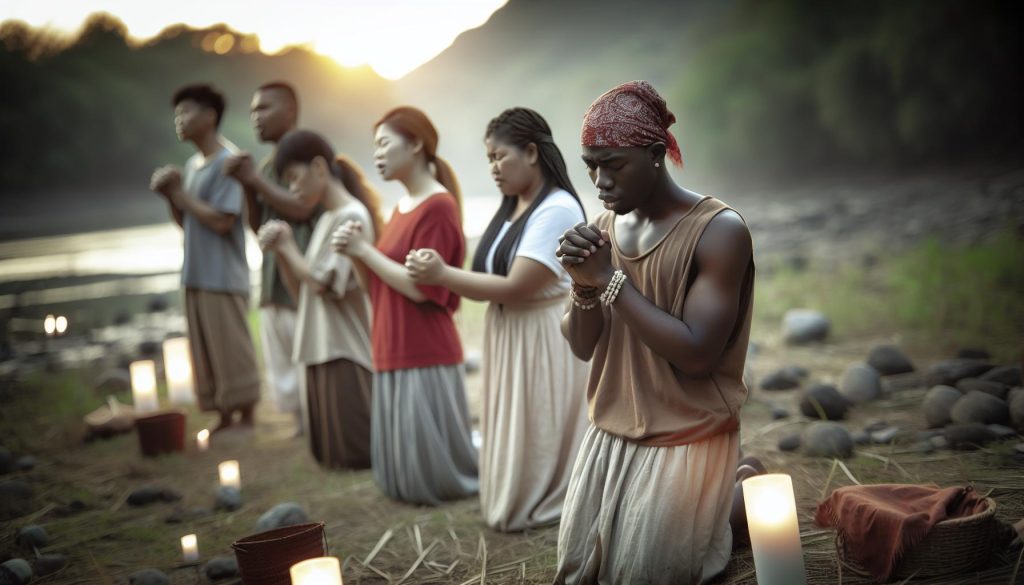
In a world where challenges often feel overwhelming, prayer emerges as a powerful weapon of spiritual warfare. “Prayerful Strike: When Intercession Becomes Spiritual Warfare” explores the profound impact of intercessory prayer, emphasizing its role in fighting unseen battles. Engaging in focused prayer can transform our lives, offering not only peace but also divine intervention in dire circumstances.
As believers, we face daily spiritual struggles that can leave us feeling isolated and weak. Yet, through the act of intercession, we tap into God’s strength and authority, fostering a connection that empowers us to advocate for ourselves and others. This journey not only nurtures our spiritual growth but also equips us with the tools to combat negativity and despair. By understanding the significance of prayerful intercession, you’ll discover how to navigate spiritual challenges effectively, gaining confidence and resilience. Dive deeper with us as we unlock the mysteries of this vital aspect of faith, encouraging a more vibrant and impactful prayer life that resonates with the heart of God.
Contents
- 1 Prayer Foundations: Understanding Intercessory Prayer
- 2 The Nature of Spiritual Warfare in Prayer
- 3 Biblical Examples of Prayerful Warfare
- 4 Identifying Spiritual Strongholds in Our Lives
- 5 The Role of Faith and Authority in Intercession
- 6 Powerful Prayer Strategies for Spiritual Battles
- 7 How to Equip Yourself for Spiritual Warfare
- 8 Praying in Agreement: The Power of Community
- 9 Overcoming Doubt and Discouragement in Prayer
- 10 The Transformative Impact of Prayer on Relationships
- 11 Cultivating a Lifestyle of Continuous Intercession
- 12 Celebrating Victories in Spiritual Warfare Through Prayer
- 13 Q&A
- 14 Final Thoughts
Prayer Foundations: Understanding Intercessory Prayer
When engaging in intercessory prayer, believers step into a sacred role that transcends mere communication with God. This form of prayer stands at the intersection of compassion and spiritual warfare, as it seeks divine intervention not only for ourselves but also on behalf of others. In essence, intercessory prayer is an act of love, loyalty, and dedication, dedicated to addressing the needs of those around us while simultaneously confronting the spiritual forces that oppress them.
Understanding the purpose of intercessory prayer is vital. It is often rooted in the biblical principle that we are to bear one another’s burdens, as articulated in Galatians 6:2. This active approach to prayer reflects the heart of Christ, who intercedes for us before the Father (Romans 8:34). Through prayer, we invite God’s power and presence into the lives of those we lift up, creating a divine partnership where heaven’s intervention becomes possible on earth.
Intercessory prayer also requires a keen awareness of spiritual dynamics at play. Believers must recognize that prayer is not merely a recitation of wishes; it is a powerful weapon in spiritual warfare. Ephesians 6:12 reminds us that we do not wrestle against flesh and blood, but against spiritual forces. By acknowledging this reality, intercessors can pray with authority and clarity, calling upon God’s promises to dismantle strongholds and heal wounds within individuals and circumstances.
It is essential to cultivate an attitude of faith when approaching intercessory prayer. At times, doubt may infiltrate our hearts, causing us to question the potency of our prayers. Yet Mark 11:24 encourages us to believe that we have received what we ask for in prayer. This confidence not only empowers our petitions but also enhances our relationship with God, fostering a lifestyle where prayer remains a daily priority. By grounding our intercession in scripture and faith, we align ourselves with God’s will, ensuring our prayers are effective and transformative.
The Nature of Spiritual Warfare in Prayer
In the realm of spiritual growth and intercession, understanding elevates the experience from mere petitioning to a potent confrontation against unseen forces. Throughout scripture, believers are reminded of a reality that stretches beyond the physical realm, where spiritual battles are fought daily. When we engage in prayer on behalf of others, we take part in a divine strategy that aligns with God’s plan to overcome darkness with His light.
Recognizing that prayer is a spiritual weapon is crucial for effective intercession. Ephesians 6:10-12 provides a powerful reminder: “For we do not wrestle against flesh and blood, but against principalities, against powers, against the rulers of the darkness of this age, against spiritual hosts of wickedness in the heavenly places.” This understanding transforms how we approach prayer; it becomes an act of warfare rather than simply asking for blessings. As intercessors, we are called to combat the spiritual forces that bind others, asking God to break chains of sin, sickness, and despair.
To equip ourselves for these battles, it’s essential to personalize our prayers with both scripture and faith-driven declarations. When interceding for someone facing difficulties, you might pray, “Lord, you promise in Isaiah 54:17 that no weapon formed against us shall prosper. I claim this truth for [Name] today.” This infusion of God’s word empowers your prayer, enforcing the authority that comes from Scripture. Using specific verses related to healing, deliverance, or peace can effectively target the strongholds in someone’s life and provide a foundation for your prayer.
Moreover, fostering a prayer community enhances our ability to engage in spiritual warfare. When we come together in agreement, our collective faith intensifies the impact of our prayers. As Matthew 18:19-20 states, “Again I say to you that if two of you agree on earth concerning anything that they ask, it will be done for them by My Father in heaven.” The power of community brings forth a united front against spiritual opposition, ensuring that burdens are shared, and the strength of collective prayer resonates.
In conclusion, understanding invites all believers to step into their roles as intercessors with confidence. By harnessing God’s promises, practical strategies, and the strength of community, we can effectively wage war against the spiritual forces that seek to undermine God’s plans for our lives and the lives of others. Embrace this transformative journey of prayer, for it is through intercession that we may witness the profound love of Christ prevailing in the lives around us.
Biblical Examples of Prayerful Warfare
Throughout the Bible, there are profound examples of individuals engaging in prayerful warfare, illustrating the power of intercession against spiritual strongholds. One of the most striking illustrations can be found in the story of Nehemiah. Faced with the daunting task of rebuilding the walls of Jerusalem amidst opposition, Nehemiah not only took action but also devoted himself to fervent prayer and fasting. In Nehemiah 1:4-6, we see him crying out to God, confessing the sins of Israel and pleading for favor. His passionate prayers not only fortified his resolve but also prepared the way for the success of a seemingly insurmountable challenge, melding faith with action in a spiritual battle.
Another powerful account is seen in the life of Moses during the battle against the Amalekites (Exodus 17:8-13). As long as Moses held up his hands in prayer, Israel prevailed. When his hands grew weary, they began to falter. This story teaches us the importance of persistent prayer in spiritual warfare. Moses’ experience underscores the need for both support and perseverance in prayer, as he had Aaron and Hur to lift his hands when he could no longer do so on his own. Together, they symbolized the strength found in community, demonstrating that effective intercession sometimes requires the assistance and partnership of fellow believers.
The New Testament also presents compelling narratives of intercessory warfare, particularly through the prayers of Jesus. In Luke 22:31-32, Jesus tells Peter, “Satan has asked to sift you as wheat. But I have prayed for you, Simon, that your faith may not fail.” Here, Jesus illustrates how intercessory prayer can serve as a shield against impending spiritual assaults. His example encourages us to engage in prayer on behalf of others, particularly during their most vulnerable moments, thereby participating in God’s redemptive work.
Ultimately, these biblical instances remind us that intercessory prayer is a dynamic force in the battle against spiritual adversity. They call us to stand firm, confident in the knowledge that our prayers can influence outcomes, not only in our lives but also in the lives of those we are called to love and support. In each account, prayer transcends mere words-it is an act of warfare and an expression of faith that can dismantle strongholds, encourage the weary, and foster a community of believers ready to take on the challenges before them. Engaging with these examples equips us with the understanding that, as intercessors, we wield the sword of the Spirit to enact change and claim victories in both personal and communal realms.
Identifying Spiritual Strongholds in Our Lives
Recognizing spiritual strongholds in our lives can be a profound exercise that not only enhances our personal faith journey but also enhances our capacity for effective intercession. Spiritual strongholds are deeply entrenched thoughts, patterns, or beliefs that oppose God’s truth and can manifest as fear, anger, addiction, or ongoing sin. These strongholds can impoverish our spiritual lives, creating barriers to the intimate relationship God desires with each of us. They are often rooted in past experiences, traumas, or lies we’ve believed, making it essential to uncover and confront them in the light of prayerful intercession.
Identifying these strongholds begins with self-reflection and prayer. Ask God to reveal areas in your life where you feel stuck or defeated. Are there recurring thoughts that lead to discouragement or temptation? Perhaps they take the form of negative self-talk or an inability to forgive. As Paul notes in 2 Corinthians 10:4-5, we are equipped with divine power to demolish strongholds and take every thought captive to Christ. This scriptural foundation reminds us that prayer is not passive; it involves actively engaging with our struggles through the lens of faith.
Steps to Identify Strongholds
- Prayerful Reflection: Spend time in prayer, inviting the Holy Spirit to search your heart. Psalms 139:23-24 is a great starting point for this process.
- Biblical Meditation: Meditate on scriptures that encourage liberation and healing. Verses such as Isaiah 61:1 remind us that God has come to set us free.
- Journaling: Write down your thoughts and feelings. Sometimes, articulating your struggles can reveal patterns of thought that keep you bound.
- Seek Counsel: Share your struggles with a trusted friend or spiritual mentor. They can provide insights or prayers that may help you see your situation more clearly.
Once we identify these strongholds, it’s crucial to confront them with the truth of God’s Word and the power of prayer. For instance, if fear is a stronghold in your life, Romans 8:15 reminds us that we have not received a spirit of fear but of adoption, where we can cry, “Abba, Father!” By turning to scripture, we can replace the lies that have taken root in our hearts with God’s promises. This transformation, however, is not only a personal journey but can also be a communal effort, as we engage with fellow believers who can pray alongside us and hold us accountable.
In conclusion, identifying spiritual strongholds is a critical step in the journey of intercession and spiritual warfare. By shining the light of Christ on these areas, we not only facilitate our personal healing but also prepare ourselves as more effective intercessors. Engaging in this process fosters a stronger connection to God and cultivates a community of believers armed with prayer, ready to dismantle the enemy’s lies and walk in the freedom that Christ offers.
The Role of Faith and Authority in Intercession
Faith is the bedrock of intercessory prayer, fueling our confidence as we approach God on behalf of others. When we intercede, we are stepping into the ultimate authority bestowed upon us as believers in Christ. This authority is not our own but is grounded in our relationship with Jesus, who has equipped us with the power to effect change in the spiritual realm. As believers, we are reminded in Matthew 18:18-19 that whatever we bind on earth will be bound in heaven, and whatever we loose on earth will be loosed in heaven. This profound truth compels us to pray with conviction and boldness, fully aware that our prayers carry weight and significance.
In practical terms, understanding our authority allows us to approach prayer with assurance rather than fear. For example, if you’re praying for a friend struggling with addiction, you can boldly declare freedom over their life based on the promises of God. By declaring Scripture-such as John 8:36, “So if the Son sets you free, you will be free indeed”-you anchor your intercession in God’s Word, which is the ultimate authority. This form of prayer not only recognizes God’s power but also aligns our faith with His will. Remember that faith as small as a mustard seed can move mountains (Matthew 17:20); it is not the size of our faith that matters but the size of our God in whom we place our trust.
The role of authority in intercession also transforms how we perceive setbacks or delays in answered prayers. It is easy to become discouraged when we do not see immediate results, but exercising faith means trusting God’s timing and sovereignty. During these times, we can reflect on the example of Daniel, who prayed earnestly for three weeks before receiving an answer. His faithfulness in prayer, despite the delay, reminds us to persevere and trust that our intercession is still powerful and effective, as God’s ways are higher than ours.
Lastly, cultivating a lifestyle of intercession rooted in faith and authority requires ongoing commitment. Incorporating prayer into our daily routines-through set times for prayer, engaging in prayer groups, or creating prayer chains-can build a robust intercessory practice. Regularly studying Scripture related to prayer and intercession enriches our understanding and strengthens our resolve. By continually seeking God in prayer and relying on His promises, we equip ourselves not only to face personal spiritual battles but to effectively intercede for those around us, creating a ripple effect of faith that impacts our families, communities, and beyond.
Powerful Prayer Strategies for Spiritual Battles
In the face of spiritual battles, having effective prayer strategies can make a transformative difference in both our lives and the lives of those we intercede for. Prayer is not simply a conversation with God; it is a powerful, dynamic engagement in the spiritual realm, where we call upon the authority of Christ to influence earthly situations. Key strategies include understanding our spiritual weapons, fervently praying Scripture, and engaging in collective prayer, all of which equip us to stand firm against spiritual opposition.
One foundational approach is to understand the spiritual weapons at our disposal. In Ephesians 6:10-18, Paul speaks of the armor of God, which includes the belt of truth, the breastplate of righteousness, and the sword of the Spirit, which is the Word of God. Each piece serves a purpose and protects us from spiritual attacks. When we pray, we can visualize ourselves putting on this armor, affirming our identity and authority in Christ. Furthermore, proclaiming God’s promises over specific situations can shift the atmosphere and bring hope to those we are praying for.
Another powerful strategy is to pray Scripture directly. By praying verses that speak to the needs or strongholds at hand, we align our prayers with God’s will, unleashing divine power. For instance, if someone is battling fear, you might pray 2 Timothy 1:7, declaring that God has not given a spirit of fear but of power, love, and a sound mind. This practice not only strengthens our prayers but also builds our faith as we involve God’s Word in our petitions.
Additionally, engaging in community prayer amplifies the effectiveness of intercession. In Matthew 18:19-20, Jesus promises that where two or three gather in His name, He is present. Forming prayer groups or chains allows for collective intercession, while also providing mutual support and encouragement. You might decide to set aside a specific time weekly to pray together, share testimonies, and uplift one another’s burdens, creating a safe space for vulnerability and connection.
Lastly, staying spiritually vigilant is critical. Regular fasting and self-examination can sharpen our spiritual senses, allowing us to discern more clearly the battles being fought around us. Fasting focuses our prayers and heightens our sensitivity to the Holy Spirit’s leading. Remember, as you employ these powerful strategies, to approach prayer with an expectant heart, knowing that God is active and involved, working mightily in response to the faithfulness of His people. Each prayer is an act of faith that reverberates in the spiritual realm, setting the stage for divine intervention and transformation.
How to Equip Yourself for Spiritual Warfare
To navigate the complexities of spiritual warfare effectively, it’s essential to equip yourself with both knowledge and practical tools. Understanding that spiritual warfare is not a mere concept but a reality faced by believers is the first step to engaging in this profound battle. Every follower of Christ has been given authority and power through Him to confront and dismantle the strongholds that seek to invade our lives and the lives of others. This means that preparation for spiritual warfare involves both intentionality in prayer and a deep connection to God’s Word.
One of the most critical starting points is to immerse yourself in the Scriptures. The Bible is rich with God’s promises and truths that serve as weapons in our prayers. For example, knowing verses such as Romans 8:31, which declares, “If God is for us, who can be against us?” can fuel your faith and bolster your confidence as you intercede for powerful breakthroughs. Consider creating a personalized prayer book where you document verses relevant to the battles you or those around you are facing, along with prayers that correspond to these scriptures. This tangible resource can serve as a road map in times of need, helping you focus and stay grounded in God’s Truth.
Furthermore, it is imperative to cultivate an attitude of worship and dependence on the Holy Spirit. As you prepare for prayer, inviting the Holy Spirit to guide your intercession is crucial. This could involve quieting your mind through meditation and worship music, enabling you to hear God’s voice more clearly. Acts 1:8 reassures us that “you will receive power when the Holy Spirit comes upon you.” This power equips you not only to face your own challenges but also to stand firm on behalf of others. Embrace moments of fasting, which can create spiritual clarity and deepen your reliance on God, allowing the Holy Spirit to reveal the specific areas of spiritual strongholds you need to address.
Lastly, remember the strength found in community. Engage with fellow believers who can support your prayer efforts. Form a prayer circle, participate in regular intercessory sessions, or simply share your burdens with trusted friends who can pray alongside you. As stated in Hebrews 10:24-25, gathering together encourages one another and strengthens your collective resolve. These communal efforts not only amplify your prayers but also foster accountability and mutual spiritual growth, reinforcing the notion that you are not alone in this battle.
By equipping yourself with God’s Word, inviting the Holy Spirit’s guidance, and surrounding yourself with a supportive community, you will find yourself more prepared to engage in spiritual warfare. This holistic approach combines knowledge, practice, and fellowship, fortifying your faith as you intercede with authority and confidence. Remember, every prayer sent forth has the potential to unleash heaven’s resources into the earthly realm, setting the stage for divine intervention and real transformation.
Praying in Agreement: The Power of Community
In a world where challenges seem ever-present and burdens can weigh heavily on our hearts, the power of community becomes not just a support system, but a divine strategy for spiritual breakthrough. When believers come together in prayer, united by faith and purpose, they harness a force far greater than individual efforts. This principle is rooted in Matthew 18:19-20, where Jesus states, “Again, truly I tell you that if two of you on earth agree about anything they ask for, it will be done for them by my Father in heaven. For where two or three gather in my name, there am I with them.” This scripture beautifully underscores the profound truth that collective prayer elevates our requests, creating an atmosphere ripe for God’s intervention.
To effectively engage in community prayer, consider forming small groups within your church or community. These can be regular gatherings focused specifically on intercession, allowing each member to share their needs and the burdens they carry. As you pray together, encourage one another, reminding each other of God’s promises and the authority granted to believers to overcome spiritual obstacles. Establishing a prayer calendar, where members can sign up to pray for specific needs or ministry initiatives, can foster accountability and enhance focus during your sessions. You might want to rotate leadership, allowing each participant the opportunity to guide prayer, which creates a sense of ownership and investment in one another’s spiritual journey.
Furthermore, don’t overlook the power of technology to bring people together. Virtual prayer meetings can bridge gaps when physical presence isn’t possible. Tools such as video conferencing platforms can facilitate intercession across distances, ensuring that no one has to walk their journey alone. Inviting those unable to attend physically allows for a broader community and encourages friendships that could lead to deeper support both in prayer and in life.
Never underestimate the impact of shared testimonies as well. Celebrating victories-big and small-within your community can invigorate your prayer efforts. Each answered prayer serves as a faith-building moment that reminds the group of God’s faithfulness. You may even create a dedicated time during your meetings to share these testimonies, reinforcing the belief that God is actively working in your midst. By sharing these moments, you strengthen the communal bond and inspire others to seek deeper prayer relationships, fueling a culture of intercession that resonates far beyond the group itself.
Through the practice of agreeing in prayer and fostering a supportive community, you not only stand firm against spiritual battles but also nurture spiritual growth. Encourage one another to remain steadfast, knowing that together, you wield a powerful weapon against the challenges of this world. This collective approach to prayer invites God into the equation with a promise: that where His people gather, His presence and power prevail.
Overcoming Doubt and Discouragement in Prayer
In the journey of faith, doubt and discouragement are often unwelcome companions, especially in the realm of prayer. Feelings of inadequacy can seep in, causing frustration when prayers seem unanswered or when we don’t feel the immediate presence of God. Nevertheless, it’s vital to remember that these experiences are part of the spiritual journey and provide us with opportunities to deepen our relationship with God.
To combat doubt, we must anchor ourselves in Scripture. The Bible is replete with reminders of God’s faithfulness. For example, James 1:5 assures us that if we lack wisdom, we can ask God, who gives generously to all without finding fault; this is a call to trust in His provision. Engaging with the Word encourages us to reflect on God’s character and past faithfulness. Creating a prayer journal can also be beneficial. Document your prayers and God’s responses; knowing He has answered prayers in the past can bolster present faith.
Building a strong support system is another effective strategy. Surrounding ourselves with fellow believers who can uplift and encourage us during moments of doubt amplifies our strength. Sharing our struggles can lighten the burden and spark encouragement through testimonies of faith. Engage in small group prayer sessions where you can pray for one another’s challenges, creating a safe space to express your feelings and hear reminders of God’s truth.
Moreover, practice regular rhythms of gratitude. Reflect on the good things God has done in your life, even when circumstances are tough. Philippians 4:6-7 reminds us not to be anxious about anything but, through prayer and thanksgiving, to present our requests to God. This shift in focus from our worries to God’s past goodness reinforces our faith and diminishes doubt.
Lastly, remember that God delights in our presence and persistence in prayer-even when we feel weary or discouraged. Just as Jesus encouraged the persistent widow in Luke 18:1-8, we are reminded that persistence in prayer can yield fruit. Keep laying your burdens before Him, trusting that He hears you. Through prayer, we not only battle against the spiritual forces that threaten to discourage us but also draw closer to the heart of God, transforming our doubts into testimonies of His faithfulness.
The Transformative Impact of Prayer on Relationships
In a world often marked by division and discord, prayer emerges as a powerful tool for healing and transformation in relationships. Intercessory prayer creates an environment in which the love of Christ can flow freely between individuals, breaking down barriers and fostering understanding. When we bring others to God in prayer, we invite His presence into the complexities of our relationships, paving the way for deeper connections and reconciliation.
Prayer as a Bridge
One of the most profound aspects of prayer is its ability to cultivate empathy and compassion. When we take time to pray for someone-especially those we find difficult to love or understand-we begin to see them through God’s eyes. This shift in perspective can dispel bitterness and resentment, allowing us to respond with grace and patience. For instance, if a couple is experiencing tension, setting aside time to pray together opens the door for honest communication, fostering an atmosphere where both partners feel safe to express their thoughts and feelings. Focused prayer can indeed soften hearts and clear misunderstandings.
The Power of Agreement
The Scriptures emphasize the strength found in unified prayer. In Matthew 18:19-20, we are reminded that where two or more gather in His name, there He is among them. This principle is crucial in interpersonal relationships. Whether it’s in marriage, friendships, or family dynamics, praying together aligns hearts and minds to God’s will, enhancing cooperation and mutual respect. Couples who pray together often report greater intimacy and connection, as they align their desires and actions with God’s purpose for their relationship.
Transforming Conflict through Prayer
Conflict is inevitable, but how we respond can either build or tear down relationships. When faced with discord, intercessory prayer can act as a first step towards resolution. Instead of reacting in anger or frustration, taking a moment to pray provides insight and clarity. It allows for the Holy Spirit to guide our responses, helping us to approach the situation thoughtfully rather than emotionally.
Additionally, sharing prayer requests among friends or within small groups fosters a community of support. Such practices not only strengthen individual relationships but also create a network of love and prayerful intercession that uplifts everyone involved.
Through the transformative power of prayer, we can experience a deeper love that reconciles and heals, enabling us to reflect God’s grace in every interaction. By making prayer an integral part of our relationships, we invite God’s transformative influence into our lives, changing us from the inside out and enhancing every connection we hold dear.
Cultivating a Lifestyle of Continuous Intercession
Embracing a lifestyle of continuous intercession transforms our spiritual journey, turning personal prayer into a powerful weapon in the spiritual warfare we inevitably face. In a world where distractions and challenges abound, the act of interceding for others-and indeed ourselves-grounds us in God’s grace, enabling us to navigate life with a greater sense of purpose and clarity. By committing to this lifestyle, we not only strengthen our own faith but also influence the spiritual atmosphere around us; intercession becomes a bridge that connects our needs and others’ to God’s unlimited power.
Commitment to Regular Prayer
To cultivate a lifestyle of continuous intercession, it’s essential to develop a consistent prayer routine. This doesn’t mean merely reciting the same prayers; rather, it involves an intentional commitment to engage with God about various needs. Consider the following approaches:
- Set specific times: Designate certain times during your day dedicated to prayer, such as in the morning when you wake or at night before bed.
- Prayer journaling: Keep a journal where you write down prayer requests, thoughts, and the ways you see God at work. This practice helps you stay focused and track your spiritual journey.
- Incorporate Scripture: Use relevant Bible verses as a foundation for your prayers, reinforcing the power of God’s Word in your intercessions.
Interceding for Others
Intercession is about lifting others before God. Begin by cultivating empathy and compassion for the challenges others face; this sets the stage for powerful prayer. One effective method is to pray intentionally for specific individuals, groups, or circumstances. You can:
- Create a prayer list: Write down the names of people you wish to pray for and update this regularly based on needs or life changes.
- Join a prayer group: Engage with a community where collective prayer enhances the power of intercession, allowing you to join hearts and minds in seeking God’s will.
- Pray for immediate needs: When someone shares a concern with you, take a moment right then to pray with them or for them, reinforcing the support that comes from a community rooted in faith.
Equipping Yourself Spiritually
Strengthening your spiritual arsenal is vital for effective intercession. Equip yourself by immersing in Scripture, as it provides wisdom, encouragement, and clarity. Spend time daily reading God’s Word; the more you know it, the more effectively you can pray. In addition, consider:
- Fasting and prayer: Pairing fasting with your prayer enhances spiritual focus and opens your heart to deeper revelation and understanding of God’s desires.
- Listening to God: Intercession isn’t just speaking to God; it’s also about listening. Spend time in silence, allowing the Holy Spirit to direct your thoughts and prayers.
By intentionally weaving intercession into the fabric of your daily life, you align yourself with God’s will, embracing the transformative power of prayer not just for yourself, but for the world around you. This lifestyle creates a ripple effect of grace and healing, showcasing the incredible impact one can make through sustained prayer and faith. Remember, every prayer is a step towards a breakthrough, both in your life and the lives of others.
Celebrating Victories in Spiritual Warfare Through Prayer
In the journey of faith, each prayer uttered in spiritual warfare can pave the way for extraordinary victories, both seen and unseen. Recognizing and celebrating these victories is essential, as it not only encourages our hearts but also deepens our commitment to ongoing prayer and intercession. Every time we experience divine intervention-whether it’s healing, restoration, or breakthrough in a situation-we are affirming the power and presence of God in our lives.
As believers, we are called to testify to the goodness of God and the effectiveness of our prayers. Sharing stories of answered prayer within our communities fortifies faith and encourages others who may feel weary or doubt their ability to effect change through intercession. One practical way to celebrate these victories is through testimony gatherings or thanksgiving services, where individuals share their experiences of how prayer led to miraculous outcomes. These events not only cultivate a spirit of gratitude but also serve as a powerful reminder of God’s faithfulness and might.
Moreover, it’s important to maintain a personal practice of reflection on our prayer journeys. Keeping a victory journal can be incredibly impactful; document the specific prayers you have lifted, the Scriptures you have stood upon, and the ensuing responses from God. This not only helps to affirm your faith but also equips you to share God’s goodness with others, reminding you of His continuous presence in your life’s battles. As you reflect, you will find that even the smallest victories are significant milestones in your spiritual growth.
Incorporating praise into your intercessory prayers can also amplify your victories in spiritual warfare. When you begin your prayers with thanksgiving and praise, you shift your focus from the challenges you face to the Almighty God who fights on your behalf.
Incorporate Scripture
into your praise, declaring truths that proclaim God’s sovereignty and power. This atmosphere of worship invites the Holy Spirit to move, often leading to breakthroughs that may surpass our expectations.
As you celebrate these victories, remember to ultimately point back to Christ. It is through His sacrifice and power that we are more than conquerors (Romans 8:37). Let the victories in spiritual warfare encourage you and others to continue interceding with confidence and faith, knowing that our prayers have the ability to turn the tide of battles in the spiritual realm. Let these moments resonate within your heart and stir you to engage in even deeper communion with God through prayer, believing that every plea in intercession can lead to profound change.
Q&A
Q: What is the relationship between intercessory prayer and spiritual warfare?
A: Intercessory prayer is a powerful tool in spiritual warfare, serving as a means to stand in the gap for others and engage with spiritual forces. By praying on behalf of individuals or situations, believers invoke God’s authority to combat spiritual strongholds, aligning their prayers with divine purpose (see “The Nature of Spiritual Warfare in Prayer”).
Q: How can I identify strongholds in my spiritual life?
A: Identifying spiritual strongholds involves self-reflection and prayer. Examine areas in your life where sin persists or where you feel spiritual oppression. Utilize scripture and community support to pinpoint these issues. This can set the stage for effective intercessory prayer (refer to “Identifying Spiritual Strongholds in Our Lives”).
Q: Why is faith important in engaging in spiritual warfare?
A: Faith is essential in spiritual warfare as it empowers believers to approach God confidently, relying on His promises and authority. Strong faith increases the effectiveness of prayers, allowing individuals to combat doubt and fear, which are often prevalent during spiritual battles (see “The Role of Faith and Authority in Intercession”).
Q: What are some effective strategies for engaging in prayer during spiritual battles?
A: Key strategies include praying scripture, fasting, and seeking community prayer support. Establishing a focused prayer plan helps maintain clarity and purpose. Regularly revisit the strategies discussed in “Powerful Prayer Strategies for Spiritual Battles” to stay equipped and ready.
Q: How can praying in agreement strengthen spiritual warfare efforts?
A: Praying in agreement creates a unified front in spiritual warfare. When believers come together, they amplify their prayers, creating a powerful synergy that aligns with God’s will. This approach reflects the biblical principle that where two or three gather in His name, He is present (explore “Praying in Agreement: The Power of Community”).
Q: What should I do if I feel discouraged during spiritual warfare?
A: If you feel discouraged, remember that spiritual warfare is a journey. Turn to scripture for encouragement, such as Philippians 4:13. Engage with supportive friends or community groups and revisit powerful testimonies of victory in prayer as discussed in “Overcoming Doubt and Discouragement in Prayer”.
Q: How does the transformative impact of prayer affect relationships?
A: Prayer can deeply transform relationships by fostering understanding, empathy, and forgiveness. As individuals pray for each other, they invite God’s presence into their interactions, decreasing conflict and deepening bonds (see “The Transformative Impact of Prayer on Relationships”).
Q: What role does continuous intercession play in spiritual life?
A: Continuous intercession cultivates a lifestyle of prayer that maintains a strong spiritual connection with God. This practice enables believers to respond to spiritual battles proactively, resulting in growth and strengthened faith (explore “Cultivating a Lifestyle of Continuous Intercession”).
Final Thoughts
As you reflect on “Prayerful Strike: When Intercession Becomes Spiritual Warfare,” remember that your prayer life is a potent force against the challenges we face. Embrace the strategies discussed and equip yourself with faith-based resources to deepen your connection with God. If you have questions or need guidance, explore our articles on effective prayer and spiritual warfare here and here.
Act now! Sign up for our newsletter to receive enriching content directly to your inbox, and don’t hesitate to reach out for personalized consultation on strengthening your spiritual journey. Together, we can navigate the complexities of faith, marriage, and parenting through the lens of scripture. Your journey in spiritual warfare begins today-take the first step and let us walk with you. Share your thoughts below, and join a community ready to support one another in prayer and growth!