In the wake of Hurricane Milton, Florida faces a challenging journey toward recovery and renewal. As communities begin to assess the damage, the importance of united prayer cannot be overstated. Prayer is not only a source of comfort but also a powerful tool for healing and rebuilding. It connects us to God’s promises and encourages us to support one another in times of need.
As we reflect on the devastation and the strength of the human spirit, let us remember that hope shines brightest in the darkest moments. Our prayers can provide solace and a sense of direction, guiding both individuals and families towards restoration. Through scripture and shared faith, we can foster a community that uplifts, encourages, and inspires resilience. Join us in exploring how prayer can transcend despair, offering a steady hand and a renewed spirit amidst the ruins. Together, let’s discover hope after the storm.
Contents
- 1 Pray for Florida: Uniting in Hope After Hurricane Milton
- 2 Understanding Hurricane Milton’s Impact on Communities
- 3 The Power of Prayer in Times of Crisis
- 4 How to Support Affected Families Spiritually
- 5 Inspirational Bible Verses for Hurricane Recovery
- 6 Ways to Volunteer and Help Your Neighbors
- 7 Building Resilience: Faith in the Face of Adversity
- 8 Sharing Stories of Hope and Restoration
- 9 Resources for Spiritual Guidance After the Storm
- 10 How Churches are Responding to Hurricane Relief Needs
- 11 Planning for Future Storms: Faith and Preparedness
- 12 Creating a Prayer Chain for Ongoing Support
- 13 Frequently asked questions
- 14 To Wrap It Up
Pray for Florida: Uniting in Hope After Hurricane Milton
In the aftermath of Hurricane Milton, Florida stands at a crossroads of devastation and hope. As communities come together to heal, the power of collective prayer serves as a beacon of light amid the chaos. The heart of resilience lies in uniting as a community, uplifting one another through heartfelt petitions to God for strength, peace, and restoration. This is not just about the physical rebuilding of homes, but also the spiritual renewal of faith and fellowship.
In these challenging times, each prayer becomes a thread weaving the fabric of community strength. Believers can take various approaches to foster this unity through prayer. Congregations may consider organizing prayer meetings, either in person or virtually, where individuals can share their burdens and lift each other up. Encouraging personal prayer initiatives, such as setting aside quiet time each day specifically to pray for those affected, can foster deeper spiritual connections. It’s crucial to remind one another that God’s love encompasses all, providing comfort in the knowledge that we are never truly alone.
As we focus on the restoration of community spirit, let’s draw inspiration from Scripture. Verses like Philippians 4:6-7 encourage us not to be anxious but to bring our requests to God with thanksgiving, promising that His peace will guard our hearts and minds. Sharing these uplifting messages can guide discussions in prayer groups and family settings, serving as reminders of God’s sovereignty and goodness even in trials.
Let us remember that our prayers can extend beyond words. Actions of kindness, offering meals, or lending a helping hand can magnify the love of Christ within our neighborhoods. By centering our hearts and actions on God, we not only support our brothers and sisters but also reflect the hope of the Gospel-transforming devastation into avenues for healing and growth in faith.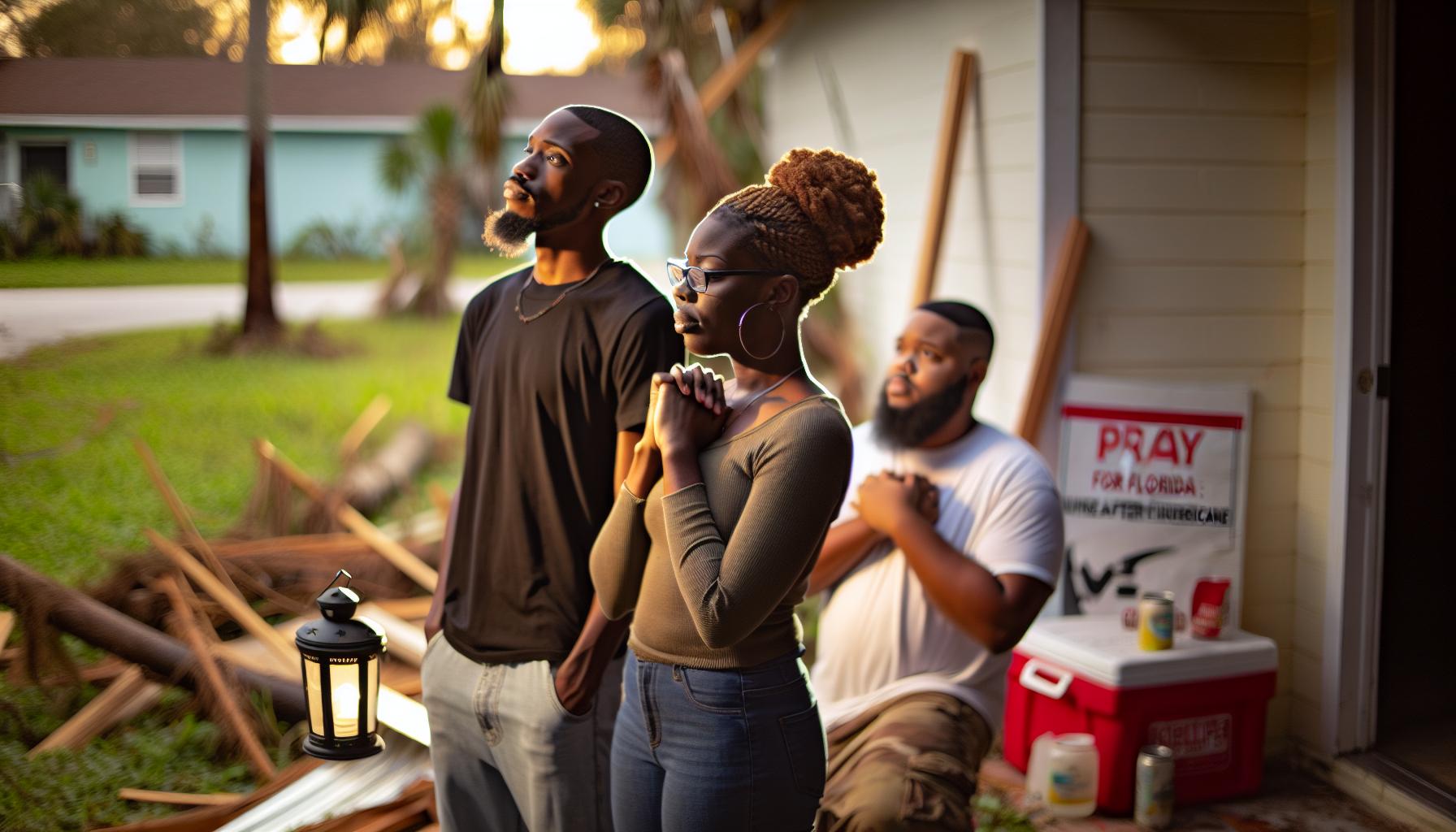
Understanding Hurricane Milton’s Impact on Communities
In the wake of Hurricane Milton, communities in Florida are facing not only the challenges of recovery but also the profound emotional and spiritual ramifications of such a significant event. This hurricane has left a visible mark on neighborhoods, homes, and livelihoods, yet it also presents an opportunity for transformation and deeper connections within these affected areas. As the wreckage is cleared and restoration efforts commence, the focus shifts to the resilience and strength of these communities bound together by faith and hope.
The impact of Hurricane Milton can be seen in various ways. Homes have been damaged; businesses disrupted, and families displaced, yet the spirit of the community remains unbroken. Many in the area have witnessed firsthand how neighborhoods rally together in times of need-sharing resources, offering shelter, and providing emotional support. These moments of kindness and compassion serve as a powerful testament to the unyielding love of Christ, which shines brightly through even the darkest times. Each story of support strengthens the communal bonds, reminding those affected that they are not alone in their struggles.
Additionally, local churches and faith-based organizations often become beacons of hope and vital support during such crises. They serve as command centers for aid distribution while also providing spiritual nourishment through prayer services and counseling. This confluence of faith and community helps those impacted to rebuild not just their homes, but their lives and relationships, steeping them in the values of grace, unity, and love. By engaging in both physical and spiritual acts of service, individuals can embody the message found in Galatians 6:2: “Bear one another’s burdens, and so fulfill the law of Christ.”
Moreover, as the restoration progresses, this experience can bring an important opportunity for renewed faith. Many may find themselves reassessing their priorities, deepening their spiritual practices, or strengthening their ties to their community. Through intentional prayer and collective faith, families can foster a supportive environment that champions healing and resilience, paving the way for a stronger future rooted in hope and mutual support. The aftermath of Hurricane Milton may be challenging, but it also holds the promise of revival and renewed purpose for the people of Florida.
The Power of Prayer in Times of Crisis
In times of crisis, prayer serves as a powerful anchor for individuals and communities grappling with fear, uncertainty, and loss. The aftermath of Hurricane Milton has left many feeling overwhelmed, yet it is precisely during such turbulent moments that the embrace of prayer can bring solace and strength. As believers unite in lifting their voices to God, they foster a sense of hope that transcends the immediate devastation, reminding all involved that they are not alone in their struggles.
When communities come together to pray, they create an environment that cultivates mutual support and healing. In Philippians 4:6-7, we are reminded, “Do not be anxious about anything, but in every situation, by prayer and petition, with thanksgiving, present your requests to God.” This scripture encourages believers to bring their fears and needs before the Lord, trusting that He is attentive and ever-present. Through communal prayer practices, such as prayer circles or asking neighbors for specific prayer requests, individuals can share their burdens, fostering connections that reinforce hope.
To effectively weave prayer into the recovery process, consider establishing a dedicated prayer time, such as a weekly gathering where community members can come together to pray for those affected by the storm. This could take place in a local church, a park, or even virtually. Additionally, forming a prayer chain through social media or community boards can keep the spirit of togetherness alive, enabling continuous support for one another. Remember that prayer can also extend beyond words; serving those in need through acts of kindness reflects the hands and feet of Christ in action.
Lastly, it is essential to nurture personal prayer practices as well. Individuals may find comfort in journaling their prayers, creating a space where they can express their feelings and concerns before God. Engaging with Scripture during these times can also deepen understanding and provide context for prayer. Consider reading Psalms, where many verses echo cries for help and assurances of God’s faithfulness. As the people of Florida navigate the aftermath of Hurricane Milton, may their collective prayers pave the way for healing, unity, and renewal.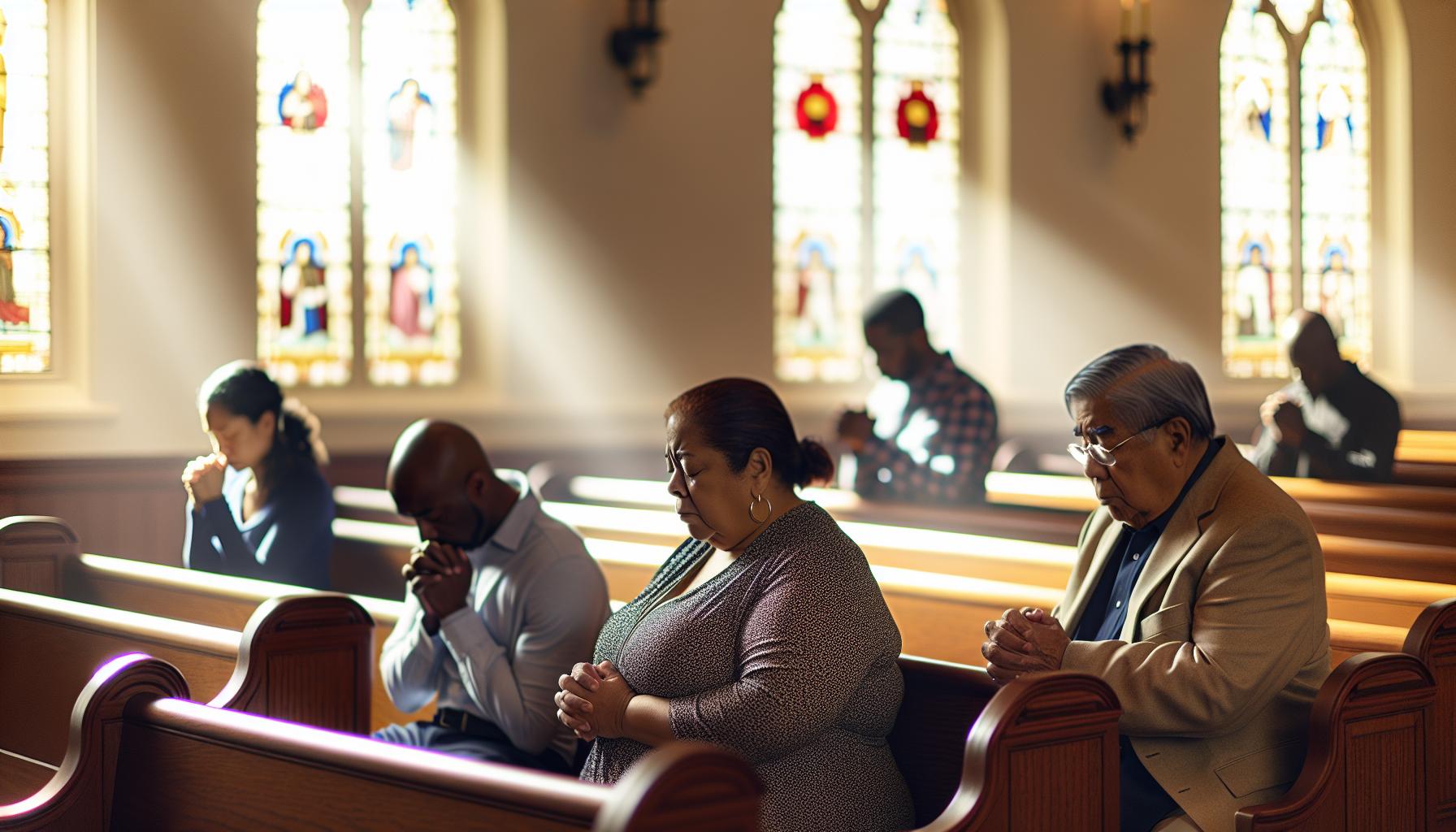
How to Support Affected Families Spiritually
In times of distress, spiritual support plays a vital role in healing and recovery. After the devastation of Hurricane Milton, many families find themselves grappling with grief, loss, and uncertainty. As members of a caring community, we can extend our support by offering both emotional and spiritual resources that center around faith in Christ.
One powerful approach is to provide encouragement through prayer. Organizing prayer meetings or inviting families to share their prayer needs can create a nurturing environment where they feel heard and valued. Consider setting up a prayer wall-physically in a church or digitally through a social media group-where families can post their requests and encourage others to pray. This shared practice not only reinforces community bonds but also affirms God’s presence in their lives during challenging times.
Additionally, resources such as Bible study groups can offer solace and context during recovery. Curate a selection of scriptures focused on hope and restoration, such as Isaiah 41:10, which promises, “Do not fear, for I am with you; do not be dismayed, for I am your God.” These passages can serve as comfort and motivation, reminding families that they are not alone and that God is actively working for their good. You might even consider sharing daily devotionals that center on rebuilding relationships and fortifying faith.
Offering practical support is just as important as providing spiritual nourishment. Host community gatherings where families can come together for a meal, share their stories, and connect with one another. Initiatives like “buddy systems” can pair families who are weathering similar storms, allowing them to support each other through their faith journeys. Encouraging acts of service-such as rebuilding homes or volunteering at local shelters-will not only help meet physical needs but also foster a deeper sense of purpose and unity.
Ultimately, it’s the combination of prayer, shared scripture, and tangible acts of service that will create a robust network of support for families affected by Hurricane Milton. Through these acts, we can demonstrate Christ’s love and promise a brighter future, reminding each individual that with faith and community, hope after the storm is not just possible, it’s already at work among us.
Inspirational Bible Verses for Hurricane Recovery
In the aftermath of Hurricane Milton, many find solace and strength in the timeless wisdom of Scripture. The Bible offers verses that provide comfort, hope, and reassurance during difficult times, reminding us that God is our refuge and source of strength even amidst life’s storms. Whether you are looking to uplift your spirit or to encourage others, these passages can serve as a guiding light for recovery and healing.
Key Verses for Comfort and Hope
Consider the following Bible verses that reinforce the promise of God’s presence and support through adversity:
- Psalm 46:1-3: “God is our refuge and strength, an ever-present help in trouble. Therefore, we will not fear, though the earth give way and the mountains fall into the heart of the sea.”
- Isaiah 41:10: “So do not fear, for I am with you; do not be dismayed, for I am your God. I will strengthen you and help you; I will uphold you with my righteous right hand.”
- 2 Corinthians 1:3-4: “Praise be to the God and Father of our Lord Jesus Christ, the Father of compassion and the God of all comfort, who comforts us in all our troubles…”
- Romans 15:13: “May the God of hope fill you with all joy and peace as you trust in him, so that you may overflow with hope by the power of the Holy Spirit.”
These scriptures not only provide assurance but also encourage individuals to lean on their faith as they navigate the complexities of recovery.
Practical Application of Scripture
How can you incorporate these verses into your daily life during recovery? Here are a few practical suggestions:
- Daily Devotionals: Create a routine where you read and meditate on a different verse each day. Spend time in prayer, asking God to speak to you through these words and to provide comfort and guidance.
- Community Sharing: Organize a small group where participants can share their favorite verses and discuss how they have found hope during challenging times. Consider making a list of these verses and sharing them via social media or community boards.
- Scripture Reminders: Write down comforting verses and place them in visible areas around your home-on your mirror, refrigerator, or workspace-to serve as daily reminders of God’s promises.
By centering your thoughts on these powerful affirmations from Scripture, you not only nurture your own spirit but also cultivate a community of support where others can find hope, encouragement, and love while recovering from the challenges posed by Hurricane Milton.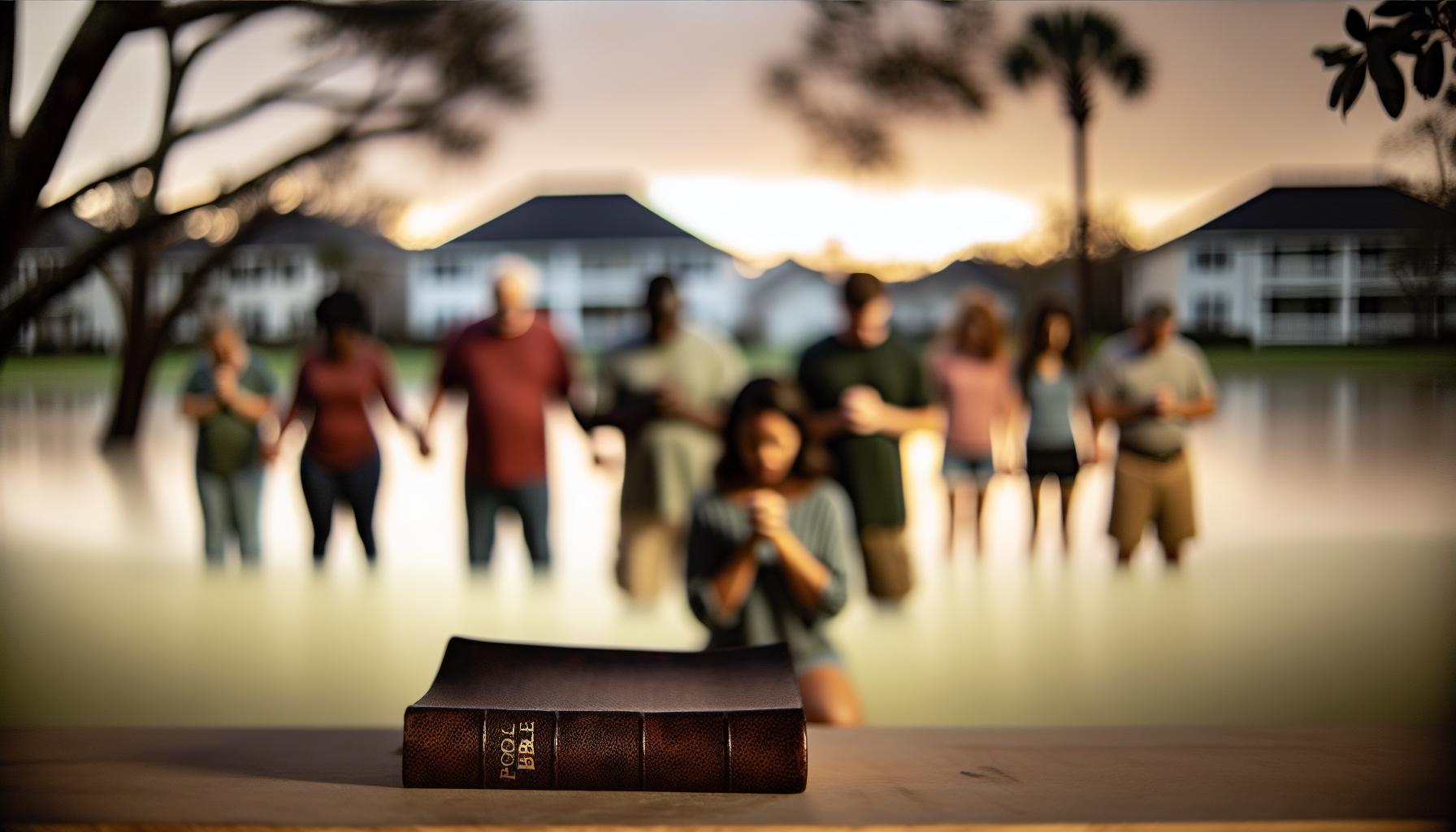
Ways to Volunteer and Help Your Neighbors
In the wake of Hurricane Milton, the call for community and compassion has never been more vital. This storm has affected numerous lives, leaving families in dire need of support. As believers, we are called to act in love and service, embodying the hands and feet of Christ in our communities. Volunteering and offering assistance not only helps those in need but also fosters unity and healing in the face of adversity.
One of the immediate avenues for helping your neighbors is through local disaster relief organizations or churches that are mobilizing efforts on the ground. Many churches in affected areas are organizing volunteer days where individuals can assist with debris cleanup, provide meals, and offer companionship to those who are lonely or overwhelmed. Joining these groups amplifies your impact and allows you to connect with others who share your faith and commitment to service.
Additionally, consider organizing supply drives to collect essential items such as non-perishable food, water, hygiene products, and blankets. Sharing information about these efforts via social media can increase reach and participation, inviting more people to lend a hand. Furthermore, consider offering your skills-whether it’s repairing homes, providing childcare, or creating care packages.
Don’t forget the spiritual component of recovery. Offer to pray with or for your neighbors, providing emotional and spiritual support. Prayer is a powerful tool for healing, and gathering together to seek God’s guidance and comfort can uplift those who are struggling. As you engage in these acts of service, remember the words of Galatians 6:2: “Carry each other’s burdens, and in this way, you will fulfill the law of Christ.” Through your actions, you become a living testament of hope and love, helping rebuild both homes and hearts after the storm.
Building Resilience: Faith in the Face of Adversity
In times of overwhelming adversity, such as the aftermath of Hurricane Milton, many people turn to their faith as a source of strength and resilience. Scripture reminds us in Philippians 4:13, “I can do all things through Christ who strengthens me.” This verse encapsulates the spirit of enduring challenges by leaning on divine support, providing believers with a foundation for rebuilding both their physical and spiritual lives. Building resilience is not merely about enduring; it’s about thriving in the face of life’s storms with unwavering trust in God’s plans and promises.
One practical way to cultivate resilience is through community involvement. Sharing experiences and faith with others who have faced similar hardships can create a powerful support system. Establishing small groups for prayer and discussion can help individuals articulate their feelings and fears while simultaneously fostering a sense of hope. These gatherings not only allow for shared burdens but also reinforce the understanding that we are never alone on this journey. Additionally, integrating Bible study into these gatherings can deepen faith and provide insights into God’s character, encouraging perseverance amid trials.
Moreover, prayer serves as a vital tool for resilience. Developing a consistent prayer life enables believers to articulate their needs, fears, and hopes to God. Practicing gratitude through prayer can shift focus from despair to appreciation, even in difficult times. Encourage the habit of journaling prayers, noting how God has provided comfort and clarity in past trials. Regularly revisiting these entries can bolster faith when confronted with new challenges, reminding individuals of God’s faithfulness and enduring presence.
As you navigate through this season of rebuilding, embrace the community, engage in prayer, and immerse yourself in the Word. These steps will not only fortify your own spirit but also inspire those around you. Sharing your journey of resilience can serve as a lighthouse, guiding others as they seek to find hope after the storm. Remember, just as Jesus calmed the storm for His disciples, He continues to bring peace amid our challenges, inviting us to trust in His everlasting love and grace.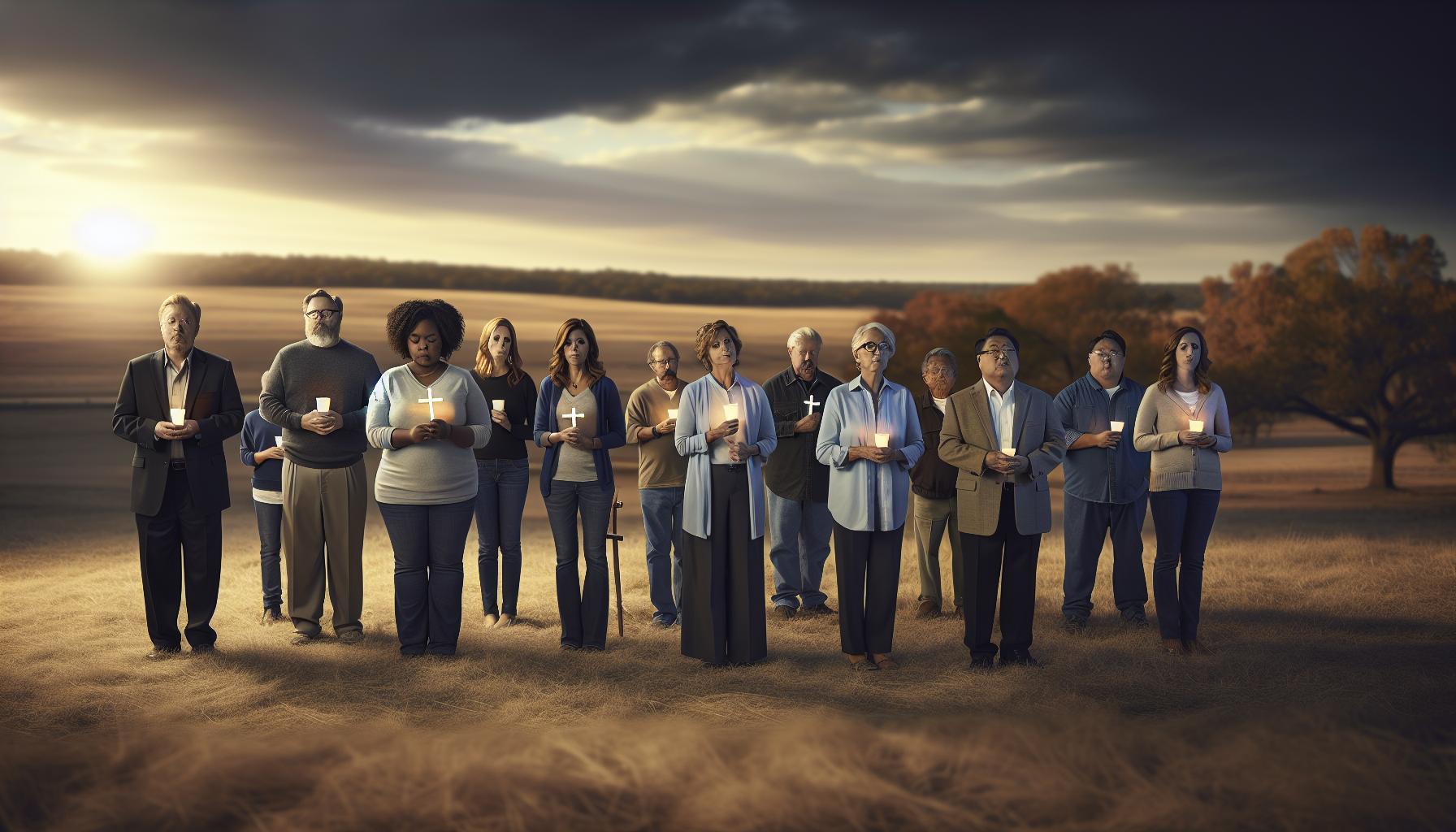
Sharing Stories of Hope and Restoration
In the wake of Hurricane Milton’s devastation, stories of hope and restoration are unfolding across Florida, illuminating the resilience of communities anchored in faith. These narratives remind us that amidst the chaos and destruction, God’s presence remains steadfast, guiding believers toward healing and renewal. One compelling account comes from a small church in Sarasota County, where congregants, while grappling with their own losses, organized a relief effort to help neighbors recover. Their selfless acts of service not only provided tangible assistance but also reinforced the bonds of faith and community, showcasing how collective efforts can lead to uplifting transformations.
As believers gather to share their experiences, whether through informal gatherings or structured prayer meetings, they find strength in vulnerability and the shared journey of recovery. For instance, one local family experienced the loss of their home but was moved by the outpouring of support from friends and strangers alike. They spoke of receiving care packages, emotional support, and even offers of temporary housing while they recovered. These stories are powerful reminders of how God often works through people to offer hope when it seems all but lost.
To cultivate an atmosphere of hope and restoration, consider sharing your own story or inviting others to share theirs. This can be done through community newsletters, social media platforms, or within church gatherings. Not only does this foster a sense of belonging, but it also serves as a testament to God’s faithfulness. Additionally, setting up a dedicated space for testimonies-whether in the form of a prayer wall, a virtual forum, or a regular meeting-can help amplify these stories, allowing others to see the light of Christ shining through adversity.
In these times of healing, remember the exhortation in 2 Corinthians 1:4, which encourages believers to share the comfort they have received from God. Each story of restoration becomes a beacon of hope for those still navigating the storm’s aftermath, reminding them that the journey toward recovery, though challenging, is filled with the profound promise of God’s grace and love. Embrace the power of sharing, as each testimony not only uplifts individual spirits but also weaves a stronger tapestry of faith within the community.
Resources for Spiritual Guidance After the Storm
In the aftermath of Hurricane Milton, many are left seeking solace and guidance as they navigate their healing journey. During such turbulent times, it’s essential to lean on faith and the wisdom of Scripture, grounding ourselves in the hope and assurance that God is ever-present. Here are several valuable resources for spiritual support that can help individuals and communities find peace and strength after the storm.
Prayer Resources
- Prayer Chains: Establish mini prayer chains within your community or church. By sending out specific prayer requests, members can unite in prayer, lifting each other up during challenging times.
- Online Prayer Groups: Join or create virtual prayer meetings on platforms such as Zoom or Facebook Live. Connecting with others in prayer offers a sense of community and shared purpose, reminding us that we are not alone in our struggles.
Bible Study and Devotionals
- Daily Devotionals: Seek out daily devotionals that focus on themes of comfort and recovery. Websites like YouVersion offer free access to various devotional plans tailored to cope with loss and find hope after disasters.
- Scripture Reflection Groups: Organize small group discussions or guitar circle meetings centered on healing Scriptures. Reflecting on verses such as Isaiah 41:10, “Fear not, for I am with you,” can foster encouragement and resilience during this recovery phase.
Support for Families
- Counseling Ministries: Many churches have counseling ministries or partnerships with local organizations providing professional help. Engaging with a counselor can offer guidance on handling grief, trauma, and rebuilding life after loss.
- Family Integrity Workshops: Attend workshops focusing on maintaining family unity and emotional well-being through faith. These can empower families to communicate openly, practice forgiveness, and support one another in healing.
Community Engagement
- Local Church Initiatives: Participate in or start initiatives at your local church for helping those affected by the hurricane. This may include organizing community service days or collecting resources for families in need.
- Sharing Testimonies: Create opportunities for individuals to share their stories of faith and restoration. Hearing how God has worked in others’ lives can be profoundly inspiring for those in the midst of their struggles.
By utilizing these resources, individuals and families can ground their recovery in prayer, Scripture, and community support. Remember, while the journey of healing may have its ups and downs, with every step taken in faith, we draw closer to the restoration and hope that are promised through Christ.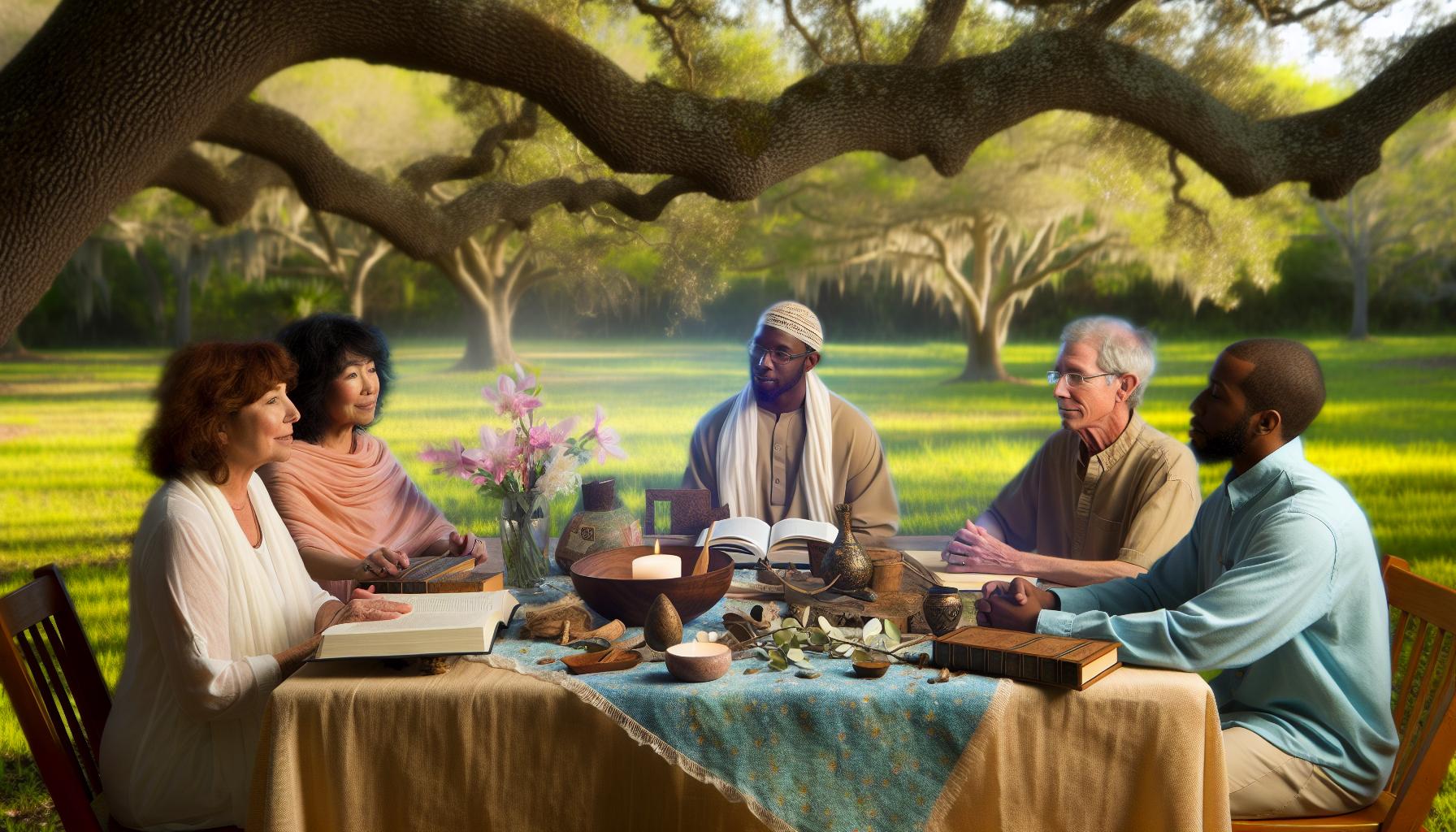
How Churches are Responding to Hurricane Relief Needs
As communities across Florida grapple with the aftermath of Hurricane Milton, churches have become beacons of hope and support. Recognizing the urgent needs of those affected, many congregations have mobilized quickly to provide compassion, resources, and spiritual guidance. The Church’s response is not just about meeting physical needs but also addressing the emotional and spiritual toll on families that have endured loss and devastation.
Churches are stepping up to serve as shelters, providing safe havens for families who have lost their homes. Many congregations have opened their doors, offering food, bedding, and counseling services. For instance, several churches are collaborating with local organizations to distribute care packages containing essential supplies, food, and hygiene products to those hardest hit by the storm. This collaborative spirit fosters community resilience and showcases the love of Christ in action.
In addition to immediate relief efforts, many churches are organizing prayer vigils and services focused on healing. These gatherings not only provide a space for communal worship but also serve as an opportunity to share stories of faith, resilience, and hope. During these services, pastors and leaders encourage congregants to lean on Scripture, reminding them of promises like Psalm 46:1, which assures us that “God is our refuge and strength, an ever-present help in trouble.” It’s in these moments of unity and prayer that many find comfort and a renewed sense of purpose amidst despair.
Moreover, churches are focusing on long-term recovery efforts by establishing ministries that assist with rebuilding homes and community infrastructure. Through partnerships with Christian disaster relief organizations, congregations are equipping volunteers for reconstruction projects. They offer training sessions focused on how to assess damage, promote safety during the rebuilding phase, and provide companionship to those who feel isolated in their grief. It’s a testament to the Church’s commitment to not only restore physical structures but to uplift the spirit of the community.
As members of the Body of Christ come together to support relief efforts, they are also encouraged to develop spiritual resources that families can use as they navigate this challenging time. This might include distributing materials on prayer, Bible studies focused on hope and healing, and workshops that help families engage in constructive conversations about their experiences and the path forward. By fostering a supportive and nurturing environment, churches play a pivotal role in ensuring that no one walks this journey alone.
Through these initiatives, congregations not only respond to immediate needs but also nurture a deeper sense of community and faith that can withstand future storms, both literal and metaphorical.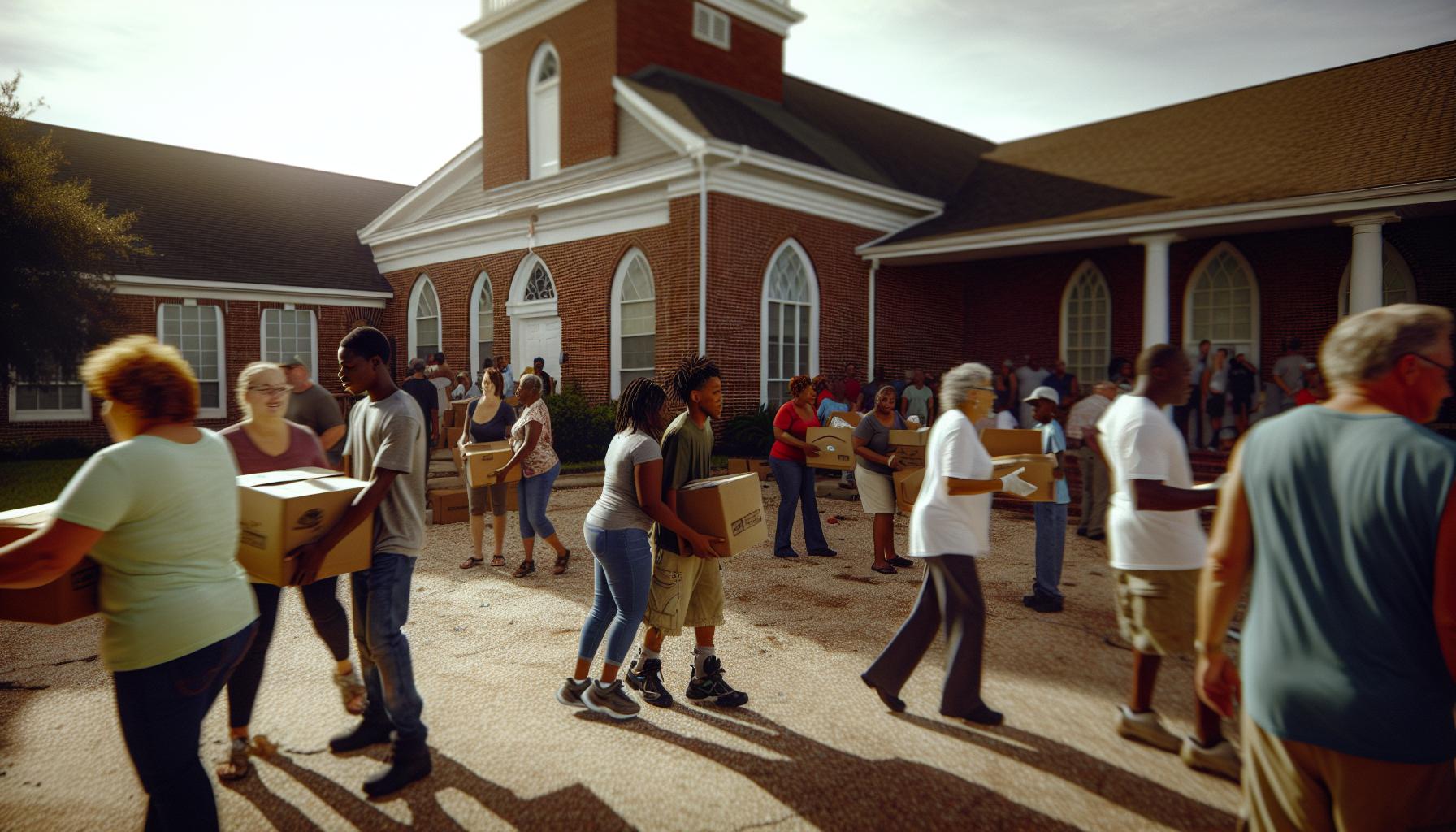
Planning for Future Storms: Faith and Preparedness
In the wake of Hurricane Milton, many communities are reflecting on not just the devastation caused, but also the lessons learned in terms of faith and preparedness. Preparing for future storms is not just about having a physical safety plan in place; it’s also about nurturing a spirit of resilience grounded in faith. As believers, we can’t always predict when the next storm will come, but we can be proactive in our responses, both practically and spiritually.
One effective method is to establish a family emergency plan that incorporates spiritual practices. Here are some practical steps to consider:
- Develop a communication strategy: Agree on a meeting point and how to contact each other during and after a storm. Include prayers for safety and protection in your discussions.
- Create an emergency kit: Stock it with necessities such as food, water, first-aid supplies, and spiritual resources like a Bible and prayer books to fortify your spirit.
- Practice drills: Include family prayer in your storm drills. Ensure everyone knows not just the physical safety routes but also the emotional and spiritual steps to take. Pray corporately at designated times during these drills.
- Engage with your church community: Foster connections with your local church for spiritual support and practical assistance during crises. Encourage your church to develop community plans that incorporate prayer gatherings before and after storms.
In addition to planning, scripture can be a powerful tool in fostering resilience. Encourage your family to memorize verses that bring comfort during fearful times. For example, Isaiah 41:10 reassures us, “So do not fear, for I am with you; do not be dismayed, for I am your God.” This not only strengthens your faith but also prepares your heart to face challenges ahead.
It’s also vital to cultivate a lifestyle of daily prayer and scripture study. Your family can set aside time each week to reflect on what God says about storms-not just physical ones but also the metaphorical storms of life, promoting a peaceful heart that trusts in God’s plan. Creating a routine around these practices before a storm strikes fosters spiritual preparedness that will sustain you during tumultuous times.
Ultimately, preparedness in faith means leaning into God’s promises while also taking smart, tangible actions to support your family and community. Through united prayers, active planning, and a foundation in Biblical truth, we can face future storms with hope and assurance, confident that God walks with us through every trial.
Creating a Prayer Chain for Ongoing Support
In times of crisis, the power of prayer can unite communities and provide much-needed comfort. for those affected by Hurricane Milton is a heartfelt way to ensure that prayers continually surround Florida as it recovers from this tumultuous storm. This initiative can help foster a sense of community and resilience, offering both spiritual and emotional support through the challenges ahead.
To establish an effective prayer chain, begin by gathering a group of individuals from your church or community who are willing to commit to prayer. Use the following steps to organize and inspire participation:
- Choose a Communication Method: Decide how you will keep everyone informed. This could be through group texts, email, or social media platforms. Regular updates can keep participants motivated.
- Create a Schedule: Develop a calendar for prayer times and assign specific days or times to different groups or individuals. This ensures that someone is always praying and that the effort feels collective.
- Share Prayer Requests: Encourage those affected by the hurricane to share specific prayer needs. This can include prayers for physical recovery, emotional healing, and the rebuilding of homes and lives.
- Provide Prayer Resources: Equip participants with relevant scripture verses and prayer prompts that can deepen their prayers. For example, you might use Philippians 4:6-7, which reminds us to bring our requests to God with thanksgiving.
As the prayer chain evolves, consider organizing periodic gatherings-either virtually or in person-where participants can share stories of hope, encourage one another, and pray collectively for those in need. This will not only reinforce connections but also build a deeper sense of community during a challenging time.
Remember, prayer is not just a ritual; it’s a lifeline. By binding together in prayer, you not only uplift those who are suffering but also strengthen the faith of all participants. Maintaining this commitment to prayer can lead to transformative experiences, reminding everyone involved of God’s presence in times of trouble and His promises of restoration and hope.
Frequently asked questions
Q: How can I pray for those affected by Hurricane Milton?
A: To pray for those affected by Hurricane Milton, focus on specific needs like safety, recovery, and comfort. Include prayers for families who have lost homes and those providing aid. Engaging in community prayer gatherings can also amplify support. Visit our section on “Pray for Florida” for guided prayers.
Q: What scriptures can inspire hope after Hurricane Milton?
A: Scriptures such as Jeremiah 29:11, which speaks of God’s plans for hope, can provide comfort. Additionally, Psalm 46:1 offers reassurance of God’s strength during turbulent times. Check our “Inspirational Bible Verses” section for more uplifting verses that support recovery and resilience.
Q: How can I help my community recover from Hurricane Milton?
A: Supporting your community can involve volunteering, donating supplies, or participating in local rebuilding efforts. Engage with local churches or organizations leading recovery initiatives. Refer to our “Ways to Volunteer” section for actionable steps to make a difference.
Q: What should I include in a prayer chain for Hurricane Milton victims?
A: A prayer chain for Hurricane Milton victims should include prayers for healing, restoration, and peace. Consider sharing specific names, locations, and needs of those affected. Our “Creating a Prayer Chain” section offers additional tips for organizing and sustaining your prayer efforts.
Q: What organizations are assisting in Hurricane Milton relief efforts?
A: Various organizations, including local churches and national NGOs, are providing essential support post-Hurricane Milton. Research volunteers and donations through platforms like the Red Cross. Explore our section on “How Churches are Responding” for detailed information on specific initiatives.
Q: How can prayer impact recovery efforts after a hurricane?
A: Prayer can provide emotional and spiritual support during recovery, fostering community solidarity and hope. It also inspires individuals to act altruistically, whether through donations or volunteering. Our article discusses the “Power of Prayer in Times of Crisis” for more insights.
Q: When should I start offering help after a hurricane like Milton?
A: Help should be offered as soon as possible, with immediate assistance focusing on essential needs such as food, shelter, and emotional support. Ongoing efforts are crucial for rebuilding. Refer to our section on “Ways to Volunteer and Help Your Neighbors” for specific timelines and actions.
Q: How can I find spiritual guidance during recovery from Hurricane Milton?
A: Spiritual guidance can be found through local church services, online devotionals, and support groups focused on recovery. Our “Resources for Spiritual Guidance” section details options available for those seeking comfort and direction in their faith journey.
To Wrap It Up
As we reflect on “Prayers for Florida Hurricane Milton: Hope After the Storm,” let us carry forward the strength and hope found in community prayer and faith. Remember, your journey doesn’t end here. Dive deeper into the power of prayer with our guide on cultivating a vibrant prayer life, or explore our articles on biblical teachings that provide comfort and guidance through life’s storms.
We encourage you to take action now-share your thoughts below or connect with us for more resources that bolster your faith journey. Don’t miss out on our newsletter for the latest devotional insights and parenting wisdom to support your spiritual growth. Together, we can uplift one another; your voice matters in this community. Trust in God’s unfailing love, and keep seeking the light that shines through the darkest periods. Your hope and faith can inspire others-let’s continue this journey together!